
Cap Packaging Options: Retail-Ready, Hangtag, Polybag & Custom Boxes (2026 Update)
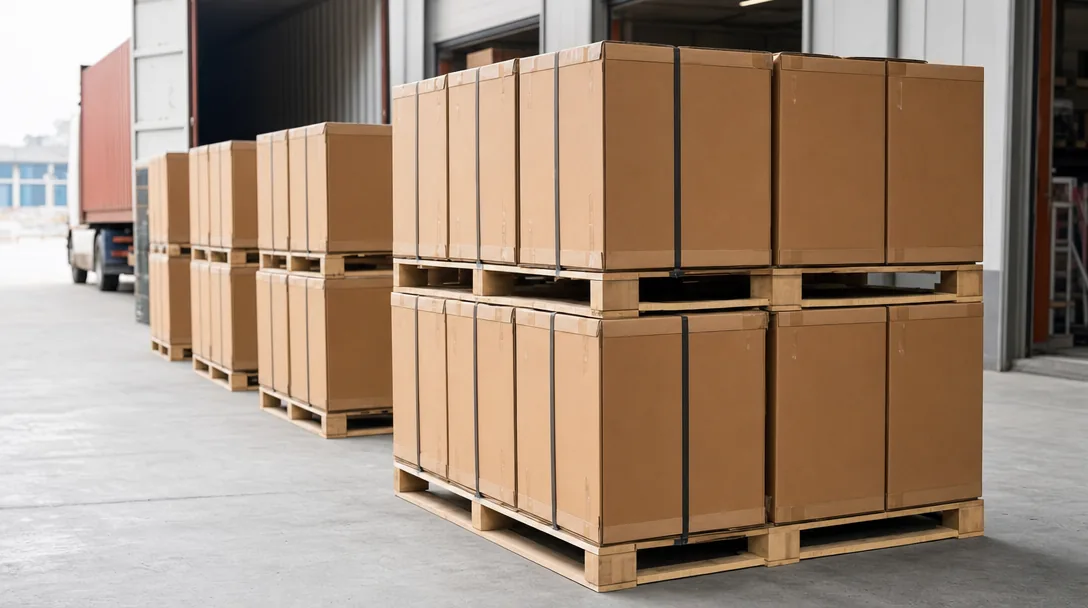
For brand owners, wholesalers and procurement teams entering the custom headwear category, cap packaging options: retail-ready, hangtag, polybag & custom boxes (2026 update) is one of the highest-leverage decisions you will make. Get it right and your unit economics, retail story and reorder cycle all improve. Get it wrong and you carry the cost for years.
Why packaging is part of the product
Cap packaging sets price expectation before the buyer touches the sweatband, checks the embroidery density, or looks at the closure. I’ve seen the same 5-panel foam trucker and the same 270 gsm brushed cotton twill dad cap sell into two completely different channels with no change to the sewing BOM, only a different pack-out spec. A promotional order can leave the factory in a plain 0.03 mm LDPE polybag with a suffocation warning, 50 pcs per export carton, no individual branding, and still do the job. A retail program usually needs a 350 gsm SBS wrap card, Euro-slot hanger, UPC or EAN barcode, size sticker, and a hangtag fixed with a 9-inch nylon fastener through the sweatband seam so the exterior panels stay clean. That difference in cap packaging can shift perceived value from a $5.50-$7 promo cap to a $22-$28 specialty-retail item without changing the embroidery file or fabric spec.
Bad packaging erases good manufacturing fast. If the insert board is 8-10 mm too narrow, the front panel caves in during carton compression and a structured buckram crown arrives looking second quality even when the sewing passes AQL 2.5. If the wrap card stock is under 300 gsm, it warps in humid transit and the cap starts reading cheap on the peg. Print control matters too: barcode quiet zones need to stay clean for scan accuracy, and spot colors on tags and cards should be checked against Pantone references under a D65 light box, not approved casually under warehouse lighting. For DTC and premium retail, cap packaging also has to protect shape in parcel networks, which is why brands step up to E-flute mailers or 1.5 mm rigid board boxes when a soft polybag cannot survive courier handling. At CrownsForge, we treat packaging color tolerance, labeling layout, and compression resistance as part of the product specification, not as afterthought trim added before shipment.
Hangtags — material, print, attachment
Board stock is the first place cheap cap packaging shows up. Anything under 300 gsm is a false economy on hats; after three to four weeks moving through South China and transshipment hubs at 70-80% RH, light tags start to wave, curl, and dent against the visor. For most retail programs, 350-400 gsm C2S art card is the safe range because it holds flat, prints tight solids, and gives cleaner edges on logos and QR codes. On a properly controlled Heidelberg or Komori offset run, keeping Pantone color within Delta-E 2.0 of the approved proof is realistic on coated stock. Recycled kraft and gray-back board fit outdoor, workwear, and eco-positioned brands better, but buyers need to accept softer line definition, higher ink gain, and less reliable legibility on fine reversed text below about 6 pt.
Print method should follow run size and data requirements, not designer preference. Offset is usually the best value above about 2,000 pieces per SKU because plate cost gets diluted quickly; a two-sided 70 x 120 mm tag in 350 gsm C2S typically lands around US$0.045-0.09 each depending on color count, matte lamination, foil area, and hole reinforcement. Digital makes sense for short runs, launch tests, or variable content such as serialized SKUs, localized pricing, and QR links, but batch-to-batch consistency is weaker on dense dark fills. For premium tags, foil stamping and embossing only work when registration is controlled to roughly +/-0.3 mm; anything looser looks off-center immediately. Attachment matters just as much as print. We avoid safety pins on brushed cotton, suede, and foam-front truckers because they leave punctures. A 1.0-1.2 mm elastic loop or nylon string lock through the back closure or care label is safer and removes cleanly. If the hat also ships in a printed polybag or retail box, tag size and placement need to be checked against barcode scan zones and carton compression, otherwise oversized tags crease visors and distort front panels under master-carton load.
Polybag options
Standard LDPE remains the most dependable baseline for cap packaging because it gives the fewest surprises in sealing, packing speed, and transit performance. For one-cap packing, 0.04-0.06 mm film is the practical window: under 0.04 mm, side seals split too easily and every sweatband ridge prints through the bag; above 0.06 mm, cost climbs without much benefit unless the cap has a tall crown or bulky trim. Typical finished bag sizes are 28 x 30 cm for low-profile unstructured styles, 30 x 32 cm for most 6-panel snapbacks and truckers, and 32 x 35 cm when crown height is above 12 cm or the visor is pre-curved aggressively. Clear LDPE usually lands around $0.02-$0.05 per piece FOB China, depending on gauge, vent holes, suffocation warning text, and whether the bag needs a barcode block or one-color flexo print. The hidden cost of clear film is that it exposes every packing mistake. Dust on the visor, loose jump stitches under the brim, and dents on buckram-backed front panels all show immediately, so the factory has to control final trimming and insertion better than with opaque packaging. Frosted PE or CPE/EVA bags look cleaner, but they only justify themselves when presentation matters at retail or in e-commerce unboxing. The usable spec is usually 0.08-0.12 mm; anything lighter tends to crease badly and crack near the zip track after repeated use. A decent frosted zipper bag typically costs $0.12-$0.28 FOB, with price driven by gusset depth, zip quality, and print coverage. In practice, we reject stock bags that fail a 20-30 cycle zipper test or show side-seal weakness under roughly 2 kg pull force, because that failure shows up before the customer even wears the cap.
Compostable film is the option buyers mis-spec most often, mainly because the sales language is looser than the actual material performance. If the sustainability claim is real, the supplier should name the resin blend—usually PLA/PBAT—and provide certification to EN 13432 or ASTM D6400 instead of vague "cornstarch bag" wording. For cap packaging, that matters because compostable films are not a drop-in replacement for LDPE on export orders. In East China summer conditions—warehouse temperatures above 30°C and relative humidity over 70%—low-grade film can soften, turn slightly tacky, or lose seal integrity. On a 25- to 35-day ocean shipment, that risk is not theoretical; it shows up as blocked bags, distorted warning print, or seals opening inside the master carton. Printing discipline also matters more on compostable film than on standard PE. Ink adhesion depends heavily on proper corona treatment, and if the converter misses the dyne level or rushes curing, dark solid areas will scuff during carton vibration. I would keep artwork light, avoid heavy flood coverage, and ask for packed-carton transit testing before approving production, especially for DDP shipments into humid destinations. Cost is typically 2 to 4 times standard LDPE, so the specification has to be intentional rather than cosmetic. If the buyer needs retail-ready presentation with a sustainability claim, compostable bags can work, but only when the factory validates seal strength, print rub resistance, and storage stability under real shipping conditions instead of treating the material like ordinary polybag stock.
Sticker, sticker pack and dust-bag options
Brim stickers are cheap until they damage the product. In cap packaging, I treat them like any other controlled trim: normally 38-42 mm kiss-cut PET, PP synthetic, or C2S paper with a permanent acrylic adhesive rated for carton storage, not a generic office-label glue. Print color should be approved against a Pantone coated reference and held within Delta-E 2.0 under D65 light, especially for metallic foils or black-on-gold retail seals where drift is obvious. On suede, brushed cotton twill, peach-skin microfiber, and lightly sanded polyester, a 24- to 48-hour peel test is mandatory before bulk. If cartons sit 30-45 days above 30°C, aggressive adhesive can leave ghosting, lift surface nap, or transfer glue onto dark visors. Typical cost is $0.015-$0.05 per piece; dome epoxy, hot-stamp foil, and small runs push it higher. For cleaner shelf presentation, the barcode, size code, and internal SKU are better printed on the release liner or back side rather than cluttering the front of the cap.
Sticker packs only work when they feel deliberate, not like leftover promo inserts. A 3-5 sticker set should be packed flat in a glassine sleeve or 30-40 micron OPP bag, then placed inside the crown with a tissue separator or tied to the hangtag loop so it cannot abrade embroidery, crease the sweatband, or curl during transit. For artwork with gradients, metallic inks, or thin mascot outlines under 0.3 mm, UV offset or HP Indigo-class digital label printing is more dependable than entry-level flexo; I would still run a rub test and a 20-30 cycle carton shake test before approval. Budget roughly $0.08-$0.30 per set depending on count, lamination, spot UV, and whether each shape needs its own kiss-cut die. Dust bags make sense only on premium cap packaging, usually hats retailing above about $18-$25 FOB with 3D embroidery, suede brims, leather patches, or delicate trims. A practical spec is 150-220 gsm cotton canvas or recycled polyester, about 30 x 35 cm for one structured cap, with 2-3 cm extra width for high-profile buckram crowns or aggressively curved visors; woven labels and 1-color silkscreen survive humid ocean freight better than heat transfers, which commonly craze on fold lines.
Shipping cartons
Shipping cartons are where cap packaging usually fails in transit, and the failure mode is almost always compression, not minor visor rubbing inside a polybag. For export, pack-out is typically 24, 48, or 72 pcs per master carton, but the correct count depends on crown geometry and bulk: structured 6-panel caps with buckram fronts pack differently from enzyme-washed dad hats or foam-front truckers. A practical spec for 48 structured caps is a 5-ply corrugated master with 200-250 gsm kraft liners and a 32 ECT rating; once you push to 72-100 pcs, or the shipment will sit under high stack loads in ocean containers, 44 ECT board or 7-ply construction is a safer baseline. On the factory floor, I would rather lose 6%-10% carton efficiency than overpack and flatten the front panel, because that damage is permanent and usually triggers claims at destination. Good cap packaging is really about sidewall strength, controlled headspace, and stable pallet footprints, not squeezing the highest unit count into every case.
Carton printing should stay functional unless the outer case is meant to serve as retail-ready packaging. Standard export marks are usually 1-color black flexo and should include PO, style number, color, quantity, carton dimensions, N.W./G.W., and country of origin; that is enough for warehouse receiving and WMS scanning without paying for decorative print. If branded shipper cartons are required, simple side marks usually add about $0.18-$0.45 per carton, while 2-color work, larger ink coverage, or white-top kraft can push that higher. Accuracy matters more than appearance: one wrong shipping mark can misroute a full pallet even if the hats themselves pass AQL 2.5 inspection. For FSC Mix or FSC Recycled claims, the carton spec, invoice, and chain-of-custody paperwork need to match exactly; in Zhejiang, certified corrugate is usually only 3%-8% more expensive than standard board, so the real exposure is documentation failure. For DDP lanes, club-store replenishment, or any route involving transload handling, specify moisture-resistant kraft and board strength by lane, not by habit.
Sustainable packaging upgrades
The biggest sustainability win in cap packaging is usually replacing virgin LDPE with certified compostable or recycled-content bags without wrecking transit performance. For individual packing, we normally see three workable paths: 100% recycled LDPE at 0.04 to 0.05 mm thickness, industrial-compostable PLA/PBAT film around 35 to 50 microns, or FSC-certified glassine for dry, non-abrasive programs. Compostable bags sound cleaner on paper, but they are less forgiving in humid warehousing and long ocean transits above 35°C, especially on China-to-U.S. routes in summer. If the hats have high-profile 3D embroidery, chain-stitch details, or metallic trims, I usually recommend recycled poly first, then add one-color polybag printing with soy-based ink for size, SKU, and suffocation warning instead of separate stickers that become extra waste.
Recycled kraft works better on the outer presentation layer than on direct moisture-barrier duties. For retail ready hat packaging, 350 to 400 gsm kraft paperboard with 70% to 90% post-consumer fiber gives a solid balance between stiffness, printability, and price, especially for tuck-end cartons or belly-band wraps. A good supplier should be able to hold Pantone references within a visible but acceptable commercial range; on uncoated kraft, expecting a Delta-E under 3.0 is unrealistic, and experienced buyers usually approve to the actual substrate drawdown, not the coated-book swatch. Soy-ink printing helps here because it lays down cleanly on kraft with less odor than solvent-heavy systems, but coverage on large dark panels needs to be tested so scuffing does not show at the fold lines during drop tests and carton sealing.
The smartest upgrade is treating sustainability as a full packing system, not a single material swap. A custom hat hangtag on 600 to 700 gsm recycled board, attached with cotton string or recycled PET fastener, removes the need for extra adhesive labels and still leaves room for barcode, fiber content, and country-of-origin marking. For e-commerce, branded shipping box hats programs usually use E-flute or F-flute corrugate with water-based adhesive and one- or two-color soy-ink print; that keeps compression strength high enough for 24 to 36 piece master cartons while avoiding laminated finishes that are harder to recycle. At CrownsForge, our standard practice is to test sustainable substitutions against actual packing workflows—sweatband protection, crown support, and AQL 2.5 final inspection—because a package that claims to be green but arrives with crushed custom trucker hat printing has already failed the job.
Frequently Asked Questions
What logo decoration techniques do you offer?
3D puff embroidery, flat embroidery, woven patch, leather patch, PVC patch, screen printing, sublimation, applique and laser etching, all in-house with no subcontracting.
Do you support sustainability certifications?
Yes. We work with GOTS organic cotton, GRS-certified recycled polyester, OEKO-TEX Standard 100 fabrics, and are BSCI and Sedex audited. Certification documentation can be provided per order.
What is the minimum order quantity (MOQ) for custom hats?
Our standard MOQ is 100 pieces per design and color, with sampling available from 1 piece. For complex multi-color logos or premium fabric upgrades, the MOQ can be lowered with a small per-piece surcharge.
How long does production take?
Sampling takes 7 to 12 days. Bulk production runs 20 to 30 days depending on quantity, fabric availability and decoration complexity. Inspection and packing adds another 3 to 5 days before shipment.
Can I order a sample before bulk production?
Yes. We strongly recommend approving a pre-production sample before mass production. Samples are charged at 35 to 60 USD each plus express shipping, fully refundable against confirmed bulk orders over 500 pieces.
How does ordering custom made trucker hat work?
When evaluating custom made trucker hat, the key considerations are construction quality, decoration capability, MOQ flexibility and lead time. First retail impression, unboxing experience, e-commerce protection. Coated paper, kraft, recycled board; offset vs digital print; gold-foil and embossing.
How does ordering baseball cap embroidered custom work?
When evaluating baseball cap embroidered custom, the key considerations are construction quality, decoration capability, MOQ flexibility and lead time. First retail impression, unboxing experience, e-commerce protection. Coated paper, kraft, recycled board; offset vs digital print; gold-foil and embossing.
How does ordering custom embroidered trucker hats work?
When evaluating custom embroidered trucker hats, the key considerations are construction quality, decoration capability, MOQ flexibility and lead time. First retail impression, unboxing experience, e-commerce protection. Coated paper, kraft, recycled board; offset vs digital print; gold-foil and embossing.
How does ordering custom made hats for men work?
When evaluating custom made hats for men, the key considerations are construction quality, decoration capability, MOQ flexibility and lead time. First retail impression, unboxing experience, e-commerce protection. Coated paper, kraft, recycled board; offset vs digital print; gold-foil and embossing.
What is cap packaging?
Controlled atmosphere packaging (CAP) is defined as a method where a specific gas or mixture of gases is established within a package after removing air, and this gas composition is maintained throughout the package's shelf life.
How do you package a cap?
Whatever your packing looks. Like. I promise you it will all fit. And then you put over here and then fill in as needed.
What is a cap box?
The CapBox 2.0 Plastic Baseball Cap Storage is the best Hat, Baseball Cap, Fitted Cap and Snapback Hat storage on the Market. Keep your Caps neat organized and dust free with the CapBox.
What does cap stand for in food packaging?
However, with CAP ( controlled atmosphere packaging ), you can make alterations to the storage conditions of the packaging during its lifespan. This involves adding oxygen absorbers or nitrogen to achieve the optimal gas composition to extend shelf life.
What are the four types of packaging?
Anti-corrosive Packaging. Pharma Packaging. Plastics Packaging. Flexible Packaging.
Ready to start your custom hat project?
Send us your tech-pack, sketch or even just an inspiration photo. We will respond with a detailed quotation and digital mock-up within 24 hours.
Request a free quoteRelated guides
Acrylic Beanie: Properties, Costs and How to Spec It Right
Read article →
Custom Hat Design: The 2026 Sourcing & Manufacturing Playbook
Read article →
Bucket Hat Corduroy Retail Packaging Guide for Custom Hat Buyers
Read article →We hope this guide demystifies cap packaging options: retail-ready, hangtag, polybag & custom boxes (2026 update) and helps you move forward with confidence. If you have questions specific to your project, our English-speaking sales engineers are one message away.