
Acrylic Beanie: Properties, Costs and How to Spec It Right
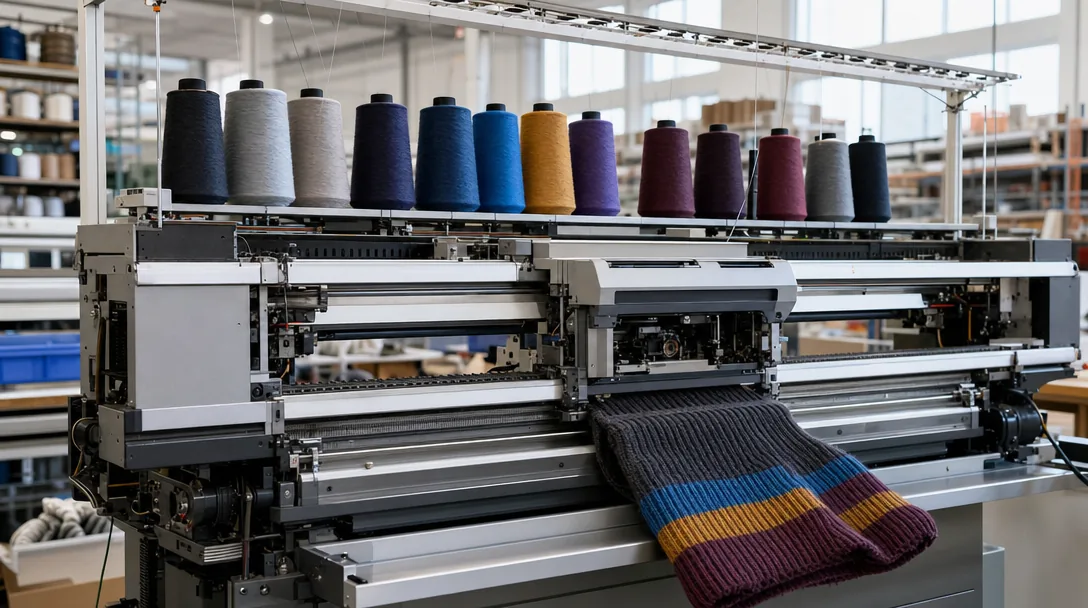
Acrylic Beanie: Properties, Costs and How to Spec It Right is one of the most-asked questions we receive from international buyers, and for good reason. With dozens of factories competing for your order and an alphabet soup of technical terms in every supplier quote, even experienced importers can feel lost. This guide consolidates what we have learned producing custom hats for clients in 40+ countries.
Merino Wool Beanie
Merino wool beanies are usually made on 12G or 7G flat knitting machines, then linked, washed, and lightly steamed to stabilize shape; the good factories use 100% 19.5–21.5 micron merino, sometimes blended with 5% nylon for abrasion resistance. If you are spec’ing one, ask for yarn count, micron range, shrinkage after wash, finished weight in grams, cuff height, and whether the yarn is traceable to a RWS or ZQ source. A real factory spec should also state gauge, rib construction, seam method, and color fastness target, because merino can look fine on arrival and still pill badly after two washes. For buyers who usually source an acrylic beanie, merino is a different game: higher handfeel, more cost, tighter QC, and less tolerance for sloppy knitting or weak dye lots.
Typical MOQ for a custom merino wool beanie is 300 to 500 pieces per color per size if the mill has stock yarn; once you demand custom-dyed yarn, you are closer to 1,000 pieces and 15 to 25 days just for yarn lead time. Factory pricing in China is often around USD 4.20 to 7.80 FOB for basic one-color rib knits, then climbs to USD 8.50 to 12.00 with jacquard, woven labels, or leather patches; melange yarn, brushed lining, or special washing can push it higher. Compare that to an acrylic beanie, which is still the cheaper workhorse for sports promotions and streetwear programs. If you are cross-sourcing other headwear like a bucket hat women line, camouflage bucket hat, corduroy hat men's, cotton beanie, or even an organic cotton newborn hat, keep merino in a separate cost bucket because the raw material and defect risk are not comparable.
The main quality checks are pilling, hand feel, dimensional stability, and shade consistency between cap and cuff; I would also inspect seam bulk at the crown, because thick linking can scratch the forehead and trigger complaints even when the knit looks clean. Ask for AQL 2.5 on general appearance, but tighten to zero tolerance on holes, skipped stitches, oil stains, and yarn contamination, because dark merino shows every factory mistake. For testing, request shrinkage under 5% after one gentle wash, pilling grade 3.5 or better after 2,000 cycles, and colorfastness to washing and rubbing at grade 3–4. The sourcing lesson is simple: merino is not a substitute for an acrylic beanie; it is a premium option for colder markets and buyers who will pay for handfeel, while acrylic wins when you need stable pricing, easier dye matching, and lower rejection rates across large programs.
Cotton Beanie
A cotton beanie starts with the yarn count and knit structure, not the logo. For winter-weight styles, buyers usually spec 100% combed cotton in 2/32s or 26s/2 yarn, knitted on a 12-gauge or 7-gauge machine depending on whether they want a tighter fashion fit or a heavier hand. If you want a softer hand and less shrink risk, ask for pre-shrunk yarn, enzyme wash, and a finished fabric weight around 220–320 gsm. The right spec sheet should call out yarn composition, gauge, rib type, cuff height, crown shaping, color standard, and tolerance on circumference, because a beanie that measures 1.5 cm off in relaxed state will fit very differently once it is worn and washed. For baby programs like an organic cotton newborn hat, the requirements are stricter: low-AZO dyes, nickel-free trims, and documentation that the cotton is GOTS-certified if the claim is going on the label.
On price, cotton beanie sourcing is usually more expensive than basic acrylic once you compare like-for-like quality. At factory level, a plain stock-color cotton beanie at 300–500 pcs often lands around USD 2.20–4.50 FOB depending on yarn quality, knit density, and wash finish; custom Pantone-dyed yarn or complex jacquard work pushes it higher. MOQ is often 300–500 pcs per color for standard yarn-dyed programs, but mills will ask for 1,000+ pcs if you want custom-spun colors or special blends. Buyers should be careful with the hidden costs: lab dips for shade approval, shrinkage testing after wash, and decoration setup if the cap needs embroidery, woven patches, or a woven label. That is why a cotton beanie may look simple, but it can cost close to a low-end acrylic beanie once you factor in quality control and finishing.
The usual failures are obvious if you know where to look: skewed rib lines, uneven crown decreases, pilling after a few washes, and color variation between dye lots. Insist on wash testing for 3–5 cycles, dimensional stability within 3%, and colorfastness to washing and rubbing at least grade 4 on the gray scale if the beanie will sit next to light garments. For retail buyers, AQL 2.5 is a sane inspection target for general defects, with separate checks for measurement, hand feel, and sewing tension around the cuff seam. This is also where the cotton beanie decision connects back to the acrylic beanie decision: acrylic is cheaper, warmer, and more forgiving on gauge variation, while cotton breathes better and sells better in milder markets or lifestyle programs. If your line already includes a bucket hat women program, a camouflage bucket hat drop, or a corduroy hat men's collection, cotton headwear usually gives you a more premium tactile story than basic acrylic, but only if the factory is actually controlling yarn and shrinkage instead of just knitting and praying.
Black Beanie Hat
A black beanie hat is usually the cheapest place to buy color consistency and the most expensive place to hide defects, because dark yarn shows everything: oil stains, shade variation, pilling, and uneven knitting tension. For an acrylic beanie, I’d specify 100% acrylic or 95/5 acrylic-wool only if you truly need warmth and handfeel; otherwise pure acrylic in 1x1 rib or 2x2 rib is the standard commercial build. Ask the factory for yarn count, gauge, cuff height, body length, and whether the knit is fully fashioned or cut-and-sewn. A real spec should also call out Pantone TCX for the black shade if you need batch-to-batch consistency, even though black is often handled by lab-dip reference rather than a Pantone match. If you are comparing it with a cotton beanie or an organic cotton newborn hat, remember acrylic will recover better and cost less, but it will breathe worse and can feel static in dry climates.
Typical MOQ for a black beanie hat from an export factory is 300 to 1,000 pieces per color, depending on whether the yarn is stock-supported and whether you want custom woven labels, embroidery, or a leather patch. In Yiwu, a basic acrylic beanie in black usually lands around USD 1.10 to 2.40 FOB for 500 to 1,000 pcs, with simple embroidery adding USD 0.20 to 0.60 and a sewn-on woven label adding another USD 0.05 to 0.12. If you want tighter knit density, anti-pilling acrylic, or imported yarn, the price moves fast. Buyers often compare this category with a camouflage bucket hat or a corduroy hat men's style and assume the same pricing logic applies, but knitted headwear is a different labor profile: yarn cost is lower, machine time is higher, and rejection from knitting defects can hit you harder than cutting waste in woven hats.
The inspection points are straightforward and unforgiving: measure circumference, cuff depth, and stretch recovery; check seam alignment at the back join; rub the fabric for pilling; and inspect for needle marks, skipped stitches, loose ends, and oil contamination from the machine. For black goods, I insist on 100% visual check under daylight-equivalent lighting before packing, because warehouse LEDs hide shade issues. If you are sourcing an acrylic beanie alongside other knit or woven items, keep the QC standard separate from a bucket hat women program or a promotional cap run, because the failure modes are different. On an AQL 2.5 basis, most buyers should reject any batch with visible color inconsistency between panels, poor crown shaping, or a handfeel that is too scratchy for direct skin contact. The broader sourcing decision is simple: choose acrylic when you need a low-cost, warm, stable retail beanie; choose cotton when breathability matters; and only pay up for blends when the end customer can feel and justify the difference.
Slouchy Beanie
A slouchy beanie lives or dies on crown depth and recovery, not on yarn price. Buyers who only ask for "adult acrylic beanie" usually get a generic 21-22 cm body that wears like a watch cap, while a true slouchy fit normally needs a finished height around 27-30 cm with a relaxed opening of 22-24 cm and enough top volume to collapse cleanly instead of standing up like a cone. Most factories knit it on flat or circular computerized machines in 3-gauge, 5-gauge, or 7-gauge acrylic yarn, then link, close, wash, steam, and shape over molds. If you want a softer drape, ask for 100% acrylic in 2/28Nm or 2/30Nm yarn with a single jersey or loose 1x1 rib structure; if you want more body, specify a tighter rib or a fold label area reinforced with added courses. Compared with a cotton beanie, acrylic gives better color consistency lot to lot and lower cost, but it can feel harsher unless the yarn is anti-pilling and heat-set correctly.
The factory spec sheet should be much tighter than what fashion buyers usually send for categories like bucket hat women or corduroy hat men's. Call out material composition, yarn count, gauge, finished weight in grams, crown height, cuff style, top closure method, label position, pom/no pom, and target hand feel. For color, use Pantone TCX and set an approval tolerance of Delta-E under 1.5 on bulk lab dips if the shade is critical. For decoration, woven labels are safer on a slouchy shape than heavy embroidery, because a large front logo can distort drape; if embroidery is required, I would limit coverage and use Tajima or Barudan machines with light underlay and reduced stitch density. Typical MOQ is 300-500 pieces per color for stock acrylic yarn, but custom-dyed yarn often starts closer to 1,000 pieces per color. In China today, a basic slouchy acrylic beanie usually lands around $1.10-$1.90 FOB for 500-1,000 pieces, while softer anti-pilling yarn, recycled content, jacquard patterns, or custom packaging can push it to $2.20-$3.40 FOB.
Inspection should focus on issues that are easy to miss in photos: inconsistent crown depth after steaming, spiraling side seams, needle lines, oil stains, yarn contamination, poor recovery at the opening, and top closing that creates a nipple point instead of a smooth collapse. I also check weight variance within +/-5%, color shading between production lots, and pilling resistance after rub testing, because cheap acrylic can fuzz quickly in a way that buyers of categories like camouflage bucket hat or organic cotton newborn hat do not expect from knitwear. Our standard practice is AQL 2.5 for major defects and 4.0 for minor, with wear testing on at least a few random units after packing compression, since over-tight carton packing can flatten the slouch and leave permanent set marks. For the broader acrylic beanie sourcing decision, the slouchy style is where material choice becomes very visible: low-grade acrylic saves maybe $0.12-$0.25 per unit, but the hand feel, drape, and pilling risk will tell on you immediately.
Cotton Beanie Men
If you are sourcing a cotton beanie men style, the first thing to lock down is construction, not color. Ask the factory whether it is 100% combed cotton, ring-spun cotton, or a cotton-spandex blend; those choices change stretch, hand feel, and shrinkage more than buyers expect. A clean spec should state yarn count, gauge, knit density, finished weight in grams, cuff depth, crown height, and wash standard. For winter retail, a 2x2 rib in 180 to 240 gsm is common; for milder climates, 140 to 170 gsm is more realistic. Cotton is usually dyed in reactive or pigment systems, so confirm Pantone TCX target, lab dip approval, and a shrinkage limit after 3 wash cycles. If you need embroidery, the backing and stitch density matter because cotton relaxes more than an acrylic beanie and will pucker if the design is too heavy.
Factory pricing is driven by yarn cost, knitting time, and finishing. In current Yiwu trade conditions, a basic cotton beanie men order at 300 to 500 pcs often lands around $1.20 to $2.10 FOB depending on yarn grade, label method, and whether you want one-size or graded sizing. Add another $0.20 to $0.60 for woven patch, embroidery, or custom wash label. MOQ is usually 300 pcs per color for stock yarn programs, but if you insist on custom dyed yarn, many mills push that to 500 to 1,000 pcs and 25 to 35 days lead time. The common mistakes are uneven knitting tension, twisted seams, loose threads at the crown join, and excessive shrinkage because the buyer skipped a pre-production wash test. CrownsForge’s standard practice is to check size after steaming and after a 30°C wash, because a beanie that looks right on the machine can drop 1.5 to 2 cm after laundering.
The broader sourcing decision is really cotton versus acrylic, and the right answer depends on end use. Cotton feels softer and breathes better, which is why it sells well in milder weather and sits comfortably next to products like an organic cotton newborn hat or a premium bucket hat women capsule, but it absorbs moisture and takes longer to dry. Acrylic beanie programs usually give you better shape retention, lower unit cost, and more stable bulk production for winter promotions, sports clubs, or a camouflage bucket hat collection where color consistency matters across multiple SKUs. If the line also includes a corduroy hat men's style, you are comparing very different fabric behaviors, so spec each item separately instead of trying to force one QC standard onto everything. For inspection, use AQL 2.5 on dimensions, seam integrity, and shade variation, and insist on pre-production swatches so you can compare hand feel, pilling risk, and colorfastness before approving bulk.
100 Acrylic Beanie
A 100 acrylic beanie is usually the cheapest knit cap you can buy that still keeps a decent hand feel, shape, and color consistency. In production, the yarn is typically 2/28Nm or 3/36Nm acrylic, then knit on a flat knitting machine with 5GG to 9GG gauge depending on whether you want a chunky winter look or a tighter, cleaner surface. The better factories use spun-dyed or dope-dyed yarn for color stability, while low-grade mills often rely on standard piece-dyed yarn, which can look fine in photos but show shade drift under daylight. If you are sourcing an acrylic beanie for retail, ask for yarn count, gauge, stitch pattern, cuff height, crown shaping method, and whether the cap is fully linked or cut-and-sewn at the top; those details change both fit and durability.
The spec sheet should be boring and exact. Request yarn composition at 100% acrylic, finished weight in grams, stretch recovery, pilling grade, and size tolerance, because a beanie that starts at 56 cm and ends at 62 cm after wear will get complaints fast. For color, give Pantone TCX and ask the factory to target Delta-E under 2.0 on bulk production, not just the first lab dip. If your order includes embellishment, specify embroidery density, backing, and needle type, since dense logos on stretchy acrylic can tunnel or warp. MOQ is commonly 300 to 1,000 pieces per color/style in Yiwu and surrounding knit factories, with sampling at $20 to $60 depending on complexity and logo setup. Bulk pricing for a plain acrylic beanie is often $1.10 to $2.40 FOB China, while a jacquard knit or heavy brushed style can climb to $2.80 to $4.20.
The main quality problems are predictable: pilling, loose seam linking, uneven rib tension, poor hand feel from overheat during finishing, and color mismatch between sample and mass production. I always inspect crown closes, cuff symmetry, measurement after 24-hour relaxation, and whether the yarn has oil contamination or a scratchy finish from aggressive setting. If you are comparing an acrylic beanie against a cotton beanie, the acrylic version will usually win on price, color range, and winter loft, but it loses on breathability and natural hand feel; that matters if your line also includes a corduroy hat men's style, a camouflage bucket hat, a bucket hat women program, or specialty items like an organic cotton newborn hat where fiber story matters more than cost. The right sourcing decision is not just fiber content, but whether the cap matches the intended channel, price point, and inspection standard such as AQL 2.5 for general retail.
Working with CrownsForge for acrylic beanie programs
For an acrylic beanie program, the biggest risk is not yarn cost; it’s spec drift between the first sample and bulk. Our standard sampling workflow starts with a tech pack check, then a counter sample or lab dip confirmation if the shade is close to Pantone TCX, followed by knit gauge approval and decoration placement. A simple beanie can move from first sample to pre-production in 7 to 10 working days if the artwork is clean and the label package is final. MOQ is flexible by construction method: stock yarn colors and standard cuff labels can start lower, while fully custom jacquard or engineered rib usually needs a higher run to keep knitting loss under control. We treat acrylic beanie orders differently from a cotton beanie or an organic cotton newborn hat because shrinkage, pilling, and handfeel expectations are not the same, and buyers who mix those assumptions usually get burned.
Decoration is where most first-time buyers make expensive mistakes. For acrylic beanie production, embroidery must be kept tight and not over-dense, or the knit loses stretch and the crown distorts; on a 12-gauge or 9-gauge beanie, we typically keep stitch counts conservative and test thread tension on a Tajima, Barudan, or ZSK head before bulk. Woven labels, TPU patches, and small heat-transfer marks are fine if the placement respects seam and fold lines. We also handle related knit accessories like a bucket hat women program, a camouflage bucket hat, or a corduroy hat men's order with the same order-management discipline, but the garment structures are different enough that you cannot copy-paste decoration specs. Our practice is to lock color, handfeel, and artwork approval in one pre-production signoff so production, packing, and carton marking all follow the same reference.
Compliance and delivery control matter more than most buyers expect, especially if the order is going into retail, licensed sports, or promotional channels. We can support sedex-audit-cap-supplier-guide.html">BSCI 2.0 and Sedex SMETA 4-Pillar audit requirements at the factory level, and for restricted trim or fiber declarations we keep test reports and traceability files tied to the PO. For order management, each acrylic beanie lot gets a production schedule, inline inspection checkpoints, and final AQL 2.5 inspection before shipment; any color variance over Delta-E 2.0 against the approved master is flagged, not argued over later. First-time buyers usually underestimate logistics detail, so we confirm carton pack ratio, barcode format, and FOB or DDP terms before mass cutting. That is how you avoid the classic problem of a good sample, a bad bulk, and a warehouse full of unsellable stock.
Frequently Asked Questions
Can I order a sample before bulk production?
Yes. We strongly recommend approving a pre-production sample before mass production. Samples are charged at 35 to 60 USD each plus express shipping, fully refundable against confirmed bulk orders over 500 pieces.
How long does production take?
Sampling takes 7 to 12 days. Bulk production runs 20 to 30 days depending on quantity, fabric availability and decoration complexity. Inspection and packing adds another 3 to 5 days before shipment.
Do you support sustainability certifications?
Yes. We work with GOTS organic cotton, GRS-certified recycled polyester, OEKO-TEX Standard 100 fabrics, and are BSCI and Sedex audited. Certification documentation can be provided per order.
What file format should I send for my logo?
Vector files (AI, EPS, PDF) are ideal. High-resolution PNG or JPG at 300 dpi on transparent background works as a fallback. Provide Pantone color references for accurate reproduction.
Which shipping methods do you support?
We support FOB, CIF and DDP shipping. Air express for samples and small orders, sea LCL for 100 to 500 pieces, sea FCL for 5,000+ pieces. Door-to-door DDP available for US, EU, UK, Canada and Australia.
What should buyers know about bucket hat men?
When evaluating bucket hat men, the key considerations are construction quality, decoration capability, MOQ flexibility and lead time. Cover everything buyers ask about black beanie hat: how it's manufactured, what specs to request from a factory, typical MOQ and pricing, common quality issues to inspect for, and how this ties back to the broader acrylic beanie sourcing decision. Cover everything buyers ask about cotton beanie men: how it's manufactured, what specs to request from a factory, typical MOQ…
What should buyers know about nike bucket hats for men?
When evaluating nike bucket hats for men, the key considerations are construction quality, decoration capability, MOQ flexibility and lead time. Cover everything buyers ask about cotton beanie men: how it's manufactured, what specs to request from a factory, typical MOQ and pricing, common quality issues to inspect for, and how this ties back to the broader acrylic beanie sourcing decision. Cover everything buyers ask about merino wool beanie: how it's manufactured, what specs to request from a factory, typical MOQ…
What should buyers know about organic cotton hat?
When evaluating organic cotton hat, the key considerations are construction quality, decoration capability, MOQ flexibility and lead time. Cover everything buyers ask about cotton beanie: how it's manufactured, what specs to request from a factory, typical MOQ and pricing, common quality issues to inspect for, and how this ties back to the broader acrylic beanie sourcing decision. Cover everything buyers ask about black beanie hat: how it's manufactured, what specs to request from a factory, typical MOQ and…
What should buyers know about cotton beanie men?
When evaluating cotton beanie men, the key considerations are construction quality, decoration capability, MOQ flexibility and lead time. Cover everything buyers ask about cotton beanie men: how it's manufactured, what specs to request from a factory, typical MOQ and pricing, common quality issues to inspect for, and how this ties back to the broader acrylic beanie sourcing decision. Cover everything buyers ask about cotton beanie: how it's manufactured, what specs to request from a factory, typical MOQ and…
Looking for a reliable hat manufacturer in China?
CrownsForge has produced custom hats for 800+ brands across 40 countries. From 100-piece launches to 100,000-piece retail programs, we deliver on time and on spec.
Get in touchRelated guides
Cotton Beanie: Properties, Costs and How to Spec It Right
Read article →Camouflage Bucket Hat: Properties, Costs and How to Spec It Right
Read article →
Custom Hat Embroidery: The 2026 Sourcing & Manufacturing Playbook
Read article →Sourcing custom hats does not have to be complicated. With the right manufacturing partner, clear specifications and a small upfront investment in sampling, you can launch a retail-quality product in 30 to 45 days.