
Custom Made Trucker Hat: The 2026 Sourcing & Manufacturing Playbook - Supplier Checklist - Supplier Checklist - Supplier Checklist
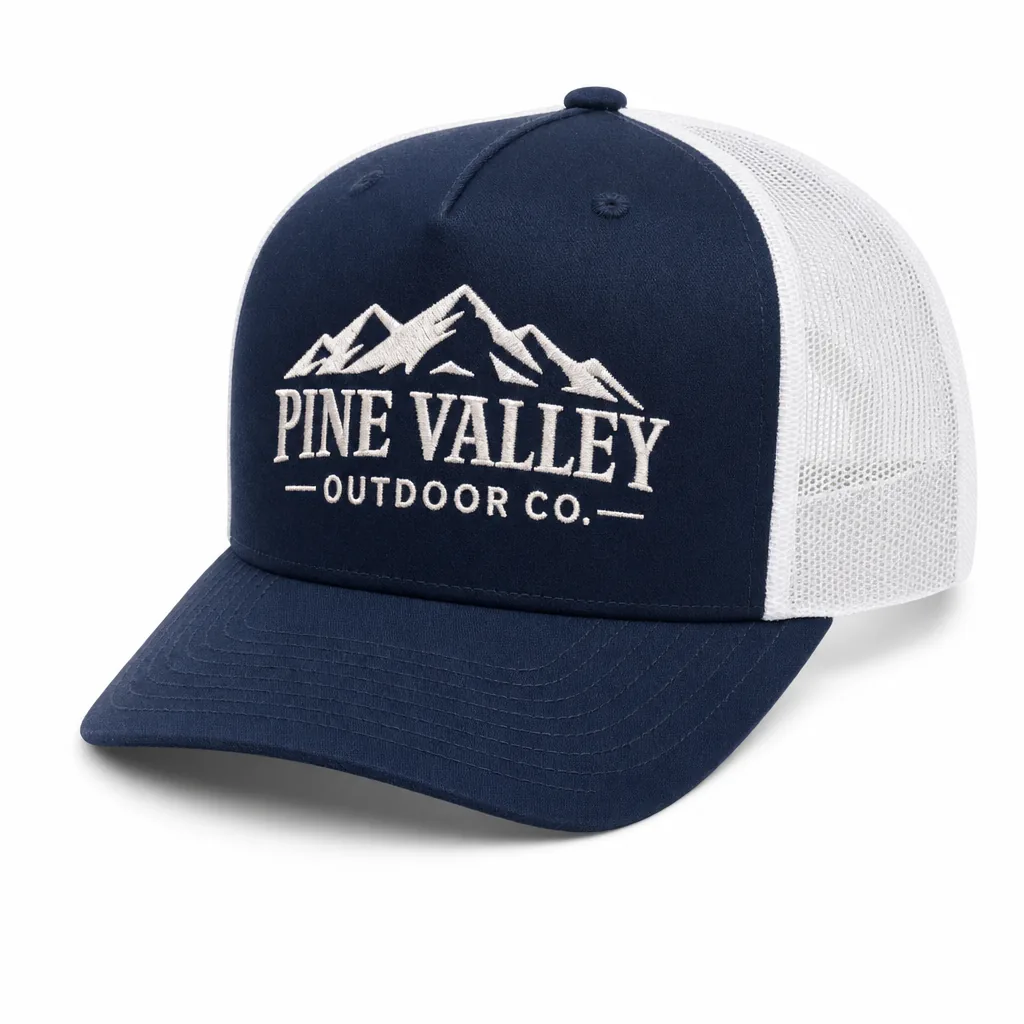
For brand owners, wholesalers and procurement teams entering the custom headwear category, custom made trucker hat: the 2026 sourcing & manufacturing playbook - supplier checklist - supplier checklist - supplier checklist is one of the highest-leverage decisions you will make. Get it right and your unit economics, retail story and reorder cycle all improve. Get it wrong and you carry the cost for years.
Custom Embroidered Hats
Embroidery still delivers the highest perceived value on a custom made trucker hat, but the sew-out is only as good as the front panel construction. In production, the two reliable bases are 2.5-3.0 mm laminated polyester foam for high-profile promo shapes and buckram-backed cotton twill or poly-cotton twill for cleaner edge definition. Foam gives loft, but it also exposes weak digitizing fast: dense satin borders sink, logos crossing the center seam read broken, and 3D puff collapses if the underlay, topping, or carton compression spec is wrong. Twill is less dramatic but more stable, especially for small copy under 4 mm letter height and satin columns under 2.5 mm width. A workable tech pack should call out logo size in millimeters, seam clearance, crown profile, stitch-count ceiling, thread brand such as Madeira Classic or Gunold Poly, and the nearest cone match to the approved Pantone reference. “Match artwork” is not a color standard; if the embroidery is being judged against a lab dip or print reference, you need an agreed tolerance, typically Delta-E under 2.0 for critical brand colors. Digitizing should never be treated as free artwork cleanup. A file built for foam should not be reused blindly on corduroy, brushed twill, nylon taslon, or suede without reworking pull compensation, underlay, stitch angle, and density for that substrate. On Tajima, Barudan, and ZSK heads, a standard front logo usually lands in the 5,000-8,000 stitch range; once you push past roughly 10,000 stitches on a 5-panel front, puckering risk and sewing time both climb. In today’s China market, 300-500 pieces of a custom made trucker hat with stock mesh, embroidered front, and plastic snapback usually price around USD 2.20-3.80 FOB, depending on fabric weight, closure grade, and stitch count. Add 3D puff, side embroidery, back arch, woven flag label, printed seam tape, or underbill embroidery and the cost increase is normally USD 0.35-1.20 per unit. At CrownsForge, our standard practice is to push buyers toward 144-300 pieces per colorway for full customization; below that, you are usually looking at a stock-body program with tighter decoration limits.
Inspection is where margin is protected or lost. The repeat defects on embroidered caps are predictable: thread breaks, loose trims, fill-to-outline misregistration, tunneling on heavy satin columns, twill needle cuts, foam tearing, and puckering around dense fills. On a 5-panel trucker, the center seam is the first place bad embroidery shows up, so logo placement should be controlled to +/-2 mm from the approved pre-production sample, with the artwork either intentionally straddling the seam or staying clearly off it. For 3D puff, press recovery matters as much as the sew-out; if the cap comes out of the export carton with flattened foam, the digitizing, topping film, or packing pressure spec was wrong before shipment. Bulk inspection should be done against a sealed pre-production sample to AQL 2.5 under D65 lighting, with the approved shade card and trim card on the table. The check cannot stop at the embroidery face. A clean logo does not save a custom made trucker hat if the mesh hand feel is abrasive, the sweatband bleeds after perspiration testing, the snapback teeth crack below normal flex, or the crown profile caves in after master-carton stacking. Good spec sheets also lock down sweatband material, backing cover requirements for inside comfort, carton ratio, and whether caps ship flat-packed or pre-curved, because pack-out directly affects crown memory and puff retention. Buyers who write fewer debit notes are the ones who control embroidery as one step inside total cap manufacturing, not as an isolated decoration line item.
Custom Hat Embroidery
Embroidery is where a custom made trucker hat either reads premium at arm’s length or gets rejected in the first carton, and the root cause is usually bad digitizing, not the embroidery head. Tajima, Barudan, and ZSK cap frames can all produce clean work, but only if the file is built for the actual front panel: center-seam compensation, edge walk, underlay density, stitch angle, trim sequence, and pull compensation all need to be tuned to the substrate. A five-panel polyester foam front behaves very differently from 12 oz cotton twill or 10.5 oz brushed canvas under cap-frame tension. If the logo crosses the seam or exceeds about 8,000 stitches on a tall crown, digitizing has to be engineered around push and distortion before the sample ever hits the machine. Do not ask for “3D puff” as a vague effect. Specify finished logo size in millimeters, target stitch count, satin versus tatami areas, thread brand, and whether the puff uses 2 mm or 3 mm EVA foam. Color expectations also need to be realistic. For a custom made trucker hat, send Pantone TCX or coated references for brand review, but understand embroidery thread is usually matched from stocked Madeira Polyneon or Gunold cards, not dyed to a lab Delta-E standard. A practical approval method is visual sign-off under D65 lighting, with fabric shade kept within commercial tolerance and thread matched to the closest stock cone. Small text is another common mistake: anything below 4 mm cap height is risky, and under 3 mm usually closes up after normal thread spread, especially on foam fronts. CrownsForge’s standard practice is to lock artwork, panel material, and backing spec before sampling, because changing from no-show backing to tear-away, or from soft foam to stiffer buckram lamination, can change edge sharpness, puckering, and seam registration enough to invalidate the first strike-off.
A serious RFQ should define the embroidery zone like a production spec, not a mood board. Call out crown height, panel count, front-panel stiffness, seam-crossing requirement, maximum coverage area, foam height, backing type, and acceptable edge runout in millimeters. Registration tolerance matters most on five-panel foam truckers with oversized front graphics, where weak factories lose alignment at the center seam or leave foam flashing at the satin border. If the design includes block lettering, ask whether the file is running satin columns, tatami fill, or mixed structures, and confirm machine speed. Clean 3D puff generally runs slower, often around 550 to 700 rpm instead of 800 to 1,000 rpm for flat embroidery, because that extra control is what prevents thread breaks and crushed foam. The cost ranges in the draft are broadly correct, but buyers should tie them to stitch count and construction. A pre-production embroidery sample for a sewn custom made trucker hat usually lands around $35 to $80, while bulk flat embroidery is commonly $0.45 to $1.20 per location for roughly 5,000 to 8,000 stitches. Well-executed puff embroidery typically sits around $0.90 to $1.80 because it needs extra trims, foam placement, slower head speed, and more operator attention at cleanup. MOQ is often 144 to 300 pieces per colorway, although stock-body programs may start at 48 or 72 pieces if colorways are pooled. For QC, AQL 2.5 at final inspection is not enough by itself; embroidery-heavy orders need first-off approval and an in-line check after 200 to 300 caps, because tension drift, outline creep, mesh needle cuts, and backing mess usually appear mid-run, not on the first cap off the line.
Custom Trucker Hat
A profitable custom made trucker hat is won or lost in the construction sheet, not in the embroidery file. The safe commercial spec is still a 5-panel high-profile or 6-panel mid-profile body with a 2.0-3.0 mm foam-backed 100% polyester front, 75D-150D polyester or nylon mesh, a pre-curved PE visor insert, and a 7-hole PVC snap; but vague notes like “match sample” are how you get inconsistent crowns across repeat orders. Lock the BOM to measurable points: foam thickness tolerance, mesh denier, sweatband content and width, visor sandwich, seam tape color, top button material, snap color, and Pantone TCX references for every visible trim. On trucker builds, decoration has to respect the substrate. Dense fill embroidery on low-density foam fronts often tunnels or puckers even on properly tuned Tajima, Barudan, or ZSK heads, especially when logos exceed roughly 8,000-10,000 stitches or stack satin columns too close together. If the artwork has gradients, negative space under 1.0 mm, or fine outlines, woven patches, TPU badges, satin applique, or heat transfer usually hold the graphic better and keep the crown from collapsing after packing. For embroidery, I would specify stitch count ceiling, backing type, max logo height, and thread brand before approving the first sample.
China pricing on a custom made trucker hat is driven more by trim count and finishing than by the front fabric alone. A practical MOQ is 300-500 pieces per colorway FOB, though some factories will accept 144 pieces if you stay with stock mesh, stock snap colors, and one simple decoration method. At 500 pieces, a basic foam-front mesh cap with one location flat embroidery usually lands around $2.10-$3.40 FOB; a cleaner retail program with cotton twill or suede front, rope detail, woven or TPU patch, printed seam tape, custom labels, and branded inner taping is more realistically $3.80-$6.50 FOB. Development is normally quoted separately: embroidery digitizing at $25-$60 per file, silicone or rubber patch mold charges at $40-$120, and a pre-production sample at $35-$80 plus courier. Bulk approval should be based on measurable tolerances, not “looks good”: logo placement within +/-3 mm, visor curve consistency, crown height symmetry, snap open-close performance, and trim color control to a Delta-E below 1.5 on key matched components. For shipment release, AQL 2.5 is a sensible baseline, but retail and licensed programs should also require needle detection records, carton drop test results, and current sedex-audit-cap-supplier-guide.html">BSCI 2.0 or Sedex SMETA 4-Pillar audit status before production moves to final packing.
Custom Trucker Hats
A custom made trucker hat is a mixed-material product, and that changes both cost and failure points. The front crown is usually 5-panel or 6-panel cotton twill at 180-220 gsm, poly-cotton canvas, or foam-backed brushed tricot, while the rear uses 100% polyester mesh in roughly 75D-150D. Front panels normally need fusing or foam lamination before embroidery, woven patch, TPU badge, or chenille application; only after that does the factory assemble the crown, stitch it to a PE-board visor, and block the shape under heat. If you are specifying 3D puff embroidery, lock the EVA or sponge foam thickness, satin column width, stitch count, and Pantone TCX references before the pre-production sample. Leave those variables open and bulk will drift fast, especially on tall foam fronts where density, pull compensation, and thread coverage vary between Tajima, Barudan, and ZSK heads. The tech pack is where most trucker programs either get controlled or get expensive. A usable spec should fix panel count, crown height, brim length and curve, mesh color, snapback type, visor stitch rows, seam tape, sweatband composition, top button, undervisor, and carton ratio. For decoration, specify center-front placement tolerance at plus or minus 2 mm and define whether approval is based on a physical sample or production photo under D65 lighting. In Yiwu and Dongguan, a straightforward order of 300-500 pieces per colorway typically lands around $2.20-$4.80 FOB China, while 1,000 pieces or more with shared shell materials often comes down to $1.85-$3.60. Large front embroidery usually adds $0.25-$0.80, woven patches $0.18-$0.45, and molded rubber patches $0.35-$0.90, so decoration choice often moves margin more than the cap body itself.
Inspection is where a custom made trucker hat either becomes a repeatable SKU or a replenishment headache. The defects that matter are not subtle: wavy front panels from poor foam lamination, twisted blocking, off-center embroidery, skipped visor topstitching, mesh snagging, weak snapback teeth, and shade mismatch between twill, mesh, button, and undervisor. Ask for final inspection at AQL 2.5 with measurable tolerances such as visor symmetry within plus or minus 3 mm, embroidery placement within plus or minus 2 mm, and color variance agreed in advance, ideally Delta-E below 1.5-2.0 under D65 or TL84 depending on your market standard. Shape consistency matters as much as defect counting on trucker styles because a cap can pass stitch inspection and still look wrong at retail. MOQ has to match the construction, not just the logo. Stock-color bodies with standard white or black mesh and simple flat embroidery can sometimes start around 144 pieces, but real cut-and-sew development with Pantone-matched twill, dyed mesh, custom brim profile, or proprietary closure is more realistically 300 pieces per style per color. Compliance-sensitive buyers should confirm BSCI 2.0 or Sedex SMETA 4-Pillar audit status, azo-free dye compliance, and CPSIA-relevant declarations for U.S. programs; kids' caps may also need needle detection records and small-parts review. Our standard practice is to tie sample approval, bulk price, and material substitutions to the same signed spec sheet, because too many factories quote a trucker cap like a basic baseball hat and recover margin later through lighter foam, lower-denier mesh, or cheaper snap closures.
Hat Trucker Custom
The front panel decides whether a custom made trucker hat looks retail-grade or disposable before anyone reads the logo. Lock the spec before sampling: 5-panel or 6-panel construction, finished crown height at 16.5 to 18.0 cm, bill length around 7.0 cm, bill curve radius, front panel structure, mesh type, sweatband fiber content, snap closure color, and seam tape color. “Standard quality” is where factories substitute low-density foam, glossy lightweight mesh, or soft fronts that collapse after packing. For a dependable retail build, I’d spec a buckram-backed front in 108x58 cotton twill or 210D polyester twill at 180 to 220 gsm, paired with polyester or nylon mesh at roughly 120 to 160 gsm, a pre-curved PE insert, and a PP snapback with 7-hole adjustment. If color match matters across crown, underbill, and closure, call out Pantone TCX or TPX references and set a Delta-E tolerance no looser than 1.5 for adjacent dyed components. Decoration has to suit the substrate. On Tajima, Barudan, or ZSK embroidery heads, a front logo in the 8,000 to 12,000 stitch range usually runs cleaner than oversized satin fills that tunnel the buckram or reveal foam texture underneath. For 3D puff, specify 2 mm or 3 mm EVA foam; the difference is visible, and fine serif details usually fail compression tests after carton packing. If you want patches, name the exact construction: merrowed woven, laser-cut twill, flat TPU, molded silicone, or PU leatherette, because each changes needle setup, attachment method, and rejection risk. A usable tech pack for a custom made trucker hat should also show logo size in millimeters, placement from center front seam and bill stitch line, underbill color, inside label spec, and carton ratio such as 24 pcs per inner or 144 pcs per master.
Pricing follows materials, decoration, and MOQ far more than sales language. In Zhejiang and Guangdong, stock fabric programs typically start at 144 to 300 pieces per colorway, but dyed-to-match twill, custom-color mesh, molded patches, or branded closures usually push practical MOQ to 500 to 1,000 pieces. Current FOB China pricing for a basic foam-front mesh-back promotional cap is usually US$2.10 to US$3.40 at 500 pieces. A retail-spec custom made trucker hat using 180 to 220 gsm twill, denser mesh, branded seam tape, woven flag label, and raised embroidery is more realistically US$3.80 to US$6.50 FOB. Common adders are predictable: woven patches at US$0.25 to US$0.60, TPU or silicone patches at US$0.35 to US$0.80, custom packaging at US$0.20 to US$0.70, and each sample revision typically adds 5 to 7 days plus courier cost. The bigger failure mode is inconsistency, not obvious defects. A proper final inspection checks front-panel symmetry, crown depth tolerance within about plus or minus 3 mm, visor curve consistency, mesh shade variation, top button centering, skipped stitches around the snap tab, thread breaks, and foam show-through under dense fills. If the style uses sublimation, inspect for edge ghosting and registration drift; if it uses heat-applied TPU or rubber patches, do the peel test after full cooling, not straight off the press. AQL 2.5 is a sensible shipment standard, but only if it is backed by in-line controls on embroidery placement, crown sewing, and closure attachment. Buyers should treat BSCI 2.0 or Sedex SMETA 4-Pillar audit records, in-house embroidery capacity, and traceable fabric sourcing as baseline risk controls rather than premium features.
Trucker Custom Hat
Retail consistency is where a custom made trucker hat stops being “simple.” The spec has to lock down the silhouette, not just the artwork: 5-panel high-profile crowns usually run 16.5 to 17.5 cm front height, while 6-panel mid-profile versions sit closer to 15 to 16 cm; brim length is typically 7.0 to 7.5 cm with a pre-curve set in the mold, not guessed by the sewing team. A solid build sheet should call out 2.5 to 3.0 mm polyester foam laminated to tricot on the front panel, 75D to 120D polyester mesh or 100% nylon mesh at the back, PE visor board thickness, sweatband composition, snapback resin grade, and Pantone TCX or coated references for every visible component. If the supplier cannot define those points in the tech pack, lot-to-lot drift in crown shape, hand feel, and color is almost guaranteed. Decoration is where many trucker programs go wrong. On Tajima, Barudan, or ZSK heads, flat embroidery works well for open lettering and lighter fills, but dense coverage on foam fronts often creates tunneling, needle cutting, and puckering, especially above 8,000 to 10,000 stitches on a small logo area. That is why woven patches, merrowed badges, screen print, or heat transfer often produce a cleaner custom made trucker hat than direct embroidery alone. On the factory floor, assembly usually runs through single-needle and post-bed stations, followed by steam shaping in aluminum molds to stabilize the crown before final visor topstitching. If shaping is inconsistent at that stage, no amount of trimming at finishing will recover a crooked profile.
FOB cost is the fastest way to separate promo-grade from shelf-ready product. In Yiwu or Dongguan, a basic custom made trucker hat using stock colors, standard PP snap closure, and simple front embroidery usually lands around $2.10 to $3.40 FOB at 300 to 500 pieces. Once you move into custom-dyed mesh, branded seam tape, woven flag labels, printed internal taping, specialty patches, or upgraded sweatbands, the workable range is more like $3.80 to $6.50 FOB, and MOQ commonly jumps from 144 to 300 pieces per colorway up to 500 or 1,000 if multiple custom trims are involved. Sampling timelines also need realism: a blank-based mockup can be done in 5 to 7 days, but a true PPS with color-matched materials, patch strike-off, and packaging confirmation is usually 10 to 18 days. Inspection should focus on the defects buyers actually get charged back for, not cosmetic trivia. The recurring failures are patch placement drifting more than 2 mm off center, uneven visor curve, asymmetrical crown blocking, mesh tearing at rear seam joins, exposed foam at panel edges, skipped stitches, and snap closure teeth that do not engage cleanly through all 7 holes. AQL 2.5 is the practical baseline for this category, backed by seam tension checks, snap pull testing, carton drop review, and sweatband crocking tests if dark colors are used. For black, navy, and charcoal programs built from different mills, color control should be signed against approved swatches with Delta-E kept under 1.5 to 2.0 where the material allows. At CrownsForge, that level of control is what prevents a reorder from looking like a different hat.
Working with CrownsForge for custom made trucker hat programs
The biggest risk in a custom made trucker hat program is sample accuracy, not a cheap FOB quote. If a factory misses the first proto, the hidden cost shows up later in recuts, revised embroidery files, delayed approvals, and bulk claims. A competent supplier should turn a prototype in 5 to 7 working days when using stock 10 to 12 oz cotton twill, standard polyester mesh, and existing closures, and 10 to 14 working days when the build requires Pantone TCX lab dips, custom-dyed 12 to 14 oz twill, matched foam fronts, or molded TPU badges. Opening quantities also need to be realistic. For a new style, 48 to 144 pieces per colorway is usually a smarter starting point than forcing 300 pieces before the fit is proven. Most early failures come from construction choices, not price: low profile versus high crown, 2.5 mm versus 3 mm EVA foam, soft poly mesh versus firm nylon mesh, slight-curve brim versus flat bill, and 7-hole snapback versus tuck strap. A good factory will push back before sampling if 3D puff is too wide for a 5-panel face, if a merrowed patch will distort the foam panel, or if the artwork sits too close to the center seam for clean registration.
Decoration is where weak vendors start subcontracting, and that is where quality drift usually begins. A serious custom made trucker hat supplier should handle core methods in-house: flat embroidery, 3D puff, woven and sublimated patches, screen print, heat-transfer labels, direct appliqué, and molded PVC or TPU emblems. On the production floor, that usually means Tajima, Barudan, or ZSK embroidery heads, with digitizing adjusted for foam compression, seam crossing, and mesh movement. Ask for numbers, not vague promises. Which thread brand is standard: Madeira, Gunold, or Isacord? What stitch density do they run over 3 mm foam? Is the front panel backed with 40 gsm, 60 gsm, or heavier support? How is color approved: physical thread card, Pantone bridge, or Delta-E tolerance under a D65 light box? CrownsForge’s standard checkpoints cover crown depth, brim board thickness, sweatband gsm, mesh denier, artwork size, and carton packout before bulk starts, then inline inspection and final audit to AQL 2.5. For retail programs, add needle policy records, shade-band review, barcode scans, carton drop testing, and current BSCI 2.0 or Sedex SMETA 4-Pillar reports, because compliance failures usually surface later as chargebacks, relabeling expense, or DDP customs delays.
Frequently Asked Questions
Do you support sustainability certifications?
Yes. We work with GOTS organic cotton, GRS-certified recycled polyester, OEKO-TEX Standard 100 fabrics, and are BSCI and Sedex audited. Certification documentation can be provided per order.
Can I order a sample before bulk production?
Yes. We strongly recommend approving a pre-production sample before mass production. Samples are charged at 35 to 60 USD each plus express shipping, fully refundable against confirmed bulk orders over 500 pieces.
How long does production take?
Sampling takes 7 to 12 days. Bulk production runs 20 to 30 days depending on quantity, fabric availability and decoration complexity. Inspection and packing adds another 3 to 5 days before shipment.
What file format should I send for my logo?
Vector files (AI, EPS, PDF) are ideal. High-resolution PNG or JPG at 300 dpi on transparent background works as a fallback. Provide Pantone color references for accurate reproduction.
What logo decoration techniques do you offer?
3D puff embroidery, flat embroidery, woven patch, leather patch, PVC patch, screen printing, sublimation, applique and laser etching, all in-house with no subcontracting.
How does ordering custom hat trucker work?
When evaluating custom hat trucker, the key considerations are construction quality, decoration capability, MOQ flexibility and lead time. Cover everything buyers ask about custom embroidered hats: how it's manufactured, what specs to request from a factory, typical MOQ and pricing, common quality issues to inspect for, and how this ties back to the broader custom made trucker hat sourcing decision. Cover everything buyers ask about custom hat embroidery: how it's manufactured, what specs to request from a…
How does ordering custom embroidered trucker hats work?
When evaluating custom embroidered trucker hats, the key considerations are construction quality, decoration capability, MOQ flexibility and lead time. Cover everything buyers ask about custom embroidered hats: how it's manufactured, what specs to request from a factory, typical MOQ and pricing, common quality issues to inspect for, and how this ties back to the broader custom made trucker hat sourcing decision. Cover everything buyers ask about custom trucker hats: how it's manufactured, what specs to request from a…
How does ordering custom made hats for men work?
When evaluating custom made hats for men, the key considerations are construction quality, decoration capability, MOQ flexibility and lead time. Cover everything buyers ask about custom embroidered hats: how it's manufactured, what specs to request from a factory, typical MOQ and pricing, common quality issues to inspect for, and how this ties back to the broader custom made trucker hat sourcing decision. Cover everything buyers ask about custom trucker hats: how it's manufactured, what specs to request from a…
How does ordering high quality custom trucker hats work?
When evaluating high quality custom trucker hats, the key considerations are construction quality, decoration capability, MOQ flexibility and lead time. Cover everything buyers ask about custom embroidered hats: how it's manufactured, what specs to request from a factory, typical MOQ and pricing, common quality issues to inspect for, and how this ties back to the broader custom made trucker hat sourcing decision. Cover everything buyers ask about custom trucker hats: how it's manufactured, what specs to request from a…
Need a low-MOQ test order?
We help emerging brands launch with as few as 100 pieces. Premium fabric, in-house embroidery, retail-ready packaging.
Start a small orderRelated guides
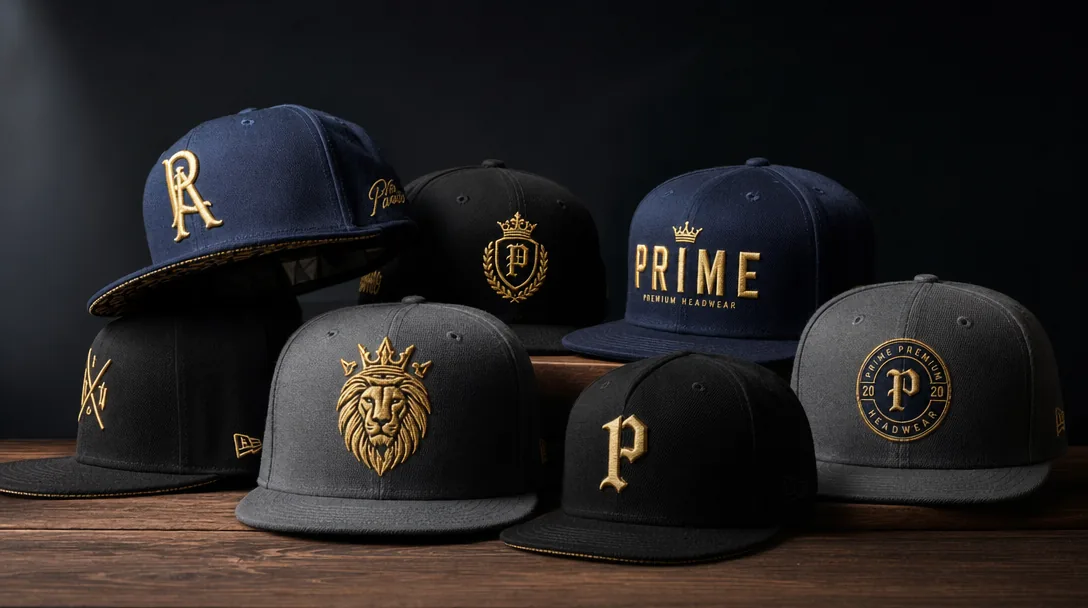
Refreshing a Hat Collection: A Repeat-Order Playbook for Established Brands (2026 Update)
Read article →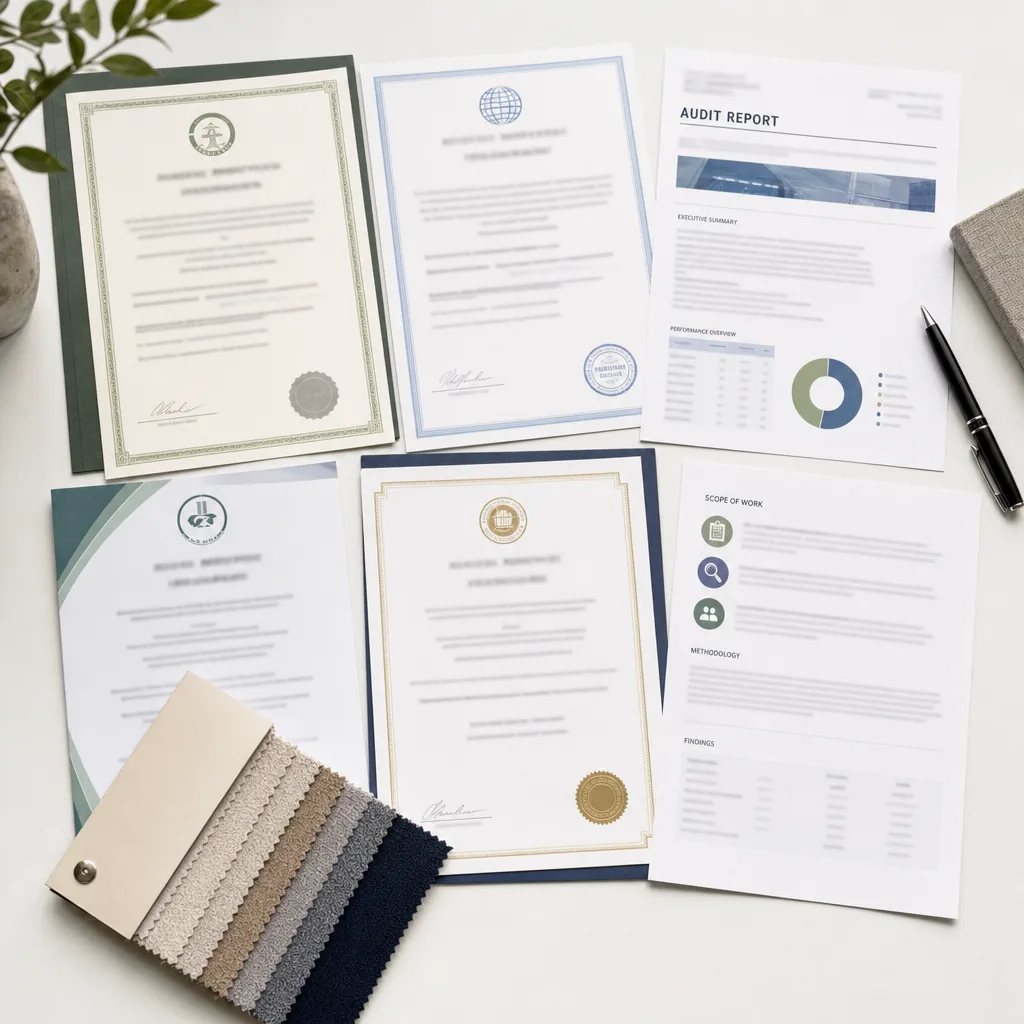
Compliance Documentation Checklist for First Hat Import to US/EU (2026 Update)
Read article →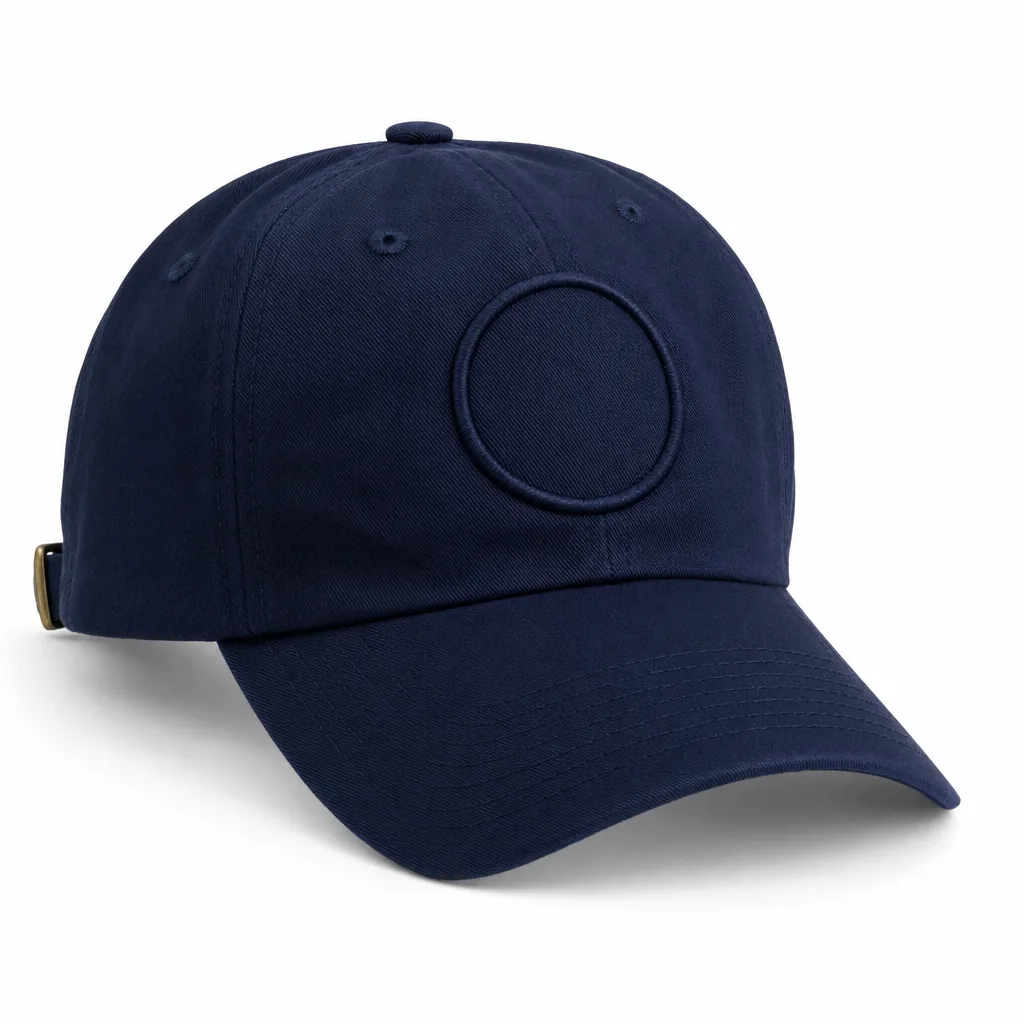
Ball Caps for Men: A 2026 Sourcing Playbook for International Buyers - Cost & MOQ Breakdown
Read article →If you are ready to take the next step on custom made trucker hat: the 2026 sourcing & manufacturing playbook - supplier checklist - supplier checklist - supplier checklist, our team can put a tailored quotation and digital mock-up in your inbox within 24 hours. Send the inquiry form on our contact page or message us directly on WhatsApp.