
Refreshing a Hat Collection: A Repeat-Order Playbook for Established Brands (2026 Update)

Refreshing a Hat Collection: A Repeat-Order Playbook for Established Brands (2026 Update) is one of the most-asked questions we receive from international buyers, and for good reason. With dozens of factories competing for your order and an alphabet soup of technical terms in every supplier quote, even experienced importers can feel lost. This guide consolidates what we have learned producing custom hats for clients in 40+ countries.
Why annual refresh outperforms major rebrand
Annual refresh beats a full reset because repeat sales come from recognition, not novelty. In mature headwear programs, the highest reorder SKUs usually change only 10% to 20% of the visible package each season while keeping the fit block, crown height, visor curve, closure type, and core logo architecture intact. The smart moves are specific: convert a front mark from flat fill to 3D puff, shift from 260 gsm cotton twill to 280 gsm brushed canvas, add a visor sandwich in a new Pantone TCX accent, or swap a self-fabric undervisor for contrast microsuede. From three meters away, the cap still reads as the same item, which is exactly the point. A rebranding cap line project often destroys that visual memory and forces buyers to re-evaluate a product that was already working. That cost is not theoretical. You pay once in redevelopment—new samples, new strike-offs, new approvals—and again in slower sell-through while retailers and end customers relearn the shape and identity.
The factory math is even less forgiving to major rebrands. If the base pattern, panel geometry, sweatband construction, and backstrap spec stay locked, production can reuse graded patterns, embroidery punch files, carton specs, and prior fit comments instead of reopening every approval point. On a 2,000-piece run, that typically cuts sampling from around 21 days to 10 to 12 days and avoids roughly $300 to $800 in setup waste before bulk even starts. More important, it removes failure points during PP review: fewer logo placement deviations, less crown collapse, and lower risk of thread distortion on Tajima, Barudan, or ZSK heads because stitch density is being tuned, not reinvented. The commercial payoff shows up in replenishment speed and QC consistency. With a proven body, inspectors can check crown height, visor symmetry, seam alignment, and embroidery position against an existing spec pack and sealed sample under AQL 2.5 instead of interpreting a new standard from scratch.
Embroidery-heavy programs make the argument even clearer. A satin border width adjustment, side hit addition, or puff height change can be controlled with measurable standards: thread shade within Delta-E 1.5 to 2.0 of the approved standard, stitch density calibrated to fabric gsm, and backing matched to panel tension and buckram stiffness. A full redesign introduces too many variables at once—different denier on performance fabric, different buckram response, altered artwork balance, new folding method, and sometimes even new carton dimensions that affect freight efficiency. That is why annual refresh usually outperforms a dramatic rebrand in established lines. The customer gets continuity with enough novelty to notice, the retailer gets a safer reorder with lower markdown risk, and the production team gets a repeatable path to bulk approval instead of another expensive learning curve.
Seasonal capsule strategy: 4 drops per year
A four-drop calendar only works when dates are locked early enough to control mill booking, trim approvals, and embroidery capacity; otherwise the schedule turns into expensive chasing. For an established brand, I would build Spring, Summer, Fall, and Winter on a 26- to 30-week clock: concept freeze at T-30, Pantone TCX and lab-dip approval at T-24, first proto at T-20, salesman samples at T-16, bulk PO at T-10 to T-12, and ex-factory at T-3 to T-4. That timing matters because cap factories in China start tightening slots before the August-November peak, especially on Tajima and Barudan multi-head runs for 3D puff, appliqué, and side hits. The commercial math is just as blunt: a 1,200- to 2,400-piece capsule across 4 to 6 SKUs usually lands cleaner FOB costing than 10 to 12 fragmented styles that each miss fabric minimums, patch MOQs, or carton efficiency. If a brand is planning a rebranding cap line, the calendar has to protect wholesale order windows first; a late capsule may look creative internally, but it destroys retailer confidence when deliveries slip past the open-to-buy period.
Spring and Summer should carry the highest reorder confidence, so keep the bodies clean and the materials stable: 140-180 gsm cotton twill, 120-160 gsm nylon taslon, or lightweight perforated polyester with moisture-wicking sweatbands. The safest volume shapes are unstructured 5-panel campers, low-profile dad caps, and foam-front truckers using 30-40 mm polyester mesh, because these silhouettes fit broad accounts without forcing risky size or crown changes. Summer is also the best quarter to test a rebranding cap line through graphic scale rather than structural reinvention—larger front embroidery, reflective heat transfers, sublimated side panels, or contrast bartacks can refresh shelf presence without resetting fit. Keep body-fabric color tolerance within Delta-E 1.5 to 2.0 against approved standards, or your carryover styles and new drop units will look off-shade under retail lighting.
Fall and Winter should do the margin work because texture, hand feel, and perceived value are easier to sell in cold weather. Fall is the right place for measured material upgrades: 8- to 11-wale corduroy, brushed canvas at 240-300 gsm, and firmer poly-cotton twills that hold a sharper front panel on rope caps and structured 6-panels. These are lower-risk updates than launching an entirely new block; deeper crowns by 3-5 mm, tonal 3D embroidery, debossed faux-leather patches, or suede appliqué read new to the consumer without creating fresh fit failures. Winter needs a functional story, not just darker colors: 380-450 gsm wool-acrylic blends, fleece-lined earflap caps for cold-market accounts, and companion beanies in 1x1 rib or fisherman knit give retailers a believable cold-weather set. Operationally, fixed seasonal drops also let mills reserve dyed lots and let QC teams inspect to AQL 2.5 on schedule instead of rushing substitutions at quarter end, which is where repeat-order accuracy usually breaks down.
When to keep the existing silhouette vs change construction
Keep the existing silhouette unless you have evidence that fit, not decoration, is dragging sell-through. On repeat orders, customers remember the feel of the cap after 20 to 30 wears: crown profile, front rise, visor width, break angle, and how the buckram recovers after packing. If your 6-panel A-frame already fits at a 58 cm sample size with a 70 mm visor, 110 to 115 mm crown height, and stable front-panel memory, changing those specs casually is how a reliable reorder turns into size claims and retailer returns. Lower-risk updates sit in materials and trim: shifting from 240 gsm cotton twill to 300 gsm brushed canvas, changing to Pantone 19-0303 TCX with Delta-E kept under 1.0 lab dip to bulk, adding a contrast sandwich peak, or replacing flat embroidery with a woven patch. Those moves refresh appearance without materially changing head feel. Once you change crown angle, panel geometry, buckram stiffness, sweatband height, or visor curve radius, you are no longer tuning the same hat; you are opening a new fit program.
Construction changes also cascade through production faster than most buyers expect. A switch from a 5-panel foam-front trucker to a 6-panel structured twill cap changes seam placement, embroidery field width, tape layout, and sewing sequence; the same logo usually needs fresh push-pull compensation because stitch distortion changes once a center seam is introduced on Tajima or Barudan heads. In practical terms, I treat any crown-height change above 5 mm, visor-width change above 3 mm, or a move from a pre-curved PE insert to a flat board as a new style that requires a new pattern set, PP sample, fit approval, and at least a short wear test. Cost follows the same logic: a color-and-material refresh often adds only $0.18 to $0.45 per cap, while real silhouette redevelopment typically adds $0.60 to $1.20 FOB before freight after revised markers, extra inline checks under AQL 2.5, and another sample round or two. For a rebranding cap line, change construction only when the customer can immediately understand the reason—deeper crown for a broader unisex fit, lighter 65/35 nylon-cotton for summer, or softer unstructured front for a lifestyle reset. Otherwise, the market usually reads the change as inconsistency, not improvement.
Repeat-order timing for retail inventory
For Q4 floor sets, the date that matters is not first ship but retailer receipt. If stores need caps in the first week of October, place the PO by mid-July at the latest. On a repeat program of 3,000 to 10,000 units across 4 to 8 SKUs, a realistic factory calendar is 5 to 7 days for fabric and trim booking, 3 to 5 days for Pantone TCX confirmation or lab dips, 18 to 25 days for cutting, sewing, embroidery, finishing, and packing, then 25 to 35 days ocean transit to Los Angeles or Long Beach under normal season conditions. Add 3 to 7 days for customs clearance, drayage, and DC intake. If carton marks, barcode placement, care labels, or revised logo files are still moving during production, that buffer disappears immediately. Repeat orders fail more often on admin slippage than on sewing capacity. A clean replenishment PO with locked artwork, approved construction sheet, and confirmed packing method will outperform a “minor update” order that keeps changing after booking. That is especially true in a rebranding cap line, where the silhouette may stay identical but new logo ratios, closure swaps, inside taping, or updated hangtag compliance still trigger strike-offs and approval rounds. On the factory floor, the difference between an easy repeat and a risky repeat is usually 7 to 10 days of avoidable back-and-forth, not whether the style looked simple in the line plan.
Q1 receipts are tighter because Lunar New Year distorts every promise upstream. If goods must leave China before the holiday slowdown, the practical cutoff is late October; after that, January capacity starts closing and suppliers stop holding trim without deposit. Embroidery is usually the first bottleneck. Tajima and Barudan head schedules fill ahead of sewing, and secondary components such as woven labels, 25 mm nylon webbing, snapback closures, and custom metal buckles can slip 10 to 15 days once nominated vendors hit cutoff. What buyers call a small refresh can still require fresh digitizing, new thread-color mapping, revised carton assortments, and a second PPS sample if the branding package changed. The best inventory programs protect continuity before novelty. Freeze proven bodies and core colors early, then limit seasonal change to roughly 20% to 30% of the assortment so replenishment styles stay insulated from design risk. That discipline matters even more with 280 gsm corduroy, brushed cotton twill, applique, or high-density embroidery, where lot-to-lot shade variation should stay around Delta-E 1.5 to 2.0 and approvals often need an extra 10 to 14 days. Miss the October booking window and the recovery options are all expensive: split shipments, SKU rationalization, or air freight at about $6 to $9 per kg, which typically adds $0.80 to $1.80 per cap and destroys margin on mid-ticket retail styles.
Sampling cost discipline for established brands
If the approved PPS, spec sheet, trim card, and packing standard are already on file, an exact repeat should bypass paid sampling and move straight into bulk pre-production controls. On caps reordered within 12 to 18 months, most competent factories still have the panel pattern, BOM, embroidery program, carton marks, and prior QC comments archived, so billing another $35 to $120 per style for an unchanged order is usually commercial padding, not technical necessity. I only accept a repeat sample charge when a real production variable has changed: new fabric mill, different crown height, revised PE visor board, swapped metal buckle, alternate enzyme wash, or a decoration change from flat embroidery to print or patch. If it is still the same 6-panel brushed cotton twill at 260 gsm, the same Pantone TCX target within Delta-E 1.5 to 2.0, the same Tajima or Barudan file, and the same label placement, there is no floor-level reason to reopen sampling.
The expensive mistake is treating a collection refresh as full redevelopment. A color update inside an already approved dyed lot range, or a small stitch-density correction to run cleaner on a 12-head Tajima, does not create new technical risk if fit, hand feel, and visual standard stay fixed. The threshold changes when a rebranding cap line starts changing material behavior or construction: moving from pigment-washed cotton to 300D rPET, adding 3 mm EVA foam to the front panel, switching from woven patch to silicone heat transfer, or tightening color tolerance below Delta-E 1.5 against the master. Those changes affect needle penetration, seam bulk, pressing response, panel memory, and final pass rate under AQL 2.5 inspection.
Write the commercial rule into the PO before development starts: no sample fee for exact repeats; chargeable counter-samples only for buyer-driven spec changes. The cleanest structure is three buckets. First, free exact repeat. Second, revision sample at actual material cost plus courier, usually $15 to $40 plus freight for a label move, closure change, or embroidery size adjustment. Third, full redevelopment sample for substrate or construction changes, commonly $50 to $150 depending on fabric MOQ, patch mold cost, and decoration setup. That only works if the factory can immediately pull prior PPS photos, approved bulk swatches, embroidery files, measurement records, and final inspection reports. If the last order passed with the same shell fabric, construction, and packing method, the supplier should prove what technical risk is different now; otherwise, calling it a new sample is a pricing choice, not a manufacturing requirement.
When to test a 'limited drop' before commit
Test a limited drop when the customer-facing change is obvious enough to break your existing reorder pattern. If you are altering crown shape from a low-profile unstructured 6-panel to a mid-profile A-frame, switching from 260 gsm cotton twill to a brushed poly-cotton blend, introducing metallic thread, silicone badges, reflective heat transfers, or a co-branded front lockup with no sales history, do not jump straight to a 2,400-piece PO. The cheapest failure is still the one you catch at 300 units. In practice, 240 to 360 pieces is the useful window: enough to split across 2 to 4 SKUs, watch weekly sell-through, monitor return reasons, and see whether the new look holds margin after small-run FOB costing. Below 200 pieces, the data is mostly vanity; above 500, you are already taking bulk risk without bulk pricing. For a rebranding cap line, that pilot size is usually the cleanest way to separate genuine market demand from internal excitement.
Use the drop to stress production variables, not just consumer taste. Sample-room approval often hides problems that appear once you run on live lines: high-density embroidery that looks crisp on a Tajima or Barudan head can start tunneling or edge-pulling when the same file hits a brushed 65/35 poly-cotton shell; molded rubber patches can drift off shade if Pantone matching is approved casually; reflective transfers may pass first sample yet fail adhesion after packing pressure and transit heat. On key brand shades, buyers should ask for Pantone TCX or coated reference approval plus Delta-E control around 1.5 to 2.0, especially if the refresh is supposed to signal a serious rebranding cap line rather than a one-off novelty. A 300-piece pilot also exposes real factory-floor issues—seam puckering, visor sandwich registration, crest alignment drift, carton scuffing, and packed-out defect rates under an AQL 2.5 inspection—before you lock a 2,000 to 5,000-piece commitment.
Keep the test disciplined: change one major variable at a time. If you alter fit, fabric, artwork, and color direction together, the sell-through result becomes useless because you cannot tell what actually worked. Established brands usually get better readouts by holding the fit and hand feel constant, then testing either the decoration language or the palette. Co-branded capsules are a practical tool here because they create urgency while ring-fencing risk; if the collaboration misses, it does not contaminate the baseline carryover line. Financially, expect small-run FOB to come in about 18 to 35 percent higher per unit than a 2,000-piece repeat, driven by fabric minimums, trim setup, mold amortization, and embroidery stitch count. That premium is still cheap compared with marking down dead stock by 30 to 40 percent after the season.
Frequently Asked Questions
What logo decoration techniques do you offer?
3D puff embroidery, flat embroidery, woven patch, leather patch, PVC patch, screen printing, sublimation, applique and laser etching, all in-house with no subcontracting.
Can I order a sample before bulk production?
Yes. We strongly recommend approving a pre-production sample before mass production. Samples are charged at 35 to 60 USD each plus express shipping, fully refundable against confirmed bulk orders over 500 pieces.
Do you support sustainability certifications?
Yes. We work with GOTS organic cotton, GRS-certified recycled polyester, OEKO-TEX Standard 100 fabrics, and are BSCI and Sedex audited. Certification documentation can be provided per order.
What file format should I send for my logo?
Vector files (AI, EPS, PDF) are ideal. High-resolution PNG or JPG at 300 dpi on transparent background works as a fallback. Provide Pantone color references for accurate reproduction.
Which shipping methods do you support?
We support FOB, CIF and DDP shipping. Air express for samples and small orders, sea LCL for 100 to 500 pieces, sea FCL for 5,000+ pieces. Door-to-door DDP available for US, EU, UK, Canada and Australia.
How does ordering custom leather patch trucker hat work?
When evaluating custom leather patch trucker hat, the key considerations are construction quality, decoration capability, MOQ flexibility and lead time. Brands that drop 1-2 small evolutions per year retain customers better than brands that rebrand wholesale every 3 years. Small change = familiar but fresh. Spring (lightweight fabric, summer color palette), Summer (festival-ready), Fall (corduroy, transitional fabric), Winter (wool blend, beanies, lined caps). Predictable cadence = predictable customer purchasing.
What's the MOQ for custom leather patch hats no minimum?
When evaluating custom leather patch hats no minimum, the key considerations are construction quality, decoration capability, MOQ flexibility and lead time. Brands that drop 1-2 small evolutions per year retain customers better than brands that rebrand wholesale every 3 years. Small change = familiar but fresh. Spring (lightweight fabric, summer color palette), Summer (festival-ready), Fall (corduroy, transitional fabric), Winter (wool blend, beanies, lined caps). Predictable cadence = predictable customer purchasing.
How does ordering custom snapback trucker hats work?
When evaluating custom snapback trucker hats, the key considerations are construction quality, decoration capability, MOQ flexibility and lead time. Brands that drop 1-2 small evolutions per year retain customers better than brands that rebrand wholesale every 3 years. Small change = familiar but fresh. Spring (lightweight fabric, summer color palette), Summer (festival-ready), Fall (corduroy, transitional fabric), Winter (wool blend, beanies, lined caps). Predictable cadence = predictable customer purchasing.
What should I know about wholesale custom baseball cap?
When evaluating wholesale custom baseball cap, the key considerations are construction quality, decoration capability, MOQ flexibility and lead time. Brands that drop 1-2 small evolutions per year retain customers better than brands that rebrand wholesale every 3 years. Small change = familiar but fresh. Spring (lightweight fabric, summer color palette), Summer (festival-ready), Fall (corduroy, transitional fabric), Winter (wool blend, beanies, lined caps). Predictable cadence = predictable customer purchasing.
How to brand a cap?
Front Panels: Prime Real Estate. This is your main stage. ... Side Panels. Understated and cool. ... Back Panels. A good spot for slogans or web addresses. ... Under the Brim. Yes, it's a thing. ... Embroidery. ... Screen Printing. ... Heat Transfer. ... Woven or Embroidered Patches.
How do you tell customers your rebranding?
Some folks will always feel blindsided by these kinds of changes, chat through it with those accounts. Be proactive instead of reactive. I would message all my customers and simply say what you pointed out - it's just a rebrand and nothing is changing.
Ready to start your custom hat project?
Send us your tech-pack, sketch or even just an inspiration photo. We will respond with a detailed quotation and digital mock-up within 24 hours.
Request a free quoteRelated guides
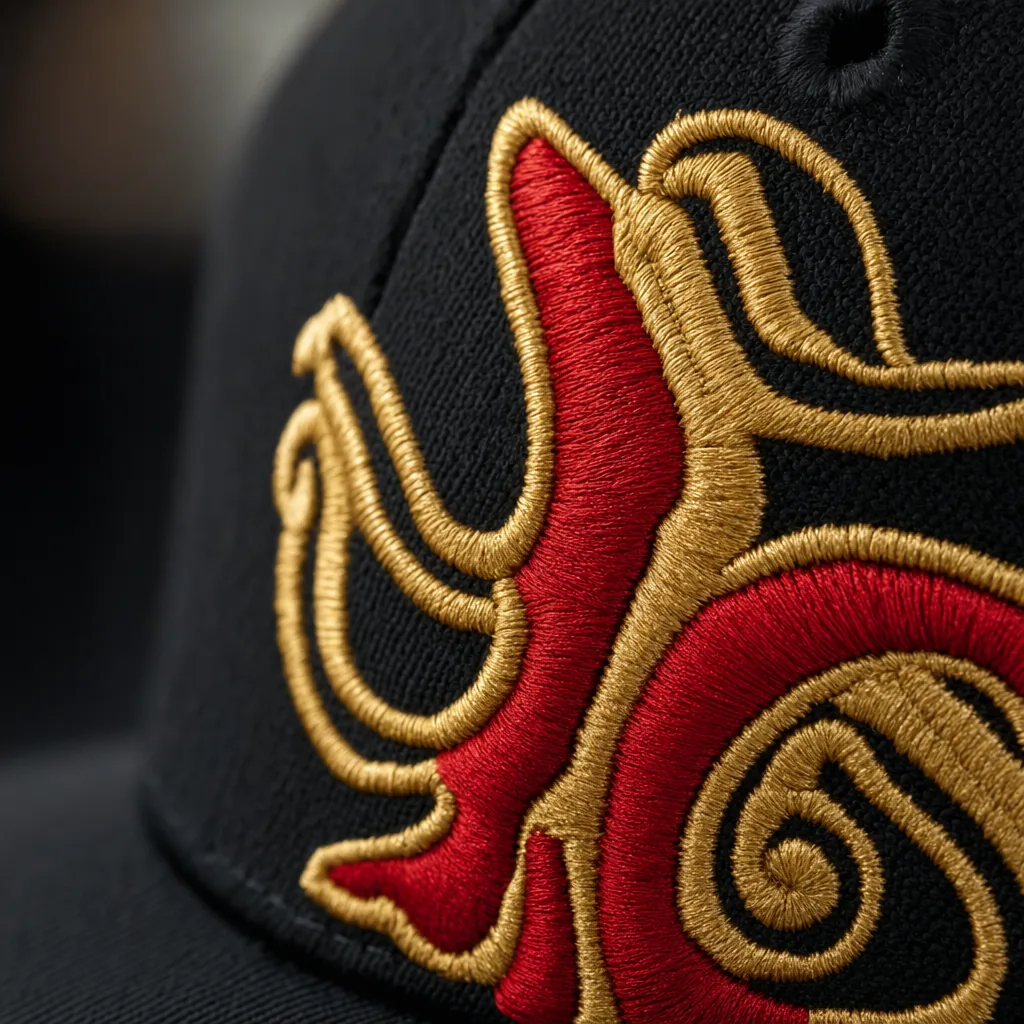
Custom Logo Hats: When to Use It, Costs, and What to Ask Your Factory (2026 Update)
Read article →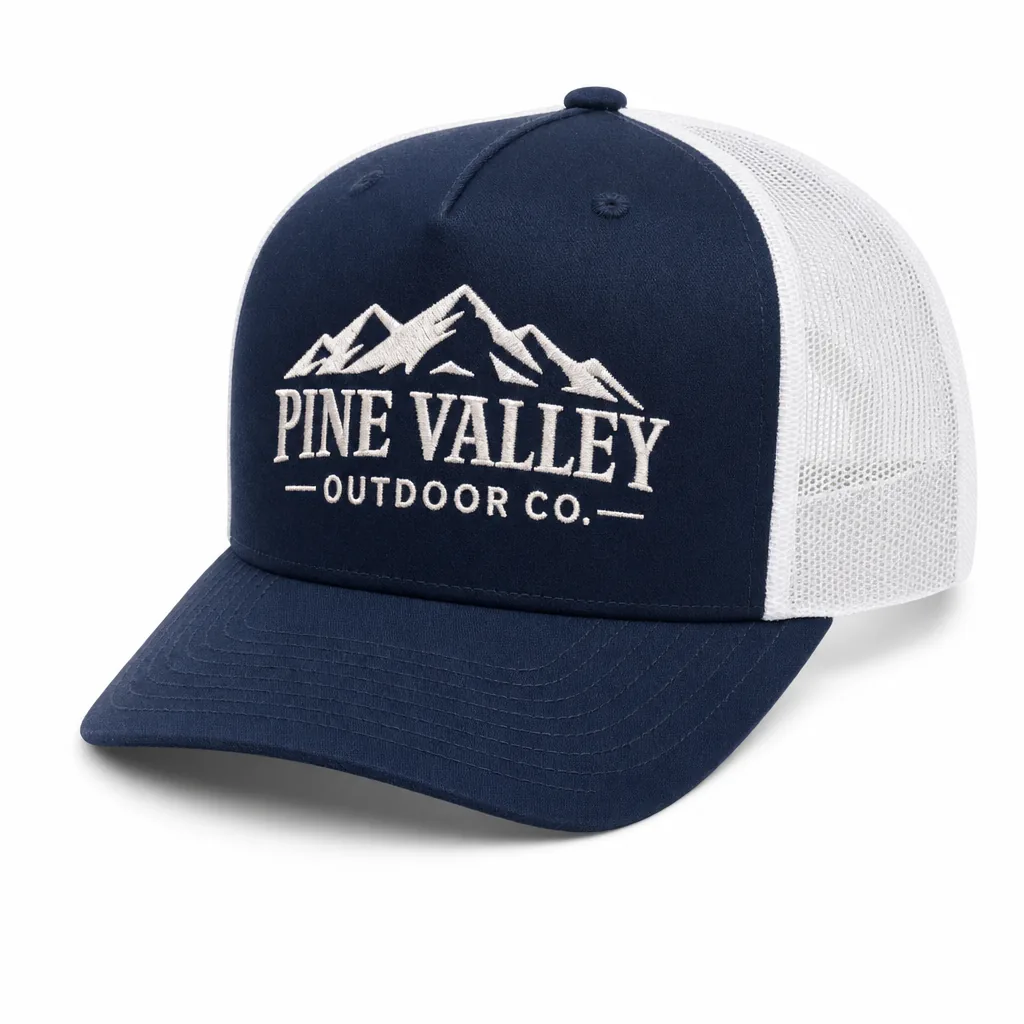
Mesh Caps Wholesale: Trucker Cap Manufacturing Specifications and Pricing
Read article →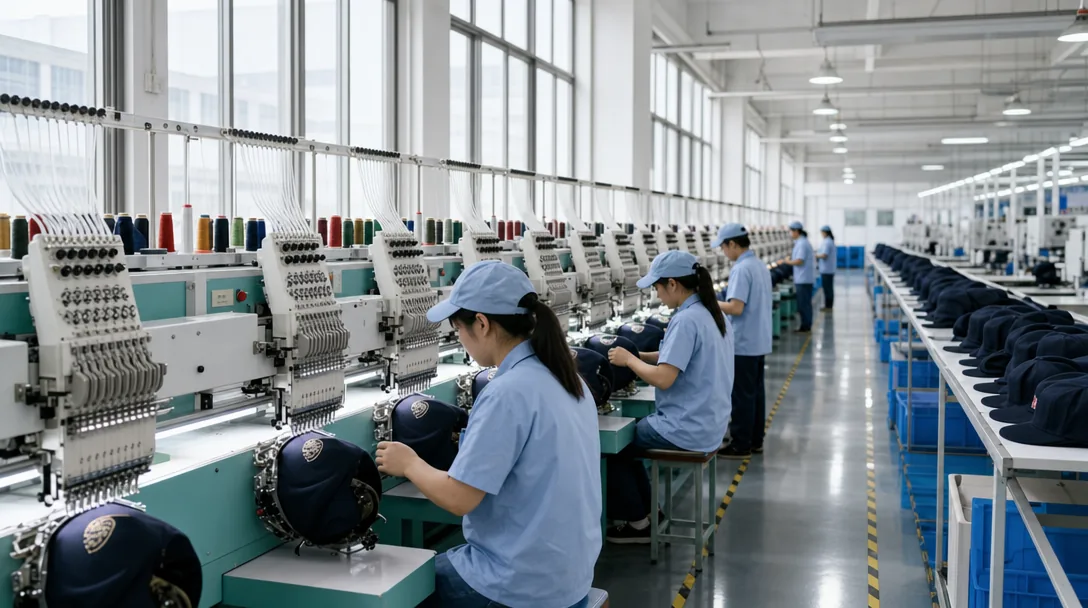
Country Hats For Men Fabric And Trim Spec Guide for Custom Hat Buyers
Read article →If you are ready to take the next step on refreshing a hat collection: a repeat-order playbook for established brands (2026 update), our team can put a tailored quotation and digital mock-up in your inbox within 24 hours. Send the inquiry form on our contact page or message us directly on WhatsApp.