
Custom Logo Hats: When to Use It, Costs, and What to Ask Your Factory (2026 Update)
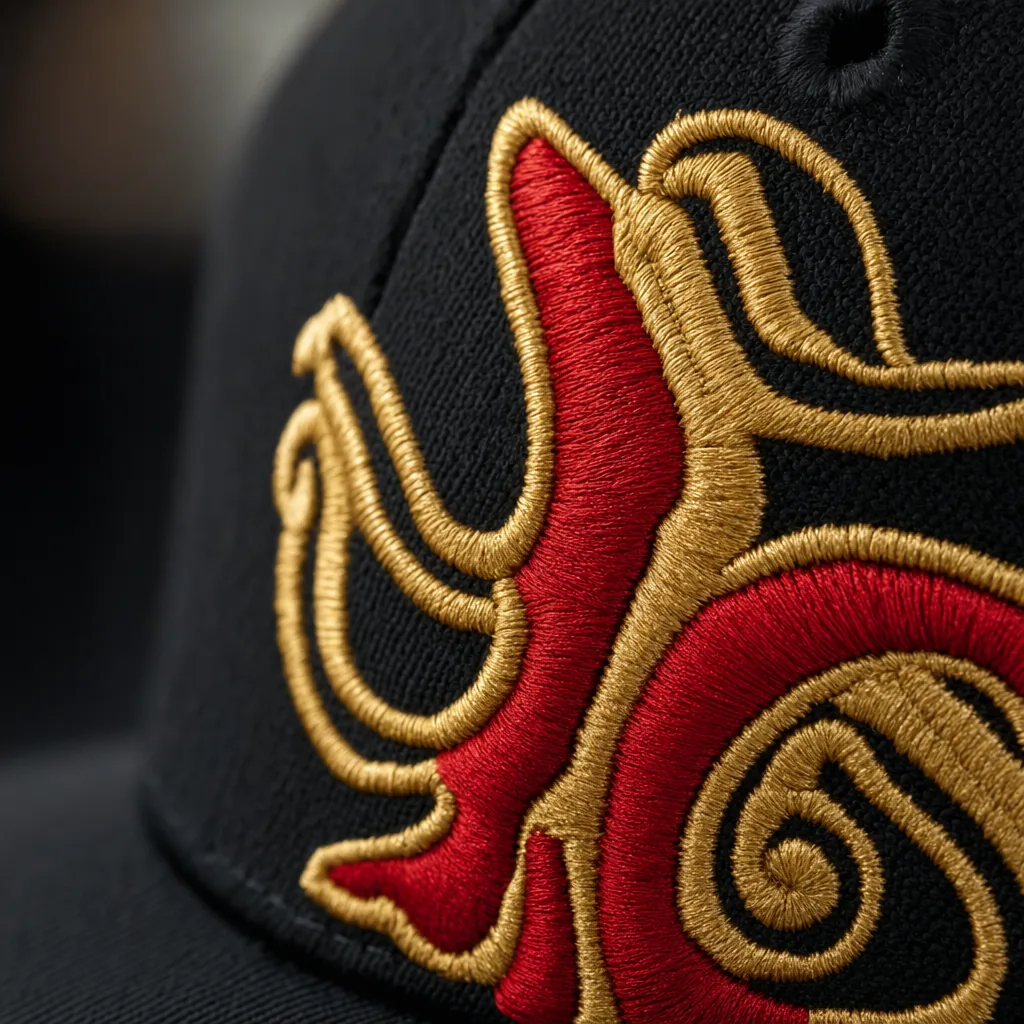
Custom Logo Hats: When to Use It, Costs, and What to Ask Your Factory (2026 Update) is one of the most-asked questions we receive from international buyers, and for good reason. With dozens of factories competing for your order and an alphabet soup of technical terms in every supplier quote, even experienced importers can feel lost. This guide consolidates what we have learned producing custom hats for clients in 40+ countries.
Custom Embroidered Patches
Embroidered patches earn their place on custom logo hats when the crown is hostile to clean direct stitching: foam truckers, high-profile buckram fronts, 5-panel camp caps with a center seam, rope caps with uneven front tension, and any shell where needle penetration prints through the face. The patch is built off-cap on twill, polyester felt, satin, or a merrow base, usually on Tajima, Barudan, or ZSK embroidery heads running a practical 650 to 850 spm after trims, thread breaks, and density changes. Edge construction decides whether the artwork is even manufacturable. A merrow border typically needs about 3 mm width and a forgiving outline, so it struggles with tight inside corners, sharp shield shapes, or narrow wordmarks. Laser-cut or heat-cut edges hold cleaner geometry and finer detail, especially when the logo is under 70 mm wide. From a digitizing standpoint, patches also buy you stability: satin columns below roughly 1.2 mm and fills crossing a center seam often close up, wobble, or lose registration on a finished cap, while a flat patch substrate gives much tighter stitch control and cleaner small text.
Patch quotes go wrong when the buyer sends only artwork and asks the factory to “match the sample.” The RFQ should lock down finished size in millimeters, base fabric, edge type, backing, attachment method, target cap fabric, and color standard—Pantone TCX if you want a fabric reference, or nearest Madeira Classic/Polyneon or Gunold thread code if you want a thread standard. Stitch count alone is a weak pricing metric; coverage matters more. A 75 x 50 mm patch with 70% tatami fill behaves very differently in cost and sewability than one built mostly from satin borders with open twill ground. In China, a basic 60 mm satin-edge patch at 100 to 300 pieces is commonly $0.25 to $0.55, while a dense 75 mm laser-cut patch with heat backing is more like $0.50 to $1.10 before application. Sewing it onto the hat usually adds $0.18 to $0.40, with the high end tied to curved fronts, seam-avoidance, or hand positioning around eyelets. For retail-grade custom logo hats, adhesive-only attachment is a false economy; sewn attachment survives sweat, wash cycles, and container heat far better.
Most patch failures are process failures, not artwork failures. The common ones are puckering from over-digitized fills, frayed laser edges on low-denier polyester bases, merrow joins opening at the overlap, skipped perimeter stitches on curved crowns, and heat-press-only application that releases after wear. The first question I ask is whether the patch is applied pre-assembly or post-assembly. Post-sew application on a finished structured cap is faster, but it raises the odds of distortion, off-center placement, visible needle tracking inside the crown, and uneven pressure over buckram. QC needs to be written into the PO: placement tolerance in millimeters, maximum logo rotation, clean thread trimming, no backing bleed, no shell damage, and a perimeter pull test at multiple points. AQL 2.5 is a workable baseline for bulk hats, but licensed sports and chain retail programs often tighten visual tolerances beyond that, especially for angle and color under D65 lighting. If the art includes gradients, outlines under 1 mm, or more than 8 to 10 thread colors, compare an embroidered patch against woven, printed, or molded TPU options before you lock the decoration method.
Custom Hat with Patch
Most patch failures happen where the badge meets the crown, not in the artwork itself. Merrowed emblems, woven damask, laser-cut twill, PVC, TPU, genuine leather, PU, and sublimated patches all load the front panel differently once they are sewn or heat-applied. A structured 6-panel trucker with 2.0-2.5 mm buckram can hold a 70 x 50 mm patch with stable registration; an unstructured washed chino dad cap or 70D nylon camp cap usually cannot, because the crown deflects under the sewing foot and the patch starts tunneling, rotating off grain, or telegraphing through the fabric. For custom logo hats with copy below about 4 mm cap height, I usually push buyers away from thick embroidered badges. A woven patch at 50-100 denier, or direct embroidery, will read cleaner than an overbuilt emblem trying to force fine serif text into satin borders. Machine capability matters here. On Tajima or Barudan heads, a front logo in the 12,000-15,000 stitch range often looks sharper than a patch with a heavy merrow border and foam-like loft. Patch thickness above roughly 1.8-2.2 mm starts creating real sewing problems on low-profile crowns: skipped stitches at corners, needle deflection, and visible puckering where stitch tension fights the buckram or front fuse. If the design includes gradients, small registration marks, or Pantone-critical color breaks, printed twill or sublimated patches need a defined Delta-E tolerance—typically under 2.0 for premium retail programs and under 3.5 for promo work—otherwise the strike-off approved in the office won’t match what ships in cartons.
A usable RFQ has to separate cap specs from patch specs, because the MOQ, lead time, and defect risks are different. For the cap, list profile, crown height, panel count, visor curve, closure, shell fabric content, fabric weight in gsm, sweatband spec, seam tape, eyelets, and whether the front panel is buckram-backed or soft. For the patch, specify finished size in mm, border type, ground fabric or material, backing, stitch density if embroidered, Pantone TPX/TCX references where relevant, color tolerance for printed elements, and attachment method: perimeter sew, hidden tack stitch, heat press, or hook-and-loop. Stock blanks with a standard woven patch can start at 144-300 pcs, but fully custom cut-and-sew custom logo hats with a bespoke patch program are usually more realistic at 500 pcs per colorway, especially if patch production is outsourced to a separate vendor. Pricing moves fast with material and attachment choices, but 2026 FOB China ranges are still predictable enough for budgeting. A brushed chino 6-panel with a sewn woven patch is commonly $2.10-$3.40 at 500 pcs; a structured snapback with embroidered patch, woven flag label, printed seam tape, and custom inside taping is more like $3.20-$5.80. PVC, TPU, and leather usually add tooling or die charges of $80-$180 per design, sometimes higher if the mold has undercuts. Inspection should be measured, not subjective: front patch placement tolerance of ±2 mm horizontally and ±3 mm vertically is tight enough for retail, and large orders should be audited to AQL 2.5. Under D65 light, compare printed or sublimated patches to the approved strike-off, then check edge lift after 24 hours, adhesive bleed, needle marking on PU or suede, and visor-curve consistency, because patch defects often cluster when the badge is made by one supplier and the cap by another.
Custom Patch for Hat
Use a patch when the logo is too fine, too distressed, or too tonal for clean direct embroidery on a cap. On a Tajima, Barudan, or ZSK head, even with 60 wt thread, tight underlay, and reduced density, serif text under roughly 4 mm letter height and negative spaces below 0.8 mm start to close up, especially on buckram-backed fronts. That is where custom logo hats benefit from a separate decoration process. Woven damask patches hold the sharpest small text and linework; printed microfiber or sublimated polyester handles gradients and photo-like detail with the lowest visible color shift; embroidery-on-twill gives texture but loses definition first; molded PVC survives rain and abrasion best, but it adds noticeable mass and can fight the curve of a structured crown. Felt applique and laser-cut twill work well for varsity or heritage looks, but they are style choices, not detail-retention solutions. Buyers should write the patch spec like an engineering document: finished size in millimeters, material weight in gsm or denier, border type, backing, attachment method, Pantone reference, and approved placement drawing. For printed patches, I would set Delta-E under 2.0 against the approved Pantone target, because a color that passes on white release paper can shift visibly once mounted on black cotton twill, pigment-washed canvas, or heather melange.
Attachment is where patch programs fail. The patch itself can be perfect, then lose the order because the badge is skewed, edges lift after heat aging, or the perimeter stitch tunnels the front panel. Sewn application is still the safest choice for wash durability and long-term appearance; heat seal is acceptable only when the adhesive is matched to the shell fabric and verified with peel tests after 24 hours, plus heat/humidity conditioning; ultrasonic or RF welding is really limited to TPU-backed badges on polyester or nylon shells. On structured 6-panel caps, attaching the patch before crown closing usually gives cleaner stitch control if the badge is under 70 mm wide. On foam truckers, washed dad caps, and other soft bodies, post-assembly placement often registers better because you are reading the actual finished center front rather than a flat panel that will distort after sewing. Lock in placement tolerance at ±2 mm, require zero edge lift at final inspection, and call out stitch count or SPI for perimeter sewing. In 2026 pricing, a stock cotton twill cap with a sewn woven or embroidered patch usually runs about $2.20-$3.80 FOB China; molded PVC is more often $3.20-$5.50 FOB plus $80-$150 tooling. MOQ is commonly 144-300 pieces per colorway on stock bodies, but 300-500 once you move into custom crown patterns, special fabrics, or branded taping. At CrownsForge, we treat bond failure, off-center placement, and visible puckering as major defects under AQL 2.5, because patch issues are expensive to rework after assembly.
Custom Patch Hat
Patch construction is the cleanest way to make custom logo hats look premium without forcing 12,000 to 18,000 stitches into the crown and fighting seam distortion on a six-panel front. It solves the stuff embroidery handles badly: copy under 2.5 mm high, thin pinlines, tonal graphics, and tight multi-color registration. The right build depends on the cap body. A 50 to 70 mm embroidered twill patch with a merrow edge works on structured cotton twill truckers; laser-cut PU or suede reads better on unstructured dad caps; 1.2 to 1.5 mm soft PVC is fine for outdoor styles, but it adds stiffness and can feel clunky on low-profile crowns. If the factory cannot tell you the patch base, border type, backing, stitch count or pick count, and attachment method, they do not have real BOM control.
Color approval has to happen before bulk, not after sewing starts. For thread-based patches, ask for Pantone TCX as the textile reference, but expect small shade shifts because rayon and polyester threads reflect light differently under D65; for printed, PU, or PVC patches, specify a Pantone C target and a Delta-E tolerance, usually under 2.0 for brand-critical colors. Also define how the patch is attached: sewn, heat-applied, or hook-and-loop. Sewn patches are the safest for wash durability; heat transfer saves labor but can show glue strike-through on lighter 200 to 240 gsm shells; Velcro adds flexibility for tactical or sports use, but it raises unit cost and crown stiffness. Our standard practice is to approve one physical pre-production sample, because screen proofs never show edge finish, hand-feel, or how the patch sits across a front seam.
Pricing and MOQ depend more on patch process than on the hat itself. In 2026, a basic 6-panel 100% cotton twill cap at 260 to 320 gsm with one sewn embroidered patch usually lands around $2.20 to $3.60 FOB China at 500 pcs; a structured acrylic-wool blend with a woven label patch or debossed microfiber patch is more like $3.40 to $5.20; molded PVC, multilayer applique, and metal badge builds can push past $6.00 before packaging. Separate hat cost from patch cost in the quotation, or you will lose visibility on tooling and labor. Embroidered and woven patches often start at 300 to 500 pcs per design, while custom PVC molds and die-struck metal badges usually need 1,000 pcs or more to amortize tooling. For inspection, hold placement to ±2 mm from the center front seam and check for puckering, skipped stitches on Tajima or Barudan runs, loose merrow tails, adhesive bleed-through, and edge lift under AQL 2.5.
Custom Patch Hats
Patch application is usually the safest route for custom logo hats when the artwork has fine outlines, small typography under 3 mm cap height, or gradients that would collapse in direct embroidery. The brief needs to lock down the patch construction, not just the artwork: substrate (poly twill, wool felt, woven damask, molded PVC, or PU leather), border finish (merrow 2.5-3.5 mm, satin stitch, raw-edge laser cut), backing, and attachment method. On 100% cotton twill or brushed chino at 260-320 gsm, stitched patches almost always age better than heat-seal because the crown fabric has enough body to resist puckering. On 5-panel foam truckers, a woven or PVC patch can read cleaner than embroidery because the front panel is already under tension and doesn’t like dense stitch loading. Give the factory Pantone TCX references for fabric, Pantone C for printed ink if applicable, finished patch size in millimeters, and the exact cap profile; a 50 x 32 mm patch that looks balanced on a high-profile 6-panel can look oversized on a low-profile dad cap.
Patch hats are only “cheap” when the construction is vague. In Yiwu, realistic MOQ is 100-300 pcs per colorway, sample charges run about USD 35-80, and ex-factory pricing for custom logo hats is typically USD 2.90-6.80 depending on shell fabric, closure, patch type, and whether you add extras like 3 mm EVA underlay, molded PVC, or side embroidery. The factory should quote stitch count for embroidered patches, denier or yarn spec for woven labels, patch thickness, and placement tolerance before cutting bulk. Our standard practice is to hold front placement within +/-2 mm on structured crowns; anything looser starts to look crooked at retail, especially on 5-panel hats with a large uninterrupted front. The common failures are predictable: frayed laser edges on synthetic twill, adhesive bleed through light-color fabric, bubbling after heat press, and Delta-E drift between patch thread and cap body. Ask for a PP sample checked to AQL 2.5, a 24-hour post-press cure check, and a simple corner pull test. If a supplier cannot explain dwell time, press temperature, and whether they use stitch-down, heat film, or both, they are not controlling the build.
Hat Patch Custom
Lock the patch method before you freeze the cap pattern, not after, because patches change crown behavior, needle access, and even whether the front panel can be sewn cleanly. An embroidered patch, woven label patch, printed twill, molded PVC, genuine leather, PU, or sublimated polyester badge each puts different stress on a 6-panel shell. On low-profile washed chino dad caps with no buckram, thick PVC or 1.6-2.0 mm leather often causes puckering; the same badge sits fine on a high-profile trucker with 3 mm foam and a stiff front. For artwork with copy under roughly 4 mm cap height or fine negative space, woven patches usually read better than direct embroidery because satin columns spread, counters close, and sharp corners soften. In practice, the patch is digitized as its own file, run on Tajima, Barudan, or ZSK flat frames, then laser-cut, die-cut, or merrowed before attachment. For most custom logo hats, the safe front-patch width is 50-70 mm; once you push past 75 mm, crown curvature, center seams, and front-panel taper start distorting the shape unless the cap profile is tall and heavily stabilized.
A real tech pack should specify patch size in mm, edge finish, backing, attachment method, and placement tolerance, not just “front patch centered.” Call out heat-cut versus merrow edge, merrow width if applicable, stitch-down thread color, and whether the factory is using sew-on only or heat press plus perimeter stitch. For color-critical programs, specify Pantone TCX references for textile shades and define an acceptable Delta-E, typically under 1.5 for premium retail and under 2.5 for promotional runs. Base twill for patches is usually 180-220 gsm; woven patch grounds are often 75-100 denier polyester; leather and PU should list thickness in mm, deboss depth, edge paint, and any crocking or migration requirement against dark-dyed shells. Our standard practice is to approve the loose patch first, then the patch-on-cap sample, because a badge that looks perfect on the bench can tunnel over a center seam or telegraph the buckram underneath once sewn.
Patch caps are usually more expensive than buyers assume because you are running two manufacturing lines: cap body and emblem. In 2026 China pricing, a standard brushed cotton twill cap with one front woven or embroidered patch at 500 pcs normally lands around $2.20-3.80 FOB Ningbo or Shanghai; PVC, genuine leather, molded rubber, or layered appliqué is more often $4.20-6.50 because of tooling, trimming, and attachment labor. MOQ is often 144-300 pcs per colorway, but costs start making sense at 500+ when die charges, setup time, and hand placement are amortized. Inspection should focus on attachment integrity as much as artwork: crooked placement beyond +/-2 mm, edge fray, bubbling after heat press, adhesive bleed, needle damage around the perimeter, and seam bridging are the repeat failures. At AQL 2.5 final inspection, measure patch position from visor seam and side seam, verify color under D65 light, and do edge-lift and tape tests on printed or coated surfaces. If the patch is heat-applied without sewing, ask for heat-aging results at 50-60 C; weak adhesive systems fail fast in containers.
Working with CrownsForge for custom logo hats programs
The biggest delay in custom logo hats is usually not FOB price; it is sampling a cap that was never properly specified. A factory should lock the construction brief before digitizing anything: crown profile, panel height, visor radius, buckram spec, closure type, fabric composition and gsm, logo placement in millimeters, stitch-count target, backing, and Pantone references by substrate. On a standard 6-panel brushed cotton twill cap at 260 to 280 gsm with flat embroidery under 10,000 stitches, first sample lead time should be 5 to 7 business days from approved artwork and deposit. Add a molded PVC badge, woven patch, laser-cut felt appliqué, or sublimated label, and 7 to 12 business days is more realistic because die lines, edge finish, and attachment method all need separate signoff before bulk is safe. In 2026, sample charges around $35 to $80 for direct embroidery and $80 to $180 for patch programs are still normal, especially when tooling or loom setup is involved. The useful supplier is the one that kills risk early instead of sending a pretty sample that cannot run cleanly in production. Good pre-production comments should flag seam crossings through the logo area, grin-through from buckram on light fabrics, crown collapse on unstructured styles, and puckering when dense embroidery is forced onto 70D to 210D nylon or lightweight recycled poly. CrownsForge’s standard practice is to review whether the artwork should stay as direct embroidery, convert to a twill or woven patch, or split into mixed decoration before PPS, because that decision affects both appearance and reject rate more than buyers expect.
MOQ and cost only make sense when decoration, fabric, and volume are aligned. Direct embroidery on Tajima, Barudan, or ZSK multi-head machines is usually the most efficient route from 144 pieces per style-color, provided the logo stays below about 10,000 stitches and thread changes are limited. Once the design has fine text, sharp border definition, or multiple fills, patch-based custom logo hats often become the cleaner and cheaper option at 300 to 500 pieces because woven, twill, leatherette, or PVC setup costs can be amortized across the run. For stock cotton twill or standard polyester, 144 pieces is a workable entry MOQ; ask for recycled performance fabric, 8-wale corduroy, custom camouflage, printed seam tape, or branded sweatbands, and most factories will move the minimum to 300 to 500 due to dye-lot minimums, trim MOQs, and cutting waste. FOB China ranges in 2026 are fairly stable: roughly $2.20 to $3.60 for a basic embroidered cotton cap, $3.40 to $5.80 for a woven- or twill-patch cap, and $5.50 to $9.50 for premium 5-panel or performance styles with rope, perforated side panels, moisture-wicking sweatbands, or mixed decoration. Repeat-order failures usually come from poor record control, not from sewing. If the patch must survive repeated washing, perspiration, or retail handling, confirm whether it is only heat-pressed or also edge-stitched; adhesive-only attachment is faster, but stitched reinforcement holds up far better in wear tests and carton friction. Color approval should include more than a Pantone TCX or coated callout: ask for approved strike-offs, embroidery thread cards, patch edge references, and a sealed top-of-production retention sample. That file set is what prevents reorder drift in merrow width, visor curvature, logo position, or ground shade when a program jumps from 500 units to 20,000. Before deposit, request current sedex-audit-cap-supplier-guide.html">BSCI 2.0 or Sedex SMETA 4-Pillar audit reports, needle-control procedure, color tolerance targets such as Delta-E under 1.5 on visible trims, and a QA flow covering PPS approval, line-start signoff, in-line inspection, final AQL 2.5, barcode verification, and carton drop testing.
Frequently Asked Questions
What logo decoration techniques do you offer?
3D puff embroidery, flat embroidery, woven patch, leather patch, PVC patch, screen printing, sublimation, applique and laser etching, all in-house with no subcontracting.
Which shipping methods do you support?
We support FOB, CIF and DDP shipping. Air express for samples and small orders, sea LCL for 100 to 500 pieces, sea FCL for 5,000+ pieces. Door-to-door DDP available for US, EU, UK, Canada and Australia.
What is the minimum order quantity (MOQ) for custom hats?
Our standard MOQ is 100 pieces per design and color, with sampling available from 1 piece. For complex multi-color logos or premium fabric upgrades, the MOQ can be lowered with a small per-piece surcharge.
Do you support sustainability certifications?
Yes. We work with GOTS organic cotton, GRS-certified recycled polyester, OEKO-TEX Standard 100 fabrics, and are BSCI and Sedex audited. Certification documentation can be provided per order.
What file format should I send for my logo?
Vector files (AI, EPS, PDF) are ideal. High-resolution PNG or JPG at 300 dpi on transparent background works as a fallback. Provide Pantone color references for accurate reproduction.
How does ordering custom embroidered logo hat work?
When evaluating custom embroidered logo hat, the key considerations are construction quality, decoration capability, MOQ flexibility and lead time. Cover everything buyers ask about custom embroidered patches: how it's manufactured, what specs to request from a factory, typical MOQ and pricing, common quality issues to inspect for, and how this ties back to the broader custom logo hats sourcing decision. Cover everything buyers ask about custom hat with patch: how it's manufactured, what specs to request from a…
How does ordering custom hat leather patch work?
When evaluating custom hat leather patch, the key considerations are construction quality, decoration capability, MOQ flexibility and lead time. Cover everything buyers ask about custom hat with patch: how it's manufactured, what specs to request from a factory, typical MOQ and pricing, common quality issues to inspect for, and how this ties back to the broader custom logo hats sourcing decision. Cover everything buyers ask about custom patch for hat: how it's manufactured, what specs to request from a factory,…
How does ordering custom embroidered baseball hats work?
When evaluating custom embroidered baseball hats, the key considerations are construction quality, decoration capability, MOQ flexibility and lead time. Cover everything buyers ask about custom embroidered patches: how it's manufactured, what specs to request from a factory, typical MOQ and pricing, common quality issues to inspect for, and how this ties back to the broader custom logo hats sourcing decision. Cover everything buyers ask about custom hat with patch: how it's manufactured, what specs to request from a…
What's the MOQ for custom embroidered patches no minimum?
When evaluating custom embroidered patches no minimum, the key considerations are construction quality, decoration capability, MOQ flexibility and lead time. Cover everything buyers ask about custom embroidered patches: how it's manufactured, what specs to request from a factory, typical MOQ and pricing, common quality issues to inspect for, and how this ties back to the broader custom logo hats sourcing decision. Cover everything buyers ask about custom hat with patch: how it's manufactured, what specs to request from a…
Ready to start your custom hat project?
Send us your tech-pack, sketch or even just an inspiration photo. We will respond with a detailed quotation and digital mock-up within 24 hours.
Request a free quoteRelated guides
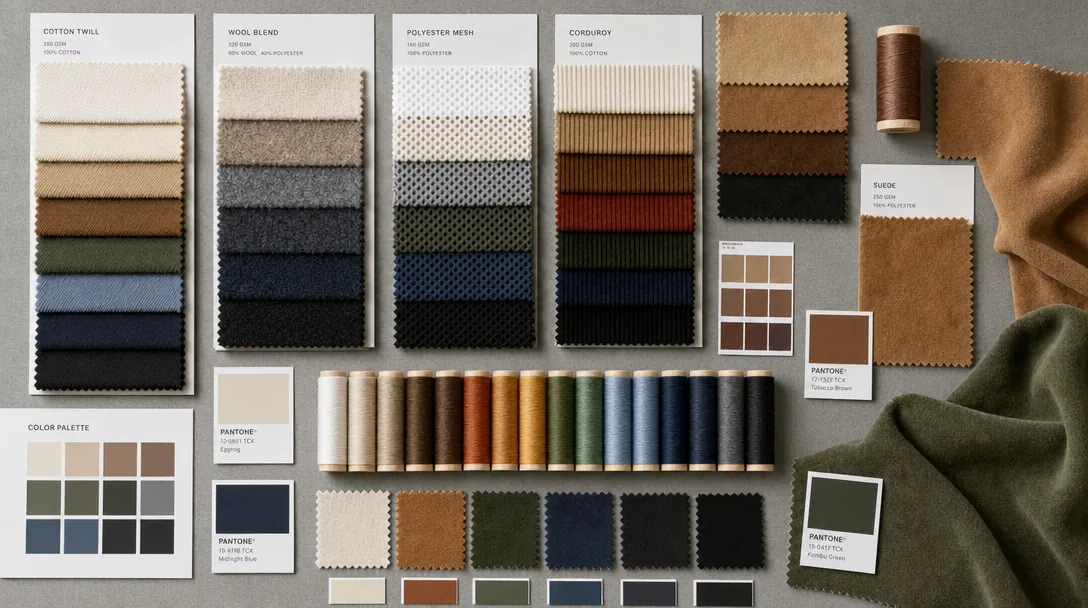
Corduroy Hat Vintage MOQ And Pricing Plan for Custom Hat Buyers
Read article →
Baseball Hats For Men Fabric And Trim Spec Guide for Custom Hat Buyers
Read article →
Blank Trucker Cap Wholesale Bulk: A 2026 B2B Sourcing Guide
Read article →If you are ready to take the next step on custom logo hats: when to use it, costs, and what to ask your factory (2026 update), our team can put a tailored quotation and digital mock-up in your inbox within 24 hours. Send the inquiry form on our contact page or message us directly on WhatsApp.