
Corduroy Hat Vintage MOQ And Pricing Plan for Custom Hat Buyers
Corduroy Hat Vintage MOQ And Pricing Plan for Custom Hat Buyers is one of the most-asked questions we receive from international buyers, and for good reason. With dozens of factories competing for your order and an alphabet soup of technical terms in every supplier quote, even experienced importers can feel lost. This guide consolidates what we have learned producing custom hats for clients in 40+ countries.
Why corduroy hat vintage moq and pricing plan needs a separate sourcing plan
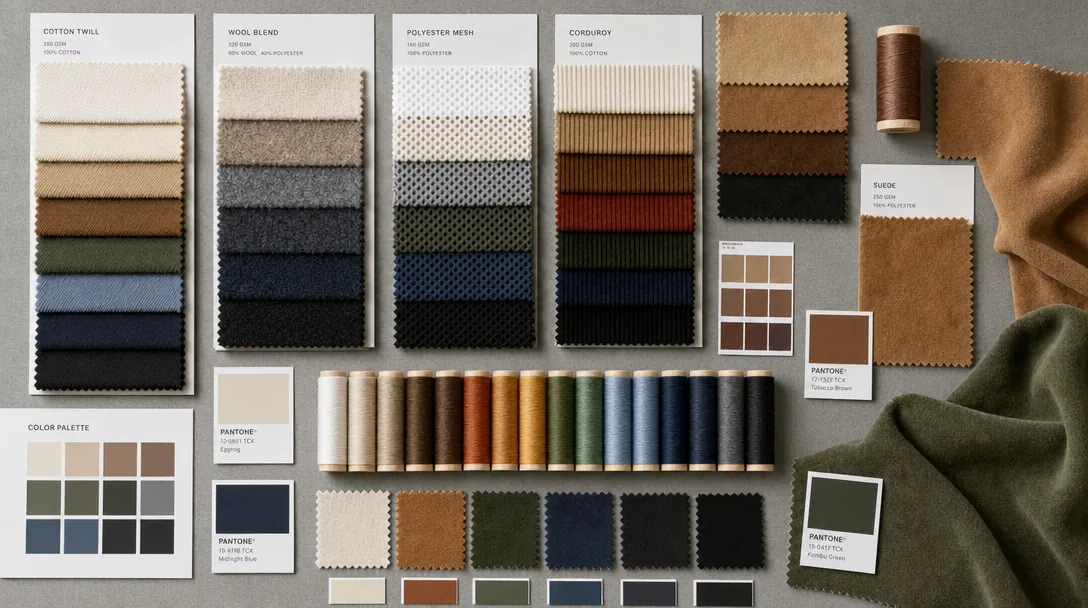
A corduroy hat vintage moq and pricing plan needs its own sourcing logic because the buyer is usually not asking for the cheapest 6-panel cap; they are trying to control texture, wash, color aging, and small-batch risk. Corduroy is not one material. A 14-wale cotton corduroy at 260 gsm behaves very differently from an 8-wale heavy corduroy at 330 gsm, especially after enzyme wash or garment dye. If the target is a corduroy hat brown with a faded thrift-store look, the mill lab dip must be judged under D65 and TL84 light, with Delta-E usually held under 1.5 before bulk approval. Generic cap sourcing often starts from stock twill or polyester, where MOQ can be 144 to 300 pieces. For corduroy hat vintage programs, realistic MOQ is often 500 to 1,000 pieces per color because fabric dye lots, wale direction, cutting waste, and wash-house minimums all stack together.
Cost moves quickly when the buyer mixes vintage styling with decoration. A plain corduroy hat vintage cap using stock fabric may land around USD 3.20 to 4.80 FOB Ningbo at 500 pieces, while custom-dyed cotton corduroy with embroidery, brass buckle, taped seams, and garment wash can push USD 5.60 to 8.50. Bucket hat corduroy styles usually cost more than caps because the brim consumes more fabric and distortion after washing is harder to control; a corduroy bucket hat also needs careful topstitch tension so the brim does not ripple. Embroidery has to be digitized differently on corduroy because the ribs swallow fine detail. On Tajima, Barudan, or ZSK heads, I would avoid tiny serif letters under 5 mm and use underlay stitches to keep the logo from sinking into the pile. A chain-stitched or felt patch may look more authentic, but it changes both sampling time and labor cost.
Compliance and timing also separate this category from ordinary promotional hats. If the buyer requests an organic cotton hat, the fabric cannot be described casually as organic unless the yarn or fabric chain has valid GOTS or OCS transaction certificates; many low-priced suppliers will only offer “organic feel,” which is meaningless in an audit. For EU or U.S. retail, we normally check AZO-free dyeing, formaldehyde limits, nickel release on buckles, and REACH/SVHC declarations. AQL 2.5 inspection should include shade banding, pile crushing, panel symmetry, embroidery registration, and wash variation, not just loose threads. Our standard practice at CrownsForge is to plan 7 to 10 days for lab dips, 10 to 14 days for fit and decoration samples, and 25 to 40 days for bulk after approval. The corduroy hat vintage moq and pricing plan should therefore be decided before artwork finalization, not after the salesman has quoted a fantasy MOQ.
Factory capability checks before quoting
The first capability check is whether the factory can handle corduroy without crushing the wale or hiding defects under decoration. For a corduroy hat vintage moq and pricing plan, I ask for fabric specs before I ask for unit price: 8-wale or 11-wale corduroy, 260-320 gsm cotton or cotton-spandex blend, Pantone TCX target, and acceptable Delta-E, usually under 1.5 for repeat orders. Embroidery must be tested on actual corduroy, not twill, because raised ribs distort small lettering and satin borders. Tajima, Barudan, and ZSK heads can all run cleanly, but the digitizing has to use lower density, proper underlay, and slower speed around 650-750 spm. For woven patches, chenille, leather patches, and felt appliques, I check edge fray, adhesive bleed, and whether heat pressing flattens the ribs. A corduroy hat brown sample especially needs colorfastness and shade-band review, because browns shift badly between lab dip, bulk roll, and finished cap.
Panel construction tells you more about factory skill than a glossy sample photo. A structured 6-panel corduroy hat vintage style needs the front panels fused evenly, with the center seam sitting straight through the wale; an unstructured dad cap needs soft buckram or no buckram, otherwise it looks like a cheap promo cap pretending to be retail. For bucket hat corduroy production, I check brim stitch spacing, crown height tolerance, and whether the sweatband puckers after steaming. A corduroy bucket hat with 6-8 rows of brim stitching will expose weak tension control fast. Closure options also affect MOQ and cost: brass buckle with tuck strap is usually 0.18-0.35 USD more than plastic snap, while fabric strap with antique slider gives the vintage look buyers want. If the buyer is also considering an organic cotton hat story, the factory must separate conventional and organic fabric records and provide GOTS or transaction certificate support, not just a hangtag claim.
A serious quote should include sample room capacity, compliance status, and communication discipline, because those are the parts that prevent a 500-piece order from turning into a three-month argument. Our standard practice at CrownsForge is to confirm whether the sample room can make embroidery, patch, wash, and closure variations in one 5-7 day cycle before locking the corduroy hat vintage moq and pricing plan. For small custom runs, realistic MOQ is often 100-300 pieces per color when fabric is in stock, but custom-dyed corduroy can push that to 500-1,000 pieces because mills will not dye 30 meters economically. Audit readiness matters for licensed teams and corporate buyers: ask for recent sedex-audit-cap-supplier-guide.html">BSCI 2.0, Sedex SMETA 4-Pillar, fire safety records, needle control logs, and AQL 2.5 final inspection reports. Communication is also a factory capability. If they cannot return a clear tech pack comment sheet within 24 hours, they will not manage shade lots, carton marks, FOB terms, or DDP delivery details cleanly.
MOQ, pricing and sample approval
For a corduroy hat vintage MOQ and pricing plan, the real breakpoints are usually 100, 300, 500, and 1,000 pieces per color/style, not some neat catalog number. At 100 pieces, expect a surcharge because cutting corduroy panels, aligning wale direction, and running short dye-lot trims wastes time; a 6-panel corduroy cap may land around USD 6.80-9.50 FOB depending on 8-wale versus 14-wale fabric, lining, and closure. At 300 pieces, the same build often drops to USD 5.20-7.20, while 1,000 pieces can sit around USD 3.90-5.80 if the fabric is stock cotton corduroy and the decoration is not oversized. A bucket hat corduroy style is normally 8-15% higher than a baseball cap because brim stitching, fusible selection, and panel nesting are less efficient. Organic cotton hat programs need separate fabric booking and certification paperwork, so I would not quote them under 300 pieces unless the buyer accepts a clear premium.
Decoration setup is where many first quotes become fiction. Flat embroidery on Tajima or Barudan heads typically needs a USD 35-60 digitizing charge per logo, with USD 0.25-0.80 per piece for normal front embroidery at 6,000-9,000 stitches; heavy vintage chain-style fills or 3D puff can push above 12,000 stitches and distort soft corduroy if backing is wrong. Woven labels, leather patches, metal buckles, and custom eyelets each have their own MOQ, often 300-500 pieces, even when the hat MOQ is lower. Pantone matching should be specified as Pantone TCX for fabric and Pantone C/U for printed trims, with a practical Delta-E tolerance around 1.5-2.0 for dyed corduroy and wider for washed effects. A corduroy hat brown is especially sensitive because red, yellow, and black undertones shift under indoor light; approve lab dips under D65 and TL84, not phone photos.
PPS approval should lock fabric weight, wale count, crown height, brim curve, embroidery density, thread color, sweatband, closure, label placement, and packaging before bulk cutting. Our standard practice at CrownsForge is one fit sample, one decoration sample if the logo is risky, then a pre-production sample sealed with buyer comments; skipping that step saves maybe seven days but creates much bigger problems during AQL 2.5 inspection. For corduroy hat vintage styles with garment wash, add 5-8 days because shrinkage must be measured after wash and the buckle or snapback cannot bleed onto the fabric. Normal lead time is 7-10 days for sampling, 25-35 days for bulk after PPS approval, and 35-45 days during peak season or when custom trims are involved. Polybag packaging is cheap at USD 0.03-0.06 per piece, but kraft boxes, barcode stickers, hangtags, and carton drop-test requirements can add USD 0.20-0.60 per unit before freight.
Quality inspection and shipping risk
Quality risk on a corduroy hat vintage program usually shows up in three places: panel symmetry, wale direction, and decoration registration. For pre-shipment inspection I would use ANSI/ASQ Z1.4 with AQL 2.5 for major defects and AQL 4.0 for minor defects, but I would tighten measurement checks on crown height, brim width, sweatband length, and bucket circumference because corduroy relaxes differently after sewing. A normal tolerance is +/-3 mm on brim width and +/-5 mm on head circumference; anything looser will make a bucket hat corduroy order feel inconsistent across sizes. Inspectors should check that all panels follow the same corduroy wale direction, because mixed nap catches light differently and can make a corduroy hat brown look like two dye lots even when the fabric is technically from one roll.
Colorfastness and embroidery defects need to be tested before bulk packing, not argued about after delivery. For cotton corduroy, I expect ISO 105 dry rubbing at grade 4 or better, wet rubbing at grade 3-4, and perspiration fastness at grade 4 for darker shades. Pantone TCX matching should be controlled with a lab dip and bulk Delta-E target under 1.5 for fashion colors, especially washed olive, rust, and brown. Embroidery should be checked for loose threads, birdnesting, needle cuts, puckering around the logo, and skipped stitches; Tajima, Barudan, or ZSK heads can all produce clean work, but only if backing weight, thread tension, and stitch density are set for corduroy pile. A 3D puff logo that works on twill often looks swollen and dirty on a corduroy bucket hat, so flat embroidery or chenille is usually safer.
Shipping risk is mostly documentation discipline. Carton markings should show PO number, style code, color, quantity, carton number, gross/net weight, and destination, with inner polybags labeled by SKU if the buyer sells through 3PL or retail allocation. For a corduroy hat vintage moq and pricing plan, FOB Ningbo or Shanghai is usually cleaner for experienced importers, while DDP is useful for small streetwear brands that cannot manage customs bond, ISF filing, duty, and last-mile delivery. Our standard practice at CrownsForge is to archive the approved sample, fabric lot card, Pantone reference, embroidery DST file, carton label artwork, AQL report, and packing list under the reorder PO. That record matters when a buyer repeats an organic cotton hat or corduroy hat vintage style six months later and expects the same handfeel, shade, and carton configuration.
Buyer checklist for the next RFQ
A firm quote starts with a complete tech pack, not a mood board. For a corduroy hat vintage MOQ and pricing plan, send the exact silhouette first: 6-panel unstructured cap, 5-panel camper, bucket hat corduroy, or a corduroy bucket hat with stitched brim rows. Include panel pattern references, crown height in centimeters, brim length, sweatband type, closure type, and target size range. Photos should show front, side, inside, closure, label position, and any worn-in effect you want copied. If you are matching a sample, ship one physical hat; phone photos rarely show wale direction, seam thickness, or brim stiffness correctly. For fabric, specify cotton corduroy weight, wale count, color standard such as Pantone TCX, and acceptable Delta-E, usually under 1.5 for reorder consistency. If you want an organic cotton hat, state GOTS or OCS expectations before sampling because certified fabric changes cost and lead time.
Artwork needs to be production-ready before any factory can price responsibly. Send embroidery files as DST if available, plus vector AI or PDF artwork with thread color references, placement dimensions, and stitch method: flat embroidery, 3D puff, chain stitch, applique, or woven patch. A small vintage script logo on corduroy often needs extra underlay because the ribs distort fine lines; on Tajima or Barudan heads, we normally avoid lettering under 5 mm unless the buyer accepts softer definition. For labels, include woven label artwork, care label content, country-of-origin wording, UPC/FNSKU requirements, and hangtag specs. Packaging should also be stated early: one hat per polybag, recycled bag, carton marks, carton drop-test requirement, or Amazon prep. These details can move unit cost by $0.08 to $0.45 before freight is even discussed.
Before asking for the final corduroy hat vintage moq and pricing plan, give the commercial frame: order quantity by color, delivery deadline, Incoterm, destination port or DDP address, inspection level, and audit requirements. MOQ is usually driven by fabric dyeing and trim minimums; a corduroy hat brown in stock fabric may run at 100-300 pieces, while custom-dyed corduroy can require 500-1,000 pieces per color. State whether you need AQL 2.5 final inspection, BSCI 2.0, or Sedex SMETA 4-Pillar documentation, because compliance paperwork and factory allocation matter in peak season. Our standard practice at CrownsForge is to quote sample fee, bulk unit price, mold or digitizing charges, carton dimensions, estimated gross weight, and FOB Ningbo/Shanghai separately, so buyers can compare production cost without freight hiding in the unit price.
Working with CrownsForge
A realistic corduroy hat vintage moq and pricing plan starts with fabric control, not with a decoration quote. For 8-wale or 11-wale cotton corduroy, we normally lock lab dips against Pantone TCX standards and accept Delta-E under 1.5 for dark colors like a corduroy hat brown; lighter washed shades can drift more after enzyme or stone wash, so buyers should approve both raw fabric and finished-garment color. CrownsForge typically runs development samples at 3 to 5 pieces per style, with a 7 to 12 day sample window after artwork and trims are confirmed. For a corduroy bucket hat, the minimum is usually lower than a structured 6-panel cap because there is no buckram molding, but cutting waste is higher when the wale direction must stay consistent across crown, brim, and side panels.
Decoration changes the MOQ faster than the hat body does. Flat embroidery on Tajima or Barudan heads can run economically from 200 to 300 pieces per design if thread colors stay under 6 and the logo is under 8,000 stitches; raised embroidery, felt applique, chenille, or leather patch programs usually need 300 to 500 pieces because digitizing, mold, and operator setup time become the real cost. A simple corduroy hat vintage program with one front embroidery may land around USD 3.20 to 5.80 FOB Yiwu/Ningbo depending on fabric gsm, lining, sweatband, and wash process. A bucket hat corduroy style with full lining, woven label, and edge stitching often sits closer to USD 4.10 to 6.70. Organic cotton hat versions add about USD 0.35 to 0.90 per piece when buyers require GOTS transaction documentation rather than just supplier verbal confirmation.
QC and export planning should be built into the price sheet before the purchase order is issued. For production we use inline checks after cutting, first-output embroidery approval, and final inspection against AQL 2.5 for major defects and AQL 4.0 for minor defects; corduroy needs special attention for crushed pile, shade panels, seam slippage, and brim asymmetry after washing. Cartons are normally 50 to 100 pieces depending on crown shape, with moisture-controlled packing and silica gel when shipping during the Zhejiang rainy season. For compliance-sensitive buyers, BSCI 2.0 and Sedex SMETA 4-Pillar documentation should be requested before deposit, not at shipment. A clean corduroy hat vintage moq and pricing plan should separate sample fees, bulk unit cost, decoration setup, wash surcharge, carton marks, FOB charges, and optional DDP freight so procurement can compare quotes without hidden factory-side assumptions.
Frequently Asked Questions
What is the minimum order quantity (MOQ) for custom hats?
Our standard MOQ is 100 pieces per design and color, with sampling available from 1 piece. For complex multi-color logos or premium fabric upgrades, the MOQ can be lowered with a small per-piece surcharge.
What logo decoration techniques do you offer?
3D puff embroidery, flat embroidery, woven patch, leather patch, PVC patch, screen printing, sublimation, applique and laser etching, all in-house with no subcontracting.
Can I order a sample before bulk production?
Yes. We strongly recommend approving a pre-production sample before mass production. Samples are charged at 35 to 60 USD each plus express shipping, fully refundable against confirmed bulk orders over 500 pieces.
What file format should I send for my logo?
Vector files (AI, EPS, PDF) are ideal. High-resolution PNG or JPG at 300 dpi on transparent background works as a fallback. Provide Pantone color references for accurate reproduction.
Which shipping methods do you support?
We support FOB, CIF and DDP shipping. Air express for samples and small orders, sea LCL for 100 to 500 pieces, sea FCL for 5,000+ pieces. Door-to-door DDP available for US, EU, UK, Canada and Australia.
What should buyers know about organic cotton bucket hat?
When evaluating organic cotton bucket hat, the key considerations are construction quality, decoration capability, MOQ flexibility and lead time. Explain the buyer intent behind corduroy hat vintage moq and pricing plan, when it differs from generic hat sourcing, and what decisions affect cost, lead time and compliance. Describe how CrownsForge manages corduroy hat vintage moq and pricing plan programs with sampling, decoration, QC and export coordination.
What should buyers know about brown corduroy bucket hat?
When evaluating brown corduroy bucket hat, the key considerations are construction quality, decoration capability, MOQ flexibility and lead time. Explain the buyer intent behind corduroy hat vintage moq and pricing plan, when it differs from generic hat sourcing, and what decisions affect cost, lead time and compliance. Describe how CrownsForge manages corduroy hat vintage moq and pricing plan programs with sampling, decoration, QC and export coordination.
What should buyers know about bucket hat men nike?
When evaluating bucket hat men nike, the key considerations are construction quality, decoration capability, MOQ flexibility and lead time. Explain the buyer intent behind corduroy hat vintage moq and pricing plan, when it differs from generic hat sourcing, and what decisions affect cost, lead time and compliance. Describe how CrownsForge manages corduroy hat vintage moq and pricing plan programs with sampling, decoration, QC and export coordination.
What should buyers know about vintage bucket hat mens?
When evaluating vintage bucket hat mens, the key considerations are construction quality, decoration capability, MOQ flexibility and lead time. Explain the buyer intent behind corduroy hat vintage moq and pricing plan, when it differs from generic hat sourcing, and what decisions affect cost, lead time and compliance. Describe how CrownsForge manages corduroy hat vintage moq and pricing plan programs with sampling, decoration, QC and export coordination.
Looking for a reliable hat manufacturer in China?
CrownsForge has produced custom hats for 800+ brands across 40 countries. From 100-piece launches to 100,000-piece retail programs, we deliver on time and on spec.
Get in touchRelated guides
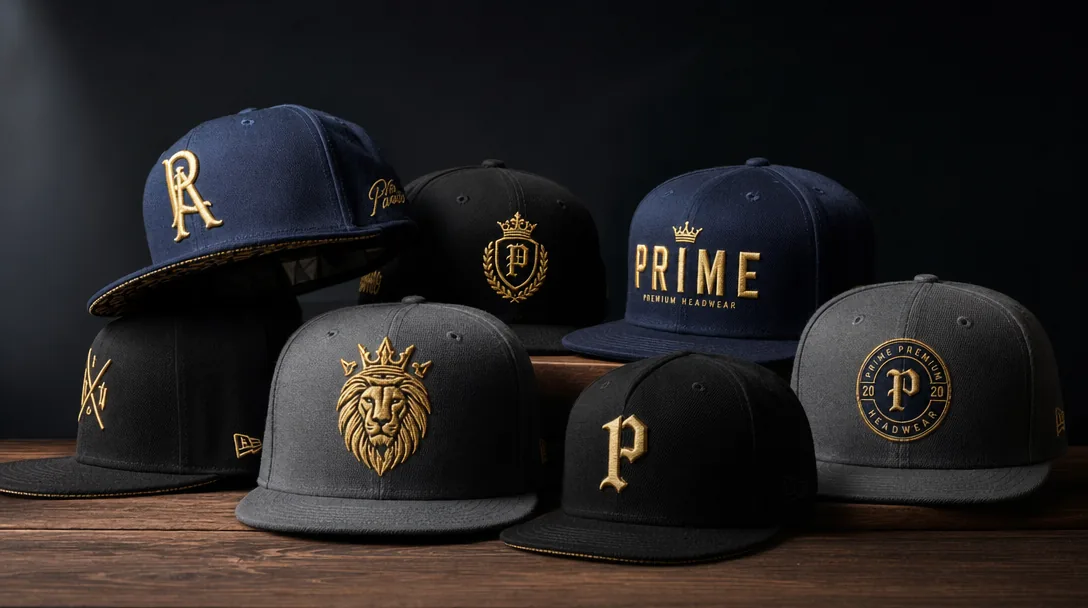
5 Panel Camp Cap Wholesale: A 2026 B2B Sourcing Guide
Read article →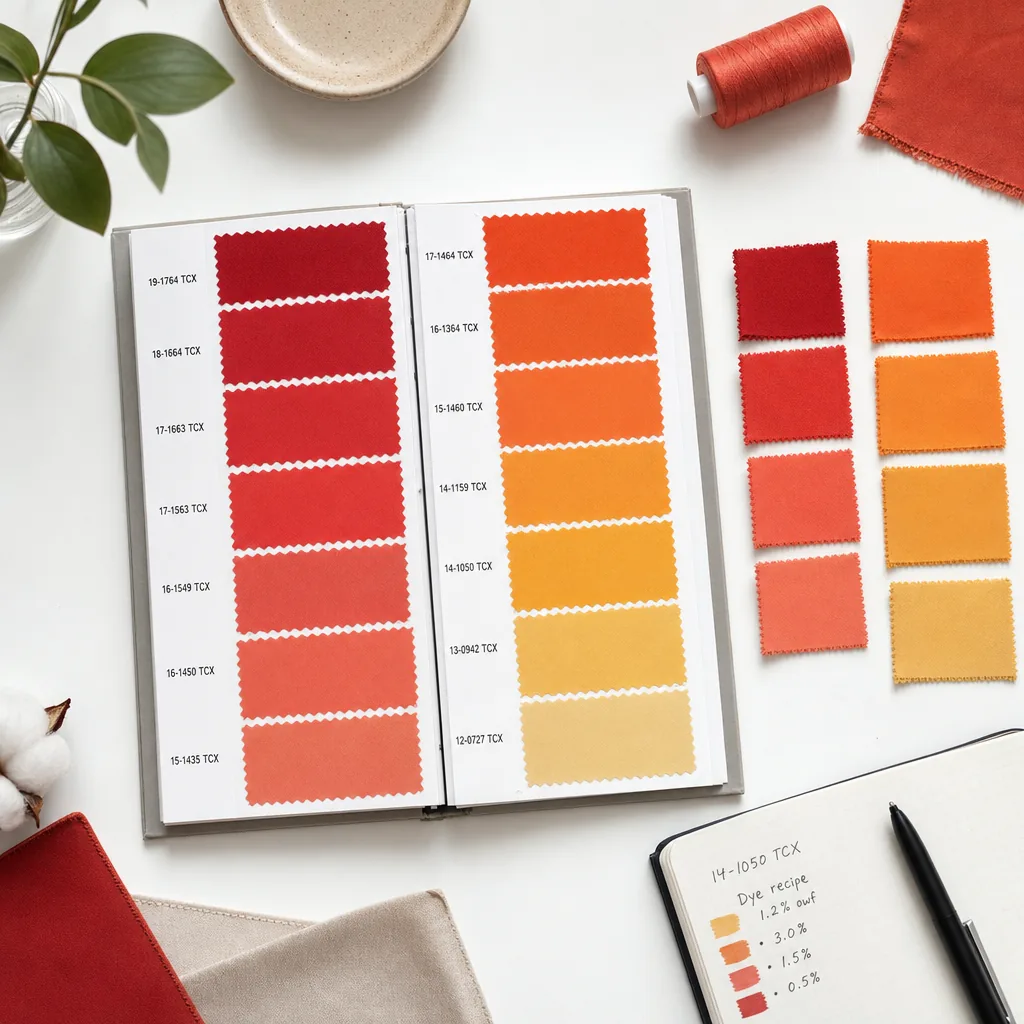
Pantone Color Matching for Custom Caps: A Manufacturer's Reference
Read article →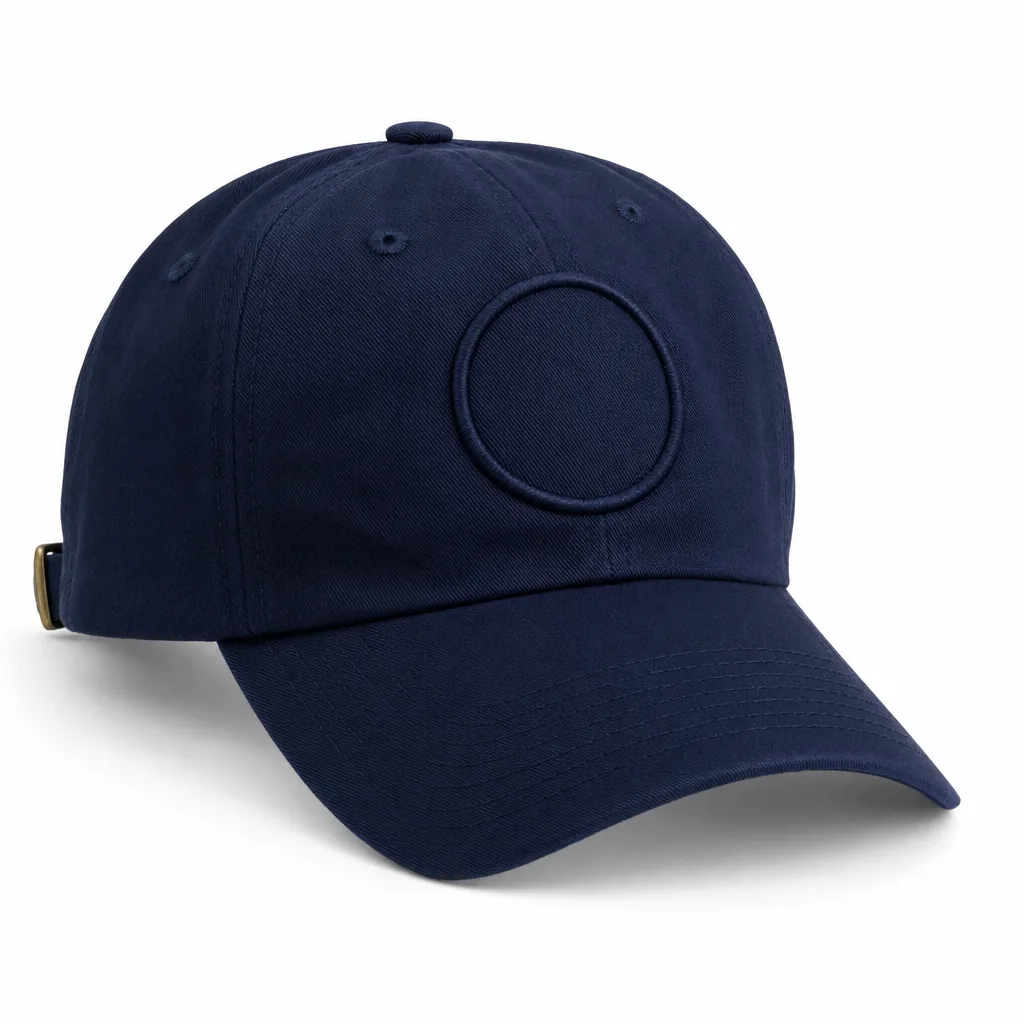
Fedora Hats For Men Export Shipping Checklist for Custom Hat Buyers
Read article →If you are ready to take the next step on corduroy hat vintage moq and pricing plan for custom hat buyers, our team can put a tailored quotation and digital mock-up in your inbox within 24 hours. Send the inquiry form on our contact page or message us directly on WhatsApp.