
Baseball Hats For Men Fabric And Trim Spec Guide for Custom Hat Buyers
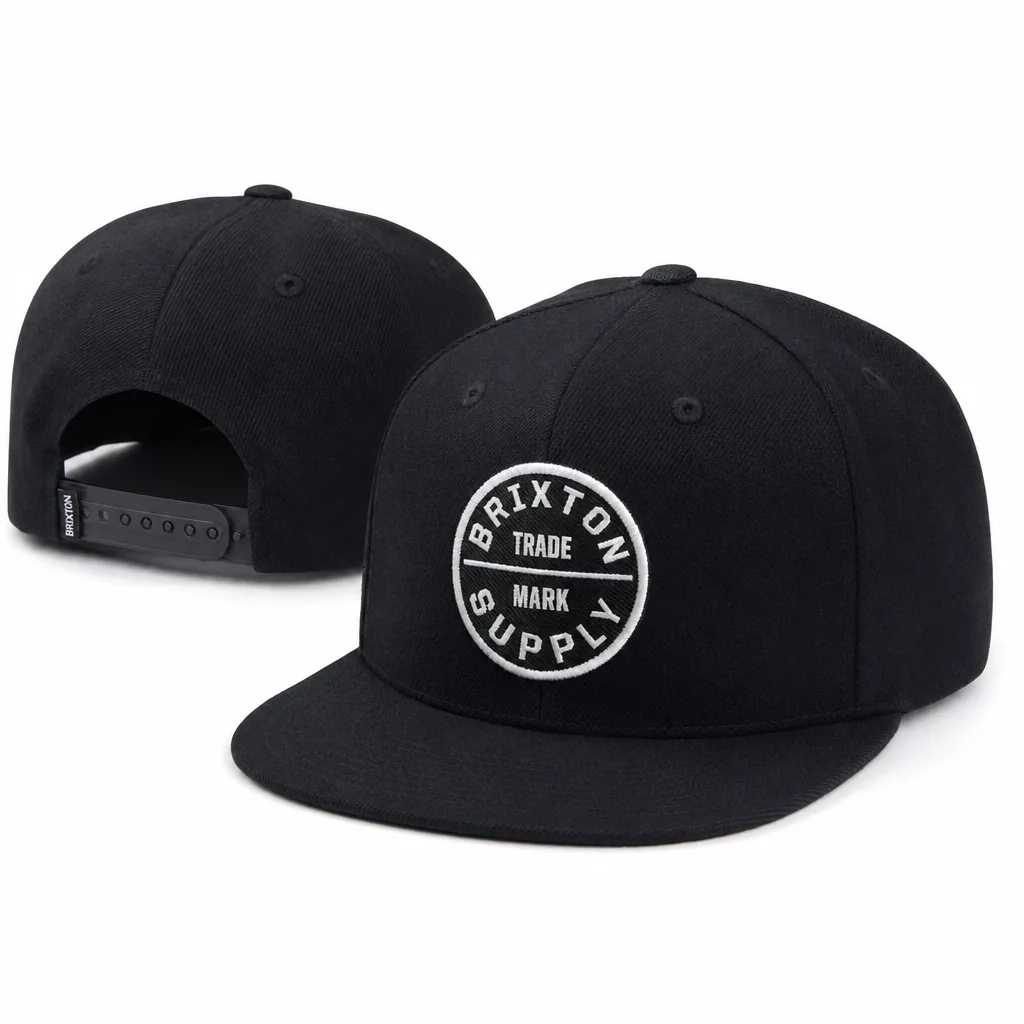
Baseball Hats For Men Fabric And Trim Spec Guide for Custom Hat Buyers is one of the most-asked questions we receive from international buyers, and for good reason. With dozens of factories competing for your order and an alphabet soup of technical terms in every supplier quote, even experienced importers can feel lost. This guide consolidates what we have learned producing custom hats for clients in 40+ countries.
Why baseball hats for men fabric and trim spec guide needs a separate sourcing plan
A baseball hats for men fabric and trim spec guide needs its own sourcing plan because the buyer is usually not asking for “a cap”; they are locking down a wearable product with size expectations, sweat performance, decoration risk, and retail compliance. Men’s baseball caps tend to use deeper crown blocks, wider fit tolerance, and heavier front panels than youth or fashion caps. A generic hat quote may say “cotton twill, embroidery, metal buckle,” but that is not enough for procurement. You need fabric weight, yarn type, color standard, backing, visor construction, sweatband content, closure hardware, label placement, carton spec, and testing requirements. For example, 16x12 cotton twill at 260–280 gsm behaves differently from 108x58 brushed cotton at 220 gsm on a Tajima or Barudan embroidery line. The first holds a 9,000-stitch front logo cleanly; the second may pucker unless we add heavier fusible backing or reduce stitch density.
The sourcing logic changes again when the order is not standard baseball hats for men but custom baseball team hats, fitted hats with patches, or regional programs like baseball hats Canada where fiber content, bilingual labeling, and import documentation may be checked more closely. Team hats often need Pantone TCX or Pantone Coated matching across crown fabric, sandwich visor, embroidery thread, and woven labels, with acceptable shade variance usually controlled around Delta-E 1.5–2.0 for retail brands. Fitted caps add size grading risk: a 58 cm block and a 60 cm block do not shrink the same after steam shaping, especially in wool-acrylic blends. Patch programs add another layer because leatherette, TPU, chenille, and woven patches all require different heat-press temperature windows, adhesive films, and wash-test assumptions. A cheap PU patch can save $0.18–$0.35 per hat, then fail after humidity aging or edge lifting in transit.
Cost, lead time, and compliance are driven by trim decisions as much as fabric. A standard 6-panel structured cap with 280 gsm cotton twill, plastic snap, and flat embroidery may run roughly FOB China $2.40–$3.20 at 1,000 pieces, while a fitted wool-blend cap with raised embroidery, custom taping, woven sweatband, and molded patch can move into the $4.80–$7.50 range before freight and duty. Lead time also changes: available greige fabric can support 25–35 day production, but custom-dyed fabric, colorfastness testing, and mold-made buckles can add 10–20 days. Our standard practice at CrownsForge is to separate cap body BOM, decoration BOM, and compliance checklist before sampling, then inspect bulk under AQL 2.5 for major defects and AQL 4.0 for minor defects. That level of planning is less critical for festival bucket hats or basic promo giveaways, but it matters when the cap must pass sedex-audit-cap-supplier-guide.html">BSCI 2.0 or Sedex SMETA 4-Pillar buyer review.
Factory capability checks before quoting
The fastest way to qualify a cap factory is to ask what they can prove before they quote, not after the deposit. For embroidery, request photos or videos of current Tajima, Barudan, or ZSK heads running 3D puff, flat stitch, appliqué, and small-letter work below 5 mm; weak digitizing shows up immediately in broken satin columns and fuzzy edges. For patches, confirm whether they handle woven labels, merrowed patches, TPU, leather debossing, chenille, PVC, and heat-transfer badges in-house or through subcontractors. Fitted hats with patches need tighter control than basic promotional caps because crown distortion around the patch can push the front panel out by 3-5 mm if the backing, adhesive film, and pressing jig are wrong. A serious supplier should also discuss stitch density, backing type, needle size, and whether the logo file will be rebuilt from vector artwork rather than simply traced from a PNG.
Fabric capability is where many low quotes fall apart. A proper baseball hats for men fabric and trim spec guide should force the supplier to identify exact shell fabric, not just say “cotton” or “polyester.” Ask for 16x12 cotton twill at 260-300 gsm, brushed chino twill, wool-blend serge, 100% polyester performance fabric at 150-180 gsm, ripstop nylon by denier, or recycled polyester with GRS transaction documents if needed. Pantone TCX or TPX references should be checked against lab dips under D65 light, with Delta-E preferably under 1.5 for solid-color programs and under 2.0 for darker heathers. Panel construction matters just as much: 5-panel camper, 6-panel structured, unstructured dad cap, pro-model high crown, and custom baseball team hats all require different buckram stiffness, seam tape width, sweatband gsm, and visor curvature. If you are also sourcing festival bucket hats or baseball hats Canada programs, ask whether the same fabric mill can support repeat dye lots across multiple silhouettes.
Sample room discipline is the best predictor of bulk performance. Before quoting, I want to see whether the factory can make a pre-production sample with the correct crown block, visor board thickness, closure, and decoration placement within 5-7 working days, then issue a spec sheet showing panel measurements, tolerance, thread code, trim photos, and packaging method. Closure options should be quoted separately: self-fabric strap with brass buckle, plastic snapback, Velcro, elastic Flexfit-style band, metal tuck strap, and fitted sizing from 6 7/8 to 8. Our standard practice at CrownsForge is to keep quotation notes tied to AQL 2.5 inspection points, including visor symmetry, sweatband waviness, skipped stitches, loose threads, shade variation, and carton drop-test requirements. Audit readiness also matters: BSCI 2.0, Sedex SMETA 4-Pillar, payroll records, needle-control logs, and chemical compliance files should be available before big retail orders. Good communication means the merchandiser can answer technical questions without hiding behind “factory says OK.”
MOQ, pricing and sample approval
MOQ should be discussed by fabric, colorway, and decoration method, not just total order quantity. For most baseball hats for men, a realistic factory MOQ is 300 pcs per style/color when using stock cotton twill, brushed chino, polyester twill, or mesh; 500–800 pcs if you need custom-dyed fabric to Pantone TCX; and 1,000 pcs+ for special trims like custom jacquard sweatbands, woven sandwich piping, rubberized back straps, or private-mold buckles. Smaller runs of custom baseball team hats are possible at 100–144 pcs, but the unit price usually climbs because cutting, panel matching, and embroidery setup are spread over fewer caps. A typical 6-panel structured cap in 16x12 cotton twill may price around USD 3.20–4.80 FOB Yiwu at 500 pcs with front embroidery; washed cotton dad hats may sit around USD 2.80–4.20; fitted hats with patches using wool-blend fabric, buckram, and size grading often move into USD 5.50–8.50 depending on patch type and carton volume.
Decoration setup is where many quotes become misleading. A normal Tajima, Barudan, or ZSK embroidery digitizing charge is USD 25–60 per logo, and complex 3D puff embroidery can require a second trial because foam height, underlay, and pull compensation change after sewing. Flat embroidery on caps should usually run 7,000–11,000 stitches for a clean front logo; dense crest designs can exceed 18,000 stitches and will add USD 0.25–0.80 per cap. Woven patches normally need USD 40–90 mold or artwork setup, PVC patches USD 80–180, and leather deboss patches USD 50–120 depending on die size. This baseball hats for men fabric and trim spec guide should also lock down closure trims early: plastic snapback, brass buckle, Velcro, flexfit elastic, eyelet color, visor sticker, sweatband composition, and inside taping. Buyers sourcing baseball hats canada shipments should also confirm bilingual labeling, fiber content, and importer address before the PPS, not after bulk packing.
PPS approval is the control point that protects both buyer and factory. Our standard practice at CrownsForge is to make a pre-production sample using bulk fabric, actual thread, final trims, and production machines, then measure color against the approved Pantone TCX or TPX target with a practical Delta-E tolerance of 1.5–2.0 for solid fabric and 2.5–3.0 for washed or heathered materials. The PPS should confirm crown height, visor curve, panel symmetry, logo placement within ±2 mm, stitch density, seam tension, sweatband width, closure length, and packaging. Polybagging is commonly 25 pcs per inner bundle and 100–200 pcs per export carton; custom hangtags, UPC stickers, or retail cartons add both cost and packing time. Normal lead time is 7–10 days for artwork and sample, 20–35 days for bulk after PPS approval, and another 5–12 days for QC, booking, and export. Festival bucket hats may sample faster than structured caps, but printed fabric or enzyme wash can add a full week.
Quality inspection and shipping risk
Quality risk on baseball hats for men is usually decided before cartons leave the sewing floor, not when the buyer opens them in Toronto or Dallas. For export orders, I recommend final inspection under ANSI/ASQ Z1.4, general level II, AQL 2.5 for major defects and AQL 4.0 for minor defects; critical defects are zero tolerance. Measure at least 13 pieces per size/color in a 500-piece lot: crown height tolerance should stay within ±3 mm, visor length ±2 mm, sweatband circumference ±5 mm for adjustable caps, and fitted sizes within about 3 mm after blocking. A cap that measures correctly before steam can still twist after cooling, so inspectors should check panel symmetry, visor centerline, eyelet placement, and back-strap alignment after the hats rest for 12 hours.
Color and decoration failures are the most expensive surprises in any baseball hats for men fabric and trim spec guide because they affect the whole shipment, not one carton. Fabric shade should be approved against Pantone TCX or a physical lab dip, with Delta-E preferably under 1.5 for solid cotton twill and under 2.0 for heather polyester. Run ISO 105-C06 wash colorfastness and AATCC 8 crocking checks when dark crowns touch white sweatbands or light embroidery. On Tajima, Barudan, or ZSK embroidery heads, common reject points are thread nesting, bird-nesting on the underside, broken satin borders, puckering around 3D puff, and logo placement drifting more than 2 mm from the approved position. For fitted hats with patches, inspect adhesive bleed, heat-press scorch marks, patch edge lift, and stitch count consistency, especially on PVC, chenille, and woven badges.
Shipping control starts with carton discipline: every master carton should show PO number, SKU, color, size ratio, quantity, gross/net weight, carton dimensions, country of origin, and sequential carton number such as 1/86. For custom baseball team hats and baseball hats canada programs, I prefer polybag-by-size only when retailers require it; otherwise bulk packing with crown inserts reduces plastic and avoids compression lines. FOB Ningbo or Shanghai is safer when the buyer controls forwarders, insurance, and customs broker timing; DDP makes sense for small promotional resellers who need a landed cost, but the factory must price duty, fuel surcharge, remote delivery, and customs exam risk honestly. Our standard practice at CrownsForge is to archive approved samples, digitizing files, thread codes, fabric lot numbers, carton photos, and final AQL reports for every reorder, because six months later the biggest problem is rarely price—it is proving exactly what was approved.
Buyer checklist for the next RFQ
Send the RFQ like a production file, not a mood board. For a firm quote on baseball hats for men, the first page should state style type, quantity by color, delivery country, target ship date, and Incoterm: FOB Ningbo/Shanghai, DDP, or buyer-nominated forwarder. Then lock the cap construction: 5-panel or 6-panel, structured or unstructured, crown height in cm, visor type, sweatband material, closure, and size run. If you are quoting custom baseball team hats, include whether the cap is adjustable, fitted, or stretch-fit, because tooling and size grading affect sampling time and carton planning. A serious baseball hats for men fabric and trim spec guide RFQ should also state the acceptable price lane, for example USD 2.40-3.20 FOB for basic cotton twill embroidery, or USD 5.00-7.50 FOB for wool-blend fitted hats with patches and premium trims.
Attach actual reference photos from front, side, back, top, and inside, plus one close-up of every trim. We need fabric callouts such as 100% cotton twill 220-260 gsm, polyester performance fabric 150-180 gsm, nylon taslan, corduroy wale count, wool acrylic blend, or recycled polyester with GRS requirement. For color, do not write 'navy' or 'sand'; give Pantone TCX or TPX numbers and tolerance, usually Delta-E under 1.5 for hero colors and under 2.0 for secondary colors. For logos, send vector AI, EPS, or PDF files, not screenshots, and specify decoration method: flat embroidery, 3D puff, woven patch, chenille, sublimated patch, rubber patch, leather patch, or heat transfer. If you want fitted hats with patches, include patch size, edge finish, backing method, stitch count expectation, and placement in millimeters from crown seam or visor edge.
Before asking any factory to commit, list compliance, packing, and inspection requirements in the RFQ. State whether you need BSCI 2.0, Sedex SMETA 4-Pillar, Disney FAMA, OEKO-TEX, CPSIA, Prop 65, or bilingual labeling for baseball hats canada orders. Include hangtag artwork, barcode format, polybag warning text, carton marks, inner pack count, and whether cartons must stay under 15 kg for retailer routing. Our standard practice at CrownsForge is to quote against AQL 2.5 major / 4.0 minor unless the buyer specifies a tighter plan, because inspection level changes the cost of rework and final QC hours. If your line also includes festival bucket hats, separate them into another tab with brim width, crown depth, eyelet type, and fabric weight; mixing cap and bucket-hat specs in one vague line item is how RFQs get priced wrong.
Working with CrownsForge
The most useful way to manage a baseball hats for men fabric and trim spec guide program is to freeze the bill of materials before decoration artwork is approved, not after. At CrownsForge, our standard practice is to build the spec around shell fabric, buckram stiffness, sweatband type, closure hardware, visor board, eyelet method, seam tape, label stack, and carton routing before we quote bulk. For baseball hats for men, small trim decisions move cost more than buyers expect: a brass buckle adds about $0.18–$0.35 versus plastic snapback, a moisture-wicking polyester sweatband can add $0.22–$0.45, and a genuine Flexfit-style elastic band can add $0.60–$1.10 depending on size run. We match cotton twill, brushed chino, polyester performance fabric, nylon taslan, or wool-acrylic blends by gsm, handfeel, and Pantone TCX target, then check lab dips under D65 light with a practical Delta-E tolerance around 1.0–1.5 for solid colors.
Sampling should prove construction and decoration at the same time, because a cap that looks fine blank can fail once embroidery tension, patch thickness, or visor curve is introduced. For custom baseball team hats, we normally run a fit sample first if the crown block or panel shape is new, then a pre-production sample with full branding on Tajima, Barudan, or ZSK heads. Flat embroidery above 8,000 stitches, 3D puff above 6 mm foam height, woven patches, rubber patches, and heat-transfer badges all need different backing and needle settings. Fitted hats with patches are especially unforgiving: if the patch edge sits across a front-panel seam, the crown can pucker unless the panel buckram and patch merrow border are balanced. For buyers also sourcing baseball hats canada programs, we flag bilingual care labels, fiber content declarations, and winter shipment timing early, because customs paperwork mistakes cost more than remaking a sample.
Bulk control is where many cap projects get expensive, so the QC plan has to be written into the purchase order instead of negotiated after defects appear. We inspect to AQL 2.5 for major defects and AQL 4.0 for minor defects, with specific checkpoints for crown height, visor symmetry, button centering, sweatband stitching, loose threads, embroidery registration, patch adhesion, shade variation, and carton marks. For export coordination, we align the production schedule with decoration capacity, metal detector checks where required, polybag warnings, FBA or retailer carton labels, and FOB Ningbo or Shanghai booking windows. A baseball hats for men fabric and trim spec guide can also share components across adjacent programs like festival bucket hats, but only when the fabric shrinkage, print method, and packing cube make sense. My floor rule is simple: if the buyer cannot approve it on a signed spec sheet, the line should not be cutting bulk fabric yet.
Frequently Asked Questions
What logo decoration techniques do you offer?
3D puff embroidery, flat embroidery, woven patch, leather patch, PVC patch, screen printing, sublimation, applique and laser etching, all in-house with no subcontracting.
What file format should I send for my logo?
Vector files (AI, EPS, PDF) are ideal. High-resolution PNG or JPG at 300 dpi on transparent background works as a fallback. Provide Pantone color references for accurate reproduction.
Can I order a sample before bulk production?
Yes. We strongly recommend approving a pre-production sample before mass production. Samples are charged at 35 to 60 USD each plus express shipping, fully refundable against confirmed bulk orders over 500 pieces.
How long does production take?
Sampling takes 7 to 12 days. Bulk production runs 20 to 30 days depending on quantity, fabric availability and decoration complexity. Inspection and packing adds another 3 to 5 days before shipment.
Do you support sustainability certifications?
Yes. We work with GOTS organic cotton, GRS-certified recycled polyester, OEKO-TEX Standard 100 fabrics, and are BSCI and Sedex audited. Certification documentation can be provided per order.
How does ordering custom fitted hats for men work?
When evaluating custom fitted hats for men, the key considerations are construction quality, decoration capability, MOQ flexibility and lead time. Explain the buyer intent behind baseball hats for men fabric and trim spec guide, when it differs from generic hat sourcing, and what decisions affect cost, lead time and compliance. Describe how CrownsForge manages baseball hats for men fabric and trim spec guide programs with sampling, decoration, QC and export coordination.
What should buyers know about nike bucket hats for men?
When evaluating nike bucket hats for men, the key considerations are construction quality, decoration capability, MOQ flexibility and lead time. Explain the buyer intent behind baseball hats for men fabric and trim spec guide, when it differs from generic hat sourcing, and what decisions affect cost, lead time and compliance. Describe how CrownsForge manages baseball hats for men fabric and trim spec guide programs with sampling, decoration, QC and export coordination.
How does ordering custom embroidered baseball hats work?
When evaluating custom embroidered baseball hats, the key considerations are construction quality, decoration capability, MOQ flexibility and lead time. Explain the buyer intent behind baseball hats for men fabric and trim spec guide, when it differs from generic hat sourcing, and what decisions affect cost, lead time and compliance. Describe how CrownsForge manages baseball hats for men fabric and trim spec guide programs with sampling, decoration, QC and export coordination.
How does ordering custom leather patches for hats work?
When evaluating custom leather patches for hats, the key considerations are construction quality, decoration capability, MOQ flexibility and lead time. Explain the buyer intent behind baseball hats for men fabric and trim spec guide, when it differs from generic hat sourcing, and what decisions affect cost, lead time and compliance. Describe how CrownsForge manages baseball hats for men fabric and trim spec guide programs with sampling, decoration, QC and export coordination.
Ready to start your custom hat project?
Send us your tech-pack, sketch or even just an inspiration photo. We will respond with a detailed quotation and digital mock-up within 24 hours.
Request a free quoteRelated guides
Rave Bucket Hat: A Vertical-Specific Sourcing Guide
Read article →
Custom Made Trucker Hat: The 2026 Sourcing & Manufacturing Playbook
Read article →
Promotional Caps & Corporate Gifts: Bulk Custom Hats for Brand Events
Read article →Sourcing custom hats does not have to be complicated. With the right manufacturing partner, clear specifications and a small upfront investment in sampling, you can launch a retail-quality product in 30 to 45 days.