
Rave Bucket Hat: A Vertical-Specific Sourcing Guide
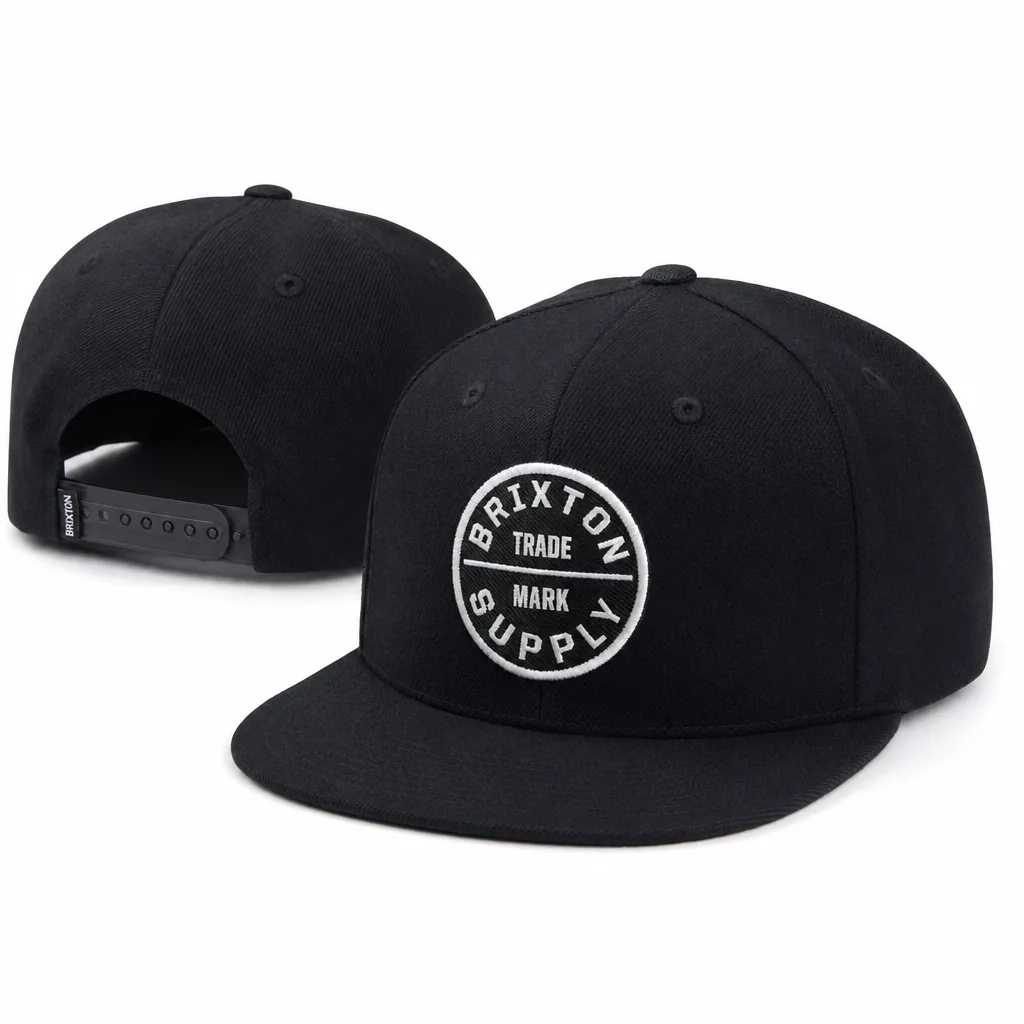
Rave Bucket Hat: A Vertical-Specific Sourcing Guide is one of the most-asked questions we receive from international buyers, and for good reason. With dozens of factories competing for your order and an alphabet soup of technical terms in every supplier quote, even experienced importers can feel lost. This guide consolidates what we have learned producing custom hats for clients in 40+ countries.
Funny Bucket Hats
A funny bucket hat is usually not “funny” because of the blank itself; the humor comes from the print placement, appliqué, 3D embroidery, patchwork, or mismatched materials. On the factory floor, the construction is straightforward: a 4-panel or 6-panel crown, a stitched-down brim with 2- to 3-stitch rows, and either self-fabric or contrast binding. If the buyer wants a true rave bucket hat, the smarter spec is usually a lightweight polyester twill or micro-ripstop at 110 to 180 gsm, plus a sweatband that can survive heat and washing. For reversible bucket hats, ask for two full shell fabrics, a clean seam finish, and a reversible label method that does not create hard edges against skin. If you are comparing bucket hats for men versus fitted hats women, do not rely on the marketing label; request actual head circumference, crown depth, and brim width in centimeters. A 58 cm fit is common, but rave buyers often need a 56 to 60 cm range with a looser, more relaxed crown profile.
Typical MOQ depends on decoration complexity, not the hat shape. A plain printed funny bucket hat can be built at 300 to 500 pcs per colorway, while mixed-fabric reversible bucket hats usually start closer to 800 to 1,000 pcs because the cutting and sewing sequence is slower. In China, factory pricing for a basic poly twill bucket hat may land around USD 1.20 to 2.20 FOB at 500 pcs, while heavy embroidery, woven patches, or all-over sublimation can push it to USD 2.80 to 4.50 before packaging. Buyers should request a full tech pack with Pantone TCX references, stitch counts, logo size in mm, seam allowances, wash label content, and carton pack-out. CrownsForge’s standard practice is to sample on Tajima or Barudan embroidery heads when the artwork needs sharp satin columns, then confirm thread tension and backing choice before bulk cutting. If the supplier cannot quote separately for shell, lining, sweatband, and decoration, the number you get is usually not stable.
The common quality problems are predictable: brim waviness from poor steam shaping, puckering around dense embroidery, color drift between panels, crooked print placement, and shrinkage after the first wash. For a rave bucket hat, inspect for seam slippage at the brim join, needle damage around patches, and sweatband migration, because those defects show up after a night of wear, not in a tabletop photo. Ask for AQL 2.5 inspection on appearance and measurement, plus a wash test for colorfastness and dimensional stability; a Delta-E above 2.0 on the main logo color is already visible to most buyers. If the hat is supposed to sit between rave bucket hats and more structured streetwear styles, confirm whether the brim is floppy or reinforced with PE sheet or stitched nonwoven. That decision affects shipping volume, comfort, and the perceived value more than most buyers expect, and it is often the difference between a novelty item and a repeat order.
Bucket Hats Festival
A bucket hats festival order is usually a cut-and-sew job, not a simple blank cap buy. The shell is typically 100 percent cotton twill, polyester twill, nylon taslan, or a 220 to 260 gsm washed canvas, then stitched with a 6- to 8-panel crown and a 6 to 7 cm brim. For a rave bucket hat, buyers should ask for panel grain direction, seam allowance, topstitch spacing, and whether the brim has a single or double row of stitching; those details decide if the hat keeps its shape after sweat and packing. Reversible bucket hats need a clean double-layer build with concealed seam finishing, which adds labor and usually pushes the unit price up by 15 to 30 percent. If embroidery is involved, specify stitch count, backing type, and machine platform, because a dense front logo on Tajima or Barudan heads can distort a soft crown if the factory under-stabilizes it.
The right spec sheet should include crown height, brim width, head circumference tolerance, fabric weight, sweatband material, and closure style. For bucket hats for men and unisex streetwear runs, a 58 to 60 cm head size is common, but festival buyers should request a tolerance of plus or minus 0.5 cm at the internal tape so the fit does not feel random. If the style is a 90s bucket hat revival, ask for a lower crown and a softer brim; if it is a more premium fashion version, request a firmer brim board or interfacing so it does not collapse in humidity. MOQ is usually 300 to 500 pieces per color for stock fabrics, and 1,000 pieces or more if you want custom-dyed yarn, pantone-matched prints, or special trims. In China, a basic blank usually lands around USD 2.20 to 4.50 FOB depending on fabric and decoration, while printed or embroidered festival styles move into the USD 3.80 to 6.50 range.
The failures that matter are predictable: puckered embroidery, crooked panel alignment, uneven brim stitching, weak seam tension, dye migration on bright neons, and sweatbands that bleed after a few wears. Buyers should insist on pre-production samples, bulk fabric shade approval, and a wash test for colorfastness before cutting, especially when using saturated lime, orange, or acid-wash effects that are popular in rave bucket hats. For inspection, check AQL 2.5 on critical size and stitch defects, and do a simple compression test by folding the brim and seeing whether it recovers flat. The broader sourcing decision comes down to use case: if the customer wants fast-moving festival promo stock, keep the build simple and price-competitive; if they want a premium retail rave bucket hat, spend on better fabric handfeel, cleaner interior finishing, and tighter decoration control. That is where a factory separates a disposable giveaway from something people will actually keep wearing.
Festival Bucket Hat
A festival bucket hat is usually cut from 210-240 gsm cotton twill, washed canvas, or polyester pongee if the buyer wants faster drying and lower weight. The pattern is simple, but the details matter: crown height, brim width, top-stitch density, seam tape, and sweatband construction all affect how it wears in heat and after repeat folding. For a rave bucket hat, I would ask the factory to quote two versions up front: single-layer cotton for a softer drape, and reversible bucket hats with a double-face build if the line needs more sell-through. CrownsForge’s standard practice is to confirm Pantone TCX on the shell, then approve lab dips and embroidery strike-offs before bulk. If you are comparing bucket hats for men versus fitted hats women, do not assume sizing is interchangeable; head circumference and crown depth need to be graded separately, or the hat sits too high and loses shape on the floor.
The specs to request are basic but non-negotiable: 4-panel or 6-panel crown, 5.5 to 6.5 cm brim depending on the silhouette, 1/4 inch top-stitch, woven main label, size pip, and sweatband material identified by fiber content and gsm. If the hat uses embroidery, insist on digitized stitch count, backing type, and machine compatibility, especially if the factory runs Tajima, Barudan, or ZSK heads; dense satin fills can pucker on lightweight fabric. MOQ is usually 300 to 500 pieces per colorway for print or embroidery, and 800 to 1,000 pieces if you want custom jacquard, reversible construction, or special trims. Typical FOB pricing runs about $2.20 to $4.80 for a simple cotton festival bucket hat, with reversible bucket hats landing closer to $4.50 to $7.50 depending on fabric and labeling.
Quality control on a rave bucket hat should focus on symmetry, shrinkage, colorfastness, and stitch stability after wash. The common failures are a twisted brim, uneven crown height, loose thread at the side seams, and color drift between body and trim, especially when one panel is reactive-dyed and the other is piece-dyed. Ask for shrinkage below 3 percent after one wash, color tolerance within Delta-E 2.0 to 3.0, and an AQL 2.5 inspection plan at minimum. If the order is for a music festival or streetwear drop, I would also check fold recovery and sweatband comfort, because buyers often compare festival bucket hat options against bucket hats for men and more fashion-led fitted hats women; the wrong handfeel kills reorder potential. The sourcing decision is usually not about price alone, but whether the factory can hold shape, color, and trim consistency across the whole run.
Festival Bucket Hats
Festival bucket hats are usually built as a soft-structured cut-and-sew product: crown panels in cotton twill, 210D nylon, or polyester peach skin, plus a stitched brim with a 5 to 6 cm width and 2 to 3 rows of topstitching so it holds shape after packing. If the buyer wants a more premium rave bucket hat, the factory should quote fabric weight, lining spec, seam allowance, thread count, and decoration method up front. For sublimation prints, ask for polyester 150 to 200 gsm with color reference against Pantone TCX and a Delta-E target under 2.0; for embroidery, request the stitch count, backing type, and whether the machine is Tajima, Barudan, or ZSK so density and registration are predictable. CrownsForge’s standard practice is to confirm crown height, brim curvature, sweatband material, and wash testing before sampling, because those details decide whether the hat reads as festival merchandise or cheap giveaway stock.
For MOQs, a basic printed style often starts at 300 to 500 pieces per color, while reversible bucket hats usually need 500 to 1,000 pieces because the second layer doubles cutting and sewing time. Factory pricing varies hard by fabric and decoration, but a straightforward polyester festival bucket hat might land around USD 1.80 to 3.20 FOB at 500 pieces, while reversible or heavily embroidered versions can run USD 3.80 to 6.50 FOB depending on panel count and label package. Buyers comparing rave bucket hats to bucket hats for men or fitted hats women should not only compare unit price; they should check handfeel, seam finish, color fastness, and packing density per carton. A lower price is often just a cheaper interlining, thinner sweatband, or no bartacks at stress points.
The usual failures are easy to spot if you know where to look: crooked topstitching on the brim, seam puckering at the crown, weak color blocking on reversible bucket hats, and logos that shift after steam pressing. Inspect for needle damage on the face fabric, loose threads at the junction of side seams, and shrinkage after a 30 degree wash because festival buyers do not tolerate hats that warp after one event. For broader sourcing, the real decision on a rave bucket hat is whether you want print-led volume, embroidery-led margin, or a hybrid style that can also sit beside seasonal bucket hats for men and crossover streetwear references like a 90s bucket hat. If the supplier cannot show AQL 2.5 inspection records, color tolerance control, and basic sedex-audit-cap-supplier-guide.html">BSCI or Sedex SMETA 4-Pillar compliance, the risk is usually higher than the savings.
Primark Bucket Hat
A Primark bucket hat is usually a low-complexity cut-and-sew program: 100 percent cotton twill or polyester canvas shell, a lightweight woven or satin lining, and a stitched brim with 6 to 8 rows of topstitching so it keeps shape on a retail shelf. If the buyer wants the same price band at factory level, the spec has to be tight: fabric weight in gsm, shrinkage target below 3 percent after wash, crown height in mm, brim width tolerance, stitch count per inch, and a clear color standard such as Pantone TCX or Lab tolerance with Delta-E under 2.0. For reversible bucket hats, request two separate fabric programs and a reversible seam finish, because the inside face often exposes sloppy trimming and skipped reinforcement. Our standard practice is to quote only after the tech pack defines seam allowance, eyelet position, label method, and wash test requirements, because vague specs are where most sourcing mistakes start.
MOQ and pricing depend on decoration and fabric, not just the silhouette. A plain bucket hat in 300-350 gsm cotton twill is often workable at 300-500 pcs per color, with factory ex-works pricing commonly around USD 1.20-2.20 before freight, depending on embroidery, wash treatment, and lining. Add all-over print, woven tape, or a sweatband and the price moves quickly. If the buyer is comparing bucket hats for men against fitted hats women or a 90s bucket hat program, the real difference is usually size grading and brim behavior, not the marketing label. For streetwear and event buyers, a rave bucket hat often needs brighter color matching, stronger thread tension control, and better sweat performance, so I would specify colorfastness to rubbing and perspiration plus a denser internal tape at the crown seam. CrownsForge typically runs Tajima, Barudan, or ZSK embroidery heads on logo work, but the hat body still has to be cut accurately before decoration matters.
The quality issues that matter are predictable: crooked side seams, brim waviness, inconsistent crown depth, loose topstitching, bad thread trim, and color drift between lots. On reversible bucket hats, the most common failure is mismatched turn-through seam bulk, which makes one side sit higher than the other and ruins the profile. Buyers should inspect for needle damage around eyelets, thread tension pucker on the brim edge, and shrinkage after steam pressing, because those problems show up fast in retail returns. For production control, ask for inline checks and final inspection to AQL 2.5, plus carton drop tests and 3-point measurement checks on crown height, brim width, and head circumference. If the order is for a primark bucket hat style or any other volume retail program, the broader sourcing decision is whether you want the lowest unit cost or a hat that survives wear, washing, and shelf presentation without distortion.
Rave Bucket Hats
A proper rave bucket hat starts with the shell, not the decoration. For most rave bucket hats, buyers should spec 100% polyester microfiber, 150-180 gsm, or a nylon taslan if they want a slightly crisper hand feel and better water resistance. The crown should usually be unstructured with a 6-panel or 8-panel build, a 5.5-6.5 cm brim, and either self-fabric binding or a clean raw-edge finish depending on the price point. If the hat is reversible bucket hats construction, ask the factory to quote two fully finished sides, because that changes cutting waste, seam allowance, and labor a lot more than most buyers expect. For decoration, embroidery should be digitized for curved surfaces on Tajima, Barudan, or ZSK heads, with stitch density adjusted so the crown does not pucker. Screen print is cheaper, but woven labels, silicone patches, and TPU badges hold up better under sweat and UV. Our standard practice is to lock color to Pantone TCX and request a Delta-E under 2.0 on bulk production.
Typical MOQ for a serious factory is 300 to 500 pieces per colorway for a standard rave bucket hat, and 800 to 1,500 pieces if you want custom fabric, custom lining, or a reversible build. Unit pricing usually lands around $2.20 to $4.50 FOB for basic polyester with a simple print or woven label, then moves to $4.80 to $7.50 once you add sublimation, full-surface embroidery, or reversible construction. Buyers comparing bucket hats for men and fitted hats women should not treat sizing as a fashion afterthought: bucket hats are usually one-size with a 58-60 cm head circumference, but sweatbands, elastic adjusters, and deeper crown depth matter more than the label. If the style is meant to read as a 90s bucket hat, request a softer brim break and lower crown height, otherwise the sample can come back too stiff and too modern. Lead time is typically 20 to 35 days after approved PPS and deposit, assuming the factory has stock fabric.
The failure points are predictable and expensive if you do not inspect them early. Look for brim asymmetry, off-center artwork, inconsistent topstitch SPI, skipped stitches at the side seam, and lining shrinkage after steam pressing. For printed panels, check edge cracking after a 48-hour bend test and confirm colorfastness against sweat and light; for embroidery, pull-test the backing and inspect for birdnesting on dense fills. AQL 2.5 is a reasonable standard for general apparel, but I would tighten it on logo placement and measurement tolerances because rave buyers notice visual defects faster than they notice small fabric flaws. The sourcing decision comes down to use case: festival merch wants stronger graphics and lower unit cost, while retail resale needs better hand feel, cleaner seams, and a more disciplined QC plan. If a supplier cannot explain construction, needle count, and packing method in plain terms, they are not the right factory for this product.
Working with CrownsForge for rave bucket hat programs
For a rave bucket hat program, the real risk is not the silhouette; it is the sampling loop and decoration matching. Our standard practice is a 5 to 7 working day first sample on confirmed artwork, with 10 to 14 days if you want custom dyeing, double-sided construction, or a reversible bucket hat build with different crown and brim treatments on each side. If the order starts with a low-risk proof of concept, we can usually keep MOQ flexible at 100 to 300 pieces per colorway, then step up to 500 to 1,000 units once fit, trim, and placement are locked. That matters for first-time buyers testing rave bucket hats, but it also matters for brands comparing bucket hats for men against a more fashion-led 90s bucket hat shape because the brim stiffness, crown depth, and head circumference tolerance all change the final look. We treat those as production variables, not styling notes.
Decoration is where most programs slip, so we keep it in-house and measurable. Embroidery is digitized for Tajima, Barudan, and ZSK heads, with stitch density adjusted for 60s cotton twill, 8 oz washed denim, or 210D polyester. For reflective prints, woven labels, and TPU patches, we check Pantone TCX against lab dips and keep Delta-E under 2.0 when the substrate allows it; for sublimation or all-over print, we build the artwork around seam placement instead of forcing the seam to disappear. Compliance is handled the same way: BSCI 2.0, Sedex SMETA 4-Pillar, AZO-free dye limits, and REACH-aligned trim sourcing are part of the order file, not an afterthought. CrownsForge also runs the order through a single-sheet workflow with material approvals, PP sample signoff, inline QC, and AQL 2.5 final inspection so scale-up brands do not lose track of revisions, carton counts, or delivery windows.
Frequently Asked Questions
Can I order a sample before bulk production?
Yes. We strongly recommend approving a pre-production sample before mass production. Samples are charged at 35 to 60 USD each plus express shipping, fully refundable against confirmed bulk orders over 500 pieces.
Do you support sustainability certifications?
Yes. We work with GOTS organic cotton, GRS-certified recycled polyester, OEKO-TEX Standard 100 fabrics, and are BSCI and Sedex audited. Certification documentation can be provided per order.
How long does production take?
Sampling takes 7 to 12 days. Bulk production runs 20 to 30 days depending on quantity, fabric availability and decoration complexity. Inspection and packing adds another 3 to 5 days before shipment.
What file format should I send for my logo?
Vector files (AI, EPS, PDF) are ideal. High-resolution PNG or JPG at 300 dpi on transparent background works as a fallback. Provide Pantone color references for accurate reproduction.
Which shipping methods do you support?
We support FOB, CIF and DDP shipping. Air express for samples and small orders, sea LCL for 100 to 500 pieces, sea FCL for 5,000+ pieces. Door-to-door DDP available for US, EU, UK, Canada and Australia.
What should buyers know about bucket hat men?
When evaluating bucket hat men, the key considerations are construction quality, decoration capability, MOQ flexibility and lead time. Cover everything buyers ask about funny bucket hats: how it's manufactured, what specs to request from a factory, typical MOQ and pricing, common quality issues to inspect for, and how this ties back to the broader rave bucket hat sourcing decision. Cover everything buyers ask about bucket hats festival: how it's manufactured, what specs to request from a factory, typical…
What should buyers know about nike bucket hats for men?
When evaluating nike bucket hats for men, the key considerations are construction quality, decoration capability, MOQ flexibility and lead time. Cover everything buyers ask about funny bucket hats: how it's manufactured, what specs to request from a factory, typical MOQ and pricing, common quality issues to inspect for, and how this ties back to the broader rave bucket hat sourcing decision. Cover everything buyers ask about bucket hats festival: how it's manufactured, what specs to request from a factory, typical…
What should buyers know about kangol bucket hat 90s?
When evaluating kangol bucket hat 90s, the key considerations are construction quality, decoration capability, MOQ flexibility and lead time. Cover everything buyers ask about funny bucket hats: how it's manufactured, what specs to request from a factory, typical MOQ and pricing, common quality issues to inspect for, and how this ties back to the broader rave bucket hat sourcing decision. Cover everything buyers ask about bucket hats festival: how it's manufactured, what specs to request from a factory, typical…
How does ordering custom fitted hats for men work?
When evaluating custom fitted hats for men, the key considerations are construction quality, decoration capability, MOQ flexibility and lead time. Cover everything buyers ask about funny bucket hats: how it's manufactured, what specs to request from a factory, typical MOQ and pricing, common quality issues to inspect for, and how this ties back to the broader rave bucket hat sourcing decision. Cover everything buyers ask about bucket hats festival: how it's manufactured, what specs to request from a factory, typical…
Ready to start your custom hat project?
Send us your tech-pack, sketch or even just an inspiration photo. We will respond with a detailed quotation and digital mock-up within 24 hours.
Request a free quoteRelated guides
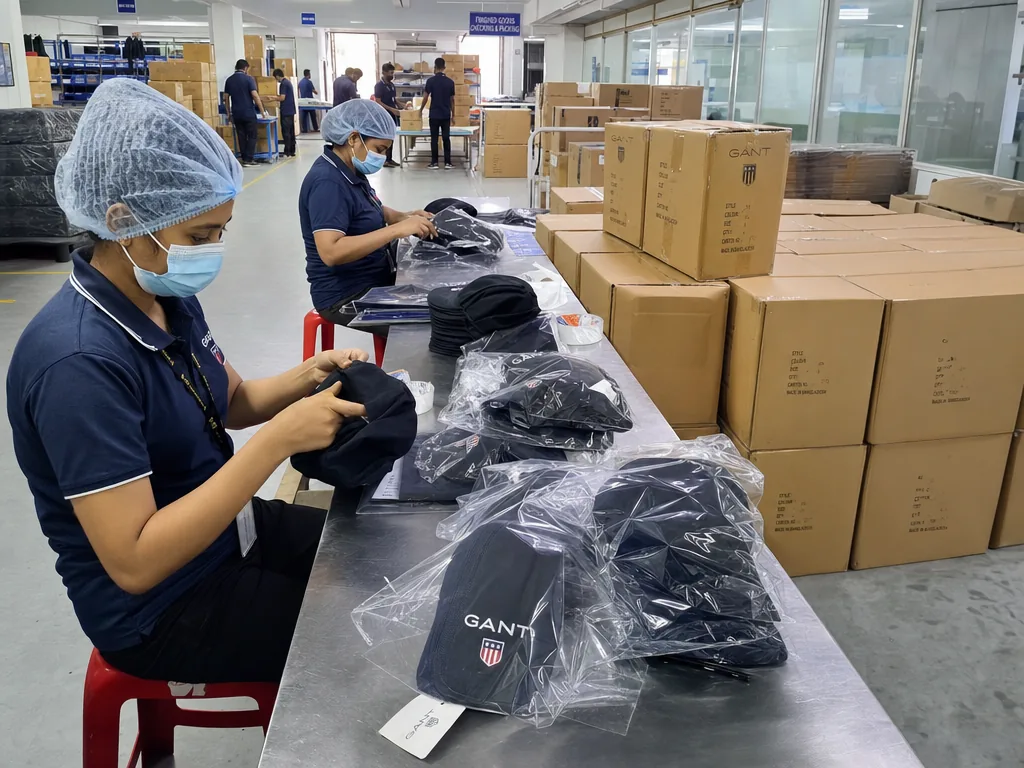
Building a Repeat-Order Workflow with Your Hat Factory
Read article →
Custom Embroidered Hats: The 2026 Sourcing & Manufacturing Playbook
Read article →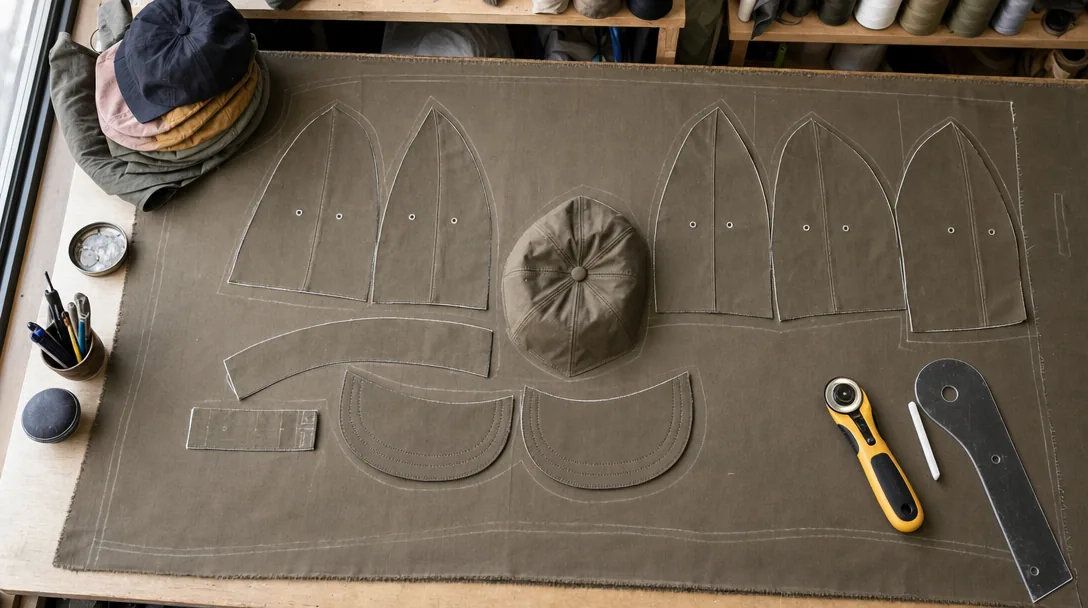
5-Panel vs 6-Panel Caps: Construction, Use Cases and Cost Compared
Read article →We hope this guide demystifies rave bucket hat: a vertical-specific sourcing guide and helps you move forward with confidence. If you have questions specific to your project, our English-speaking sales engineers are one message away.