
Promotional Caps & Corporate Gifts: Bulk Custom Hats for Brand Events
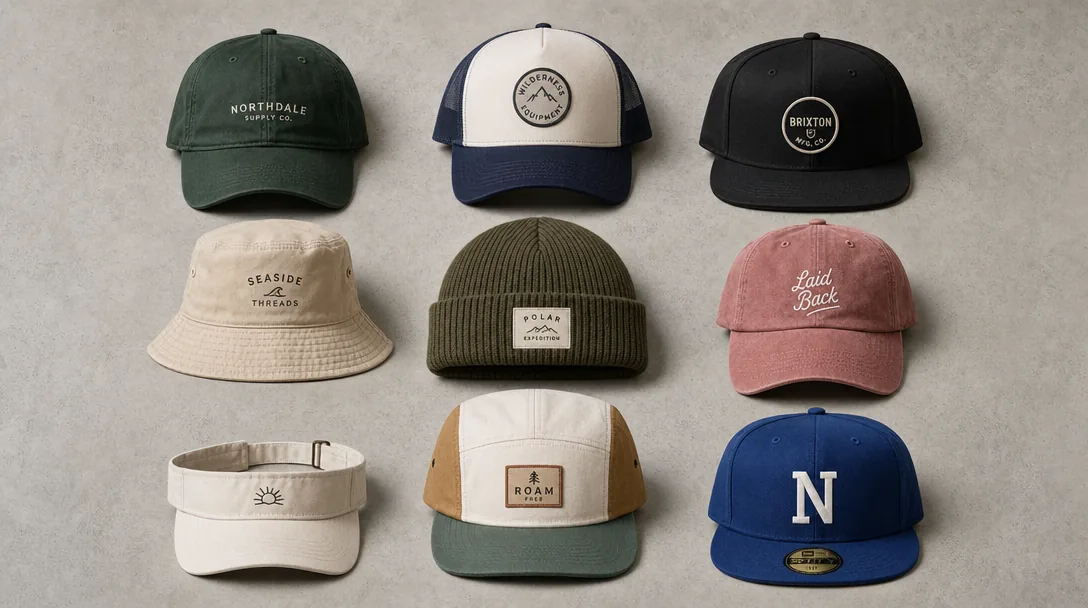
For brand owners, wholesalers and procurement teams entering the custom headwear category, promotional caps & corporate gifts: bulk custom hats for brand events is one of the highest-leverage decisions you will make. Get it right and your unit economics, retail story and reorder cycle all improve. Get it wrong and you carry the cost for years.
The corporate gift opportunity
Promotional caps outperform pens and tote bags because they stay on the body, not in a drawer. A cap gets seen from the front, side, and back in real-world use: walking to a stadium gate, standing in a queue at a trade show, loading a delivery van, or sitting on a commuter train. A decent six-panel cotton twill cap with a structured crown and a 3D embroidered logo can deliver thousands of impressions over a season, while a pen is visible only when it is in someone’s hand and a tote is often covered by coats, phones, and whatever else is inside it. That visibility is why buyers keep coming back to promotional caps for launches, dealer meetings, and field marketing.
The practical advantage is wearability. Corporate gift hats are one-size-fits-most, low-friction, and useful across age groups, which means recipients are more likely to keep them than a generic desk item. A tote bag competes with existing bags; a pen gets lost; but a cap solves a problem on a sunny day and doubles as a casual uniform piece. In bulk custom hats, the logo area is also far more controlled than on a tote, where artwork gets distorted by seams and handles. On a cap, you can place a flat embroidery on the front panel, a woven label on the side, and a printed under-brim for a cleaner brand story without making the item look overloaded.
From a procurement standpoint, branded caps bulk are easier to standardize than many buyers expect. A good promotional product manufacturer will build around measurable specs: crown height, visor curve, closure type, and fabric weight, usually 240 to 300 gsm for cotton twill or 110 to 130 gsm for polyester mesh. That consistency matters when you are ordering 1,000 to 10,000 event giveaway hats for a campaign, because the same silhouette can be reused across staff uniforms, conference gifts, and retail-style giveaways. Our standard practice is to match logo colors to Pantone TCX and keep embroidery Delta-E within an agreed tolerance, which is the difference between a cheap-looking freebie and a corporate gift people actually wear.
Quick-turn promotional grade vs retail grade
Promotional grade is the right call when the hat’s job is to carry a logo through one event cycle, not survive two years of weekly wear. For **promotional caps**, I usually separate them by use case: 100% cotton twill, 280–300 gsm, fused buckram, pre-curved visor, and a simple 3D or flat embroidery hit with 5,000–7,000 stitches is enough for a trade show, sponsor drop, or stadium handout. If the order is large, branded caps bulk pricing typically lands around $1.20–$2.40 FOB China depending on panel count, closure type, and decoration; add more if the buyer wants structured front panels, woven labels, or multi-location embroidery. The failure mode on cheap event giveaway hats is usually not the cap body itself, but weak thread tension, poor needle penetration on low-grade foam, and inconsistent color matching from one dye lot to the next.
You should not compromise on fit consistency or logo legibility, even on cheap corporate gift hats. If the crown shape collapses, the front panel puckers, or the embroidery distorts across the seam, the item reads as disposable in a bad way. A real promotional product manufacturer will still control panel tolerance within about ±3 mm, keep color to a tested Pantone TCX target, and check embroidery against a digital proof before bulk sewing. Our standard practice is to run a first article, then sample against AQL 2.5 for visible defects, loose threads, broken stitching, and closure failures. For one-day promotions, I’d rather specify a cheaper closure and simpler decoration than cut corner counts on the seam or skip stabilizer; those shortcuts are what make bulk custom hats look rough in hand and on camera.
Use retail grade only when the hat has to stay in a customer’s rotation, sit on a merch wall, or represent a premium sponsor. That means better yarn-dyed fabric, cleaner sweatbands, tighter seam control, and embroidery that won’t distort after repeated washing or sun exposure. A retail-level cap may cost $2.80–$5.50 FOB before packaging, but that extra spend buys lower rejection rates, better handfeel, and fewer brand complaints once the hats are distributed. For corporate gift hats tied to executive gifting, member programs, or licensed merchandise, the economics change fast: one bad batch can destroy the perceived value of the whole campaign. The practical rule is simple: if the hat is supposed to generate leads, promotional grade is fine; if it is supposed to preserve brand equity, pay for retail grade and reject anything that only looks good in the mockup.
Most-popular promotional decoration techniques
Flat embroidery is still the workhorse for promotional caps because it is durable, legible from 3 to 10 meters, and it holds up through repeated wear better than most printed finishes. On a Tajima or Barudan multi-head, a clean 5,000-stitch chest or front logo typically runs at low unit cost once the digitizing is done, which is why buyers keep using it for branded caps bulk orders. The limitation is detail: anything with tiny serifs, gradients, or thin negative space will get lost once the needle count climbs and the fabric starts to pucker. For corporate gift hats, I usually steer clients toward 4 to 6 thread colors, satin column widths that match the logo scale, and a stable twill or brushed cotton crown so the stitches sit flat instead of tunneling into the fabric.
Screen print is cheaper for large, simple graphics and works best when the artwork has bold shapes, a low ink count, and a flat placement area. On bulk custom hats, a 1-color plastisol print on a foam trucker or cotton twill cap can be very efficient, especially for event giveaway hats where the unit value matters more than premium texture. The catch is durability: if the print is stretched over a curved panel or applied too thick, it can crack after sun exposure and repeated folding. For that reason, I prefer it for one-off promotions, sports weekends, and short campaign runs rather than high-end corporate gift hats that need to survive 12 months in a drawer or on a commute.
A simple woven patch is the most flexible option when the logo has fine lines, small text, or a more premium look without the cost of full embroidery. A 50 mm to 70 mm patch with merrowed edges or laser-cut edges gives you clean detail and still keeps the production price reasonable for promotional product manufacturer orders, especially when the same patch is applied across multiple cap colors. Compared with direct embroidery, the patch adds a small assembly step and usually a little more freight volume, but it solves distortion on structured fronts and lets buyers use one artwork panel across different silhouettes. For promotional caps, that usually means better consistency across bucket hats, dad caps, and 5-panel styles, with fewer approval headaches at sample stage.
Express production timelines
A 1,000-piece trade-show order can move in 15 days only if the artwork is clean on day one and the spec is locked before fabric cutting starts. The real bottleneck is usually not sewing; it is approval lag on embroidery density, Pantone TCX matching, and packaging details. For promotional caps, we front-load the schedule with digitizing, thread chart confirmation, and a one-time pre-production sample check, then release bulk cutting immediately after sign-off. On a straightforward 6-panel cotton twill cap with flat embroidery, our standard line can usually keep to a 3-4 day cut-and-sew window, with another 2-3 days for trimming, shaping, and inspection.
The fastest jobs are not the fanciest jobs. Corporate gift hats with 5,000 to 8,000 stitch logos, one color twill, and standard snapback closures are much easier to compress than foam truckers, washed dad hats, or complex applique. When buyers want branded caps bulk for a show date, I always push them to use one main decoration method, limit the number of panel colors, and avoid last-minute changes to visor sandwiching, woven labels, or custom taping. Those extras look minor on a screen mockup, but they add machine setup time and increase defect risk under AQL 2.5.
For event giveaway hats, the smartest schedule is to split the job into parallel lanes: material reservation, embroidery digitizing on Tajima or Barudan heads, QC, and carton labeling all run at the same time instead of waiting for each other. As a promotional product manufacturer, our standard practice is to pre-book capacity for peak trade-show weeks and reserve buffer time for needle breaks, dye-lot checks, and final carton count verification. If the order is truly urgent, bulk custom hats can still ship on time by using stock blanks, standard polybags, and a simple FOB or DDP freight plan, but only if the buyer approves the first sample within 24 hours and keeps the order frozen after release.
Bulk pricing at 500 / 1,000 / 5,000 pcs
At 500 pieces, promotional caps usually sit in the rough range of $3.20 to $5.80 FOB China for a standard 6-panel cotton twill cap with one flat embroidery location, depending on crown structure, stitch count, and whether you choose a pre-curved or sandwich bill. That price moves fast if you add 3D puff, woven labels, custom taping, or a low-profile unstructured fit. For branded caps bulk orders, the hidden cost is often the setup: embroidery digitizing can run $25 to $60 per logo, while custom woven labels, hangtags, and private packing add another $0.15 to $0.45 per piece. If the factory is quoting much lower than that, they are usually cutting thread density, fabric weight, or QC time somewhere you will notice later.
At 1,000 pieces, the same promotional caps often drop into the $2.70 to $4.40 FOB range because cutting, sewing, and embroidery setup are spread across more units. This is the sweet spot for event giveaway hats and corporate gift hats when you need a clean presentation without overbuying inventory. A decent 260 to 300 gsm brushed cotton twill or 100% cotton chino twill is still realistic here, and you should expect Pantone TCX matching on fabric to land within Delta-E 1.5 to 2.5 if the mill batch is stable. Our standard practice is to quote separately for sample approval, because a buyer who skips the pre-production sample usually ends up paying more later for corrections than for the sample itself.
At 5,000 pieces, promotional product manufacturer pricing becomes more about efficiency than handwork, and bulk custom hats can fall to roughly $1.85 to $3.20 FOB per unit for a simple 6-panel build with one-color embroidery. This is where cost-sensitive buyers can add value without breaking the unit price: woven back labels, sweatband printing, or a velcro closure instead of metal buckles usually add only a few cents each at scale. For any serious program, insist on AQL 2.5 inspection, thread trim checks, and carton drop testing before shipment; a cheap cap that arrives with loose stitching or off-color panels is not a bargain. If you need DDP pricing, budget an extra $0.80 to $2.20 per piece depending on destination, carton count, and seasonal freight rates.
Co-branded multi-logo programs
Co-branded multi-logo programs only work when the hierarchy is decided before artwork starts. The tier-1 sponsor should own the crown or front panel in the largest placement, secondary partners belong on the side or back panels, and event-specific styling needs to stay limited to one accent color, one trim element, or a lockup detail. If you let every logo fight for the same visual weight, the cap turns into a billboard nobody remembers. For promotional caps, I usually recommend a 3-tier layout: primary mark at 70% visual dominance, secondary logos at 20% to 25%, and event marks or dates at 5% to 10%. That keeps the piece readable from 3 to 5 meters, which is about the distance that matters at a venue or trade show.
The production problem is not design taste; it is stitch physics and color control. A dense front logo on structured 6-panel cotton twill needs a different digitizing strategy than a flat side logo on brushed polyester or corduroy. If the primary mark uses satin stitch, the smaller partner logos may need reduced underlay and a minimum stroke width of 1.2 to 1.5 mm to avoid thread fill-in on Tajima or Barudan heads. For branded caps bulk orders, I also insist on Pantone TCX matching for fabric and thread conversions, because a Delta-E under 2.0 is realistic on good dye lots, while cheap suppliers often drift to 3.5 or worse once the order moves past sample stage. That is where a real promotional product manufacturer separates a clean program from a messy one.
On the commercial side, these programs are easiest to price when the cap base stays consistent and only the decoration changes by sponsor level. A simple 3-logo embroidery layout on 500 to 2,000 units usually adds $0.35 to $1.10 per piece versus a single-logo run, depending on stitch count, thread changes, and whether you need woven labels, contrast sandwich visors, or custom taping. For corporate gift hats, I prefer 2D embroidery on the main sponsor and flat embroidery or woven patches for secondary partners, because it preserves legibility and keeps the hand feel cleaner. CrownsForge's standard practice is to pre-approve a sponsor map, then run a stitched mockup and a paper strike-off before bulk cutting, which saves a lot of pain when event giveaway hats have to land on a fixed delivery date.
Frequently Asked Questions
What is the minimum order quantity (MOQ) for custom hats?
Our standard MOQ is 100 pieces per design and color, with sampling available from 1 piece. For complex multi-color logos or premium fabric upgrades, the MOQ can be lowered with a small per-piece surcharge.
What file format should I send for my logo?
Vector files (AI, EPS, PDF) are ideal. High-resolution PNG or JPG at 300 dpi on transparent background works as a fallback. Provide Pantone color references for accurate reproduction.
Which shipping methods do you support?
We support FOB, CIF and DDP shipping. Air express for samples and small orders, sea LCL for 100 to 500 pieces, sea FCL for 5,000+ pieces. Door-to-door DDP available for US, EU, UK, Canada and Australia.
Do you support sustainability certifications?
Yes. We work with GOTS organic cotton, GRS-certified recycled polyester, OEKO-TEX Standard 100 fabrics, and are BSCI and Sedex audited. Certification documentation can be provided per order.
Can I order a sample before bulk production?
Yes. We strongly recommend approving a pre-production sample before mass production. Samples are charged at 35 to 60 USD each plus express shipping, fully refundable against confirmed bulk orders over 500 pieces.
How does ordering custom embroidered trucker hats work?
When evaluating custom embroidered trucker hats, the key considerations are construction quality, decoration capability, MOQ flexibility and lead time. Why caps outperform pens and tote bags for brand visibility. When budget matters more than longevity; when not to compromise.
How does ordering custom embroidered baseball caps work?
When evaluating custom embroidered baseball caps, the key considerations are construction quality, decoration capability, MOQ flexibility and lead time. Why caps outperform pens and tote bags for brand visibility. When budget matters more than longevity; when not to compromise.
How does ordering custom embroidered hats new era work?
When evaluating custom embroidered hats new era, the key considerations are construction quality, decoration capability, MOQ flexibility and lead time. Why caps outperform pens and tote bags for brand visibility. When budget matters more than longevity; when not to compromise.
How much does cheap baseball hats in bulk typically cost?
When evaluating cheap baseball hats in bulk, the key considerations are construction quality, decoration capability, MOQ flexibility and lead time. Why caps outperform pens and tote bags for brand visibility. When budget matters more than longevity; when not to compromise.
Ready to start your custom hat project?
Send us your tech-pack, sketch or even just an inspiration photo. We will respond with a detailed quotation and digital mock-up within 24 hours.
Request a free quoteRelated guides
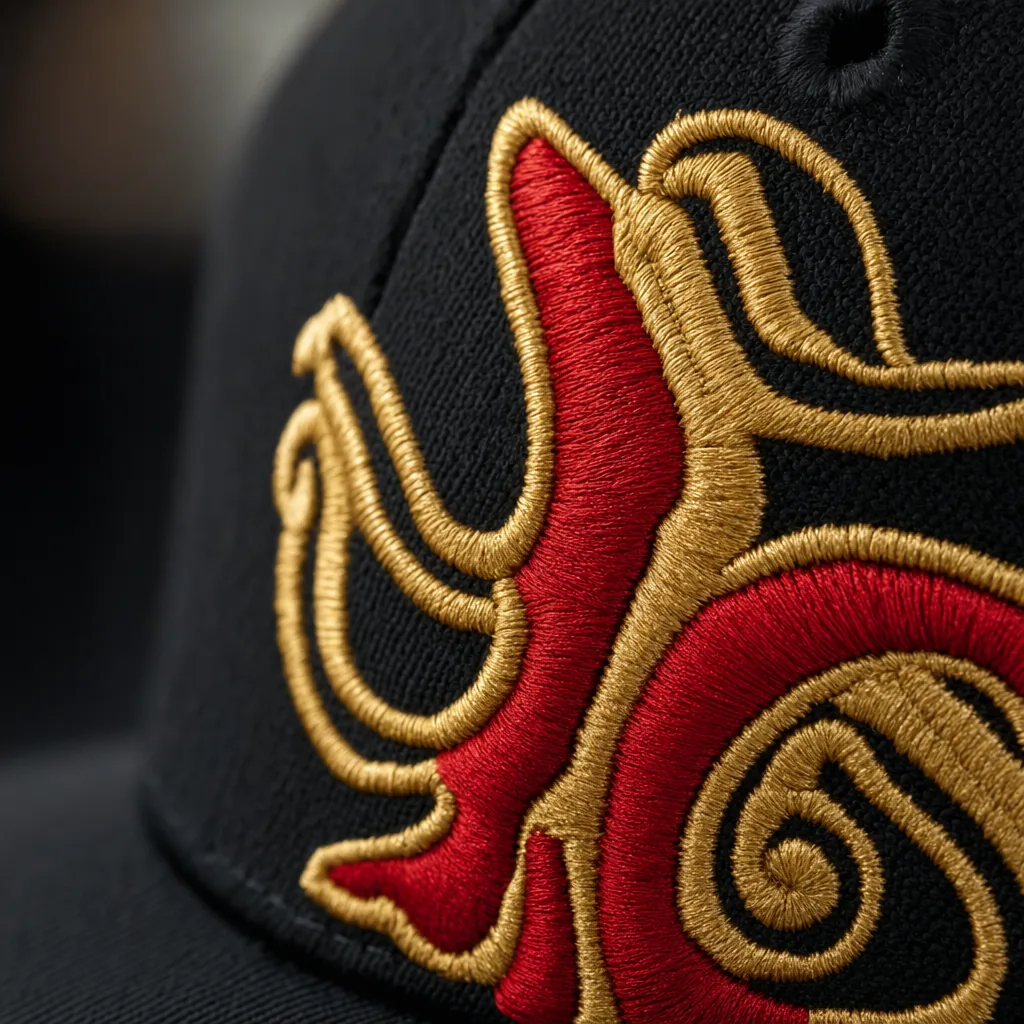
Embroidery Digitizing for Cap Logos: What Buyers Need to Know
Read article →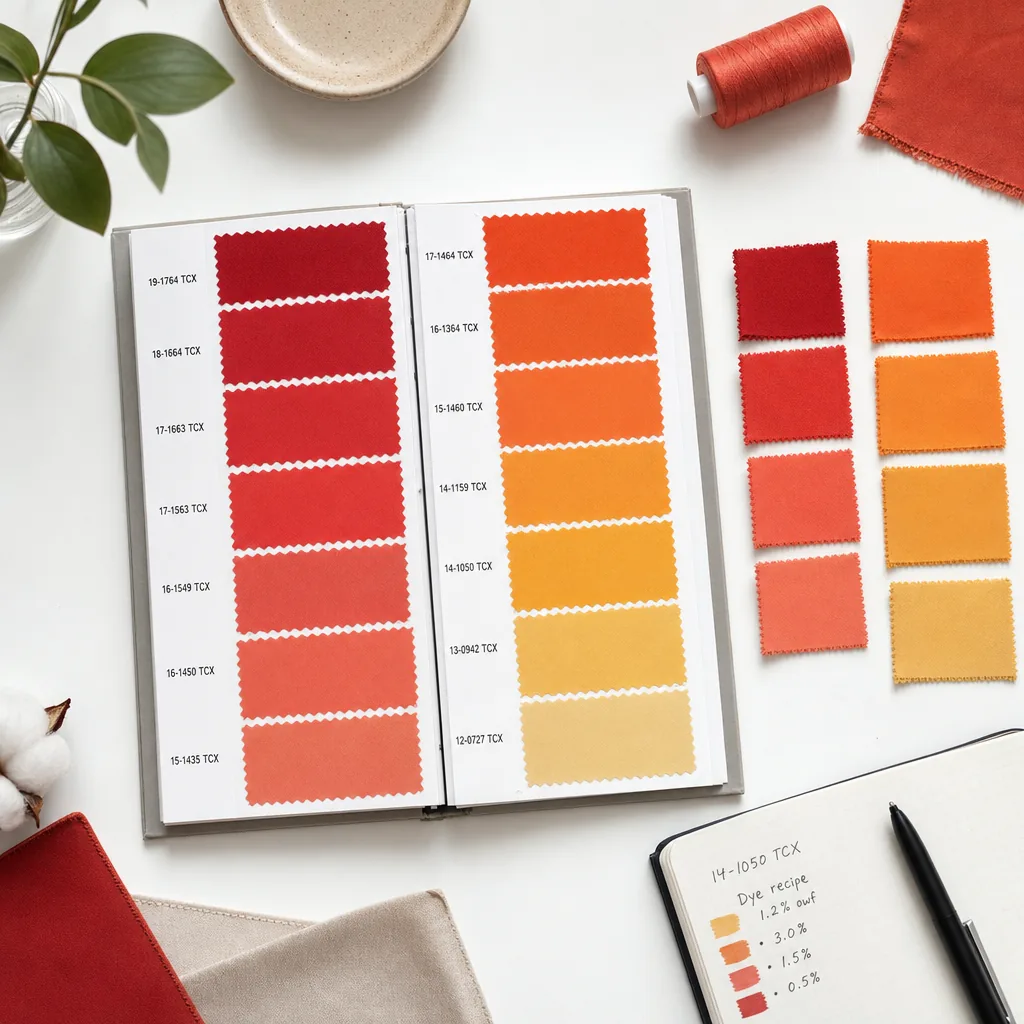
Pantone Color Matching for Custom Caps: A Manufacturer's Reference
Read article →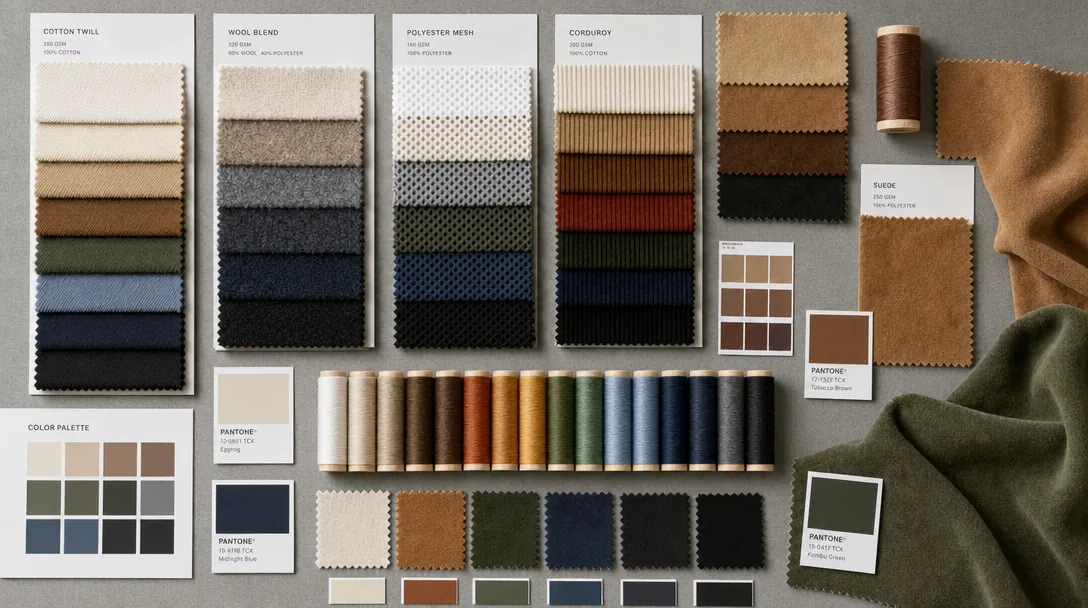
Camouflage Bucket Hat: Properties, Costs and How to Spec It Right
Read article →If you are ready to take the next step on promotional caps & corporate gifts: bulk custom hats for brand events, our team can put a tailored quotation and digital mock-up in your inbox within 24 hours. Send the inquiry form on our contact page or message us directly on WhatsApp.