
Custom Made Trucker Hat: The 2026 Sourcing & Manufacturing Playbook (2026 Update) (2026 Update) - 2026 Buyer's Guide - Supplier Checklist - 2026 Buyer's Guide
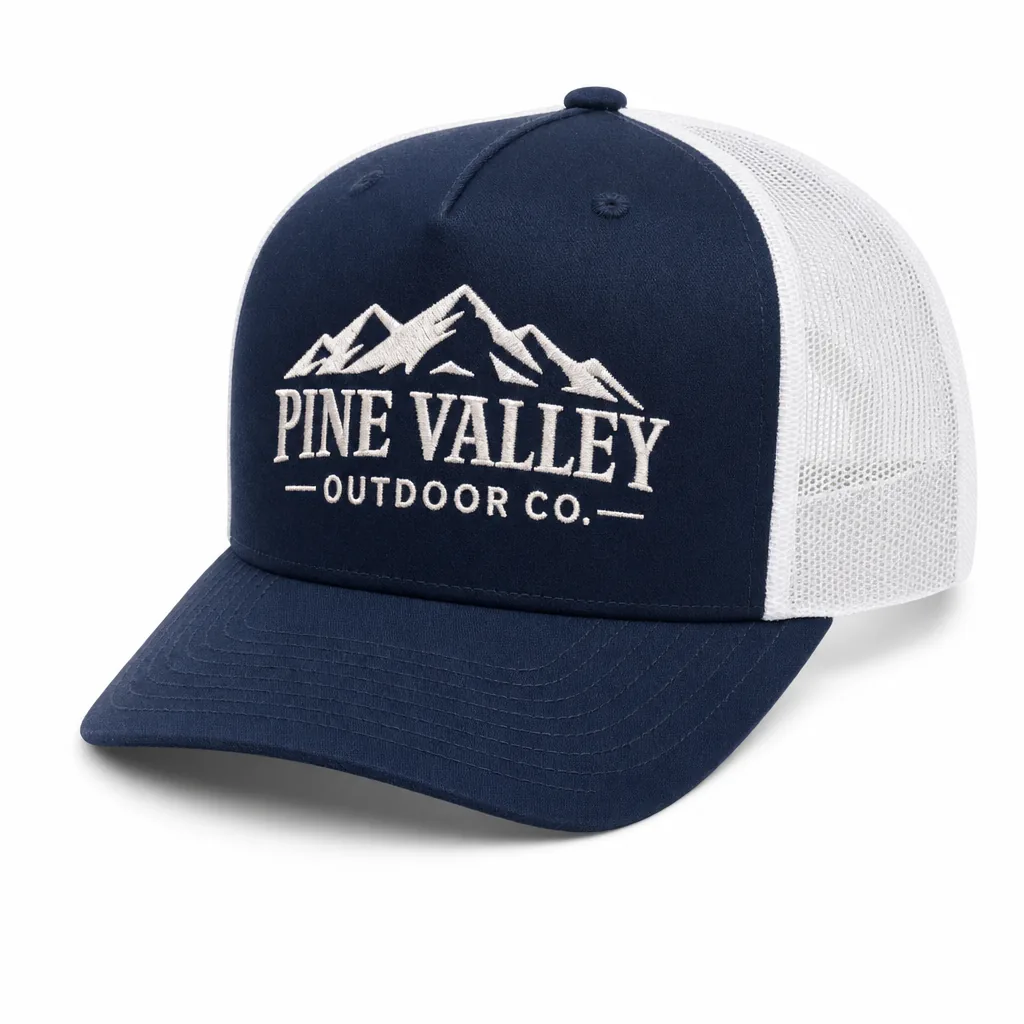
Custom Made Trucker Hat: The 2026 Sourcing & Manufacturing Playbook (2026 Update) (2026 Update) - 2026 Buyer's Guide - Supplier Checklist - 2026 Buyer's Guide is one of the most-asked questions we receive from international buyers, and for good reason. With dozens of factories competing for your order and an alphabet soup of technical terms in every supplier quote, even experienced importers can feel lost. This guide consolidates what we have learned producing custom hats for clients in 40+ countries.
Custom Embroidered Hats
Embroidery is where a custom made trucker hat either looks premium or starts leaking margin. The biggest mistake is approving artwork before the digitizing specs are tied to the actual cap body. A 5-panel foam trucker with a 5 mm EVA front, 100% polyester mesh back, and center seam needs a different file than a brushed cotton unstructured cap: underlay, pull compensation, stitch angle, and fill density all change with the substrate. On Tajima, Barudan, or ZSK cap frames, most stable runs sit around 700-850 SPM using 40 wt polyester thread; 60 wt works for fine lettering, but it is too fragile for heavy fills on foam fronts. As a working rule, keep readable text at 4.5 mm minimum height, satin borders above 0.8 mm, and avoid packing dense fill stitches directly over the seam unless the digitizer splits the columns correctly. A render will never show foam strike-through, seam drag, or edge collapse, so buyers should approve an actual sew-out on the exact body color and front material, not a generic sample cap.
Raised embroidery needs stricter controls because the failure rate climbs fast once puff is added. If the logo is 3D, specify 2 mm or 3 mm puff foam, stitch direction, target density, and whether any element crosses the center seam; otherwise the crown may look clean on the sample but distort in bulk. A proper tech pack should list front panel fabric and gsm, mesh denier, visor curve, snapback specification, sweatband fiber content, placement tolerance, and color references in Pantone TCX for textile matching or Pantone Coated for printed trims. For branded color programs, Delta-E under 1.5 is realistic on critical thread-to-fabric matches, while under 2.0 is acceptable on secondary panels. In 2026, stock-body embroidered truckers usually start at 48-100 pieces per colorway, while fully custom builds with taping, woven labels, and private trims are more realistically 144-300 pieces. FOB pricing typically lands around $2.20-$3.80 for flat embroidery and $3.90-$6.50 once 3D embroidery, interior branding, and individual polybags are added.
Bulk inspection should focus on defects that repeat at line speed, not the polished pre-production sample. On embroidered truckers, the usual failures are loose thread tails, broken satin edges, top-thread tension puckering, exposed puff foam, seam misregistration, needle cuts on lighter foam-backed fronts, and logo placement drifting more than ±2 mm from the approved point. Body construction matters just as much: mesh panel asymmetry, visor sandwich creep, uneven crown height, weak snap engagement, and twisted pack-out can turn a clean logo into a return. A practical standard is AQL 2.5 for major defects and 4.0 for minor, with color continuity checked by dye lot and needle policy records retained if shipments split across production dates. The sourcing decision usually comes down to digitizing strength, not just sewing. A cheap FOB is meaningless if stitch counts are guessed, 3D files need rework, or machine time is underquoted; a 9,000-stitch logo and a 15,000-stitch logo do not consume the same minutes, thread, backing, or rejection risk. In our standard practice at CrownsForge, paying $0.20-$0.35 more per cap for stable Tajima or ZSK output, disciplined in-line QC, and current sedex-audit-cap-supplier-guide.html">BSCI 2.0 or Sedex SMETA 4-Pillar records is usually less expensive than absorbing chargebacks later.
Custom Hat Embroidery
Embroidery is the first constraint on a custom made trucker hat because it dictates front-panel build, artwork tolerance, and even carton compression. On a 5-panel foam trucker, the front logo usually runs from a DST on Tajima, Barudan, or ZSK multi-heads, and stitch density—not just stitch count—is what separates a clean cap from a collapsed crown. A straightforward 3D puff wordmark on 2 mm to 3 mm EVA foam typically lands at 6,000 to 9,000 stitches; a dense flat-fill mascot can reach 12,000 to 18,000 stitches and start tunneling, puckering, or telegraphing through the backing. Any tech pack worth sending should lock logo size in mm, max stitch count, underlay type, satin column width, puff height, backing spec, thread sheen, and color references: Pantone TCX for shell fabric, Pantone Solid Coated for thread, and a Delta-E target if thread is custom dyed. If your art has gradients, halftones, or strokes under 1.0 mm, embroidery is usually the wrong tool; a woven patch, sublimated patch, or molded TPU badge will read sharper and reject less.
MOQ is driven more by setup complexity than by the trucker silhouette. For stock mesh, a standard plastic snap, and one front hit, many factories can quote 144 to 300 pieces per colorway; once you move to a fully custom made trucker hat with developed fabric, branded seam tape, woven labels, and multiple logo locations, 500 pieces per style-color is usually the point where FOB pricing starts making sense. In Zhejiang, front embroidery only commonly adds $0.35 to $0.90 per cap for roughly 5,000 to 8,000 stitches; add side embroidery, back arch, 3D puff, metallic thread, appliqué, or two-pass registration and decoration cost moves closer to $1.20 to $2.20 depending on volume. Digitizing is still often charged separately at $20 to $80 per logo unless the order value absorbs it. Ask for a sew-out and, for any serious program, a PP sample on the actual cap body rather than a flat twill swatch—crown curvature, foam density, and face fabric texture change how outlines track.
The defects that matter are mechanical, and they should be written into QC before bulk starts. Watch for registration drift between thread colors, exposed jump stitches, birdnesting inside the crown, broken satin edges, needle cuts on low-density foam, and logo tilt caused by poor hooping. Side hits on 70D to 100D polyester mesh are a repeat offender because the mesh elongates under tension, while overbuilt backing can make the front panel feel boardy and ruin the intended hand. Inspection should include stitch-count verification against the approved DST, shade check under D65 lighting, and rub or wash testing for metallic and neon threads, which fail faster than standard 120D/2 polyester embroidery thread. Finished goods should be inspected at AQL 2.5, with logo placement tolerance typically held to +/-2 mm left-right and +/-3 mm vertically. Our standard practice is to approve embroidery only on the finished cap, because that is where puckering, edge distortion, and crown deformation actually show up.
Custom Trucker Hat
Most failures in a custom made trucker hat begin in the tech pack, not on the sewing line. If you leave the build vague, the factory will default to whatever shell components are already in stock, which is how you end up with a hat that looks acceptable in photos and wrong on head. Lock the construction down by part: 5-panel or 6-panel crown, center-front height at 9.5-10.5 cm for lower profile or 11-12 cm for classic high profile, front foam at 3-5 mm, mesh at 75D-150D polyester, visor board at 1.8-2.2 mm PE, sweatband width at 30-32 mm, and snapback resin grade. Seam tape matters too; cheap nonwoven tape is one of the first places fraying shows up after wear testing. If the logo rides across the crown break, specify maximum embroidery height and safe area in millimeters or the stitch path will distort once the cap is blocked.
Decoration and cost control live or die in process engineering. A structured trucker front needs digitizing built for foam or buckram-backed panels; a flat-cap file will usually tunnel, spread, or collapse on the break line. On Tajima, Barudan, or ZSK cap frames, stable 3D puff means lower stitch density, wider satin columns, and EVA foam thickness matched to the logo height, while embroidery on mesh side panels needs reduced tension and lighter underlay to avoid tearing the apertures. For patches, define edge finish, backing, and attachment method up front: merrowed or laser-cut, twill or PVC base, sew-on or heat-seal-plus-topstitch. Heat seal alone is unreliable after container exposure near 60°C. A realistic FOB China range is $2.10-$3.40 for promo-grade builds at 144-300 pieces per colorway, and $3.80-$6.20 for retail-grade execution; add custom-dyed mesh, printed seam tape, underbill print, or multiple decorations and MOQ usually jumps to 500-1,000 with FOB closer to $6.50-$9.00. For repeat orders, use Pantone TCX for dyed fabric, coated Pantone for print references, and set Delta-E under 1.5 on the main body if shade consistency actually matters.
Inspection is where a clean salesman sample either becomes a repeatable program or a return problem. The defect list on a custom made trucker hat should be measurable, not subjective: visor twist over 3 mm off centerline, logo placement drifting more than +/-2 mm, wavy front panels from poor foam lamination, puckering around patch edges, loose rear mesh stitching, or snapback halves molded from mismatched resin lots. Inside finishing tells you more than the front view ever will; check for exposed seam allowance, tape width variation, thread nests under the sweatband, and oil marks from the forming press. These are not cosmetic trivia—they predict claim rates once the hats reach retail. Ask for inline embroidery registration checks and final inspection to AQL 2.5, and make sure the carton spec keeps gross weight under 12 kg so warehouse handling stays reasonable and carton crush is easier to control. If you are comparing suppliers, quote EXW, FOB Ningbo or Shanghai, and DDP side by side. A cap that appears $0.40 cheaper can easily become more expensive through poor carton efficiency, inflated freight, or weak QC discipline.
Custom Trucker Hats
The quickest way to ruin a custom made trucker hat is approving graphics before the shell spec is frozen. Write the build sheet first: 5-panel foam front or 6-panel buckram front, finished crown height in cm, visor length, pre-curve angle, front panel substrate, mesh construction, sweatband material, snap type, seam tape, and button. For promo programs, the common front is 3-5 mm EVA foam laminated to polyester tricot; it is cheap and bright, but it dents, yellows faster, and shows needle drag on dense embroidery. For retail-grade runs, a 210-260 gsm cotton twill, brushed canvas, or 8-10 oz poly-cotton on buckram gives a cleaner face and better long-term shape retention. Mesh choice is not cosmetic. Stiff nylon trucker mesh in roughly 160-180 gsm keeps the old-school stand-up profile, while softer polyester or rPET mesh collapses more and is less forgiving at the side seam if panel tension is inconsistent. Leave any of that vague and the factory will fill gaps with stock trims, which is why PPS samples often look fine while bulk goods drift in handfeel, crown profile, and color balance.
Decoration has to be engineered around the shell, not bolted on later. If your logo has text below 4 mm cap height, satin columns under 0.8 mm, or a 3D puff layer above 2 mm foam, ask for a production sew-out on the same machine family that will run bulk; Tajima, Barudan, and ZSK heads behave differently on underlay, pull compensation, and foam penetration. Call out shell fabric in Pantone TCX, embroidery thread in Pantone C, and set a realistic Delta-E tolerance—typically under 1.5 for same-material lots and under 2.0 when twill, mesh, and plastic snaps come from different suppliers. FOB pricing in China for a standard custom made trucker hat with front 3D puff embroidery and one side flat hit usually lands around $2.10-$3.80 at 300-500 pieces, then drops to roughly $1.75-$3.20 at 1,000 pieces if you stay with stock fabrics and standard snaps. Add suede brims, printed seam tape, woven loop labels, TPU patches, or dyed-to-match mesh and the number moves past $4.50 quickly; MOQ also tends to jump from 144-200 pieces per colorway to 500 per style-color because trim waste, lab dips, and shade consistency become harder to control.
Inspection is where trucker-hat margin is protected. The repeat failures are predictable: logo lean from a twisted front panel, asymmetrical visor curve, mesh puckering at the side seam, exposed foam on the crown edge, off-center snapback, and thread nesting or edge collapse on puff embroidery. I would hold logo placement to ±2 mm, check visor stitch count and spacing panel by panel, test bartack strength at the closure, and compare fabric, mesh, seam tape, and thread under D65 light because mixed-material color drift is common even when every supplier swears they matched the Pantone. Our standard practice is AQL 2.5 final inspection with needle-control logs, odor check, carton assortment verification, and wear-point review inside the crown where poor thread trimming irritates the forehead. On custom made trucker hat reorders, consistency matters more than chasing the lowest FOB: stable bill shape, repeatable crown height, and embroidery registration from lot to lot are what keep a program sellable after the first sample round.
Hat Trucker Custom
The BOM is what separates a retail-grade custom made trucker hat from disposable promo stock. “Trucker” is not a specification; a 5-panel foam trucker, a 6-panel seamed trucker, and an unstructured mesh cap use different patterns, support materials, and sewing operations, so they should never sit under one vague item code. For a classic high-profile build, I would lock the front panel at 3 mm EVA or PE foam laminated to polyester tricot, crown height at 10.5-11.5 cm, back mesh at 140-180 gsm in 75D-100D polyester, a pre-curved PE visor board, and a 7-hole PP snap closure with a defined color standard. If you leave those points open, one supplier may quote a soft 60 gsm sponge-foam front while another prices a buckram-supported shell that feels stiffer, holds shape better, and survives carton compression more reliably. Trim controls matter just as much as shell fabric. Sweatband composition should be called out precisely—65/35 poly-cotton for a standard handfeel or 100% moisture-wicking polyester if the cap is performance-driven—along with seam tape width, top button material, visor stitch-row count, and the exact decoration method the front panel is engineered to carry. Foam trucker fronts can handle flat embroidery, 3D puff, screen print, or woven patch, but not with the same setup or yield. A 3D puff logo that looks sharp on a structured 6-panel front can break down on a softer 5-panel foam body if the panel tension and backing are wrong. I also recommend Pantone TCX for textiles, coated Pantone for plastic trims where feasible, and a Delta-E tolerance of 1.5-2.0 when the cap must match apparel or footwear programs.
Decoration and QC are where most trucker programs either become repeatable or expensive. On Tajima, Barudan, and ZSK heads, foam-backed trucker fronts need different digitizing from brushed cotton or chino twill caps: lower stitch density, adjusted underlay, and more pull compensation, because foam rebounds and mesh-backed crowns distort faster under needle penetration. A 6,000-stitch logo that runs clean on cotton twill can pucker badly on a foam front if the digitizer keeps the same density and column width. Practical MOQ is usually 144-300 pieces per colorway when you stay with stock mesh, stock snaps, and standard trims; once you move into custom-dyed mesh, molded closure colors, printed seam tape, or Pantone-matched labels, the real production threshold is closer to 500-1,000 pieces. In 2026 China costing, a stock-material custom made trucker hat with flat embroidery typically lands around $2.20-$3.80 EXW, while RPET mesh, 3D puff, woven labels, or suede and brushed canvas fronts push it into the $4.20-$6.50 range before freight, duty, or DDP markup. Weak factories show up fast at inspection. The recurring failures are crooked front artwork, off-center crown shaping, uneven visor topstitch spacing, side-seam mesh snags, twisted sweatband set, and PP snap tabs that crack under low pull force. AQL 2.5 is standard for bulk inspection, but for retail programs I would tighten logo placement and front-panel appearance to an internal AQL 1.5 because a 2 mm visual shift at center front is enough to make the cap unsellable. Put measurable tolerances in the tech pack: embroidery placement ±2 mm, brim length ±3 mm, crown height ±3 mm, visor stitch-row deviation under 1.5 mm, and pack-out requirements such as cap supports or nested shaping to prevent foam collapse in transit. Our standard practice is to approve production against a sealed pre-production sample, then verify final shaping line by line, because trucker profiles drift easily between sewing teams even when the paper pattern is unchanged.
Trucker Custom Hat
A custom made trucker hat is a build specification, not a catalog item, and most bad first samples trace back to missing construction details. Quote requests should lock the shell before anyone talks price: 5-panel foam front or 6-panel structured crown, finished crown height, front panel stiffness, mesh type, visor curve, closure model, and sweatband material. Front panels are typically cotton twill at 260-320 gsm, polyester twill at 180-220 gsm, or 3-5 mm PU foam laminated to brushed tricot for classic promo builds. Rear panels are usually polyester warp-knit mesh or nylon mesh in the 140-160 gsm range; they sew and dye differently, and nylon will not behave like polyester on color matching or seam tension. If the logo is embroidered, specify finished size in millimeters, target stitch count, satin versus tatami fill, and whether the front fuse and backing can support 3D puff. Under-fused fronts and soft EVA underlay are still the fastest route to a collapsed crown after 30 days in a container.
The production sequence is simple on paper—cutting, fusing, crown assembly, mesh joining, visor insertion, sweatband closing, decoration, shaping, trimming, needle control or metal detection if required, and final inspection—but tolerance control is where factories separate themselves. A serious supplier should tell you whether decoration runs on Tajima, Barudan, or ZSK heads and whether digitizing is done in-house, because registration on a curved trucker front depends on compensation settings as much as machine quality. For molded rubber, woven patches, or heat-applied TPU badges, ask for bonding temperature, dwell time, and peel standard before sampling. Most decoration failures are not artwork problems; they are construction-to-logo mismatches that a proper tech pack should catch before the first panel is cut.
Reliable pricing starts only after the PO defines measurable tolerances. For a custom made trucker hat, include fabric content, gsm, visor board material, crown height in centimeters, bill length, snapback model, logo placement tolerance, Pantone TCX reference, and acceptable Delta-E. On branded programs, dyed twill should normally stay within Delta-E 1.5, while mesh can be held to about 2.0 because open structure reflects color unevenly. Practical MOQ is usually 144-300 pieces per colorway with stock twill, stock mesh, and a standard 7-hole PP snap; move to custom-dyed fabric, printed seam tape, molded patches, or GRS-certified recycled mesh and the real MOQ typically shifts to 500-1,000. In Yiwu and Dongguan, a stock-material trucker with 5,000-8,000 flat embroidery stitches is commonly $2.10-$3.40 FOB China at 300-500 pieces, while a stronger build with custom dyeing, 3D puff, woven loop label, printed inside tape, and upgraded sweatband is more like $4.20-$6.80 FOB. CrownsForge standard practice is to hold logo placement to ±2 mm and inspect to AQL 2.5, because warped PE visor board, mesh puckering, brittle snaps, and crushed crowns usually show up after packing, not during sewing.
Working with CrownsForge for custom made trucker hat programs
The part that breaks a custom made trucker hat program is almost never the quoted FOB price; it is weak development control in the first two weeks. If you are using an existing 5-panel or 6-panel block, 7 to 10 calendar days for a first sample is realistic. The moment you change crown height, visor curvature, front foam from 2 mm to 3 mm, or swap standard polyester mesh for a different gauge or handfeel, plan on 12 to 18 days. Buyers who stay on schedule send a real tech pack on day one: Pantone TCX references, fabric weights in gsm, mesh denier, closure spec, sweatband composition, seam-crossing logo placement, and vector artwork that can actually be digitized. The common delays are boring and avoidable—RGB logos with no Pantone callout, artwork below minimum line thickness, or oversized embroidery that looks fine in Illustrator but caves in a foam front at 8,000 to 10,000 stitches. The cleanest workflow is to lock construction before cutting fabric. At CrownsForge, standard practice is a digital mockup within 24 hours, then stitch-count estimation, decoration-method approval, and only then a physical sample. That sequence matters because front-panel behavior changes everything: a flat embroidery file that runs well on a Barudan or Tajima head can still tunnel on a foam-backed trucker front if the underlay, density, and pull compensation are wrong. MOQ should also be discussed honestly. On stock-supported chino twill, polyester foam, and mesh, 144 to 300 pieces per colorway is workable; at 500 to 1,000 pieces, custom dyeing, molded PVC trims, and proprietary Pantone matching start to make economic sense. A two-SKU pilot at 288 pieces each is feasible, but buyers should expect setup costs from tape changes, extra QA touchpoints, and lower carton efficiency—not just fabric consumption.
Decoration and quality control are where experienced factories separate themselves from traders that quietly subcontract. A good custom made trucker hat supplier should tell you exactly why a logo belongs in flat embroidery, 3D puff, woven patch, PVC patch, screen print, or heat transfer. As a rule, flat embroidery is safest for clean satin borders and medium-density fills; 3D puff works for bold block letters on stable foam fronts; woven patches become the better option once linework drops below about 1.0 mm; and embroidery above roughly 12,000 stitches often starts distorting the crown enough that print or patch is the smarter choice. Machine capability matters too: ZSK, Tajima, and Barudan heads can all deliver good results, but only if the digitizing is built for panel shape, seam location, and foam compression rather than just logo appearance on screen. Quality needs numbers, not adjectives. Logo placement tolerance should be held within plus or minus 2 mm, color approval checked under D65 lighting, and custom-dyed body fabric for brand-sensitive programs should target Delta-E below 1.5 against the approved standard. Patch programs need extra scrutiny because the real failure points are edge sealing, adhesive creep, and stitch-down consistency after heat exposure; that becomes relevant when containers sit in lanes that regularly exceed 50 C. Serious buyers should ask for current BSCI 2.0 or Sedex SMETA 4-Pillar audit status, a written needle policy, and a defined inspection plan. AQL 2.5 major and 4.0 minor is a sensible baseline, with checks at incoming fabric, inline sewing, decoration, and final packed audit. Bulk lead time is usually 25 to 35 days after sample approval on stock materials, or 35 to 50 days when the program includes custom fabric, molded trims, or mixed decoration methods.
Frequently Asked Questions
Can I order a sample before bulk production?
Yes. We strongly recommend approving a pre-production sample before mass production. Samples are charged at 35 to 60 USD each plus express shipping, fully refundable against confirmed bulk orders over 500 pieces.
Do you support sustainability certifications?
Yes. We work with GOTS organic cotton, GRS-certified recycled polyester, OEKO-TEX Standard 100 fabrics, and are BSCI and Sedex audited. Certification documentation can be provided per order.
How long does production take?
Sampling takes 7 to 12 days. Bulk production runs 20 to 30 days depending on quantity, fabric availability and decoration complexity. Inspection and packing adds another 3 to 5 days before shipment.
What file format should I send for my logo?
Vector files (AI, EPS, PDF) are ideal. High-resolution PNG or JPG at 300 dpi on transparent background works as a fallback. Provide Pantone color references for accurate reproduction.
Which shipping methods do you support?
We support FOB, CIF and DDP shipping. Air express for samples and small orders, sea LCL for 100 to 500 pieces, sea FCL for 5,000+ pieces. Door-to-door DDP available for US, EU, UK, Canada and Australia.
How does ordering custom hat trucker work?
When evaluating custom hat trucker, the key considerations are construction quality, decoration capability, MOQ flexibility and lead time. Cover everything buyers ask about custom embroidered hats: how it's manufactured, what specs to request from a factory, typical MOQ and pricing, common quality issues to inspect for, and how this ties back to the broader custom made trucker hat sourcing decision. Cover everything buyers ask about custom hat embroidery: how it's manufactured, what specs to request from a…
How does ordering custom embroidered trucker hats work?
When evaluating custom embroidered trucker hats, the key considerations are construction quality, decoration capability, MOQ flexibility and lead time. Cover everything buyers ask about custom embroidered hats: how it's manufactured, what specs to request from a factory, typical MOQ and pricing, common quality issues to inspect for, and how this ties back to the broader custom made trucker hat sourcing decision. Cover everything buyers ask about custom trucker hats: how it's manufactured, what specs to request from a…
How does ordering custom made hats for men work?
When evaluating custom made hats for men, the key considerations are construction quality, decoration capability, MOQ flexibility and lead time. Cover everything buyers ask about custom embroidered hats: how it's manufactured, what specs to request from a factory, typical MOQ and pricing, common quality issues to inspect for, and how this ties back to the broader custom made trucker hat sourcing decision. Cover everything buyers ask about custom trucker hats: how it's manufactured, what specs to request from a…
How does ordering high quality custom trucker hats work?
When evaluating high quality custom trucker hats, the key considerations are construction quality, decoration capability, MOQ flexibility and lead time. Cover everything buyers ask about custom embroidered hats: how it's manufactured, what specs to request from a factory, typical MOQ and pricing, common quality issues to inspect for, and how this ties back to the broader custom made trucker hat sourcing decision. Cover everything buyers ask about custom trucker hats: how it's manufactured, what specs to request from a…
Ready to start your custom hat project?
Send us your tech-pack, sketch or even just an inspiration photo. We will respond with a detailed quotation and digital mock-up within 24 hours.
Request a free quoteRelated guides
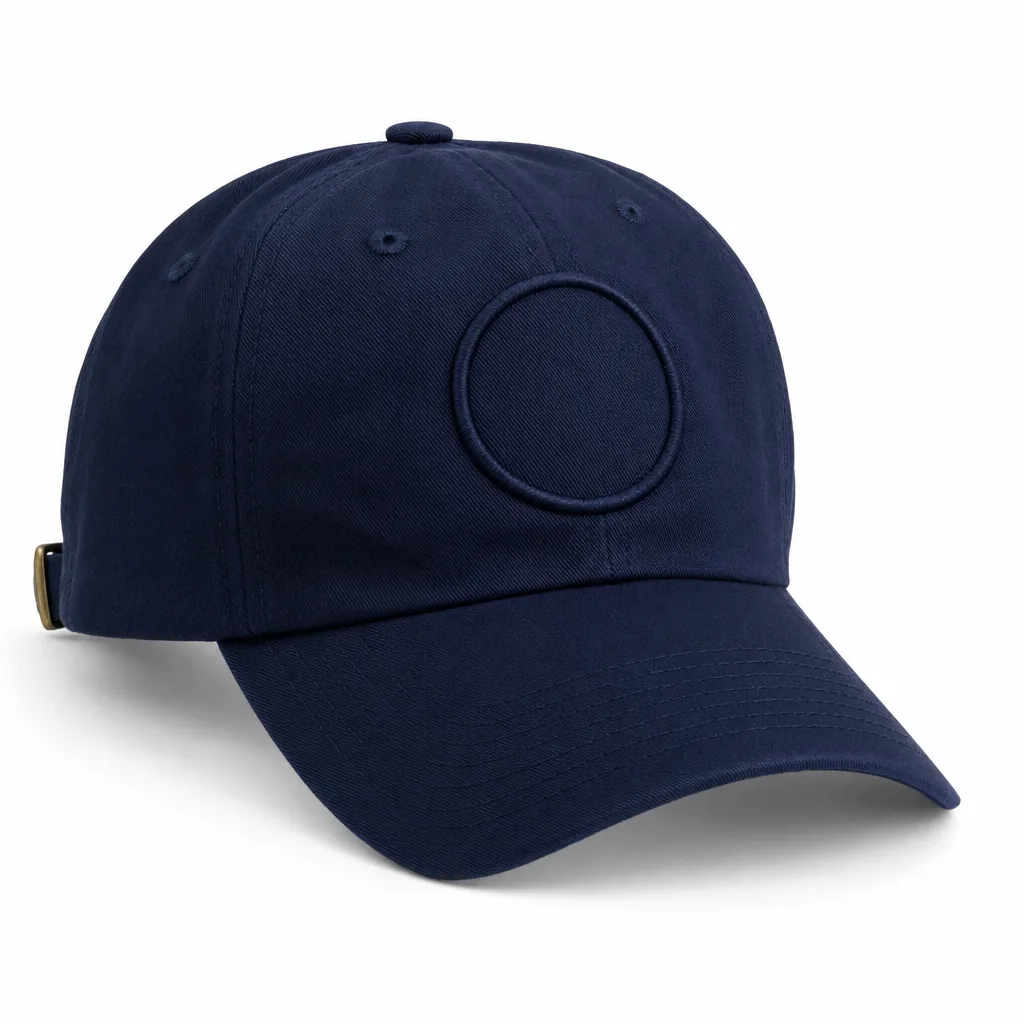
Ball Caps for Men: A 2026 Sourcing Playbook for International Buyers - Cost & MOQ Breakdown
Read article →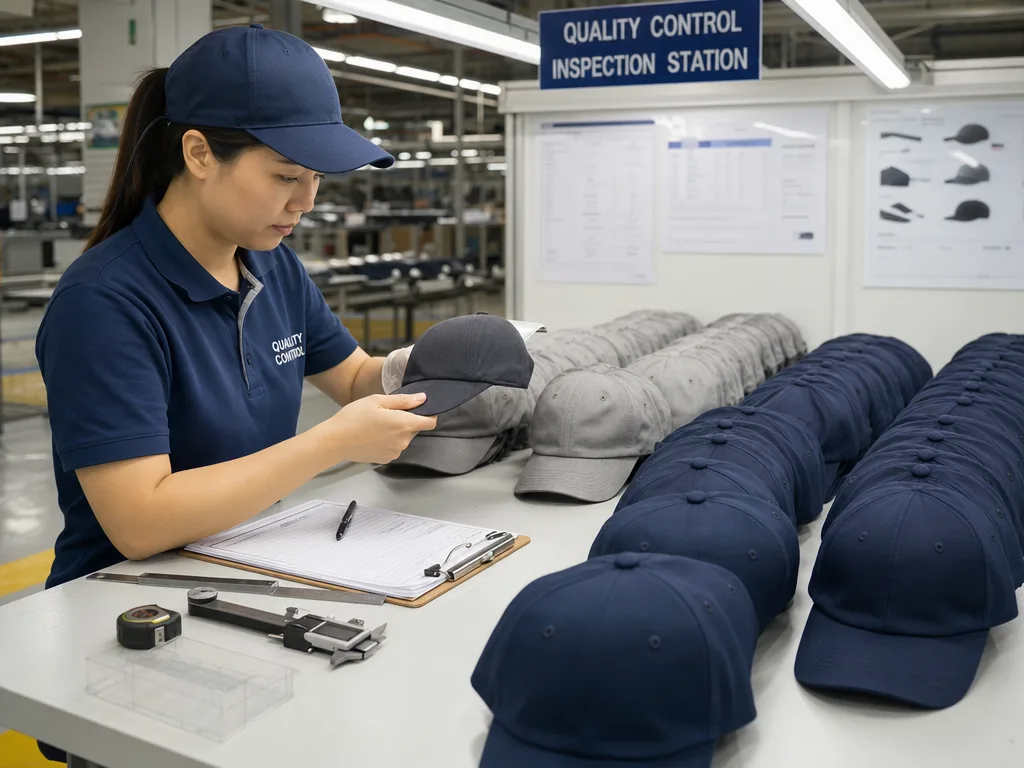
BSCI vs Sedex vs WRAP vs WCA: Compliance Audit Standards Compared (2026 Update) (2026 Update) (2026 Update)
Read article →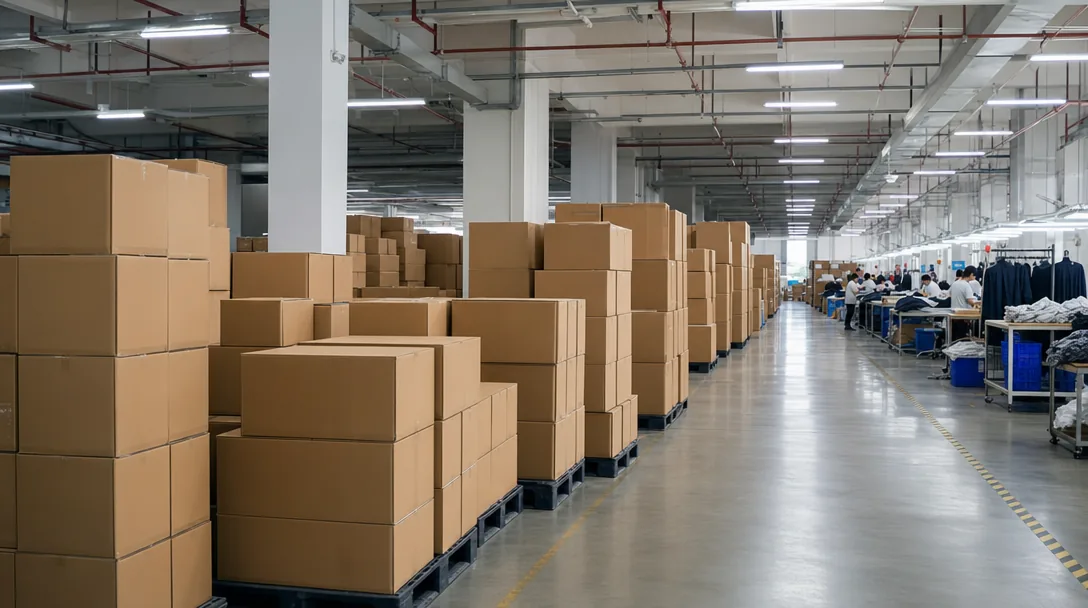
10 Questions to Ask a Cap Manufacturer on Your First Call - Supplier Checklist
Read article →We hope this guide demystifies custom made trucker hat: the 2026 sourcing & manufacturing playbook (2026 update) (2026 update) - 2026 buyer's guide - supplier checklist - 2026 buyer's guide and helps you move forward with confidence. If you have questions specific to your project, our English-speaking sales engineers are one message away.