
Custom Made Trucker Hat: The 2026 Sourcing & Manufacturing Playbook (2026 Update) (2026 Update) - 2026 Buyer's Guide (2026 Update)
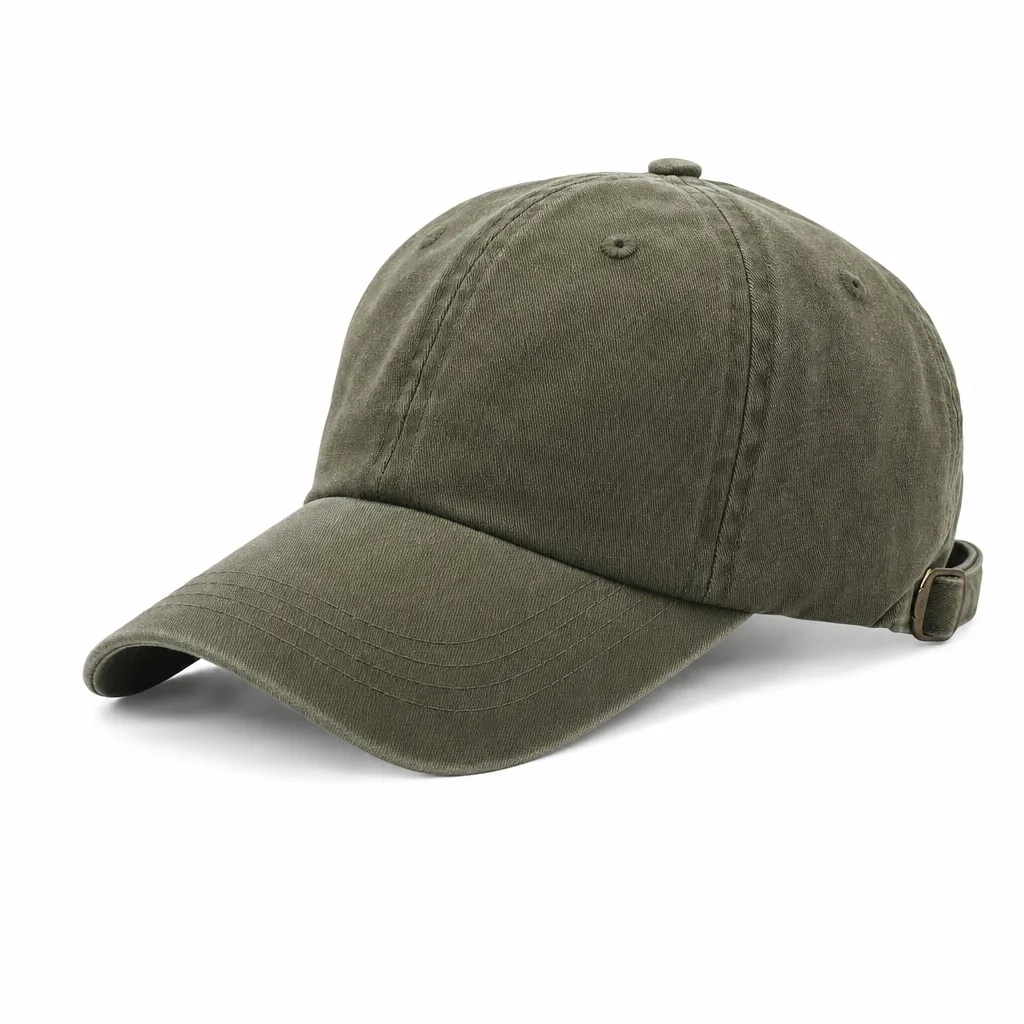
For brand owners, wholesalers and procurement teams entering the custom headwear category, custom made trucker hat: the 2026 sourcing & manufacturing playbook (2026 update) (2026 update) - 2026 buyer's guide (2026 update) is one of the highest-leverage decisions you will make. Get it right and your unit economics, retail story and reorder cycle all improve. Get it wrong and you carry the cost for years.
Custom Embroidered Hats
Embroidery is where a custom made trucker hat gets expensive, and the failures usually start in digitizing, not at the sewing machine. A supplier should translate the artwork into a production file such as DST, DSB, or EMB with stitch angle, density, underlay, pull compensation, trims, and sequencing mapped to the actual front-panel shape. On a 5-panel foam-front trucker, that matters more than buyers think: a 3 to 5 mm PU foam front laminated to polyester will pucker quickly if fill density is pushed too hard, and once spacing gets tighter than roughly 0.40 mm, you often create distortion instead of cleaner coverage. On Tajima, Barudan, or ZSK cap frames, a standard front logo usually lands around 6,000 to 12,000 stitches, but 3D puff changes the risk profile immediately. With 2 to 3 mm EVA underlay, text below 5 mm, satin columns under 1.2 mm, and sharp inside corners become unreliable in bulk, even if the salesman-approved sample looked fine. Buyers should lock the embroidery window in millimeters, crown height, seam position, thread brand, maximum stitch count, and nearest Pantone TCX thread target before asking for final pricing.
The cap body and embroidery spec need approval as one package because fabric choice decides how clean the logo will run at scale. A usable tech pack for a custom made trucker hat should call out front-panel material and gsm, foam-backed versus buckram-structured construction, mesh denier, visor board thickness, sweatband fiber content, snapback resin grade, logo placement from crown seam and bill edge, stitch-count tolerance, and packing method. In Yiwu, standard-material MOQ is usually 144 to 300 pieces per colorway; 48 to 100 pieces is possible, but only with a surcharge, limited trim options, or shared line scheduling. For 2026 buying, a basic embroidered trucker typically sits around $2.20 to $3.80 FOB China at 300 to 500 pieces, while 3D puff, side hits, woven labels, inside taping print, and retail packaging push it into the $4.50 to $6.50 range. Cheap foam fronts may photograph well, but structured cotton twill, poly-cotton canvas, or brushed canvas generally hold registration better and generate fewer rejects.
Inspection should be built around measurable tolerances, not a vague "looks good" approval. For embroidered hats, the failure points are easy to spot if you check them correctly: logo registration against signed art, thread color under D65 lighting, puff foam show-through, needle cuts on laminated fronts, tunneling on wide satins, exposed underlay after thread breaks, loose backside trims, visor curve consistency, and crown deformation after carton compression. A 3 mm placement drift sounds minor on paper, but on a finished trucker it makes the front logo read visibly off-center. A practical factory inspection plan uses AQL 2.5 with reject criteria for placement outside 3 mm tolerance, mesh skew that twists the cap on head, thread breaks exposing underlay, and bill asymmetry outside the approved shape standard. Some licensed programs also require post-finish metal detection, even though that is not universal in cap production. If the artwork is stitch-heavy, do not source decoration separately from the hat body; the embroidery method should dictate front-panel material, machine setup, and factory selection from the beginning.
Custom Hat Embroidery
Embroidery is the point where a custom made trucker hat either looks retail-ready or drops straight into promo territory, and that call is made in digitizing long before the cap reaches a Tajima or Barudan head. On structured trucker fronts, most factories run 650 to 800 stitches per minute on foam-backed polyester twill or cotton twill, typically with 120D polyester thread because it holds color better than rayon under UV exposure and crocking tests. Buyers should send vector artwork, finished logo size in millimeters, target stitch type—satin, tatami, fill, or 3D puff—and Pantone references, usually Pantone Solid Coated for thread and Pantone TCX when fabric trims also need to align. If the art has gradients, outlines under 0.8 mm, or serif text below 4 mm cap height, ask for a digitizing feasibility review before sampling; those details routinely collapse on curved, laminated front panels. For a front logo, 5,000 to 12,000 stitches is standard, and once density climbs, machine time, thread consumption, and panel distortion all rise with it.
Lock the embroidery spec before the first sample, not after comments start bouncing between merchandiser and digitizer. The key variables are front panel material, buckram versus foam backing, puff foam thickness, thread brand, logo position from visor seam, and acceptable stitch-count tolerance. Pre-curve matters more than many buyers realize: a heavily curved front can distort circular badges and tall block lettering after hooping, even when the sew-out is technically clean. Typical MOQ for a fully custom made trucker hat sits around 144 to 300 pieces per colorway, while a stock cap body with embroidery-only customization can sometimes run at 50 to 100 pieces. Digitizing usually costs $25 to $80 per logo as a one-time charge; front embroidery commonly adds $0.35 to $1.20 per cap, while a side hit plus back arch can push total embroidery cost to $1.50 to $2.80, especially with thread changes or 3 mm puff.
Inspection should target the defects that actually trigger claims: loose thread tails, registration drift, foam exposure on puff, needle cuts around dense fills, panel puckering, and off-center placement against the front seam and visor line. Our standard practice is to inspect against the sealed sample under AQL 2.5 and hold logo placement to ±2 mm, because technically clean stitching still fails visually when the artwork rides high or pulls left. Thread shade consistency is another common blind spot, especially on black caps with white or gold embroidery where lot variation is obvious under store lighting. A practical benchmark is Delta-E 1.5 to 2.0 against the approved thread standard when color matching is critical. Dense embroidery also changes production reality: it can require a stiffer front panel, slower machine speeds, more thread breaks, and a higher reject rate. That is why the cheapest FOB quote on a custom made trucker hat often becomes the most expensive once rework, delays, and failed inspections are factored in.
Custom Trucker Hat
A custom made trucker hat is usually decided by three engineering points: front-panel structure, mesh recovery, and snapback durability. The cheapest build still common in Yiwu uses a 100% polyester foam front, 75D-100D mesh, PE visor board, and a light PP snap closure; at 1,000 pieces it can land around $2.10-$3.20 FOB China, but it is also the version most likely to fail after carton compression. You see crown memory loss, embroidery ripple, and rear mesh that never fully rebounds after transit. For retail programs, I would spec a firmer front shell instead: 180-220 gsm cotton twill, brushed canvas, or 65/35 poly-cotton backed with proper buckram, plus 100-120 gsm mesh that can recover after packing and repeated wear. Whether you choose a 5-panel foam trucker or a 6-panel woven-front shape, the profile and crown height need to be locked before sampling; too many buyers approve artwork first and only notice a shallow crown after the fit sample arrives. Decoration has to match the shell. Raised 3D embroidery only works when the front panel is rigid enough to support EVA foam underlay and when the file is digitized correctly for Tajima or Barudan heads; otherwise you get collapsed satin edges, foam exposure, and fuzzy corners on small letters. If the logo has fine outlines or tight counters, flat embroidery, a woven patch, or a printed twill patch will usually outperform puff on a trucker build. A usable RFQ should specify panel count, crown height, visor curve, fabric composition, mesh denier or gsm, closure resin and color, sweatband material, seam taping, logo size, estimated stitch count, and Pantone TCX references for every dyed component. That is the difference between a factory quoting the actual cap you want and sending a meaningless “best price” on a generic trucker.
Pricing on a custom made trucker hat changes quickly once you step beyond stock materials and trims. A stock-fabric cap with standard inside taping, flat embroidery, and bulk packing typically sits around $3.00-$4.80 FOB at 300-500 pieces per colorway. Add custom-dyed twill, branded seam tape, woven labels, color-matched snaps, molded PVC or rubber patches, barcode stickers, insert cards, or individual polybags, and the realistic FOB range moves to about $5.50-$8.50, with MOQ often increasing from 144-300 pieces to 500-1,000 per style. Packaging is not a side issue here: 150 caps per export carton with weak inner support is one of the main reasons structured fronts arrive crushed, especially on foam-front truckers. Good factories will test carton stacking and adjust inner bag quantity or add crown support before mass production, because freight claims are often caused by packing design, not sewing defects. Inspection should target the failures that create returns after delivery, not just defects that look obvious on the table. On trucker orders, the repeat problems are off-center logo placement, crown asymmetry, visor wave, puckering around foam-backed embroidery, mesh tearing at rear seam joins, broken snap tabs, and shade variation between front fabric, brim binding, and closure. I would hold logo placement to ±2 mm, verify consistent visor stitch count, cycle snapbacks repeatedly, inspect mesh for needle cuts, and compare color under D65 light with Delta-E tight enough to prevent mixed-carton variation at retail. AQL 2.5 is the normal shipment standard, but truckers with multiple trims deserve added carton-compression testing because panel crush remains one of the biggest post-shipment complaint drivers. Unit cost matters, but repeatability in structure, color, and packing control matters more than saving 30 cents on the ex-factory price.
Custom Trucker Hats
Front-panel engineering decides whether a custom made trucker hat looks retail-grade or bargain-bin. The weak point is not the mesh back; it is the structured front, where 2.0 to 3.0 mm PE foam or laminated buckram is bonded to cotton twill, poly twill, or brushed canvas before decoration and assembly. Because the logo is usually applied before the crown is fully sewn, any mistake in digitizing or tension shows up immediately as puckering, crown lean, visor torque, or distorted puff. Buyers should stop writing “trucker style” and lock the profile in the tech pack: high profile is typically 11.0 to 12.0 cm crown height, mid profile 9.5 to 10.5 cm, with visor stitch rows, brim curvature, seam tape width, sweatband composition, and snap color all specified. If the artwork is embroidery, machine quality matters. Tajima, Barudan, and ZSK heads hold cleaner registration on structured foam fronts than mixed low-end fleets, especially for 3D puff above 3.5 to 4.0 mm foam height, satin borders under 1.2 mm spacing, or small text under 5 mm cap height.
Most problems in a custom made trucker hat program start in a vague tech pack, then get expensive at inline inspection. A usable sheet should call out front fabric weight, such as 230 to 280 gsm cotton twill, mesh type and denier, foam thickness, visor insert material, closure style, logo size in millimeters, Pantone TCX references, and color tolerance by component. On repeat dyed twill orders, Delta-E under 1.5 is achievable; for printed patches, sublimated underbrims, or mixed-material trims, 2.0 to 2.5 is the realistic band. You also want label position, internal taping print, carton packout, and inspection standards written down, not assumed; AQL 2.5 for major defects and 4.0 for minor defects is a practical baseline. In Yiwu, MOQ is usually 144 to 300 pieces per colorway for a standard structured trucker with flat embroidery, but custom mesh colors, woven patches, or split fabric constructions usually push the workable floor to 500 pieces because trim setup, dye lot control, and material loss all increase.
Price tells you less than process control. For FOB China, a structured custom made trucker hat at 300 to 500 pieces usually lands around $2.10 to $3.40 with standard twill, polyester mesh, and flat embroidery; add 3D puff, chain stitch, TPU patches, camo mesh, sublimated details, or specialty closures and the normal range moves to roughly $3.80 to $5.80. The repeat failures are easy to predict: warped visor boards, off-center logos, crushed puff after packing, mesh tearing at the side seam, weak snap posts, sweatband twisting, and visible shade variation between crown, top button, visor, and binding. On the factory floor, I want crown height, visor width, logo placement, and closure alignment held within plus or minus 3 mm against the sealed sample, with carton compression recovery checked before shipment. Compliance should be verified before booking cargo, typically against sedex-audit-cap-supplier-guide.html">BSCI 2.0 or Sedex SMETA 4-Pillar records. The lowest quote often comes from a supplier subcontracting mesh caps to a second workshop, and that is usually where consistency, traceability, and delivery discipline fall apart.
Hat Trucker Custom
A custom made trucker hat lives or dies in the BOM, not the mockup. If the spec sheet is vague, bulk production will drift fast on shape, handfeel, and fit. Lock the construction first: 5-panel or 6-panel body, front panel with 3 to 5 mm PU foam laminated to polyester tricot, mesh weight at 120 to 160 gsm, PE snapback with 7 holes, and a pre-curved visor with an exact bill length and width, not “standard.” Buyers who want retail-grade consistency should also freeze crown height in centimeters, front panel support method (foam only, buckram only, or buckram plus foam), seam tape color, sweatband composition, underbill fabric, and visor sandwich color. Those are not cosmetic details; they determine whether the cap keeps its profile after sea freight, whether the front panel rebounds after carton pressure, and whether repeat orders match the original sample six months later. Decoration is where weak files get exposed. A digitized logo that runs clean on 260 gsm cotton twill can fail badly on a foam trucker front, because the sponge-backed surface lets narrow satin columns sink, close up counters, and ripple outlines. For embroidery, specify logo position, max stitch count, minimum text height, satin column width, thread brand such as Madeira or Gunold, backing weight, and Pantone TCX target, then approve against a physical standard with shade variation held around Delta-E 1.5 to 2.0. On Tajima, Barudan, or ZSK heads, dense fills over foam need proper underlay and pull compensation or you will see puckering by the second production run. A solid tech pack for a custom made trucker hat should also call out top button material, snap color, mesh softness, inside labels, and carton pack ratio, because those “small” trims routinely move unit cost by $0.12 to $0.35 and create avoidable inconsistency at reorder stage.
MOQ is usually set by trim complexity, not by the trucker silhouette itself. A basic custom made trucker hat with stock black or white mesh, stock-color foam front, standard PE snap, and flat embroidery is commonly feasible at 144 to 300 pieces per colorway. Once you add custom-dyed fabric, woven flag labels, printed seam tape, rope across the visor, sublimated underbrims, TPU or PVC patches, moisture-wicking sweatbands, or metal snaps, the real floor often jumps to 500 or 1,000 pieces per style because fabric mills and trim vendors impose the minimums long before the sewing line does. In the current Yiwu and Dongguan market, a workable FOB range is roughly $2.10 to $3.40 for a basic foam trucker, $3.60 to $5.20 with dense embroidery or applique, and $5.50+ for builds with engineered trims, specialty patches, or multiple custom components. Bulk inspection has to focus on wearability, not just logo appearance. AQL 2.5 is a practical baseline, but the failure points are specific: mesh symmetry left to right, snap alignment to center back seam, brim curvature consistency, exposed foam flashing at the front seam, sweatband join cleanliness, and crown collapse after compression packing. Fit tolerance matters too; an adult trucker usually grades around a 58 cm base head size, and poor sweatband attachment can make the cap wear half a size tight. During inline and final QC, check embroidery on foam fronts for skipped stitches, thread breaks, loose trims, and tunneling around satin columns, especially on tall lettering. Our standard practice is to carton-test pre-production samples before bulk approval, because trucker hats look simple in photos but they are one of the easiest cap categories to cheapen in ways the end customer notices immediately.
Trucker Custom Hat
A custom made trucker hat is won or lost in the build spec, not the mood board. The default commercial construction is a structured 5-panel or 6-panel crown using buckram-backed 10 oz cotton twill or a 3 to 5 mm laminated polyester foam front, paired with polyester mesh in the 90 to 120 gsm range, a PE visor board, and a plastic snap sized for roughly 54 to 61 cm head circumference. Decoration sequence matters more than many buyers realize: flat embroidery, 3D puff, applique, or screen print should be applied before cap forming whenever possible. On Tajima, Barudan, and ZSK heads, pre-assembly embroidery gives cleaner stitch angles and better backing control; after assembly, you see more needle deflection, panel puckering, and crown distortion, especially on foam-front truckers. If the brief only says “mid-profile,” different sample rooms will interpret that differently. Lock the spec with crown height in millimeters, visor length and curve, number of brim stitch rows, front-panel stiffness, snap finish, seam tape color, and artwork placement measured from center front.
Cost starts moving the moment the tech pack gets vague. A factory-usable brief for a custom made trucker hat should state panel count, shell fabric composition, mesh aperture, sweatband material and gsm, visor insert type, snap resin color, logo method, Pantone TCX references for fabric, and Madeira or Gunold thread codes for embroidery. For color-critical programs, approve against a lab dip or strike-off with Delta-E under 1.5 under D65 light; otherwise “black” twill, mesh, and seam tape routinely arrive as three different blacks. MOQ is typically 144 to 300 pieces per colorway when using stock mesh, stock snaps, and standard labels, but dyed-to-match closures, custom woven labels, printed seam tape, or bespoke inner taping usually push the run into the 500 to 1,000 piece range. In Zhejiang, a basic foam-front 5-panel trucker generally lands around $2.20 to $3.40 FOB; a brushed twill 6-panel version with 3D embroidery, woven flag label, printed taping, and custom packing is more often $3.80 to $6.20 FOB, driven by stitch count, trim development, and packing complexity.
Most trucker failures are not dramatic; they are cumulative defects that make the hat look cheap at retail. The repeat offenders are embroidery drifting more than 2 mm off center, mesh torque at the side seams, exposed foam on the front-panel edge, uneven visor curvature, cracked snap prongs, skipped sweatband stitches, and top-button misalignment over the center seam. AQL 2.5 is fine for many bulk orders, but serious retail programs should also test barcode scan readability, carton drop resistance, needle detection compliance where required, and snap durability to at least 200 open-close cycles. The right control point is early-line measurement against the sealed pre-production sample under consistent lighting, because once the cap line drifts, one shift can produce 500 bad units before anyone reacts. That is why buying a custom made trucker hat on price alone is shortsighted; the real question is whether the factory can keep component consistency, decoration registration, and inline QC stable at the same time.
Working with CrownsForge for custom made trucker hat programs
Sampling decides whether a custom made trucker hat program stays repeatable or turns into a guessing game after the PO is paid. The factory needs to lock the crown profile, visor curve, foam thickness, mesh spec, stitch density, and shade tolerance before bulk starts; otherwise the PP sample and the next 5,000 units will not wear or present the same. A practical timeline is 2 to 4 working days for artwork cleanup and tech-pack review, 7 to 10 days for the first physical sample, then another 5 to 7 days for structural revisions like changing from a high-crown 5-panel to a lower-profile 6-panel, switching the visor insert from PE board to paperboard, or moving from a stock 7-hole plastic snap to a branded HDPE closure. MOQ also needs to reflect the build, not sales talk: 144 pieces per colorway is workable for a stock-color foam-front trucker, around 300 pieces for mixed materials with rope trim or woven patches, and 500 to 1,000 pieces if you want Pantone TCX-matched dyed twill, custom mesh, or proprietary trims. The spec sheet should be detailed enough that production, QC, and freight teams are all looking at the same cap. That means crown height in millimeters, brim length and curvature, foam density, mesh denier, sweatband composition, button and eyelet color, back opening width, carton pack-out, and Pantone references for every visible component. Our standard practice is to freeze a signed PP sample plus a measured tolerance chart before line release, because even small shifts—3 mm in crown height, 5 mm in rope position, or a softer EVA foam front—change how the hat fits on shelf and on head. Brands testing a new SKU usually save money by validating one clean colorway first, then rolling into broader assortments only after sell-through data confirms the shape works.
Decoration is where control is usually won or lost. If the factory outsources embroidery or patch application, placement drift, thread shade variation, and missed ship dates follow quickly, so the decoration method should be specified before sampling starts: flat embroidery, 3D puff, screen print on foam front, woven patch, sublimated patch, TPU badge, chenille, or appliqué. Flat embroidery on Tajima, Barudan, or ZSK heads remains the safest choice for small lettering, but anything under roughly 4 mm cap height needs proper pull compensation, underlay, and column-width adjustment or the counters will close up. Puff embroidery works best on bold satin columns over foam and usually adds about $0.18 to $0.35 per piece depending on stitch count and coverage; woven and sublimated patches need edge sealing and heat-bond testing so corners do not lift after carton compression or summer container heat. Costing needs to be grounded in the actual construction. FOB China, a basic custom made trucker hat in stock cotton/poly front fabric with polyester mesh and one-location embroidery typically lands around $2.10 to $3.40 per piece at commercial MOQs. Move into brushed cotton twill, RPET mesh, custom-dyed fabric, multi-location decoration, or premium closures and the same cap can land at $4.20 to $6.80 before freight. What scales a 500-piece trial into a 50,000-piece program is process discipline: current BSCI 2.0 or Sedex SMETA 4-Pillar reports, inline QC during cutting, sewing, and embroidery, plus final inspection to AQL 2.5. Color should be approved against Pantone TCX with a realistic Delta-E tolerance, because foam fronts, poly mesh, and twill do not reflect light the same way. The minimum control package should include a signed spec sheet, approved PP sample, inline photos at about 20% output, packing approval before carton sealing, and shipment reconciliation by colorway and carton count.
Frequently Asked Questions
Do you support sustainability certifications?
Yes. We work with GOTS organic cotton, GRS-certified recycled polyester, OEKO-TEX Standard 100 fabrics, and are BSCI and Sedex audited. Certification documentation can be provided per order.
What is the minimum order quantity (MOQ) for custom hats?
Our standard MOQ is 100 pieces per design and color, with sampling available from 1 piece. For complex multi-color logos or premium fabric upgrades, the MOQ can be lowered with a small per-piece surcharge.
How long does production take?
Sampling takes 7 to 12 days. Bulk production runs 20 to 30 days depending on quantity, fabric availability and decoration complexity. Inspection and packing adds another 3 to 5 days before shipment.
What logo decoration techniques do you offer?
3D puff embroidery, flat embroidery, woven patch, leather patch, PVC patch, screen printing, sublimation, applique and laser etching, all in-house with no subcontracting.
Can I order a sample before bulk production?
Yes. We strongly recommend approving a pre-production sample before mass production. Samples are charged at 35 to 60 USD each plus express shipping, fully refundable against confirmed bulk orders over 500 pieces.
How does ordering custom hat trucker work?
When evaluating custom hat trucker, the key considerations are construction quality, decoration capability, MOQ flexibility and lead time. Cover everything buyers ask about custom embroidered hats: how it's manufactured, what specs to request from a factory, typical MOQ and pricing, common quality issues to inspect for, and how this ties back to the broader custom made trucker hat sourcing decision. Cover everything buyers ask about custom hat embroidery: how it's manufactured, what specs to request from a…
How does ordering custom embroidered trucker hats work?
When evaluating custom embroidered trucker hats, the key considerations are construction quality, decoration capability, MOQ flexibility and lead time. Cover everything buyers ask about custom embroidered hats: how it's manufactured, what specs to request from a factory, typical MOQ and pricing, common quality issues to inspect for, and how this ties back to the broader custom made trucker hat sourcing decision. Cover everything buyers ask about custom trucker hats: how it's manufactured, what specs to request from a…
How does ordering custom made hats for men work?
When evaluating custom made hats for men, the key considerations are construction quality, decoration capability, MOQ flexibility and lead time. Cover everything buyers ask about custom embroidered hats: how it's manufactured, what specs to request from a factory, typical MOQ and pricing, common quality issues to inspect for, and how this ties back to the broader custom made trucker hat sourcing decision. Cover everything buyers ask about custom trucker hats: how it's manufactured, what specs to request from a…
How does ordering high quality custom trucker hats work?
When evaluating high quality custom trucker hats, the key considerations are construction quality, decoration capability, MOQ flexibility and lead time. Cover everything buyers ask about custom embroidered hats: how it's manufactured, what specs to request from a factory, typical MOQ and pricing, common quality issues to inspect for, and how this ties back to the broader custom made trucker hat sourcing decision. Cover everything buyers ask about custom trucker hats: how it's manufactured, what specs to request from a…
Ready to start your custom hat project?
Send us your tech-pack, sketch or even just an inspiration photo. We will respond with a detailed quotation and digital mock-up within 24 hours.
Request a free quoteRelated guides
Custom Made Trucker Hat: The 2026 Sourcing & Manufacturing Playbook - Supplier Checklist (2026 Update)
Read article →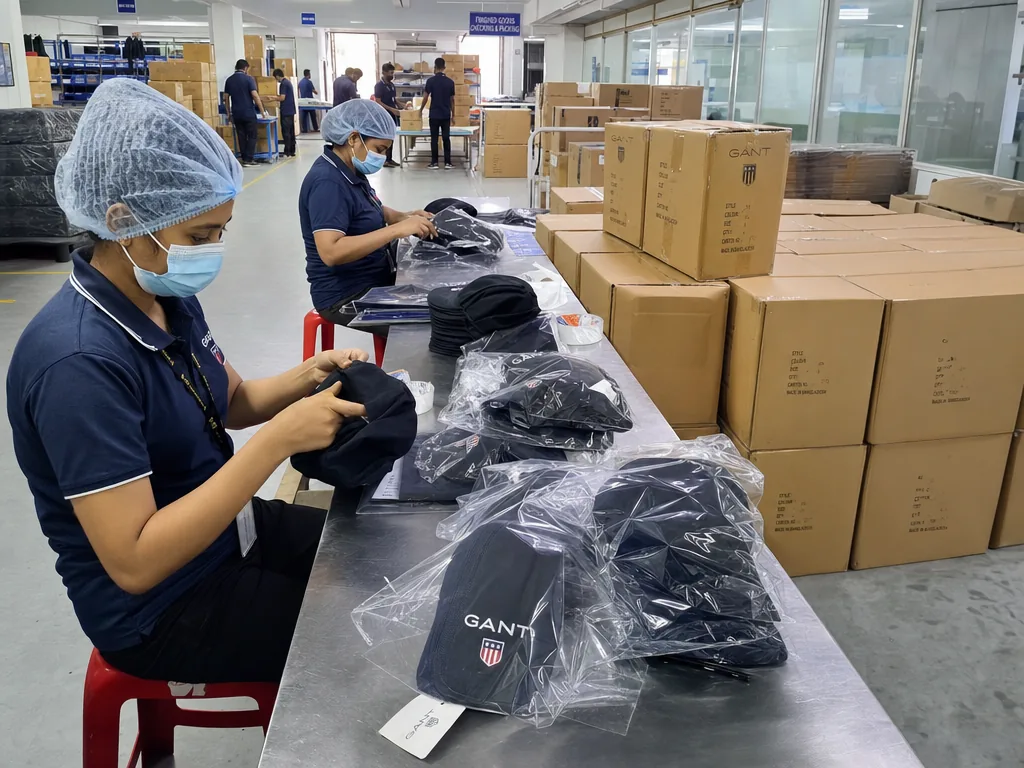
Cap Packaging Options: Retail-Ready, Hangtag, Polybag & Custom Boxes (2026 Update)
Read article →
Cool Bucket Hats for Guys: A Vertical-Specific Sourcing Guide
Read article →Sourcing custom hats does not have to be complicated. With the right manufacturing partner, clear specifications and a small upfront investment in sampling, you can launch a retail-quality product in 30 to 45 days.