
Custom Made Trucker Hat: The 2026 Sourcing & Manufacturing Playbook (2026 Update) (2026 Update) - 2026 Buyer's Guide (2026 Update) - Supplier Checklist
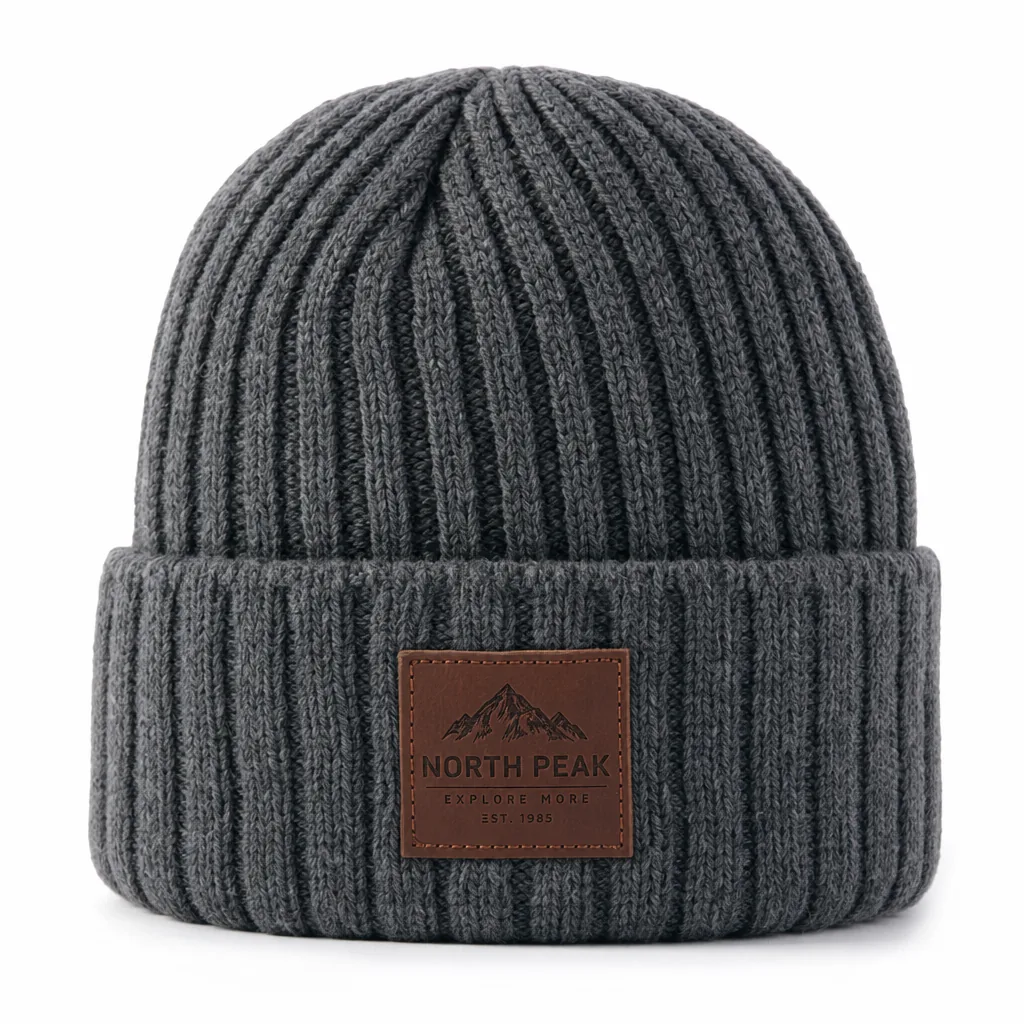
Custom Made Trucker Hat: The 2026 Sourcing & Manufacturing Playbook (2026 Update) (2026 Update) - 2026 Buyer's Guide (2026 Update) - Supplier Checklist is one of the most-asked questions we receive from international buyers, and for good reason. With dozens of factories competing for your order and an alphabet soup of technical terms in every supplier quote, even experienced importers can feel lost. This guide consolidates what we have learned producing custom hats for clients in 40+ countries.
Custom Embroidered Hats
Embroidery is the operation most likely to expose weak development work on a custom made trucker hat, because the logo is fighting a curved crown, a center seam, foam compression, and mesh-side tension at the same time. A Tajima, Barudan, or ZSK-ready DST file is not enough; the digitizer has to set underlay, stitch angle, pull compensation, density, and trim sequence for the actual panel. On a structured 5-panel foam front, I usually keep flat embroidery inside 110-120 mm wide by 55-65 mm high; on a 6-panel cotton twill crown with a front seam, I reduce fine lettering and avoid crossing the seam unless the artwork is bold. Puff embroidery needs 2 mm or 3 mm EVA foam, open-ended satin columns, and enough spacing so the foam tears cleanly. The spec should state logo size in mm, Pantone TCX or thread-card reference, estimated stitch count, backing type, puff thickness, placement tolerance of +/-3 mm, and whether metallic, matte polyester, or rayon thread is required.
Cost should be quoted by construction and stitch-count band, not by the vague label “embroidered.” A stock-body trucker with polyester foam front, 70D-100D nylon mesh, plastic snapback, standard sweatband, and a 5,000-8,000 stitch flat front logo commonly lands around $2.20-$3.60 FOB Ningbo at 300-500 pieces per colorway. Move to 10,000-12,000 stitches, 3D puff, corduroy or 12 oz cotton canvas, custom interior taping, woven flag label, and a curved sandwich visor, and the same cap usually becomes $4.50-$7.20 FOB. Fully custom bodies often require 500-1,000 pieces per style because cutting dies, panel blocking, and material minimums are no longer shared with stock blanks. A serious quote should lock crown height, visor length, visor curve, fabric gsm, mesh denier, sweatband composition, circumference tolerance of +/-5 mm, carton packing, and sample lead time. Without those details, the first “cheap” price usually reappears later as a remake charge or downgraded material.
Inspection must separate embroidery defects from general sewing defects, because embroidery is much harder to repair after the cap is assembled. The common rejects are registration drift, missed trims, loose jump threads, thread breaks hidden inside dense fills, puckering from high tension, needle cuts on washed cotton, and 3D puff foam showing along satin edges. Color approval should be checked against the approved thread card or Pantone TCX target under D65 lighting; for navy, red, cream, and black-on-black work, a Delta-E difference of 2-3 can already look wrong in retail photography. For bulk QC, AQL 2.5 is a practical baseline, but front-logo placement, thread cleanliness, seam alignment under the artwork, visor symmetry, snapback engagement, mesh tearing at seam joins, and sweatband recovery should be priority checkpoints. Our standard practice at CrownsForge is to approve embroidery on the actual crown fabric before bulk cutting, because a logo that looks clean on flat twill can fail badly on foam, canvas, or a seamed trucker front.
Custom Hat Embroidery
Cost is driven less by the word “embroidery” than by stitch count, logo positions, cap construction, and rework risk. In Yiwu and nearby cap clusters, a stock-body embroidered trucker can land around US$2.10-US$3.80 ex-works at 300 pieces, while a fully custom body with front 3D puff, side hit, back wordmark, custom mesh, branded taping, and woven label is usually US$3.90-US$6.50 ex-works at 500-1,000 pieces. Digitizing may be waived on bulk orders, but small runs often carry US$20-US$60 per logo, and many suppliers add a per-1,000-stitch surcharge once the design passes roughly 8,000-12,000 stitches. Inspect finished embroidery under AQL 2.5 for major defects and 4.0 for minor defects, with placement tolerance held to plus or minus 2 mm. Reject exposed puff foam, loose top thread, visible jump stitches, birdnesting inside the crown, oil marks, and mixed thread dye lots unless cartons are shade-segregated and labeled.
Custom Trucker Hat
A custom made trucker hat is harder to keep consistent than a plain cotton cap because the build mixes materials that move differently under needle tension, steam, and carton compression. A reliable front is usually 180-240 gsm cotton twill, 220-280 gsm brushed canvas or suede microfiber, or 3-5 mm foam-backed polyester for a sharper high-profile crown. The back panel should be specified as 60D-100D polyester mesh or 70D nylon mesh, with tear strength checked at the side seam, not only by handfeel. Most streetwear and promo buyers choose a 5-panel high-profile block because it gives an uninterrupted decoration field for 3D puff embroidery, woven patches, sublimated badges, or TPU labels. A 6-panel trucker can sit better on low crowns, but the center seam cuts through large logos and makes foam-front puckering more likely, especially when the satin column exceeds 6-7 mm.
Manufacturing sequence decides whether the hat looks clean after freight, not just after sewing. Decoration should be completed before assembly, then panels are joined, seam tape applied, sweatband installed, visor attached, back opening closed, snapback fitted, steam-shaped, trimmed, and inspected. On Tajima, Barudan, or ZSK embroidery heads, puff embroidery needs correct underlay, density around 0.36-0.42 mm, pull compensation, and clean topping; weak digitizing leaves split satin columns, sunken edges, and exposed foam after 30 days in a master carton. The tech pack should lock crown height in centimeters, visor length, pre-curve radius, visor stitch rows, front backing, seam tape width, sweatband content, snapback resin type, button finish, undervisor color, and decoration method by location. For color, use Pantone TCX for dyed fabric and Pantone C for printed, silicone, or TPU trims, with Delta-E below 1.5 for front panels and below 2.0 for mesh because mesh lots drift more visibly under daylight.
In China for 2026 production, realistic FOB pricing still comes down to fabric grade, decoration minutes, trim customization, and whether sewing and finishing are controlled in-house. Stock twill plus stock mesh with one embroidery location normally runs about $2.10-$3.80 FOB at 144-300 pieces per colorway. Suede fronts, appliqué, 3D puff plus flat embroidery, custom woven labels, printed seam tape, or individual retail packaging push the range to $3.90-$6.50, and custom-dyed mesh or molded rubber badges usually make 500-1,000 pieces the practical MOQ. Do not treat the brim insert as a minor spec: PE and EVA hold curve better in ocean freight, while cheap recycled paperboard can ripple in a damp container. Inspection should use AQL 2.5 major and 4.0 minor, with checks for crown twist, visor symmetry, patch-edge puckering, snapback crack resistance, mesh seam tearing, carton-drop recovery, and 24-hour post-compression shape recovery.
Custom Trucker Hats
A custom made trucker hat is won on crown engineering before the logo ever reaches a Tajima, Barudan, or ZSK head. The safest commercial base is a 5-panel foam-front cap with 100% polyester or nylon mesh, PE visor insert, PP seam tape, and plastic snapback, but that generic spec is not enough for retail-grade branding. For a structured fit, lock crown height at 16.5-18 cm, visor length at 7-7.5 cm, front foam thickness at 3-5 mm, and mesh weight at 140-180 gsm. Specify whether the front is laminated polyester foam, cotton twill over foam, Taslon, corduroy, or recycled RPET, because each material changes stitch pull, panel collapse, and shade matching. Sweatband should be defined as cotton twill or microfiber with 6-8 mm sponge, not left as “standard.” Also separate the colors for top button, eyelets, seam tape, undervisor, and snap; factories often default these to nearest-available stock, which is how a clean Pantone TCX concept becomes three different blacks in production.
For embroidery, the front panel needs enough backbone to hold 3D puff without crushing after carton packing. For 3-5 mm EVA foam puff, we normally reduce density to about 0.38-0.45 mm stitch spacing, widen satin columns, and avoid tiny counters under 2 mm because foam closes those holes after trimming. Flat embroidery can tolerate finer detail, but logos below 20 mm height often lose sharpness on foam laminate unless the digitizer simplifies small text and increases underlay. Patch programs need the same discipline: woven patches are better for small type, chenille works for bold varsity marks, TPU badges need mold charges of roughly $80-$250, and genuine leather patches can vary by Delta-E 1.5-3.0 across hides. A practical pre-production sample should include side-view crown photos, brim curve, inside taping, closure pull test, and a 24-hour compression check, not just a front logo shot under showroom lighting.
FOB China pricing for a straightforward custom made trucker hat usually starts around $2.20-$3.60 at 300 pieces per colorway with stock mesh, foam front, plastic snap, and one-location flat embroidery. Custom-dyed mesh, printed inner taping, woven flag label, contrast undervisor, or a molded TPU badge usually moves the working range to $3.40-$5.20 FOB; RPET mesh, suede or microfiber brim, water-resistant Taslon, multi-location decoration, or premium patches can reach $5.80-$8.80 before freight and duty. MOQ is commonly 144-300 pieces when using stock components, but 500-1,000 pieces is more realistic for proprietary trims, lab-dip mesh, or new molds. QC should run to AQL 2.5 with measured checks for logo placement within +/-3 mm, crown height, visor width, opening circumference, brim symmetry, snap peg strength, mesh seam slippage, and shade variation against the approved Pantone TCX standard. CrownsForge freezes a signed spec sheet and PPS before bulk cutting because most trucker-hat disputes come from loose approvals, not machine capability.
Hat Trucker Custom
The front crown is the cost and quality risk in a custom made trucker hat; mesh is usually the cheap part unless it is custom dyed. For a 5-panel foam trucker, lock the spec sheet before sampling: 3 mm, 4 mm, or 5 mm laminated polyester foam; 280-320 gsm face fabric; 120-150 gsm polyester mesh; PE, recycled PE, or PP brim insert; sweatband width; snapback resin grade; and crown height measured from the brim seam to the top button. For a 6-panel structured trucker, add buckram weight, seam tape width, center-seam allowance, and whether the logo is allowed to cross the front seam. That single decision changes both digitizing and rejection rate.
Do not approve trucker hat color from a JPG, Canva file, or Shopify mockup. Use Pantone TCX for fabric, TPX only for print reference, and set measurable tolerance under D65 light: Delta-E under 1.5 for solid front panels and under 2.0 for polyester mesh, because open weave reads lighter after sewing. Logo placement also needs numbers, not “centered”: center line from the crown seam, bottom edge from the brim seam, maximum decoration width on the curved foam face, and allowed skew. I normally set logo position tolerance at +/-2 mm; once embroidery drifts 3-5 mm, buyers see it immediately in carton photos.
In 2026 China pricing, decoration creates the real spread. A 500-piece foam trucker with one-color screen print may quote around $2.10-$3.20 FOB Ningbo or Shanghai, while flat embroidery on Tajima, Barudan, or ZSK heads usually lands at $3.40-$5.20 depending on stitch count, thread changes, backing, and trimming time. Puff embroidery often adds $0.35-$0.90 per cap because it needs cleaner digitizing, foam cutting, and slower machine speed. Chenille patches, woven labels, debossed PU patches, genuine leather patches, or silicone heat-transfer badges can push the finished cap to $5.50-$8.50 before duty, freight, and carton handling. Real MOQ is usually 300 pieces per color with stock mesh and stock face fabric; custom-dyed mesh, exclusive twill, or Pantone-matched foam typically starts at 1,000-3,000 pieces because dye houses will not run tiny lots cleanly. Confirm whether digitizing is included: a usable embroidery file is normally $25-$60, and bad digitizing causes puckering before AQL inspection catches anything.
Trucker Custom Hat
Judge a custom made trucker hat supplier by the crown first, not the logo sample. On a structured 5-panel or 6-panel trucker, the foam front or fused buckram should hold a smooth radius after steam shaping, with no center-seam collapse and no more than 3 mm crown-height variation across 20 random pieces. I check the front panel against the visor stitch line, not the cut panel edge, because cutting drift can make a centered embroidery look wrong after assembly. Logo placement should stay within +/-2 mm of the approved tech pack centerline; anything wider becomes visible on foam-front caps, especially with 3D puff or woven patches. Standard mesh is usually 100D-150D polyester, but the real check is tension, recovery, and color match. If front fabric and mesh are specified to match, require Pantone TCX or lab dip approval with Delta-E below 1.5, then recheck bulk panels under D65 light before sewing.
Bulk inspection should use AQL 2.5 for major defects and AQL 4.0 for minor defects, but trucker hats need cap-specific tests that many general apparel inspectors skip. Snapback closures should survive at least 50 open-close cycles and a 7-10 kgf pull test without cracked sockets or whitening stress marks. Visors need bend-and-release testing; a low-grade PE board or recycled plastic insert may save $0.08-$0.15 per cap, but it can crease in hot containers or warp after warehouse compression. Common reject points include twisted mesh side seams, wavy visor binding, uneven topstitching at 8-10 stitches per inch, and puckered embroidery from dense satin files on lightweight foam. Tajima, Barudan, and ZSK heads can all run clean trucker decoration, but digitizing matters more than the machine badge: cap files need underlay control, stitch-angle planning, and density reduction around the center seam. For licensed sports, retail, or promotional reseller orders, verify sedex-audit-cap-supplier-guide.html">BSCI 2.0, Sedex SMETA 4-Pillar, needle-control logs, and carton drop-test records before deposit.
Working with CrownsForge for custom made trucker hat programs
Most custom made trucker hat failures are decided before fabric cutting, so the tech pack must control the cap as a fitted product, not a logo blank. Lock crown height in mm, front-panel angle, visor length, visor curve radius, mesh denier, sweatband width, closure type, seam tape color, eyelet position, and Pantone TCX or Pantone C references for every exposed component. At CrownsForge, a first proto normally takes 7 to 10 days with stocked cotton twill, polyester foam, or 110 to 130 gsm polyester mesh; it becomes 12 to 18 days when the order needs yarn-dyed panels, custom silicone molds, leather deboss patches, or lab dips held to Delta-E under 1.5. MOQ can be 144 pieces for a simple embroidered stock-material style, but 300 to 500 pieces is the realistic floor for custom mesh color, private-label snaps, molded patches, or nonstandard crown geometry. For retail work, approve three separate samples: fit sample, decoration sample, and sealed PP sample. One cap cannot prove pattern balance, logo execution, hand feel, and carton behavior at the same time.
Decoration is where a custom made trucker hat starts looking either retail-grade or promotional-grade. Foam fronts dent under clamp pressure, mesh distorts during handling, and tall crowns make a logo that is 3 mm off-center visible from across a showroom. Tajima and Barudan multi-head machines are reliable for flat stitch, 3D puff, applique, and mixed-thread embroidery, but digitizing settings matter more than the machine name: stitch density usually sits around 0.38 to 0.45 mm depending on twill weight, backing, thread count, and puff height. ZSK heads help with tight registration and specialty thread, but bad underlay will still make small lettering sink or foam edges tear. Heat transfers are useful for gradients and low-MOQ art, yet foam panels need press temperature held around 145 to 155 C and dwell tested before bulk, or the face panel develops shine and a crushed halo. Woven patches, rubber patches, chenille, and leather deboss labels make more sense for repeat programs because mold, loom, or die costs are spread across multiple drops. Pull-test snaps, check visor symmetry, and measure front-panel distortion after decoration; photo approval misses defects that appear after stacking and compression.
Compliance and production control should be costed before the purchase order, not treated as shipment paperwork. A supplier file for serious buyers should include BSCI 2.0 or Sedex SMETA 4-Pillar records, needle-control logs, metal-detection procedure where required, restricted-substance declarations, and carton-level traceability. Children’s caps and licensed sports programs need extra controls: CPSIA lead and phthalate testing for the U.S., brand RSL compliance, and documented trim approval for snaps, patches, and thread lots. Incoming QC should verify fabric gsm, mesh shade, seam slippage, buckram stiffness, snap torque, sweatband shrinkage, and thread color before cutting; AQL 2.5 final inspection cannot rescue a 5,000-piece run made with the wrong mesh lot. For a 1,000-piece custom made trucker hat order, realistic production is 25 to 35 days after PP sample approval, plus 3 to 5 days for packing, carton marks, and export documents. Air freight to the U.S. often lands around $1.80 to $3.20 per cap. Consolidated DDP sea freight can drop below $0.70 per cap, but only when carton volume, sailing schedule, and delivery window are planned before bulk sewing starts.
Frequently Asked Questions
What logo decoration techniques do you offer?
3D puff embroidery, flat embroidery, woven patch, leather patch, PVC patch, screen printing, sublimation, applique and laser etching, all in-house with no subcontracting.
Can I order a sample before bulk production?
Yes. We strongly recommend approving a pre-production sample before mass production. Samples are charged at 35 to 60 USD each plus express shipping, fully refundable against confirmed bulk orders over 500 pieces.
Do you support sustainability certifications?
Yes. We work with GOTS organic cotton, GRS-certified recycled polyester, OEKO-TEX Standard 100 fabrics, and are BSCI and Sedex audited. Certification documentation can be provided per order.
How long does production take?
Sampling takes 7 to 12 days. Bulk production runs 20 to 30 days depending on quantity, fabric availability and decoration complexity. Inspection and packing adds another 3 to 5 days before shipment.
What file format should I send for my logo?
Vector files (AI, EPS, PDF) are ideal. High-resolution PNG or JPG at 300 dpi on transparent background works as a fallback. Provide Pantone color references for accurate reproduction.
How does ordering custom hat trucker work?
When evaluating custom hat trucker, the key considerations are construction quality, decoration capability, MOQ flexibility and lead time. Cover everything buyers ask about custom embroidered hats: how it's manufactured, what specs to request from a factory, typical MOQ and pricing, common quality issues to inspect for, and how this ties back to the broader custom made trucker hat sourcing decision. Cover everything buyers ask about custom hat embroidery: how it's manufactured, what specs to request from a…
How does ordering custom embroidered trucker hats work?
When evaluating custom embroidered trucker hats, the key considerations are construction quality, decoration capability, MOQ flexibility and lead time. Cover everything buyers ask about custom embroidered hats: how it's manufactured, what specs to request from a factory, typical MOQ and pricing, common quality issues to inspect for, and how this ties back to the broader custom made trucker hat sourcing decision. Cover everything buyers ask about custom trucker hats: how it's manufactured, what specs to request from a…
How does ordering custom made hats for men work?
When evaluating custom made hats for men, the key considerations are construction quality, decoration capability, MOQ flexibility and lead time. Cover everything buyers ask about custom embroidered hats: how it's manufactured, what specs to request from a factory, typical MOQ and pricing, common quality issues to inspect for, and how this ties back to the broader custom made trucker hat sourcing decision. Cover everything buyers ask about custom trucker hats: how it's manufactured, what specs to request from a…
How does ordering high quality custom trucker hats work?
When evaluating high quality custom trucker hats, the key considerations are construction quality, decoration capability, MOQ flexibility and lead time. Cover everything buyers ask about custom embroidered hats: how it's manufactured, what specs to request from a factory, typical MOQ and pricing, common quality issues to inspect for, and how this ties back to the broader custom made trucker hat sourcing decision. Cover everything buyers ask about custom trucker hats: how it's manufactured, what specs to request from a…
Need a low-MOQ test order?
We help emerging brands launch with as few as 100 pieces. Premium fabric, in-house embroidery, retail-ready packaging.
Start a small orderRelated guides
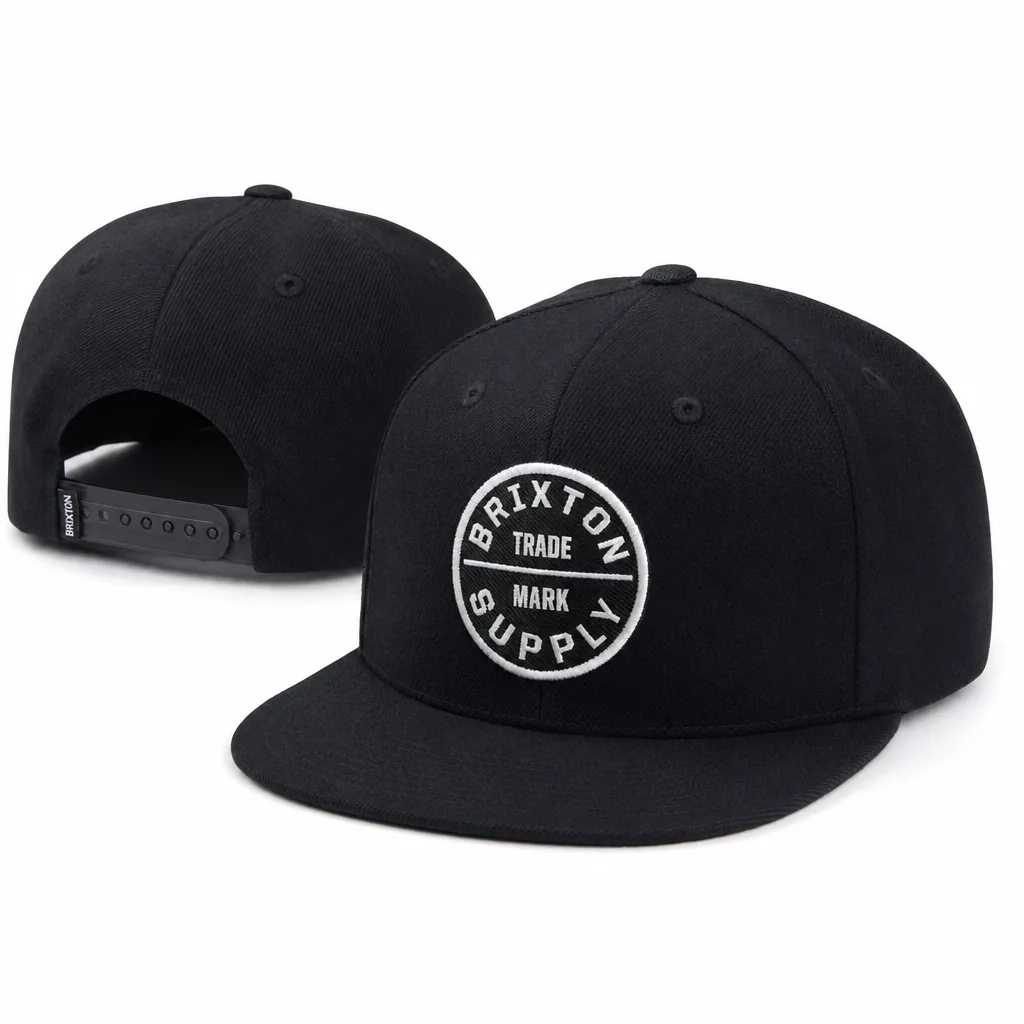
Baseball Hats Snapback: A Vertical-Specific Sourcing Guide
Read article →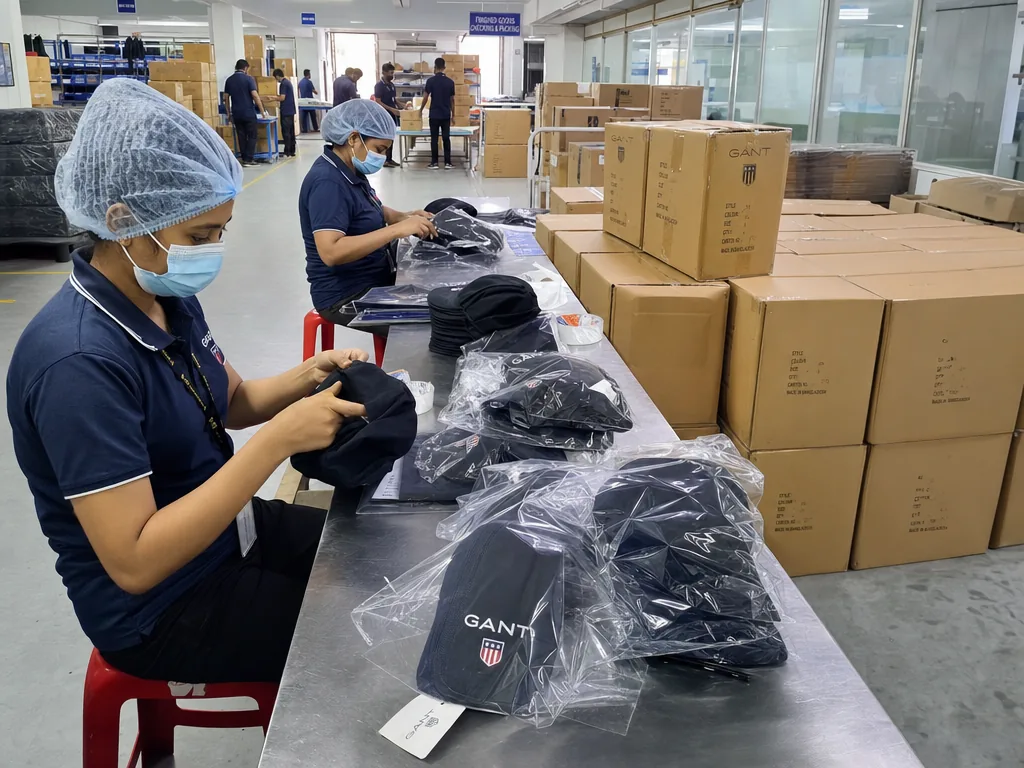
Cap Packaging Options: Retail-Ready, Hangtag, Polybag & Custom Boxes - Cost & MOQ Breakdown
Read article →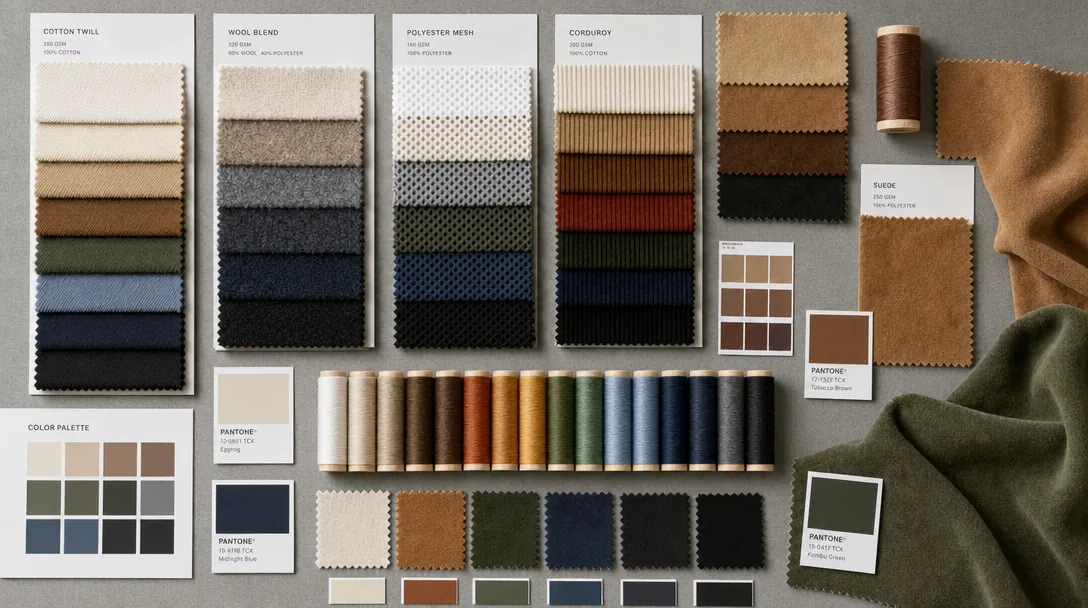
Camouflage Bucket Hat: Properties, Costs and How to Spec It Right - 2026 Buyer's Guide
Read article →If you are ready to take the next step on custom made trucker hat: the 2026 sourcing & manufacturing playbook (2026 update) (2026 update) - 2026 buyer's guide (2026 update) - supplier checklist, our team can put a tailored quotation and digital mock-up in your inbox within 24 hours. Send the inquiry form on our contact page or message us directly on WhatsApp.