
Camouflage Bucket Hat: Properties, Costs and How to Spec It Right - 2026 Buyer's Guide
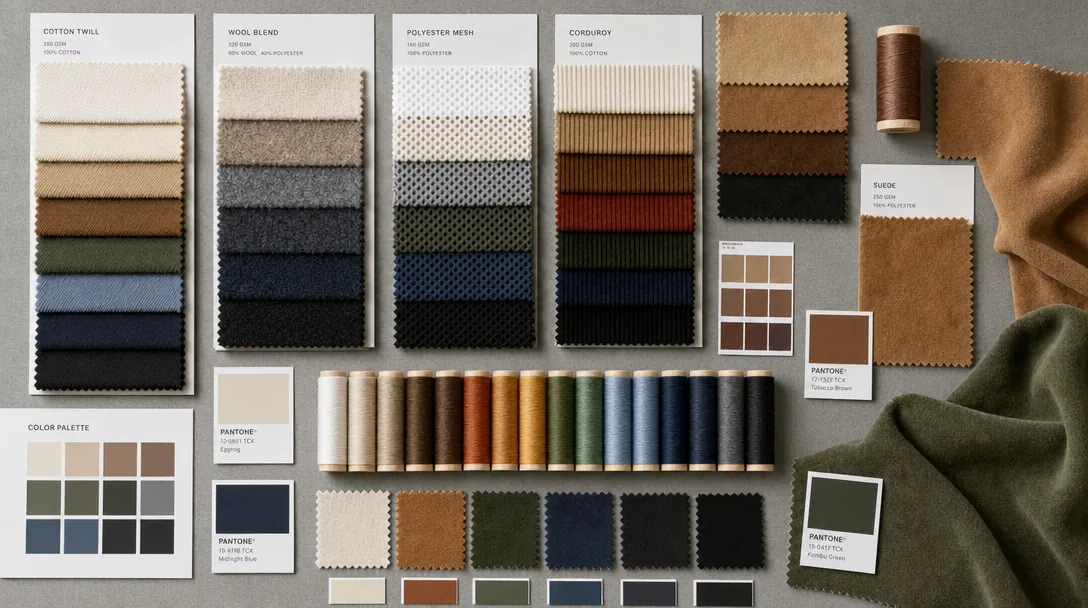
Camouflage Bucket Hat: Properties, Costs and How to Spec It Right - 2026 Buyer's Guide is one of the most-asked questions we receive from international buyers, and for good reason. With dozens of factories competing for your order and an alphabet soup of technical terms in every supplier quote, even experienced importers can feel lost. This guide consolidates what we have learned producing custom hats for clients in 40+ countries.
Bucket Hat Women
Women’s sell-through on a camouflage bucket hat is decided by proportion and drape long before trims or branding help. A common factory mistake is shrinking a men’s block by 1 cm and calling it women’s; that usually leaves the crown too tall and the brim too flat. Start with a women-specific pattern and lock the measurements that actually control silhouette: finished circumference 56–58 cm, crown height 7.8–8.3 cm, brim width 5.5–6.2 cm, brim stitch count 6–8 rows, and shell weight by gsm. In practice, 190–220 gsm cotton twill gives the cleanest retail shape, while 200–240 gsm brushed canvas reads more structured and premium. If you move to 150–170 gsm poly-cotton ripstop for better wash fastness, you need interlining discipline or the brim collapses after wear. The side-band-to-brim angle matters more on women’s fits than most buyers realize; even a 3–4 mm change in drop can shift the hat from neat streetwear to floppy festival stock.
Print scale has to be specified in millimeters, not approved “by eye,” because camo repeats that look balanced on a 6-panel cap often break badly on a narrow brim. I usually set motif size and allow no more than ±8 mm placement tolerance at the front seam; beyond that, one run looks intentional and the next looks random. If the style includes solid trims, binders, or sweatbands, color control should be tied to Pantone TCX with Delta-E under 1.5 against the approved lab dip, otherwise olive or sand components drift off the camouflage bucket hat ground. Most production failures come from brim construction: shell plus lining plus 40–70 gsm nonwoven fusible for a soft hand, or up to 80 gsm if the brief needs a crisper edge. Topstitch rows should sit at 5–6 mm spacing with 9–11 SPI on Juki lockstitch lines; waviness is usually shrinkage mismatch or poor feeding, not acceptable variation. FOB China, a standard women’s style in stock twill at 300–500 pcs per colorway usually runs $2.20–$3.60; reversible builds, washing, embroidery, or custom lining push it to $4.00–$6.50. QC should check seam print continuity, brim roundness, eyelet burrs, and crown centering to AQL 2.5, with tighter visual standards for premium retail.
Corduroy Hat Men's
Corduroy needs to be specified as a separate substrate, not treated like standard brushed twill, because the fabric behaves differently at every step from spreading to final pressing. A men’s bucket program usually works best in 8-wale to 14-wale cotton or CVC corduroy at 220-320 gsm; 11-wale to 14-wale reads cleaner for fashion retail, while 8-wale is more forgiving in bulk cutting and masks slight seam drift better. The critical control point is nap direction: every crown and brim component must run the same way, usually front to back, or you will see obvious shade variation even inside one dye lot. Compared with a standard camouflage bucket hat in twill or ripstop, corduroy creeps more under the presser foot, builds seam bulk faster, and shows needle damage sooner. On the floor, that means walking-foot sewing machines, 14# or 16# needles based on wale thickness, and light fusible support around 40-60 gsm on side panels or brim sections so the silhouette holds without turning stiff or boardy.
Most avoidable losses start with vague tech packs. For a corduroy version of a camouflage bucket hat, lock in fiber content, wale count, finished gsm, Pantone TCX reference, shade tolerance of Delta-E <=1.5 under D65 lighting, crown depth, brim width, sweatband spec, stitch density, and decoration method. If embroidery is part of the build, require a test on the actual wale direction and ask whether the factory is running Tajima, Barudan, or ZSK heads; low-density underlay and pull compensation matter because dense fills can tunnel into the ribs. Typical MOQ is 300-500 pieces per colorway in stock fabric, while custom-dyed corduroy usually follows mill minimums around 800-1,200 meters. In China, a basic corduroy bucket hat commonly lands around $3.60-$5.80 ex-factory at 500 pieces with woven label, taping, and clean inside finishing; better trims, lining, or more difficult decoration can push it higher.
Inspection should be aggressive at PPS and again at final under AQL 2.5 because corduroy defects are predictable and expensive once packed. The repeat failures are nap mismatch between adjacent panels, seam puckering on the side crown, crushed wale at tight curves, white stress marks from needle damage, and embroidery sinking unevenly where the ribs were not stabilized. Dark shades such as olive, navy, and black are the highest risk because corduroy reflects light inconsistently, so roll-to-roll shading and finished goods need to be checked in a calibrated light box, not under warehouse lighting. Compliance is part of the same conversation: for U.S. and EU programs, trims should meet CPSIA or REACH limits, and audit-sensitive buyers normally expect sedex-audit-cap-supplier-guide.html">BSCI 2.0 or Sedex SMETA 4-Pillar coverage. If the artwork has heavy satin fill or text under 4 mm, printed twill or ripstop often carries the graphic better than corduroy at similar FOB; saving $0.10 per unit is irrelevant if 6%-8% of the run fails on appearance.
Organic Cotton Newborn Hat
For an organic cotton newborn hat, the real risk is traceability and chemical compliance, not silhouette. “Organic” should be backed by a valid GOTS or OCS transaction certificate that links the yarn lot, knitting batch, dye lot, and cutting order; if the paperwork stops at a generic scope certificate, the claim is weak. For infant programs, I would also require OEKO-TEX Standard 100 Class I coverage for all skin-contact components: sewing thread, elastics, care labels, water-based prints, and even inner polybag ink if the buyer’s protocol includes packaging migration. The safest fabric build is usually 180–220 gsm combed ring-spun single jersey or 240–280 gsm 1x1 rib, ideally compact-spun to reduce hairiness and pilling. Shrinkage should be capped at 5% after 40°C home laundering, with spirality under 5° on jersey. Seam construction matters more than many buyers realize: 4-thread overlock with soft coverstitch is standard, but close-fitting crown seams near the fontanel area should be fully bound or turned to avoid a hard ridge. Unlike a camouflage bucket hat, where a fused brim can mask small sewing inconsistencies, infant hats get rejected for even minor seam hardness or needle damage.
Sizing control has to be tighter than adult headwear because a 1 cm miss is obvious on an infant and usually triggers fit complaints. Use finished post-wash measurements by age band, not vague labels: 34–36 cm circumference for newborn and 36–40 cm for 0–3 months is practical, with crown depth called out separately and tolerance held to ±0.5 cm. I would also lock in fabric weight at ±5%, pH at 4.0–7.5, saliva and perspiration colorfastness at grade 4 minimum, and ban metal trims, hook-and-loop, standard PU heat-transfer films, and any abrasive woven label in the contact zone. If a sewn label is unavoidable, specify ultra-soft satin with folded edges and approve it against the bulk handfeel standard. In 2026, a plain GOTS cotton jersey knot hat at 3,000 pcs typically lands around $0.85–$1.40 FOB China; rib versions with a fold cuff and paper-band packing are closer to $1.20–$1.95, depending on certification handling and test burden. On final inspection, I would check Delta-E under 1.5 between approved standard and bulk, cuff recovery above 90%, no seam grin, no needle oil, AQL 2.5, and 1.2 mm ferrous needle detection. A factory that can consistently hold that level of control on infant goods is usually better prepared to execute a camouflage bucket hat where brim symmetry, print registration, and panel matching are the real failure points.
Corduroy Hat Wholesale
Corduroy is less forgiving than buyers assume, and most failures start before sewing. If you’re adapting a camouflage bucket hat block into corduroy, lock down three fabric variables in the RFQ: wale count, finished weight, and one-way nap direction. For bucket styles, 8–14 wale at 220–320 gsm is the practical range; 8–10 wale gives a chunkier vintage hand, while 12–14 wale looks cleaner but exposes shading mismatch faster under store lighting. A mill can deliver one dye lot that still reads visibly different if the cutter flips panels against the pile, so the marker must be one-way for crown, sidewall, and brim. In production, that kind of nap error can create an apparent Delta-E above 2.0 even when the lab dip passed. Once corduroy goes above about 280 gsm, seam bulk becomes the next problem, especially at brim joins and side seams. We usually trim seam allowance to 4–5 mm and reduce buildup at overlap points; otherwise you get tunneling, irregular topstitch, and a brim that won’t sit flat after pressing.
A proper corduroy spec sheet needs more control points than plain twill or printed ripstop. Call out fiber content, wale count, gsm tolerance of plus or minus 5 percent, crown height, brim width, stitch rows, sweatband composition, SPI target, and logo application. Flat embroidery on corduroy needs adjusted underlay and lower stitch density on Tajima or Barudan heads or the thread disappears into the ribs; anything under 4 mm letter height is usually better as a woven patch or high-definition label. For testing, I’d require Pantone TCX references for shell and lining, dry and wet crocking at grade 3–4 minimum, and wash shrinkage under 3 percent. Final inspection should run at AQL 2.5 with checkpoints for pile direction, rib crush, seam grin, brim symmetry, and topstitch waviness. Cost is driven more by fabric booking than assembly time: stock corduroy usually supports 300–500 pieces per color, while custom dye lots often need 800–1,500 meters, pushing workable MOQ to 800–1,200 hats. In 2026, a basic unstructured corduroy bucket hat is typically US$2.20–3.40 FOB China at 500 pieces, rising to US$3.80–5.20 with lining, embroidery, interior taping, and branded trims.
For buyers comparing corduroy to a standard camouflage bucket hat in printed twill or ripstop, treat them as different technical programs, not just different fabrics on the same pattern. Corduroy generates more appearance rejects from nap mismatch, pressure marks, and seam bulk; printed camo has fewer pile issues but introduces risk around repeat registration, motif placement, and shade consistency between brim and crown. On a printed camouflage bucket hat, I’d insist on strike-offs, panel placement diagrams, and an approved motif-shift tolerance of 5–8 mm for non-engineered prints. That matters because a camo repeat can look balanced on the crown and still break badly at the brim seam if the marker is laid for yield instead of visual continuity. Our standard practice is to separate the QC checklist, lead-time assumptions, and cutting plan for corduroy versus camo. Trying to force the same marker efficiency or inspection criteria onto both is where avoidable claims start, especially on reorder programs where the first bulk lot looked acceptable but the second lot drifts in nap, print placement, or overall retail presentation.
Wholesale Hat Manufacturers Usa
Most companies surfaced by a search for wholesale hat manufacturers usa are not weaving, printing, cutting, and sewing a camouflage bucket hat domestically from raw fabric. They are usually U.S. distributors, decorators, or cut-and-sew shops buying imported blanks or importing sewn shells and adding embroidery, patches, or labels stateside. That distinction matters because the failure points on camo hats happen upstream: fabric weight drift, weak print fastness, brim stiffness variance, and shade inconsistency between lots. A typical bucket build uses 8 to 10 components, but the two specs that drive hand feel fastest are shell construction and brim reinforcement. In practice, 180 to 240 gsm cotton twill is the commercial baseline, 200 to 220 gsm cotton/poly ripstop gives better tear resistance, and 230 to 280 gsm washed canvas holds a fuller brim shape. If you need a custom camouflage bucket hat rather than stock woodland or desert patterns, lock the print method before sampling. Reactive printing on cotton usually holds colorfastness around grade 4; cheaper pigment systems can fall to grade 3 and start chalking or flattening after 5 to 10 home washes. Tie approval to Pantone TCX references or an approved strike-off, and for replenishment programs hold key ground shades to Delta-E under 1.5.
A usable RFQ for a camouflage bucket hat needs engineering data, not a mood board. Specify crown height, sidewall height, brim width, brim angle, finished circumference by size break, seam tolerance, stitch count, and the exact brim construction: fused interlining, needle-punched nonwoven, or multi-layer self-fabric. I also recommend calling out SPI explicitly—typically 6 to 8 SPI on major assembly seams and 7 to 9 rows on the brim—because brim row count changes both appearance and rigidity. For camouflage placement, include a front-view balance requirement if your logo sits on the sidewall; otherwise marker utilization will shift dark and light zones from hat to hat, especially on smaller 5.5 cm to 6 cm brims. If you add decoration, say whether it is direct embroidery, merrow patch, woven patch, or heat-transfer badge. Tajima and Barudan heads can sew bucket sidewalls cleanly, but soft 210 gsm twill will pucker if stitch density is pushed too high or the backing is underspecified. Cost is where U.S. sourcing often gets misunderstood. For imported production, realistic MOQs are 300 to 500 pieces per colorway for stock camouflage fabric and around 1,000 pieces for custom-printed camo with branded inside tape and labels. A basic hat usually prices around $2.10 to $3.40 FOB China at 500 pieces; washed canvas, metal eyelets, woven tape, and embroidery typically push it to $3.80 to $5.20. Domestic U.S. cut-and-sew is commonly 2x to 3x that level before freight, but the tradeoff is shorter replenishment timing and easier sample revisions. At CrownsForge, our standard practice is to separate sampling, print strike-off approval, and bulk shade tolerance into different gates, because trying to compress all three is how buyers end up with a camouflage bucket hat that technically matches the PO but looks wrong at retail.
Black Beanie Hat
A black beanie only looks simple on paper; in production, the risk points are completely different from a camouflage bucket hat. Most factory routes are either tubular or fully fashioned knit on Stoll or Shima Seiki machines, commonly in 7-gauge or 9-gauge 100% acrylic, or cut-and-sew jersey using 180-240 gsm cotton-spandex single jersey or interlock. For entry-price promotional programs, acrylic still sets the cost floor because it holds deep black more consistently and usually lands around $1.10-$1.90 FOB China at 500-1,000 pcs with a fold label or simple 5,000-8,000 stitch embroidery. Step up to recycled polyester-acrylic, merino blends, or brushed cotton interlock and the realistic FOB range moves to $2.20-$4.80, driven by yarn count, cuff height, grams per piece, and trim complexity. Put plainly, a camouflage bucket hat is a shell-and-structure product where brim stiffness, seam symmetry, and print placement decide quality; a beanie lives or dies on stitch density, recovery, yarn evenness, and wash stability.
The spec sheet has to lock the variables that actually change fit and return rate: fiber composition by percentage, machine gauge, finished weight per piece, relaxed width and height, cuff depth, crown closure method, and target fit range, with 56-60 cm head circumference being standard for adult retail. If the beanie sits in the same collection as a camouflage bucket hat, color control matters more than most buyers assume; black should be approved against Pantone TCX with bulk tolerance held to Delta-E below 1.5, or the shade will drift blue, olive, or brown under retail LED lighting. Branding needs the same level of precision: direct embroidery on Tajima or Barudan heads can tunnel or pucker on lighter rib structures unless underlay, density, and backing are tuned correctly, while woven patches, PVC badges, and fold labels each change stretch, recovery, and hand feel in different ways. MOQ is typically 300 pcs per color on stock yarns, but custom-dyed yarns, special ribs, or branded trims can push the workable minimum to 500-1,000 pcs.
Inspection should target the defects that trigger real chargebacks, not cosmetic nitpicking: needle lines, dropped stitches, rib tension imbalance, crown seam grin, cuff torque, embroidery distortion, and size drift after wash. AQL 2.5 is still the normal release level for finished headwear, but black programs deserve an extra carton-level shade-band check because mixed dye lots are harder to spot on black than on heather or lighter shades. For brushed interiors, check lint shedding and odor retention after 24-48 hours in polybag; for cut-and-sew cotton styles, measure spirality after wash and require pilling performance of at least grade 3.5. Lead time is usually 25-35 days from PP approval for a basic knit beanie, compared with roughly 35-45 days for a printed or embroidered camouflage bucket hat. That production gap matters if one factory is expected to handle fast-turn replenishment beanies and more technical cut-and-sew headwear on the same calendar.
Working with CrownsForge for camouflage bucket hat programs
Most camouflage bucket hat programs go off track before cutting starts, not at the sewing line. The real failure points are print repeat accuracy, wash-induced shade shift, and calendars built around fantasy sample lead times. If you are working from stock 7x7 cotton twill or 210-240 gsm brushed cotton, a first prototype in 5-7 working days is realistic. Once the program moves to custom reactive print, pigment print, enzyme wash, or Pantone TCX color matching, 10-14 working days is the honest window because you need strike-offs, shade approval, and fabric hand-feel confirmation before bulk booking. Skip that stage and you end up debating whether the olive base is acceptable after 1,000 hats are already sewn. MOQ is usually manageable at 300 pcs per colorway if shell fabric, brim spec, and trims stay fixed, often split across 2-3 sizes. Pricing becomes more stable at 500-1,000 pcs, where a standard camouflage bucket hat commonly lands at FOB Yiwu $2.10-$3.80 depending on fabric yield, eyelet type, sweatband quality, seam taping, and decoration count. Decoration is where weak suppliers start improvising. A soft-brim camouflage bucket hat exposes bad embroidery tension, unstable patch backing, and panel distortion immediately because the silhouette has no structure to hide mistakes. CrownsForge keeps flat embroidery, woven patch application, cut-panel screen print, heat-transfer labels, and metal eyelet setting on the same floor, typically on Tajima and Barudan multi-head machines, because cross-shop decoration introduces too much variance. For small badge logos, satin border deviation should stay under 0.5 mm or the finish looks visibly cheap at retail distance. There are also limitations buyers should lock down early: 3D puff rarely performs well on bucket crowns because the foam collapses into the profile; enzyme-washed camo can drift Delta-E 1.5-2.0 from the approved strike-off; and low-grade fusible backing will print through 180-220 gsm shells after pressing. Fixing those issues at sample stage costs a few days. Fixing them after 1,000 finished hats costs real money. Scale comes from control points, not verbal assurances. A disciplined camouflage bucket hat workflow runs from tech pack review to print strike-off or lab dip, then proto, PPS, inline inspection, and final inspection at AQL 2.5 unless the buyer sets a tighter defect matrix. Inline inspection matters more on camo than on solid-color hats because two failures can happen at once: print placement can drift off spec while brim topstitch density changes between lines or shifts. Good factories lock brim width within ±3 mm, crown height within ±3 mm, and embroidery placement within ±2 mm from the sealed sample; if the artwork is directional, panel nesting should be approved before bulk cutting or case-pack consistency falls apart. Compliance also needs to be settled before fabric is booked. For retail, kids', or gift programs, buyers commonly ask for BSCI 2.0 or Sedex SMETA 4-Pillar records, plus CPSIA or REACH screening on trims and fabric for azo dyes, phthalates in PVC patches, nickel release on eyelets, and formaldehyde on finished cotton. One merchandiser should control the BOM, approved artwork, carton marks, and ex-factory booking; otherwise the expensive errors are predictable: mixed shade lots, wrong sweatband spec, and cartons labeled against the wrong PO.
Frequently Asked Questions
Can I order a sample before bulk production?
Yes. We strongly recommend approving a pre-production sample before mass production. Samples are charged at 35 to 60 USD each plus express shipping, fully refundable against confirmed bulk orders over 500 pieces.
Do you support sustainability certifications?
Yes. We work with GOTS organic cotton, GRS-certified recycled polyester, OEKO-TEX Standard 100 fabrics, and are BSCI and Sedex audited. Certification documentation can be provided per order.
How long does production take?
Sampling takes 7 to 12 days. Bulk production runs 20 to 30 days depending on quantity, fabric availability and decoration complexity. Inspection and packing adds another 3 to 5 days before shipment.
What file format should I send for my logo?
Vector files (AI, EPS, PDF) are ideal. High-resolution PNG or JPG at 300 dpi on transparent background works as a fallback. Provide Pantone color references for accurate reproduction.
Which shipping methods do you support?
We support FOB, CIF and DDP shipping. Air express for samples and small orders, sea LCL for 100 to 500 pieces, sea FCL for 5,000+ pieces. Door-to-door DDP available for US, EU, UK, Canada and Australia.
What should buyers know about organic cotton bucket hat?
When evaluating organic cotton bucket hat, the key considerations are construction quality, decoration capability, MOQ flexibility and lead time. Cover everything buyers ask about organic cotton newborn hat: how it's manufactured, what specs to request from a factory, typical MOQ and pricing, common quality issues to inspect for, and how this ties back to the broader camouflage bucket hat sourcing decision. Cover everything buyers ask about bucket hat women: how it's manufactured, what specs to request from a…
What should buyers know about men's corduroy bucket hat?
When evaluating men's corduroy bucket hat, the key considerations are construction quality, decoration capability, MOQ flexibility and lead time. Cover everything buyers ask about corduroy hat men's: how it's manufactured, what specs to request from a factory, typical MOQ and pricing, common quality issues to inspect for, and how this ties back to the broader camouflage bucket hat sourcing decision. Cover everything buyers ask about corduroy hat wholesale: how it's manufactured, what specs to request from a factory,…
What should buyers know about nike bucket hats for men?
When evaluating nike bucket hats for men, the key considerations are construction quality, decoration capability, MOQ flexibility and lead time. Cover everything buyers ask about corduroy hat men's: how it's manufactured, what specs to request from a factory, typical MOQ and pricing, common quality issues to inspect for, and how this ties back to the broader camouflage bucket hat sourcing decision. Cover everything buyers ask about bucket hat women: how it's manufactured, what specs to request from a factory,…
What should buyers know about cotton beanie men?
When evaluating cotton beanie men, the key considerations are construction quality, decoration capability, MOQ flexibility and lead time. Cover everything buyers ask about corduroy hat men's: how it's manufactured, what specs to request from a factory, typical MOQ and pricing, common quality issues to inspect for, and how this ties back to the broader camouflage bucket hat sourcing decision. Cover everything buyers ask about organic cotton newborn hat: how it's manufactured, what specs to request from a…
Ready to start your custom hat project?
Send us your tech-pack, sketch or even just an inspiration photo. We will respond with a detailed quotation and digital mock-up within 24 hours.
Request a free quoteRelated guides
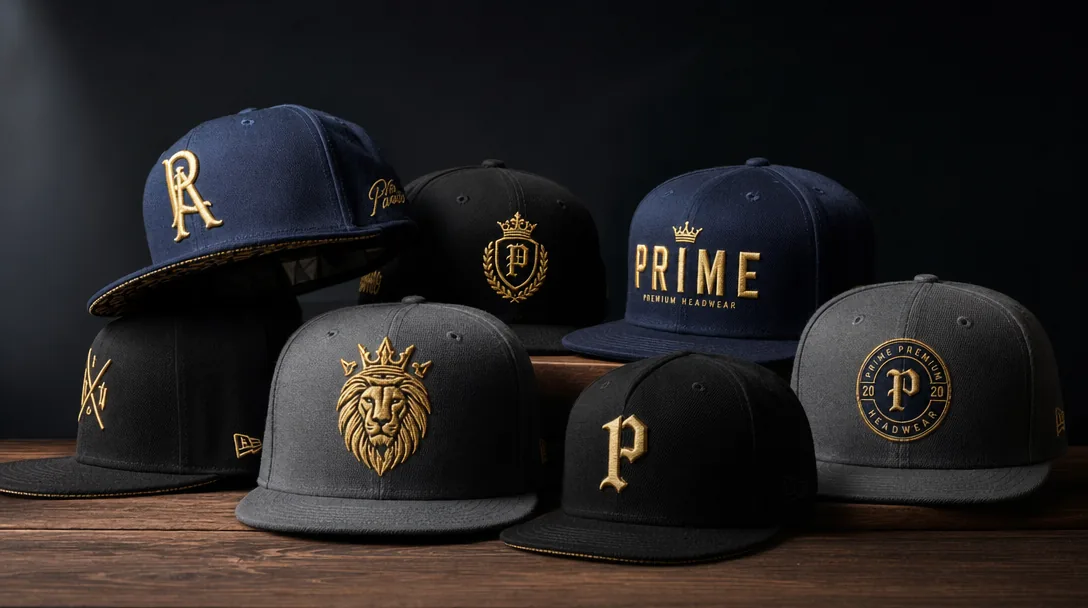
Reflective Trim Running Cap Bulk: A 2026 B2B Sourcing Guide
Read article →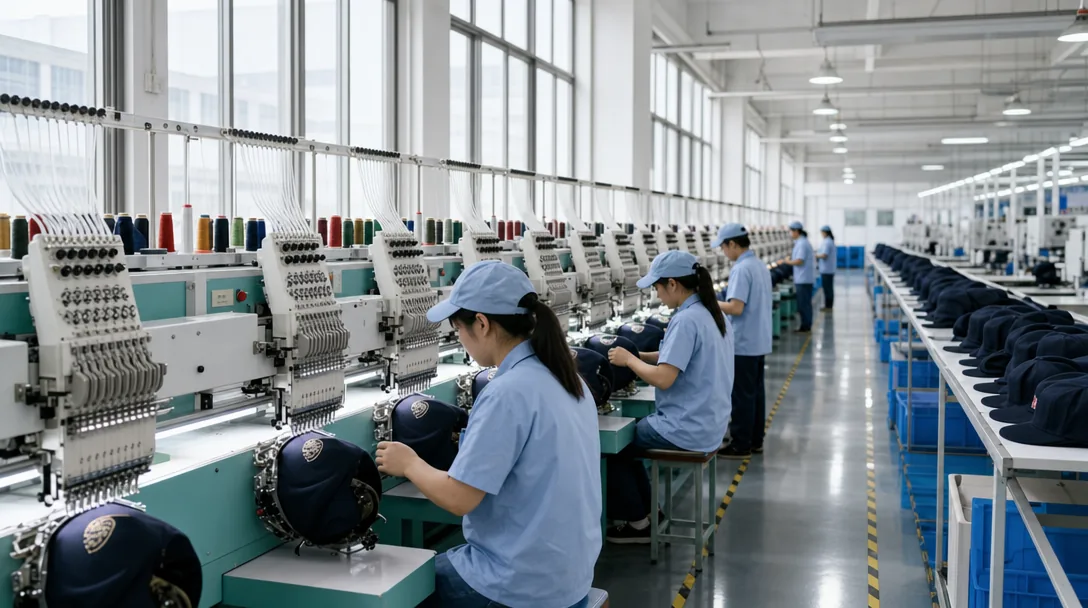
Bulk Trucker Hats Reorder Planning Guide for Custom Hat Buyers
Read article →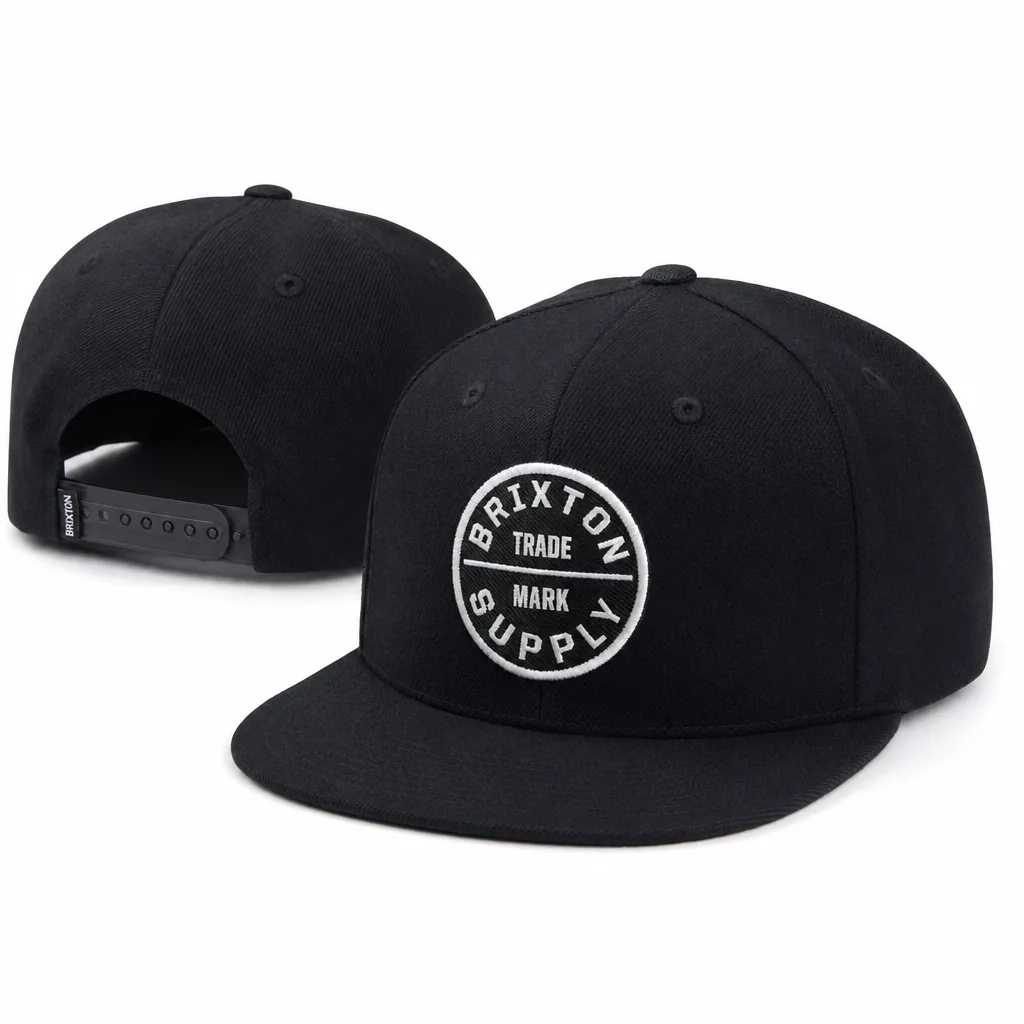
Baseball Hats For Men Export Shipping Checklist for Custom Hat Buyers
Read article →We hope this guide demystifies camouflage bucket hat: properties, costs and how to spec it right - 2026 buyer's guide and helps you move forward with confidence. If you have questions specific to your project, our English-speaking sales engineers are one message away.