
Custom Made Trucker Hat: The 2026 Sourcing & Manufacturing Playbook (2026 Update) (2026 Update) - 2026 Buyer's Guide (2026 Update) (2026 Update)
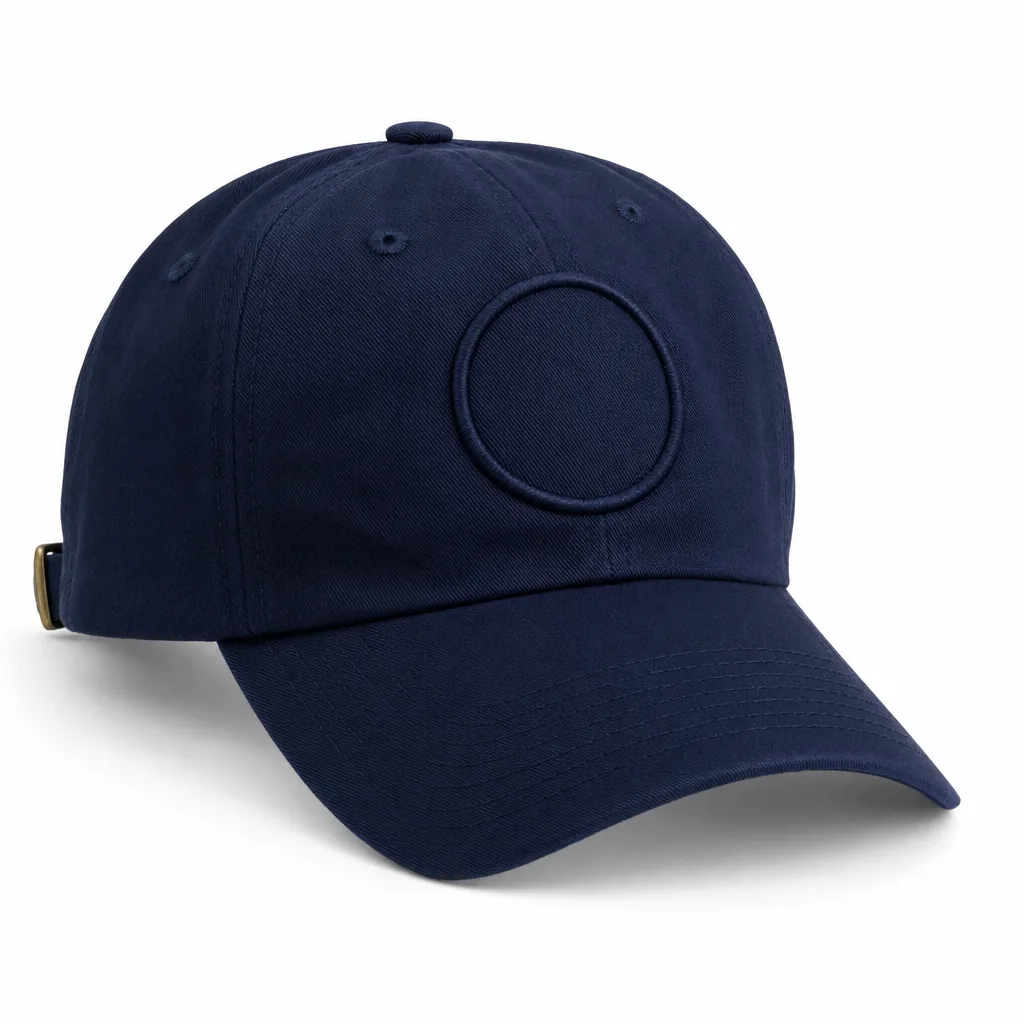
Every week, our sales team answers detailed questions about custom made trucker hat: the 2026 sourcing & manufacturing playbook (2026 update) (2026 update) - 2026 buyer's guide (2026 update) (2026 update). We wrote this guide so that wholesalers, streetwear brands, corporate buyers and promotional resellers can compare options with full information, and avoid the traps that show up only after production has started.
Custom Embroidered Hats
Embroidery is where a custom made trucker hat usually goes wrong first, because the materials under the needle behave nothing alike. Foam front panels, buckram-backed cotton twill, and 100% polyester mesh all react differently to frame tension, so logo size and stitch density have to be planned before the cap is even sewn. On a 5-panel trucker, any front logo wider than about 95 mm, any heavy tatami fill, or any 3D puff design should be embroidered on the flat front panel before crown assembly; otherwise the center seam will pull, registration will drift, and the crown can torque visibly after shaping. Side hits and back arch embroidery can be added post-assembly, but real-world placement tolerance is usually +/-2 mm, not the +/-1 mm some sales sheets promise. A usable PO should specify the digitized file format such as DST or EMB, target stitch count range, thread brand and weight like Madeira Classic 40 wt or Isacord 40, backing weight in gsm, maximum logo dimensions in millimeters, and thread color by Pantone TCX cross-referenced to the nearest stock thread code.
Repeatable results come from locking embroidery specs to cap construction instead of treating decoration as a separate line item. Buyers should define front panel material and thickness, crown height, visor board type, mesh denier, closure style, sweatband composition, needle size, satin minimums for small text, and 3D puff foam height. In practice, 2-3 mm EVA foam is standard for puff embroidery, but wide satin columns over roughly 5 mm can crush low-density foam and leave a flat, cheap-looking logo. FOB China pricing for a basic embroidered 5-panel trucker usually lands around US$2.20-US$4.80 at 144-300 pcs per colorway; stock-body programs with logo-only decoration may open at 50-100 pcs, while side hits, metallic thread, or puff typically add US$0.25-US$0.60 per cap. The failure modes are easy to spot if the factory knows what to inspect: puckering from over-tension, collapsed foam, uneven satin width, loose underbill trims, needle cuts on laminated fronts, and thread shade drift beyond an agreed Delta-E under D65 lighting. Bulk approval should always be against a signed sew-out and production sample, then checked at AQL 2.5 for placement, stitch coverage, visor curve, closure function, and carton assortment; a clean pre-production sample means little if the factory cannot hold crown shape and embroidery consistency through the full run.
Custom Hat Embroidery
Embroidery quality is decided at digitizing, not at the sewing line. On a custom made trucker hat, a 5-panel foam front, brushed cotton twill front, and poly-mesh trucker crown all react differently to needle penetration, thread tension, and pull compensation, so one DST file should never be copied across constructions without adjustment. A competent digitizer will specify underlay type, stitch sequence, density, compensation, thread brand, and max logo height before sampling; on trucker fronts, 55-60 mm is the practical ceiling for most center-front embroidery before the crown curve and center seam start distorting satin columns. Sampling should be run on cap frames, not flat frames, using Tajima, Barudan, or ZSK heads with 120D/2 polyester or rayon thread and the correct needle size, typically 75/11 for standard work and 80/12 for denser fills. Thread shade matching should reference Pantone TCX or TPX, but buyers should expect textile-trim tolerance, not coated-paper accuracy; in production, a visual match within about Delta-E 2.0-3.0 is usually realistic. The most useful embroidery brief is painfully specific. For each logo, send size in millimeters, position from visor seam and center line, approved thread colors, fabric spec, and stitch effects such as flat satin, tatami fill, 3D puff, or chain stitch. On a custom made trucker hat using 3D puff, confirm EVA foam thickness at 2-3 mm and minimum stroke width at roughly 1.5 mm; thin serif fonts, tight counters, and small negative spaces collapse fast and look amateur on bulk goods. Pricing also needs to be grounded in stitch count and machine time, not vague "logo charges": in Yiwu, a basic 5,000-8,000 stitch front logo on a stocked mesh cap usually adds about $0.35-$0.80 per piece at volume, while dense front embroidery plus side hit, back arch, or puff work can land at $1.20-$2.50. For fully custom programs, MOQ is commonly 144-300 pieces per colorway, while stocked-body decoration programs may start at 48-100 pieces. Most embroidery defects are easy to spot if the factory has a real checkpoint system. The repeat failures are flagging around satin columns, puckering on the front panel, loose trims inside, crooked placement, thread breaks disguised by re-runs, and poor registration where outlines drift off the fill. On foam-front truckers, also check for needle cuts in the foam, seam tunneling across the center front, and crown distortion caused by excessive density. AQL 2.5 final inspection is a reasonable baseline, but embroidery needs tighter process control earlier: first-piece approval, inline placement checks within plus or minus 2 mm, shade review under a D65 light box, and rub or wash testing if the custom made trucker hat is for workwear, team sales, or licensed merchandise. This is where cheap quotes usually turn expensive—bad outsourced digitizing, a front panel that is too soft for the artwork, or no pre-production approval discipline will increase rejects, extend lead time, and drive rework costs far beyond the original decoration charge.
Custom Trucker Hat
A custom made trucker hat looks simple on a tech pack and gets exposed fast in production. The construction is usually 5-panel or 6-panel: foam-laminated front, 120D-150D polyester mesh back, PE visor insert, PVC snapback, and a 180-220 gsm sweatband in cotton twill or poly-cotton. The real risk is fit geometry, not decoration. If crown height is off by even 5-7 mm, or the front panel angle and visor curve are mismatched, the cap sits too high and reads like costume product instead of retail headwear. A usable spec sheet should lock panel count, crown depth, bill length, bill width, visor stitch rows, snap hole spacing, back opening width, and finished circumference tolerance at ±0.5 cm. Buyers who leave these open usually get three different fits from the same PO. Decoration choice needs to match the front build. On foam fronts, flat embroidery under roughly 8,000 stitches is still the safest option on Tajima or Barudan heads because it controls distortion and keeps the panel from tunneling. 3D puff works, but only when underlay, foam thickness, and satin density are balanced; otherwise the lettering rebounds unevenly after packing. Woven patches, sublimated fronts, and silicone heat transfers all have their place, but each adds a failure mode—edge lift, heat-marking, color drift, or patch skew. For most commercial programs, the cleanest custom made trucker hat is still a standard mesh body with disciplined embroidery density, consistent crown blocking, and a front decoration area clearly called out in millimeters on the approved spec.
The commercial spread is wider than new buyers expect. For a basic custom made trucker hat with stock mesh, standard snap, and direct embroidery, practical MOQ is usually 144-300 pcs per colorway. Once you ask for custom-dyed twill, printed seam tape, molded PVC or rubber patches, camo yardage, or branded inner labels and stickers, the real floor often moves to 500-1,000 pcs because fabric mills, trim suppliers, and patch vendors all impose their own minimums. In Yiwu and Dongguan, a clean embroidered cap at 300-500 pcs typically lands around $2.20-$3.80 EXW; patch-heavy or specialty-fabric versions are more often $4.20-$6.50 before freight and duty. Quotes far below that usually mean something got downgraded: fewer visor stitch rows, lighter mesh, weak snap resin, or low-density embroidery that sinks into the foam face. Inspection is where margin gets protected. The repeat failures on trucker runs are crooked embroidery, puckered foam, visor asymmetry, mesh tearing at the rear seam, cracked snap teeth, and shade mismatch between mesh, crown fabric, and thread. AQL 2.5 at final inspection is sensible, but it is not enough by itself; the stronger plan is in-line control for embroidery registration, crown shaping after steaming, patch adhesion, and packing compression so the front panel does not collapse in carton. Ask for Pantone TCX references for fabric and thread, hold commercial color tolerance to an agreed Delta-E standard under D65 lighting, and verify needle-control logs, carton drop testing, and factory audit records such as sedex-audit-cap-supplier-guide.html">BSCI 2.0 or Sedex SMETA 4-Pillar when compliance matters. The supplier worth keeping is the one that can repeat the same silhouette, hand feel, and logo execution on the reorder, not just win the first quote.
Custom Trucker Hats
The quality of a custom made trucker hat is set by the bill of materials, not the artwork file. The commercial starting point is still a 5-panel high-profile shell with 210D-240D polyester mesh, a 2.5-3.0 mm foam-laminated front, PE visor board, and PP snapback; it is cheap, light, and easy to run. The tradeoff is shape memory and compression resistance. If the hats will sit in stacked export cartons or on retail shelves for months, low-density foam fronts are where failures start. I usually steer buyers toward 108x58 cotton twill at 260-280 gsm, 10 oz brushed canvas, or poly-cotton twill laminated over structured buckram, because those bodies recover better after ocean transit and hold a cleaner crown line. Six-panel truckers can fit closer to a baseball cap, but they are a poor choice for oversized center-front graphics because the seam will break the logo unless the art is planned around it. Decoration has to match the substrate and the crown geometry. Flat embroidery on Tajima, Barudan, or ZSK machines is still the safest option for most trucker programs, especially on structured twill fronts. 3D puff only stays crisp when stroke width is generous, underlay is controlled, and enclosed counters are large enough to avoid collapse after steaming and packing. For patch programs, woven and merrowed patches are more forgiving on foam fronts than fine satin embroidery. Color control also needs to be written into the spec: lock Pantone TCX for fabric, patch ground, and thread, and hold dyed parts to Delta-E 1.5-2.0 under D65 light rather than approving from phone photos. A trucker that is technically sewn well can still look wrong at retail if the white mesh, navy twill, and thread cone each drift in a different direction.
Most failures in a custom made trucker hat come from incomplete specifications, not bad operators. A usable tech pack should define crown height, panel count, mesh denier, front structure, visor stitch rows, sweatband material, seam tape color, top button finish, snapback model, embroidery stitch count, patch construction, inside label, barcode sticker position, and carton packout. Buckram versus soft front is not a styling footnote; it changes fit, embroidery stability, nesting efficiency, and how many pieces fit per master carton. In China, standard stock-material programs can often start at 144-300 pieces per colorway, but custom-dyed mesh, proprietary camouflage prints, or molded silicone patches usually need 500-1,000 pieces to control waste and color minimums. As a realistic 2026 benchmark, basic foam-front truckers are commonly $2.20-$3.10 FOB China at 300 pieces, while twill-front builds with woven patches, custom taping, and branded trims typically run $3.40-$5.80 FOB depending on stitch count, handwork, and packing method. Inspection is where a nice mockup meets factory reality. The defects that keep repeating on trucker lines are off-center embroidery, uneven crown pitch, wavy sweatbands, mesh tearing at rear seam joins, inconsistent visor curve, loose top buttons, and snap pegs cracking after carton compression. I would run final inspection at AQL 2.5, with logo placement tolerance within +/-2 mm, left-right panel symmetry checks, smooth edge binding on foam fronts, consistent visor arc, and lot-to-lot color stability as priority points. Photo approval is not enough for this category because a hat can look acceptable straight-on and still fit badly due to back-arch tension or poor crown angle. The safer sequence is pre-production sample approval, inline inspection after the first 30-50 pieces, then final random inspection before balance payment. Any supplier quoting this category should also be able to show current BSCI 2.0 or Sedex SMETA 4-Pillar audit records and keep critical packing steps in-house rather than handing them to a third-party warehouse.
Hat Trucker Custom
The front panel makes or breaks a custom made trucker hat, and most failures start with vague specs. A cap that looks crisp in a studio photo can arrive soft, twisted, or front-heavy if the buyer never locked the construction. A reliable baseline is a 5-panel high-profile body or 6-panel mid-profile body with 3 to 5 mm laminated polyester foam, 75D to 100D poly mesh, a 1.8 to 2.2 mm PE visor board, poly-cotton sweatband, and PP snap closure matched to shell color. On the line, the real risk points are foam lamination delamination, uneven crown height, patch drift, and left-right visor asymmetry; once those are sewn in, steaming cannot recover the shape. Buyers should specify crown height in millimeters, visor length and radius, mesh aperture, top button and eyelet color, seam count, SPI, and exact logo position from center front and visor edge. Color and decoration standards need the same discipline as the pattern. Use Pantone TCX for body fabric, Pantone TPX or physical thread cards for embroidery, and call out thread brand if shade consistency matters; Madeira Classic 40 and Gunold Poly 40 are common references. Tolerances should be written into the tech pack, not argued after bulk lands: visor length ±3 mm, front logo offset ±2 mm, crown height ±3 mm, and panel-to-panel shade within an agreed Delta-E, typically under 1.5 to 2.0 for matched components. If the logo is embroidered on foam, digitizing must be built specifically for 3D foam on Tajima, Barudan, or ZSK heads. Reusing a flat-cap file is the fastest way to get crushed letters, exposed underlay, and edges that fray after one carton trip.
The cap body is usually the cheap part; decoration, trim upgrades, and packaging are what move cost. In Zhejiang, a stock-material custom made trucker hat with one-location flat embroidery typically lands around $2.10 to $3.40 FOB at 300 to 500 pieces. Add 3D puff embroidery, sublimated underbill print, woven interior taping, rubber or PVC patch, metal eyelets, custom seam tape, hangtags, and individual polybags, and the workable FOB range is closer to $3.80 to $6.20. MOQ also changes with the spec. Stock foam and stock mesh can run at 144 to 300 pieces per colorway, but custom-dyed foam, proprietary mesh pattern, branded snapbacks, or molded patches usually push upstream minimums to 500 to 1,000 pieces because the trim vendors, not the sewing factory, set the floor. Inspection is where weak trucker programs get exposed. The recurring defects are off-center logos, embroidery puckering on foam fronts, mesh cracking at side seams, visor bow mismatch, dirty topstitching, and brittle snap closures molded from low-grade PP resin. AQL 2.5 final inspection should include full measurement points, logo placement, seam security, visor symmetry, closure open-close cycle checks, carton drop testing, and shade control against the approved sample. If the factory is claiming social compliance, ask for current BSCI 2.0 or Sedex SMETA 4-Pillar reports, not expired summaries. Our standard practice is to pull bulk against a sealed golden sample and recorded tolerances, because “close enough” is exactly how a clean pre-production sample turns into a delivered lot with three different crown shapes.
Trucker Custom Hat
A custom made trucker hat is usually won or lost in the shell specification, not the logo artwork. The market default in China is still a 5-panel build with a 3-5 mm polyester foam front, 100% polyester mesh back, pre-curved PE brim insert, poly/cotton sweatband, and 7-hole PVC snap, but that baseline is too vague for repeatable bulk production. Lock the crown height at 11-12 cm, visor length at 7.0-7.5 cm, mesh denier, sweatband weight in gsm, seam tape color, top button finish, and snap color before sampling starts. For color control, call out Pantone Solid Coated for plastic parts and Pantone TCX for textiles; if retail presentation matters, set Delta-E targets below 1.5 on the foam front and below 2.0 on the mesh, because open-hole mesh and separate dye lots rarely match as tightly as buyers expect under 4000K store lighting. The production sequence looks simple—panel cutting, foam lamination, decoration, crown closing, visor sewing, button setting, steaming, shaping, needle detection, and packing—but trucker caps fail in very specific ways. Foam fronts do not digitize like brushed cotton twill. On Tajima or Barudan heads, dense fills and aggressive underlay will telegraph through the foam, causing puckering, grin-through, and a collapsed face panel after steaming. For logos above roughly 90 mm wide, a woven patch or merrowed patch usually gives cleaner edge definition than direct embroidery, especially on softer foam. In bulk, the defects worth rejecting are warped visors, off-center crown seams, exposed foam at the front edge, weak snap engagement, and mesh tearing at the back seam. I would hold visor symmetry within 3 mm side to side and inspect crown shape from both top and side view, because those two checkpoints catch most fit complaints before shipment.
Pricing moves fast once a custom made trucker hat stops being a stock program. At 600-1,000 pieces, a standard China ex-factory price is typically $2.10-$3.60 per cap for a polyester foam front, regular mesh back, 5,000-8,000 stitches of embroidery, and individual polybagging. Add dyed-to-match mesh, sublimated seam tape, sandwich brim, custom-molded snap, woven patch, or branded internal labels, and the same hat usually lands at $3.80-$5.80 ex-factory. MOQ is commonly 144-300 pieces per colorway when using stock materials, but custom mesh shades, printed camo, or proprietary trims often push upstream minimums to 500-1,000 pieces because the real constraint sits with fabric mills and trim suppliers, not the sewing line. A workable tech pack needs more than front and back sketches. Specify panel layout, crown depth, bill curve, brim board material, sweatband composition and gsm, stitch count, artwork size, stitch-per-inch target, carton pack-out, and inspection standard such as AQL 2.5. For larger programs, also require needle-control records, azo-free dye compliance, and current BSCI 2.0 or Sedex SMETA 4-Pillar audit coverage. Odor should be treated as a real QC checkpoint, not a cosmetic complaint: low-grade EVA, heavy solvent inks, or poor carton ventilation can leave a noticeable smell at unboxing and trigger returns in e-commerce channels. The cheapest first quote is usually the wrong decision if the supplier cannot hold color, visor shape, and logo execution across reorders; margin is protected by repeatability, not by saving $0.18 on the opening PO.
Working with CrownsForge for custom made trucker hat programs
The biggest failure point in a custom made trucker hat program is vague construction, not whether you shaved $0.20 off FOB. If crown height, front-foam thickness, visor camber, seam tape width, and stitch density are not locked before bulk booking, the sample room and sewing line will build two different caps. A realistic sample lead time is 7 to 10 calendar days when the factory works from a clear tech pack; if they are reverse-engineering a reference hat, rebuilding a 5-panel pattern, and tuning visor shape from scratch, 10 to 14 days is the honest number. The safest approval path uses two gates: first a strike-off for flat embroidery, 3D puff, woven patch, TPU, or PVC badge; then a physical PPS made with the final 210D or 230D polyester mesh, specified foam density, sweatband grade, and exact snapback closure. At CrownsForge, we do not book a line until those variables are frozen, because a cap that looks fine in photos can still fail in hand when the foam face collapses, the mesh feels brittle, or the resin snap cracks after cold-weather transit.
Serious buyers also press hard on color control, trim control, and MOQ math, because that is where middlemen usually get exposed. For branded colorways, the mill should match approved Pantone TCX or coated Pantone references and hold commercial shade tolerance at roughly Delta-E 1.5 to 2.0 on solid front panels when the fabric and dye lot allow it. MOQ for a basic custom made trucker hat is usually 144 to 300 pieces per colorway if you are using stock mesh, stock snaps, and one decoration method. Add custom seam tape, molded TPU badges, woven loop labels, printed underbills, or branded polybags, and the practical minimum rises because each trim carries its own mold fee, loom setup, or print setup. Real FOB pricing is not mysterious: a standard polyester-foam trucker with flat embroidery on Tajima or Barudan heads typically lands around $2.20 to $3.80 at volume, while a more built-out version with cotton twill front panels, applique, interior tape print, woven patch, and custom packaging is more like $4.80 to $7.50 before duty, VAT, or DDP freight.
Decoration range matters, but process discipline matters more. A factory handling a custom made trucker hat order should be able to run flat embroidery, 3D puff, chenille, woven patches, TPU or PVC badges, foam-front screen print, sublimated panels, heat-transfer labels, and interior branding without drifting from the approved construction spec. The real test is whether digitizing, patch sampling, machine setup, inline QC, and final inspection stay under one system instead of being split across subcontractors. On the floor, that means the same spec sheet follows the order from sampling through production, covering underbill stitch count, visor sandwich alignment, crown symmetry, and closure pull strength, with final inspection to AQL 2.5 rather than a casual end-line check. If the program is scaling, ask for current BSCI 2.0 or Sedex SMETA 4-Pillar audit reports, restricted-substance paperwork, inline inspection records, and carton drop-test results. That paperwork is not administrative fluff; it is what keeps a 300-piece launch from turning into a chargeback and makes repeat seasonal SKUs actually repeatable.
Frequently Asked Questions
How long does production take?
Sampling takes 7 to 12 days. Bulk production runs 20 to 30 days depending on quantity, fabric availability and decoration complexity. Inspection and packing adds another 3 to 5 days before shipment.
Do you support sustainability certifications?
Yes. We work with GOTS organic cotton, GRS-certified recycled polyester, OEKO-TEX Standard 100 fabrics, and are BSCI and Sedex audited. Certification documentation can be provided per order.
What is the minimum order quantity (MOQ) for custom hats?
Our standard MOQ is 100 pieces per design and color, with sampling available from 1 piece. For complex multi-color logos or premium fabric upgrades, the MOQ can be lowered with a small per-piece surcharge.
What logo decoration techniques do you offer?
3D puff embroidery, flat embroidery, woven patch, leather patch, PVC patch, screen printing, sublimation, applique and laser etching, all in-house with no subcontracting.
Can I order a sample before bulk production?
Yes. We strongly recommend approving a pre-production sample before mass production. Samples are charged at 35 to 60 USD each plus express shipping, fully refundable against confirmed bulk orders over 500 pieces.
How does ordering custom hat trucker work?
When evaluating custom hat trucker, the key considerations are construction quality, decoration capability, MOQ flexibility and lead time. Cover everything buyers ask about custom embroidered hats: how it's manufactured, what specs to request from a factory, typical MOQ and pricing, common quality issues to inspect for, and how this ties back to the broader custom made trucker hat sourcing decision. Cover everything buyers ask about custom hat embroidery: how it's manufactured, what specs to request from a…
How does ordering custom embroidered trucker hats work?
When evaluating custom embroidered trucker hats, the key considerations are construction quality, decoration capability, MOQ flexibility and lead time. Cover everything buyers ask about custom embroidered hats: how it's manufactured, what specs to request from a factory, typical MOQ and pricing, common quality issues to inspect for, and how this ties back to the broader custom made trucker hat sourcing decision. Cover everything buyers ask about custom trucker hats: how it's manufactured, what specs to request from a…
How does ordering custom made hats for men work?
When evaluating custom made hats for men, the key considerations are construction quality, decoration capability, MOQ flexibility and lead time. Cover everything buyers ask about custom embroidered hats: how it's manufactured, what specs to request from a factory, typical MOQ and pricing, common quality issues to inspect for, and how this ties back to the broader custom made trucker hat sourcing decision. Cover everything buyers ask about custom trucker hats: how it's manufactured, what specs to request from a…
How does ordering high quality custom trucker hats work?
When evaluating high quality custom trucker hats, the key considerations are construction quality, decoration capability, MOQ flexibility and lead time. Cover everything buyers ask about custom embroidered hats: how it's manufactured, what specs to request from a factory, typical MOQ and pricing, common quality issues to inspect for, and how this ties back to the broader custom made trucker hat sourcing decision. Cover everything buyers ask about custom trucker hats: how it's manufactured, what specs to request from a…
Ready to start your custom hat project?
Send us your tech-pack, sketch or even just an inspiration photo. We will respond with a detailed quotation and digital mock-up within 24 hours.
Request a free quoteRelated guides
Custom Leather Patch Hat Low Minimum: A 2026 B2B Sourcing Guide
Read article →
Mens Beanies: Properties, Costs and How to Spec It Right
Read article →
Custom Rope Hats: Manufacturing, Materials and Bulk Pricing (2026 Update)
Read article →Sourcing custom hats does not have to be complicated. With the right manufacturing partner, clear specifications and a small upfront investment in sampling, you can launch a retail-quality product in 30 to 45 days.