
Custom Made Trucker Hat: The 2026 Sourcing & Manufacturing Playbook - 2026 Buyer's Guide - 2026 Buyer's Guide - Cost & MOQ Breakdown
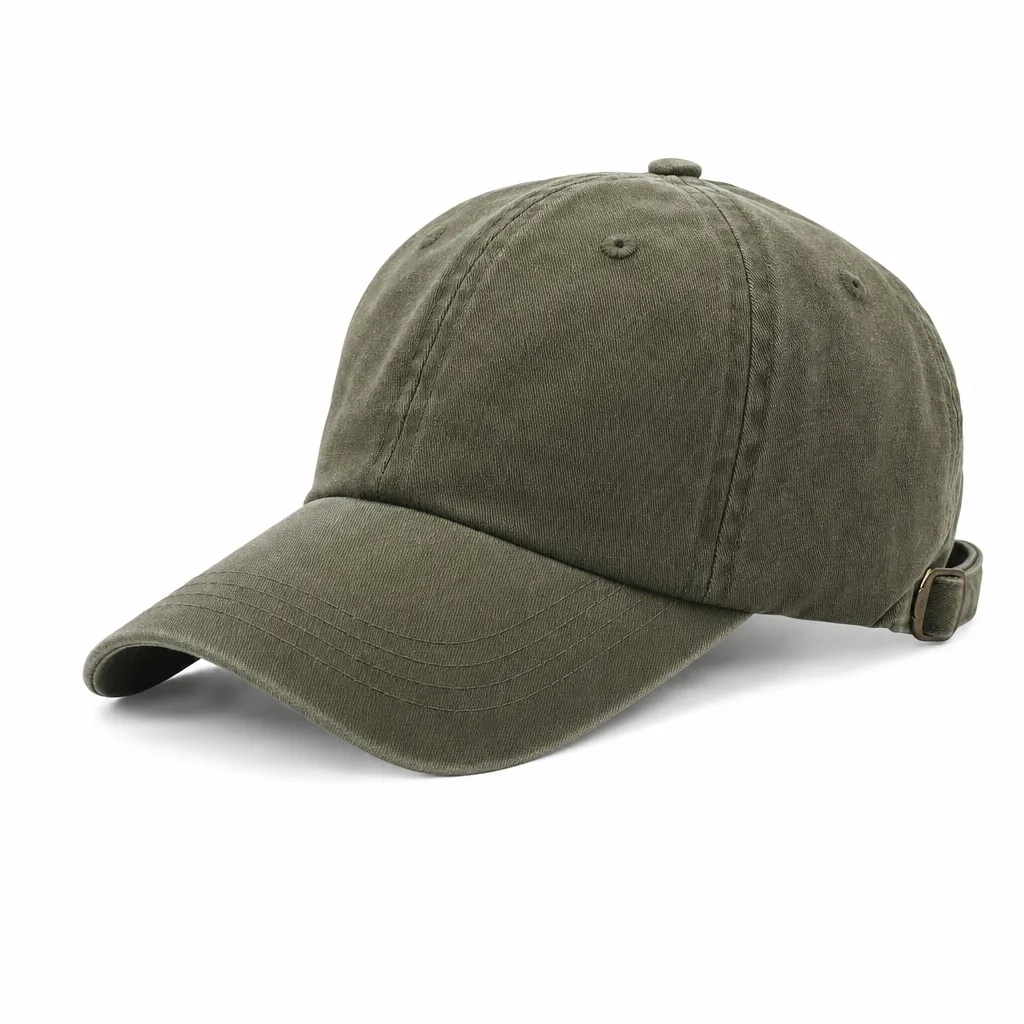
Every week, our sales team answers detailed questions about custom made trucker hat: the 2026 sourcing & manufacturing playbook - 2026 buyer's guide - 2026 buyer's guide - cost & moq breakdown. We wrote this guide so that wholesalers, streetwear brands, corporate buyers and promotional resellers can compare options with full information, and avoid the traps that show up only after production has started.
Custom Embroidered Hats
Embroidery is the highest-variance step on a custom made trucker hat because the needle is crossing three different behaviors at once: a 3 to 5 mm EVA foam front, buckram reinforcement, and mesh that can shift under hoop pressure. A supplier that only receives a logo file will make judgment calls on placement, density, and stitch angle that change both appearance and cost. A usable tech pack should specify finished logo size in millimeters, distance from the center seam and visor edge, decoration type, and a stitch-count target or ceiling. On Tajima, Barudan, and ZSK multi-head machines, the same artwork can digitize at 6,500 stitches or 11,000 stitches depending on underlay, pull compensation, and column width. That difference is not academic; it changes edge definition, run time, and often adds $0.20 to $0.45 per cap at scale.
Thread and needle spec matter just as much. Standard front embroidery on a custom made trucker hat usually runs on 120D/2 polyester thread with a 75/11 or 80/12 needle, but 3D puff needs wider satin columns, cleaner travel paths, and the foam thickness called out in advance, usually 2 mm or 3 mm. Fine serif text under 4 mm tall, outlines below 0.8 mm, and tight internal counters are where poor digitizing shows first. Pantone TCX alone is not enough for approval because embroidery thread rarely lands exactly on coated swatches; use a physical thread card or strike-off, then review it under D65 lighting if color control matters. We also check center-seam registration and foam strike-through at pre-production, because those defects are far easier to prevent than to sort after 500 pieces are sewn.
Pricing is driven less by the cap shell than by setup loss, stitch count, and decoration complexity. For a stock 5-panel polyester-mesh trucker, workable MOQ is usually 144 to 300 pcs per colorway; once you add custom shell fabric, woven labels, seam tape, or branded closure hardware, most factories want 500 pcs or more. In Yiwu or Dongguan, a basic custom made trucker hat with 6,000 to 8,000 front stitches typically lands around $2.20 to $3.40 FOB China at 300 pcs. Add 3D puff, metallic thread, side hit, back arch, or visor embroidery, and the range moves to roughly $3.80 to $5.20 depending on machine time. New digitizing usually costs $25 to $60 per logo unless the factory folds it into a repeat order.
Custom Hat Embroidery
Embroidery is what separates a retail-grade custom made trucker hat from cheap promo stock, and the root cause of bad results is usually digitizing, not whether the factory owns Tajima, Barudan, or ZSK heads. A foam-front 5-panel trucker needs a cap-specific file: lower fill density, wider pull compensation, center-seam avoidance, and underlay built for compression rebound. If the art was digitized for a flat hoodie or tee, expect closed counters, warped circles, and puckering above the visor seam. A proper embroidery spec should list logo size in mm, logo position from visor seam and center seam, stitch count target, satin versus tatami fill areas, backing type, thread brand and code, and 3D puff EVA at 2 mm, 3 mm, or 5 mm. For color approval, Pantone TCX must be matched to actual thread cones or a physical thread card; screen proofs are not reliable enough for brand colors.
Fine detail is where buyers usually overestimate what embroidery can hold on foam truckers. On a laminated foam front, serif text under about 4.5 mm cap height or strokes below 0.8 mm will often close up once the presser foot compresses the panel and the stitches rebound. For stable production across 300 to 3,000 pieces, I would keep a front logo on a custom made trucker hat around 6,000 to 12,000 stitches; once you move past 15,000, machine time rises, thread breaks increase, and front-panel distortion becomes harder to control lot to lot. Always approve a sew-out on the actual hat body, not a flat twill strike-off. Foam density, buckram stiffness, and seam collision all change the result. On the cost side, a stock 5-panel mesh-back body with one front embroidery at 6,000 to 8,000 stitches typically lands around $2.20 to $3.40 FOB China at 300 pieces, with MOQs of 100 to 144 per color; add 3D puff, side hits, back arch text, metallic thread, or extra thread changes, and real factory cost usually climbs another $0.15 to $0.45 per cap, with MOQ often moving to 300 to 500 pieces.
Inspection needs to happen before final packing, because embroidery defects are expensive to rework once the cap is blocked and cartoned. The checkpoints that matter are logo placement, registration, foam coverage, thread tension, seam crossing, and panel shape retention. On a disciplined line, front logo placement should stay within +/-2 mm of the approved sample, and thread shade should be verified under D65 light against the signed standard. If the embroidery has to match a woven label or printed patch, set a Delta-E target below 2.0 on critical brand colors; otherwise, “close enough” turns into visible mismatch at retail. The most common rejects are exposed puff foam on satin borders, needle cuts on laminated fronts, loose jump threads inside the crown, and letters deforming where the design crosses the center seam. Our standard practice is to treat embroidery as both in-line and final inspection under AQL 2.5, because even a perfect digitized file cannot rescue a weak hat body with soft foam, low-stiffness mesh, or under-spec buckram.
Custom Trucker Hat
A custom made trucker hat starts with the build spec, not the logo file. Before you ask for a quote, lock five variables: crown profile, front panel substrate, mesh density, closure type, and brim insert. The standard production baseline is a 5-panel or 6-panel cap with a foam-backed polyester front, 100% polyester mesh at about 100 to 140 gsm, a pre-curved PE or EVA brim insert, and a plastic snapback. If you want better hand feel and less collapse in humid shipping lanes, skip thin 2.5 mm foam and move to brushed cotton twill at 180 to 220 gsm or poly-cotton canvas with laminated buckram. For decoration, Tajima, Barudan, and ZSK heads handle normal logos well, but once satin columns exceed about 3.5 mm or the artwork gets oversized, screen print, silicone transfer, woven patch, or a mixed build is usually cleaner and holds up better in wear.
Do not let a factory answer with “premium” as a specification. Give measurable tolerances: crown height in centimeters, brim length and curvature, mesh hole geometry, sweatband composition, top button material, seam tape color, and Pantone TCX or Pantone C references for every visible component. If color matters, request lab dips or strike-offs and hold them to Delta-E 1.5 to 2.0, especially when front fabric, mesh, and underbrim use different fiber contents and dye classes. On a real production run, check stitch count, patch edge finish, snapback pull strength, and seam symmetry at pre-production; on a trucker hat, weak assembly shows up faster than weak decoration. CrownsForge’s standard practice is to verify those points before bulk cutting, because a cap can look fine on the table and still sit crooked on a head.
MOQs and cost move mostly with decoration complexity and material matching, not with the cap shape itself. For a basic custom made trucker hat using stock foam front, stock mesh, standard snapback, and flat embroidery up to about 8,000 stitches, China factory MOQ is usually 144 to 300 pieces per colorway, with FOB pricing around $2.10 to $3.40 at 300 pieces and $1.65 to $2.70 above 1,000 pieces. Once you add custom-dyed fabric, woven labels, underbrim print, molded rubber patches, or specialty mesh colors that must be matched across components, MOQ typically moves to 500 to 1,000 pieces per style. Premium builds with cotton twill fronts, RPET mesh, rope detail, and multi-process branding usually land in the $3.80 to $6.50 FOB range depending on stitch count, tooling, and packing method.
Custom Trucker Hats
A custom made trucker hat is defined by three things the buyer can actually control: crown structure, mesh spec, and closure hardware. In practice, factories usually build it as a 5-panel foam front or a 6-panel structured front with buckram, then pair it with 100% polyester mesh in the 100-140 gsm range. For a retail streetwear result, specify brushed cotton twill or poly-cotton on the front panels at 180-240 gsm; thin foam laminated to tricot looks cheap and loses shape in transit. The visor should use a PE board insert with 4-6 rows of edge stitching, and the sweatband should be cotton or moisture-wicking polyester at 28-32 mm width. Decoration changes the whole line sequence: 3D puff embroidery on Tajima, Barudan, or ZSK heads needs stable front backing and controlled foam density, while woven patches and heat-applied emblems depend more on panel flatness and seam allowance control.
A usable tech pack for a custom made trucker hat needs dimensions, tolerances, and finish specs, not vague style notes. Call out crown height in centimeters, visor length and curve, mesh color by Pantone TCX or coated reference, closure type such as a 7-hole plastic snap, label placement, top-button material, and whether the front seam is center-joined or seamless foam. For embroidery, specify stitch count target, puff height, thread brand, and acceptable color variance; for dyed fabric, Delta-E under 1.5 is a realistic premium target, while under 2.0 is standard on volume programs. Our standard practice is to approve artwork digitizing, strike-off, measurement tolerance sheet, and carton drop-risk check before production, because trucker silhouettes deform faster than a normal structured cap when master cartons are overpacked or the brim boards are too soft.
MOQ and price are driven more by decoration and trim count than by the cap body itself. For a stock-body trucker with one-location flat embroidery, 144-288 pieces per colorway is common, with FOB China pricing around $2.20-$3.40 depending on stitch count and closure. A fully custom body with Pantone-matched fabric, custom mesh, woven taping, private label, and a molded patch usually starts at 300-500 pieces per style-color, with FOB pricing closer to $3.80-$6.80. Add-ons move quickly: a TPU patch can add $0.35-$0.70, a woven patch $0.25-$0.55, metallic thread another $0.08-$0.15, and individual polybagging with size sticker about $0.05-$0.09. Air freight can double landed cost on low-cube urgent runs, so serious buyers model ocean freight before sample approval. Repeatability is the real sourcing test: inspect for warped brims, uneven crown height, mesh tearing at the back seam, snap mismatch, embroidery tunneling, and color drift between front twill and dyed sweatband, with AQL 2.5 as the bulk baseline and tighter limits on major defects for retail drops.
Hat Trucker Custom
A reliable custom made trucker hat starts with a locked construction spec, not a mood board. The four cost-driving components are the front crown fabric, rear mesh, visor build, and closure hardware. For most retail programs, the front panels run 230-280 gsm cotton twill, brushed cotton, or 100% polyester twill; heavier 300 gsm fabric can hold shape better, but it also makes the crown feel hotter and less forgiving during sewing. Mesh is usually 50D-75D polyester, and the difference matters: open promo-grade mesh is cheaper, while tighter “clean face” mesh gives a sharper retail look and hides seam allowance better. Buyers should also define panel count, crown height in millimeters, buckram thickness, visor curve, sweatband composition, top button finish, and closure type before sampling starts.
Decoration specs are where vague briefs become expensive bulk mistakes. If the custom made trucker hat uses embroidery, call out stitch count range, 3D foam height if applicable, underlay type, backing weight, and thread brand such as Madeira or Gunold, plus Pantone TCX references for fabric and Pantone Solid Coated for logo thread matching where possible. On Tajima, Barudan, or ZSK heads, dense fills over 12,000 stitches on a structured foam front need proper digitizing or you will get puckering and panel distortion. If the artwork is screen print, heat transfer, or silicone patch, specify print method, curing window, adhesion test standard, and a Delta-E tolerance no looser than 1.5-2.0 against the approved sample. In our standard practice, the buyers who write this level of detail into the tech pack get faster sampling and far fewer arguments in final inspection.
MOQ and FOB cost depend less on the logo than on how far the build deviates from stock trims. For a fresh custom made trucker hat program in Yiwu or Dongguan, 300-500 pieces per colorway is a realistic MOQ if the shell fabric, mesh, snapback, and visor insert are not already on the shelf; 144-200 pieces is sometimes possible for repeat bodies using existing materials. Current FOB pricing at 500-1,000 units is typically $1.20-$2.20 for a basic 5-panel or 6-panel trucker with stock mesh and flat embroidery, $2.30-$3.80 for structured builds with woven labels, sandwich visor, or multi-location decoration, and $4.00+ once you add 3D puff embroidery, specialty fabrics, custom closures, interior taping, or retail packaging. The defects worth policing are consistent across factories: center seam drift, visor asymmetry over 3 mm, weak mesh recovery, snapback mismatch, embroidery registration off by more than 1.5 mm, and sweatband delamination after heat exposure. If the supplier cannot hold AQL 2.5 on final inspection without hand sorting, the quoted unit price is incomplete because the real cost will show up later in returns, rework, and chargebacks.
Trucker Custom Hat
The frame is what sells a trucker; decoration only works if the crown holds shape. For a custom made trucker hat, the spec should start with panel architecture: 5-panel foam front for a tall billboard look, or 6-panel twill front for cleaner fit and better seam stability. Lock the front fabric at 220-260 gsm cotton twill or 180-220 gsm brushed polyester, mesh at 100-140 gsm polyester or 60-80 denier nylon, buckram at 0.35-0.55 mm for structured fronts, and visor insert at 0.8-1.2 mm PE or recycled HDPE. If the logo uses 3D puff, dense satin fill, or a merrowed patch, the front panel should be foam-backed or laminated; otherwise you get tunneling, needle deflection, and crown torque after pressing. A digital mockup is not enough. The approval pack should include Pantone TCX references, Madeira or Gunold thread codes, logo dimensions in millimeters, crown height, visor curve spec, and a physical pre-production sample measured panel by panel. MOQ and cost are driven more by materials and trim setup than by sewing labor. In real factory conditions, 100-300 pieces per colorway is the workable range; 48 or 72 pieces can be done, but usually only from stocked fronts, standard mesh, and one closure option. For 2026 buying, a basic custom made trucker hat with polyester front, standard mesh back, plastic snap, woven main label, and front flat embroidery usually sits around USD 2.40-3.90 FOB at 300-500 units. Add foam-front construction, 5,000-8,000 stitches, woven or PVC patch, printed seam tape, custom sweatband, hangtag, and individual polybag, and the FOB moves into the USD 4.90-7.40 range. The cleanest quote separates shell cost from decoration cost: a Tajima or Barudan 3D puff run typically adds USD 0.35-0.95 depending on stitch count, underlay density, machine speed, and thread trims.
Most trucker defects are obvious before packing if the inspector knows what to check. The repeat failures are crooked center fronts, crown height variation, weak mesh-to-crown seam binding, patch drift, visor mismatch, and brittle snaps that fracture after a few open-close cycles. Foam-front styles add a packing risk: low-density EVA or poor lamination will not recover after carton compression, leaving a permanent dent. A practical QC plan for a custom made trucker hat sets crown height tolerance at plus or minus 3 mm, visor length and width at plus or minus 2 mm, logo placement against center seam at plus or minus 2 mm, and closure pull and cycle tests on each lot. If the cap body has to match apparel, inspect under D65 light and agree a Delta-E tolerance, usually 1.5-2.0 for branded programs; otherwise black drifts to charcoal and navy turns purple next to approved Pantone references. Decoration failures are where importers burn margin, because rework after assembly is slow and expensive. Dense satin borders pucker if the front panel is not stabilized, and heat-applied patches lift at the edge when press temperature, dwell time, or adhesive film weight is off spec. Inline control matters more than end-of-line sorting: first-piece approval on the embroidery head, top-of-production photos, and final inspection to AQL 2.5 with written major and minor defect criteria in the PO. On our floor, we do not release bulk cutting until the BOM, placement spec, and approved sample all match, because once 2,000 front panels are cut off-profile, no ZSK or Tajima machine can embroider the shape back into tolerance. You can economize on inserts or polybags for promo orders; you should not relax standards on crown profile, mesh strength, or logo centering, because those are the first defects the customer sees in hand.
Working with CrownsForge for custom made trucker hat programs
The biggest failure point in a custom made trucker hat program is not FOB price; it is losing 3 to 5 weeks to sloppy development control. A factory that knows caps should turn a digital mockup in 24 to 48 hours, confirm shell fabric, mesh, closure, sweatband, and patch method within 2 working days, and ship a physical sample in 5 to 7 working days for a standard 5-panel or 6-panel build. Once you specify non-stock inputs—14-wale corduroy, 600D rPET, suede-touch microfiber, or a molded silicone badge in a tight Pantone TCX match—sample time usually extends by 3 to 4 days because color-dyed lots and trim tooling are not sitting on the shelf. At CrownsForge, embroidery is digitized in-house and tested on Tajima or Barudan sampling heads before bulk sewing, which exposes pull compensation issues, puckering on foam fronts, and small-letter failure before you waste cut panels. MOQ should follow production economics, not a buyer’s wish list. For a straightforward custom made trucker hat with flat embroidery, 3D puff, or screen-printed foam front, 144 pieces per colorway is a credible floor because it fits cutting yield, mesh usage, and export carton efficiency. If the body pattern, fabric, and closure stay fixed and only thread colors, woven labels, or patch artwork change, 48 to 72 pieces per SKU can be workable on a tightly managed mixed run. Once you add sublimated fronts, printed seam tape, contrast top buttons, custom snapback molds, or plated metal trims, the practical MOQ moves to 300 to 500 pieces because setup cost gets ugly below that. On repeat orders above 1,000 pieces, lock backup materials in the PO and define acceptable shade variance; if you do not state a Delta-E tolerance—1.5 is a reasonable cap standard—lot-to-lot color disputes become inevitable.
Decoration is where custom made trucker hat programs usually get overquoted and under-engineered. A high-profile foam trucker is forgiving: it can carry 3D puff embroidery, chain stitch, felt applique, woven patches, TPU badges, and heat-transfer logos with less risk than a low-profile unstructured cap. The reason is mechanical, not aesthetic. Dense embroidery over roughly 12,000 stitches on a soft unstructured front will distort the crown unless underlay, buckram stiffness, and thread tension are rebuilt for that exact shell. Buyers often send one vector logo and expect it to run identically on foam truckers, brushed cotton dad caps, and acrylic beanies; on the factory floor that is fantasy. The file has to be re-digitized for cap profile, fabric friction, stitch angle, and target letter height. Sampling should test the known failure points, not just whether the logo looks good from three feet away. On ZSK, Tajima, or Barudan heads, text under 4 mm is where edge definition, thread breaks, and registration drift start showing up first, especially with satin columns on mesh-backed fronts. A serious approval set should include stitch count, thread brand, backing spec, foam thickness for puff, and a photo under neutral lighting so the buyer can compare against Pantone references instead of a phone-edited image. For bulk, inspection should be set at AQL 2.5 with extra focus on seam symmetry, visor curve consistency, snap closure function, embroidery centering, and patch adhesion after a tape pull test. That discipline matters more than shaving $0.12 off unit cost.
Frequently Asked Questions
What is the minimum order quantity (MOQ) for custom hats?
Our standard MOQ is 100 pieces per design and color, with sampling available from 1 piece. For complex multi-color logos or premium fabric upgrades, the MOQ can be lowered with a small per-piece surcharge.
Which shipping methods do you support?
We support FOB, CIF and DDP shipping. Air express for samples and small orders, sea LCL for 100 to 500 pieces, sea FCL for 5,000+ pieces. Door-to-door DDP available for US, EU, UK, Canada and Australia.
Do you support sustainability certifications?
Yes. We work with GOTS organic cotton, GRS-certified recycled polyester, OEKO-TEX Standard 100 fabrics, and are BSCI and Sedex audited. Certification documentation can be provided per order.
Can I order a sample before bulk production?
Yes. We strongly recommend approving a pre-production sample before mass production. Samples are charged at 35 to 60 USD each plus express shipping, fully refundable against confirmed bulk orders over 500 pieces.
What file format should I send for my logo?
Vector files (AI, EPS, PDF) are ideal. High-resolution PNG or JPG at 300 dpi on transparent background works as a fallback. Provide Pantone color references for accurate reproduction.
How does ordering custom hat trucker work?
When evaluating custom hat trucker, the key considerations are construction quality, decoration capability, MOQ flexibility and lead time. Cover everything buyers ask about custom embroidered hats: how it's manufactured, what specs to request from a factory, typical MOQ and pricing, common quality issues to inspect for, and how this ties back to the broader custom made trucker hat sourcing decision. Cover everything buyers ask about custom hat embroidery: how it's manufactured, what specs to request from a…
How does ordering custom embroidered trucker hats work?
When evaluating custom embroidered trucker hats, the key considerations are construction quality, decoration capability, MOQ flexibility and lead time. Cover everything buyers ask about custom embroidered hats: how it's manufactured, what specs to request from a factory, typical MOQ and pricing, common quality issues to inspect for, and how this ties back to the broader custom made trucker hat sourcing decision. Cover everything buyers ask about custom trucker hats: how it's manufactured, what specs to request from a…
How does ordering custom made hats for men work?
When evaluating custom made hats for men, the key considerations are construction quality, decoration capability, MOQ flexibility and lead time. Cover everything buyers ask about custom embroidered hats: how it's manufactured, what specs to request from a factory, typical MOQ and pricing, common quality issues to inspect for, and how this ties back to the broader custom made trucker hat sourcing decision. Cover everything buyers ask about custom trucker hats: how it's manufactured, what specs to request from a…
How does ordering high quality custom trucker hats work?
When evaluating high quality custom trucker hats, the key considerations are construction quality, decoration capability, MOQ flexibility and lead time. Cover everything buyers ask about custom embroidered hats: how it's manufactured, what specs to request from a factory, typical MOQ and pricing, common quality issues to inspect for, and how this ties back to the broader custom made trucker hat sourcing decision. Cover everything buyers ask about custom trucker hats: how it's manufactured, what specs to request from a…
Need a low-MOQ test order?
We help emerging brands launch with as few as 100 pieces. Premium fabric, in-house embroidery, retail-ready packaging.
Start a small orderRelated guides
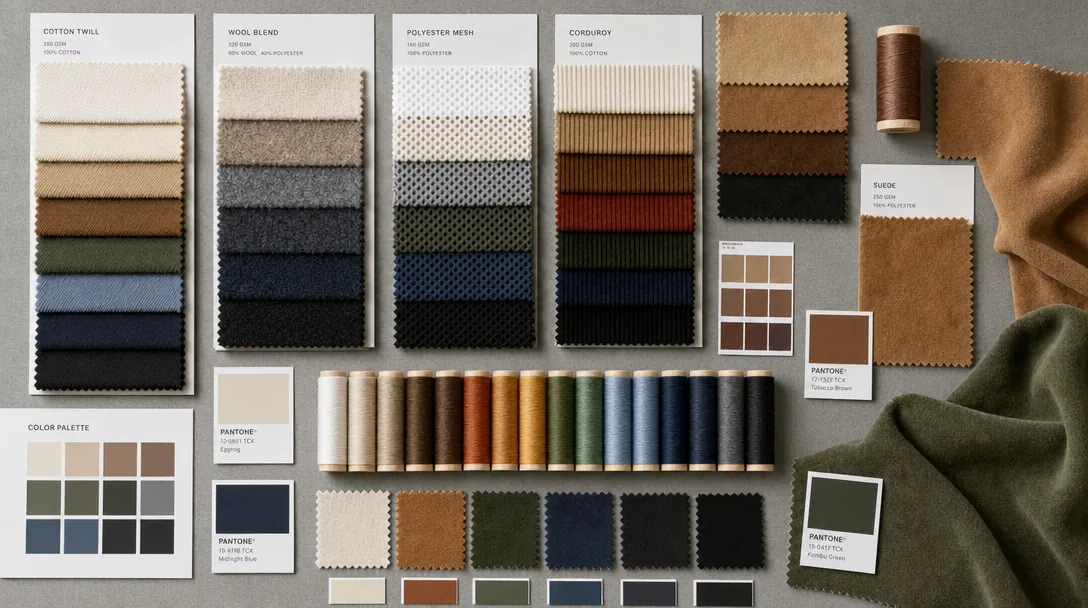
Camouflage Bucket Hat: Properties, Costs and How to Spec It Right (2026 Update)
Read article →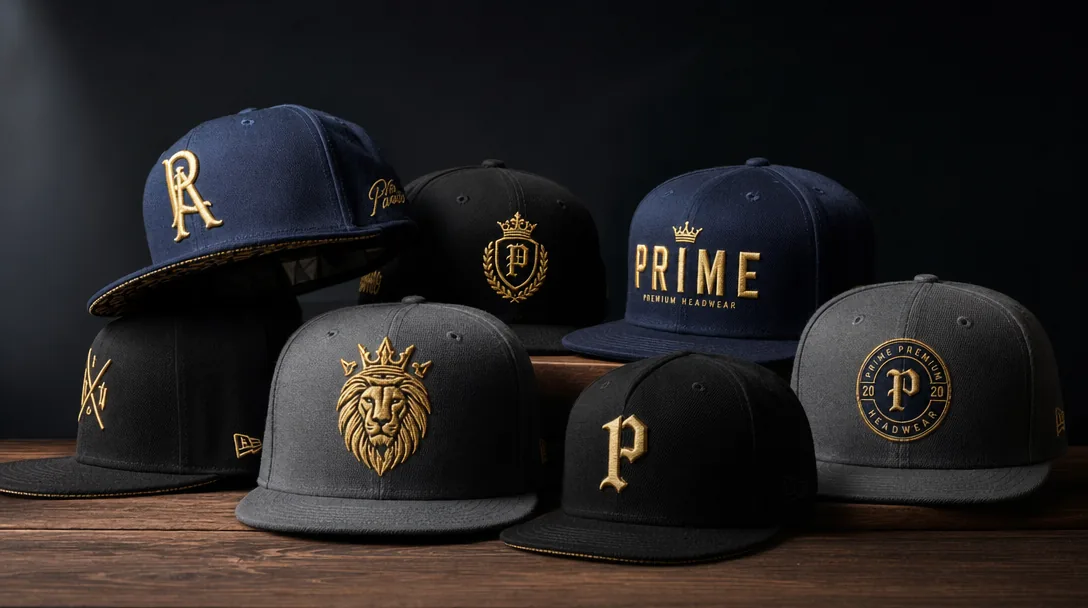
Refreshing a Hat Collection: A Repeat-Order Playbook for Established Brands
Read article →
Embroidery Hats Machine: When to Use It, Costs, and What to Ask Your Factory - Cost & MOQ Breakdown
Read article →We hope this guide demystifies custom made trucker hat: the 2026 sourcing & manufacturing playbook - 2026 buyer's guide - 2026 buyer's guide - cost & moq breakdown and helps you move forward with confidence. If you have questions specific to your project, our English-speaking sales engineers are one message away.