
Custom Logo Hats: When to Use It, Costs, and What to Ask Your Factory - Supplier Checklist (2026 Update) - 2026 Buyer's Guide - Supplier Checklist
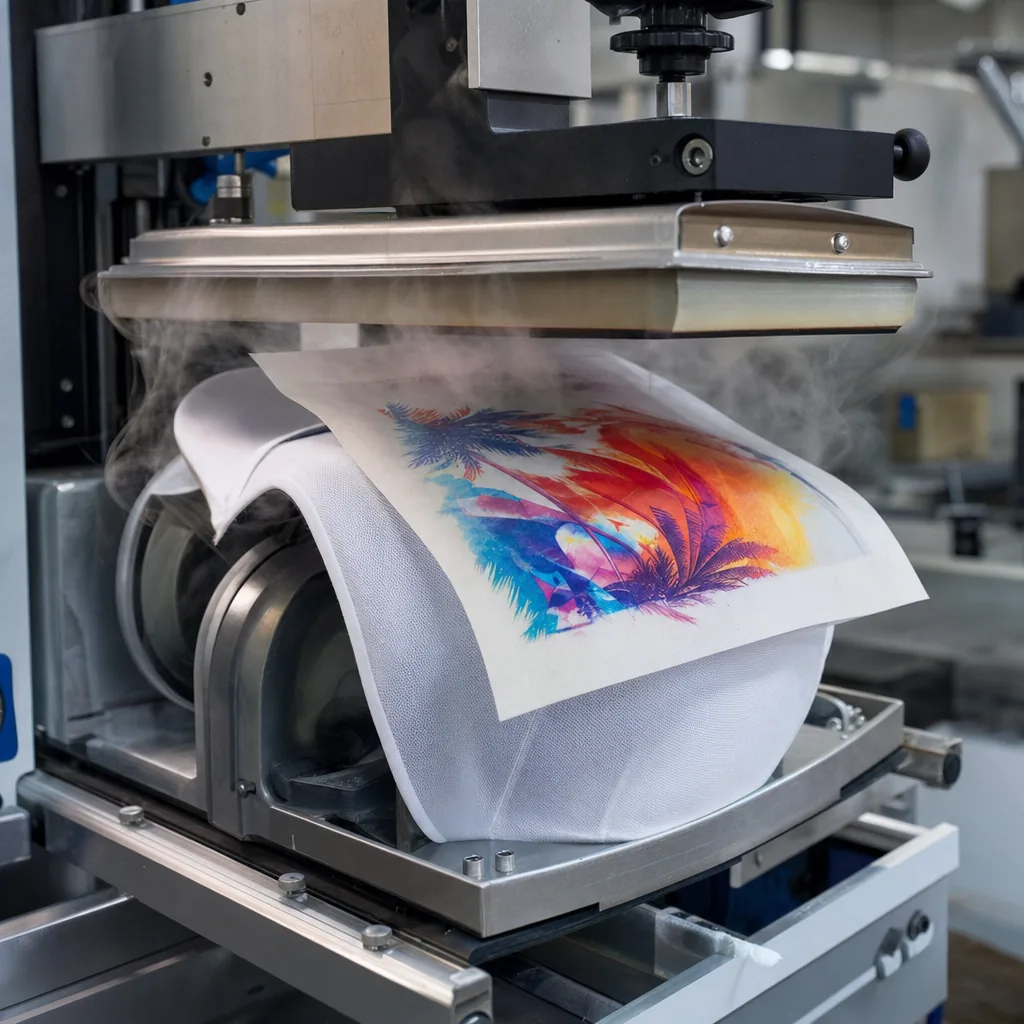
Every week, our sales team answers detailed questions about custom logo hats: when to use it, costs, and what to ask your factory - supplier checklist (2026 update) - 2026 buyer's guide - supplier checklist. We wrote this guide so that wholesalers, streetwear brands, corporate buyers and promotional resellers can compare options with full information, and avoid the traps that show up only after production has started.
Custom Embroidered Patches
Use a custom embroidered patch when the logo would punish direct embroidery: dense fill areas over 12,000 stitches, tiny color islands under 1.5 mm, chenille-style texture, metallic thread, or artwork that must look identical across truckers, dad caps, snapbacks, bucket hats, and beanies. On custom logo hats, direct embroidery changes with crown height, center seam thickness, foam backing, buckram stiffness, and panel tension; a separate patch gives the logo a controlled base before it is sewn to a curved cap. Typical construction is Tajima, Barudan, or ZSK embroidery on 180-260 gsm twill, felt, canvas, or nonwoven-backed polyester, then laser cut, heat cut, merrowed, or finished with a satin-stitched border. For curved fronts, washed cotton, corduroy, wool blends, and sweat-heavy polyester, specify lockstitch sewing around the patch. Heat adhesive alone is not a production-grade answer for hats: humidity, laundering, packing compression, and crown flex can lift corners, leave hard glue ridges, or create yellow bleed around light-colored borders.
Specify the patch as a component with its own tolerances, not as a vague decoration note in the artwork file. The tech pack should list width and height in millimeters, stitch count range, base fabric gsm, backing type, thread brand, Pantone TCX or Madeira/Robison-Anton color references, edge finish, attachment method, and placement measured from the center seam or crown centerline. A realistic front-panel tolerance is +/-2 mm horizontally and vertically; +/-1 mm is only practical on structured caps with a firm buckram front and a clear center reference. Cost is mainly stitch count, border handling, and sewing labor. A 70 x 35 mm twill patch with 6,000-9,000 stitches usually adds $0.35-$0.80 per cap at 500 pieces. Metallic Madeira thread, felt bases, raised satin work, applique layers, laser-cut shapes, or complex merrow borders can push the add-on to $1.10-$2.50 per cap, plus a $30-$80 digitizing or setup charge per design on small runs.
Inspect the sewn result as seriously as the patch face, because most bulk failures happen during attachment. Common defects are puckering around the sew line, loose merrow yarns, dirty thread tails, off-center placement, broken stitches, edge unraveling, visible adhesive, and Delta-E color drift between the approved sample and production thread lots. Check under D65 light and from a shallow angle; satin borders can look straight head-on but show waves once the cap is packed or worn. For production inspection, use AQL 2.5 for major defects and define crooked placement over 3 mm, wrong thread color, distorted artwork, glue bleed, broken border stitching, or lifted corners as major. Our standard practice at CrownsForge is to approve the loose patch first, then the sewn cap sample, because crown curvature can make straight artwork look bowed. Patches are strongest for premium badge effects and multi-style programs; direct embroidery is still cheaper and cleaner for simple names, small lettering, and repeat corporate reorders.
Custom Hat with Patch
A custom hat with patch succeeds or fails on two measurable items: patch construction and placement after crown assembly. For woven patches, lock the yarn count, merrowed or laser-cut edge, backing film, Pantone TCX target, and Delta-E limit; for brand colors, I would not accept above Delta-E 2.0 under D65 unless a signed shade band exists. Embroidered patches need the twill base, thread brand, stitch density, flat versus 3D puff areas, and border finish confirmed before sampling. PVC and silicone patches require mold artwork, Shore hardness, raised-line width, color-fill tolerance, and finished thickness; serif text below 1.2 mm usually clogs in PVC and loses definition after molding. The cap body is not neutral: 280 gsm cotton twill, 10 oz washed canvas, polyester ripstop, wool blend, and 600D polyester all pull differently when stitched. For custom logo hats, specify patch size in millimeters, distance from visor seam, center-line tolerance within +/-2 mm, and attachment method: lockstitch, heat press, or post-assembly sewing on Tajima, Barudan, or ZSK heads.
Patch cost is driven by construction, tooling, and sewing time more than the blank cap. For custom logo hats using a woven or embroidered patch on a 6-panel cotton cap, a practical MOQ is 100-300 pieces when fabric, buckles, sweatbands, and labels are in stock; custom-dyed fabric, private-label seam tape, branded metal closures, or retail packaging usually pushes MOQ to 500 pieces. In 2026 China production, a basic woven-patch cotton cap normally lands around USD 3.20-5.80 FOB Ningbo or Shanghai at 300 pieces. A washed cotton cap with a high-density embroidered patch, metal buckle, printed seam tape, hangtag, individual polybag, and export carton drop-test requirement can reach USD 5.80-9.50. PVC patch tooling commonly runs USD 60-180 per design, while silicone costs more when the logo uses debossing, multi-color fills, matte texture, or tight edge trimming. At CrownsForge, tooling, sample fee, unit price, and packaging are quoted as separate lines because bundled pricing hides the real cost driver.
Inspection should treat the patch as a measured component, not decoration added at the end. Put the tolerance in the PO: patch centering within +/-2 mm, no edge fray, no loose jump stitches, no glue bleed, no crown puckering, no cracked coating on performance fabric, and no visible shade mismatch under D65 light. For retail or licensed custom logo hats, use AQL 2.5 for major defects and AQL 4.0 for minor defects, with separate measurements for crown height, visor length, sweatband width, patch angle, and patch-to-visor distance. Always approve a physical pre-production sample made with the final attachment method; a digital mockup will not show thread tension, heat-press shine, or puckering around the crown seam. For Japan, children's channels, sports licensees, and major retailers, request needle detection records, restricted substance reports when required, and current sedex-audit-cap-supplier-guide.html">BSCI 2.0 or Sedex SMETA 4-Pillar documentation. Compared with direct embroidery, patches are better for tiny lettering, repeat orders across multiple fabrics, and color consistency across cap styles.
Custom Patch for Hat
Use a custom patch when custom logo hats need tiny lettering, gradients, shields, or one badge system that must move across snapbacks, dad hats, truckers, buckets, and beanies without rebuilding the art for every crown shape. Woven patches are the cleanest option for micro detail because the polyester yarn sits flat; 1.2-1.5 mm letter height is workable if the font is open and not condensed. Embroidered patches look heavier, but on Tajima, Barudan, or ZSK heads I do not approve text under 4 mm because satin columns close after steaming, brushing, and carton compression. Chenille is for bold varsity marks, not fine copy. PVC/rubber handles outdoor, fishing, and youth-team orders well. Leatherette is a low-cost lifestyle option, genuine leather fits western or heritage programs, and sublimated twill is the right answer for gradients, shadows, and photographic art that should not be simplified into thread.
Patch specifications should read like factory instructions, not a vague note saying “attach logo.” Confirm patch type, finished size in mm, border construction, backing, attachment method, color standard, placement tolerance, and pre-production approval sequence. Use Pantone TCX for fabric, thread, suede, and leather-like substrates; use Pantone C for PVC, printed transfers, and sublimation artwork. A Delta-E under 2.0 is realistic on controlled printed or molded PVC patches, while yarn-dyed woven patches often finish closer to Delta-E 3.0 because polyester yarn lots shift. Approve both a loose patch and a mounted cap sample. A patch that looks perfect on a table can pucker after heat press, distort on a foam trucker front, or rotate during perimeter stitching. Our standard practice at CrownsForge is center-front placement tolerance of +/-2 mm, rotation under 1.5 degrees, and final inspection to AQL 2.5.
Cost comes from tooling, patch construction, and handling, not only the number of hats. Basic woven or embroidered patches usually start at 100-300 pieces and run about $0.25-$0.90 each before attachment. PVC molds add $60-$150, leather debossing plates are typically $40-$100, and small-batch chenille can exceed $1.20 per patch when the pile height, felt base, and border are complex. Sewing adds roughly $0.12-$0.35 per cap depending on border stiffness, crown access, and whether the operator must slow down around a structured front panel. Heat-applied patches are faster, but they need peel, wash, and humidity testing, especially on water-repellent polyester, nylon taslan, or brushed cotton twill. During QC, check crooked placement, lifted corners, loose merrow borders, adhesive bleed, needle cuts on leatherette, thread fuzz, and bulk color drift against the approved sample. Direct embroidery is cheaper for a simple 5,000-stitch mark, but patches win when detail, consistency, and cross-style flexibility matter more than the lowest FOB price.
Custom Patch Hat
Custom patch hats fail less on the patch itself than on the attachment to a curved, seamed crown. Treat them as a two-stage product: first build a stable badge, then prove it can sit flat on the cap body after sewing, pressing, packing, and wear. For embroidered patches, artwork should be digitized for Tajima, Barudan, or ZSK heads and sampled on the actual base, usually twill, felt, canvas, microfiber, or 210D nylon. Woven patches are better for 2-3 mm lettering and tight outlines; embroidery gives more texture but loses detail below about 4 mm letter height. PVC and molded rubber need a mold, usually with 0.6-1.2 mm raised lines; chenille needs pile-height control; PU and leather require clean debossing plus a sealed or painted edge. On structured 6-panel custom logo hats, I keep front patches around 55-75 mm wide. Above 80 mm, rectangles often cup at the corners or bridge over the center seam, especially on high-profile crowns. Foam truckers are riskier because excess heat can flatten the foam, leave a shiny adhesive halo, or show the patch outline through the front panel.
The tech pack must remove interpretation from the patch callout. Specify finished size in millimeters, backing, edge finish, thread or material grade, color standard, attachment method, and placement tolerance. A factory-ready note would read: 70 x 48 mm embroidered twill patch, 75D polyester thread, 2 mm satin border, black heat-seal backing for positioning only, perimeter lockstitched at 8-10 SPI, centered on front panel within +/-2 mm. For PVC or rubber, define mold depth, raised-line height, matte or gloss surface, Pantone C references, and Delta-E under 2.0 for controlled logo colors. For leather or PU, call out thickness, deboss depth, raw-cut versus painted edge, and whether the patch is stitched, riveted, or heat-pressed. Our standard practice at CrownsForge is to run a press test and pull test on the actual shell fabric, because 260 gsm cotton twill, brushed chino, nylon taslan, and polyester performance fabric all react differently to temperature, dwell time, and pressure.
Typical MOQ is 100-300 pieces for embroidered or woven patch custom logo hats. PVC and molded rubber usually start at 300-500 pieces because mold charges run about USD 45-120 per design, more if the artwork needs multiple levels or color fills. At 300 pieces, a cotton twill cap with an embroidered patch commonly lands around USD 3.20-5.80 FOB Yiwu; PU or genuine leather patch caps are more often USD 4.50-7.50 depending on patch material, closure, sweatband, crown structure, labeling, and export carton packing. During inspection, check patch alignment within 2 mm, skipped satin stitches, loose thread tails, adhesive bleed, puckering, color mismatch, and corner lift after a 10-second bend test. Under AQL 2.5, crooked patches, peeling corners, and visible glue marks should be major defects, not minor cosmetics, because they are obvious in ecommerce photography and team uniform orders. Use patches for small text, layered branding, or mixed materials; use direct embroidery when the buyer wants fewer variables, faster sampling, and a lower attachment-failure rate.
Custom Patch Hats
Custom patch hats are two controlled production jobs, not one decoration choice: the patch must be made accurately, then attached cleanly to a curved crown. Woven patches use 75D or 100D polyester yarn on jacquard looms and can hold about 2.5 mm lettering, where direct embroidery often fills counters and damages serif detail. Embroidered patches run on Tajima, Barudan, or ZSK heads with 120D/2 polyester thread over twill, felt, or nonwoven backing; a merrowed edge adds roughly $0.10-$0.15 per patch but is worth it on workwear, golf, and outdoor caps because it stops edge fray. PVC patches need a brass or aluminum mold, typically $120-$220 for a 3-color 75 x 50 mm logo, while PU and leather patches use a $40-$80 steel-rule die or laser cutting for irregular shapes. For custom logo hats, attachment is where cheap suppliers fail: satin-stitch sewing on a post-bed machine is durable, while heat-press adhesive alone often lifts after 5-10 wash cycles at 40°C.
A production-ready patch spec should lock size in millimeters, border type, backing, Pantone TCX or TPX references, thread or material finish, and placement measured from the center front seam. Crown construction matters. A foam-front trucker cap can usually hold patch placement within ±2 mm because the panel stays stable; a washed dad hat is more realistically ±3 mm because the unstructured crown collapses under the presser foot. For embroidered patches, require a stitch simulation and a physical sew-out on the actual backing before bulk approval. Reverse lettering under 4 mm usually closes unless density is opened to about 0.35 mm spacing and column width is adjusted by roughly 0.2 mm. Practical MOQs are 200 pieces for woven or embroidered patches, 300 for PVC because the mold cost must be amortized, and 150 for PU or leather when stock colors are used. Before the blank cap, expect $0.50-$1.10 for woven, $0.75-$1.70 for embroidered, $1.20-$2.50 for PVC, and $0.90-$2.20 for debossed PU.
The first defects to quarantine are crooked placement, puckering around the stitch line, edge lift, patch bowing, and color drift between approved sample and bulk. Our standard practice is AQL 2.5 Level II for final inspection, with spectrophotometer checks when the patch color is brand-critical; Delta-E above 2.0 on a solid woven or PVC patch should be rejected, not negotiated after shipment. On foam-front caps, reject samples where the patch sinks into the foam more than 0.5 mm or pulls the crown out of shape, because that usually points to backing that is too rigid, bobbin tension that is too high, or excessive heat-press dwell time. Quote patch construction against direct embroidery on the same cap body, not in isolation. Direct embroidery is often cheaper above 500 pieces for a simple one-color logo, but patches are stronger for gradients, small type, multiple colorways, retail heritage styling, or programs that need the same branding across cotton twill, wool blend, nylon ripstop, and mesh trucker caps.
Hat Patch Custom
Decide the patch construction before you quote custom logo hats, because it controls artwork resolution, crown stiffness, attachment risk, and QC criteria. Woven patches are the cleanest choice for small type, fine borders, and detailed icons; with 75D polyester yarn and a tight weave, 2.5-3.0 mm letters can hold if the digitized file leaves enough open space between strokes. Embroidered patches give better relief, but a 70-80% stitch-fill logo on twill can turn rigid, especially when sewn onto a structured 5-panel front with 80-100 gsm buckram. PVC patches are usually 2.0-2.5 mm thick and suit golf, fishing, workwear, and outdoor caps, but approve them against a physical chip, not only Pantone TCX, because gloss can shift the visual shade by more than a Delta-E reading suggests. Leatherette works well for debossing, laser engraving, and heat stamping; genuine leather needs looser tolerance because grain, dye uptake, and thickness vary across each hide.
Quote the patch as a separate trim, not as a vague line buried inside the FOB cap price. At 1,000 pieces, a woven patch usually runs $0.18-$0.45, an embroidered patch $0.35-$0.90 depending on stitch count and merrowed edge, PVC $0.55-$1.40 plus a $50-$120 mold charge per design, and leatherette $0.30-$0.80 depending on backing, thickness, and engraving depth. Sewing normally adds $0.08-$0.20 per cap; heat press can be cheaper, but I would reject it for washed cotton, curved front panels, and high-stretch performance fabrics until peel strength is checked after 24 hours and after repeated bending. MOQ is often 300-500 pieces with stock twill, polyester yarn, and standard closures, but custom-dyed patch fabric, recycled polyester, special buckram, private-label trims, or nonstandard closures can push the real factory MOQ to 1,000-3,000 pieces.
Approve the patch on the actual crown, not as a loose trim photographed under sample-room lighting. The tech pack should state vector artwork, finished patch size, edge type, backing, thread or yarn reference, stitch direction, attachment method, and placement measured from center front and the brim seam. Our standard practice at CrownsForge is Delta-E 1.5-2.0 for dyed textile components; PVC and leatherette are signed off against physical standards because texture and gloss make spectrophotometer data less reliable. For bulk inspection, use AQL 2.5 for major defects and set patch placement tolerance around +/-2 mm for premium retail caps. Check tilt, skipped stitches, loose merrow borders, bubbling, glue bleed, corner lift after flexing, and crown collapse on structured fronts. Patches are the right choice when the logo has fine detail, many cap colorways, or a removable-brand look, but they need their own sampling, approval, and incoming QC records.
Working with CrownsForge for custom logo hats programs
For custom logo hats, the costly failure is almost never the sewing line; it is approving logo scale, fabric shade, or placement after dyeing, cutting, or buckram fusing has already started. I would not release bulk production until four documents are signed: cap spec sheet, graded measurement tolerance chart, decoration strike-off, and packed-carton layout. Practical MOQs are 300 pcs per color for stock cotton twill, polyester twill, or trucker mesh; expect 500–1,000 pcs per color for custom-dyed 16s cotton twill, nylon taslan, corduroy, RPET, or Pantone TCX-matched fabric. Sampling normally takes 7–12 days for flat or 3D embroidery, and 12–18 days for molded silicone, woven patches, PVC patches, or laser-cut felt appliqué. Bulk lead time is 25–40 days after written sample approval, not after the inquiry email. Custom metal buckles, electroplated clips, dyed-to-match sweatbands, and private-label seam tape can add 10–15 days because those components come from separate workshops and need incoming QC before cap assembly.
Decoration must be engineered around the cap structure, not priced from a JPG. A 55 mm front logo at 8,000 stitches may run clean on 220 gsm brushed cotton twill, but it can pucker on 160 gsm lightweight twill if the digitizer misses underlay, stitch density, backing, or pull compensation. CrownsForge runs flat and 3D puff embroidery on Tajima and Barudan multi-head machines, with Madeira or Gunold thread codes recorded on the PO; for repeat programs, the approved DST file should be locked so the logo does not drift between seasons. Realistic decoration adders are US$0.35–0.80 for simple flat embroidery, US$0.70–1.30 for 3D puff, US$0.60–1.50 for woven patches, and US$1.20–2.80 for silicone or PVC patches, depending on mold size, color count, and attachment method. Patch programs should pass a 5 kg pull test, 40°C wash test where relevant, heat-press temperature and dwell-time logs, and dry/wet rub checks on dark fabrics to catch dye migration before packing.
Quality control has to start before final inspection because a finished cap with wrong crown height, twisted visor, or off-center front logo is usually scrap, not rework. Fabric lots should be checked against the approved swatch under D65 light, with Delta-E under 1.0–1.5 for solid colors unless the buyer sets a tighter retail standard. At 20–30% completion, inline QC should verify panel symmetry, visor curve, sweatband seam, top button strength, eyelet position, needle damage, and decoration placement. A workable tolerance is ±2 mm for front embroidery and ±3 mm for side or back placements; looser control is visible on structured custom logo hats. Final inspection should follow ANSI/ASQ Z1.4, typically AQL 2.5 for major defects and 4.0 for minor defects, unless licensed sports, resort retail, or national promotional programs require stricter sampling. The production file should include BSCI 2.0 or Sedex SMETA 4-Pillar records, subcontractor declarations for dyeing or plating, carton marks, lot numbers, Pantone references, inspection photos, and FOB Ningbo/Shanghai or DDP shipping documents.
Frequently Asked Questions
How long does production take?
Sampling takes 7 to 12 days. Bulk production runs 20 to 30 days depending on quantity, fabric availability and decoration complexity. Inspection and packing adds another 3 to 5 days before shipment.
Do you support sustainability certifications?
Yes. We work with GOTS organic cotton, GRS-certified recycled polyester, OEKO-TEX Standard 100 fabrics, and are BSCI and Sedex audited. Certification documentation can be provided per order.
What file format should I send for my logo?
Vector files (AI, EPS, PDF) are ideal. High-resolution PNG or JPG at 300 dpi on transparent background works as a fallback. Provide Pantone color references for accurate reproduction.
What is the minimum order quantity (MOQ) for custom hats?
Our standard MOQ is 100 pieces per design and color, with sampling available from 1 piece. For complex multi-color logos or premium fabric upgrades, the MOQ can be lowered with a small per-piece surcharge.
Can I order a sample before bulk production?
Yes. We strongly recommend approving a pre-production sample before mass production. Samples are charged at 35 to 60 USD each plus express shipping, fully refundable against confirmed bulk orders over 500 pieces.
How does ordering custom embroidered logo hat work?
When evaluating custom embroidered logo hat, the key considerations are construction quality, decoration capability, MOQ flexibility and lead time. Cover everything buyers ask about custom embroidered patches: how it's manufactured, what specs to request from a factory, typical MOQ and pricing, common quality issues to inspect for, and how this ties back to the broader custom logo hats sourcing decision. Cover everything buyers ask about custom hat with patch: how it's manufactured, what specs to request from a…
How does ordering custom hat leather patch work?
When evaluating custom hat leather patch, the key considerations are construction quality, decoration capability, MOQ flexibility and lead time. Cover everything buyers ask about custom hat with patch: how it's manufactured, what specs to request from a factory, typical MOQ and pricing, common quality issues to inspect for, and how this ties back to the broader custom logo hats sourcing decision. Cover everything buyers ask about custom patch for hat: how it's manufactured, what specs to request from a factory,…
How does ordering custom embroidered baseball hats work?
When evaluating custom embroidered baseball hats, the key considerations are construction quality, decoration capability, MOQ flexibility and lead time. Cover everything buyers ask about custom embroidered patches: how it's manufactured, what specs to request from a factory, typical MOQ and pricing, common quality issues to inspect for, and how this ties back to the broader custom logo hats sourcing decision. Cover everything buyers ask about custom hat with patch: how it's manufactured, what specs to request from a…
What's the MOQ for custom embroidered patches no minimum?
When evaluating custom embroidered patches no minimum, the key considerations are construction quality, decoration capability, MOQ flexibility and lead time. Cover everything buyers ask about custom embroidered patches: how it's manufactured, what specs to request from a factory, typical MOQ and pricing, common quality issues to inspect for, and how this ties back to the broader custom logo hats sourcing decision. Cover everything buyers ask about custom hat with patch: how it's manufactured, what specs to request from a…
Looking for a reliable hat manufacturer in China?
CrownsForge has produced custom hats for 800+ brands across 40 countries. From 100-piece launches to 100,000-piece retail programs, we deliver on time and on spec.
Get in touchRelated guides
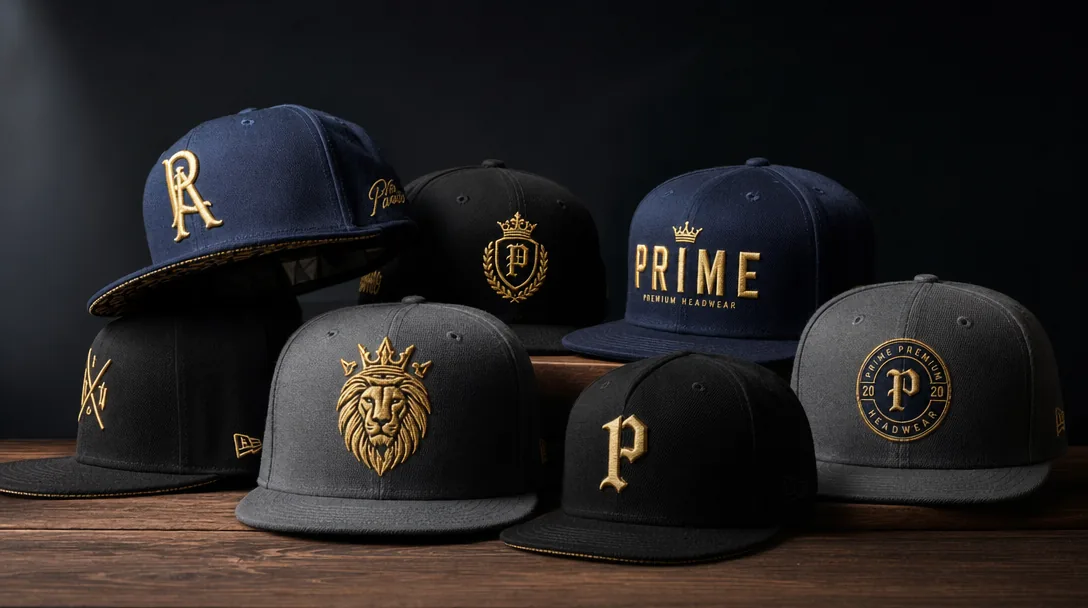
Custom Leather Patch Hat Low Minimum: A 2026 B2B Sourcing Guide
Read article →
Mens Beanies: Properties, Costs and How to Spec It Right
Read article →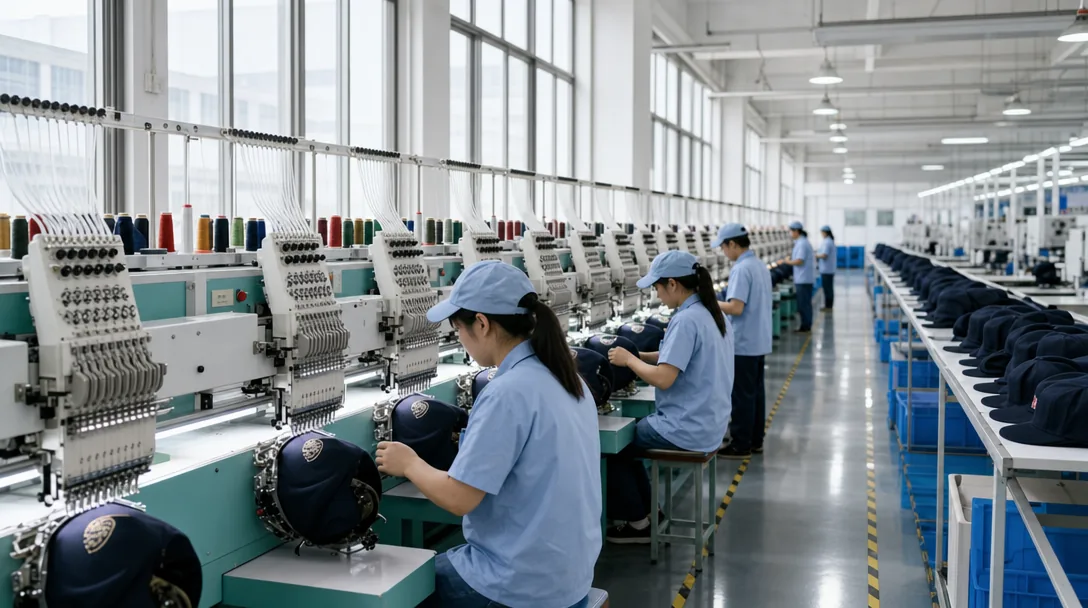
Bulk Trucker Hats Export Shipping Checklist for Custom Hat Buyers - Cost & MOQ Breakdown - Supplier Checklist
Read article →We hope this guide demystifies custom logo hats: when to use it, costs, and what to ask your factory - supplier checklist (2026 update) - 2026 buyer's guide - supplier checklist and helps you move forward with confidence. If you have questions specific to your project, our English-speaking sales engineers are one message away.