
Custom Hat Patch: When to Use It, Costs, and What to Ask Your Factory - 2026 Buyer's Guide - 2026 Buyer's Guide - Cost & MOQ Breakdown
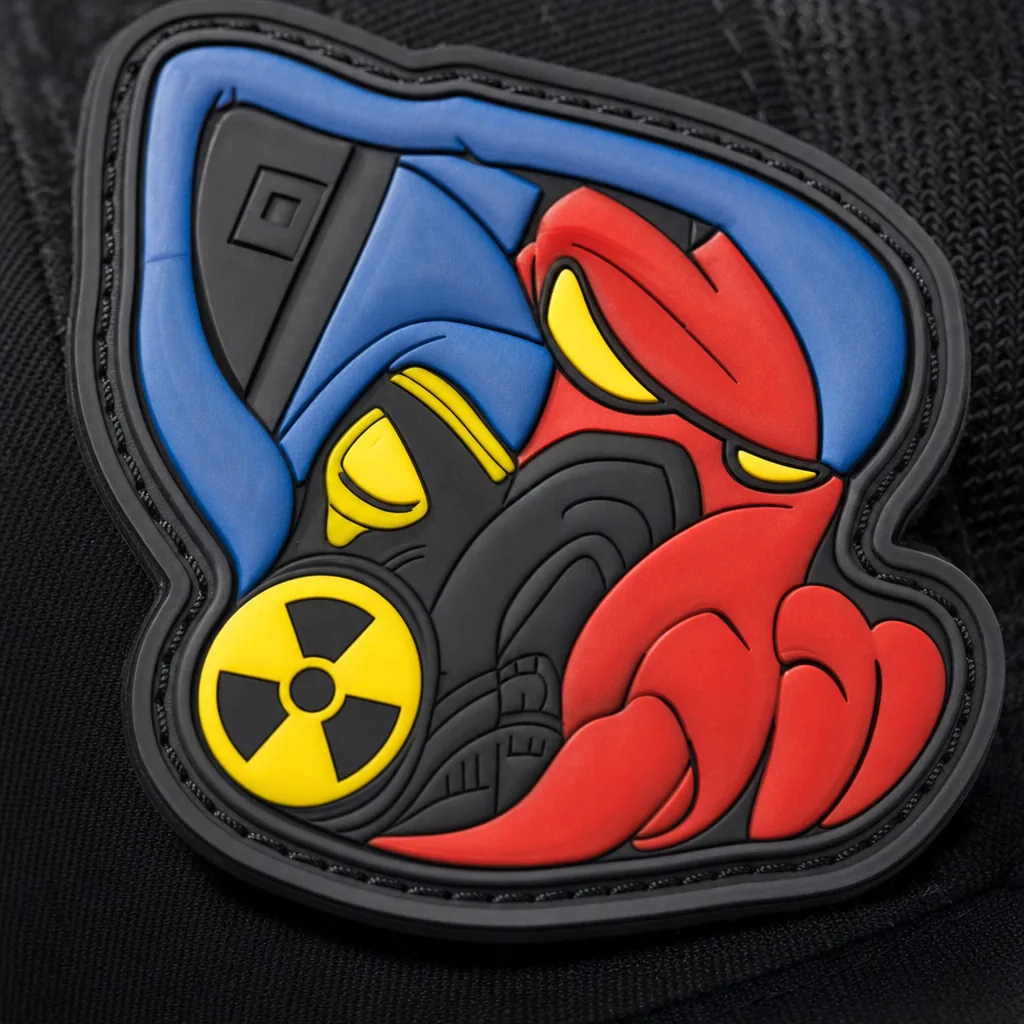
Custom Hat Patch: When to Use It, Costs, and What to Ask Your Factory - 2026 Buyer's Guide - 2026 Buyer's Guide - Cost & MOQ Breakdown is one of the most-asked questions we receive from international buyers, and for good reason. With dozens of factories competing for your order and an alphabet soup of technical terms in every supplier quote, even experienced importers can feel lost. This guide consolidates what we have learned producing custom hats for clients in 40+ countries.
Custom Logo Hats
A custom logo hat should be engineered around the logo before anyone prices the cap body. Direct flat embroidery is reliable for bold marks up to about 80–85 mm wide and 5,000–9,000 stitches on 260–320 gsm cotton twill, brushed chino, or acrylic-wool blend. Push past that on a structured six-panel crown and even well-tuned Tajima, Barudan, or ZSK heads will start fighting the center seam, causing thread breaks, puckering, or a slightly collapsed front panel. A custom hat patch solves that by moving the detailed work onto a flat substrate, then attaching it to the cap with controlled placement and tension.
Patch type should follow the artwork, not the buyer’s mood board. Woven patches are the cleanest option for sponsor lines, small serif text, and lettering near 2–3 mm high because 75D–150D yarn can hold tighter detail than embroidery thread. Embroidered patches give a thicker streetwear hand feel, but I avoid them when thread coverage exceeds roughly 70% because the patch becomes stiff and can curl after heat pressing. PVC and silicone work well for fishing, golf, tactical, and outdoor caps; specify 2D or 3D mold, Shore A hardness, thickness, and whether the back is flat enough to sew without rocking. Leatherette is price-friendly, but low-grade PU can crack after 500–1,000 flex cycles, so flex, crocking, and color-fastness tests belong in the approval process.
Never accept a custom hat patch quote based on a JPEG and “standard size.” The spec should list cap fabric and gsm, panel construction, crown height, visor type, closure, patch material, exact patch dimensions in millimeters, border style, backing, attachment method, and Pantone TCX or TPX references. For brand-critical color, hold Delta-E under 2.0; for promotional jobs, under 3.0 is usually acceptable. At 300 pieces in 2026, a basic cotton twill cap with direct embroidery may land around USD 2.20–4.20 FOB China, while woven or embroidered patches typically add USD 0.35–1.20. PVC adds about USD 0.80–2.00 after mold cost, and genuine leather can add USD 1.20–3.50 depending on thickness and stitch path. Our standard practice at CrownsForge is to approve both the loose patch and the finished cap, then inspect placement at +/-2 mm with crooked sewing, glue bleed, scorch marks, color mismatch, loose edge stitches, and crown deformation treated as major defects under AQL 2.5.
Custom Embroidered Patches
Use a custom hat patch when the logo needs thread texture, edge definition, and a slightly raised badge look that direct embroidery cannot hold cleanly on every cap body. The sweet spot is bold shapes, collegiate lettering, motorsports marks, outdoor badges, and heritage branding. Most factories in Zhejiang run patches on 180–220 gsm polyester twill, acrylic felt, or cotton twill with 120D/2 polyester embroidery thread on Tajima, Barudan, or ZSK multi-heads, then finish with merrow, satin stitch, or laser-cut edges. For anything under 70 mm wide, the DST file needs a real pre-sample review: stitch count, underlay type, pull compensation, column width, edge run, and thread mapping against Pantone TCX or TPX references. If the supplier cannot tell you the estimated stitch count and density range, they are guessing.
Small copy is where embroidered patches fail first. Below roughly 4.5 mm letter height, counters in A, R, O, P, and e start closing, especially after the patch is sewn onto a curved front panel or pressed during finishing. Dense badges also change the way a cap wears: a 60 x 70 mm patch at 10,000–12,000 stitches can make an unstructured 6-panel in 10 oz cotton twill pucker, while a stiffer buckram-backed trucker front will hold it without distortion. Price should be quoted as a finished-cap system, not a loose badge. A 60–75 mm custom hat patch typically lands at USD 0.35–0.90 at 300–1,000 pieces on standard twill with polyester thread; metallic thread, felt appliqué, 3D foam details, or complex merrow can push that to USD 1.10–1.60. Add USD 20–50 for digitizing, USD 30–80 for physical sampling, and USD 0.15–0.45 to sew onto the cap depending on placement and crown structure.
Bulk failures are usually subtle but expensive: merrow tension variation, outline registration drifting 0.5–1.0 mm, fill gaps, thread luster mismatches, adhesive bleed, scorch from heat pressing, and patch placement walking more than 2 mm from the approved sample. Under AQL 2.5, crooked placement, frayed edges, missing stitches, or color outside the agreed Delta-E tolerance should be treated as major defects; a removable trim under 5 mm is minor. Never approve only the loose patch. Ask for one loose patch and one finished cap sewn on the actual crown fabric, because a badge that looks balanced on a table can look oversized, bowed, or off-center once it crosses a front seam. Our standard practice is to hold approved golden samples at embroidery, sewing, and final packing so operators are matching physical references, not a PDF mockup.
Custom Hat with Patch
A custom hat patch is a separate component with its own engineering risk, not just “decoration” added to a finished cap. The cap body may be cut from 260–320 gsm cotton twill, 16-wale corduroy, nylon taslan, or polyester mesh, then sewn, blocked, steamed, and visor-shaped; the patch is produced on a different line as woven jacquard, flat or raised embroidery, PVC, silicone, debossed leather, sublimated twill, chenille, or heat transfer. A usable tech pack should specify crown height, buckram stiffness, visor board thickness, closure, patch size, edge finish, backing, and placement tolerance from the center front seam and visor seam. Use Pantone TCX for fabric and Pantone C/U for printed, molded, or coated patch colors; for tight brand programs, set Delta-E ≤1.5 for lab dips and ≤2.0 for bulk. If the patch is embroidered, require the Tajima, Barudan, or ZSK digitized file preview, stitch count, thread type, and foam height before approving price. A 55 mm woven patch and a 55 mm 3D embroidered patch can differ by US$1.00–US$1.50 because run speed, density, border method, and needle changes are not comparable.
MOQ and cost are usually controlled by the patch, not the hat silhouette. In 2026 China production, a custom hat patch order can start at 144–300 pieces when the buyer accepts stock twill, stock mesh, or standard corduroy and avoids private molds. Custom-dyed fabric, Pantone-matched PVC, silicone tooling, metal plates, or selected full-grain leather normally moves the practical MOQ to 500–1,000 pieces. At 300 pieces, a structured 6-panel cotton twill cap with a sewn woven patch commonly prices around US$3.20–US$5.80 FOB Yiwu or Ningbo, excluding duty and last-mile delivery. Flat embroidered patches add about US$0.45–US$1.20; raised embroidery adds US$0.90–US$1.80 depending on stitch count and 2–4 mm foam height. PVC patches add US$0.80–US$2.20 plus US$60–US$180 for a mold. PU leather is cheaper, but 1.2–1.6 mm cowhide with laser engraving, oil edge, and clean perimeter stitching can add US$1.20–US$3.50. CrownsForge separates cap cost, patch cost, digitizing or mold fee, sample fee, carton dimensions, and FOB/DDP freight so buyers can compare quotes line by line.
Most failed custom hat patch orders fail at assembly, not artwork approval: the patch is 4 mm off-center, the satin border puckers, adhesive releases after heat exposure, leather edges curl, or PVC cracks because the sewing needle was too close to the edge. Set tolerances before the pre-production sample. For retail caps, hold patch placement to ±2 mm from center line and visor seam; for promotional work, ±3 mm is usually realistic. Loose threads over 3 mm should be trimmed, borders should sit flat without tunneling the front panel, and thick leather or PVC patches need proper needle clearance and stitch spacing. Inspect bulk under AQL 2.5 for major defects and AQL 4.0 for minor defects, with added checks for rub resistance, seam pull, visor symmetry, needle holes, carton drop, and color drift against the approved standard. Heat-applied patches need recorded press temperature, dwell time, and pressure; cotton twill, polyester foam truckers, and nylon caps do not use the same settings. Use a patch when you need texture, seasonal logo flexibility, or one branding component across snapbacks, dad hats, and truckers. Use direct embroidery when the logo is simple, permanent, and price-sensitive.
Custom Patch for Hat
A custom hat patch makes sense when the logo method and the cap body should be decoupled. You build the emblem as a separate trim, approve it once, then attach it across multiple silhouettes—5-panel campers, structured 6-panel twill, foam-front truckers, bucket hats—without re-digitizing every style. Material choice is where buyers usually win or lose. Woven patches hold the finest detail: on a 60 x 40 mm patch, 0.8-1.0 mm positive lettering is realistic if contrast is strong. Embroidery gives better relief but starts to close up below roughly 1.8-2.0 mm stroke width because thread has physical bulk, even on Tajima, Barudan, or ZSK heads running tight digitizing. PVC is the practical option for outdoor, marine, tactical, and kids’ programs because it shrugs off sweat and rain; chenille works for varsity and retro streetwear; sublimated twill is the only patch type that handles gradients, flags, and photo-style artwork without turning muddy.
Do not approve a custom hat patch from a JPEG and a verbal color note. Send vector AI or PDF artwork, finished size in millimeters, Pantone C for graphics and Pantone TCX for adjacent fabric targets, border type, backing, and exact placement from crown centerline and visor seam. If color matters, ask for a physical strike-off and define tolerance: Delta-E under 2.5 against the approved standard is a reasonable factory target for woven or sublimated patches, while embroidered patches should be judged by thread card match, not printed simulation. Cost is driven more by setup and attachment labor than by the cap itself. Typical ex-factory patch prices before attachment are about $0.18-$0.55 for woven, $0.35-$1.10 for embroidered, $0.70-$1.90 for PVC, and $0.45-$1.40 for PU leatherette at 100-500 pieces. Expect MOQs around 100-300 for woven or embroidery, 300-500 for PVC because of mold setup, plus $60-$180 for a PVC mold or $30-$80 for a woven/embroidery strike-off. Sewing onto a structured crown usually adds $0.12-$0.35 per cap, and patches crossing a front seam or sitting low near the visor almost always cost more because placement gets slower and rejection risk jumps.
Inspect the patch as both a branding component and a construction risk. For bulk production, AQL 2.5 for major defects and AQL 4.0 for minor defects is standard, but patch-specific checkpoints need to be written into the PO: placement within ±2 mm from center front, rotation within 2 degrees, clean edge finish, no loose merrow yarns, no glue bleed, no scorching, and no needle marks outside the patch perimeter. Heat-applied patches need a delayed peel test at least 24 hours after pressing; immediate adhesion checks are misleading because curved crown tension, residual steam, and carton compression can expose weak bonding later. Sewn patches should be checked for skipped stitches, puckering, crown distortion, and mismatch between patch shape and panel curvature, especially on 260-280 gsm cotton twill, brushed canvas, or foam-front truckers where stiffness amplifies placement errors. At CrownsForge, we also flag any patch larger than about 70 x 50 mm on a standard adult front panel because oversized trims tend to bridge seams and telegraph the buckram underneath. If you want texture, easier replenishment across several cap bodies, or less logo risk than direct embroidery, a custom hat patch is usually the safer choice—but only after a physical strike-off is approved before bulk fabric is cut.
Custom Patch Hat
Treat a custom hat patch as its own engineered part, because most rejects happen where the patch meets the crown. A cap can clear cutting, sewing, and blocking, then fail at finishing because the patch radius fights the front panel curve, the backing is too rigid for a buckram-supported crown, or the artwork exceeds what the process can actually hold. For embroidered patches, I would lock down thread brand and sheen, twill base at 180–220 gsm, border construction (merrow, satin stitch, or laser-cut heat seal), and stitch count before sampling; once you push past roughly 9,000–12,000 stitches on a 70 x 50 mm patch, thread build starts making the patch bulky and harder to sew flat. If your factory is running Tajima, Barudan, or ZSK heads, ask what minimum column width they will guarantee and whether they use cap frames or flat frames for the patch run, because that changes edge consistency. Woven and molded options need a different spec sheet. If text is under 1.0 mm high or you have fine outlines below about 0.3 mm, woven usually reads cleaner than embroidery, but only if denier, Pantone reference, and color tolerance are agreed in advance; I normally treat Delta-E under 2.0 under D65 light as acceptable for branded work. For PVC or TPU, confirm thickness in millimeters, Shore A hardness, whether recessed copy will fill in during molding, and if there is a venting plan for small cavities. A proper tech pack for a custom hat patch should show patch size in mm, exact placement from center front and visor seam, cap fabric content, panel structure, backing type, attachment method, and placement tolerance; on finished caps, plus or minus 2 mm is realistic, while anything looser than 3 mm will look visibly off on a front-facing logo.
Patch type usually drives cost and MOQ more than the cap shell. On a standard 6-panel cotton twill, chino twill, or poly-cotton trucker, 100–300 pieces per colorway is possible, but the unit economics improve sharply at 500 because patch setup, strike-offs, placement templates, and operator balancing stop carrying so much overhead. In practical China FOB terms, a basic custom hat patch program at 500 pieces often lands around US$3.20–5.80 for a sewn woven patch cap, depending on fabric, closure, and sweatband spec. Patch-only adders are typically US$0.35–1.20 for embroidery, US$0.25–0.70 for woven, US$0.60–1.80 for PVC, plus a one-time mold charge around US$50–150, and US$0.80–2.50 for genuine leather depending on hide grade, deboss area, and edge finish. Our standard practice is to avoid judging patch cost in isolation; a cheap patch that slows sewing by 20 seconds per cap is not actually cheap. Heat-press attachment looks efficient on paper, but it is the first thing I question on brushed cotton, corduroy, nylon taslon, and low-surface-energy performance fabrics because bond strength varies too much after finishing and wear. Perimeter stitching is slower, but it controls lifting, edge curl, and long-term peel far better, especially on thicker leather or molded patches. Quality failures worth policing are predictable: 3–5 mm crooked placement, panel puckering around stiff patches, loose merrow yarn, adhesive bleed through light-color fabrics, and color drift between approved strike-off and bulk lot. I would inspect to AQL 2.5, require a pre-production sample made in bulk fabric rather than substitute stock, and add patch-specific tests such as corner pull, 40°C wash where applicable, heat aging for bonded applications, and neutral-light photo approval before bulk release. If the factory has sedex-audit-cap-supplier-guide.html">BSCI 2.0 or Sedex SMETA 4-Pillar audit coverage, that helps with compliance, but it will not catch a badly specified patch.
Custom Patch Hats
The biggest mistake buyers make with a custom hat patch is treating it like a graphic choice instead of a construction choice. Patch type has to match crown shape, fabric weight, and the point in sewing when it gets applied. Woven patches are the sharpest option for 2–3 mm text and fine outlines because the design is formed on a loom with polyester yarn, not built from needle penetration; on small logos, they usually hold detail better than direct embroidery. Embroidered patches from Tajima, Barudan, or ZSK heads give more relief, but once satin columns fall below about 1.2 mm, corners soften and fills start looking crowded. PU, genuine leather, and PVC rubber behave differently again: leather and PU can be debossed, laser-engraved, or heat-stamped, while PVC is molded with separate color cavities and holds up best in sweat, rain, and outdoor use. The attachment method matters as much as the patch face. A flat woven patch on a structured 6-panel 108x56 cotton twill cap can be sewn cleanly before crown closing with minimal distortion; the same patch applied after blocking on a soft dad cap often shows edge lifting if the buckram is light or the wash is heavy. Thick PVC patches around 2.5–3.0 mm need lower needle speed, adjusted presser-foot pressure, and sometimes a hidden backing layer so the crown does not pucker around the stitch line. Buyers should specify patch size in millimeters, merrowed vs laser-cut edge, backing type, Pantone C or Pantone TCX reference, placement from visor seam or center front seam, and acceptable placement tolerance, usually ±2 mm for retail work. Our standard practice is to reject vague notes like “centered on front” because they create preventable claims later.
MOQ and cost are driven more by the patch program than by the cap shell. For most custom hat patch orders, woven and embroidered patches start around 100–300 pcs per design/color, with setup at roughly $30–$80 for digitizing or loom programming and unit patch cost at $0.35–$1.20 for a common 50–75 mm size. PU leather usually lands at $0.45–$1.50 each after a $40–$100 die or stamp charge; genuine vegetable-tanned cowhide can run $1.20–$3.50 because hide grading, thickness variation, and material waste are real cost drivers, not sales talk. PVC patches normally need 300–500 pcs to make sense because the mold is often $80–$180, higher if the logo has multiple isolated color cavities or undercut detail. Finished caps with patch typically land around $3.20–$8.50 FOB Ningbo or Shanghai depending on fabric—brushed cotton twill, 600D performance poly, corduroy, washed canvas—and whether the application is sewn, heat-pressed, or both. Inspection should focus on failure points, not presentation photos. Use AQL 2.5 for major defects and AQL 4.0 for minor, then physically check patch attachment strength, edge security, color consistency, and crown deformation. Major defects usually include loose corners, skipped border stitching, cracked PVC, scorched PU, glue bleed visible from 30 cm, and placement drift beyond 2–3 mm from approved spec. Color should be checked under D65 lighting; for brand programs, a Delta-E under 2.0 is realistic on woven patches, while leather and PVC are often controlled to under 3.0 because hide shade and rubber compounds fluctuate more in bulk. Before cutting bulk, ask for the patch strike-off or tooling proof, one pre-production cap, and bulk patch photos before application. If the hats are going into licensed retail, also ask for BSCI 2.0 or Sedex SMETA 4-Pillar audit records and restricted-substance declarations covering PU, PVC, inks, and adhesive chemistry.
Working with CrownsForge for custom hat patch programs
Most custom hat patch failures start where the patch meets the crown. If patch fabrication and cap assembly sit with different vendors, nobody owns edge allowance, shrinkage, or placement tolerance, and a 2 mm offset on the patch table becomes a visibly crooked front logo after sewing. A controlled program keeps digitizing, strike-off approval, patch production, and cap assembly under one tech pack, with one approved size and one placement spec. For a standard 6-panel cotton twill cap, I would hold center-front placement tolerance to +/-1.5 mm and patch size tolerance to +/-1.0 mm; anything looser invites rework. First-round timing should also be stated realistically: 3 to 5 working days for artwork cleanup, Pantone callout, and construction sheet, then 7 to 10 working days for a physical sample. A 5-panel foam trucker, curved patch silhouette, or seam-crossing design usually adds 2 to 4 days because crown curvature and stitch path need separate setup and testing. Color approval on a custom hat patch has to follow the material, not a paper-chip fantasy. Embroidery thread, merrow yarn, twill ground, PVC ink, and PU topcoat all reflect light differently, so one blanket approval is useless. The practical method is to approve thread and fabric against Pantone TCX or Pantone Coated references under D65 lighting, then judge bulk against the signed strike-off. On sublimated twill or printed PVC, Delta-E under 2.0 is a realistic target for repeat programs; on embroidered patches, sheen and stitch angle make that unrealistic, so visual approval against the sew-out is the correct standard. Size should be locked early too: 65 to 70 mm wide is the safe ceiling for most adult front panels before crown taper, buckram stiffness, and top-curve distortion start fighting you. Once a buyer approves an oversize patch for a low-profile cap, puckering is not a factory surprise; it is a spec mistake.
MOQ and cost are driven far more by patch construction than by the cap pattern. If the factory already carries the blank body in 260 to 300 gsm cotton twill or 8 oz brushed chino, an embroidered or woven custom hat patch under 70 mm can work at 144 pieces per colorway. Once you move into genuine leather, molded PVC, chenille, glow additives, or laser-cut appliqué, 300 to 500 pieces is the real threshold because mold charges, die cost, and material loss stop making sense below that. For 2026 budgeting, a stock-fabric cap with a sewn embroidered patch should land around $2.10 to $3.30 FOB Ningbo at 300 units. Woven patch versions usually run $2.25 to $3.55, while molded PVC is more often $2.90 to $4.30 depending on mold depth, color count, and whether the backing is direct-sew, heat-press, or hook-and-loop. Capability is easy to fake in a sales PDF and hard to fake on a curved crown. A patch that looks clean as a flat strike-off can tunnel, twist, or telegraph seam bulk once it hits a foam trucker or heavy buckram front. The reliable setup uses Tajima, Barudan, or ZSK heads for consistent satin borders, then attaches patches on post-bed or cylinder-bed machines with fixed placement jigs and tested stitch density. Buyers should ask for BSCI 2.0 or Sedex SMETA 4-Pillar audit reports, needle-control logs, and restricted-substance declarations covering inks, PU, and PVC, then require final inspection at AQL 2.5 major / 4.0 minor. At CrownsForge, the stable sequence is tech-pack review, material card approval, pre-production sample, inline inspection, and final random inspection before carton release. That matters once a custom hat patch program jumps from a 300-piece launch to 10,000 units a month, because repeatability comes from process discipline, not from offering ten patch types on a website.
Frequently Asked Questions
Can I order a sample before bulk production?
Yes. We strongly recommend approving a pre-production sample before mass production. Samples are charged at 35 to 60 USD each plus express shipping, fully refundable against confirmed bulk orders over 500 pieces.
Do you support sustainability certifications?
Yes. We work with GOTS organic cotton, GRS-certified recycled polyester, OEKO-TEX Standard 100 fabrics, and are BSCI and Sedex audited. Certification documentation can be provided per order.
What logo decoration techniques do you offer?
3D puff embroidery, flat embroidery, woven patch, leather patch, PVC patch, screen printing, sublimation, applique and laser etching, all in-house with no subcontracting.
What file format should I send for my logo?
Vector files (AI, EPS, PDF) are ideal. High-resolution PNG or JPG at 300 dpi on transparent background works as a fallback. Provide Pantone color references for accurate reproduction.
What is the minimum order quantity (MOQ) for custom hats?
Our standard MOQ is 100 pieces per design and color, with sampling available from 1 piece. For complex multi-color logos or premium fabric upgrades, the MOQ can be lowered with a small per-piece surcharge.
How does ordering custom leather patch trucker hat work?
When evaluating custom leather patch trucker hat, the key considerations are construction quality, decoration capability, MOQ flexibility and lead time. Cover everything buyers ask about custom logo hats: how it's manufactured, what specs to request from a factory, typical MOQ and pricing, common quality issues to inspect for, and how this ties back to the broader custom hat patch sourcing decision. Cover everything buyers ask about custom embroidered patches: how it's manufactured, what specs to request from a factory,…
What's the MOQ for custom leather patch hats no minimum?
When evaluating custom leather patch hats no minimum, the key considerations are construction quality, decoration capability, MOQ flexibility and lead time. Cover everything buyers ask about custom logo hats: how it's manufactured, what specs to request from a factory, typical MOQ and pricing, common quality issues to inspect for, and how this ties back to the broader custom hat patch sourcing decision. Cover everything buyers ask about custom patch hats: how it's manufactured, what specs to request from a factory, typical MOQ…
How does ordering custom embroidered trucker hats work?
When evaluating custom embroidered trucker hats, the key considerations are construction quality, decoration capability, MOQ flexibility and lead time. Cover everything buyers ask about custom logo hats: how it's manufactured, what specs to request from a factory, typical MOQ and pricing, common quality issues to inspect for, and how this ties back to the broader custom hat patch sourcing decision. Cover everything buyers ask about custom embroidered patches: how it's manufactured, what specs to request from a factory,…
How does ordering custom baseball hats with logo work?
When evaluating custom baseball hats with logo, the key considerations are construction quality, decoration capability, MOQ flexibility and lead time. Cover everything buyers ask about custom logo hats: how it's manufactured, what specs to request from a factory, typical MOQ and pricing, common quality issues to inspect for, and how this ties back to the broader custom hat patch sourcing decision. Cover everything buyers ask about custom patch hats: how it's manufactured, what specs to request from a factory, typical MOQ…
Ready to start your custom hat project?
Send us your tech-pack, sketch or even just an inspiration photo. We will respond with a detailed quotation and digital mock-up within 24 hours.
Request a free quoteRelated guides
Festival Bucket Hat: A Vertical-Specific Sourcing Guide
Read article →Baseball Caps Canada: A Vertical-Specific Sourcing Guide
Read article →
Refreshing a Hat Collection: A Repeat-Order Playbook for Established Brands (2026 Update)
Read article →We hope this guide demystifies custom hat patch: when to use it, costs, and what to ask your factory - 2026 buyer's guide - 2026 buyer's guide - cost & moq breakdown and helps you move forward with confidence. If you have questions specific to your project, our English-speaking sales engineers are one message away.