
Custom Golf Hats: A Manufacturer's Guide to Performance Headwear - Cost & MOQ Breakdown - Supplier Checklist
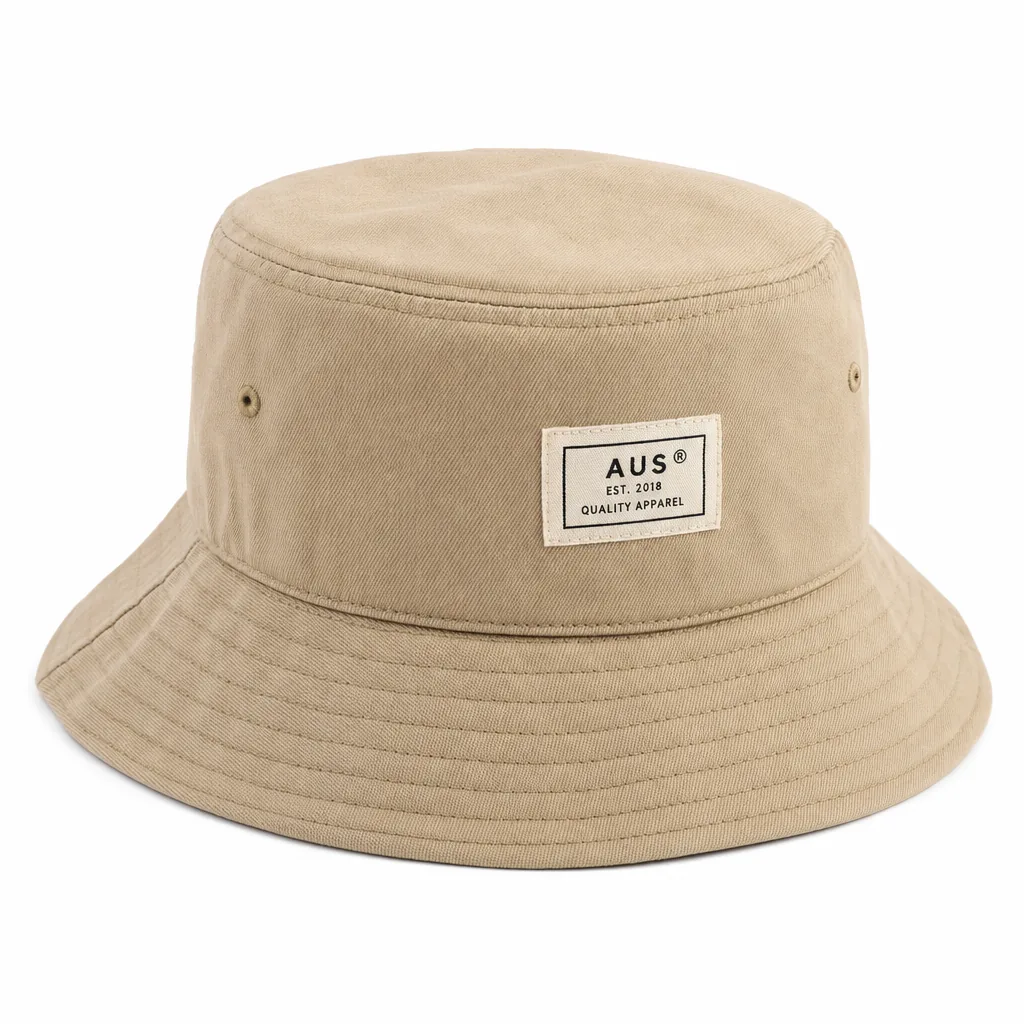
Every week, our sales team answers detailed questions about custom golf hats: a manufacturer's guide to performance headwear - cost & moq breakdown - supplier checklist. We wrote this guide so that wholesalers, streetwear brands, corporate buyers and promotional resellers can compare options with full information, and avoid the traps that show up only after production has started.
The golf-specific silhouettes that dominate retail and tournament programs
The silhouettes that actually move in golf are narrow: a curved-brim performance cap, a low-profile 5-panel, and a rope cap. The curved-brim cap still carries the volume because it works for club uniforms, range wear, and sponsor logos without fighting most head shapes. A realistic spec is 6-panel 100 percent polyester or polyester-spandex at 90-120 gsm, with a pre-curved PE or EVA brim, laser-cut side vents, and a moisture-wicking sweatband. Buyers pick it because it takes flat embroidery, woven patches, PVC or silicone badges, and even 3D puff on the front if the crown is tall enough. For custom golf hats, that construction matters more than chasing a trend color. The low-profile 5-panel gives a cleaner front face for resort retail and pro shop branding, while rope caps sit in a different lane entirely: the cord above the brim reads retro sport, so they fit limited club drops and streetwear-leaning merch, not generic promo programs.
Tournament and course-condition programs usually split between bucket hats and visors, and the economics are not interchangeable. A bucket hat uses more fabric, more seam time, and usually a wider brim board, but it solves UV coverage in humid markets and southern climates where a 360-degree brim is worth the higher FOB. A visor is lighter, cartons flatter, and costs less to make, but it only makes sense when the end buyer actually plays golf instead of just attending events. In production terms, these are separate patterns, not color swaps on one line: panel count, crown depth, brim stiffness, sweatband width, and decoration zone all change the sample. A factory should approve bucket, visor, and cap independently, because a 58 cm headform, a 7 cm brim, and a 12,000-stitch logo behave very differently once the machine starts pulling thread.
For wholesale assortments, the practical mix is one volume silhouette, one style-led piece, and one sun-protection option. That usually means the curved-brim cap as the base, a rope cap for premium club accounts or limited drops, and either a bucket hat or visor for tournament programs and hot-weather markets. The mistake is treating every custom golf hats order as interchangeable. A dense 3D puff logo that looks fine on a render will flatten or pucker on a low crown, while flat embroidery, a woven patch, or a silicone badge stays cleaner and is easier to keep inside a $2.20-$4.80 FOB target on basic runs. Brim board thickness, crown height, stitch density, and sweatband spec all change the hand feel and the retail read, so each silhouette needs its own sample approval. Buyers who only ask for “golf hats” and expect one pattern to cover every channel usually end up paying for avoidable revisions.
Why golf demands performance fabric (not cotton twill)
Cotton twill is fine for a giveaway cap that lives in a box, but it is the wrong starting point for custom golf hats that need to survive a 34- to 38-degree C round and still look presentable on the 18th green. Once cotton absorbs sweat, it gains weight, collapses at the crown, and starts sticking to the forehead seam. The better baseline is usually 100-150 GSM microfiber polyester, or a 95/5 polyester-spandex blend with a tight woven face and a brushed hand. That construction pulls moisture away from the skin instead of holding it in the yarn, which is the difference between a hat that feels dry at the turn and one that feels heavy by hole six.
Drying speed is not a nice-to-have on course. A cap can get soaked in the first nine, tossed into a cart bag, and worn again the next morning; cotton twill stays damp, while performance polyester often feels serviceable within a few hours in normal ambient conditions. In production terms, that means less crown distortion, fewer salt rings at the sweatband, and fewer complaints from clubs and resorts that buy 300 to 1,000 pieces per colorway. UV resistance matters too, because golf headwear spends long hours in direct sun, not just a few minutes at an event table. A fabric that holds color and shape after repeated wear is worth more than a cheaper roll price that looks good only on the first shipment.
Fabric choice also affects decoration quality, which is where many custom golf hats fail in real use. Dense embroidery above 6,000 to 8,000 stitches, or 3D puff on a structured front panel, behaves better on stable polyester than on soft cotton twill because the needle is not fighting a looser weave. Our standard practice is to pair a performance shell such as micropeach polyester with a matching polyester sweatband, then test for puckering, brim-edge sweat marks, and wash recovery before bulk approval. That combination gives a cleaner retail finish, better logo definition, and fewer returns after a full season of play. In short, the fabric decision controls hand feel, drying time, stitch quality, and how long the hat stays presentable under actual golf conditions, which is the real benchmark for wholesale programs.
UPF sun protection for golf programs
Most performance polyester golf headwear will land around UPF 30+ by default if the fabric is tight-knit, dark, and fully closed at the crown, but that is not the same as a defensible UPF 50+ claim. Once the brief calls for a hangtag that says UPF 50+, or the hats need to go to schools, resorts, municipal golf programs, or outdoor retail, the shell fabric has to be built for UV resistance and then verified by lab testing. For custom golf hats, treat UPF as a material specification, not a decoration note. Crown, side panels, undervisor, and sweatband can all test differently if you mix a mesh crown with a solid bill or swap in a cotton sweatband.
Australia is still the cleanest standard to anchor on, with AS/NZS 4399 reports from SGS or Bureau Veritas typically running about $300 to $500 per SKU, plus re-test costs if you change fabric, color, coating, or construction after approval. In practice, that means one navy sample does not automatically cover a light gray run, because pigment concentration and finishing chemistry can move the result enough to matter. I have seen buyers assume a single report covered an entire line, then find the approved version and production version no longer matched. If you are ordering custom golf hats with logo for a wholesale program, lock the exact shell cloth, undervisor, thread, and sweatband before sampling or you will pay twice.
For certified programs, I would start with UPF 50+ woven or knit polyester in the 120 to 180 gsm range for structured five-panels and 160 to 220 gsm for softer unstructured styles. Fine twill, peached micro-poly, and brushed tricot usually hold their rating better than open mesh; laser-perforated side panels can improve airflow if they stay out of the highest sun-exposed zones. The control point is a material code tied to the lab report, so production cannot quietly substitute a different bill cloth or sweatband later. On custom golf hats, a clean Tajima or Barudan embroidery run matters for brand presentation, but it does nothing for UV performance if the base fabric, dye load, and assembly are wrong.
Moisture-wicking sweatband: the detail buyers don't notice until summer
A cotton sweatband looks harmless on a spec sheet and fails fast on course. In 30 C heat with 70 percent humidity, it can be saturated by the turn, then start feeling heavy, print a forehead line, and loosen the fit as the crown wicks moisture back into the structure. For custom golf hats, the right baseline is a polyester-elastane sweatband, usually 88/12 or 90/10, 25 to 30 mm finished width, sewn with a 3-thread or 4-thread overlock and a single topstitch so the edge stays flat under wear. That construction moves perspiration off the skin and into the cap interior where evaporation can actually happen. On summer-weight performance caps sold through pro shops, club stores, or tournament programs, this is not a nice-to-have detail; it is the difference between a hat that gets worn all season and one that gets tossed after the first hot round.
The cost impact is small, usually about $0.15 to $0.25 per piece depending on band width, stitch density, and whether the body is 110 to 140 gsm polyester twill, nylon-spandex, or brushed performance mesh. That is a trivial line item next to a 10,000 to 12,000 stitch front logo, a woven loop label, or a molded silicone patch, yet it changes how the hat feels in real heat. Buyers should treat the sweatband as part of the performance spec, not trim. A cheap cotton band can soak up sweat, darken at the forehead, and make an otherwise well-built cap feel sloppy after one round. If the hat is being priced as premium retail or team merch, the sweatband needs to match the rest of the construction, not trail behind it.
Lock the sweatband in the tech pack before sampling, not after approval. Specify fiber blend, finished width, seam type, needle count, wash recovery target, and colorfastness to perspiration, then check the pre-production sample against crown height, visor curve, and embroidery placement at the same fitting. Our standard practice is to match the band to the target climate and run handfeel checks under fit testing, because a low-grade cotton strip can undo custom golf hats that otherwise pass visual QC. For supplier comparison, ask for the exact composition, shrinkage after five wash cycles, and whether the material holds Delta-E 1.5 or better after exposure to sweat staining. That level of detail separates a retail-ready cap from a return.
Rope hats: why this silhouette became the golf hero category
Rope hats became the golf hero category because they solve a merchandising problem standard dad caps and streetwear 5-panels never fully handled: they read technical, but not try-hard. The useful version is usually a structured 5-panel or 6-panel crown with a flatter top line, a 2 to 4 mm nylon or polyester rope set above the brim, and a precurved or lightly curved visor that holds shape on a shelf. That rope is not decoration for its own sake; it gives the front panel a hard visual break, which makes 3D puff embroidery, merrowed patches, and clean satin-stitch logos look more intentional than they do on a soft unstructured cap. Brands like Imperial, Melin, and Branded Bills pushed the silhouette into clubhouses and pro shops, and buyers followed because it sits between golf, lifestyle, and corporate merch without forcing a new fit block. For custom golf hats, that is the point: one form can sell to retail, tournament programs, and member-gift packs without looking like three different products.
From a manufacturing angle, rope hats are attractive because the build is repeatable if the trim spec is disciplined. The shell is usually cotton twill, nylon taslon, polyester twill, or recycled performance fabric in the 150 to 220 gsm range, with buckram or foam-backed front panels to keep the crown crisp; visor inserts are commonly 2 mm to 3 mm PE or cardboard-free composite board. The rope is sewn into the seam above the brim, so placement tolerance matters more than buyers expect. If the rope line drifts 2 to 3 mm, the cap looks off even when the stitching is clean. Our standard practice is to hold MOQ at 100 pieces for custom golf hats when the bill shape, rope color, closure, and artwork are already fixed, because that keeps sampling waste down and avoids dead stock in odd trims. That level is workable for club programs, small wholesale runs, and test buys before moving to 300 to 500 units.
The cost sits in trim and decoration, not the shell. A blank rope hat at factory level often lands around $2.20 to $3.60 FOB depending on fabric weight, closure, panel count, and whether the front is fused or fully lined; add $0.40 to $1.20 for flat embroidery, woven patch, or heat transfer, and more if the buyer wants a contrast rope, custom undervisor, or sandwich brim. The style stays efficient because Tajima, Barudan, and ZSK heads handle the panel geometry without drama, so machine time is predictable and stitch registration is stable. The failure points are color and hand feel: rope contrast, front-panel stiffness, thread shade, and undervisor fabric should be approved against Pantone TCX and a physical lab dip, not a screen image. For custom golf hats, that color control is what separates a clean pro-shop piece from something that looks like an overrun. If the Pantone callout is loose, the hat can feel cheap even when the construction is technically correct.
Tournament + club merchandise compliance and timing
Tournament and club merchandise lives or dies on lead time. For PGA member events, club championships, charity scrambles, and sponsor days, the workable planning window is 90 to 120 days before first tee if you want real control over fabric, decoration, and packaging. That is not padding; it is what disappears into yarn-dyed or piece-dyed fabric booking, embroidery digitizing, strike-off approval, bulk sewing, carton labeling, and export transit. Send Pantone TCX or Pantone C references at the quote stage, not after sample review, because verbal color matching is where bad approvals start. For custom golf hats with front-panel logos, expect at least one pre-production sample and a practical color tolerance around Delta-E 2.0 to 3.0 on crown fabric and thread, tighter if the hats must match apparel and signage in the same club program.
Pro-shop retail runs on a different clock. For spring and summer programs, seasonal orders are usually locked by January if the account needs full size coverage, closure options, and enough depth across multiple styles of custom golf hats. That leaves time to finalize art, hangtags, barcode labels, polybag inserts, and retail-ready carton marks before the shelf date. Decoration has to be fixed early too: flat embroidery, 3D puff, woven patches, TPU or silicone badges, and heat-applied emblems each carry different stitch counts, hand feel, and sampling risk. If you change the method after sample approval, you usually add 7 to 14 days immediately. CrownsForge’s standard practice is to hold bulk production until stitch placement, thread colors, and final packaging are signed off, because that is where most avoidable schedule slips start.
Compliance is the part buyers underestimate. Club committees and tournament organizers often have dress-code rules and sponsor approvals that reject last-minute contrast underbrims, sandwich piping, reflective trims, or oversized side branding unless those details were cleared on the first line sheet. If the event is tied to a sponsor or a televised property, approval can add 2 to 3 weeks, especially when custom golf hats place logos on the center front, left panel, or back arch where visibility matters. The supplier checklist is blunt: confirm art ownership, lock Pantone targets in writing, approve the sample on the actual hat body, and leave calendar room for AQL 2.5 inspection, carton QC, and export booking. That is the difference between an on-time delivery and a rush-charge problem that eats margin and goodwill.
Working with CrownsForge on golf programs
Custom golf hats should be engineered from the fabric up, not built around the logo and then patched together. For most programs, 145 to 180 gsm performance polyester or recycled PET knit is the sweet spot; go softer only if the buyer wants a retail hand feel, because brushed finishes can trap heat and reduce the crisp panel shape golfers usually want. UPF 30+ or UPF 50+ should be based on actual fabric construction and lab testing, not a supplier claim sheet. The pattern should usually be a low-profile six-panel crown with controlled buckram, a pre-curved visor, and a stitch map that keeps embroidery flat instead of turning the front panel into a rigid block. If the program calls for a club-store look, a rope insert can work, but the cord diameter and seam spacing need to be fixed before sampling or the proportions will look wrong once sewn.
For custom golf hats programs, the details that decide whether the hat wears well are sweat control, logo scale, and closure choice. A polyester tricot or Coolmax-style sweatband with foam or nonwoven backing is standard for summer retail and tournament use; cooler-climate programs usually do better with a lighter, faster-drying band and less bulk at the forehead. We digitize for Tajima, Barudan, and ZSK heads, and the stitch density, underlay, and pull compensation need to be tuned for front logos around 80 to 95 mm wide, because a clean vector mark can distort quickly on a curved crown. Typical sample lead time is 7 to 12 days once Pantone TCX references, panel count, closure, visor shape, and packing method are locked. Bulk production usually runs 25 to 32 days FOB Yiwu if trims are approved and color matching does not stall the order.
The cost spread on custom golf hats is driven far more by construction choices than by the blank cap itself. A basic six-panel polyester cap with a hook-and-loop closure and flat embroidery often lands around USD 2.20 to 3.20 FOB at MOQ, while a rope cap, structured front, sandwich visor, or 3D embroidery can push that to USD 3.50 to 5.50 depending on volume and trim complexity. Buyers should insist on a line-item quote that separates the blank body, sweatband, embroidery, packing, and carton count, because a single headline unit price usually hides where the margin sits. The spec sheet should be frozen before cutting fabric, along with the test method and packing format; that is what keeps crown height, visor curve, and sweatband width from drifting between the pre-production sample and the bulk lot.
Frequently Asked Questions
How long does production take?
Sampling takes 7 to 12 days. Bulk production runs 20 to 30 days depending on quantity, fabric availability and decoration complexity. Inspection and packing adds another 3 to 5 days before shipment.
Do you support sustainability certifications?
Yes. We work with GOTS organic cotton, GRS-certified recycled polyester, OEKO-TEX Standard 100 fabrics, and are BSCI and Sedex audited. Certification documentation can be provided per order.
What is the minimum order quantity (MOQ) for custom hats?
Our standard MOQ is 100 pieces per design and color, with sampling available from 1 piece. For complex multi-color logos or premium fabric upgrades, the MOQ can be lowered with a small per-piece surcharge.
What logo decoration techniques do you offer?
3D puff embroidery, flat embroidery, woven patch, leather patch, PVC patch, screen printing, sublimation, applique and laser etching, all in-house with no subcontracting.
Can I order a sample before bulk production?
Yes. We strongly recommend approving a pre-production sample before mass production. Samples are charged at 35 to 60 USD each plus express shipping, fully refundable against confirmed bulk orders over 500 pieces.
What's the MOQ for custom embroidered baseball caps no minimum?
When evaluating custom embroidered baseball caps no minimum, the key considerations are construction quality, decoration capability, MOQ flexibility and lead time. Performance baseball cap with curved brim, 5-panel low-profile golf cap, rope hat with rope detail above the brim, performance bucket hat, and visor. Each has a specific use case — driving range, tournament play, club merchandise programs and pro-shop retail. Standard cotton twill absorbs perspiration and stays heavy. Golf demands moisture-wicking polyester (typically…
How does ordering baseball cap custom logo work?
When evaluating baseball cap custom logo, the key considerations are construction quality, decoration capability, MOQ flexibility and lead time. Performance baseball cap with curved brim, 5-panel low-profile golf cap, rope hat with rope detail above the brim, performance bucket hat, and visor. Each has a specific use case — driving range, tournament play, club merchandise programs and pro-shop retail. Standard cotton sweatband saturates within 9 holes of summer play; polyester-elastane wicking sweatband moves…
How does ordering custom baseball team hats work?
When evaluating custom baseball team hats, the key considerations are construction quality, decoration capability, MOQ flexibility and lead time. Performance baseball cap with curved brim, 5-panel low-profile golf cap, rope hat with rope detail above the brim, performance bucket hat, and visor. Each has a specific use case — driving range, tournament play, club merchandise programs and pro-shop retail. Rope hats (a 5-panel or 6-panel cap with decorative rope above the brim, often in contrast color) became the golf…
What's the MOQ for custom logo hats no minimum?
When evaluating custom logo hats no minimum, the key considerations are construction quality, decoration capability, MOQ flexibility and lead time. Rope hats (a 5-panel or 6-panel cap with decorative rope above the brim, often in contrast color) became the golf cap of the 2020s. Originally a fishing/outdoor silhouette adopted by Imperial, Melin and Branded Bills. We produce equivalents at MOQ 100 pieces. Performance baseball cap with curved brim, 5-panel low-profile golf cap, rope hat with rope detail above the brim,…
Ready to start your custom hat project?
Send us your tech-pack, sketch or even just an inspiration photo. We will respond with a detailed quotation and digital mock-up within 24 hours.
Request a free quoteRelated guides
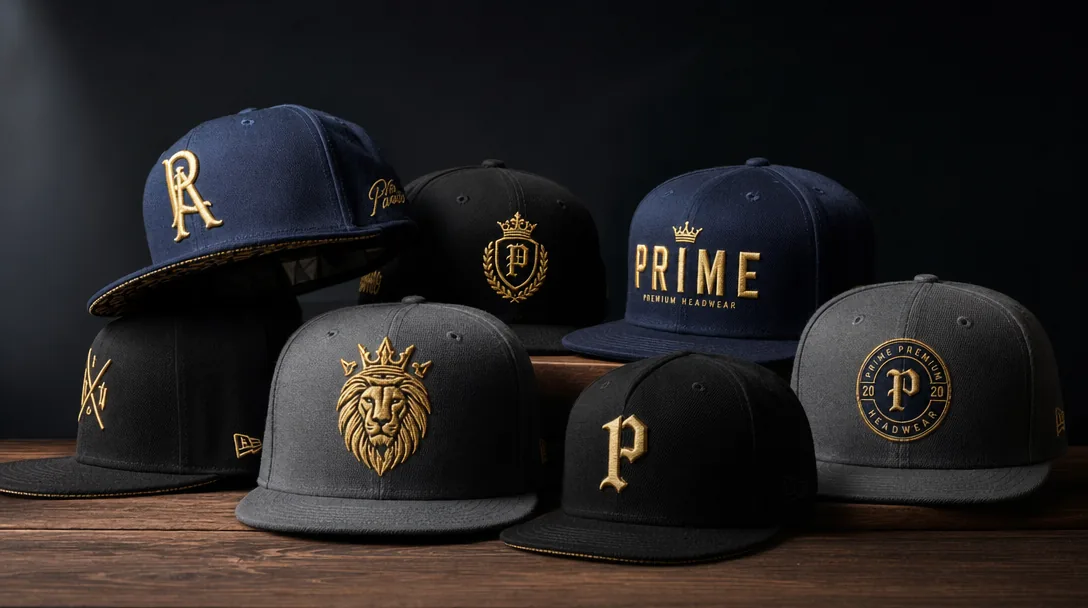
Custom Leather Patch Hat Low Minimum: A 2026 B2B Sourcing Guide
Read article →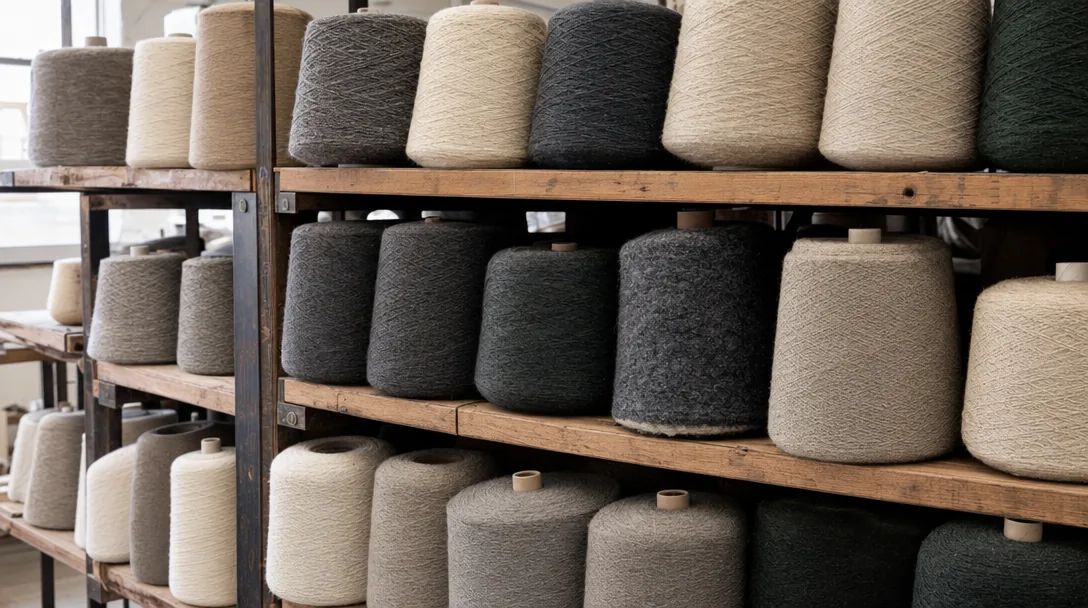
Mens Beanies: Properties, Costs and How to Spec It Right
Read article →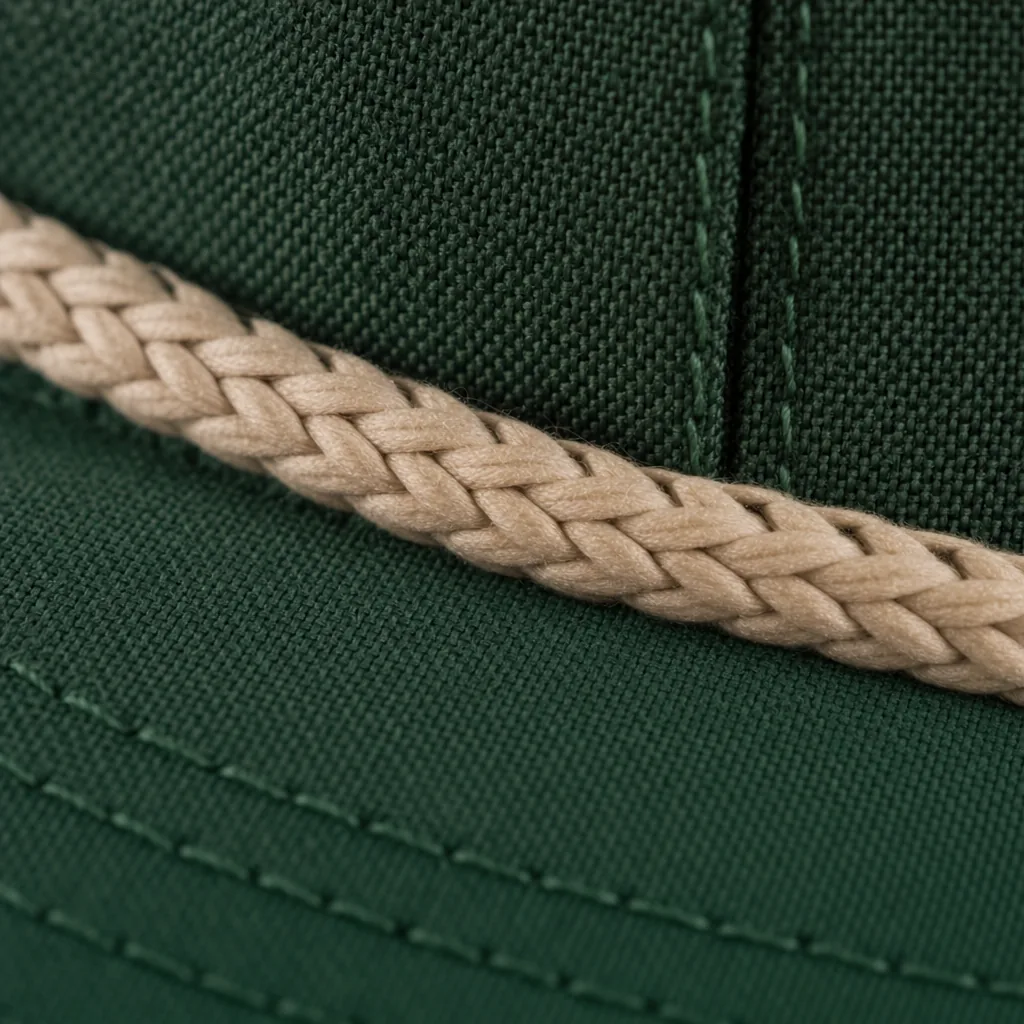
Custom Rope Hats: Manufacturing, Materials and Bulk Pricing (2026 Update)
Read article →Sourcing custom hats does not have to be complicated. With the right manufacturing partner, clear specifications and a small upfront investment in sampling, you can launch a retail-quality product in 30 to 45 days.