
Custom Golf Hats: A Manufacturer's Guide to Performance Headwear - Cost & MOQ Breakdown - Cost & MOQ Breakdown (2026 Update) (2026 Update)
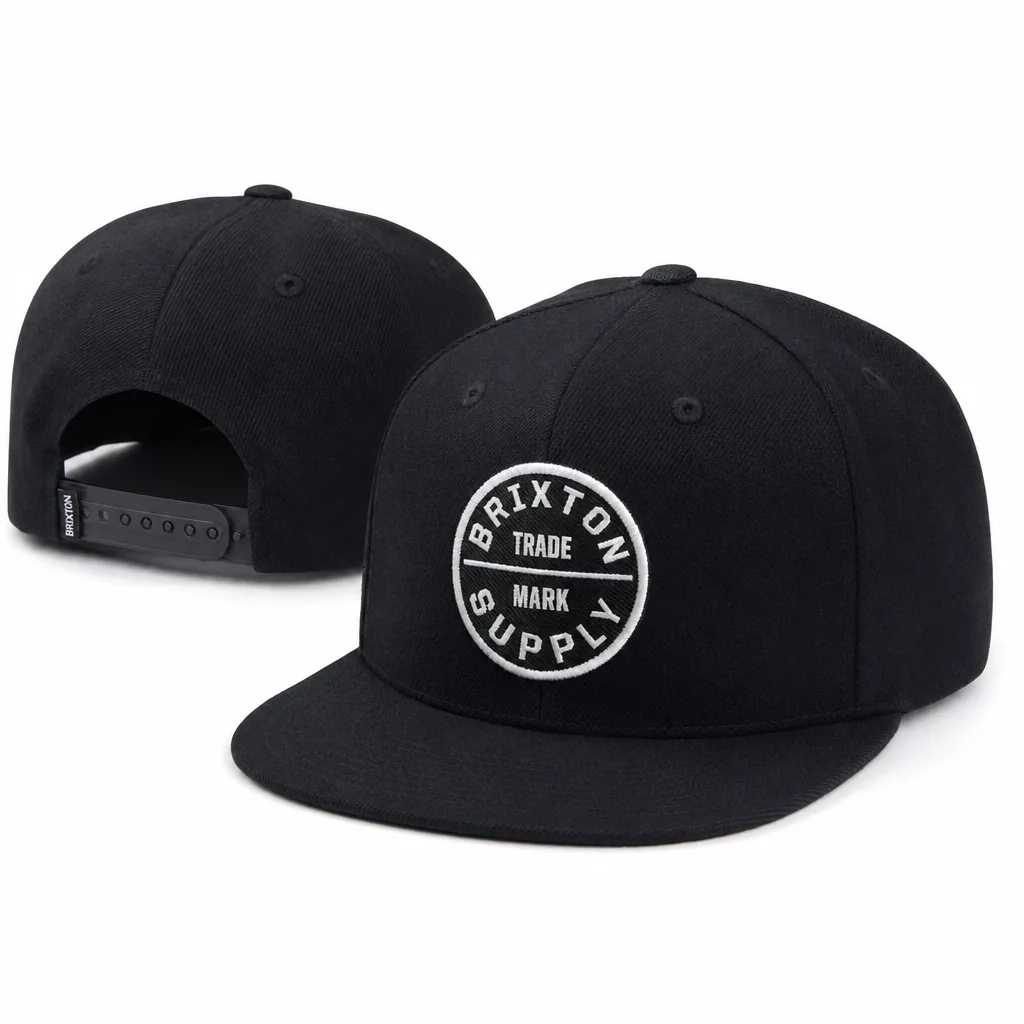
Custom Golf Hats: A Manufacturer's Guide to Performance Headwear - Cost & MOQ Breakdown - Cost & MOQ Breakdown (2026 Update) (2026 Update) is one of the most-asked questions we receive from international buyers, and for good reason. With dozens of factories competing for your order and an alphabet soup of technical terms in every supplier quote, even experienced importers can feel lost. This guide consolidates what we have learned producing custom hats for clients in 40+ countries.
The golf-specific silhouettes that dominate retail and tournament programs
Retail volume in custom golf hats still comes from the structured 6-panel performance cap, but the units that reorder are built for 18 holes, not giveaway bins. The dependable spec is a pre-curved PE board visor, 92/8 polyester-spandex at 160-180 gsm or recycled polyester microfiber at 105-120 gsm, and laser-perforated side or rear panels to move heat without collapsing the crown. Better golf programs also specify a 30-35 mm moisture-wicking sweatband, seam-taped front panels, and a low-profile micro hook-and-loop, TPU strap, or elastic tuck strap instead of a bulky snapback that interferes with a golf bag or cart seat. On Tajima and Barudan embroidery heads, these caps run clean if the front panel is stabilized with the right cutaway backing and stitch density stays under control; push a heavy fill into thin stretch fabric and puckering shows up before packing. In China factory terms, a solid structured golf cap usually lands at $3.10-$4.60 FOB at 300-1,000 pieces, with practical opening MOQs around 144 units per colorway when stock fabric and standard closures are used.
The fastest-growing retail silhouette is the 5-panel low-profile cap because it gives custom golf hats a cleaner, more modern line without drifting into streetwear that conservative clubs will reject. The make-or-break measurement is crown height: about 8.5-9.0 cm produces a flatter front wall, lower visual mass, and better presentation for small left-center logos, tonal monograms, and understated club insignia. That is exactly why premium programs are moving away from thick 3D puff embroidery and toward welded TPU patches, Pantone-matched silicone heat transfers, or high-density flat embroidery with tighter underlay control. On 110-150 gsm technical fabrics, those trims distort the panel less, reduce thread bulk, and keep the cap lighter over a full round. Expect FOB around $3.80-$5.80 depending on fabric, closure, and decoration, and inspect this silhouette to AQL 2.5 at minimum: on a 5-panel front, a 2-3 mm logo drift, off-center seam, or uneven visor stitch line is obvious at first glance.
Rope caps, bucket hats, and visors are no longer side bets; they fill specific slots in golf assortments that the core 6-panel cannot cover. Rope caps do well in resort shops and tournament merchandise because a 3-5 mm polypropylene rope adds contrast at retail and photographs better for event promos than a plain crown. Most are cut in 70/30 cotton-nylon, polyester twill, or lightweight taslon, and they typically cost $4.20-$6.20 FOB at 300-plus pieces depending on rope quality, patch type, and internal taping. Performance bucket hats are stronger for summer events, caddie uniforms, and sun-protection positioning when the spec includes UPF 50+ fabric, a 6-7 cm brim, mesh lining, and bartacked eyelets; those usually run $4.80-$7.50 FOB because brim construction and seam taping add labor. Visors remain reliable in women's programs and hot-weather tournament kits, but production tolerance is tighter than most buyers expect: brim rebound, sweatband absorbency in terry or Coolmax, and logo centering have to be controlled closely because the open crown leaves no place to hide a misalignment.
Why golf demands performance fabric (not cotton twill)
Cotton twill is the wrong baseline for custom golf hats because it absorbs sweat into the fiber instead of pushing it across the surface to evaporate. A standard brushed cotton twill used in promo caps usually lands around 220 to 280 gsm; a proper golf shell is more often 105 to 160 gsm in 75D to 150D filament polyester or a polyester-spandex blend. In real wear, that difference shows up by the back nine. In 30 to 35 C heat, cotton takes on moisture, darkens around the sweatband, and can gain enough weight to soften the crown and distort the brim line, especially on 6-panel constructions with 1.0 to 1.2 mm low-density buckram. On the factory floor, a sweat-loaded cotton sample loses rebound on the block far sooner than a microfiber poly shell. Buyers who know streetwear often overvalue the “natural fiber” angle, but on-course performance is governed by dry time, shape retention, and visible sweat staining, not fiber romance. The better spec is not just “polyester”; it is a system. For custom golf hats, I would usually start with 100% filament polyester or 88/12 poly-spandex, then add laser-perforated side panels, a moisture-managing sweatband, and controlled logo density. Cheap topical wicking finishes often drop off after roughly 10 to 15 home wash cycles; yarn-engineered moisture management or cationic polyester is more stable batch to batch and gives cleaner shade control when matching Pantone TCX targets. Sweatbands matter as much as shell fabric: polyester interlock, cool-dry terry, or perforated stretch bands move sweat away from the forehead far better than cotton tape, which tends to hold a wet line above the eyes. Embroidery can also ruin a good spec. A 9,000 to 12,000 stitch front logo run on Tajima or Barudan heads creates a dense barrier on the crown face, reducing airflow and adding stiffness right where golfers want flex. The typical cotton saving of $0.20 to $0.40 per cap is insignificant once complaint rates rise on programs retailing above $28.
UPF sun protection for golf programs
Do not assume a lightweight performance cap automatically qualifies for a UPF 50+ claim. In custom golf hats, untreated 140-180 gsm polyester interlock, microfiber twill, or tight-gauge pique may test in the UPF 30-40 range because the construction is dense, but that is very different from a certified UPF 50+ result. Once a resort, university athletic department, or tournament organizer writes “UPF 50+” into the tech pack, the mill needs to back that exact fabric with a valid lab report tied to composition, color, and construction. Shade depth matters, elastane content matters, and venting matters. A 160 gsm recycled polyester twill in black or navy will usually pass more easily than a white 88/12 poly-spandex shell with laser perforations or side mesh. The common factory mistake is locking the silhouette first and chasing compliance later. Get the mill declaration before sample approval, and verify that the report covers the exact article number, colorway, and finish you are buying, not a neighboring fabric that “tests similarly.”
The programs that get this right freeze fabric specifications before they test. Australia and New Zealand buyers typically ask for AS/NZS 4399 support, while U.S. golf programs in Florida, Arizona, Texas, and Hawaii often want third-party reports from SGS, Intertek, or Bureau Veritas before approving headwear for staff, caddies, or junior camps. Budget about $300-$500 per SKU for testing, and treat SKU literally: changing from dark polyester twill to white perforated poly-spandex, or replacing closed side panels with mesh, can trigger a new report because UV transmission changes. On production cost, certified UPF 50+ fabric usually adds around $0.18-$0.45 per cap, which is manageable at 5,000 units but painful on a 300-piece run. Our standard practice is to standardize one approved shell fabric across the program, hold color within a practical Delta-E tolerance, and create variety through decoration—flat embroidery on Tajima heads, molded TPU patches, or silicone heat transfers—instead of changing body fabrics and paying to requalify custom golf hats every season.
Moisture-wicking sweatband: the detail buyers don't notice until summer
The sweatband is the first comfort failure point in custom golf hats, and buyers usually notice it only after field wear starts. A standard cotton twill or brushed cotton band can hit saturation in roughly 90 to 120 minutes once ambient temperature passes 82°F (28°C) and humidity sits above 70%, especially on low-wind courses. After that, it stops moving moisture, feels clammy against the forehead, and can leave visible salt lines on light-colored internal tape. A proper summer spec is a moisture-wicking polyester-elastane jersey, typically 180 to 220 gsm with 8% to 15% spandex, finished with a hydrophilic treatment that spreads sweat laterally instead of letting it pool at the front panel. On the production floor, I would not pair that band with a heavy, closed crown; if the shell is 210 gsm chino twill with stitched eyelets, the sweatband cannot compensate for poor airflow. The better match for warm-weather custom golf hats is a full system: 110 to 140 gsm polyester microfiber, recycled stretch woven, or nylon-spandex shell fabric, plus perforated rear panels, laser-cut vents, or mesh side panels. That combination reduces heat buildup before the sweatband is forced to do all the work. We also watch recovery and edge stability during sewing, because a soft jersey band with weak elastane content can ripple after joining and lose contact with the forehead after a few wear cycles. Our standard practice is to test shade continuity and crocking on dark bands against white seam tape, since black or navy wicking knits can bleed if dye fixation is poor. Buyers who skip that check often blame the cap factory for a problem that started at the knitting mill.
The cost increase is small enough that there is little reason to treat a wicking band as a premium add-on. In normal sourcing, the upgrade from standard cotton to moisture-wicking sweatband material adds around $0.15 to $0.25 per cap at 3,000 units, and closer to $0.28 to $0.35 under 300 pieces because trim MOQ from the knitting mill gets spread across fewer hats. That spend does not materially change embroidery cost, Tajima or Barudan machine time, panel assembly sequence, pressing, or carton pack-out, so it is one of the cleanest performance upgrades in the BOM. If a buyer is already paying for lightweight shell fabric, the extra few cents for the correct sweatband is the obvious place to protect end-user comfort. Construction matters as much as material. A single-layer wicking jersey band is the most common for golf programs because it stays light and dries faster; foam-backed bands feel plush at first but hold heat, and jacquard elastic bands can abrade if the yarn denier is too coarse. For quality control, I would hold sewing and appearance to the same standard as the rest of the cap: even topstitch, no skipped needles, clean join seam at the back, and no twisting after wash or wear simulation. If the shell fabric is polyester microfiber or stretch nylon, specifying a cotton sweatband is simply a mismatch. For summer custom golf hats sold through resort shops, tournament events, or pro-shop inline programs, moisture-wicking should be the default spec, not an upsell line on the quote sheet.
Rope hats: why this silhouette became the golf hero category
Rope hats took over golf because they create a premium, easy-to-read front view without adding much real factory complexity. The winning spec is usually a structured 5-panel crown with a seamless front backed by 2.0 to 2.5 mm EVA foam or buckram, plus a braided cord set 6 to 9 mm above the visor seam. Most programs use a 3 to 5 mm polypropylene or cotton-poly rope because it holds shape, resists color migration, and frames the logo from retail distance. For custom golf hats, that uninterrupted front panel is the whole commercial argument: cleaner embroidery registration, better patch adhesion, and stronger e-commerce imagery than older sandwich-brim caps. On shelf and on camera, the rope line gives the crown a sharper horizontal break, which is why this silhouette replaced a lot of pre-2020 tournament styles that looked flat and dated.
The silhouette also gives buyers more usable range in fabrication and decoration than a low-profile dad cap. A golf-ready rope style can run in 120 to 160 gsm performance polyester, 92/8 stretch microfiber, or cotton-nylon blends with C0 DWR, then pair with a 25 to 30 mm moisture-wicking sweatband and laser-cut side perforations or embroidered eyelets depending on target FOB. Front panel height is the make-or-break measurement: too tall and the hat reads trucker; too soft and the rope sags, especially after carton compression. On production lines, rope placement usually needs to hold within +/- 2 mm and logo centering within +/- 1.5 mm, or lineup QC starts failing immediately. At MOQ 100 pieces, most custom golf hats in this shape land around $4.20 to $7.80 FOB China with flat embroidery, woven patch, or TPU badge; once you add 3D embroidery on Tajima or Barudan heads, branded seam tape, or antimicrobial sweatbands, cost typically moves past $8.50. The cord itself is cheap; the margin comes from the silhouette looking more expensive than it is.
Tournament + club merchandise compliance and timing
Tournament programs fail on calendar discipline, not decoration. For member-guest events, charity scrambles, and club shop launches, the safe booking window for custom golf hats is 90 to 120 days before the in-hands date; 60 days is workable only if the shape, fabric, and trims are already proven. On a real factory schedule, allow 5 to 7 days for tech pack cleanup and embroidery digitizing, 7 to 12 days for fabric, Velcro or snapback closure, woven label, and visor trim sourcing, then 18 to 25 days for cutting, sewing, embroidery, finishing, and inline QC. After that, buyers still need 5 to 10 days for strike-off comments, color revisions, or committee approvals, especially when samples get judged under inconsistent clubhouse lighting. Add another 10 to 21 days if the order includes sponsor marks, collegiate or resort licensing review, UPC stickers, price tickets, or retail hangtags. From March through June, any supplier quoting a clean 30-day turnaround on fully custom caps is usually assuming stock shells, pre-approved artwork, and zero approval churn. Miss the planning window and freight becomes the penalty: air shipment can add roughly $1.80 to $3.50 per cap versus ocean or consolidated express, which usually costs more than carrying a few cartons of tested replenishment stock.
Most late-stage problems on club and tournament orders come from color control and compliance paperwork, not sewing defects. Buyers often submit RGB artwork from a website and expect the same navy or green to match across 110 to 140 gsm laser-perforated microfiber, heathered performance polyester, and brushed cotton twill; that is not realistic because substrate, sheen, and dye lot all shift the visual read. The practical approach is to lock logos to Pantone Solid Coated, fabric standards to Pantone TCX, and approve against a physical swatch under D65 lighting, with a Delta-E target below 1.5 for primary club colors and below 2.0 for secondary trims. White-on-white combinations need a separate sign-off because optical brighteners in moisture-wicking poly can throw blue against a true-white rope, sandwich, or undervisor. On the compliance side, tournament buyers increasingly ask for current sedex-audit-cap-supplier-guide.html">BSCI 2.0 or Sedex SMETA 4-Pillar audit reports before releasing a PO, while any recycled-poly claim should be supported by GRS transaction certificates tied to the production lot. If the logo uses fine serif lettering or narrow satin columns on a lightweight unstructured crown, the final sew-out should run on the actual Tajima or Barudan cap frame, with the same backing, thread denier, and stitch density planned for bulk, because that is where puckering, tunneling, and edge distortion show up before you have 3,000 bad custom golf hats in cartons.
Working with CrownsForge on golf programs
The fastest way to derail a golf program is to over-spec fabrics that have never been stress-tested in production. For custom golf hats, I would keep the core material bank tight: 140-180 gsm polyester twill for structured builds, 110-130 gsm mechanical-stretch microfiber for lighter athletic fits, and laser-perforated side or rear panels laminated with 0.35-0.45 mm fusible backing so the crown survives hooping and decoration without panel torque or seam puckering. That matters more than offering 40 fabric options on a sales sheet. On repeat orders, the real control points are approved body patterns, mill-backed fabric cards, and Pantone TCX standards tied to actual bulk yardage, not a loose swatch from sampling. At CrownsForge, repeat programs are usually managed against Delta-E 1.0-1.5 when the same mill and dye lot discipline are maintained; once a buyer substitutes mills to save a few cents, shade drift and hand-feel changes show up immediately. Resort shops, country clubs, and tournament merchandise programs benefit far more from six proven fabrics that embroider cleanly on Tajima or Barudan heads than from broad theoretical choice. UPF should be handled like a claim with liability, not a decorative line on a hangtag. If custom golf hats are going to be sold as UPF 30+ or UPF 50+, start with mill-issued data, then confirm the finished shell through SGS, Intertek, or Bureau Veritas if the claim appears on packaging or e-commerce copy. UPF can drop when you reduce gsm, increase perforation ratio, or switch mesh composition, so certificates from a “similar” fabric are not bankable. Decoration has the same engineering logic: on lower-profile crowns, oversized 3D embroidery often collapses the front panel, while a 5,000-8,000 stitch file with balanced underlay and controlled density holds shape much better. For custom golf hats with logo, flat embroidery, TPU heat transfer, silicone badge, sublimated woven patch, or a fine merrowless patch usually outperform bulky raised embroidery on performance shells. Rope placement also needs discipline; 5 mm or 6 mm braided polyester is the most repeatable spec on mid-profile rope caps where front-panel height leaves very little margin for error. Once the bill of materials is frozen, timing is usually straightforward; trims and decoration cause more delays than sewing. A pre-production sample normally takes 7-12 days, longer if the order needs lab dips, custom molded badges, or non-standard perforation tooling. Bulk production for custom golf hats is typically 25-32 days ex-factory after sample approval and deposit, quoted FOB Yiwu, with stock polyester terry or cool-dry sweatbands rarely affecting schedule. What does move the calendar is custom printed seam tape, metal buckle closures, molded rubber appliques, or special laser-cut panels, each of which can add 3-6 days if any component is late. MOQ follows construction complexity more than silhouette: a clean six-panel performance cap often prices well at 144-300 pieces per colorway, while rope caps with mixed decoration or multiple custom trims usually need 300-500 pieces to stay commercially sensible. For 2026 budgeting, basic performance custom golf hats generally land around $3.20-$4.60 FOB; once you add perforated technical panels, rope, premium sweatband, TPU patch, or higher-end closures, $4.80-$6.80 FOB is the more realistic planning range before freight, duty, and domestic delivery.
Frequently Asked Questions
How long does production take?
Sampling takes 7 to 12 days. Bulk production runs 20 to 30 days depending on quantity, fabric availability and decoration complexity. Inspection and packing adds another 3 to 5 days before shipment.
Can I order a sample before bulk production?
Yes. We strongly recommend approving a pre-production sample before mass production. Samples are charged at 35 to 60 USD each plus express shipping, fully refundable against confirmed bulk orders over 500 pieces.
What file format should I send for my logo?
Vector files (AI, EPS, PDF) are ideal. High-resolution PNG or JPG at 300 dpi on transparent background works as a fallback. Provide Pantone color references for accurate reproduction.
Do you support sustainability certifications?
Yes. We work with GOTS organic cotton, GRS-certified recycled polyester, OEKO-TEX Standard 100 fabrics, and are BSCI and Sedex audited. Certification documentation can be provided per order.
What logo decoration techniques do you offer?
3D puff embroidery, flat embroidery, woven patch, leather patch, PVC patch, screen printing, sublimation, applique and laser etching, all in-house with no subcontracting.
What's the MOQ for custom embroidered baseball caps no minimum?
When evaluating custom embroidered baseball caps no minimum, the key considerations are construction quality, decoration capability, MOQ flexibility and lead time. Performance baseball cap with curved brim, 5-panel low-profile golf cap, rope hat with rope detail above the brim, performance bucket hat, and visor. Each has a specific use case — driving range, tournament play, club merchandise programs and pro-shop retail. Standard cotton twill absorbs perspiration and stays heavy. Golf demands moisture-wicking polyester (typically…
How does ordering baseball cap custom logo work?
When evaluating baseball cap custom logo, the key considerations are construction quality, decoration capability, MOQ flexibility and lead time. Performance baseball cap with curved brim, 5-panel low-profile golf cap, rope hat with rope detail above the brim, performance bucket hat, and visor. Each has a specific use case — driving range, tournament play, club merchandise programs and pro-shop retail. Standard cotton sweatband saturates within 9 holes of summer play; polyester-elastane wicking sweatband moves…
How does ordering custom baseball team hats work?
When evaluating custom baseball team hats, the key considerations are construction quality, decoration capability, MOQ flexibility and lead time. Performance baseball cap with curved brim, 5-panel low-profile golf cap, rope hat with rope detail above the brim, performance bucket hat, and visor. Each has a specific use case — driving range, tournament play, club merchandise programs and pro-shop retail. Rope hats (a 5-panel or 6-panel cap with decorative rope above the brim, often in contrast color) became the golf…
What's the MOQ for custom logo hats no minimum?
When evaluating custom logo hats no minimum, the key considerations are construction quality, decoration capability, MOQ flexibility and lead time. Rope hats (a 5-panel or 6-panel cap with decorative rope above the brim, often in contrast color) became the golf cap of the 2020s. Originally a fishing/outdoor silhouette adopted by Imperial, Melin and Branded Bills. We produce equivalents at MOQ 100 pieces. Performance baseball cap with curved brim, 5-panel low-profile golf cap, rope hat with rope detail above the brim,…
Looking for a reliable hat manufacturer in China?
CrownsForge has produced custom hats for 800+ brands across 40 countries. From 100-piece launches to 100,000-piece retail programs, we deliver on time and on spec.
Get in touchRelated guides
Compliance Documentation Checklist for First Hat Import to US/EU (2026 Update)
Read article →
Ball Caps for Men: A 2026 Sourcing Playbook for International Buyers - Cost & MOQ Breakdown
Read article →
BSCI vs Sedex vs WRAP vs WCA: Compliance Audit Standards Compared (2026 Update) (2026 Update) (2026 Update)
Read article →Sourcing custom hats does not have to be complicated. With the right manufacturing partner, clear specifications and a small upfront investment in sampling, you can launch a retail-quality product in 30 to 45 days.