
Custom Golf Hats: A Manufacturer's Guide to Performance Headwear - Cost & MOQ Breakdown - Cost & MOQ Breakdown - 2026 Buyer's Guide - Cost & MOQ Breakdown - Supplier Checklist

Custom Golf Hats: A Manufacturer's Guide to Performance Headwear - Cost & MOQ Breakdown - Cost & MOQ Breakdown - 2026 Buyer's Guide - Cost & MOQ Breakdown - Supplier Checklist is one of the most-asked questions we receive from international buyers, and for good reason. With dozens of factories competing for your order and an alphabet soup of technical terms in every supplier quote, even experienced importers can feel lost. This guide consolidates what we have learned producing custom hats for clients in 40+ countries.
The golf-specific silhouettes that dominate retail and tournament programs
The structured performance cap remains the volume engine for custom golf hats because it covers the broadest brief: pro-shop retail, member-guest gifts, caddie uniforms, resort staff, and sponsor kits. The safest production spec is a 6-panel structured crown, 58 cm base size with adjustable tolerance from 56–60 cm, pre-curved PE or recycled PP visor insert, and 150–190 gsm polyester mini-pique, birdseye, or 4-way stretch woven with 3–5% spandex. For hot-weather orders, laser-perforated side and rear panels usually beat trucker mesh; they look cleaner on shelf, avoid glove Velcro snagging, and keep the cap inside a premium golf lane rather than a promotional giveaway lane. Front decoration is normally 3D embroidery with 3–5 mm EVA foam, flat side embroidery, or silicone/TPU transfer for thin sponsor marks. On Tajima, Barudan, or ZSK embroidery heads, crests under 45 mm wide need reduced stitch density, correct underlay, and crown support, or puckering will show after blocking and steam finishing. Above 300–500 pieces per color, buyers can justify TPU straps, low-profile metal buckles, Pantone TCX-matched taping, and AQL 2.5 checks on logo position, brim symmetry, and panel height.
The 5-panel low-profile cap and rope hat are the strongest retail silhouettes because they read as golf lifestyle product, not corporate swag. A proper 5-panel golf cap should sit shallow, usually 8.5–9.5 cm crown height, with a seamless front panel that carries woven patches, merrowed badges, flat embroidery, and heat-transfer emblems better than a center-seamed 6-panel. Rope hats require tighter control than most buyers expect: the braided cord should be 4–5 mm, matte polyester or cotton-poly, and fixed within ±2 mm of the brim seam across the full run. Glossy oversized rope is a common factory-floor failure; it twists after washing, pulls the visor line out of balance, and looks cheap under pro-shop lighting. For tournament merchandise, contrast rope, sandwich piping, and under-visor colors should be locked by Pantone TCX reference, with Delta-E under 1.5 on sensitive navy, forest, cream, and stone combinations. Our standard practice at CrownsForge is to approve the pre-production sample only after 24 hours of relaxation, because rope tension and front-panel shape often shift after packing pressure.
Buckets and visors should not be treated as filler SKUs; they solve heat, sun, and staffing problems that structured caps cannot. Performance bucket hats fit walking courses, junior camps, marshals, and coastal resorts where UPF 30–50 coverage matters more than a crisp crown profile. Reliable specs are 110–150 gsm nylon taslan, recycled polyester ripstop, or stretch woven, with a 5.5–7 cm brim, embroidered or laser-cut eyelets, moisture-wicking sweatband, and optional chin cord with plastic stopper for windy courses. Visors still perform well for women’s leagues, tennis-golf crossover accounts, and outdoor staff because they release heat while preserving a clean 45–55 mm front logo zone. The right custom golf hats program assigns each silhouette by use case: structured performance caps for players, rope caps for the merchandise table, buckets for sun exposure, and visors for warm-weather staff. A factory should draft separate patterns for each shape; stretching a baseball-cap block into a visor or bucket almost always causes crown lift, brim roll, or fit complaints after the first wear test.
Why golf demands performance fabric (not cotton twill)
Cotton twill is the wrong baseline for custom golf hats because it stores sweat instead of moving it. The common 16x12 or 20x10 promotional twill used on cheap caps is usually 180–220 gsm, and the yarn swells once the player starts sweating. After nine holes in humid weather, the front panel gets heavier, the sweatband stays wet, and the crown loses its blocked shape inside a golf bag. A proper golf cap should start with 100–150 gsm polyester microfiber, mini-ripstop, dobby weave, or mechanical-stretch woven fabric with a verified wicking finish. In testing, I want to see moisture climb through the sweatband and spread across the crown surface, not sit in a dark line above the forehead. Even a 5–10 mm improvement in vertical wicking height can be felt on-course in Florida, Texas, Dubai, or Southeast Asia, where evaporation speed matters more than showroom hand-feel.
Performance fabric also has to survive decoration. Many buyers ask for 92/8 polyester-spandex or 95/5 poly-elastane on stretch-fit custom golf hats, but a soft swatch is not proof of a stable cap. A cheap 120 gsm knit can ripple badly around a 6,000–8,000-stitch front logo after running on Tajima, Barudan, or ZSK embroidery heads because the face fabric lacks dimensional stability. Our standard practice at CrownsForge is to check wash shrinkage, panel torque, embroidery puckering, steam-blocking recovery, and color drift against Pantone TCX targets; branded programs are usually controlled to Delta-E 1.5–2.0. If the design uses laser-perforated side panels, we also inspect hole-edge melting, whitening, curl, and stretch recovery after heat exposure. Poor poly-spandex may look fine before sewing, then deform after perforation, pressing, or carton compression.
Fast drying is a purchase requirement, not a comfort slogan. Golfers play early, travel between courses, and often wear the same cap the next morning, so a damp cotton crown becomes a return risk even when the embroidery looks perfect. Polyester microfiber paired with a Coolmax-type sweatband, perforated elastic jacquard, or moisture-wicking poly terry will dry far faster than brushed cotton twill. For structured tour-style caps, use a lighter fusible interlining instead of heavy buckram unless the buyer specifically wants a stiff crown. The cost increase is real but usually justified: performance polyester adds about $0.25–$0.70 per cap versus basic cotton twill, while UV-rated, solution-dyed, or GRS recycled yarns can add another $0.15–$0.40. That small upgrade prevents the classic golf-cap failure: a sample that photographs well indoors but feels hot, wet, and misshapen by the back nine.
UPF sun protection for golf programs
UPF is a measured result, not a decoration claim. For custom golf hats, a tightly woven 150–180 gsm performance polyester, microfiber twill, mini-ripstop, or 92/8 poly-spandex fabric may reach UPF 30+ in black, navy, charcoal, dark green, and other high-dye colors without added chemistry. The same fabric in white, stone, light gray, powder blue, or heather can fall below spec because pale shades absorb less UV and heather yarns create uneven coverage. Laser perforations, metal eyelets, open mesh backs, and low-density side panels reduce the protected area, so “UPF 50+” must state exactly what was tested: fabric yardage, crown panels, visor, or the finished cap. For Australia, Florida, Arizona, Hawaii, and resort golf programs where players may be exposed for 4–5 hours, I would only approve a UPF 50+ claim when the buyer accepts controlled fabric sourcing, restricted color approvals, and third-party testing. Put it in the technical spec beside colorfastness to perspiration, crocking, shrinkage, and AQL 2.5 inspection criteria, not only on the hangtag.
Consistent UPF 50+ normally requires a denser construction, a UV-absorbing finish, or both. In real production, that usually means 160–200 gsm polyester twill, polyester pique, nylon-poly blends, or bonded performance fabric with limited mesh exposure. Standard trucker mesh is the common failure point; even “sport mesh” can test acceptably on the front crown fabric while the finished cap fails as a complete sun-protection product. If breathability is critical, I prefer tested laser-perforated side panels or a high-denier UV-blocking mesh with a smaller aperture, not generic 100% polyester mesh pulled from stock. Decoration changes the risk profile as well: dense front embroidery from Tajima, Barudan, or ZSK heads can increase local UV blockage, while thin sandwich visors, perforated back panels, and low-profile unstructured crowns can reduce coverage. CrownsForge’s standard practice is to quote the UPF claim against the tested component, then lock fabric mill, color, gsm, construction, and panel layout before bulk production.
SGS, Bureau Veritas, Intertek, and TÜV labs can test to AS/NZS 4399, AATCC 183, or retailer-specific methods, and a normal UPF report costs about $300–$600 per fabric/color/SKU before any wet-conditioning or laundering requirement. One certificate should not be assumed to cover every colorway; black and white are different risk profiles, and cautious retailers often request separate reports for stone, light blue, heather gray, and any sublimated or mélange fabric. Stock UPF-capable polyester can usually support 300–500 pieces per color for custom golf hats, especially in dark shades. Custom-dyed UPF 50+ fabric with mill finishing, lab validation, and shade approval is more realistic at 800–1,500 pieces per color, with 15–25 days added before cutting. I prefer showing the lab fee as a first-order line item instead of hiding it inside the unit price, because a reorder should not carry the same testing cost unless the mill, dye lot, finish, construction, or approved color changes.
Moisture-wicking sweatband: the detail buyers don't notice until summer
The sweatband is the first component to fail on summer custom golf hats because ordinary 100% cotton twill is absorbent, not transportive. In Florida, Texas, Southeast Asia, and the Gulf, a cotton band can be soaked before the turn, then it traps salt, collapses against the forehead, and leaves a yellow-gray tide line on white, stone, and light khaki crowns. For golf programs, I prefer an 88/12 or 92/8 polyester-spandex wicking tape, 30–35 mm wide, 180–230 gsm, with a brushed face side and capillary yarn structure that moves moisture toward the outer edge. It will not make a player dry at 35°C and 70% RH, but it delays saturation and improves evaporation enough to change wear comfort. For pastel Pantone TCX crown colors, require ISO 105-E04 colorfastness to perspiration at Grade 4 minimum and run a 24-hour migration check at 38°C and 80% RH; black, navy, and red sweatbands are the usual bleeding risks.
The cost difference is small at factory level: usually $0.15–$0.28 per cap versus basic cotton tape, depending on width, spandex content, pre-shrink treatment, and whether the tape is domestic Chinese supply or imported Taiwan/Korea stock. On a 1,000-piece order, that is a $150–$280 decision; one rejected green-grass pro-shop shipment can exceed that in replacement stock, air freight, relabeling, and markdown allowances. Our standard practice at CrownsForge is to attach performance sweatbands with lockstitch at controlled tension, then recheck after steam blocking because the band can ripple, twist, or pull the crown oval if the operator stretches it during sewing. This is critical on stretch-fit and Flexfit-style custom golf hats, where the sweatband must recover with the rear panels. A rigid low-cost tape fights the crown elasticity, narrows the usable size range, and creates pressure points above the temples after 30 minutes of wear.
Do not accept “performance sweatband” as a quotation line without a technical specification in the BOM. List composition, finished width, gsm, stretch percentage, recovery after 30 minutes, shrinkage tolerance after washing, and colorfastness to perspiration and rubbing. For serious golf orders, I want sweatband width held within ±2 mm, shrinkage under 3%, and no more than 5% loss of recovery after repeated manual pull testing. During AQL 2.5 final inspection, include sweatband checks alongside embroidery and panel symmetry: seam bite, skipped stitches, puckering, exposed raw edges, oil stains, odor, shade mismatch, and alignment at the back closure or seam. Buyers often spend hours on 3D puff height, Tajima or Barudan embroidery density, woven patch borders, and Pantone logo matching, but golf hats are judged during wear. At a $24–$38 retail price, saving twenty cents on the sweatband is false economy; players may not know the material name, but they notice a wet forehead and a stained crown by hole seven.
Rope hats: why this silhouette became the golf hero category
Rope hats became the golf hero silhouette because the trim does real visual work for almost no weight or cost. A 4–5 mm braided polyester rope at the crown-to-visor seam frames a 2.0–2.75 inch front logo, so the cap looks merchandised even when the embroidery is restrained. That matters in pro shops, member-guest gift tables, and DTC thumbnails, where a plain structured twill cap can look empty unless the logo is oversized. The winning shape is usually a semi-structured 5-panel or low-profile 6-panel with a 7.0–7.5 cm crown height and slight pre-curve, not the tall foam trucker profile. Between 2022 and 2025, this lower, cleaner fit helped custom golf hats borrow from resort, fishing, and 1990s tour styling without looking like costume headwear. For buyers, the appeal is simple: a rope adds roughly $0.18–$0.45 FOB, but it can make a $6.00 cap read like a $35–$45 retail item.
The production risk is that rope hats show bad workmanship immediately. Rope placement should hold within ±2 mm across the front seam, with even tension at both bartack points; a sagging center rope or twisted end makes the whole cap look cheap before anyone checks the embroidery. For color-critical programs, we spec rope to Pantone TCX and approve bulk against lab dip at Delta-E under 1.5, especially when matching contrast rope to sponsor logos or club colors. Good shell options are 260–300 gsm cotton twill for traditional club merchandise, 120–150 gsm nylon taslan for lightweight resort drops, and 180–220 gsm poly-spandex for performance custom golf hats that need stretch and moisture management. Decoration has to match the panel structure: flat satin stitch runs cleanly on Tajima, Barudan, or ZSK heads, while 3D puff needs firmer buckram and heavier backing on soft 5-panel fronts. Realistic FOB pricing is $4.20–$7.80 depending on fabric, closure, stitch count, custom-dyed rope, and AQL 2.5 inspection requirements.
Tournament + club merchandise compliance and timing
Tournament orders usually miss because approvals drift, not because sewing lines are full. For custom golf hats tied to member-guests, charity scrambles, Ryder-style matches, or club-logo retail drops, the real calendar is 90–120 days from deposit and artwork sign-off, not from the first RFQ email. A clean run needs 3–5 business days for digitizing, 5–7 days for a sewn pre-production sample on the actual crown fabric, 7–12 days for non-stock trims or Pantone-matched fabric, 20–30 days for cutting, sewing, embroidery, pressing, and packing, then 5–7 days for AQL 2.5 final inspection and carton correction if labels or polybags fail. Freight decides the last mile: express air to a U.S. clubhouse is usually 4–7 days door-to-door, while DDP ocean to a 3PL or pro-shop distributor is commonly 30–40 days, longer near Golden Week, Lunar New Year, or U.S. port congestion. Work backward from the in-hands date and keep a 10-day buffer for customs exams, missed line-hauls, or corrected country-of-origin labels.
The dangerous changes are always the small ones: a sponsor swaps its logo file, the buyer adds player names, or the club changes from stock poly twill to a 140–160 gsm moisture-wicking performance fabric after sampling. Any of those can burn 7–10 days, even when Tajima, Barudan, or ZSK embroidery capacity is available. Mixed decoration is another schedule trap. 3D puff embroidery, flat embroidery, silicone heat transfer, woven patches, and laser-perforated side panels should not be approved from a PDF mockup; each needs a physical strike-off because thread pull, adhesive edge bleed, and panel distortion show up only on the real cap shape. Our standard practice at CrownsForge is to freeze the bill of materials before bulk cutting: crown fabric lot, visor board thickness, sweatband type, buckle finish, sandwich piping width, thread codes, and packing method. Once panels are cut, changing a logo size from 62 mm to 70 mm may mean recutting front crowns, not just editing the embroidery file.
Golf color compliance is stricter than general promo headwear because the hats sit beside polos, caddie bibs, towels, sponsor boards, and tee gifts in hard daylight. Buyers should issue Pantone TCX for dyed textiles and Pantone C or U for printed or embroidered logo references; “navy,” “cream,” and “forest green” are not specifications. On piece-dyed polyester or nylon, Delta-E under 1.5 is achievable with a lab dip and signed standard, but stock fabric lots often land around Delta-E 2.0–3.0. Thread is a separate approval: Madeira Polyneon, Isacord, and Gunold do not map perfectly to Pantone, so call out actual thread numbers and approve a sewn panel, not a screen render. Club retail programs need an even earlier calendar than one-day tournament packs. If the pro shop wants shelves filled by early May, the PO should be placed in January, with PPS approval before Lunar New Year. For youth sizes, require CPSIA status, tracking labels, country-of-origin marking, carton specs, and audit documents such as sedex-audit-cap-supplier-guide.html">BSCI 2.0 or Sedex SMETA 4-Pillar.
Working with CrownsForge on golf programs
Lock the fit sample before you lock the vessel booking. On custom golf hats, the failure point is usually comfort geometry, not logo execution: a crown that sits 3 mm too high, a sweatband with too much recovery, or a visor curve pressed too aggressively will get rejected by players even if the embroidery is clean. Once artwork, Pantone TCX references, fabric code, closure type, and interior branding are confirmed, a real sample cycle is typically 7-12 days: 1-2 days for digitizing, 2-3 days for cutting and sewing, then embroidery, finishing, steaming, and fit review. For 300-3,000 pieces, bulk production usually runs 25-32 days under normal load if you are using stocked 160-180 gsm performance twill, polyester pique, or 90-110 denier stretch nylon.
Do not set MOQ from a price sheet alone; set it from trim and fabric reality. Stock fabric programs can often start at 300 pieces per color, but custom-dyed fabric, laser-perforated side panels, jacquard rope, woven label sweatbands, or molded TPU patches usually move the workable MOQ to 600-1,000 pieces per color because the waste and setup costs are real. Embroidery should be costed by stitch count and machine time, not by guesswork: a 5,000-7,000 stitch front logo may add $0.35-$0.60 per cap, while a dense 3D puff design on Tajima, Barudan, or ZSK heads often lands at $0.80-$1.40 once foam, thread changes, cap frame setup, and reject risk are included. CrownsForge normally releases golf orders against AQL 2.5 major / 4.0 minor, with checks on panel symmetry, rope centering, logo placement within ±2 mm, visor curve consistency, buckle plating, carton moisture below 12%, and repeat-order color control around Delta-E 1.5-2.0. FOB Yiwu is usually the cleanest term; DDP only prices correctly after carton dimensions, gross weight, HS code, and destination ZIP are fixed.
Frequently Asked Questions
How long does production take?
Sampling takes 7 to 12 days. Bulk production runs 20 to 30 days depending on quantity, fabric availability and decoration complexity. Inspection and packing adds another 3 to 5 days before shipment.
Can I order a sample before bulk production?
Yes. We strongly recommend approving a pre-production sample before mass production. Samples are charged at 35 to 60 USD each plus express shipping, fully refundable against confirmed bulk orders over 500 pieces.
What file format should I send for my logo?
Vector files (AI, EPS, PDF) are ideal. High-resolution PNG or JPG at 300 dpi on transparent background works as a fallback. Provide Pantone color references for accurate reproduction.
Do you support sustainability certifications?
Yes. We work with GOTS organic cotton, GRS-certified recycled polyester, OEKO-TEX Standard 100 fabrics, and are BSCI and Sedex audited. Certification documentation can be provided per order.
What logo decoration techniques do you offer?
3D puff embroidery, flat embroidery, woven patch, leather patch, PVC patch, screen printing, sublimation, applique and laser etching, all in-house with no subcontracting.
What's the MOQ for custom embroidered baseball caps no minimum?
When evaluating custom embroidered baseball caps no minimum, the key considerations are construction quality, decoration capability, MOQ flexibility and lead time. Performance baseball cap with curved brim, 5-panel low-profile golf cap, rope hat with rope detail above the brim, performance bucket hat, and visor. Each has a specific use case — driving range, tournament play, club merchandise programs and pro-shop retail. Standard cotton twill absorbs perspiration and stays heavy. Golf demands moisture-wicking polyester (typically…
How does ordering baseball cap custom logo work?
When evaluating baseball cap custom logo, the key considerations are construction quality, decoration capability, MOQ flexibility and lead time. Performance baseball cap with curved brim, 5-panel low-profile golf cap, rope hat with rope detail above the brim, performance bucket hat, and visor. Each has a specific use case — driving range, tournament play, club merchandise programs and pro-shop retail. Standard cotton sweatband saturates within 9 holes of summer play; polyester-elastane wicking sweatband moves…
How does ordering custom baseball team hats work?
When evaluating custom baseball team hats, the key considerations are construction quality, decoration capability, MOQ flexibility and lead time. Performance baseball cap with curved brim, 5-panel low-profile golf cap, rope hat with rope detail above the brim, performance bucket hat, and visor. Each has a specific use case — driving range, tournament play, club merchandise programs and pro-shop retail. Rope hats (a 5-panel or 6-panel cap with decorative rope above the brim, often in contrast color) became the golf…
What's the MOQ for custom logo hats no minimum?
When evaluating custom logo hats no minimum, the key considerations are construction quality, decoration capability, MOQ flexibility and lead time. Rope hats (a 5-panel or 6-panel cap with decorative rope above the brim, often in contrast color) became the golf cap of the 2020s. Originally a fishing/outdoor silhouette adopted by Imperial, Melin and Branded Bills. We produce equivalents at MOQ 100 pieces. Performance baseball cap with curved brim, 5-panel low-profile golf cap, rope hat with rope detail above the brim,…
Looking for a reliable hat manufacturer in China?
CrownsForge has produced custom hats for 800+ brands across 40 countries. From 100-piece launches to 100,000-piece retail programs, we deliver on time and on spec.
Get in touchRelated guides
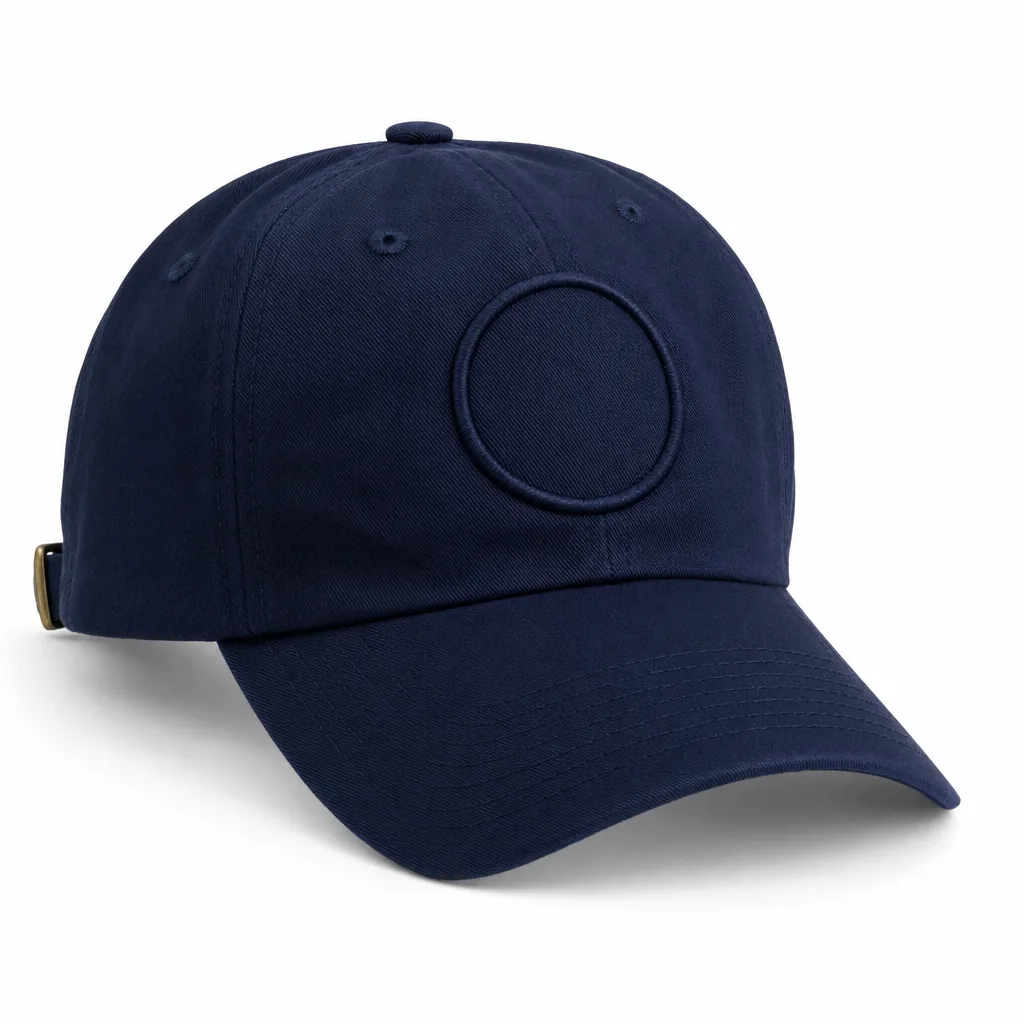
Ball Caps for Men: A 2026 Sourcing Playbook for International Buyers - Cost & MOQ Breakdown
Read article →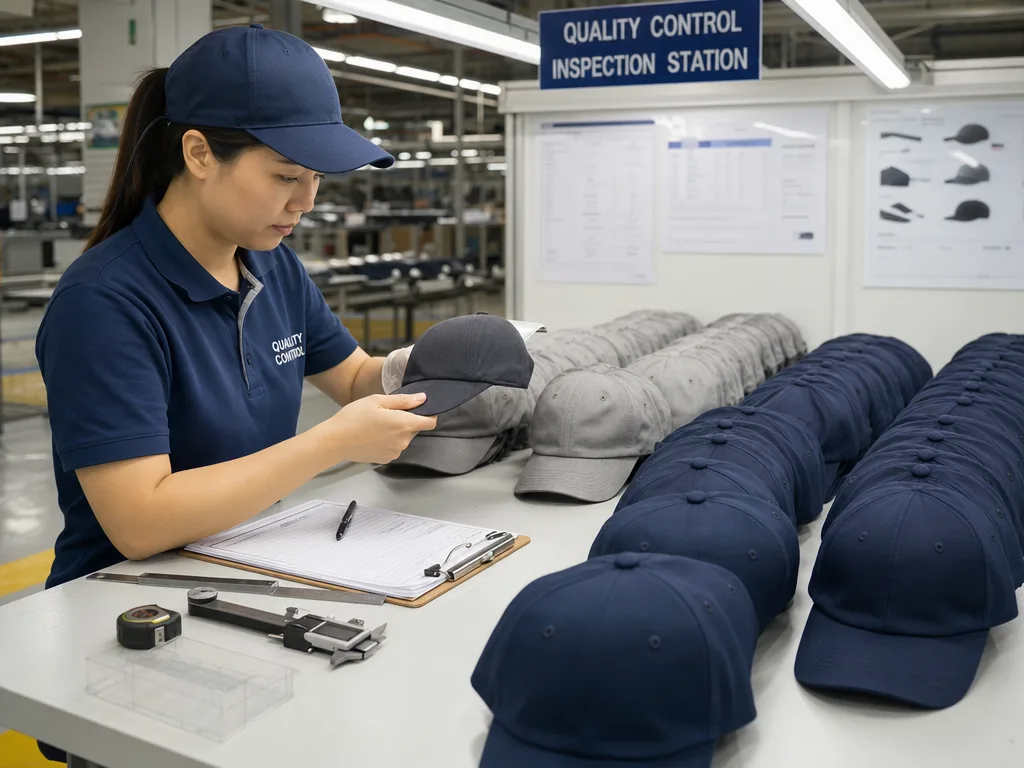
BSCI vs Sedex vs WRAP vs WCA: Compliance Audit Standards Compared (2026 Update) (2026 Update) (2026 Update)
Read article →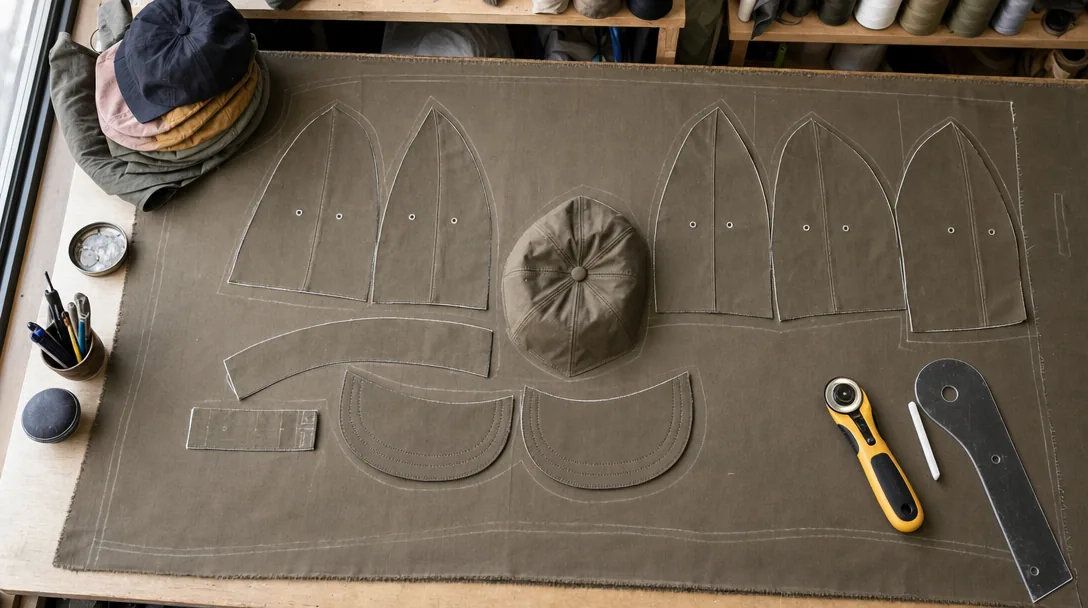
What's in a Cap Tech-Pack: A Specification Template for Buyers - 2026 Buyer's Guide - Supplier Checklist
Read article →Sourcing custom hats does not have to be complicated. With the right manufacturing partner, clear specifications and a small upfront investment in sampling, you can launch a retail-quality product in 30 to 45 days.