
Custom Flat Brim Snapback Bulk: A 2026 B2B Sourcing Guide - Supplier Checklist
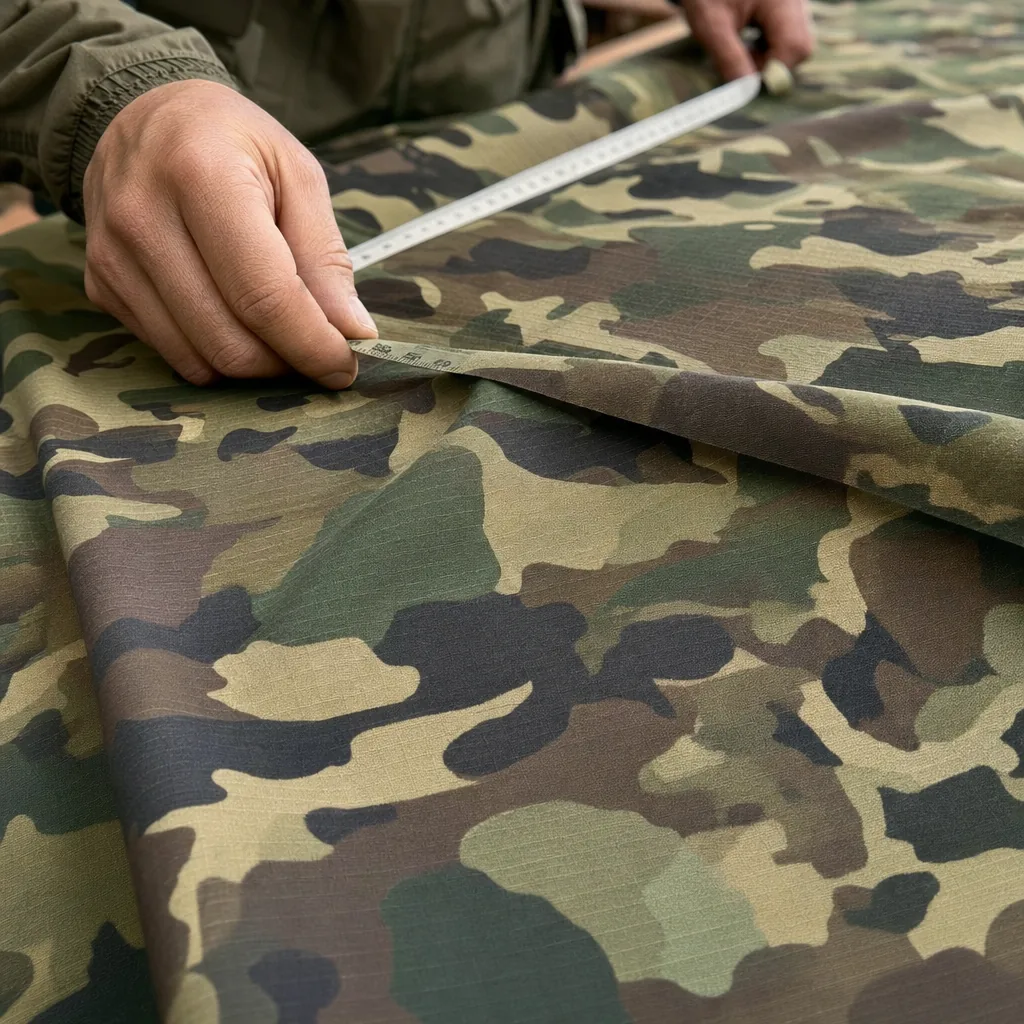
Every week, our sales team answers detailed questions about custom flat brim snapback bulk: a 2026 b2b sourcing guide - supplier checklist. We wrote this guide so that wholesalers, streetwear brands, corporate buyers and promotional resellers can compare options with full information, and avoid the traps that show up only after production has started.
Custom Sun Visor Cap Bulk
Sun visors do use less material than a full cap, but that does not make them forgiving. In bulk production, defects show faster because there is no crown to hide poor sewing or weak pattern control. The real risk points are front-band geometry, brim-core stiffness, sweatband attachment, binding consistency, and closure cycle life. Most factories build the band in 190-260 gsm cotton twill, brushed chino, polyester microfiber, or birdseye pique, then laminate the visor with 1.5-2.0 mm PE board for a sharper retail edge or EVA for a softer hand and lower rebound. For any custom sun visor cap bulk order, lock down the measurements before sampling drifts: brim width, center-front band height, visor curve radius, sweatband gsm, closure construction, and packed CBM per 144 pcs. Buyers familiar with custom flat brim snapback bulk often miss how exposed visor tolerances are; a 2 mm seam drift at the brim join or a 3 mm left-right height imbalance is obvious on shelf and gets rejected long before anyone comments on the embroidery.
A workable RFQ needs engineering controls, not just artwork. Call out shell composition, Pantone TCX for shell and binding, shade tolerance such as Delta-E below 1.5 under D65 lighting, sandwich width, brim profile, hook-and-loop length or elastic backstrap denier, and logo stitch count. On Tajima, Barudan, or ZSK heads, visor embroidery has a shallow sew field, so digitizing must compensate for seam bulk; if density is pushed too hard, the front band tunnels and the visor loses shape. In Yiwu and Dongguan, MOQ is typically 144-300 pcs per colorway in stock fabric, while custom-dyed lots usually start at 500 pcs because mills will not run efficiently below that. A basic cotton twill visor with flat embroidery generally lands around $1.55-$2.40 FOB China at 300 pcs; performance polyester with sublimated binding, woven label, and branded closure is closer to $2.80-$4.20. Inspect to AQL 2.5, with attention on brim symmetry, topstitch SPI consistency, hook-and-loop peel after repeated cycles, sweatband puckering, colorfastness, and carton assortment accuracy. If the same supplier handles custom flat brim snapback bulk, keep Pantone matching, embroidery density, and packing standards aligned across both programs instead of approving the cheapest visor quote.
Custom Dad Hat Low Minimum
Low-MOQ dad hats only make sense when the factory has setup waste under control. On a true 6-panel unstructured dad hat, the usual build is 210-260 gsm cotton twill, 240-280 gsm washed chino twill, or brushed canvas, with no buckram in the front panels and a softer PE or EVA visor insert around 1.8-2.2 mm instead of the stiffer board used in structured caps. That softer construction is exactly why many buyers test artwork, fit, and sell-through on dad hats before moving into custom flat brim snapback bulk, where hard buckram, flat visor pressing, and higher-density embroidery expose every mistake. If you want a usable quote at 48-144 pieces, skip the Pinterest collage and send a real tech pack: crown height, visor length, strapback closure spec, eyelet finish, sweatband composition, seam tape artwork, stitch-per-inch target, and Pantone TCX or Pantone Coated references for shell, thread, and trims.
The honest MOQ for a fully custom dad hat is usually 48-144 pieces per colorway, but 100 pieces per style/color is still the cleanest entry point for cut-and-sew production in Zhejiang. Below 72 pieces, the fixed costs stop hiding: embroidery digitizing, thread changes, pattern spreading, fabric relaxation, hand trimming, and washing shrinkage get spread across too few units, so FOB jumps quickly. In 2026, a straightforward embroidered cotton twill dad hat at 100-300 pieces usually lands around USD 3.20-4.80 FOB China; once you add garment washing, custom inside taping, woven labels, leather strapbacks, or plated metal buckles, USD 4.80-6.50 is the more honest range. QC on these runs is simple but ruthless: check front seam centering, top button alignment, back opening skew, and visor shape consistency with a 10-piece stack test. Soft-front embroidery needs close inspection for puckering, thread tension, and registration on Tajima or Barudan heads, and color approval should target Delta-E under 1.5 against the approved lab dip where practical. If a supplier cannot hold AQL 2.5 on a low-minimum dad hat, they are not ready for a larger custom flat brim snapback bulk program.
Custom Bucket Hat Small Batch
Bucket hats are a separate cut-and-sew program, not a side skill you can assume from a supplier quoting custom flat brim snapback bulk. The construction is less forgiving than a structured snapback: usually 4 to 6 side panels, a top circle, and a brim sandwich, with no buckram front or snap closure to disguise poor sewing geometry. Fabric choice needs to be locked early because it changes drape, stitch definition, and shrink behavior. Most workable shells sit around 110 to 240 gsm, with common options including 7 oz cotton twill, washed chino, nylon taslon, and 210D to 420D ripstop. Brim body is typically controlled by 1.5 to 2.0 mm EVA or nonwoven interlining; change that insert and you change packing shape, brim memory, and seam stability. Before sampling, freeze the actual spec sheet: crown height, brim width, top-circle diameter, stitch-row count, eyelet finish, sweatband build, and size grading such as 58 cm base with ±1 cm increments.
Small-batch bucket hats are where quoting gets sloppy. In China, a real MOQ is usually 100 to 150 pieces per colorway in one shell fabric; 50 pieces only works when the factory can piggyback fabric lays or trims onto another active run. Entry cotton twill styles generally land around $3.20 to $5.80 FOB, while washed, printed, or nylon versions push closer to $4.80 to $7.50 because yield loss, panel matching, and post-treatment risk rise quickly. If a vendor mainly sells custom flat brim snapback bulk, ask whether bucket hats are sewn in-house or subcontracted. Plenty of factories run Tajima, Barudan, or ZSK embroidery heads competently but outsource bucket assembly, which weakens line control and blurs defect ownership. The main risks are brim waviness, uneven stitch spacing, top-circle puckering, seam roping, skewed eyelets, and off-center embroidery once worn on head. Hold head circumference to ±0.5 cm, use Pantone TCX for trim references, and set acceptable Delta-E before any wash process. AQL 2.5 is a baseline, but on a 100-piece run I would still require 100 percent checks on sizing, brim symmetry, and logo placement.
Custom Fitted Cap No Minimum
Treat any “custom fitted cap no minimum” claim with skepticism unless the supplier can show actual graded fitted sizing, not just a closed-back shell on one shared crown block. Real fitted production means separate size control from 6 7/8 to 7 5/8 in 1/8 increments, with different sweatband lengths, back-seam positions, and carton assortments by size. That adds cutting loss, WIP, and inspection points immediately, which is why fitted programs are less forgiving than standard custom flat brim snapback bulk. On the floor, small fitted runs usually start with embroidery on Tajima, Barudan, or ZSK heads before panel sewing, buckram setting, visor attachment, seam taping, sweatband insertion, and final steam shaping on aluminum molds. If the block, crown height, or seam allowance drifts even slightly, the finished circumference will not grade correctly. The tech pack has to be tighter than most buyers expect. Lock the profile, crown height, visor width, visor flatness, fabric construction, sweatband spec, eyelet finish, seam tape artwork, and finished size tolerance before sampling starts. Call fabric by composition and weight, not vague sales names: 80/20 acrylic-wool at 260-280 gsm, cotton twill at 240 gsm, or 600D heather polyester with backing details. For color, specify Pantone TCX or TPX and agree on Delta-E under 1.5 on visible crown panels under D65 lighting; otherwise disputes start the moment caps leave the line and hit warehouse light. A fitted cap can carry stronger perceived value than a snapback, but only if grading, shaping, and material control are disciplined from the first sample.
Pricing is where most “no minimum” offers stop making commercial sense. A true one-off fitted cap usually runs through the sample room rather than a line setup, so ex-factory cost is commonly $18-35 per piece depending on stitch count, 3D puff foam thickness, applique layers, woven labels, inside taping, and private labeling. In practical B2B terms, the more realistic MOQ is 12-24 pieces per colorway in mixed sizes, while 144 pieces can bring cost down to roughly $7.50-11.50 if decoration stays straightforward. Extras such as metallic thread, 3 mm puff embroidery, molded rubber patches, satin-stitch edge coverage, or printed seam tape typically add $0.40-1.80 per cap. Our standard practice is to require a full size-set approval before bulk because one grading mistake multiplies across every carton. Inspection should focus on shape and measurement before surface cosmetics. The failures that matter are visor imbalance left to right, front logo mis-centering beyond 2 mm, crown panel height mismatch, sweatband joins that create pressure points, and size labels that do not match the actual inner circumference. For pre-production approval, measure at least 5 pieces per size, hold circumference within ±3 mm and visor length within ±2 mm, then verify embroidery registration and color under D65. Final inspection should run at AQL 2.5 with special attention to buckram bubbling after steaming, needle oil, loose bobbin tails, and assorted-size carton errors. For buyers weighing fitted caps against custom flat brim snapback bulk, the trade-off is blunt: fitteds give you stronger size-specific positioning, but snapbacks are easier to replenish and much safer when demand by size is still uncertain.
Foam Front Trucker Hat Custom
Foam-front truckers should be quoted and engineered separately from a standard custom flat brim snapback bulk program because the failure points are different. The usual spec is a 5-panel crown with 3-5 mm EVA or PU laminated foam on the front, tricot backing, 75D-150D polyester mesh on the side and back panels, and a PE visor board cut flatter for a squared profile or pre-curved for retail accounts that want less streetwear shape. What ruins this style is weak front-panel lamination: once the foam shifts, you get waviness, tunneling under embroidery, and collapse at the seam where the front panel meets the sweatband. Buyers should ask whether the factory digitizes specifically for foam substrates and runs cap embroidery on Tajima, Barudan, or ZSK heads with reduced penetration and lower stitch density. Dense satin fills pushed straight into soft foam usually cause edge bite-through, distorted outlines, and a front face that looks cheap even when the logo file is correct.
The PO should lock down measurable tolerances, not vague language like "black trucker with logo." Specify crown height in centimeters, foam thickness at +/-0.5 mm, mesh denier, visor profile, sweatband composition, snap closure material, seam tape color, button finish, and Pantone TCX references for every dyed component. Decoration needs the same discipline: define stitch count range, satin column width, 3D puff height if used, patch substrate, and acceptable Delta-E. On brushed twill or poly fronts, Delta-E under 1.5 is realistic; on mesh, shade drift is more common, so approve mesh swatches separately. In China, MOQ is typically 300-600 pcs per colorway with custom inside tape and labels, while shared material programs can sometimes start at 144 pcs. FOB pricing usually falls between $2.10 and $4.80 per piece, depending on foam density, embroidery complexity, patch application, and packing. For bulk release, keep inspection at AQL 2.5 and hold front symmetry and logo centering to +/-2 mm, then run 48-hour carton compression checks to catch crushed crowns, foam delamination, cracked snaps, and rear mesh seam failure before shipment.
Blank Flat Bill Snapback Wholesale
Blank flat bill snapback wholesale is a shell-control problem before it is a branding problem. Once you add 3D puff embroidery, woven patches, molded TPU badges, or heat-transfer labels, weak cap architecture shows immediately: front-panel collapse, visor twist, crown torque, and bubbling around the embroidery field. A dependable base for custom flat brim snapback bulk is usually a 6-panel high-profile body with 2.0-2.2 mm buckram in the two front panels, a 1.8-2.0 mm PE visor board, and either 100% cotton twill at 270-300 gsm or 65/35 poly-cotton twill when you need better crease recovery and less wash shrinkage. Buyers should not accept vague terms like “premium blank” without a measurable spec. Lock crown height at 17-18 cm, visor length at 7.0 cm, visor width at 18.0-18.5 cm, eight rows of bill stitching, head circumference tolerance within +/-1 cm, and sweatband composition such as 65/35 poly-cotton or 100% cotton terry. Color approval should sit on Pantone TCX or a signed lab dip, with Delta-E under 1.5 against the approved standard, otherwise replenishment orders drift fast.
MOQ and pricing depend on whether the supplier is pulling stock blanks or cutting your cap from raw fabric against a tech pack. Stock-color blanks typically start at 144-300 pcs per color, with realistic FOB China pricing around $2.10-$3.40 for basic cotton twill and $3.30-$5.10 for acrylic-wool blends, peach-brushed finishes, or C0 water-repellent coatings. Once you add custom seam tape, private labels, branded snaps, contrast underbill, or a non-standard visor mold, the practical MOQ usually jumps to 500-1,000 pcs per color because fabric dye lots, trims, and setup costs are no longer shared. The failure points are predictable and should be written into the PO: seam-to-bill misalignment, twisted crowns, warped flat visors, snap breakage after cold transit, sweatband-joint puckering, and front-panel bubbling after embroidery due to mismatched shell and buckram shrinkage. Inspect to AQL 2.5, hold logo placement within +/-2 mm, and check shading under a D65 light box. Also ask whether embroidery is run in-house on Tajima, Barudan, or ZSK heads; outsourced decoration is where cap shape gets crushed most often.
Working with CrownsForge for custom flat brim snapback bulk programs
The biggest failure in a custom flat brim snapback bulk program is usually development drift, not a $0.20 unit-price gap. If the tech pack is incomplete, you can lose 3 to 5 weeks just cycling samples. A realistic first proto is 7 to 10 calendar days only when the buyer locks the silhouette and specs up front: crown height, visor length and curvature tolerance, buckram hardness, snap closure type, Pantone TCX or Pantone Coated references, logo placement by millimeter, seam tape artwork, and a full decoration map. A standard 6-panel structured cap in 80/20 acrylic-wool with 3D front embroidery on Tajima or Barudan heads is routine. Add underbrim print, satin applique, woven loop label, or silicone patch, and you create extra approval gates where misregistration, puckering, or shade drift can creep in. On the factory floor, the right sequence is to freeze the block, PE visor board, closure, and sweatband first; only then should you fine-tune satin width, pull compensation, and stitch density after the fit is stable. MOQ needs to follow material economics, not sales talk. For custom flat brim snapback bulk, 144 to 300 pcs per colorway is workable if you stay with stock acrylic-wool, standard plastic snaps, and regular 2.5 mm sandwich-free visors. Once the program moves into custom-dyed 12 oz wool blend, branded inside taping, molded metal trims, contrast underbrims, or custom woven labels, the efficient run usually shifts to 500 to 1,000 pcs per style because dye minimums, trim tooling, and cutting loss start driving cost. A structured snapback is less forgiving than a washed dad hat: front panel symmetry, brim centering, crown balance, and top-button alignment all show immediately at retail. CrownsForge’s standard practice is to approve each silhouette on its own PPS, even when a buyer groups several related styles into one development calendar, because sharing one sample standard across different crown profiles is how bulk inconsistency starts.
Decoration control and order discipline separate a reliable supplier from one that creates preventable claims. In-house embroidery, woven patch sewing, screen print, heat transfer, rubber label application, and sublimated inserts matter because sequence, thread tension, and attachment pressure can be corrected immediately instead of being bounced to a subcontractor. For flat brim snapbacks, I would check 3D foam height, column stitch coverage, underlay, edge sharpness, and thread coverage under D65 lighting, then measure body fabric and trims against the approved standard at a practical Delta-E tolerance of 1.5 to 2.0. If a logo includes counters, serifs, or linework below about 1.2 mm, it should be simplified in digitizing before bulk; otherwise the sew-out may look acceptable on one cap and break down across 600 pcs once machine speed and operator variation enter the equation. Compliance deserves the same scrutiny as decoration. Serious buyers should confirm sedex-audit-cap-supplier-guide.html">BSCI 2.0 or Sedex SMETA 4-Pillar audit status, needle control logs, restricted-substance management, metal detection procedure where applicable, and carton drop-test standards before releasing a PO. A disciplined custom flat brim snapback bulk workflow should include PPS approval, fabric and trim confirmation, inline checks at cutting, embroidery, sewing, and finishing, then final inspection to AQL 2.5 before shipment. That sounds basic, but it is what catches the expensive failures: mixed snap colors, visor thickness variation, off-center embroidery, thread substitutions, wrong care labels, and outer-carton marking errors that trigger chargebacks after the goods land under FOB or DDP terms.
Frequently Asked Questions
How long does production take?
Sampling takes 7 to 12 days. Bulk production runs 20 to 30 days depending on quantity, fabric availability and decoration complexity. Inspection and packing adds another 3 to 5 days before shipment.
Do you support sustainability certifications?
Yes. We work with GOTS organic cotton, GRS-certified recycled polyester, OEKO-TEX Standard 100 fabrics, and are BSCI and Sedex audited. Certification documentation can be provided per order.
What is the minimum order quantity (MOQ) for custom hats?
Our standard MOQ is 100 pieces per design and color, with sampling available from 1 piece. For complex multi-color logos or premium fabric upgrades, the MOQ can be lowered with a small per-piece surcharge.
What logo decoration techniques do you offer?
3D puff embroidery, flat embroidery, woven patch, leather patch, PVC patch, screen printing, sublimation, applique and laser etching, all in-house with no subcontracting.
Can I order a sample before bulk production?
Yes. We strongly recommend approving a pre-production sample before mass production. Samples are charged at 35 to 60 USD each plus express shipping, fully refundable against confirmed bulk orders over 500 pieces.
What's the MOQ for custom leather patch hat low minimum?
When evaluating custom leather patch hat low minimum, the key considerations are construction quality, decoration capability, MOQ flexibility and lead time. Cover everything buyers ask about custom dad hat low minimum: how it's manufactured, what specs to request from a factory, typical MOQ and pricing, common quality issues to inspect for, and how this ties back to the broader custom flat brim snapback bulk sourcing decision. Cover everything buyers ask about custom bucket hat small batch: how it's manufactured, what specs to…
What should I know about custom rope hat wholesale bulk?
When evaluating custom rope hat wholesale bulk, the key considerations are construction quality, decoration capability, MOQ flexibility and lead time. Cover everything buyers ask about custom dad hat low minimum: how it's manufactured, what specs to request from a factory, typical MOQ and pricing, common quality issues to inspect for, and how this ties back to the broader custom flat brim snapback bulk sourcing decision. Cover everything buyers ask about custom bucket hat small batch: how it's manufactured, what specs to…
What should I know about custom corduroy dad hat bulk?
When evaluating custom corduroy dad hat bulk, the key considerations are construction quality, decoration capability, MOQ flexibility and lead time. Cover everything buyers ask about custom dad hat low minimum: how it's manufactured, what specs to request from a factory, typical MOQ and pricing, common quality issues to inspect for, and how this ties back to the broader custom flat brim snapback bulk sourcing decision. Cover everything buyers ask about custom bucket hat small batch: how it's manufactured, what specs to…
How does ordering custom flat brim hat work?
When evaluating custom flat brim hat, the key considerations are construction quality, decoration capability, MOQ flexibility and lead time. Cover everything buyers ask about custom dad hat low minimum: how it's manufactured, what specs to request from a factory, typical MOQ and pricing, common quality issues to inspect for, and how this ties back to the broader custom flat brim snapback bulk sourcing decision. Cover everything buyers ask about custom bucket hat small batch: how it's manufactured, what specs to…
Ready to start your custom hat project?
Send us your tech-pack, sketch or even just an inspiration photo. We will respond with a detailed quotation and digital mock-up within 24 hours.
Request a free quoteRelated guides
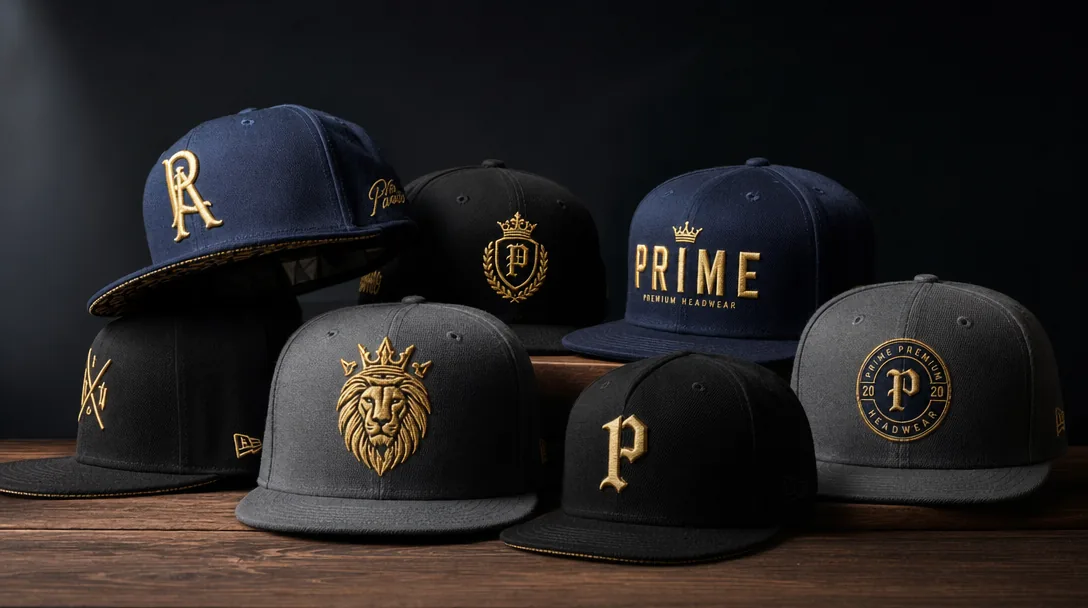
Custom Leather Patch Hat Low Minimum: A 2026 B2B Sourcing Guide
Read article →
Mens Beanies: Properties, Costs and How to Spec It Right
Read article →
Custom Rope Hats: Manufacturing, Materials and Bulk Pricing (2026 Update)
Read article →Sourcing custom hats does not have to be complicated. With the right manufacturing partner, clear specifications and a small upfront investment in sampling, you can launch a retail-quality product in 30 to 45 days.