
Custom Embroidered Hat: The 2026 Sourcing & Manufacturing Playbook - 2026 Buyer's Guide
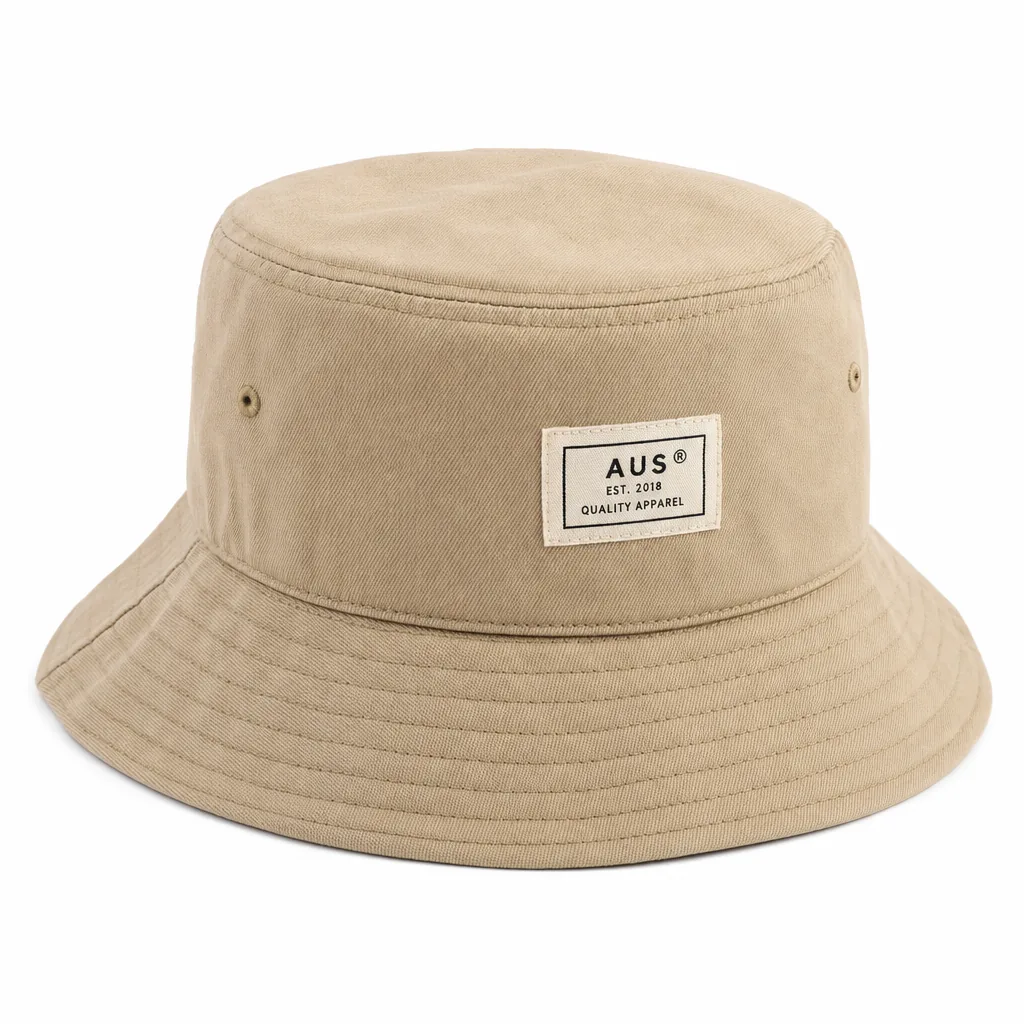
Custom Embroidered Hat: The 2026 Sourcing & Manufacturing Playbook - 2026 Buyer's Guide is one of the most-asked questions we receive from international buyers, and for good reason. With dozens of factories competing for your order and an alphabet soup of technical terms in every supplier quote, even experienced importers can feel lost. This guide consolidates what we have learned producing custom hats for clients in 40+ countries.
Custom Embroidered Hats
A strong custom embroidered hat is won or lost before the machine starts. The biggest variable is cap construction, not stitch count: a structured 6-panel crown with 1.8-2.2 mm buckram holds satin columns cleaner than an unstructured dad cap, while a foam-front trucker gives better loft for bold fills but also more needle deflection, seam bounce, and edge wobble. The center-front seam is still the danger zone, so serif copy, hairline outlines, and stacked wording crossing that seam should be avoided unless the minimum stroke is at least 1.2 mm and letter height is above 4.5-5.0 mm. Most front logos are run on Tajima, Barudan, or ZSK 12- to 15-needle heads with 40 wt polyester thread; standard speed is 800-900 spm, but metallic yarns, neon shades, and dense 3D puff files usually need 650-750 spm to prevent thread breaks, poor coverage, and needle heat that scorches foam or distorts the fabric face.
A usable tech pack has to lock down the cap and the embroidery program together. Artwork alone is not enough. Specify profile, crown height, panel count, visor curve, fabric composition, gsm, closure, sweatband, seam tape, and backing, then add logo size in millimeters, stitch type, target stitch count, thread brand, Pantone TCX reference, and whether the file is digitized for flat embroidery, 3D puff, applique, or mixed techniques. A retail-grade trucker spec might call for a 5-panel high-profile body, 220-260 gsm cotton twill front, 100% polyester mesh back, pre-curved PE visor, plastic snap, and 2-3 mm EVA at the sweatband. Miss small points like sandwich color, top-button matching, visor row count, or crown symmetry tolerance, and production will drift from the approved sample.
Inspection is where a weak custom embroidered hat program gets exposed fast. The repeat failures are predictable: puckering from excessive density, fill-to-outline misregistration, uneven puff height, loose trims on the reverse, off-center front hits, needle cuts on lighter twill, and thread shade shift beyond the approved standard. Bulk should be checked to AQL 2.5 against a sealed sample with measurable tolerances, not subjective comments: logo placement within +/-2 mm, stitch coverage without fabric grin-through, balanced panel alignment, clean sweatbands, and cartons strong enough to keep crown shape through ocean transit. In China, stock-fabric embroidered caps usually start around 144-300 pcs per colorway at roughly $2.20-$4.20 FOB, while fully custom programs with dyed fabric, applique, branded trims, and custom packaging more often need 500-1,000 pcs and land around $4.80-$8.50 FOB. The supplier worth using is the one that can show in-house digitizing control, inline QC records, needle logs, and current sedex-audit-cap-supplier-guide.html">BSCI 2.0 or Sedex SMETA 4-Pillar reports, because bad artwork fixed before sampling is always cheaper than arguing over a failed bulk run.
Custom Hat Embroidery
Embroidery quality is locked in at digitizing, not at the Tajima or Barudan head. A reliable custom embroidered hat needs a file built for the exact shell, because a 260 gsm cotton twill 6-panel and a trucker front with 3 mm EVA foam do not take the same density, underlay, pull compensation, or trim path. Reusing one generic DST across both usually causes puckering on fills, broken satin edges, or small copy that closes up after washing and packing. Buyers should request the embroidery size in millimeters, stitch count, thread spec, backing weight, and machine setup before sampling. On structured fronts, minimum readable text is usually 4.5-5.0 mm; on washed or unstructured panels, 5.5-6.0 mm is the safer floor if you want repeatable bulk results. For 3D puff, keep satin columns above roughly 2.5 mm width and avoid sharp internal corners unless the digitizer has tested the foam collapse and edge cover. Color control is where many programs go soft. Thread is not an exact Pantone system, so the practical method is to approve the nearest Madeira Classic, Gunold Poly, or Isacord match against a Pantone Coated reference for branding, or Pantone TCX when fabric and embroidery need to sit together visually. If the brand is sensitive, define an acceptable visual tolerance and review under D65 light; warehouse fluorescents hide hue shifts, especially on navy, black, and red programs. Backing also deserves attention: a standard front logo on twill may run well with a 50-70 gsm cutaway, while softer shells often need heavier stabilization to prevent tunneling and crown distortion. Our standard practice is to record logo position from center front seam and visor edge in millimeters so the sew floor is not guessing from an image alone.
A usable RFQ for a custom embroidered hat needs construction data, not just artwork and quantity. Lock the crown profile, panel count, fabric composition, gsm, visor curve, closure type, seam tape, sweatband, and every embroidery location before pricing. Decoration method changes the cost and the failure points: flat stitch is straightforward, 3D puff needs clean foam edge cover, appliqué adds cutting and edge finish, and mixed media often forces a slower sewing sequence. MOQ in China is usually 144-300 pieces per colorway for a fully custom cap, while decoration on stock blanks can start around 48-100 pieces. As a realistic ex-factory range, a custom cotton twill cap at 300-1,000 pieces often lands at $2.80-$4.80; a mesh-back trucker is more often $3.20-$5.20. Side embroidery typically adds $0.25-$0.45, back embroidery $0.15-$0.30, 3D puff $0.35-$0.80, and metallic thread or heavy multi-location work can add $0.60-$1.20. Digitizing is commonly $15-$50 per logo unless the order volume absorbs it. Inspection should focus on the defects buyers actually claim against: off-center placement, loose trims on the face, thread breaks, open fills, foam exposure, crown collapse, visor asymmetry, and shade shift versus the sealed sample. The cleanest control method is to approve a pre-production sample, define placement tolerances in millimeters, and inspect bulk to AQL 2.5 with major and minor defects agreed in writing before sewing starts. For licensed or dark-color programs, add crocking, color fastness, seam strength, and carton-to-carton consistency checks, because the same logo can look different if thread lots drift or operators reset cap frames inconsistently. Supplier capability matters more than a cheap quote: a factory that can hold a clean 3 mm satin column on a structured cap, maintain placement across 5,000 units, and still clear BSCI 2.0 or Sedex SMETA 4-Pillar is usually worth more than saving $0.30 per cap and arguing over bulk failures later.
Custom Hat Trucker
Front-panel construction decides whether a trucker cap can carry embroidery cleanly; logo size is secondary. For a custom embroidered hat in trucker format, the dependable recipe is a 5-panel or 6-panel shell with a buckram-backed or foam-laminated front, 210-280 gsm cotton twill or poly-cotton twill face fabric, and 75D-150D polyester mesh on the side and back panels. On the factory floor, front panels should be embroidered before cap assembly on Tajima, Barudan, or ZSK heads. If you run a dense fill after the crown is built, you raise the odds of hoop burn, crown torque, mesh drag, and a front that no longer sits square. Buyers should lock the actual build spec early: front height in millimeters, panel count, visor curvature, mesh denier, sweatband composition, closure type, and target stitch count. Saying “match Richardson” is not a usable technical brief. A 58 mm low-profile front behaves very differently from a 63-65 mm mid-profile crown, and that changes digitizing, backing choice, foam stability, and even master-carton dimensions.
Most sourcing mistakes happen because the tech pack is too loose. A trucker spec sheet should call out front-panel backing, visor sandwich construction, snapback resin grade, seam-tape color, thread brand, Pantone TCX for fabric, Pantone C for embroidery thread, and a realistic color tolerance target such as Delta-E under 1.5 on dyed twill where the mill can hold it. For embroidery, confirm minimum readable text height, maximum satin width, underlay structure, pull compensation, and whether the design is digitized for flat stitch, 3 mm 3D puff, or a mixed run; one punch file rarely performs well across all three. In China, MOQ for this category is usually 144-300 pieces per colorway, while 24-50 piece wear-test runs normally carry a setup surcharge. A standard foam-front trucker with roughly 5,000-8,000 stitches is commonly $2.20-$3.80 FOB Ningbo. Add brushed twill, rope trim, woven labels, or 3D embroidery and you are closer to $4.50-$6.20 FOB before duty, freight, and destination handling.
Inspection should target the failure points that actually generate claims. On truckers, that means crown asymmetry, puckering around dense fills, foam collapse under heavy embroidery, rear-seam mesh tearing, visor variance above 3 mm, brittle snap closures, exposed thread tails, and sweatband stitch bite telegraphing through the front face. Mesh heat damage from careless pressing is another recurring problem; once the polyester glosses or shrinks, rework is usually a write-off. A practical finished-goods standard is AQL 2.5 with D65 lightbox shade approval, closure pull testing, visor measurement, and carton drop checks before shipment. Our standard practice is to compare bulk against the sealed pre-production sample under the same lighting, because trucker caps often drift in crown shape and embroidery tension even when fabric shade is acceptable. Trucker styles are still one of the lowest-risk entries into the custom embroidered hat category because material cost is moderate and the silhouette sells across promo, workwear, and streetwear. The catch is simple: if the supplier cannot hold crown shape and stitch tension from PP sample to bulk, the apparent savings disappear in rework and chargebacks.
Custom Made Trucker Hat
A custom made trucker hat is won or lost in the shell spec, not the logo file. For a trucker-format custom embroidered hat, the key variables are front panel structure, mesh stability, and visor geometry. The commercial baseline is a 5-panel high-profile build with a single seam-free front, 2.0 to 2.5 mm foam or fused buckram support, 100% polyester mesh in the 140 to 180 gsm range, a PE visor board, and a plastic snap closure rated for repeated flexing without stress whitening. If the front panel is too soft, satin columns will sink; if the mesh is too brittle, the back crown will crack at the side seam after carton pressure. A proper tech pack should call out crown height in millimeters, visor length and curve, mesh denier, foam thickness, sweatband material, stitch density, and logo placement from center front within a measurable tolerance. Most factories in Zhejiang follow the same broad sequence—panel cutting, front fusing, open-panel embroidery, crown sewing, visor joining, sweatband setting, closure attaching, shaping, steaming, and trimming—but the quality gap shows up in the details. Ask for Pantone TCX references for shell and thread, Delta-E under 1.5 on dyed parts, seam sewing at 6 to 8 SPI, and embroidery stitch count before sampling. If the design uses 3D puff, confirm foam height, underlay type, and pull compensation in digitizing, ideally run on Tajima, Barudan, or ZSK heads. Without those controls, a trucker can look acceptable in a sample photo and still arrive with distorted front panels, off-center embroidery, or mesh mismatch across the size run.
The biggest sourcing mistake is buying every trucker to promo-cap standards. Giveaway programs often use 180 to 220 gsm brushed cotton fronts, light foam, generic 9x9 polyester mesh, and basic snapbacks; that is fine at $2.20 to $3.80 FOB China for 300 to 500 pieces, but it will not hold up like a retail build. A better program usually moves to 260 to 300 gsm cotton twill or poly-cotton, heavier buckram, cleaner internal taping, and higher-density embroidery with satin columns wide enough to cover without edge fray. Once you add custom mesh colors, woven loop labels, printed seam tape, private packaging, or 3D puff, the real FOB range is more like $4.20 to $6.80, and the practical MOQ often climbs from 144 to 300 pieces per colorway up to 500 or even 1,000 pieces. Inspection needs to focus on the failures that trigger returns, not cosmetic trivia. Check visor symmetry, crown balance, front embroidery alignment within plus or minus 2 mm, bobbin exposure, foam show-through on puff embroidery, seam puckering where the front joins the mesh, snap cracking, and sweatband twisting after shaping. I would also test whether the cap keeps its profile after carton compression, because weak front support and low-grade mesh often fail in transit rather than at final inspection. The right standard is AQL 2.5 with carton drop checks, closure wear testing, and metal contamination control. Buyers who treat a trucker as a full cap-construction program—not just a logo application—get a custom embroidered hat that survives freight, shelf display, and actual wear.
Custom Trucker Hat
The front panel is where a trucker either runs clean or turns into a claims problem. Most programs fall into two real constructions: a 5-panel foam-front trucker or a 6-panel twill-front trucker. For foam builds, I’d lock in 2.5-3.0 mm EVA laminated to tricot; anything softer collapses under embroidery, and anything thicker starts fighting the crown shape. Mesh backs are usually 100% polyester in the 120-160 gsm range, with 20 x 16 or 18 x 14 hole density depending on how airy the buyer wants the hand feel. If the tech pack leaves gaps, the factory will almost always quote a stock body, so call out crown height, panel count, visor curl, sweatband composition, snap type, and finished tolerances in millimeters. On truckers, those “small” omissions are exactly where fit and appearance drift between sample and bulk.
Embroidery on a trucker front needs its own digitizing logic; you cannot reuse a file built for 10 oz brushed cotton twill and expect a stable result on foam. A custom embroidered hat with a foam face usually needs lighter fill density, stronger edge-walk underlay, and tighter push-pull compensation to avoid tunneling, needle cutting, and crown distortion after shaping. I’d specify logo size in mm, target stitch count, thread brand like Madeira Classic or Gunold Poly 40, backing weight such as 50-70 gsm tear-away or cut-away where needed, and the machine platform—Tajima, Barudan, and ZSK heads do not run exactly the same at speed. For 2026 buying, MOQ is typically 144-300 pcs per colorway on a stock-body trucker and 500+ pcs on a true cut-and-sew program with custom mesh, printed seam tape, woven labels, rope, and private trims. FOB pricing out of Zhejiang or Guangdong is usually $2.10-$3.40 at 300-500 pcs for stock-body embroidery, or about $3.80-$6.20 for a fully custom build. QC should inspect the failure points approval photos miss: snap cracking, warped visor lines, off-center top buttons, mesh brittleness, embroidery registration drift, and crown crush after packing. AQL 2.5 is the practical standard, and dyed parts should stay within roughly Delta-E 1.5-2.0 to the approved standard.
Custom Trucker Hats
A trucker-style custom embroidered hat usually fails on structure before it fails on artwork. The key call is front panel architecture: a 5-panel high-profile foam trucker and a 6-panel cotton-front mesh cap do not sew, wear, or embroider the same way, even with the same logo file. Common builds use PU-laminated polyester foam or buckram-backed cotton twill on the front, 70D to 150D polyester mesh on the back, a PE bill insert around 1.8 to 2.2 mm, and a 7-hole PVC snap closure. On the factory floor, front panels are normally embroidered flat on Tajima, Barudan, or ZSK heads before sewing because registration stays tighter and the panel can be properly backed; post-assembly cap frames are workable only for simple centered logos. At RFQ stage, lock the face fabric, crown profile, and color standard early. A 10x10 cotton twill at 240 to 260 gsm gives a noticeably better retail hand feel than classic foam, and for repeat orders, Pantone TCX matching with Delta-E below 1.5 is a realistic control target on dyed body fabric.
Most fit complaints come from crown height and mesh quality, not from the embroidery itself. Do not accept vague profile terms; ask for actual crown height in centimeters, because 8.5 cm versus 10.5 cm changes the silhouette immediately on head. Mesh spec matters too: low-grade mesh can feel abrasive, take a compression set in transit, or crack after long-haul packing. If the custom embroidered hat uses 3D puff, confirm foam thickness, underlay, pull compensation, and minimum stroke width before sampling. In practical terms, text under 4 mm high or strokes below about 1.2 mm are high risk on curved trucker fronts, especially on unstable foam faces. The spec sheet should read like a production control document: visor curve, sandwich bill, seam tape color, sweatband material, snapback row count, stitch count, backing type, and logo tolerance of +/-2 mm should all be listed. Typical China MOQs are 144 to 300 pcs per colorway for custom materials, while stock-body programs can start around 48 to 100 pcs. In 2026, a realistic FOB range is about $2.10 to $3.80 for a basic foam/mesh trucker with 5,000 to 8,000 stitches, and $4.20 to $6.50 for a cleaner retail build with twill fronts, woven labels, and tighter QC.
Inspection should center on trucker-specific failure points, then apply AQL 2.5 for appearance and workmanship. The defects that actually trigger claims are weak foam lamination, bill distortion, off-center embroidery caused by panel shift, puckering around dense fills, exposed bobbin on satin borders, cracked mesh from over-compressed cartons, and brittle snaps during cold-weather delivery. Carton planning is not a minor detail: 25 pcs per inner and 150 pcs per master is common, but the real control point is compression resistance, because crushed packing is what collapses front panels and leaves mesh permanently creased on arrival. For repeat programs, final inspection should include sweatband stitch tension, seam symmetry, thread shade consistency under D65 light, snap function, and crown shape recovery after packing, not just a quick visual check at the final table. A trucker can be the lowest-cost silhouette in a line, but it is less forgiving than a structured twill baseball cap; saving $0.20 per unit is meaningless if the supplier cannot control digitizing, panel stabilization, and packing pressure across reorders.
Working with CrownsForge for custom embroidered hat programs
The quickest way to derail a custom embroidered hat program is to argue FOB before the sample path is locked. The workable sequence is three approvals: artwork and digitizing review within 24-48 hours, a tape-out plus blank-cap fit sample in 5-7 working days, then a pre-production sample 3-5 days after shell fabric, closure, sweatband, visor curve, and Pantone references are signed off. On a standard 6-panel 108x58 cotton twill cap with flat front embroidery, sampling is usually $35-$60 per style; a trucker with 5 mm EVA foam front, poly mesh back, and two or three logo locations is more often $55-$90 because crown height, stitch path, and cap-frame registration have to be proven before bulk. Most avoidable delays come from bad inputs: low-resolution JPEG artwork, no thread callouts, and vague comments like “make the red richer.” A clean AI or EPS file, Pantone TCX for textile components, Pantone C references for printed trims, and a stated tolerance such as Delta-E below 2.0 on labels and woven trims usually removes an entire revision cycle. MOQ only looks flexible until you hit the point where material setup costs outrun sewing time. A low-MOQ custom embroidered hat run can be realistic at 48-100 pieces per colorway if you stay on stocked 8x8 cotton twill, brushed chino around 260-280 gsm, or standard 100% polyester mesh in common deniers. Once you move into custom-dyed fabric, printed seam tape, molded rubber patches, sandwich brims, or mixed materials on one silhouette, the real break point is usually 300-500 pieces per style because dye lots, trim setup, and cutting loss start to dominate the cost sheet. On the embroidery floor, Tajima and Barudan multi-head cap machines will hold front-logo consistency well if the digitizing is correct, but 3D puff is where weak factories get exposed. For stable results, you need 2-3 mm EVA foam, proper underlay, balanced upper and bobbin tension, controlled stitch density, and steady hoop pressure; otherwise letters pinch, satin edges split, and the logo distorts after carton compression. Operational discipline matters more than a polished sales deck. If a supplier says it runs to BSCI 2.0 or Sedex SMETA 4-Pillar standards, a serious buyer should expect current audit reports, needle logs, broken-needle control records, CAP history, and a written final inspection protocol at AQL 2.5. For kids' caps especially, metal detection and broken-needle traceability should be standard SOP, not paperwork assembled after the PO lands. A controlled workflow runs from tech-pack review and material booking to lab dip or stock-color confirmation, PP approval, inline inspection, final inspection, and carton drop testing before shipment. Production lead time is typically 18-30 days after PP approval, depending on order size, stitch count, and trim readiness. Our standard practice is weekly WIP reporting with line status, embroidery photos, carton counts, and ex-factory date tracking, because once goods are booked out of Ningbo or Shanghai, fixes get expensive very quickly.
Frequently Asked Questions
What file format should I send for my logo?
Vector files (AI, EPS, PDF) are ideal. High-resolution PNG or JPG at 300 dpi on transparent background works as a fallback. Provide Pantone color references for accurate reproduction.
Which shipping methods do you support?
We support FOB, CIF and DDP shipping. Air express for samples and small orders, sea LCL for 100 to 500 pieces, sea FCL for 5,000+ pieces. Door-to-door DDP available for US, EU, UK, Canada and Australia.
Can I order a sample before bulk production?
Yes. We strongly recommend approving a pre-production sample before mass production. Samples are charged at 35 to 60 USD each plus express shipping, fully refundable against confirmed bulk orders over 500 pieces.
What logo decoration techniques do you offer?
3D puff embroidery, flat embroidery, woven patch, leather patch, PVC patch, screen printing, sublimation, applique and laser etching, all in-house with no subcontracting.
What is the minimum order quantity (MOQ) for custom hats?
Our standard MOQ is 100 pieces per design and color, with sampling available from 1 piece. For complex multi-color logos or premium fabric upgrades, the MOQ can be lowered with a small per-piece surcharge.
How does ordering custom embroidered hats near me work?
When evaluating custom embroidered hats near me, the key considerations are construction quality, decoration capability, MOQ flexibility and lead time. Cover everything buyers ask about custom embroidered hats: how it's manufactured, what specs to request from a factory, typical MOQ and pricing, common quality issues to inspect for, and how this ties back to the broader custom embroidered hat sourcing decision. Cover everything buyers ask about custom trucker hats: how it's manufactured, what specs to request from a…
How does ordering custom hat embroidery near me work?
When evaluating custom hat embroidery near me, the key considerations are construction quality, decoration capability, MOQ flexibility and lead time. Cover everything buyers ask about custom hat embroidery: how it's manufactured, what specs to request from a factory, typical MOQ and pricing, common quality issues to inspect for, and how this ties back to the broader custom embroidered hat sourcing decision. Cover everything buyers ask about custom embroidered hats: how it's manufactured, what specs to request from a…
What's the MOQ for custom logo hats no minimum?
When evaluating custom logo hats no minimum, the key considerations are construction quality, decoration capability, MOQ flexibility and lead time. Cover everything buyers ask about custom embroidered hats: how it's manufactured, what specs to request from a factory, typical MOQ and pricing, common quality issues to inspect for, and how this ties back to the broader custom embroidered hat sourcing decision. Cover everything buyers ask about custom trucker hats: how it's manufactured, what specs to request from a…
What should I know about bulk custom trucker hats?
When evaluating bulk custom trucker hats, the key considerations are construction quality, decoration capability, MOQ flexibility and lead time. Cover everything buyers ask about custom trucker hats: how it's manufactured, what specs to request from a factory, typical MOQ and pricing, common quality issues to inspect for, and how this ties back to the broader custom embroidered hat sourcing decision. Cover everything buyers ask about custom embroidered hats: how it's manufactured, what specs to request from a…
Ready to start your custom hat project?
Send us your tech-pack, sketch or even just an inspiration photo. We will respond with a detailed quotation and digital mock-up within 24 hours.
Request a free quoteRelated guides
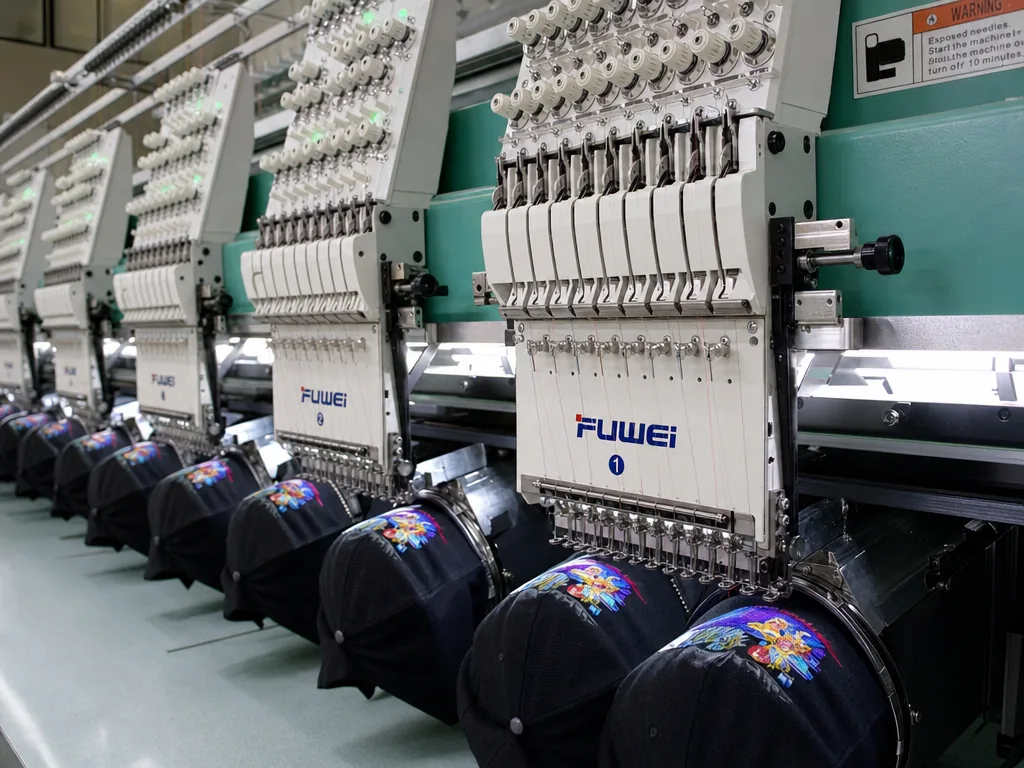
Embroidery Stitch Count & Thread Density: A Cost-and-Quality Reference - 2026 Buyer's Guide
Read article →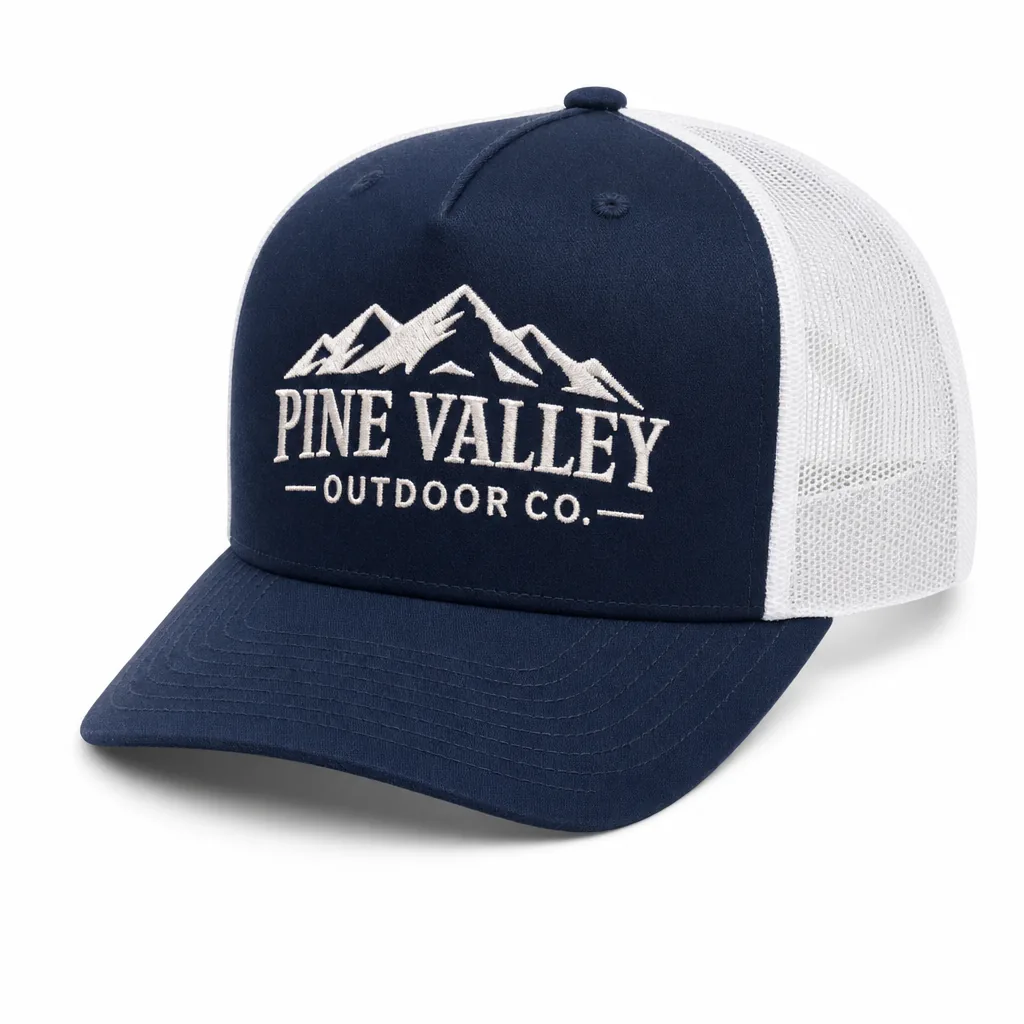
Wholesale Trucker Hats with Custom Logo: A Complete Bulk Sourcing Playbook
Read article →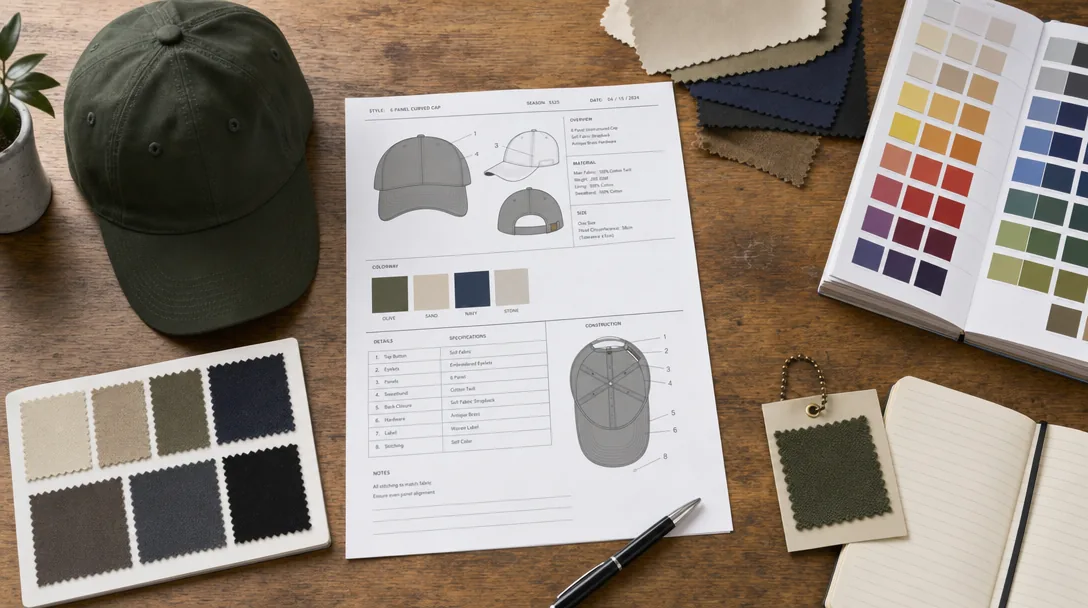
Esports Team Caps: Manufacturing Specs for Pro and Amateur Gaming Brands (2026 Update)
Read article →If you are ready to take the next step on custom embroidered hat: the 2026 sourcing & manufacturing playbook - 2026 buyer's guide, our team can put a tailored quotation and digital mock-up in your inbox within 24 hours. Send the inquiry form on our contact page or message us directly on WhatsApp.