
Custom Bucket Hat Small Batch: A 2026 B2B Sourcing Guide - Cost & MOQ Breakdown
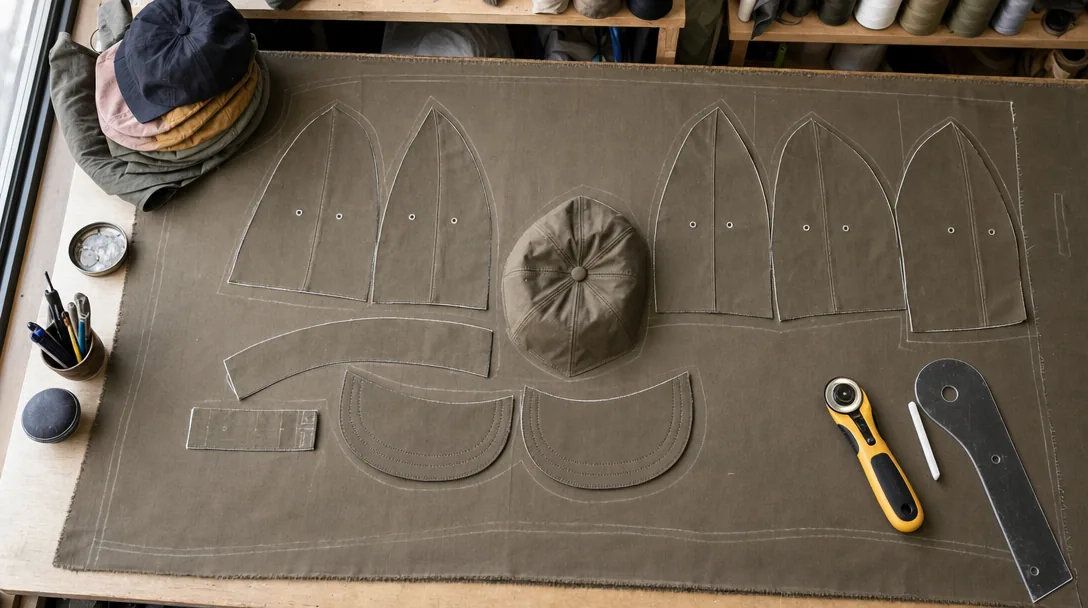
Every week, our sales team answers detailed questions about custom bucket hat small batch: a 2026 b2b sourcing guide - cost & moq breakdown. We wrote this guide so that wholesalers, streetwear brands, corporate buyers and promotional resellers can compare options with full information, and avoid the traps that show up only after production has started.
Custom Flat Brim Snapback Bulk
A custom flat brim snapback bulk order is not just a blank cap with a logo on it. The spec has to lock the build: 6-panel structured crown, fused buckram in the front two panels, flat visor board, plastic snap closure, and the exact shell fabric. A 260 gsm cotton twill, a 150-180 gsm brushed cotton, and 100 percent polyester behave differently at the stitch line, under heat, and after steam pressing. The buyer should also define crown height, visor length, sweatband width, seam allowance, undervisor color, and whether the front panels use heavy buckram or lighter interfacing. Decoration should be named by process, not artwork: flat embroidery, 3D puff, woven label, heat transfer, or a sewn patch each changes stitch count, labor, and reject risk. For a custom bucket hat small batch buyer, this is the useful comparison point: snapbacks are far less forgiving on symmetry and visor straightness, while bucket hats usually fail on brim rebound, topstitch density, and seam alignment instead of crown geometry.
MOQ and pricing move fast once the order stops being a stock shell. If the factory already has the 6-panel block and matching visor board, 100-300 pieces per colorway is realistic for a basic snapback, but custom fabric, contrast undervisor, private-label taping, or upgraded closure hardware usually pushes the practical MOQ to 500 pieces or more. In current FOB China terms, a plain structured cap with one-color front embroidery often lands around USD 2.80-4.20 per piece; add woven label, inner taping, custom seam label, and 8,000-12,000 stitch logo work, and the number moves to roughly USD 4.50-6.80. The same cost logic applies to 5-panel camp cap wholesale, dad hat wholesale, and foam front trucker hat custom programs: category name matters less than sewing minutes, embroidery head time on Tajima or Barudan machines, and finishing labor.
Inspection needs to catch the failures that show up after packing, not just the obvious bench defects. Off-center front panels, visor board warp, snap tabs that do not lock evenly, embroidery puckering on dense satin fill, and crooked sweatband stitching are the problems that create returns and chargebacks. On a decent line, crown height variation should stay within 3 mm, visor edge wave under 2 mm after pressing, and logo registration tight enough that no underlay shows at the lettering edge; color should be checked against approved Pantone TCX targets with Delta-E under 2.0, and bulk lots still need AQL 2.5 sampling for major defects. The hard lesson is simple: if a supplier cannot hold geometry on a 300-piece run, they will not become stable at 3,000 pieces, and small-batch buyers should reject that assumption before sampling starts.
Custom Sun Visor Cap Bulk
The defects on a sun visor are boring, which is exactly why they get missed: visor curvature symmetry, binding tension, stitch density at the edge, logo registration, sweatband placement, and how much the board springs back after packing. If the visor insert is below 1.8 mm or the outer radius is stitched with uneven feed, the front edge warps and the logo lands off-center by 2 to 4 mm, which reads as a reject on a flat-front profile. For bulk orders, I would specify AQL 2.5 for visual inspection, 100 percent shade approval against Pantone TCX or Pantone C, and a Delta-E target under 2.0 on repeat production. That standard matters because visor construction exposes small process drift immediately; compared with a custom bucket hat small batch order, there is less silhouette to hide behind and no extra crown depth to absorb a crooked seam. Even a clean curved embroidery file looks wrong if the panel is not staying true during stitching.
Compliance paperwork is not production control. sedex-audit-cap-supplier-guide.html">BSCI 2.0 and Sedex SMETA 4-Pillar are useful when a retailer or licensee needs audit files, but they do not tell you whether the line can hold a clean stitch path or pack without crushing the brim. The practical control points are much more specific: a pre-production sample signed off with measurements, a first-article check on the first 20 to 30 pieces, and then in-line checks over the first 100 to 200 units before the run is released. The common failures are predictable: sweatband placement off-center by 3 to 5 mm, hook-and-loop closure sewn under tension and puckering the back opening, carton compression flattening the visor curve, and color lot variation across panels, binding, or trim. On our floor, the opening cartons are treated as a process audit, not a final blessing, because thread tension drift, needle heat, and packing damage usually show up there first, not at the end of the order.
Custom Dad Hat Low Minimum
Low-minimum production gets inspected harder, not easier, because every defect repeats across the lot. On a dad hat, the points that actually move the needle are panel symmetry, front-seam drift, top-button placement within 2 to 3 mm, brim curve consistency, strap-hole spacing, and whether the sweatband still lies flat after a wash cycle. For embroidery, I look for registration drift above 0.5 mm, bobbin tension that pulls the crown off-center, and satin-column bleed on dense fills. Pantone TCX should be matched at the thread or fabric stage with Delta-E under 2.0; once the cap is sewn, you are already compensating for a bad input. For a custom bucket hat small batch order, the same discipline applies: AQL 2.5 is the right baseline, but only if the factory locks a first-piece approval, keeps a sealed PP sample, and sends in-line photos from the sewing floor instead of a showroom shot.
MOQ is usually driven by decoration and trim, not the crown pattern itself. A 100-piece run is normal in 100 percent cotton twill at 240 to 260 gsm, and the sewing is straightforward if the factory is using stock twill, a standard 6-panel or 8-panel block, and a simple self-fabric strap. The price climbs fast when you add custom woven labels, contrast sandwich brims, metal buckles, or a fully spec’d back closure. On FOB Ningbo or Shanghai, a plain embroidered dad hat usually lands around $2.30 to $3.20 per piece at 100 to 300 units; once you add a structured sweatband, multi-color embroidery from Tajima or Barudan heads, and branded hardware, $4.50 to $6.00 is more realistic. The useful way to quote it is body cost plus decoration plus trim, because that shows exactly which change is pushing the number up.
The risk in small batches is not the sewing; it is variation between color lots, trims, and machine settings. If you are sourcing a custom bucket hat small batch order, ask for lot separation on fabric rolls, thread cones, and closure hardware, then check that the factory records needle size, stitch density, and topstitch SPI on the PP sheet. A good supplier will also tell you whether the crown is cut on a rotary knife or by hand, because that changes edge consistency and waste on runs under 300 pieces. For compliance-heavy buyers, BSCI 2.0 or Sedex SMETA 4-Pillar matters less for the hat itself than for whether the factory can sustain documentation, traceability, and repeatable QC. On a real production floor, that is what keeps a 200-piece order from turning into a patchwork of acceptable and unacceptable pieces.
Unstructured Dad Hat Wholesale
Unstructured dad hat wholesale is built on a simple idea: remove the hard structure and the price drops, but only if the factory can keep the soft shape consistent. A proper unstructured cap uses six-panel cut-and-sew construction, washed cotton twill, brushed chino, or pigment-dyed canvas, with no front buckram and no heavy buckram inserts in the front panel. That means you are paying for fabric stability, wash control, crown symmetry, and stitch accuracy instead of molding and heat-setting. For a custom bucket hat small batch program, the same sourcing logic applies. In China, 300 to 500 pieces per color is realistic when the mill has stock cloth; if you request custom dyeing, enzyme wash, sand wash, or garment distressing, MOQ usually moves to 800 to 1,000 units. At 300 to 500 units, ex-factory pricing for a plain embroidered dad hat usually lands around $2.60 to $4.20, with closure type, wash recipe, and stitch count doing most of the damage to cost.
The spec sheet has to be tighter than most buyers think. State fabric weight in gsm, sweatband material, crown height, visor curve, closure type, and whether the front panel is lightly fused or fully soft. Add seam allowance, stitch density, thread type, and logo placement tolerance in millimeters, because “match the sample” is how you end up with a 6 mm drift and a carton full of rejects. For embroidery, Tajima, Barudan, and ZSK heads can hold detail, but only if digitizing is disciplined and stitch count stays realistic; on washed cotton, oversized satin fills pull the crown and can warp the front panel. Buyers comparing custom fitted cap no minimum, foam front trucker hat custom, 5 panel camp cap wholesale, or blank flat bill snapback wholesale should understand that unstructured caps are easier to launch in small runs because they avoid buckram dies, heat-setting, and long molding cycles.
The failures are usually unglamorous and expensive: crooked sweatband topstitching, twisted side seams, inconsistent crown depth, shade variation between dye lots, and embroidery distortion after wash testing. I would inspect at AQL 2.5 for major defects and require one pre-production sample plus one size-set sample whenever the closure, wash, or fabric source changes. Lock color to Pantone TCX when the brand is strict; for critical panels and trims, keep Delta-E under 1.5, then allow a wider band only on pigment-dyed or garment-washed stock where variation is part of the look. CrownsForge’s standard practice is to tie small-batch bucket hat and dad hat programs to the same fabric-lot and trim controls, because the margin comes from disciplined sourcing and inspection, not from chasing the lowest quote on one style.
Custom Fitted Cap No Minimum
A real custom fitted cap no minimum is usually not a factory-wide zero-MOQ program. It is a short-run workflow built on stock shells, shared blocks, and limited decoration, because opening a new fitted block means new grading, new cutting markers, and a higher reject rate when the buyer’s head shape does not match the supplier’s standard size curve. For 1 to 24 pieces, the least expensive path is a standard crown with custom embroidery, a woven patch, a printed label, or a heat-seal transfer. Even at low quantity, the buyer still has to lock crown depth, front panel structure, visor curve, sweatband material, seam tape, and closure method. In practice, the difference between a clean sample and a return is usually construction: 260-300 gsm brushed cotton twill, 55-70 gsm polyester mesh, wool-blend bodies, 8-row visor stitching, and buckram or fused interlining where the front panels need shape. The same logic applies to a custom bucket hat small batch order: the fewer new parts you introduce, the less you pay in setup, scrap, and rework.
Pricing changes fast depending on whether the factory is decorating stock inventory or cutting a dedicated short run. For a custom fitted cap no minimum built from stock shells, FOB usually lands around USD 6.50-11.00 for 24-100 pcs, with embroidery setup at USD 25-60 per design, woven patches at USD 0.45-1.20 each, and domestic carton packing at USD 0.15-0.35 per piece. Once you move into a true cut-and-sew run with a custom sweatband, private label, and full size run, pricing usually starts closer to USD 12-18 FOB at 100 pcs because labor, patterning, and fabric waste are spread across a very small lot. A proper quote should split the blank cap, decoration, and packaging, not bury everything in one number. Ask for Pantone TCX targets for trims, thread ticket numbers, stitch count per panel, and a pre-production approval sample before release. Our standard practice is to quote inspection against AQL 2.5 for major defects before tooling starts, because once a short run is cut, mistakes are expensive to unwind.
Foam Front Trucker Hat Custom
Foam front trucker hats are a staple of promotional and streetwear runs, and when paired with a custom bucket hat small batch order, they offer a low-risk entry point for testing designs. The foam front itself is typically a 3mm to 5mm thick polyurethane sheet laminated onto a polyester or cotton twill base, then embroidered with a 3D puff effect using a Tajima or Barudan multi-head machine. The key spec to request from the factory is the foam density (usually 80–100 kg/m³) and the embroidery stitch count per design — too few stitches and the foam collapses; too many and the hat feels rigid. Most factories require a minimum of 100 pieces per style for foam front embroidery, but if you're bundling with a custom bucket hat small batch run, you can often negotiate down to 50 units per SKU by combining production on the same embroidery file.
For a foam front trucker hat custom order, expect a base MOQ of 200 to 500 pieces for full-color branding, with unit pricing ranging from $2.80 to $4.50 FOB Yiwu depending on fabric choice (polyester mesh vs. cotton back), snap closure type (plastic vs. metal), and foam thickness. The embroidery digitizing setup fee is typically $30 to $60 per design, and a Delta-E color match of under 2.0 on the foam substrate is achievable if the factory uses a spectrophotometer during pre-production. Common quality issues include foam delamination after washing (test at 30°C for 3 cycles), uneven puff height due to inconsistent foam cutting, and thread breaks on high-density designs — all of which should be checked during an AQL 2.5 inspection with a sample size of 20 pieces per lot. Our standard practice is to run a 3D puff test on the first 5 units before full production, and we reject any order where the foam edge shows more than 0.5mm of fraying.
This foam front trucker hat custom line connects directly to the custom bucket hat small batch sourcing strategy because both share the same embroidery digitizing workflow, fabric sourcing channels, and inspection protocols. If you're already ordering unstructured dad hat wholesale or blank flat bill snapback wholesale from the same factory, adding a foam front trucker hat with a 3D logo costs about $0.30 more per unit in setup amortization. The real savings come from consolidating trim — mesh, buckram, and sweatbands — across multiple styles in one production slot. For buyers also exploring custom fitted cap no minimum or 5 panel camp cap wholesale, the foam front trucker hat serves as a high-volume anchor item that lowers per-unit costs across the board, provided the factory runs a combined cutting and embroidery schedule.
Working with CrownsForge for custom bucket hat small batch programs
For a custom bucket hat small batch program, the sample loop is usually 10 to 14 working days after tech-pack approval, and one color-correction round should be included if the artwork and Pantone TCX callouts are clean. We keep more than 600 Pantone TCX chips on hand, so shade approval happens against actual fabric in a light box, not on a monitor. On cotton twill, washed cotton, and 100 percent cotton canvas, first-pass Delta-E usually stays under 1.5 when the base cloth is stable and the trim supplier is not drifting. Most first orders start at 300 pieces per SKU; if you split the run across colorways, crown trim, or lining options, the blended MOQ can drop to 150 pieces per style, but the lead time usually moves closer to 18 working days. That tradeoff matters more than shaving a few cents off unit cost, because the real failure points are panel symmetry, brim stitch density, and inconsistent seam allowance around the crown.
Decoration stays in-house, which is the only sensible way to handle a custom bucket hat small batch when the run is only a few hundred units. We run Tajima, Barudan, and ZSK embroidery heads for flat logos, and we switch to heat transfer or appliqued patch work when the stitch count would distort lightweight fabric. A normal front logo digitizes in 24 to 48 hours, and a clean bucket-hat placement usually lands between 6,000 and 12,000 stitches depending on fill density and column width. Our standard compliance pack covers BSCI 2.0, Sedex SMETA 4-Pillar, and OEKO-TEX Standard 100 where the fabric spec requires it, with shipment paperwork tied to the PO so customs and buyer QA do not get stuck reconstructing the file later. Final packing goes through AQL 2.5, with critical defects held to 1.0, because loose seams, off-center woven labels, and crushed brims show up fast on bucket hats and are expensive to sort after cartons are sealed.
Frequently Asked Questions
How long does production take?
Sampling takes 7 to 12 days. Bulk production runs 20 to 30 days depending on quantity, fabric availability and decoration complexity. Inspection and packing adds another 3 to 5 days before shipment.
Do you support sustainability certifications?
Yes. We work with GOTS organic cotton, GRS-certified recycled polyester, OEKO-TEX Standard 100 fabrics, and are BSCI and Sedex audited. Certification documentation can be provided per order.
What file format should I send for my logo?
Vector files (AI, EPS, PDF) are ideal. High-resolution PNG or JPG at 300 dpi on transparent background works as a fallback. Provide Pantone color references for accurate reproduction.
What is the minimum order quantity (MOQ) for custom hats?
Our standard MOQ is 100 pieces per design and color, with sampling available from 1 piece. For complex multi-color logos or premium fabric upgrades, the MOQ can be lowered with a small per-piece surcharge.
Can I order a sample before bulk production?
Yes. We strongly recommend approving a pre-production sample before mass production. Samples are charged at 35 to 60 USD each plus express shipping, fully refundable against confirmed bulk orders over 500 pieces.
What should I know about blank trucker cap wholesale bulk?
When evaluating blank trucker cap wholesale bulk, the key considerations are construction quality, decoration capability, MOQ flexibility and lead time. Cover everything buyers ask about custom sun visor cap bulk: how it's manufactured, what specs to request from a factory, typical MOQ and pricing, common quality issues to inspect for, and how this ties back to the broader custom bucket hat small batch sourcing decision. Cover everything buyers ask about custom flat brim snapback bulk: how it's manufactured, what specs to…
What's the MOQ for custom dad hat low minimum?
When evaluating custom dad hat low minimum, the key considerations are construction quality, decoration capability, MOQ flexibility and lead time. Cover everything buyers ask about custom dad hat low minimum: how it's manufactured, what specs to request from a factory, typical MOQ and pricing, common quality issues to inspect for, and how this ties back to the broader custom bucket hat small batch sourcing decision. Cover everything buyers ask about unstructured dad hat wholesale: how it's manufactured, what specs to…
How does ordering custom foam trucker hat work?
When evaluating custom foam trucker hat, the key considerations are construction quality, decoration capability, MOQ flexibility and lead time. Cover everything buyers ask about foam front trucker hat custom: how it's manufactured, what specs to request from a factory, typical MOQ and pricing, common quality issues to inspect for, and how this ties back to the broader custom bucket hat small batch sourcing decision. Cover everything buyers ask about custom flat brim snapback bulk: how it's manufactured, what specs…
How does ordering custom flat bill hat embroidery work?
When evaluating custom flat bill hat embroidery, the key considerations are construction quality, decoration capability, MOQ flexibility and lead time. Cover everything buyers ask about custom flat brim snapback bulk: how it's manufactured, what specs to request from a factory, typical MOQ and pricing, common quality issues to inspect for, and how this ties back to the broader custom bucket hat small batch sourcing decision. Cover everything buyers ask about custom sun visor cap bulk: how it's manufactured, what specs to…
Looking for a reliable hat manufacturer in China?
CrownsForge has produced custom hats for 800+ brands across 40 countries. From 100-piece launches to 100,000-piece retail programs, we deliver on time and on spec.
Get in touchRelated guides
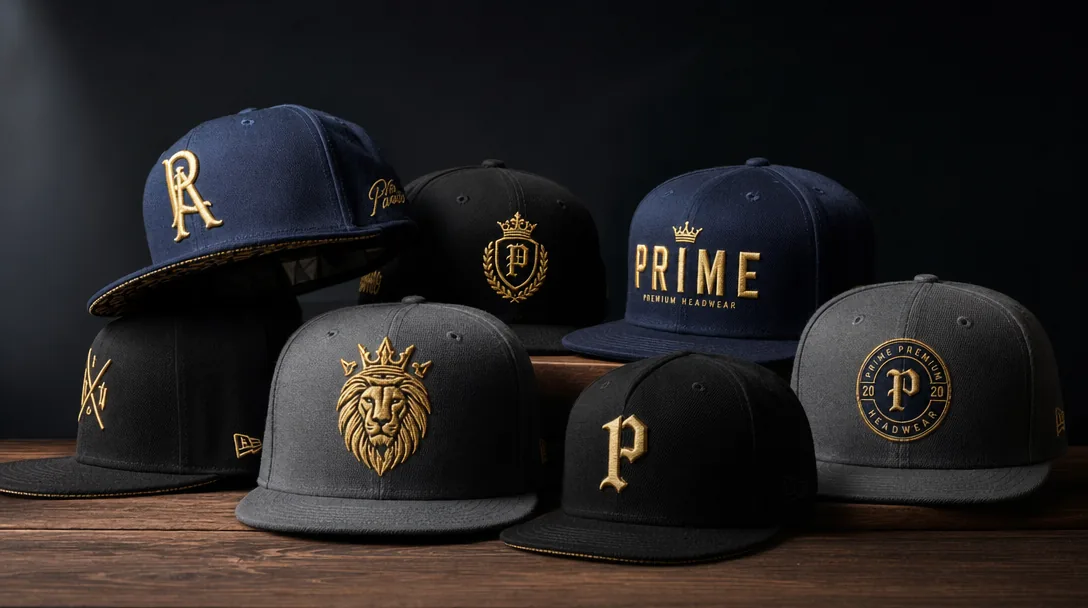
Custom Leather Patch Hat Low Minimum: A 2026 B2B Sourcing Guide
Read article →
Mens Beanies: Properties, Costs and How to Spec It Right
Read article →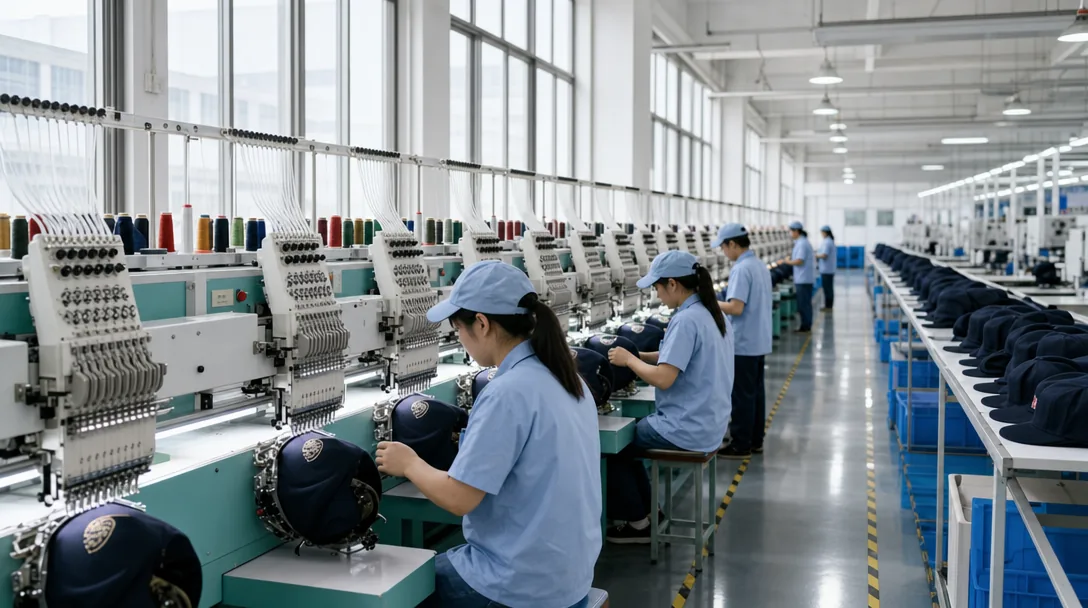
Bulk Trucker Hats Export Shipping Checklist for Custom Hat Buyers - Cost & MOQ Breakdown - Supplier Checklist
Read article →We hope this guide demystifies custom bucket hat small batch: a 2026 b2b sourcing guide - cost & moq breakdown and helps you move forward with confidence. If you have questions specific to your project, our English-speaking sales engineers are one message away.