
Custom Bucket Hat Small Batch: A 2026 B2B Sourcing Guide - 2026 Buyer's Guide
Every week, our sales team answers detailed questions about custom bucket hat small batch: a 2026 b2b sourcing guide - 2026 buyer's guide. We wrote this guide so that wholesalers, streetwear brands, corporate buyers and promotional resellers can compare options with full information, and avoid the traps that show up only after production has started.
Custom Flat Brim Snapback Bulk
Flat brim snapbacks need a tighter spec than most soft hats because the crown, buckram, and visor board must hold one straight visual line after sewing, steam blocking, packing, and 30-40 days in transit. Lock the block first: 16.5 cm crown height reads high-profile sports license, 15.0-15.5 cm is closer to streetwear retail, and anything below 14.5 cm starts fighting the flat visor geometry. A useful tech pack names 5-panel or 6-panel construction, front buckram weight, center visor length, PE or recycled PP board thickness, sweatband composition, eyelet type, snap grade, and visor stitch count. For shell fabric, 280-320 gsm cotton twill gives the cleanest hand, 80/20 acrylic-wool suits team programs, and 150-180 denier polyester is better for sublimation or water-resistant promo work. Compared with a custom bucket hat small batch order, snapbacks fail less on soft brim waviness and more on mold consistency, front-panel tension, and logo alignment against a rigid centerline.
Bulk pricing should be broken into fabric, embroidery stitch count, thread colors, closure, inner taping, woven label, hangtag, polybag, and export carton; a single blended cap price hides where the money is going. In Yiwu and Guangdong, a plain flat brim snapback at 500-1,000 pieces usually runs USD 1.65-2.40 FOB with stock fabric and standard snap closure. Add 3D puff embroidery on Tajima, Barudan, or ZSK heads and the landed factory price commonly moves to USD 2.80-4.20, depending on stitch density, foam thickness, color changes, backing, and trimming labor. Woven patches, PVC rubber patches, chenille, and chain-stitch artwork usually add USD 40-120 per design for mold, tape, or sample setup. Practical MOQ is 300 pieces per color with stock fabric and 500-1,000 pieces for dyed-to-match Pantone TCX fabric; for repeat production, Delta-E under 1.5 is a realistic shade tolerance if the mill keeps the same yarn and finishing route.
Reject the defects that customers actually notice on shelf: front embroidery off center by more than 2-3 mm, visor attachment skewed, crown height variation above 5 mm, loose snap buttons, puckered sweatband at the back seam, and visor boards curling after steam. Use AQL 2.5 major / 4.0 minor, and pull inspection samples across cartons instead of accepting the clean top layer set aside for visitors. Measurements should include crown height, visor length, logo placement, stitch density, seam allowance, snap pull strength, carton compression marks, and polybag venting where required. On 3D puff, inspect letter corners below 8 mm carefully; exposed foam usually means the digitizing used tight serifs, the foam was too thick, or the operator ran excessive top-thread tension. Our standard practice at CrownsForge is one pre-production sample made with bulk fabric, final embroidery tape, final visor board, and production packing before cutting. Buyers used to custom bucket hat small batch flexibility should separate sampling convenience from bulk economics: snapback stability depends on fabric yield, machine setup, blocking consistency, and carton-level QA.
Custom Sun Visor Cap Bulk
Bulk sun visor orders fail when buyers treat the visor as a baseball cap with the crown removed. The risk is geometry: brim-board memory, binding stretch, sweatband tension, and back-closure centering have to be locked before artwork approval. I would specify brim length at 7.0-7.5 cm, front band height at 5.5-6.5 cm, cotton twill at 220-260 gsm, or polyester microfiber at 120-150 gsm with a 2.5-3.0 cm sweatband. For embroidery, confirm the usable field on Tajima, Barudan, or ZSK heads; a low visor front usually supports 35-45 mm logo height, not the same 3D puff depth used on a foam trucker panel. Use Pantone TCX for fabric and TPX for printed trims, then require lab dips within Delta-E 1.5-2.0 on cotton and below 1.5 on polyester when the mill can hold it. Light khaki, navy, and athletic red drift fastest when suppliers mix dyed lots.
The true MOQ is controlled by dyeing, trim, and decoration setup, not by sewing capacity. Stock-fabric visors with flat embroidery can run cleanly at 100-200 pieces per color, but custom-dyed cotton, jacquard elastic, molded silicone patches, private-label woven tape, or UV-coated performance fabric usually push the practical MOQ to 500-1,000 pieces. Realistic 2026 FOB Yiwu pricing is US$1.45-2.20 for basic cotton twill with Velcro, US$2.10-3.10 with woven label or silicone patch, and US$3.00-4.50 for polyester with moisture-wicking sweatband and UV treatment. For a custom bucket hat small batch launch, visors are useful color-test items because fabric consumption is lower, size grading is simpler, and a failed shade ties up less inventory. Keep decoration methods consistent across dad hats, 5-panel camp caps, snapbacks, visors, and bucket hats; every extra mold, thread palette, heat-transfer film, or rubber badge adds sampling cost and typically delays approval by 3-7 working days.
QC should judge visor structure before logo cosmetics. A clean embroidery run cannot save a twisted brim, wavy binding, or back strap that sits off center on the wearer’s head. I check brim symmetry within 3 mm left-to-right, closure alignment within 2 mm of center, binding stitch density at 8-10 SPI, skipped stitches around curved edges, and sweatband puckering after light steam exposure. For final inspection, use AQL 2.5 for major defects and AQL 4.0 for minor defects, with carton drop testing when goods ship DDP to Amazon FBA or retail distribution centers. Pre-production approval should be against a physical golden sample because visor curvature hides distortion in photos. CrownsForge’s standard practice is to compare the final visor curve against that golden sample during inline and final inspection. Treat “custom fitted cap no minimum” claims as sampling language; visor bulk orders and custom bucket hat small batch programs still need controlled materials, approved trims, and repeatable QC checkpoints.
Custom Dad Hat Low Minimum
Low-minimum dad hats fail when buyers treat them as blank caps with a logo. For an unstructured 6-panel dad cap, specify 10s or 12s cotton twill at 260-320 gsm, light front-panel backing only under dense embroidery, and an approved wash recipe before bulk cutting. Enzyme wash, garment dye, and stone wash change shrinkage, handfeel, and crown memory; a 5-minute overrun in the bath or high tumble heat can make the front panel collapse so the logo looks crooked even when the Tajima, Barudan, or ZSK stitch file is clean. In a custom bucket hat small batch program that also includes dad hats, realistic MOQ is 100-300 pieces per color using stock twill, or 500-800 pieces for dye-to-match Pantone TCX fabric. At 300 pieces, a washed cotton dad hat with flat embroidery usually prices at $3.20-$5.80 FOB China. Puff embroidery, antique brass buckle, woven label, branded sweatband, and individual polybag can move that to $5.50-$8.50 before freight.
Inspection standards must be written into the PO before production, because low-MOQ headwear is often run beside sample-room work and short-line bulk orders. Use AQL 2.5 for major defects and AQL 4.0 for minor defects, then define measurable points: crown height within +/-5 mm, adjustable fit range at 56-60 cm, visor centerline deviation under 3 mm, and front logo placement within 2 mm of the approved PP sample. Washed cotton should be checked in a D65 lightbox, with brand-critical colors held to Delta-E 1.5-2.0 against the approved lab dip or salesman sample. Black, khaki, faded navy, and garment-dyed olive show panel mismatch, wash streaking, and red or yellow undertones faster than brighter colors. The back strap also needs attention: the buckle fold should have a dense bartack or reinforced lockstitch, otherwise wear testing will expose loose folds after 200-300 open-close cycles.
Treat the dad hat as one SKU inside the wider headwear buy, not as a side project. If the main order is a custom bucket hat small batch run and the program also includes truckers, 5-panel camp caps, or flat-bill snapbacks, consolidate trims before deposit: woven labels, sweatband spec, care label artwork, hangtag size, visor sticker position, polybag warning text, carton marks, and barcode format. A shared trim sheet can remove $0.15-$0.45 per piece in duplicated setup and prevents each style from arriving with different packaging, care wording, or compliance files. Our standard practice at CrownsForge is to lock one program-level trim sheet, then keep style-specific BOM lines for shell fabric, visor board, buckles, eyelets, embroidery thread, and wash process. For licensed brands or retail accounts, confirm sedex-audit-cap-supplier-guide.html">BSCI 2.0, Sedex SMETA 4-Pillar, needle control logs, and metal detection records before sampling. Adding audit requirements after bulk cutting can delay shipment 7-14 days and create rework charges bigger than the original low-minimum savings.
Unstructured Dad Hat Wholesale
Unstructured dad hat wholesale is won or lost in crown balance, fabric lot control, and wash shrinkage, not in the label claim “100% cotton twill.” A proper low-profile 6-panel dad hat should have no buckram, front height around 9.0-9.5 cm, panel cutting tolerance within +/-2 mm, a pre-curved PE visor, and a 30-35 mm sweatband that stays flat after laundering. Strong buyer specs name the fabric construction: 16x12 cotton twill at 260-280 gsm for a cleaner retail hand, washed chino at 230-250 gsm for vintage programs, or 12 oz cotton canvas when the cap needs more body without becoming a structured snapback. If the same PO includes a custom bucket hat small batch, do not casually share “khaki,” “stone,” or “black” across styles. Lock lots to Pantone TCX, approve lab dips under D65 light, and keep Delta-E under 1.5 for solid colors. Garment wash, enzyme wash, pigment dye, and reactive dye can move olive, navy, faded black, and stone by a full shade when the mill changes greige fabric or dye bath temperature mid-order.
MOQ pressure usually comes from decoration, washing, and trims, not from sewing the soft dad hat body. For blank washed dad hats, 100-300 pieces per color is realistic when fabric is in stock; standard flat embroidery can run 50-100 pieces per design if Madeira or Gunold thread colors are available. Typical 2026 FOB China pricing is USD 2.20-3.20 for blanks, USD 3.10-4.80 with front flat embroidery on Tajima or Barudan heads, and USD 4.80-7.50 for puff embroidery, applique, enzyme wash, hand distressing, or custom metal buckle closures. “No minimum” usually means stock bodies, stock cloth, and limited control over shade, visor curve, seam tape, sweatband quality, and back-strap hardware. Our standard practice is to quote fabric, wash process, stitch count, closure, inner taping, carton packing, and polybag method separately because each item changes lead time and defect exposure. A 12,000-stitch front logo is a different production risk than a 4,500-stitch text mark, especially on washed cotton with no crown support.
The defects that kill reorders are small but obvious on head: twisted center seams, puckered embroidery, loose back-strap stitching, off-center top buttons, skipped stitches at visor binding, and sweatband waviness after wash. Inspect soft caps on a head form, not only flat on a table, because crown collapse can hide asymmetry until the customer wears it. For bulk QC, use AQL 2.5 for major defects and AQL 4.0 for minor defects, with embroidery registration checked against the approved strike-off and visor curve checked against the sealed PP sample. Dad hats are usually easier than a custom bucket hat small batch for front-logo placement and unit-cost control, while bucket hats need tighter circular cutting, cleaner brim stitch spacing, and stricter size grading across S/M, L/XL, and OSFM patterns. For licensed sports, streetwear, and promotional resale orders, request current BSCI 2.0 or Sedex SMETA 4-Pillar records before deposit. Audit issues found after fabric cutting can delay shipment 3-6 weeks and erase the savings from a low quote.
Custom Fitted Cap No Minimum
A true custom fitted cap no minimum order is prototype-grade production, because a closed-back cap gives the sewer no adjustment allowance after the size band is closed. For a micro run, lock the block first: 6-panel structured or semi-structured crown, 260-340 gsm cotton twill, 80/20 acrylic-wool, or 150D-300D polyester twill, with graded sizes usually from 6 7/8 to 7 3/4. The tech pack must call out crown height, visor length, visor curve radius, buckram stiffness, sweatband width, seam allowance, and rear seam tolerance; “standard fitted” is how bad samples happen. If the front logo is embroidery, sample it on the actual front panel before blocking on a Tajima, Barudan, or ZSK head. Satin columns under 1.2 mm, serif letters below 5 mm, and designs above about 8,000 stitches can look acceptable on a flat swatch but distort once the crown is steamed and shaped.
The costly part is not customization; it is size fragmentation. “No minimum” usually means one paid development sample at USD 45-120, not bulk pricing for a single sellable unit. At 24-48 pieces, fitted caps often sit around USD 14-28 FOB per piece, depending on fabric, size spread, embroidery stitch count, and how many graded patterns must be cut. At 100-300 pieces, USD 7.50-13.50 FOB is more realistic. This is why a custom bucket hat small batch program is often easier for market testing: bucket hats can usually run S/M and L/XL, while fitted caps may need six or seven size SKUs. A 36-piece fitted order split across six sizes creates separate cutting tickets, bundling checks, size labels, carton sorting, and final inspection lines; the same quantity in a bucket hat or adjustable cap is much cleaner to control.
Inspect fitted caps by size and shape before looking at loose threads or minor cosmetics. Major defects should include crown height variation over 4 mm within the same size, visor centerline offset above 3 mm, twisted rear seam, sweatband puckering at the join, loose buckram, and embroidery registration shift after blocking. Even at 80-125 pieces, I would still apply AQL 2.5 for major defects and AQL 4.0 for minor defects, because one bad size run can make a serious share of the order unsellable. Define fabric color by Pantone TCX and keep Delta-E under 1.5 for solid-dyed cotton; for heather acrylic-wool, Delta-E under 2.0 is more practical. If the same launch includes dad hats, camp caps, or custom bucket hat small batch styles, standardize woven labels, care labels, barcode placement, polybag warnings, and carton marks across the line. That prevents warehouse errors better than squeezing USD 0.05 from the unit price.
Foam Front Trucker Hat Custom
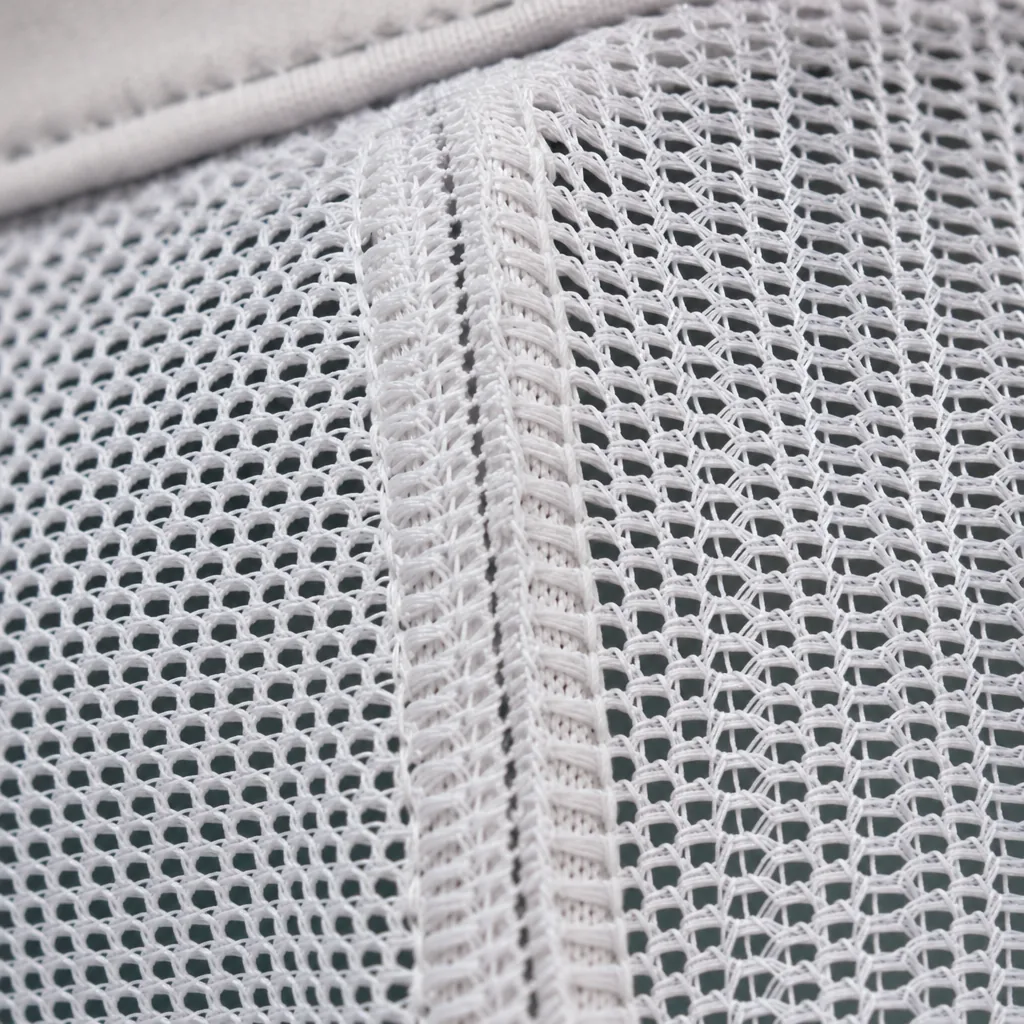
Foam-front truckers go wrong when buyers spec them like soft cut-and-sew bucket hats. The front panel needs 3–5 mm polyester foam at roughly 30–35 kg/m³, laminated to 160–220 gsm brushed polyester, microfiber, or cotton twill; foam below 28 kg/m³ dents around embroidery and leaves heat-press marks that do not recover. Most commercial builds use a 5-panel or 6-panel crown, 100D–150D polyester or nylon mesh, a 58–60 cm adjustable fit range, and a 70–75 mm pre-curved PE visor insert. The front panel should be heat-shaped on a curved mold before the sweatband is closed, otherwise the logo field ripples after sewing. Flat embroidery is cleanest at 6,000–9,000 stitches on Tajima, Barudan, or ZSK heads. For 3D puff, slow the machine to 550–650 spm, use wider satin columns, reduce trims, and test tear-away foam removal. Logos over 70 mm wide usually look sharper as screen print, silicone transfer, or high-density heat transfer than as heavy thread coverage.
A usable tech pack must lock foam thickness and density, crown height, mesh denier, visor length, sweatband composition, snapback resin grade, stitch density, logo dimensions, Pantone TCX/TPX references, label position, and carton method. For a custom bucket hat small batch program that adds foam truckers to the same capsule, the real limit is not sewing capacity but component availability. Bucket hats can often run 50–100 pieces in stock 10 oz cotton twill, washed chino, or nylon taslan; foam truckers are practical at 100–300 pieces per color only if the buyer accepts stock foam, stock mesh, and existing snapback colors. Custom-dyed mesh, proprietary foam shades, or color-matched plastic snaps normally push MOQ to 500–1,000 pieces because dye houses and injection suppliers set separate minimums. In 2026, realistic embroidered foam trucker pricing is USD 3.20–5.80 FOB Ningbo or Shanghai, with 3D puff adding USD 0.35–0.90 depending on stitch count, backing, and thread changes. “No minimum” offers are usually decorated blanks, not controlled production with brand-specific trims and panel tension.
Inspection should focus on the defects that actually kill sell-through: front-panel bubbling, foam creasing, off-center logo placement, mesh puckering at the side seam, visor twist, weak snap tabs, and yellowing on white foam after heat exposure. Our standard practice at CrownsForge is AQL 2.5 final inspection, with logo placement held to ±2 mm, crown height to ±3 mm, visor length to ±2 mm, and dyed mesh or printed-transfer color controlled within Delta-E 3 against the approved standard. Printed marks should pass dry and wet rub tests; heat transfers need edge-pick checks after the front panel is flexed and the brim is bent 20–30 times. Packing is not cosmetic on foam caps. A 25-piece inner polybag and 100-piece export carton protects 5 mm foam far better than crushing 200 pieces into one tall carton. Compared with custom bucket hat small batch production, foam truckers are usually faster to sample and cheaper per unit, but bucket hats still offer more room for fabric story, reversible construction, woven labels, contrast stitching, and seasonal trims.
Working with CrownsForge for custom bucket hat small batch programs
The real failure point in a custom bucket hat small batch is not sewing 150 pieces; it is approving a sample that only passed because one senior operator slowed the line down and hand-shaped every brim. I would freeze fabric, trims, bucket block, wash treatment, and decoration method before promising a bulk ship date. With an existing block, stock fabric confirmation takes 3–5 working days and a first proto normally takes 5–7 working days. If the buyer changes brim angle, crown depth, panel spread, reversible construction, or garment-wash shrinkage, plan on 7–10 working days before a reliable pre-production sample. Bucket hats show poor engineering fast: brim waviness, crown collapse, uneven topstitch spacing, and sweatband tension are visible from three meters away on washed 10 oz canvas, 8-wale corduroy, 210D ripstop, nylon taslan, and 260 gsm recycled polyester twill.
Decoration must be tested on the actual bulk material, not a clean studio swatch. A 9,000-stitch logo that runs clean on 260 gsm cotton twill may pucker badly on coated nylon or sink between corduroy ribs unless the digitizer adjusts pull compensation, underlay, backing, needle size, and hoop tension. For embroidery, the practical control point is a strike-off on Tajima, Barudan, or ZSK heads using the approved thread, backing, placement jig, and fabric lot; then check thread breaks, edge registration, puckering, and shade against Pantone TCX or a signed physical standard. For screen print, heat transfer, woven patch, rubber patch, and appliqué, the approval sheet should record platen temperature, dwell time, pressure, adhesive type, edge tolerance, and placement in millimeters. A WhatsApp photo is useful for discussion, but it is not a production control document.
MOQ is usually driven by fabric and trim lot size, not sewing capacity. Stock cotton twill, washed canvas, nylon taslan, common ripstop, and recycled polyester twill can often support 100–300 pieces per color; yarn-dyed plaid, custom jacquard, special coating, Pantone-dyed shell fabric, or custom drawcords often move the practical minimum to 500–1,000 pieces because dye houses and finishers will not open a tiny lot economically. At CrownsForge, our standard practice for small programs is to lock a written control set before cutting: tech pack, approved pre-production sample, graded size spec, decoration strike-off, packaging sheet, carton marks, and QC checklist. Use realistic tolerances: circumference ±0.5 cm, brim width ±0.3 cm, crown height ±0.4 cm, embroidery placement ±2 mm, and lab-dip variance around Delta-E 1.5–2.0. Final inspection should run AQL 2.5 major and AQL 4.0 minor, with BSCI 2.0 or Sedex SMETA 4-Pillar files, needle-control logs, RSL declarations, and carton traceability ready before DHL, air DDP, or FOB Ningbo/Shanghai shipment.
Frequently Asked Questions
How long does production take?
Sampling takes 7 to 12 days. Bulk production runs 20 to 30 days depending on quantity, fabric availability and decoration complexity. Inspection and packing adds another 3 to 5 days before shipment.
Do you support sustainability certifications?
Yes. We work with GOTS organic cotton, GRS-certified recycled polyester, OEKO-TEX Standard 100 fabrics, and are BSCI and Sedex audited. Certification documentation can be provided per order.
What file format should I send for my logo?
Vector files (AI, EPS, PDF) are ideal. High-resolution PNG or JPG at 300 dpi on transparent background works as a fallback. Provide Pantone color references for accurate reproduction.
What is the minimum order quantity (MOQ) for custom hats?
Our standard MOQ is 100 pieces per design and color, with sampling available from 1 piece. For complex multi-color logos or premium fabric upgrades, the MOQ can be lowered with a small per-piece surcharge.
Can I order a sample before bulk production?
Yes. We strongly recommend approving a pre-production sample before mass production. Samples are charged at 35 to 60 USD each plus express shipping, fully refundable against confirmed bulk orders over 500 pieces.
What should I know about blank trucker cap wholesale bulk?
When evaluating blank trucker cap wholesale bulk, the key considerations are construction quality, decoration capability, MOQ flexibility and lead time. Cover everything buyers ask about custom sun visor cap bulk: how it's manufactured, what specs to request from a factory, typical MOQ and pricing, common quality issues to inspect for, and how this ties back to the broader custom bucket hat small batch sourcing decision. Cover everything buyers ask about custom flat brim snapback bulk: how it's manufactured, what specs to…
What's the MOQ for custom dad hat low minimum?
When evaluating custom dad hat low minimum, the key considerations are construction quality, decoration capability, MOQ flexibility and lead time. Cover everything buyers ask about custom dad hat low minimum: how it's manufactured, what specs to request from a factory, typical MOQ and pricing, common quality issues to inspect for, and how this ties back to the broader custom bucket hat small batch sourcing decision. Cover everything buyers ask about unstructured dad hat wholesale: how it's manufactured, what specs to…
How does ordering custom foam trucker hat work?
When evaluating custom foam trucker hat, the key considerations are construction quality, decoration capability, MOQ flexibility and lead time. Cover everything buyers ask about foam front trucker hat custom: how it's manufactured, what specs to request from a factory, typical MOQ and pricing, common quality issues to inspect for, and how this ties back to the broader custom bucket hat small batch sourcing decision. Cover everything buyers ask about custom flat brim snapback bulk: how it's manufactured, what specs…
How does ordering custom flat bill hat embroidery work?
When evaluating custom flat bill hat embroidery, the key considerations are construction quality, decoration capability, MOQ flexibility and lead time. Cover everything buyers ask about custom flat brim snapback bulk: how it's manufactured, what specs to request from a factory, typical MOQ and pricing, common quality issues to inspect for, and how this ties back to the broader custom bucket hat small batch sourcing decision. Cover everything buyers ask about custom sun visor cap bulk: how it's manufactured, what specs to…
Looking for a reliable hat manufacturer in China?
CrownsForge has produced custom hats for 800+ brands across 40 countries. From 100-piece launches to 100,000-piece retail programs, we deliver on time and on spec.
Get in touchRelated guides
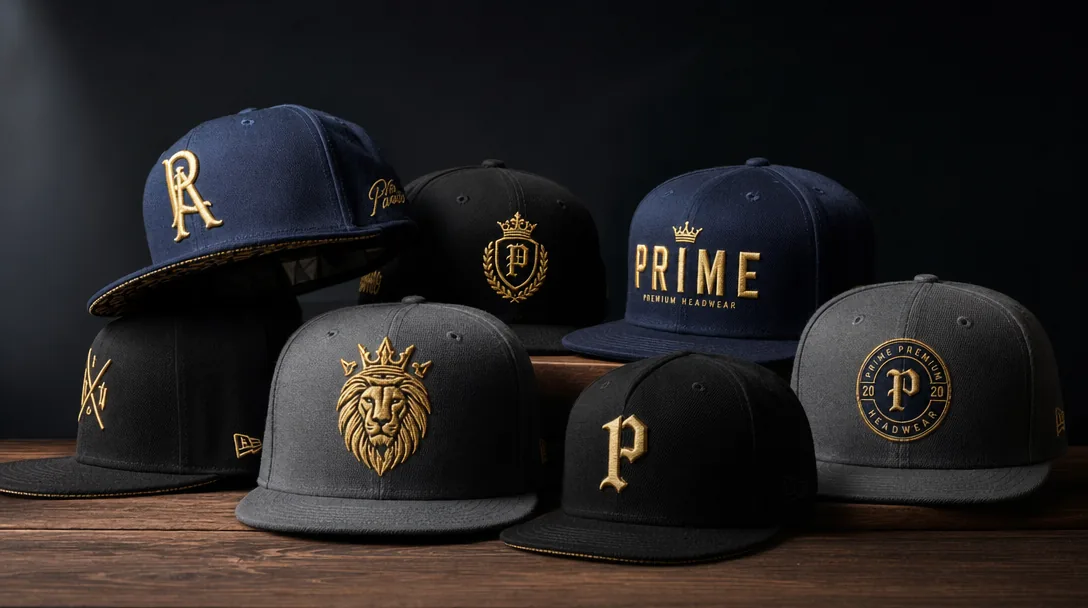
Custom Leather Patch Hat Low Minimum: A 2026 B2B Sourcing Guide
Read article →
Mens Beanies: Properties, Costs and How to Spec It Right
Read article →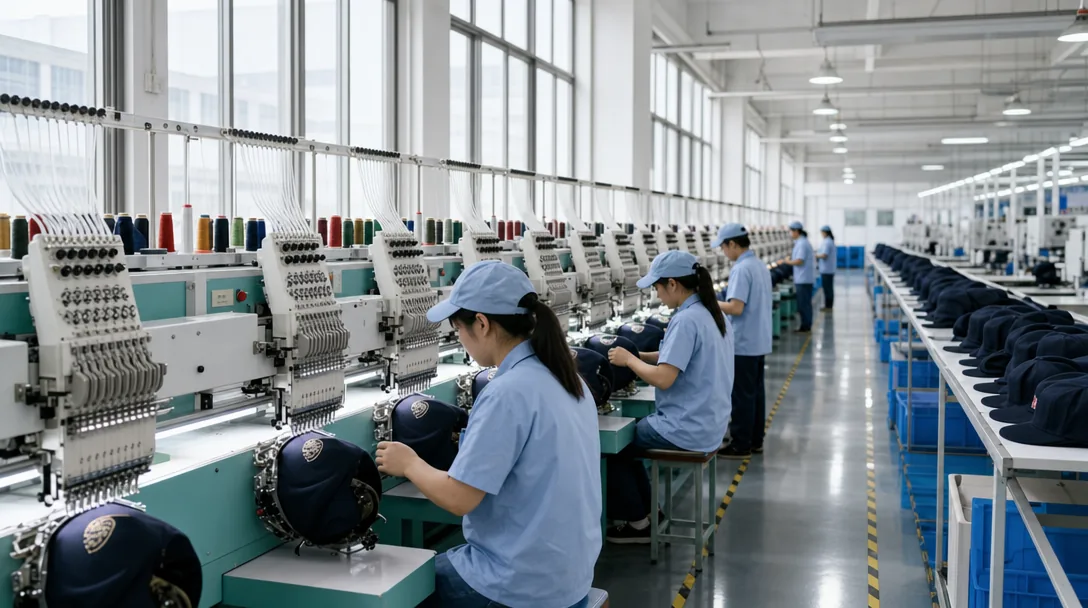
Bulk Trucker Hats Export Shipping Checklist for Custom Hat Buyers - Cost & MOQ Breakdown - Supplier Checklist
Read article →We hope this guide demystifies custom bucket hat small batch: a 2026 b2b sourcing guide - 2026 buyer's guide and helps you move forward with confidence. If you have questions specific to your project, our English-speaking sales engineers are one message away.