Custom Hats for Corporate, Business and Branded Merchandise Programs (2026 Update)
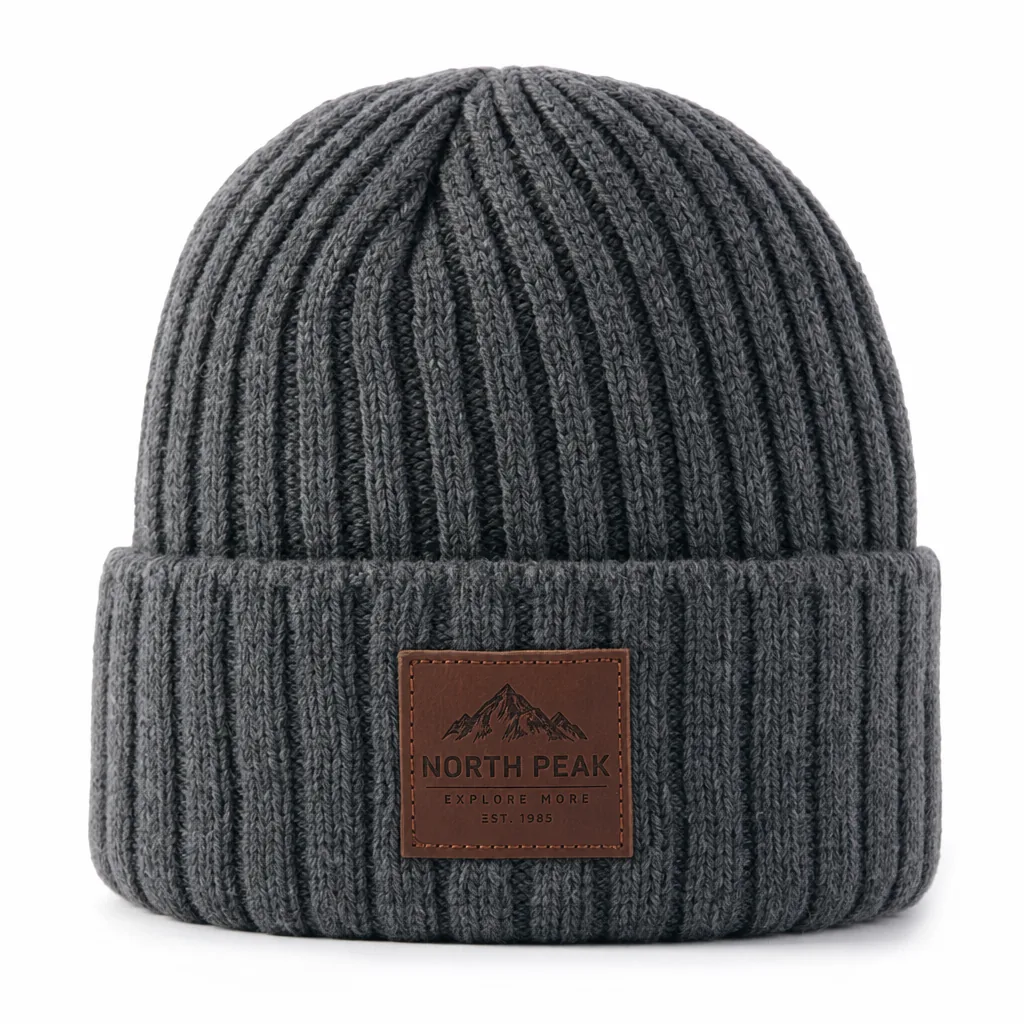
Every week, our sales team answers detailed questions about custom hats for corporate, business and branded merchandise programs (2026 update). We wrote this guide so that wholesalers, streetwear brands, corporate buyers and promotional resellers can compare options with full information, and avoid the traps that show up only after production has started.
The four corporate-cap use cases that drive most procurement budgets
Most corporate cap budgets fall into four buying jobs, and the use case should set the specification before crown shape or trim debates start. For trade show giveaways, keep the build price-controlled: as a 2026 example planning assumption to verify in the supplier quote, 1,000-5,000 units of a 5-panel or 6-panel cotton-twill cap can target US$1.35-US$2.20 per unit FOB Yiwu, excluding freight, duty, testing, and destination relabeling. That assumes 160-220 gsm cotton twill, plastic snapback or fabric strap closure, standard export carton packing, and flat embroidery under about 5,000 stitches. Employee programs sit in a higher-wear category. Custom business hats for onboarding kits, field crews, retail uniforms, and facilities teams usually justify brushed cotton, washed canvas, recycled polyester, structured buckram, sweatband upgrades, and 3,000-8,000 stitch logos run on Tajima, Barudan, or ZSK embroidery heads.
Client gifts are not the same purchasing lane because the recipient judges the cap as a brand object, not an event freebie. As a 2026 example calculation to verify against a live quote, 300-1,000 units using wool blend, performance nylon, suede patch or woven patch, metal buckle, private polybag, and rigid mailer may land at US$4.80-US$8.50 per unit FOB before freight, duty, and delivery handling. Conference and event merchandise is the fourth major budget driver, where timing is often the bigger risk than unit cost. For a 2-day sales kickoff, dealer meeting, or user conference, a stock fabric platform with custom embroidery, woven label, rubber patch, or heat-transfer badge is safer than a fresh dye lot that depends on mill capacity, Pantone TCX lab dips, and written Delta-E approval. A practical 2026 planning assumption is 25-35 calendar days for sample approval and bulk production after final artwork signoff, plus lane-specific air, sea, or DDP transit time.
Methodology: these figures are procurement-planning assumptions as of 2026, derived from comparable China cap RFQ structures, decoration variables such as stitch count and patch construction, and buyer-side QC language commonly mapped to ANSI/ASQ Z1.4 sampling. Source contexts include supplier quotation formats for similar corporate merchandise programs and compliance/QC frameworks such as sedex-audit-cap-supplier-guide.html">BSCI 2.0, Sedex SMETA 4-Pillar, and AQL inspection practice; AQL 2.5 for major defects is a buyer-selected inspection threshold, not proof of factory certification or product quality. Publication attribution should remain Vincent Xi, Editorial Author, with the author profile at https://crownsforge.com/authors/vincent-xi/. Before issuing a PO, verify the current audit document, approved counter sample, Pantone TCX reference, Delta-E tolerance, carton dimensions, HS code, Incoterms, freight lane, and documentation for recycled-content or antimicrobial claims. A workable lab-dip tolerance may be Delta-E 1.5-2.0 when the mill can hold it, but the buyer must approve that tolerance in writing.
Pricing tiers by corporate use case
Price custom business hats by use-case risk, not by silhouette alone. For a 2026 budget assumption to verify in the supplier quote, a promotional 5-panel foam-front trucker at 1,000 pieces may price around USD 1.65-2.40 per piece FOB Ningbo, based on late-2025 China factory quote context for one-color screen print or front embroidery under 6,000 stitches. A staff uniform cap sits in a higher tier because wear life, fit consistency, and logo tolerance matter more: assume USD 2.80-4.20 per piece FOB Ningbo at 500-1,000 pieces when the spec calls for 260-320 gsm brushed cotton twill, structured buckram, taped seams, metal buckle closure, and 8,000-12,000 embroidery stitches. Tajima, Barudan, or ZSK head time, digitizing, approval samples, dye-lot setup, trims, and carton handling should be priced separately. Below 300 pieces per style, setup can add USD 80-180 per style before freight, which explains why low-MOQ quotes look high even with basic fabric.
Client gifts, executive merchandise, and channel-partner kits need a separate pricing lane because packaging, trims, and inspection tolerance change landed cost. As a late-2025 China quote benchmark to verify, cotton twill or recycled-poly caps with genuine leather patches, debossed PU patches, woven labels, or molded silicone badges commonly run USD 4.80-8.50 per piece FOB Ningbo at 300-500 pieces. FSC-claimed paperboard gift boxes may add USD 0.55-1.40 per unit, depending on board gsm, insert structure, print coverage, and carton CBM; treat any FSC claim as unverified until the packaging supplier provides a current chain-of-custody certificate covering that mill and converter. For DDP Los Angeles planning, require a line-item split for cap cost, export cartons, freight mode, duty, customs clearance, and final-mile delivery. Boxed caps can occupy 2-3 times the cubic volume of bulk-packed hats, so a cheap FOB unit price can disappear once ocean LCL, air freight, or warehouse receiving fees are added.
Methodology for these tiers uses two source contexts: late-2025 China factory quote ranges for foam truckers, cotton twill 6-panel caps, patch caps, and boxed gift programs; and buyer compliance documentation commonly reviewed through BSCI 2.0 or Sedex SMETA 4-Pillar reports. Those audits address social compliance systems; they do not prove Pantone TCX accuracy, embroidery registration, delivery performance, or current factory approval unless the buyer checks report date, site address, scope, and corrective-action status. This section is attributed to Vincent Xi, Editorial Author, https://crownsforge.com/authors/vincent-xi/, using CrownsForge production knowledge in cap manufacturing, embroidery digitizing, fabric sourcing, AQL inspection, FOB/DDP logistics, and audit handling. Before releasing a purchase order, verify Incoterm, quantity breaks, stitch count, patch material legality, packaging spec, carton CBM, duty rate, and audit status. For inspection, use AQL 2.5 for major defects and AQL 4.0 for minor defects, with failures defined before production, such as embroidery off-center beyond 2 mm, Delta-E outside approved tolerance, loose sweatband stitching, cracked patch edges, or crushed crowns after transit testing.
Logo decoration that reads at giveaway distance
For custom business hats, logo legibility should be engineered for giveaway distance, not judged on a PDF proof. Use 10-15 ft as a 2026 planning assumption for conference aisles, registration desks, sponsor backdrops, and team-merch handouts, then verify it against the buyer's booth layout, camera distance, or retail fixture. For a structured 6-panel cap, an 8-10 cm front embroidery width is a practical example specification to confirm on the actual crown; low-profile 5-panel caps often need shorter wordmarks because the center panel has less usable vertical height. Flat embroidery on Tajima, Barudan, or ZSK cap frames is usually the most stable choice for corporate marks with bold sans-serif lettering, 1-2 thread colors, and no stitched stroke below 1.2 mm. Treat 1.2 mm as a sew-out review threshold, not an embroidery standard. Methodology: these ranges come from cap-panel geometry, digitizing limits, and promotional-merchandise viewing conditions, with publication attribution to Vincent Xi, Editorial Author, at https://crownsforge.com/authors/vincent-xi/.
Most decoration failures start in the artwork file. Shield crests, thin keylines, small legal copy, tonal gradients, and multi-ring badges can collapse after thread density, backing, needle direction, and crown curvature are applied. For an 8-10 cm flat front embroidery on 260-320 gsm cotton twill or common polyester performance fabric, 6,000-9,000 stitches is a realistic 2026 example range to verify from the production DST file before pricing. As an example supplier-quote assumption to verify, simple front embroidery in that stitch band may add about US$0.35-US$0.85 per cap at 500-1,000 pieces, excluding the blank cap, freight, duty, lab testing, polybags, and carton packing. For color control, compare the approved Pantone TCX target with Madeira or Isacord thread references under D65 lighting. If the buyer requires a Delta-E tolerance, write the numeric limit into the QC file as the buyer's requirement; do not assume any factory applies it by default.
Before bulk approval, review the logo twice: once at actual size on a cap mockup and again on a sewn pre-production sample. Screen proofs do not show puckering, thread sheen, edge distortion, or registration loss across a curved front panel. The approval sheet should lock four measurable items: live logo width in centimeters, final stitch count from the production DST, thread reference numbers against the approved color standard, and the front-panel structure, such as buckram, foam, or unstructured twill. Limitations: the figures above are working ranges for 2026 sourcing discussions, not price guarantees, and they do not replace a signed supplier quote, physical sample approval, or an AQL 2.5 final inspection plan tied to the exact fabric, quantity, decoration placement, packing method, and delivery term. Visual brief: structured 6-panel navy cotton-twill cap on a QC table, 8-10 cm front embroidered wordmark measured with calipers, Madeira thread cards nearby, neutral factory lighting, no text, logos, watermarks, fake people, or impossible machinery.
MOQ and lead time for corporate programs
For corporate programs, the working MOQ is usually 100 pieces per body color, per SKU, when silhouette, fabric, closure, logo size, and logo position do not change. That is a January 2026 planning benchmark from China cap-factory quote formats, not a binding rule; confirm it on the supplier’s proforma invoice. A 400-piece example order split as 200 navy, 100 red, and 100 white structured six-panel caps may use one Tajima, Barudan, or ZSK embroidery digitizing file, but it still creates 3 production color lots for fabric control, thread matching, trim allocation, packing lists, and carton marks. Custom business hats get slower when the buyer leaves stocked cotton twill or 150-180 gsm polyester performance fabric and asks for fresh-dyed material. For brand-controlled color, put the Pantone TCX code, lighting condition, and tolerance in the PO; Delta-E under 1.5 under D65 lighting is an example target to verify with the supplier, not a universal cap-industry standard.
The lead time to manage is PO-to-warehouse, not the sewing-line date shown on a quotation. As a January 2026 assumption to verify with both supplier and forwarder, made-to-order company caps commonly require 22-28 calendar days for bulk production after artwork approval, pre-production sample approval, deposit receipt, and material release. U.S.-bound air or express-heavy delivery often adds 7-12 calendar days for flight space, export handling, customs clearance, and final-mile transfer, based on forwarder routing assumptions rather than a guaranteed transit table. A more realistic launch calendar for custom business hats is 50-60 calendar days because embroidery digitizing, strike-off review, pre-production sample comments, AQL 2.5 final inspection, barcode approval, export carton labeling, and freight booking sit outside the sewing schedule. A 15-calendar-day turnaround should be treated as a repeat-order exception: blank-stock decoration, approved embroidery files, no new trims, no relabeling, no custom packaging, and available warehouse fabric.
Separate MOQ, cost, compliance, and delivery assumptions before the PO is signed. Example charges to verify in the supplier quote include a one-time embroidery digitizing fee, pre-production sample fee, metal buckle tooling, woven label MOQ, individual polybagging, retail barcode labels, and stronger export cartons for drop-test requirements. The source context for this planning guidance is January 2026 supplier quote structures, U.S.-bound freight assumptions, and the Vincent Xi editorial author profile on CrownsForge; the method is a comparison of MOQ drivers, decoration setup, approval gates, inspection timing, and freight buffers rather than a fixed price list. The limitation is that one change can move both MOQ and schedule: custom-dyed fabric, washed cotton, recycled-yarn documentation, private woven labels, BSCI 2.0 document review, or Sedex SMETA 4-Pillar paperwork can all reset the calendar. Verify final MOQ, Pantone reference, Delta-E tolerance, sample approval date, inspection level, freight lane, incoterm, and warehouse delivery date in writing.
Compliance for client gifting in regulated industries
Regulated gifting programs should treat custom business hats as a vendor-control item, not a decoration purchase. The procurement file should name the audited legal entity, physical sewing address, embroidery location, audit framework, audit date, and unresolved corrective actions. BSCI 2.0 and Sedex SMETA 4-Pillar are social-compliance frameworks covering labor, health and safety, environment, and business ethics; they are not product-safety approvals and do not confirm FTC textile labeling, CBP country-of-origin marking, or an internal USD 25-per-recipient gift cap, used here as an example 2026 policy threshold to verify against the buyer's own rules. For a 2026 order file, an example requirement to verify in the supplier quote is a social-audit report issued within 12 months for the actual cap sewing site and any subcontracted embroidery site, not just a trading-company office. Source contexts for this section are amfori BSCI 2.0 scope materials, Sedex SMETA 4-Pillar audit categories, and regulated-buyer vendor-onboarding checklists reviewed against cap bill-of-material controls.
Labeling is the point where acceptable branded merchandise often fails late. A 100% cotton twill six-panel cap shipped to the United States should carry fiber content, country of origin, and responsible-party identification aligned with FTC textile labeling rules and CBP marking practice; an example label claim to verify with the importer of record is "100% cotton," "Made in China," and the buyer or importer identity. For EU distribution, Regulation (EU) No 1007/2011 governs textile fiber names, while language requirements are set by each destination market; a 180 gsm polyester performance cap should match the fabric invoice and lab dip record, not just the sales presentation. The weak control gap is embroidery routing: buyers should confirm whether logo work runs in-house on Tajima, Barudan, or ZSK heads or is subcontracted, because needle control, worker records, and corrective actions may sit outside the sewing audit. Methodology: this guidance combines audit-scope review, label-content checks, cap BOM checkpoints, and common procurement-file requirements. Limitation: legal wording, de minimis gift limits, document validity, and import responsibility must be confirmed by counsel or the importer of record before purchase-order release.
Final inspection should connect compliance paperwork to the physical hats. For a 5,000-piece 2026 lot, an example sampling plan to verify in the supplier quote is ANSI/ASQ Z1.4, General Inspection Level II, with AQL 2.5 for major defects and AQL 4.0 for minor defects; checkpoints should include needle detection, loose threads, seam strength, logo placement tolerance, fiber-label accuracy, hangtag content, polybag warnings where required, and export-carton marks. A practical tolerance for embroidered logo placement is plus or minus 3 mm from the approved sample, stated here as an example production assumption to confirm because raised embroidery, curved bill shape, and panel seam position can change the usable decoration field. Compliance add-ons are usually modest but not zero: for a 5,000-piece 2026 China-origin cap order, custom woven labels plus compliance hangtags commonly price at USD 0.08-0.18 per cap as a quote assumption to verify, excluding third-party lab testing, couriered document legalization, or buyer-mandated portal fees. A useful visual brief for this section would show a QC table with finished caps, sewn care labels, hangtags, a sampling sheet, and embroidery inspection tools, with no logos or readable brand text.
Repeat-order economics for annual corporate programs
Repeat orders reduce unit cost only when the annual program is engineered before the first PO, not patched together after launch. As a 2026 example calculation to verify in the supplier quote, a 3,000-piece annual buy split into four 750-piece releases of the same 6-panel structured cap can land about 8% to 15% below four unrelated POs, assuming one 5,000-stitch front embroidery, one Pantone TCX fabric target, standard polybag packing, and unchanged FOB China terms. The savings come from practical repeat-use items: Tajima or Barudan digitizing files, one approved woven-label lot, one buckle or snapback trim booking, fewer lab-dip cycles, and fabric reserved before the mill changes dye lots. CrownsForge's standard practice is to quote 12-month pricing only after the buyer confirms the style family, artwork file, release calendar, packing method, and an annual product-value threshold, such as a USD 25,000 2026 assumption to verify in the live quotation. That is when custom business hats become a controlled procurement category instead of scattered branded merchandise buys.
Repeatability is where annual programs usually lose money, because batch two can fail brand approval even when the invoice repeats batch one. Production-risk examples for 2026 to verify against signed samples include navy brushed cotton twill drifting outside an agreed Delta-E tolerance, 3D puff embroidery rising 1.5 mm after foam substitution, or a sandwich visor being cut from a visually close but wrong fabric roll. The PO should lock the fabric weight in gsm, material type such as 16s cotton twill or 150D recycled polyester, Pantone TCX reference, embroidery file version, thread brand and color, closure hardware, sweatband width, carton mark, and final inspection level. If ANSI/ASQ Z1.4 sampling is used, AQL 2.5 for major defects should be written as the buyer's inspection requirement, not described as a factory certification. Source contexts are 2026 cap quotation formats and third-party inspection practice; the method is a like-for-like comparison holding construction, logo size, packing, Incoterm, release quantity, and inspection scope constant.
A price-lock clause should be read as a controlled exception list, not a guarantee that every future shipment of custom business hats has the same landed cost. A 12-month agreement may freeze cut-and-sew labor, embroidery run charges, standard carton packing, and stitch-file reuse, while excluding cotton price movement, recycled-polyester resin changes, duty revisions, ocean freight, rush air freight, or artwork changes that require fresh digitizing. For multi-office programs, separate FOB China product cost from DDP delivery assumptions: USD 0.18 per cap for a carton-mark change and USD 1.20 per cap for domestic split shipment are 2026 example assumptions to verify with the forwarder and supplier. Evidence for this section should be tied to Vincent Xi, Editorial Author, using the approved author profile, plus current supplier quotations and inspection records. Before ordering, verify whether BSCI 2.0 or Sedex SMETA 4-Pillar is required, request the current audit report with factory name, scope, and date, and put color, height, material, and AQL tolerances into the PO rather than an email thread.
Packaging that protects the brand-impression
Specify packaging by distribution channel, not by cap unit price. For 2026 RFQs for custom business hats, use this as an example assumption to verify in the supplier quote: 1 cap per clear LDPE or recycled-content polybag, 50 caps per 5-ply export carton, and final carton dimensions confirmed before the freight booking, not after bulk packing. Employee, franchise, and event programs usually need a hangtag with size, fiber content, care instruction, campaign code, PO number, and QR URL so a 3PL can sort cartons without opening every bag. Client-gift programs can justify a rigid paper box, tissue wrap, belly band, sticker, or insert card, but FSC is a paper chain-of-custody claim; it does not prove the cap factory holds a current certificate. Before artwork release, verify the FSC certificate number, invoice traceability, trademark-use approval, and whether the packaging mill, converter, or trading entity is the certified party. The production basis for this guidance is the cap-manufacturing scope documented on Vincent Xi’s CrownsForge author profile; buyer-side evidence still belongs in the RFQ file.
Run the packaging math before approving the premium presentation. As an example 2026 quote calculation to verify with the supplier, a 6-panel cotton-twill cap at US$4.20 per piece FOB Yiwu may carry US$0.12 to US$0.18 per piece for a polybag plus hangtag, while a printed rigid box with tissue and insert can add US$0.70 to US$1.10 per piece. That puts gift packaging at roughly 16.7% to 26.2% of the example cap cost before freight, duty, inland delivery, and warehousing. The method is simple: compare five source lines from the supplier’s itemized quotation, export-carton packing specification, and forwarder worksheet: cap ex-factory price, decoration charge, packaging charge, master-carton CBM, and volumetric-weight calculation under the selected Incoterm. The main limitation is volume. A rigid-box program may increase shipped volume by an assumed 25% to 45% per 100 caps, but that must be checked against final box dimensions, carton loading plan, pallet height, and DDP warehouse receiving rules.
The packaging defect that damages brand impression is often poor shape recovery, not only visible dirt. For business logo hats packed as gifts, require pre-shipment photos showing the open-box presentation, crown shape, brim position, hangtag placement, polybag warning text, carton mark, and master-carton stack. Tissue, belly bands, and printed inserts should be checked against the approved Pantone TCX reference; Delta-E <= 2.0 is a buyer-specified print tolerance, not a universal packaging standard, so confirm it with the printer before sampling. Matte lamination, water-based varnish, and soy-based inks should be rub-tested because an example 30- to 45-day humid ocean-transit window can transfer marks onto dark cotton twill, brushed chino, or polyester performance caps. AQL 2.5 can cover visual packaging defects if written into the inspection checklist, but it is not a carton-compression test or ISTA-style transit test. Also verify recyclable symbols, suffocation-warning language where required, insert-card placement, and whether boxes ship flat or assembled, because that choice changes labor cost, CBM, and damage risk.
Frequently Asked Questions
How long does production take?
Sampling takes 7 to 12 days. Bulk production runs 20 to 30 days depending on quantity, fabric availability and decoration complexity. Inspection and packing adds another 3 to 5 days before shipment.
Do you support sustainability certifications?
Yes. We work with GOTS organic cotton, GRS-certified recycled polyester, OEKO-TEX Standard 100 fabrics, and are BSCI and Sedex audited. Certification documentation can be provided per order.
What file format should I send for my logo?
Vector files (AI, EPS, PDF) are ideal. High-resolution PNG or JPG at 300 dpi on transparent background works as a fallback. Provide Pantone color references for accurate reproduction.
What is the minimum order quantity (MOQ) for custom hats?
Our standard MOQ is 100 pieces per design and color, with sampling available from 1 piece. For complex multi-color logos or premium fabric upgrades, the MOQ can be lowered with a small per-piece surcharge.
Can I order a sample before bulk production?
Yes. We strongly recommend approving a pre-production sample before mass production. Samples are charged at 35 to 60 USD each plus express shipping, fully refundable against confirmed bulk orders over 500 pieces.
How does ordering custom embroidered baseball caps work?
When evaluating custom embroidered baseball caps, the key considerations are construction quality, decoration capability, MOQ flexibility and lead time. Conference and tradeshow caps need logos readable from 10-15 feet (so attendees see the brand on others wearing it). Use 8-10 cm wide flat embroidery, simple monochrome colorways, bold sans-serif logo treatments. Avoid intricate emblems that disappear at distance. Tradeshow caps: standard polybag, fast distribution. Employee swag: polybag + branded hangtag with company URL.…
How does ordering custom embroidered hats near me work?
When evaluating custom embroidered hats near me, the key considerations are construction quality, decoration capability, MOQ flexibility and lead time. Tradeshow giveaways (lowest cost, highest volume, brand-impression goal), employee branded merchandise (mid-tier cost, longer-term wear, brand-loyalty goal), client gifting (premium tier, status signaling, relationship-building), and conference/event merchandise (mid-tier, attendee retention goal). Each has different fabric, decoration and packaging implications. Tradeshow…
How does ordering custom embroidered trucker hat work?
When evaluating custom embroidered trucker hat, the key considerations are construction quality, decoration capability, MOQ flexibility and lead time. Tradeshow giveaway: $2-$4 per cap (polyester foam-front trucker, 1-color flat embroidery, polybag packaging). Employee swag: $4-$6 per cap (cotton twill 6-panel, multi-color embroidery, polybag + hangtag). Client gift: $7-$12 per cap (premium fabric, leather patch or 3D embroidery, FSC box, branded sticker). Conference merchandise: $4-$7 per cap (variants of the above based…
How much does cheap baseball hats in bulk typically cost?
When evaluating cheap baseball hats in bulk, the key considerations are construction quality, decoration capability, MOQ flexibility and lead time. Standard 100-piece MOQ per color. Mixed-color tradeshow programs (e.g., 200 navy + 100 red + 100 white) trigger one design setup but separate dye-lot runs. Lead time 22-28 days bulk + 7-12 days shipping; budget 50-60 days from order to in-warehouse delivery. Tradeshow giveaways (lowest cost, highest volume, brand-impression goal), employee branded merchandise (mid-tier…
Looking for a reliable hat manufacturer in China?
CrownsForge has produced custom hats for 800+ brands across 40 countries. From 100-piece launches to 100,000-piece retail programs, we deliver on time and on spec.
Get in touchRelated guides
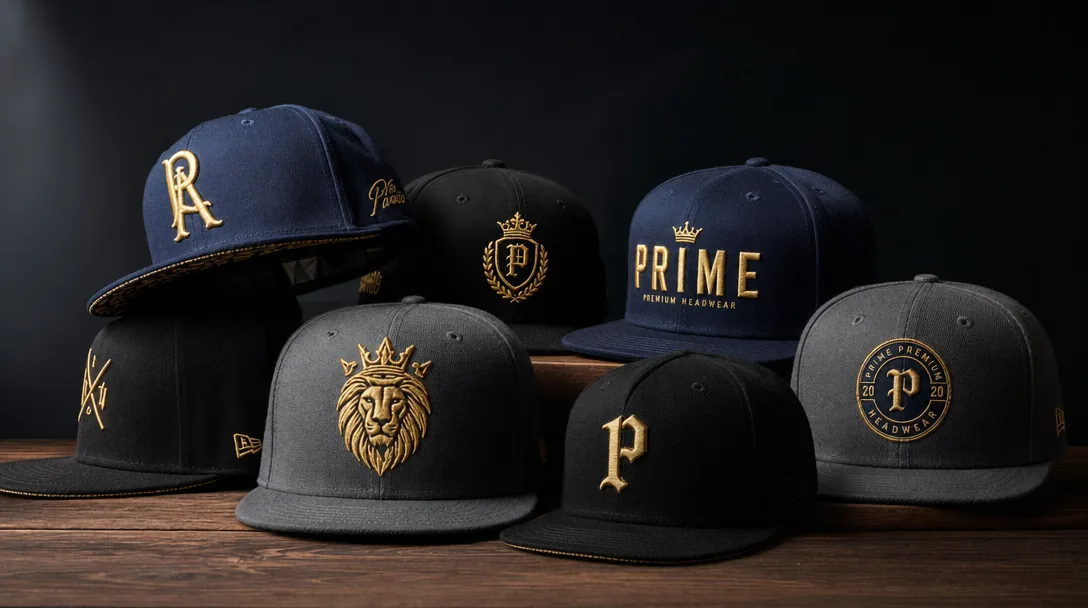
Custom Leather Patch Hat Low Minimum: A 2026 B2B Sourcing Guide
Read article →
Mens Beanies: Properties, Costs and How to Spec It Right
Read article →
Bulk Trucker Hats Export Shipping Checklist for Custom Hat Buyers - Cost & MOQ Breakdown - Supplier Checklist
Read article →We hope this guide demystifies custom hats for corporate, business and branded merchandise programs (2026 update) and helps you move forward with confidence. If you have questions specific to your project, our English-speaking sales engineers are one message away.