
Corduroy Hat Men's: Properties, Costs and How to Spec It Right - Cost & MOQ Breakdown - Supplier Checklist
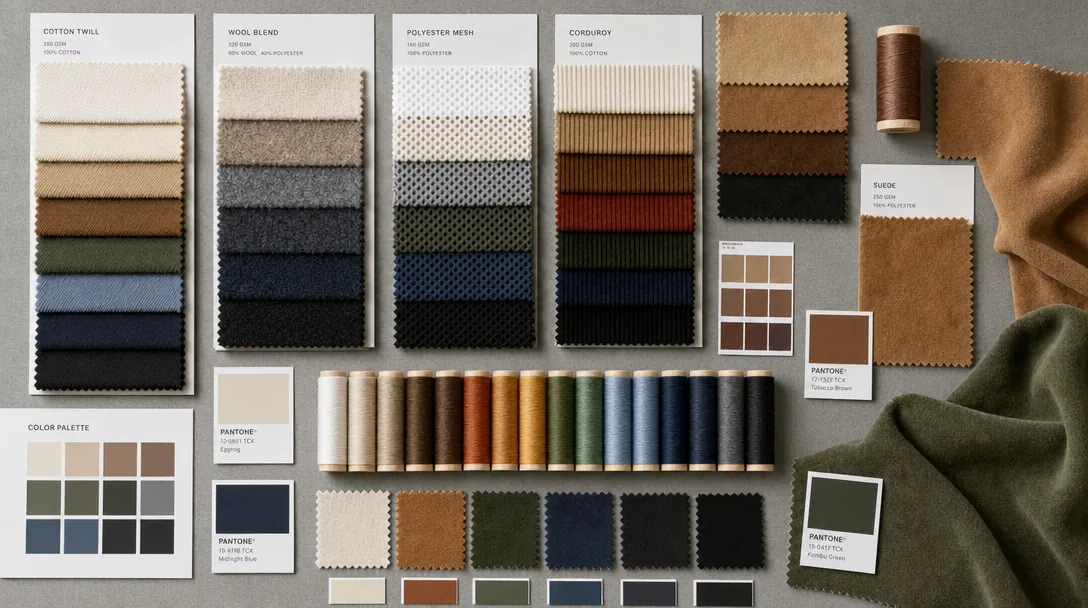
Corduroy Hat Men's: Properties, Costs and How to Spec It Right - Cost & MOQ Breakdown - Supplier Checklist is one of the most-asked questions we receive from international buyers, and for good reason. With dozens of factories competing for your order and an alphabet soup of technical terms in every supplier quote, even experienced importers can feel lost. This guide consolidates what we have learned producing custom hats for clients in 40+ countries.
Bucket Hat Women
The same defects that sink a bad bucket hat also show up in corduroy hat men's programs: pile shading, bulky seam intersections, and brims that collapse after one steam cycle. The difference is that women’s bucket silhouettes usually expose those faults faster because the brim is wider and the crown sits higher on the head. A workable spec is not “basic cut-and-sew.” Lock the construction as top panel, side wall, and double-layer brim with 6 to 8 rows of topstitching at 4.0 to 5.0 mm pitch, using a 120D to 150D woven fusible or 0.35 to 0.45 mm nonwoven interlining depending on the drop you want. For a softer fashion hand, 8 to 11 wale cotton corduroy at 220 to 280 gsm is the safe zone; if the buyer wants a cleaner edge and less brim ripple, move up to 280 to 320 gsm, pre-shrunk, with residual shrinkage under 3%. The tech pack has to call out wale direction on every panel, not just the shell, because one reversed side panel will read as a different shade under retail LED even if the bulk fabric passed color. I also specify top diameter, crown height, head opening, seam allowance, and brim width with post-steam tolerance of ±0.5 cm, since corduroy moves more than brushed twill. For women’s bucket hats, 5.5 to 7.0 cm brim width and 8.0 to 9.0 cm crown height are commercially safe ranges. Sweatband choice matters too: 180 to 220 gsm cotton twill is standard, but for better sweat pickup and less dye rub on lighter Pantone TCX shades, a polyester-cotton brushed tape performs better in wear testing.
Color control on corduroy needs tighter discipline than canvas or chino twill because the pile throws light differently across the brim and side wall. I would approve lab dips against Pantone TCX, then hold bulk fabric to Delta-E 1.5 max under D65 and TL84, not just one light source. If the nap direction drifts between cutting lays, the same navy can look half a shade darker on the brim than the crown even though the dye lot is technically acceptable. Embroidery adds another failure point. If decoration is required, specify Tajima, Barudan, or ZSK heads, 75/11 sharp needles, 1.5 to 2.0 mm pile compensation, and the correct backing weight; otherwise satin columns sink into the wale and small text closes up. Cost is usually underestimated because corduroy waste is higher and brim sewing is slower than a basic twill bucket. Stock-fabric MOQ is commonly 300 to 500 pieces per color, while custom-dyed corduroy often starts around 800 to 1,000 meters, sometimes higher on 8 wale programs. Current FOB China pricing for a women’s bucket in stock cotton twill is about $2.20 to $3.80; in cotton corduroy, a realistic range is $3.40 to $5.80 with sweatband, woven label, and single polybag. Add $0.25 to $0.60 for lining, metal eyelets, or simple flat embroidery. Our standard inspection level is AQL 2.5 with extra checkpoints on brim waviness, skipped topstitching, nap consistency, and shrinkage after steam or wash, since untreated cotton corduroy can still move 3% to 5% across production.
Camouflage Bucket Hat
Fabric and print method decide whether a camouflage bucket hat looks premium or bargain-bin; sewing only exposes those decisions. Most workable shells are 180-260 gsm cotton twill, 200-240 gsm brushed canvas, or 65/35 poly-cotton ripstop around 210 gsm. The problem is panel cutting from a directional repeat: once you split the crown into visible side panels and a brim band, any off-balance motif or repeat drift shows immediately. Reactive print on cotton still gives the best color separation in olive, khaki, bark brown, and carbon black, with ISO 105-C06 wash fastness typically Grade 4 and better resistance to chalking at the brim edge. Low-cost pigment prints often look acceptable at inline review, then crack or haze after repeated brim flexing. Compared with a corduroy hat men's program, labor content is close, but the defect profile is completely different: corduroy punishes wrong wale direction, pile crush, and shade banding, while camo punishes sloppy pattern placement and poor seam control. A proper spec sheet needs measurable controls, not reference images pasted from a mood board. I would hold brim width at 55-65 mm with +/-3 mm tolerance, crown height at 85-95 mm with +/-5 mm, and topstitching at 6-8 SPI using Tex 27 polyester core-spun thread for stability after washing. Color approval should be based on a physical strike-off, not a screen proof, with Delta-E under 1.5 on the key greens and dark neutrals against the master standard; Pantone TCX can guide hue, but it cannot judge camouflage balance across a full repeat. If branding sits on the curved side panel, flat embroidery is safer than a dense fill because bucket geometry puckers easily. On Tajima or Barudan heads, I would keep fill density around 0.35-0.40 mm stitch spacing and pair it with 40-60 gsm cutaway or soft tear-away backing depending on shell weight and print handfeel.
QC on camouflage bucket hats is mostly visual, which is why weak factories miss problems even when measurements pass. The common failures are panel-to-panel pattern jumps, waviness in the brim from uneven fusing pressure, needle cutting on lighter ripstop, and top-button drift that makes the whole hat look twisted on head. For bulk inspection, AQL 2.5 is normal, but I always add a seam-matching rule: the main visible joins should stay within roughly 10-15% displacement across dominant camouflage blocks. Inspection has to happen both flat and worn on a head form, because brim distortion and side-panel torque often appear only after the crown settles into shape. CrownsForge typically checks metal eyelet setting force, seam roping, and brim roundness at final packing because those are the defects buyers notice first in retail photos. MOQ and FOB cost depend more on print development than on sewing minutes. A stock-camo bucket hat can usually start at 144-300 pieces per colorway if the mill already holds the fabric, while a true custom camouflage print is more realistic at 300-500 pieces so strike-off cost, fabric minimums, and cutting yield make sense. In Yiwu, a basic stock-camo style in cotton twill with woven label and standard sweatband usually lands around $2.10-$3.40 FOB; add custom reactive print, inside seam taping, #24 antique-brass eyelets, branded patch, and better sweatband fabric, and the range typically moves to $3.60-$5.80 FOB at normal volume. If the buyer is developing this alongside a corduroy hat men's capsule, the schedule needs extra buffer for strike-off approval, panel placement confirmation, and repeat alignment during cutting, because those delays do not exist on solid-dyed corduroy styles.
Organic Cotton Newborn Hat
The failure point on an organic cotton newborn hat is almost never the fabric cost; it is whether the certification chain and skin-contact compliance hold up under audit. “Organic cotton” on a lab dip means nothing unless the mill issues a GOTS or OCS transaction certificate tied to the exact PO, dye lot, and shipment, and the trim bill has to be inside scope as well: thread, care label, size tab, fold-over elastic, binding tape, and any heat-transfer print. For infant goods, I would not release bulk without OEKO-TEX Standard 100 Product Class I reports from an accredited lab, azo-free dye confirmation, formaldehyde within buyer limits, and fabric pH usually locked between 4.0 and 7.5. That paperwork burden is heavier than a typical corduroy hat men's program, where shape retention and wale direction cause more trouble than chemistry.
Construction has to be specified like an engineering drawing, not a baby gift item. The most workable fabrics are 180-220 gsm single jersey for entry price, 200-240 gsm interlock when opacity and recovery matter, and 1x1 rib if you need stretch without adding elastane that can complicate certification. For a cuffed beanie or knot-top hat, call out finished head circumference by size band, crown height, cuff depth, seam allowance, and seam type; 4-thread overlock with a soft coverstitch is standard because raised seam ridges trigger infant-wear rejections fast. A usable QC standard would cap shrinkage at under 5% after three home-laundry cycles, spirality below 5 degrees, and color tolerance at Delta-E 1.5-2.0 against approved Pantone TCX under D65 light, especially on cream, blush, and sage shades that drift visibly lot to lot. In Zhejiang, FOB is typically $0.90-$1.50 for a plain certified organic jersey hat at 1,000-3,000 pcs per color, or $1.25-$2.00 in interlock or rib with a woven label or water-based print; cheaper than most corduroy hat men's styles on labor, but stricter on testing, traceability, and AQL 2.5 discipline.
Beanies for Men
Beanies only work as an add-on to a corduroy hat men's program when the construction is specified like a knit product, not like a cap. The commercial baseline is still a 100% acrylic 2x2 rib cuff beanie, usually knitted on 7GG or 12GG machines at 55-75 g finished weight, because acrylic holds shade well, recovers shape better in transit, and keeps MOQ practical. Stock-yarn acrylic can often start at 200-300 pcs per color. Once you move into 60/40 cotton-acrylic, 100% combed cotton, or merino blends, the risk profile changes fast: more shrinkage after wash, more lot-to-lot shade drift, and higher yarn minimums. Custom-dyed yarn or jacquard logos usually push MOQ to 500-1,000 pcs per color because the dye house and knitting setup loss have to be absorbed somewhere. Decoration is where margin disappears if the supplier prices loosely. Direct embroidery on heavy ribs looks simple but tunnels badly when the digitizing is wrong, especially on cuff logos above 5,000-6,000 stitches. On Tajima or Barudan heads, I would usually open the density to around 0.35-0.40 mm, use cutaway backing, and test the underlay so the ribs do not flatten into a hard patch. In many cases, a woven label, folded clamp label, TPU badge, or leatherette patch gives a cleaner retail result than dense stitching on coarse ribs. FOB cost should be split out clearly: a woven label is typically $0.06-$0.12, while an embroidered front logo can add $0.18-$0.55 depending on stitch count, run length, and machine time. For China FOB today, expect roughly $1.10-$1.80 for a plain acrylic cuff beanie with a woven label, $1.80-$3.20 for cotton-rich versions, and $3.50+ for fully fashioned or merino-blend programs.
Good quotations come from measurable specs, not reference photos. Lock the yarn composition, gauge, finished piece weight, cuff height, crown depth, relaxed width, stretch recovery after 24 hours, wash standard, and maximum logo size before asking for price. For color, use Pantone TCX and approve a lab dip; on black, charcoal, navy, and forest, I would hold Delta-E under 1.5 under D65 lighting if cartons will be mixed at retail. If cotton content is above 50%, ask for a wash test and post-wash measurement tolerance, because that is where claims start. A beanie packed beside a corduroy hat men's style may look like the easy SKU, but its technical file should be separate because knit gauge, tension, and recovery are not cap-panel variables. QC on beanies is usually weaker than on caps, which is why importers get surprised by returns. The repeat defects are uneven rib tension, cuff roll-back after compression packing, dropped stitches at crown closing, twisted seams on cut-and-sew fleece versions, embroidery puckering, and size variation beyond +/-1 cm on crown depth. I would inspect to AQL 2.5, check carton-to-carton shading under D65, run stretch-and-recovery tests on at least 10 pcs per lot, and wash-test one sample per colorway when cotton exceeds 50%. Our standard practice is to treat beanies as a separate production stream from headwear cut-and-sew, because the machine capability, QC checkpoints, and MOQ logic are fundamentally different even when the buyer groups them into one winter collection.
Corduroy Hat Wholesale
For a corduroy hat men's program, the fabric spec will make or break the cap long before you argue about logo decoration. Lock wale count first. In commercial headwear, 8-wale to 12-wale cotton corduroy is the reliable range for 5-panel camp caps, 6-panel baseball shapes, and low-profile dad caps; below that, the ribs get too coarse for clean seam matching, and above that, the fabric starts behaving more like a brushed twill with less visual character. Weight should be written into the PO, not left as “standard corduroy”: 220 to 320 gsm covers most year-round builds, while 280 to 360 gsm suits fall programs but adds crown stiffness and can telegraph seam bulk at the front panel. The non-negotiable point is one-way nap cutting. If panels are not all laid in the same direction, you will see shade shift immediately between front, side, and visor wrap, especially on black, olive, and camel lots. Construction needs to reflect that ribbed surface. Structured front panels usually need 40 to 60 gsm nonwoven fusible or a light tricot backing; go heavier and the crown starts looking boxy after topstitching. For unstructured silhouettes, skip fusion and accept more collapse after vacuum packing. Topstitch should sit at 6 to 8 SPI with a 1 cm seam allowance, because tighter SPI can tunnel along the ribs and looser SPI looks sloppy at the panel joins. Visor wrap alignment matters more on corduroy than on chino: even a 2 mm drift is obvious when the wale direction breaks at the edge. A workable tech pack for corduroy hat wholesale should call out wale count, gsm tolerance of ±5%, nap direction, crown profile, visor board type, sweatband composition, and closure hardware finish, plus small items buyers often forget like top button fabric match and visor seam orientation.
Embroidery is where weak execution shows up fast on corduroy hat men's orders. The pile lifts under the needle, so I would run flat embroidery on Tajima, Barudan, or ZSK heads at 650 to 750 rpm with size 11 sharp-point needles and a digitized underlay built to bridge the rib height without burying the design. Flat embroidery, woven patches, felt applique, and merrowed emblems are dependable; aggressive 3D puff on coarse wale is usually a mistake because the foam rides unevenly over the ribs and leaves broken edges. Placement tolerance should be held to ±2 mm, especially on center-front logos, because rib lines exaggerate crooked registration. If the logo has fine serif detail under 1.2 mm stroke width, switch to a woven patch instead of trying to force density into the pile. The biggest sourcing mistake is treating corduroy like ordinary brushed cotton. Color consistency is less forgiving, and panel yield is worse because nap direction limits marker efficiency. Ask for Pantone TCX lab-dip approval, then hold bulk to Delta-E below 1.5 for repeat business and below 2.0 for standard wholesale runs. MOQ is usually driven by dye lot economics, not sewing capacity: stock fabric can start around 144 to 300 pieces per color, while custom-dyed corduroy is more realistically 500 to 1,000 pieces because the mill needs a viable lot size. In Zhejiang, a basic stock-fabric style typically lands around $2.80 to $4.20 FOB; custom Pantone dye, woven label, inside taping, metal buckle, and branded sweatband usually push it to $4.80 to $7.50 FOB. For final inspection, AQL 2.5 is acceptable, but our standard practice is to tighten visual checks on nap direction, seam grin, visor symmetry, crushed pile, and logo registration, with samples pulled from the start, middle, and end of each cutting lot rather than one finished carton.
Wholesale Hat Manufacturers Usa
Most buyers vetting wholesale hat manufacturers usa for a corduroy program find the same issue: “Made in USA” often means U.S. embroidery and packing on imported blanks, not domestic cut-and-sew. For a corduroy hat men's style, that distinction is not cosmetic; cord structure affects pattern yield, seam bulk, embroidery clarity, and post-pack shape retention. A serious supplier should quote fabric by wale count, composition, and finished weight, not just “cotton corduroy.” In practice, 8-wale to 12-wale at 240 to 285 gsm is the workable range for most 5-panel and 6-panel caps. Under 220 gsm, crowns lose body after carton compression. Over 300 gsm, you start seeing needle cutting, seam grin, and bulky crown-to-visor joins, especially with buckram-backed front panels. Ask whether they use woven fusible on the front crown, PE visor board instead of paper fiberboard, and 6 to 8 SPI on major assembly seams. The price gap between domestic and offshore production is still wide enough to dictate sourcing strategy before design nuance even enters the conversation. Real U.S. cut-and-sew for a 6-panel cap with 100% cotton corduroy shell, direct embroidery, self-fabric strap, woven label, and woven damask main label typically lands around $12.00 to $18.50 ex works at 72 to 300 units. Once volume reaches 500 to 1,000 pieces per colorway, China or Vietnam usually pencils out at $3.80 to $6.40 FOB, depending on stitch count, closure hardware, and whether the fabric is stock-dyed or Pantone-matched. Any quote without a full BOM is noise. Lock the shell composition, finished gsm, crown height, visor length, sweatband material, closure spec, Pantone TCX target, and an acceptable color tolerance of Delta-E 1.5 to 2.0 under D65 lighting before comparing suppliers.
The fastest way to separate capable suppliers from decorators with good sales decks is the spec sheet and inspection plan. Two factories can quote the same “corduroy cap” and build completely different products: one uses 100% cotton 260 gsm reactive-dyed corduroy with consistent nap direction and buckram-supported fronts; another swaps in a 65/35 poly-cotton 210 gsm shell that passes sample review but arrives flat, shiny, and panel-shaded after transit. For wholesale hat manufacturers usa, ask for crocking results, shrinkage after steaming or pressing, salt-spray performance on metal buckles, visor symmetry tolerance, and confirmation that trims comply with REACH and California Proposition 65 where relevant. If any offshore sewing or trim sourcing is involved, current sedex-audit-cap-supplier-guide.html">BSCI 2.0 or Sedex SMETA 4-Pillar reports are worth checking even if decoration is completed stateside. Corduroy also needs tighter defect control than brushed twill because pile direction magnifies every inconsistency under store lighting. I would inspect finished goods at AQL 2.5 and call out nap direction, panel shading, needle cuts along the wale, skipped stitches at the sweatband join, top-button centering, brim twist after pressing, and embroidery registration on ribbed surfaces. On Tajima, Barudan, or ZSK heads, poor underlay and aggressive density settings will tunnel badly on corduroy, especially on logos above 8,000 stitches. Domestic suppliers may quote MOQs as low as 48 to 144 per color, but setup charges are common: $35 to $120 for digitizing and $75 to $250 for custom labels, buckles, or die-struck hardware. Offshore factories usually want 300 to 500 pieces for stock corduroy and 800 or more for custom-dyed fabric or proprietary trims.
Working with CrownsForge for corduroy hat men's programs
Most corduroy hat men's programs go sideways in development, not in sewing capacity. Corduroy punishes vague approvals: if you do not lock wale count, wale direction, crown height, and decoration method before PP sample sign-off, bulk rework gets expensive because every needle mark and panel mismatch shows in the pile. A factory can sample a stock 8-wale or 11-wale cotton corduroy cap in 5 to 7 working days, but a custom lab dip to a Pantone TCX target usually adds 7 to 10 days plus 2 to 3 days for buyer approval. On face fabric, a practical shade tolerance is Delta-E 1.5 to 2.0 under D65 light; checking the fabric back is a rookie mistake because pile reflection hides variation. For first orders on a new silhouette, 48 to 96 pieces per color is enough to validate fit and handling if the shell pattern stays shared. Once closure, woven main label, sweatband, seam tape, and visor board are fixed, 144 to 300 pieces per style is where FOB pricing becomes rational. In Yiwu, an unstructured 6-panel style in 280 to 320 gsm cotton corduroy usually lands around $2.10 to $3.40 FOB Ningbo at 300 pieces with flat embroidery; enzyme wash, antique brass buckle, printed seam tape, and custom inside branding move it closer to $3.80 to $5.20.
Decoration is where weak suppliers waste both fabric and lead time. Corduroy is compressible and ribbed, so a file digitized like chino twill will sink into the valleys, break the edge, and leave hoop burn around the logo. On Tajima or Barudan heads, the fix is straightforward but technical: lower stitch density, adjust edge-walk and underlay, widen satin columns, and sometimes rotate the logo so it bridges the wale instead of falling into it. Wide-wale cloth can carry felt appliqué or 2.5D puff if the artwork is blocky, but narrow 11-wale fabric usually looks lumpy with puff and is better with chain stitch, flat embroidery, or a merrowed patch. Heat-transfer patches are useful for MOQ testing because they let you approve scale and placement before spending again on digitizing. Our standard process is tech-pack review within 24 hours, fabric confirmation by wale count and gsm, digital mockup, proto, revised salesman sample if needed, then PPS approval against bulk trims before cutting. Final inspection should be AQL 2.5 with hard checkpoints for crown symmetry, visor curve, embroidery placement within plus or minus 2 mm, shade variation by dye lot, needle damage, seam slippage at closure stress points, and pile crush from packing. Saving $0.08 per piece means nothing if embroidery rework leaves permanent marks on a corduroy hat men's style.
Frequently Asked Questions
What file format should I send for my logo?
Vector files (AI, EPS, PDF) are ideal. High-resolution PNG or JPG at 300 dpi on transparent background works as a fallback. Provide Pantone color references for accurate reproduction.
Which shipping methods do you support?
We support FOB, CIF and DDP shipping. Air express for samples and small orders, sea LCL for 100 to 500 pieces, sea FCL for 5,000+ pieces. Door-to-door DDP available for US, EU, UK, Canada and Australia.
Can I order a sample before bulk production?
Yes. We strongly recommend approving a pre-production sample before mass production. Samples are charged at 35 to 60 USD each plus express shipping, fully refundable against confirmed bulk orders over 500 pieces.
What logo decoration techniques do you offer?
3D puff embroidery, flat embroidery, woven patch, leather patch, PVC patch, screen printing, sublimation, applique and laser etching, all in-house with no subcontracting.
What is the minimum order quantity (MOQ) for custom hats?
Our standard MOQ is 100 pieces per design and color, with sampling available from 1 piece. For complex multi-color logos or premium fabric upgrades, the MOQ can be lowered with a small per-piece surcharge.
What should buyers know about organic cotton hat?
When evaluating organic cotton hat, the key considerations are construction quality, decoration capability, MOQ flexibility and lead time. Cover everything buyers ask about organic cotton newborn hat: how it's manufactured, what specs to request from a factory, typical MOQ and pricing, common quality issues to inspect for, and how this ties back to the broader corduroy hat men's sourcing decision. Cover everything buyers ask about bucket hat women: how it's manufactured, what specs to request from a factory,…
What should buyers know about cotton beanie men?
When evaluating cotton beanie men, the key considerations are construction quality, decoration capability, MOQ flexibility and lead time. Cover everything buyers ask about organic cotton newborn hat: how it's manufactured, what specs to request from a factory, typical MOQ and pricing, common quality issues to inspect for, and how this ties back to the broader corduroy hat men's sourcing decision. Cover everything buyers ask about bucket hat women: how it's manufactured, what specs to request from a factory,…
What should buyers know about men's corduroy bucket hat?
When evaluating men's corduroy bucket hat, the key considerations are construction quality, decoration capability, MOQ flexibility and lead time. Cover everything buyers ask about bucket hat women: how it's manufactured, what specs to request from a factory, typical MOQ and pricing, common quality issues to inspect for, and how this ties back to the broader corduroy hat men's sourcing decision. Cover everything buyers ask about camouflage bucket hat: how it's manufactured, what specs to request from a factory,…
What should buyers know about organic cotton men's shirts?
When evaluating organic cotton men's shirts, the key considerations are construction quality, decoration capability, MOQ flexibility and lead time. Cover everything buyers ask about organic cotton newborn hat: how it's manufactured, what specs to request from a factory, typical MOQ and pricing, common quality issues to inspect for, and how this ties back to the broader corduroy hat men's sourcing decision. Cover everything buyers ask about bucket hat women: how it's manufactured, what specs to request from a factory,…
Ready to start your custom hat project?
Send us your tech-pack, sketch or even just an inspiration photo. We will respond with a detailed quotation and digital mock-up within 24 hours.
Request a free quoteRelated guides
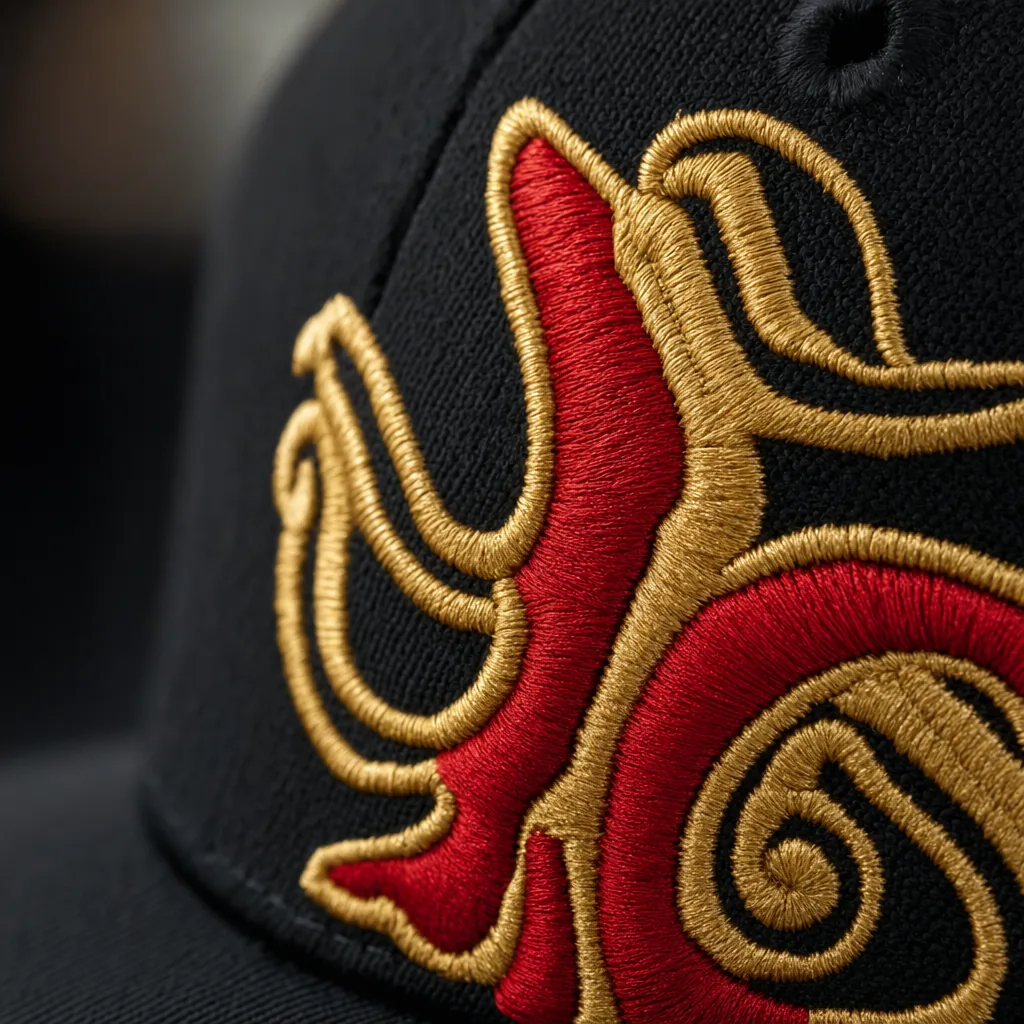
Custom Logo Hats: When to Use It, Costs, and What to Ask Your Factory - Supplier Checklist - Cost & MOQ Breakdown
Read article →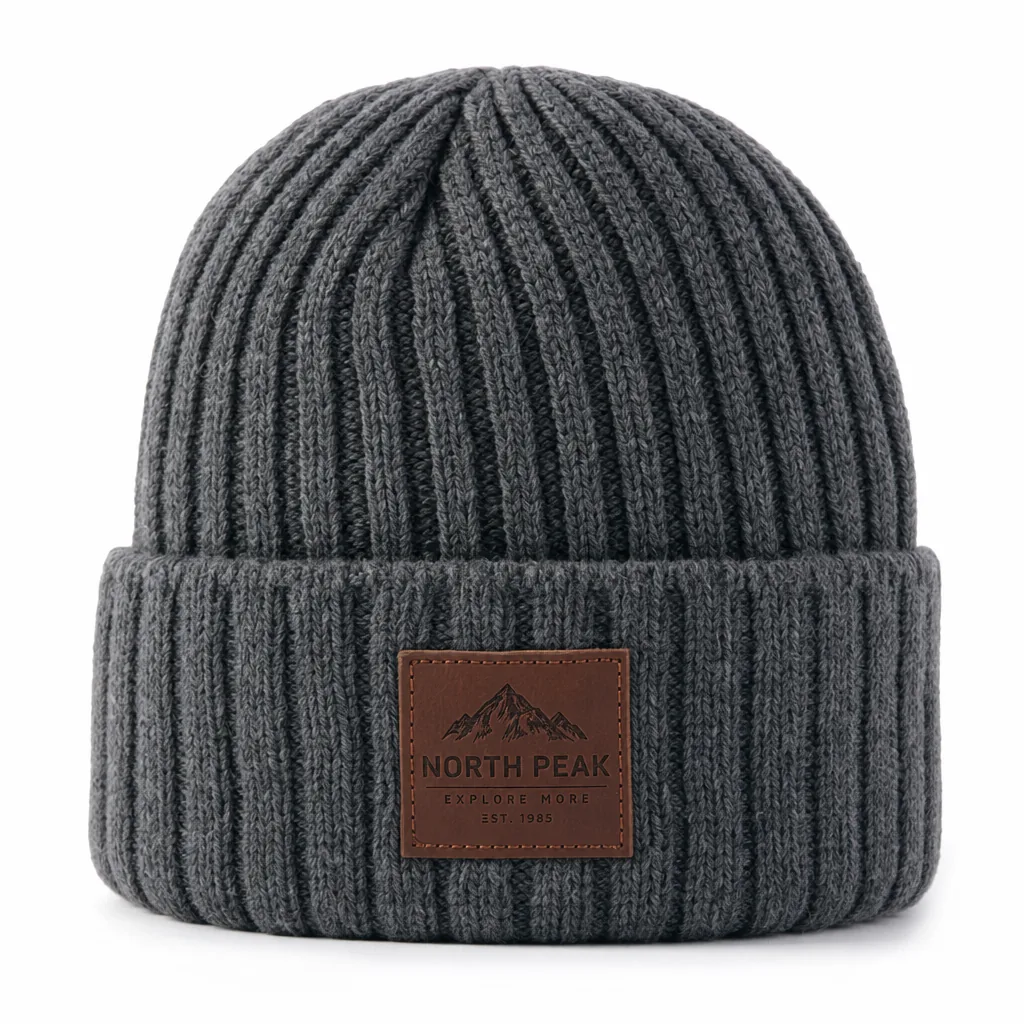
Cap Fabric Guide: Cotton Twill, Wool Blend, Polyester & Performance Materials
Read article →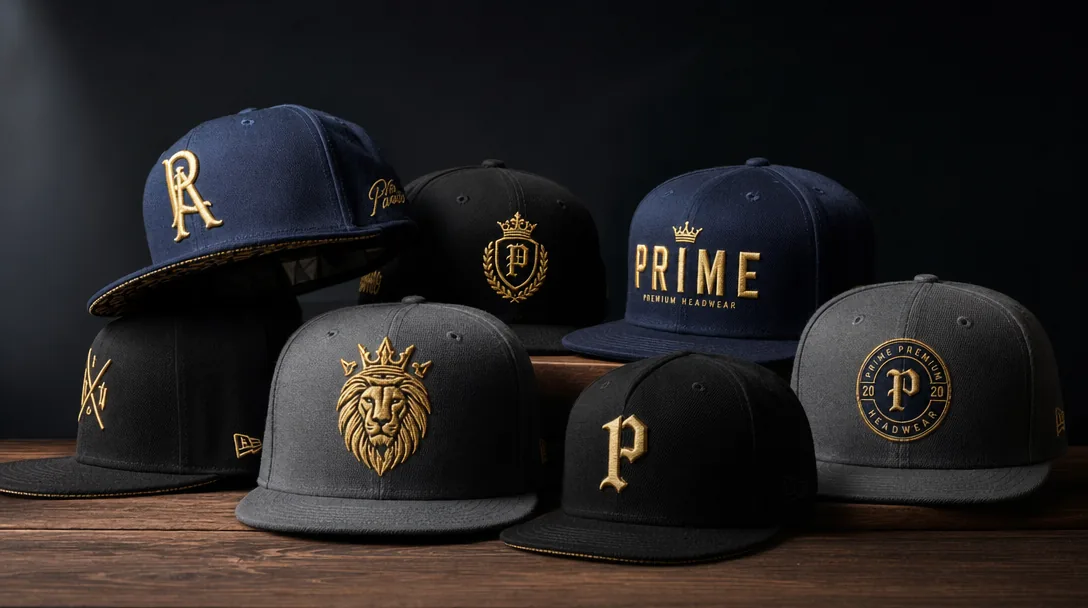
Custom Wool Blend Ball Cap: A 2026 B2B Sourcing Guide - Supplier Checklist - 2026 Buyer's Guide
Read article →If you are ready to take the next step on corduroy hat men's: properties, costs and how to spec it right - cost & moq breakdown - supplier checklist, our team can put a tailored quotation and digital mock-up in your inbox within 24 hours. Send the inquiry form on our contact page or message us directly on WhatsApp.