
Custom Logo Hats: When to Use It, Costs, and What to Ask Your Factory - Supplier Checklist - Cost & MOQ Breakdown
Every week, our sales team answers detailed questions about custom logo hats: when to use it, costs, and what to ask your factory - supplier checklist - cost & moq breakdown. We wrote this guide so that wholesalers, streetwear brands, corporate buyers and promotional resellers can compare options with full information, and avoid the traps that show up only after production has started.
Custom Embroidered Patches
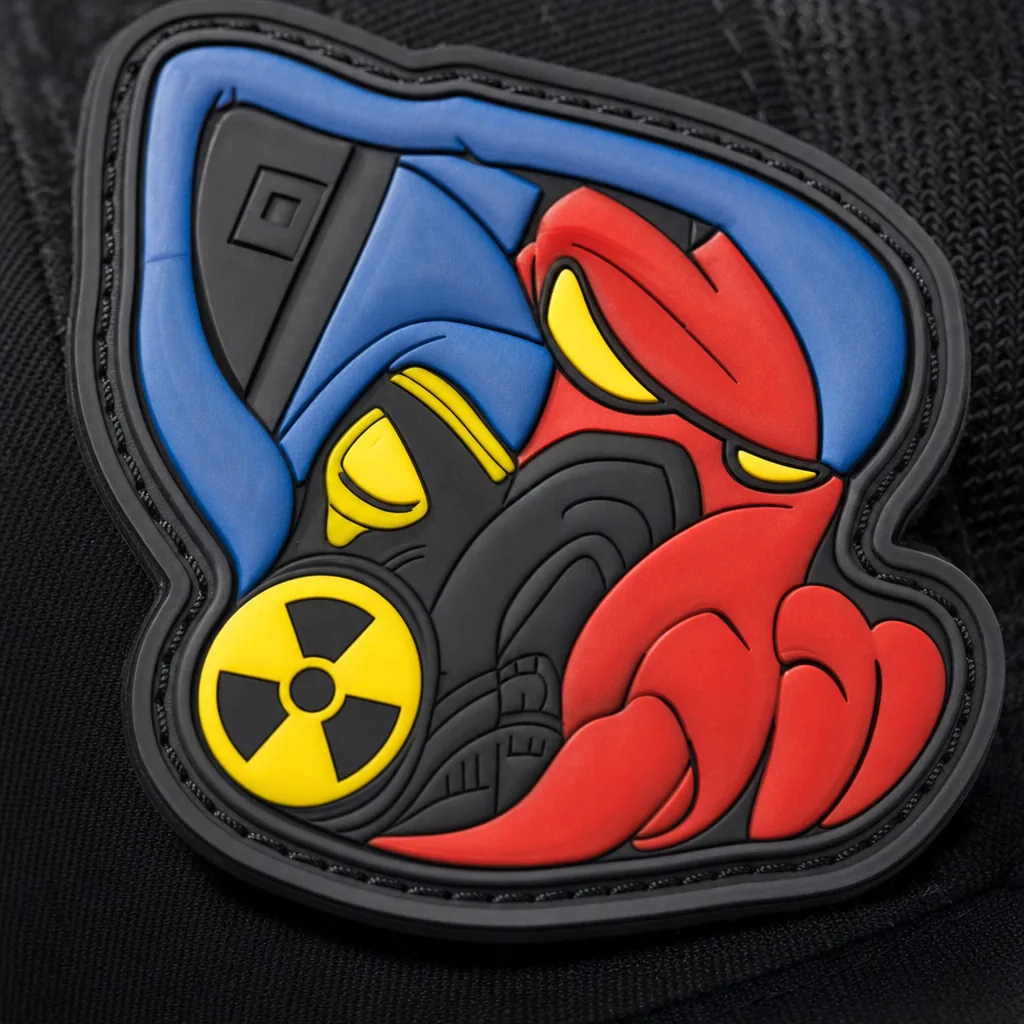
Use embroidered patches when the logo is too detailed or too portable for direct embroidery. Small text, boxed artwork, and programs that repeat across dad caps, truckers, buckets, and beanies are the usual triggers; one approved patch can be applied across multiple custom logo hats without re-digitizing for a buckram-backed 6-panel, a 5 mm foam trucker front, and a washed unstructured cotton cap. Material choice matters more than most buyers realize. A 180-220 gsm poly-cotton twill base is the standard for clean satin columns and predictable shrinkage, while acrylic felt gives a softer vintage edge but loses fine detail below roughly 0.8 mm line width. TPU or PVC-embroidery hybrids work for mixed-media streetwear, but they need tighter heat and pressure control to avoid edge distortion. Specify the patch like an engineer, not with words like premium or elevated. Lock the finished size in millimeters, border type, border width, backing, Pantone TCX references for the ground fabric, and Madeira or Gunold thread shades for the embroidery. Merrow edge is efficient for circles, ovals, and simple shields; satin border handles tighter curves; laser-cut heat edge is the only practical option for irregular silhouettes. A proper strike-off must be reviewed on the actual cap fabric because black rayon on black brushed cotton reads flatter than the same thread on white twill, and perceived edge shift of 0.5 mm is common. If text drops below 4 mm cap height or the art relies on gradients and halftones, stop forcing embroidery and switch to woven or printed emblems.
Attachment method is where most patch programs either hold up or start failing in transit. On structured crowns, sew-down is the safest choice; on soft fronts, a stitch-and-heat combination helps control edge lift and keeps the patch from telegraphing through the shell fabric. Adhesive-only application on buckram fronts is where I see the most trouble after container temperatures hit 50-60°C, especially at the corners. Placement tolerance should be written into the tech pack: for center-front patches, ±2 mm is acceptable, and anything looser starts to look crooked at retail. CrownsForge standard practice is to inspect finished hats to AQL 2.5 because a perfect patch is still a reject if the border shows laser scorch, thread shade varies lot to lot, or stitch density puckers the crown. Cost is straightforward once you split emblem cost from cap application. In China, a basic 60 x 25 mm twill patch at 1,000 pieces usually lands around $0.18-$0.45 each; chenille combos, metallic thread, hook backing, or laser-cut borders can move that to $0.60-$1.20. Sewing the patch onto the hat typically adds $0.12-$0.35 depending on placement, seam crossing, and whether the line needs an alignment jig. Digitizing normally runs $15-$40 per logo unless folded into a larger PO, and realistic MOQs are 300-500 pieces per design even when a patch vendor quotes 100. Ask what heads they run—Tajima, Barudan, or ZSK—how they cut edges, and whether they have a control point for crown distortion during sew-on. Those process details matter more than a cheap unit price.
Custom Hat with Patch
Patch construction is usually the make-or-break detail on custom logo hats. On curved fronts—especially buckram-backed 6-panels and structured foam truckers—a sewn patch is more reliable than heat press alone. Adhesive-backed patches are the first thing to fail after container heat above 55°C, repeated flexing, or a few wash cycles; the top corners start lifting and the crown face wrinkles around the glue line. The common builds each behave differently: merrowed embroidered patches, laser-cut woven patches, debossed PU, molded TPU badges, printed twill, and real leather. A 65 x 45 mm embroidered twill patch at roughly 70% thread coverage sits cleanly on brushed cotton twill, but the same construction on a 120 gsm nylon camp cap often tunnels unless you reduce stitch density, lighten the underlay, and control the edge bite. Most avoidable quality disputes start at the tech pack stage. Buyers should lock patch size in millimeters, border type, substrate, backing, attachment method, minimum line weight, and Pantone references before sampling. “Match the artwork” is not a spec. If the logo has fine serif text under 1.0 mm, a woven patch may hold detail better than satin-stitch embroidery; if you need a raised, durable badge for sports or workwear, molded TPU is usually safer than PU leatherette, which can crack after abrasion testing. Our standard practice is to call out whether the patch must sit flat on a curved crown, because that single point affects digitizing, die-cut shape, stitch path, and whether the front panel keeps its profile after attachment.
The right sample sequence is patch strike-off first, then cap blank approval, then a pre-production sample on the final hat profile with the actual closure, sweatband, and visor curve. Patch embroidery is typically run on Tajima, Barudan, or ZSK multi-heads, then finished by merrow, laser cut, or die cut before attachment. Front patch placement should be controlled to ±2 mm from crown seam center; side patches need a defined distance from the visor seam and a fixed angle off the side panel seam, otherwise mixed-carton goods look sloppy fast. For color-critical custom logo hats, lock thread, twill, PU, or TPU against Pantone TCX or Pantone Coated references and ask the factory what Delta-E tolerance is realistic. On hard-to-match materials like faux leather or glossy TPU, Delta-E 1.5-2.0 is achievable on the base color, but thread sheen and surface grain will still shift under D65 versus retail lighting. Cost and MOQ are driven more by the patch program than by the hat body. For a stock 6-panel cotton twill cap with one front embroidered patch, 100-144 pcs per colorway is usually workable, but molded TPU, genuine leather, or two to three patch placements often pushes the real factory MOQ to 300 pcs because of mold cost, cutting loss, and slower sewing throughput. A basic cap with one front patch typically lands around $2.30-$4.90 FOB China at 300 pcs; a higher-end snapback with suede-look PU or TPU patch, custom inside taping, woven label, and branded metal buckle is closer to $5.80-$9.80 FOB. Separate setup costs are normal: about $35-$60 for digitizing and patch strike-off, $80-$150 for a TPU mold, and $50-$120 for emboss or laser tooling. At final inspection, use AQL 2.5 and check skew, puckering, edge security, adhesive bleed, stitch bite-through, rub resistance, and whether embossed detail collapses after carton stacking pressure.
Custom Patch for Hat
Use a patch when the logo will break down on the cap face, not because it sounds premium. On structured fronts with buckram, direct embroidery starts to fail when strokes drop below roughly 0.8-1.0 mm, counters get tight, or the art includes distressed fills, micro text, or sharp negative space. For custom logo hats, that usually means woven patches for fine detail, embroidered patches for a raised stitched look, and PVC for outdoor, motorsport, and workwear programs that need wipe-clean durability. Common constructions are merrowed-edge embroidery, laser-cut satin-stitch patches, woven damask labels, printed twill with merrow or heat-cut edge, vegetable-tanned leather, PU leather, and molded PVC. Size and cap structure matter more than buyers expect: a 60 x 25 mm woven patch can sit flat on a 5-panel foam trucker, then fight the curve on a low-profile brushed cotton 6-panel. On Tajima or Barudan lines, the patch itself may be perfect, but the finished cap still looks wrong if the badge is too stiff for the crown radius or too large for the visual balance of the front panel.
Do not approve a patch from artwork alone. Lock the finished size in millimeters, edge finish, substrate, backing, stitch color, Pantone reference, placement point, and attachment method before sampling. If color is critical, specify Pantone Coated for inks and PVC, or Pantone TCX when matching textile components, then ask for approval under D65 lighting with a commercially acceptable Delta-E target; under 1.5 is realistic for printed patches, while dyed woven yarns usually need a wider tolerance. Also state whether the patch is sewn before crown closing or after full cap assembly. That decision changes needle access, stitch path, puckering risk, and front-panel shape retention. On structured 5-panel and 6-panel caps, post-assembly sewing can distort the face if the operator over-tensions the perimeter topstitch or relies on excessive heat from a fusible backing. Our standard practice is center-front placement tolerance within ±2 mm, because beyond that the cap reads crooked at retail. Patch programs often beat direct embroidery once stitch count rises or the same emblem is shared across multiple silhouettes. A 2.0-2.5 inch embroidered patch usually adds about $0.28-$0.75 per cap at 1,000 pieces, woven runs $0.22-$0.55, printed twill $0.18-$0.40, and PVC $0.60-$1.20 plus a mold fee typically around $80-$180. MOQ is commonly 100-300 pieces per colorway; some factories accept 50 but add a $30-$60 short-run surcharge. Ask for a line-item quote covering blank cap, patch, attachment labor, setup or mold fee, and carton spec, because bulky patches can leave pressure marks in packing and create rework. Quality failures are predictable: frayed edges, exposed glue squeeze-out, weak adhesion, skipped perimeter stitches, off-center placement, and front-panel rippling. Final inspection should be at least AQL 2.5, with major defects defined in advance, and the factory should confirm adhesive peel testing, stitch-security checks, and patch subcontractor lead time; when caps and patches come from different vendors, pre-production often stretches from 5-7 days to 10-14 days.
Custom Patch Hat
Patch construction is the right answer when direct embroidery will fail on a curved crown. On custom logo hats, the front panel is fighting buckram stiffness, center-front seam bulk, and hoop tension; once text drops below about 4 mm cap height, stroke width slips under 0.6 mm, or the art relies on gradients and tight negative space, the sew-out usually closes up or distorts. A separate patch lets the factory control stitch density, underlay, edge finish, and trimming before attachment, which is why small-detail logos often look cleaner as patches than as front-panel embroidery. The practical choices are not interchangeable: woven patches hold fine copy better than embroidery, sublimated patches handle tonal art and photographic fades, laser-cut twill appliqué gives sharp geometric edges, chenille suits varsity programs, and PVC, leather, microfiber, or PU are used when texture matters more than thread detail. Most patch embroidery is run on Tajima, Barudan, or ZSK multi-heads, then cut by laser or die and attached after cap sewing, reducing the crown distortion you see on structured 6-panel baseball caps.
A usable RFQ for patch-based custom logo hats needs more than a logo file. The factory should have patch size in mm, material, edge type (merrow, satin stitch, turned edge, heat-cut), backing, attachment method, cap fabric weight, crown profile, closure, sweatband spec, and placement tolerance; otherwise the quote is just a guess. Color should be called by Pantone Solid Coated or Pantone TCX, with an agreed Delta-E tolerance if the patch ground is dyed or printed, and compliance needs to be explicit for REACH, California Proposition 65, or phthalate limits on PVC and synthetic leather. In China, a standard 108x58 cotton chino twill cap with a sewn embroidered patch typically lands around $2.20-$4.20 FOB at 144-300 pcs per colorway; PVC, embossed leather, or suede microfiber patches usually push that to $3.80-$6.50. Tooling is separate: roughly $15-$40 for embroidery digitizing, $30-$80 for a laser or knife die, and $80-$200 for a PVC mold. On inspection, the failures that create claims are crooked placement, bubbling, edge fray, trapped thread tails, and patch lift after heat application. Our standard practice is AQL 2.5 with seam-to-seam placement tolerance of +/-2 mm, 24-hour adhesion checks, and D65 lightbox color approval because warehouse fluorescents hide mismatch.
Custom Patch Hats
Patch choice is the technical decision that most affects how custom patch hats actually wear and how your custom logo hats read at retail. On a curved crown, an embroidered patch gives the most premium look for bold shapes, but it also adds thickness and can distort softer fronts; on an unstructured 6-panel 260 gsm cotton twill cap, patches much above 70 x 50 mm often telegraph through the face or create puckering near the seam line. Woven patches are better when copy drops below about 3 mm cap height or the artwork has hairline outlines that would close up on a Tajima, Barudan, or ZSK embroidery head. Printed twill is the practical answer for gradients, halftones, or photographic art, while molded PVC makes sense for outdoor or workwear programs where abrasion resistance and 0.8 to 1.5 mm relief matter more than a soft hand. Border construction matters too: merrow edges are durable but visually heavy, satin stitch borders look cleaner on fashion caps, and heat-seal-only attachment is risky unless the cap fabric and crown structure can tolerate consistent press temperature and dwell time.
Patch hats cost more than direct embroidery because you are paying for two operations and two QC checkpoints: patch production first, attachment second. On a 300-piece order using a stock brushed cotton twill body, a front embroidered patch cap usually lands around $3.20 to $5.80 FOB China; woven patch versions are often $0.20 to $0.50 cheaper when the equivalent direct embroidery would exceed roughly 8,000 to 10,000 stitches, and molded PVC typically adds $0.60 to $1.20 per cap once mold amortization, manual placement, and slower sewing are included. MOQ is usually 144 to 300 pieces per colorway on stock bodies, but it rises fast if you need custom-dyed shell fabric, matching seam tape, or multiple patch placements on side and back panels. The factory brief should specify patch type, finished size in millimeters, edge style, base fabric, backing, attachment method, Pantone Coated or Pantone TCX references, and placement tolerance; for front-center patch sewing, ±2 mm is realistic control, not ±1 mm. The defects worth policing are patch skew, loose merrow tails, stitch bite showing on the face, edge lift after pressing, and bubbling after container exposure above 45°C. Our standard practice at CrownsForge is to approve both a loose patch sample and a finished cap sample, then inspect production to AQL 2.5 with extra peel tests for heat-applied programs.
Hat Patch Custom
Patch quality is usually won or lost at the intersection of patch construction and crown shape, not at the artwork approval stage. On custom logo hats, a patch that looks clean on a flat strike-off can still fail once it is sewn onto a curved front panel with buckram behind it. Merrowed embroidered patches are the safest option for bold logos on structured 6-panel caps, especially with a 2.5-3.5 mm satin border that can absorb minor curvature. Woven patches are the better call when copy drops below 4 mm cap height or line weight falls under 0.8 mm, because thread fill in embroidery will close up. PVC and silicone patches earn their keep on fishing, workwear, and outdoor programs because they tolerate sweat, abrasion, and light rain better than rayon-thread constructions. A routine front application is around 70 x 45 mm on 260-280 gsm brushed cotton twill; take that same size into 1.8-2.2 mm genuine leather on a washed unstructured cap and you invite puckering, panel tunneling, and edge lift unless the panel is fused or otherwise stabilized first.
A usable supplier checklist needs factory-floor numbers, not vague claims about "good quality." Confirm patch thickness, weave density or embroidery stitch count, minimum readable line width, Pantone TCX reference, color tolerance, backing supplier, and placement tolerance from the center-front seam. If the patch is sewn, ask whether attachment is 301 lockstitch or zigzag and what SPI they hold on curved panels; 6-8 SPI is typical, but pushing higher on lighter cotton can create roping. For embroidered patches run on Tajima, Barudan, or ZSK heads, the factory should be able to specify thread brand, underlay method, and border construction without guessing. For heat-applied patches, require press temperature, dwell time, pressure setting, and peel-strength results after 24 hours plus wash testing. Our standard practice is to hold center-front placement to ±2 mm and verify branded colors under D65 at Delta-E under 1.5. Typical patch-related failures are adhesive bleed, skewed placement, needle marking on suede or PU, loose merrow borders, and scorching around heat-seal film.
Cost and MOQ are driven more by setup and material waste than most buyers expect. Stock-shape embroidered or woven patches for custom logo hats usually start at 144-300 pcs per colorway because patch vendors can gang production efficiently. Genuine leather, chenille, and molded PVC are less forgiving; practical MOQ is more often 300-500 pcs because you are paying for dies, mold prep, and a higher reject rate on color matching and edge finish. In Yiwu, a basic 6-panel cotton twill cap with a sewn embroidered patch generally lands around $2.20-$3.80 FOB China at mid-volume. Woven patches are often similar or slightly cheaper when detail is high, while molded PVC or debossed leather commonly pushes the cap to $3.40-$6.50 FOB depending on patch size, closure, inside taping, and retail packing. Separate development charges from unit price: about $35-$60 for embroidery digitizing, $50-$90 for woven art separation, and $80-$120 for leather embossing dies or PVC molds. Write inspection to AQL 2.5 and list patch-specific majors such as off-center placement, border lift, glue contamination, scorch marks, poor die cutting, and weak fill coverage.
Working with CrownsForge for custom logo hats programs
Most custom logo hats fail before sewing starts, not at final inspection. The make-or-break step is a technical review that matches artwork to the actual cap construction and decoration route. That means approved vector files, Pantone TCX or TPX references for shell and trims, logo size by panel, crown height, buckram weight, visor curve, closure hardware finish, label placements, and a clear callout for where seam allowances or eyelets may interfere with embroidery. Our standard practice at CrownsForge is to digitize embroidery in-house and run test-outs on Tajima and Barudan heads before cutting a sample, because a 3D puff file that looks sharp on 380 gsm brushed cotton twill can collapse or tunnel badly on 300D polyester or nylon taslon. A stock-body proto is usually 5 to 7 working days; a fully custom cap with new pattern, dyed fabric, custom seam tape, embossed metal trim, or molded patch is more realistically 10 to 14 working days before courier time.
The fastest way to blow budget and timeline is stacking too many processes into the first sample. Buyers ask for front 3D puff, side hit, back arch, sandwich print, underbill print, woven seam tape, and a branded buckle on version one, then wonder why revisions multiply. Every added process creates another failure point: puff foam height can distort a structured front, underbill print can ghost through light fabrics, and metal closures can shift color from approved standard if plating control is loose. Keep round one focused on fit, logo readability, and construction quality; then add secondary trims after the base cap is approved. That approach usually saves one to two sampling rounds and cuts 10 to 20 days from development.
MOQ on custom logo hats is driven more by decoration and material complexity than by silhouette. A clean direct-embroidery baseball cap often works at 144 to 300 pieces per colorway, while a fully bespoke program with exclusive fabric, printed seam tape, custom woven labels, and branded metal closure usually needs 500 to 1,000 pieces per style-color to hold unit pricing. Patch programs need separate scrutiny because the patch vendor may require 100 to 300 pieces per design, and the attachment method changes both appearance and failure risk. A woven or twill patch typically adds $0.35 to $1.20 per cap over direct embroidery; leather, TPU, or molded PVC is usually $0.80 to $2.50, plus roughly $80 to $150 for a new PVC mold. Any factory handling scale orders should be able to explain needle control, lot traceability, Delta-E shade tolerance, visor warpage checks, and final inspection at AQL 2.5 before FOB Ningbo or Shanghai. If they cannot talk through puckering, edge lift, or subcontract trim delays in concrete terms, they are coordinating vendors, not controlling production.
Frequently Asked Questions
How long does production take?
Sampling takes 7 to 12 days. Bulk production runs 20 to 30 days depending on quantity, fabric availability and decoration complexity. Inspection and packing adds another 3 to 5 days before shipment.
Do you support sustainability certifications?
Yes. We work with GOTS organic cotton, GRS-certified recycled polyester, OEKO-TEX Standard 100 fabrics, and are BSCI and Sedex audited. Certification documentation can be provided per order.
What file format should I send for my logo?
Vector files (AI, EPS, PDF) are ideal. High-resolution PNG or JPG at 300 dpi on transparent background works as a fallback. Provide Pantone color references for accurate reproduction.
What is the minimum order quantity (MOQ) for custom hats?
Our standard MOQ is 100 pieces per design and color, with sampling available from 1 piece. For complex multi-color logos or premium fabric upgrades, the MOQ can be lowered with a small per-piece surcharge.
Can I order a sample before bulk production?
Yes. We strongly recommend approving a pre-production sample before mass production. Samples are charged at 35 to 60 USD each plus express shipping, fully refundable against confirmed bulk orders over 500 pieces.
How does ordering custom embroidered logo hat work?
When evaluating custom embroidered logo hat, the key considerations are construction quality, decoration capability, MOQ flexibility and lead time. Cover everything buyers ask about custom embroidered patches: how it's manufactured, what specs to request from a factory, typical MOQ and pricing, common quality issues to inspect for, and how this ties back to the broader custom logo hats sourcing decision. Cover everything buyers ask about custom hat with patch: how it's manufactured, what specs to request from a…
How does ordering custom hat leather patch work?
When evaluating custom hat leather patch, the key considerations are construction quality, decoration capability, MOQ flexibility and lead time. Cover everything buyers ask about custom hat with patch: how it's manufactured, what specs to request from a factory, typical MOQ and pricing, common quality issues to inspect for, and how this ties back to the broader custom logo hats sourcing decision. Cover everything buyers ask about custom patch for hat: how it's manufactured, what specs to request from a factory,…
How does ordering custom embroidered baseball hats work?
When evaluating custom embroidered baseball hats, the key considerations are construction quality, decoration capability, MOQ flexibility and lead time. Cover everything buyers ask about custom embroidered patches: how it's manufactured, what specs to request from a factory, typical MOQ and pricing, common quality issues to inspect for, and how this ties back to the broader custom logo hats sourcing decision. Cover everything buyers ask about custom hat with patch: how it's manufactured, what specs to request from a…
What's the MOQ for custom embroidered patches no minimum?
When evaluating custom embroidered patches no minimum, the key considerations are construction quality, decoration capability, MOQ flexibility and lead time. Cover everything buyers ask about custom embroidered patches: how it's manufactured, what specs to request from a factory, typical MOQ and pricing, common quality issues to inspect for, and how this ties back to the broader custom logo hats sourcing decision. Cover everything buyers ask about custom hat with patch: how it's manufactured, what specs to request from a…
Looking for a reliable hat manufacturer in China?
CrownsForge has produced custom hats for 800+ brands across 40 countries. From 100-piece launches to 100,000-piece retail programs, we deliver on time and on spec.
Get in touchRelated guides
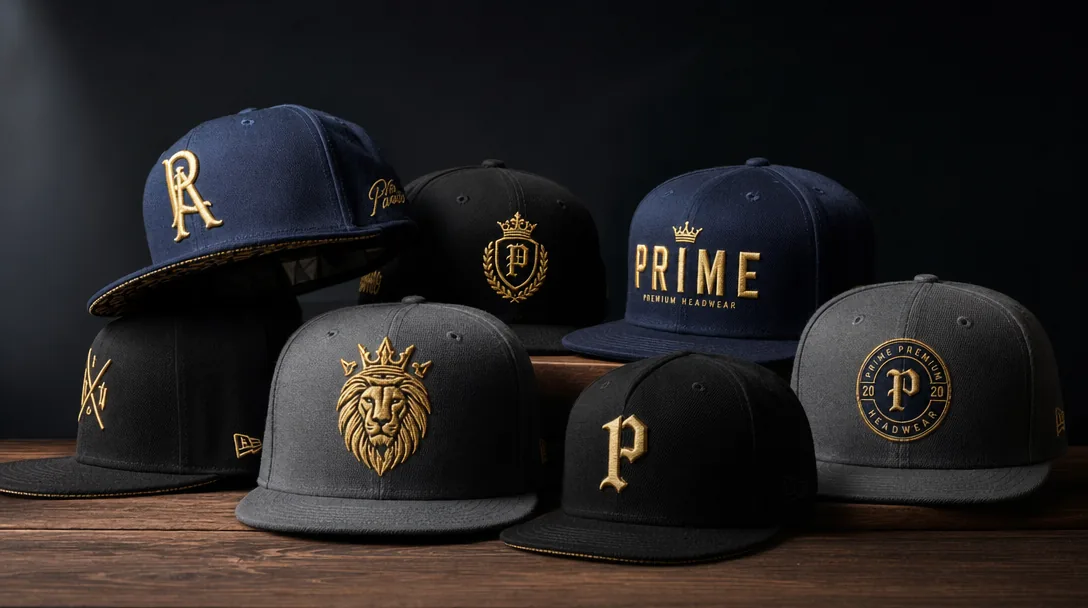
Custom Leather Patch Hat Low Minimum: A 2026 B2B Sourcing Guide
Read article →
Mens Beanies: Properties, Costs and How to Spec It Right
Read article →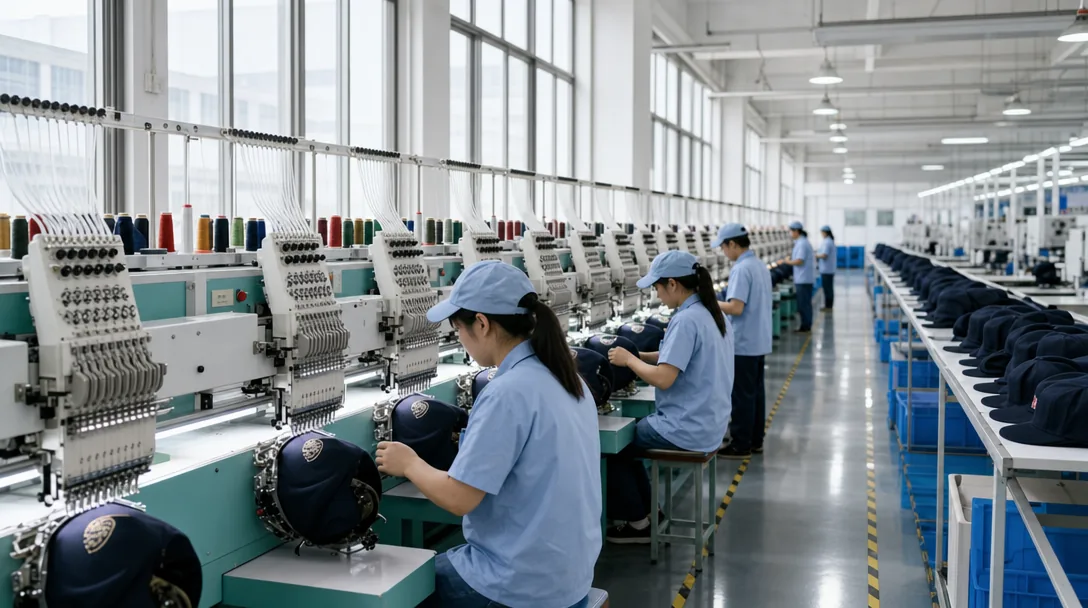
Bulk Trucker Hats Export Shipping Checklist for Custom Hat Buyers - Cost & MOQ Breakdown - Supplier Checklist
Read article →We hope this guide demystifies custom logo hats: when to use it, costs, and what to ask your factory - supplier checklist - cost & moq breakdown and helps you move forward with confidence. If you have questions specific to your project, our English-speaking sales engineers are one message away.