
What's in a Cap Tech-Pack: A Specification Template for Buyers - Cost & MOQ Breakdown - 2026 Buyer's Guide - 2026 Buyer's Guide (2026 Update)
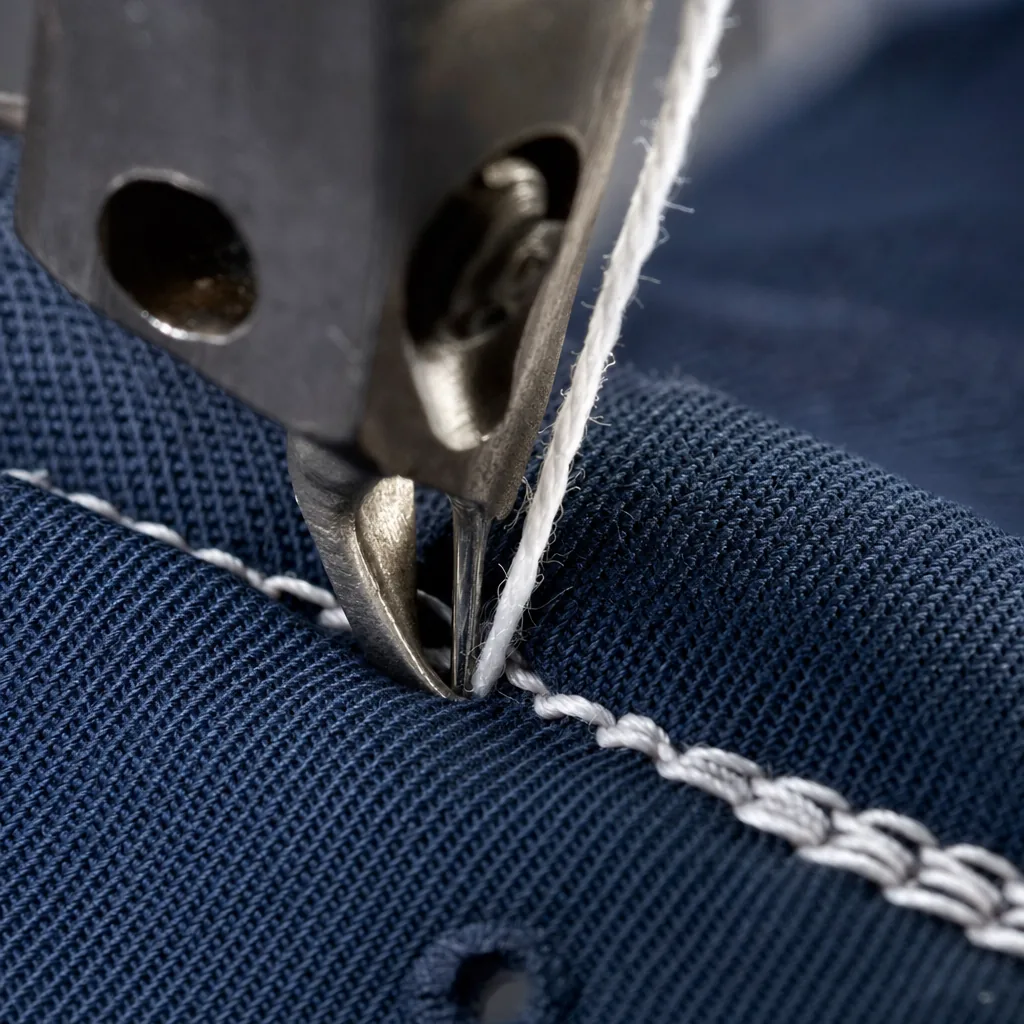
Every week, our sales team answers detailed questions about what's in a cap tech-pack: a specification template for buyers - cost & moq breakdown - 2026 buyer's guide - 2026 buyer's guide (2026 update). We wrote this guide so that wholesalers, streetwear brands, corporate buyers and promotional resellers can compare options with full information, and avoid the traps that show up only after production has started.
Why a tech-pack saves you weeks of email back-and-forth
A cap tech pack template saves time because it removes the decisions a factory would otherwise make for you. “Black 6-panel snapback with 3D embroidery” is still missing the variables that actually drive fit, cost, and approval risk: front crown height, crown profile, visor curve, buckram stiffness, seam tape color, eyelet execution, sweatband construction, snap gauge, and the exact black standard. If your body fabric is called only “black,” one mill may match Pantone Black 6 C, another may submit a TCX-adjacent lab dip, and a third may pass something within Delta-E 1.5 that looks acceptable under factory lights but shifts under retail LED. That gap is where most first-sample arguments start. A streetwear buyer expecting a 16.5-17.0 cm front height on a high-profile cap will reject a 15.5 cm promo profile immediately, even if the embroidery is clean.
The real savings show up in execution. A complete cap tech pack template lets merchandising release work to pattern, sourcing, digitizing, and QC on day one instead of losing 2-4 business days to clarification emails. On Tajima, Barudan, or ZSK heads, 3D puff embroidery is not just “raised logo”; the digitizer needs foam thickness, target height, underlay, pull compensation, satin width, and density or the first sew-out will collapse, split, or pinch the front panel. Material specs matter just as much: 270 gsm cotton twill, 220 gsm 65/35 poly-cotton twill, brushed chino, and acrylic-wool serge do not block or recover the same way. The expensive part is usually revision rounds, not the initial sample. Each remake can add $35-$80 in sampling, $25-$60 in courier, and 7-10 calendar days once approvals and holidays are counted. Two unnecessary rounds will usually cost more than the $0.20 FOB concession buyers spent weeks negotiating.
A good cap tech pack template prevents that drift by locking measurable requirements before sampling starts. The useful fields are not fancy; they are specific. Call out panel and visor dimensions with tolerances, fabric composition, gsm, color reference by Pantone TCX or coated standard, acceptable shade variance, visor insert material, closure type, top button finish, eyelet count, sweatband spec, artwork size in millimeters, label placement, barcode sticker, carton pack-out, and inspection threshold such as AQL 2.5 for major defects. If you also state MOQ assumptions by fabric and decoration method, the quote gets more reliable because a 144-piece run with 3D puff and a custom metal clasp prices very differently from 1,200 pieces with flat embroidery and a standard PP snap. At CrownsForge, the cleanest projects usually approve with one development sample and one pre-production sample; the messy ones spend a month rediscovering details that should have been on page one.
The seven sections of a complete cap tech-pack
A usable cap tech pack template starts by fixing silhouette and fit; if those two are vague, every later comment on fabric or logo is guesswork. Section 1 is the technical drawing set: front, left, back, top, interior, and under-visor views, each with callouts for panel count, seam layout, crown height, visor length, visor curvature, top button, eyelets, closure type, and exact logo coordinates. A fashion mockup does not tell a pattern room whether the block is a 5-panel camper, A-frame trucker, 6-panel structured snapback, or low-profile unstructured dad cap, and those are different patterns, not styling adjectives. Section 2 is the measurement spec, built off a named base size and block. Include finished head circumference, crown depth, front panel height, visor width and length, sweatband width, back opening, and grading if the style runs S/M or L/XL. Practical tolerances are usually ±3 mm on panel dimensions and ±5 mm on finished circumference; anything tighter on washed cotton is unrealistic. Sections 3 and 4 control the two variables that cause most bulk claims: material and color. The material page should specify fiber content, construction, weight, finish, and compliance, not shorthand like “black cotton.” Write 100% cotton twill 260 gsm, washed chino twill 240 gsm, nylon taslan 120 gsm, polyester trucker mesh 100–110 gsm, 16-wale cotton corduroy, or GRS-certified recycled polyester, then add supplier article code if continuity matters. If there is washing, state enzyme wash, garment wash, heavy stone wash, or pigment dye, because post-wash shrinkage can shift dimensions by 2–4%. The color page should separate every component: crown, visor top, under-visor, mesh, closure strap, embroidery thread, and interior tape. Use Pantone TCX for dyed textiles and Pantone C or U for print inks, then set an acceptance target such as Delta-E below 1.5 for premium retail or below 2.5 for promo programs. If you already approved a fit sample, reference that piece as the base block and ship one physical sample; that typically avoids $60–$120 in duplicate development cost and saves a week of revisions.
Sections 5 through 7 are where a cap tech pack template stops being a design brief and becomes a production order. Decoration must define method, finished size, placement from seam or visor edge, thread or ink spec, backing, and expected density. A 9,000-stitch flat embroidery logo is routine on Tajima, Barudan, or ZSK heads; a 3D puff logo at 20,000-plus stitches on foam-backed buckram runs slower, needs more trimming, and usually increases reject risk on curved front panels. If the style uses woven patch, felt patch, appliqué, screen print, silicone transfer, or heat transfer, specify edge finish, adhesive, and test standard. Construction then locks the cap build: structured or unstructured crown, buckram weight, visor insert material, number of visor stitch rows, eyelet type, seam tape, sweatband composition, and closure hardware. Details such as PE visor board versus sandwich paperboard matter if the cap must pass moisture or deformation tests in long transit. The last section covers labeling, packing, and inspection, which buyers often leave too late and then pay for in relabeling or warehouse chargebacks. List main label, size label, care/content label, country-of-origin label, UPC or FNSKU sticker location, hangtag attachment, polybag warning print, inner carton quantity, master carton dimensions, and whether silica gel or shape-retaining tissue is required. If the order ships to Amazon FBA or a 3PL, note carton max weight and barcode format up front. Inspection should not be implied; state AQL 2.5 unless the program requires 1.5, and call out critical checks such as logo position, color match, visor symmetry, closure function, needle damage, and loose trimming. Our standard practice is to freeze all seven sections before pre-production sample approval, because changing closure hardware, decoration method, or wash after PPS can move MOQ, add 5–12 days, and swing FOB by $0.18 to $0.65 per cap depending on material and labor load.
Tech sketches: front, side, back, optional underbrim
A usable cap tech pack template needs dimensioned vector flats, not lifestyle photos, AI mockups, or cropped Instagram references. Submit front, left side, back, top, and optional underbrim views at 1:1 or 1:2 scale, with the scale, date, and revision code shown on the sheet and repeated in the file name, such as CF-6P-TRUCKER-R2.ai. Mark the 6-panel center seam, front panel join, side seam, rear opening seam, sweatband stitch line, visor topstitch rows, eyelets, top button, closure position, piping, sandwich inserts, and any woven label fold line. For structured caps, specify buckram as fused woven, non-woven, or foam-backed, plus the target crown profile: low, mid, high, or measured front height. For unstructured dad caps, draw the relaxed crown collapse; do not reuse a high-profile baseball block. Camera distortion can shift perceived crown height by 5–8 mm and visor projection by 10 mm or more. On a 5-panel cap, a 2 mm logo placement error can push embroidery into the seam allowance and create puckering once the Tajima or Barudan heads start running.
Put measurement points directly on the sketch where the pattern maker, cutting room, and QC inspector will look first. Crown depth should be defined from crown apex or top button to the bottom edge at center front, for example 16.5 cm ±0.3 cm finished, not “standard fit.” Visor length should run from the center front seam to the visor tip; 6.8–7.2 cm is common for baseball caps, while many washed dad caps use 7.5–8.0 cm for a longer, softer silhouette. Also call out visor width at the widest point, PE or PVC board thickness, stitch-row count, and curve, such as “pre-curved to 7.5 cm gap between visor tips when placed on a flat table.” If the bill is flat, state whether it must remain flat after carton packing or may be lightly eased to prevent edge warping. These numbers affect die-cut tooling, visor board selection, steam forming, carton height, and AQL 2.5 inspection. Vague flats do not save time; they create measurable nonconformities.
Treat the underbrim as optional only for a basic single-color promo cap with no retail or licensing requirement. If the style uses color blocking, sandwich piping, printed undervisor artwork, contrast binding, collegiate marks, or team colors, draw the underbrim separately and label the fabric and color standard: self-fabric 10 oz cotton twill, bottle-green Pantone TCX-matched twill with Delta-E under 1.5, black 150D polyester, suede-look microfiber, or sublimated polyester. Specify seam turn, visible edge binding, and visor stitching, for example 6-row or 8-row stitching at 6–7 mm spacing. Dimension every decoration box on the flats: center-front embroidery width and height, side flag size, rear arch text baseline, and distance from brim edge, panel seam, or closure opening. Our standard practice at CrownsForge is to verify those placements with flexible tape and digital calipers during sample review, then lock the values before bulk digitizing for Tajima, Barudan, or ZSK production. A technical sketch should function as a manufacturing instruction, not a styling suggestion.
Fabric and color spec: GSM, weave, Pantone references
The fabric page in a cap tech pack template needs to spec every component that can shift color, hand feel, or sewing behavior; “navy cap” is not a usable instruction on a factory floor. Break materials out by part: crown panels, visor top cloth, undervisor, top button, eyelet thread, seam tape, sweatband, front buckram, mesh, and back strap. For each, list fiber content, weave or knit structure, yarn count or denier, density, and finished weight. A workable line item looks like this: crown 100% cotton twill, 16x12 yarn count, 108x56 construction, 260–280 gsm; undervisor brushed cotton twill, 220–240 gsm; trucker mesh 100% polyester hex mesh, 75D, 130–150 gsm; sweatband 65/35 poly-cotton jersey, 170–190 gsm. If the style is performance-driven, specify 100% polyester micro twill 150D with wicking finish, or nylon Taslon 228T with PU coating, instead of writing “sports fabric.” On structured caps, front support matters just as much as shell fabric: 0.45–0.60 mm PE-coated buckram is the normal range, and the choice directly affects crown stand, stitch registration, and how cleanly dense embroidery runs on Tajima, Barudan, or ZSK heads.
Color needs its own discipline because mixed materials rarely land on the same shade without guidance. Assign a Pantone reference to each material family and use the right system: Pantone FHI/TCX for dyed textiles, Pantone C for printed trims, silicone patches, or transfer graphics. Then state the tolerance. For premium retail programs, Delta-E under 1.5 against approved standard is achievable on same-base fabrics; for bulk production across multiple mills, under 2.0 is more realistic. Also specify viewing conditions: D65 light box, 10° observer, and whether cross-material visual match is acceptable between cotton, polyester, nylon, and molded trims. Our standard practice is to require lab-dip approval before bulk dyeing whenever the order uses custom fabric color, because navy on cotton twill and navy on polyester mesh will never read identically without an agreed tolerance. Buyers should also be realistic on MOQ economics: most mills want 300–500 kg per color per base cloth for custom dyeing, which often translates to roughly 2,000–4,000 caps after marker efficiency and cutting loss. Below about 1,000 pieces, stock fabric plus closest Pantone match is usually the only cost-sensible route.
Decoration spec: technique, placement, dimensions, color count
Decoration is where weak specs blow up sample timelines. A workable cap tech pack template must define the exact technique, the build parameters, and the artwork limits in factory language. “Front logo embroidery” is not a spec; “front center 3D puff embroidery, 3.0 mm EVA foam, satin columns minimum 1.5 mm, negative gaps minimum 1.2 mm, no metallic thread” is. On curved 6-panel crowns, each method behaves differently: flat embroidery can hold fine detail but will sink on brushed cotton if underlay is light; 3D puff needs cleaner shapes and wider channels; laser-cut felt appliqué needs edge stitch allowance; TPU or molded rubber patches need a flat bonding area and usually perform better on 5-panel or unstructured fronts than over a center seam. If artwork is already digitized, include stitch count. A 50 mm wordmark may run 4,500-6,000 stitches, while a dense badge at the same width can reach 9,000-12,000, which changes both cost and machine time on Tajima, Barudan, or ZSK heads running a real-world 650-850 spm once trims and color changes are factored in.
Placement should read like a sewing-floor instruction, not a designer note. State the exact location, finished size, and anchor points: “Front center flat embroidery, 50 mm W x 30 mm H, centered on CF seam, bottom edge 22 mm above visor seam.” If the art crosses the center seam, say so explicitly; seam-crossing embroidery on structured 6-panel caps needs heavier underlay and often shows more pull, especially above buckram. If it must stay on one panel, note “left of CF seam by 8 mm” or similar. On 5-panel camp caps, a front decoration height of 55-60 mm is usually safe because there is no center seam; on 6-panel baseball caps, 45-55 mm width is more reliable for registration and cleaner column alignment. Lock color count with Pantone references and production substitutes: Pantone TCX for dyed fabric, Pantone C/U for print targets, approved Madeira or Gunold thread codes after strike-off. For brand-critical colors, specify acceptable tolerance such as Delta-E under 2.0 against lab dip or patch standard, but note that thread-to-Pantone is an approximation. Cost moves with these choices: simple front flat embroidery typically adds US$0.25-0.55, dense 3D puff US$0.45-0.90, woven patches often need 300-500 pcs per design, and molded rubber patches usually start at 500-1,000 pcs because tooling has to be absorbed.
Packaging and label spec: polybag, hangtag, sticker, carton
Packaging specs in a cap tech pack template need to control three things at once: unit protection, barcode compliance, and carton cube. For a standard adult 6-panel cap, the safest baseline is one clear LDPE or CPP polybag at 280 x 320 mm, 30–40 microns, flap-seal closure, with a suffocation warning only if the retailer or destination market requires it. If you want recycled film, write “GRS-certified recycled LDPE” only when the bag vendor and factory can issue a valid GRS transaction certificate; otherwise the claim will fail document review. Zipper bags usually add US$0.025–0.045 per cap and reduce packing efficiency because the closure adds thickness across every unit. Also lock the bagging method in the tech pack: flat pack, crown stuffed with 17–22 gsm tissue, brim protected with a 350–400 gsm insert card, or no individual bag. On structured caps with buckram front panels, that choice can change carton cube by 8–15 percent.
Hangtags, stickers, and barcodes should be specified like controlled components, not left to email notes. Common hangtag sizes are 50 x 90 mm or 60 x 100 mm on 300–400 gsm C1S art card, matte varnish or soft-touch lamination, with a 3–5 mm punch hole and attachment point defined exactly: rear strap, sweatband seam, or top button loop. If the tag carries legal or retail data, include country of origin, fiber content, importer name, SKU, barcode symbology, and price-zone logic directly in the artwork file. For Amazon FBA or retailer DC intake, UPC or FNSKU must scan through the bag on first pass, so define sticker size and placement and keep strings, folds, and hangtags clear of the barcode quiet zone. Carton instructions belong in the same cap tech pack template: pack count, carton dimensions, board grade, max gross weight, pallet limit, and shipping marks. In practice, 50 pcs/carton is normal for structured baseball caps, while 72 or 100 pcs/carton can work for softer unstructured dad caps after nesting is approved. A 100-piece unstructured pack often runs around 60 x 45 x 38 cm in K=A 5-ply corrugate at 11–14 kg gross; truckers, high-crown foam fronts, and rope caps need more cube or crushed front panels become an AQL claim, not a freight problem.
Carton marking should read like a warehouse SOP: PO, style number, color, carton sequence, quantity, destination, net/gross weight, country of origin, and whether mixed colors or mixed sizes are allowed in one master carton. If goods are shipping to a 3PL or big-box retailer, also define label format and placement, such as a 100 x 100 mm carton label on two adjacent sides, positioned 80–120 mm from the bottom edge for easy scanning on pallets. Desiccant is worth calling out for long ocean transit, especially when caps use metal buckles, foil prints, or moisture-sensitive trims; a small omission there can turn into oxidation claims after 35–45 days on the water. The last control point is post-pack inspection. At CrownsForge, we treat barcode readability, assortment accuracy, and carton count as part of final AQL 2.5, not as a warehouse afterthought. Saving US$0.03–0.08 per cap with vague packing language is false economy when one mixed-SKU carton can trigger chargebacks, relabel fees, and inventory write-offs.
Frequently Asked Questions
What is the minimum order quantity (MOQ) for custom hats?
Our standard MOQ is 100 pieces per design and color, with sampling available from 1 piece. For complex multi-color logos or premium fabric upgrades, the MOQ can be lowered with a small per-piece surcharge.
Do you support sustainability certifications?
Yes. We work with GOTS organic cotton, GRS-certified recycled polyester, OEKO-TEX Standard 100 fabrics, and are BSCI and Sedex audited. Certification documentation can be provided per order.
How long does production take?
Sampling takes 7 to 12 days. Bulk production runs 20 to 30 days depending on quantity, fabric availability and decoration complexity. Inspection and packing adds another 3 to 5 days before shipment.
What logo decoration techniques do you offer?
3D puff embroidery, flat embroidery, woven patch, leather patch, PVC patch, screen printing, sublimation, applique and laser etching, all in-house with no subcontracting.
Can I order a sample before bulk production?
Yes. We strongly recommend approving a pre-production sample before mass production. Samples are charged at 35 to 60 USD each plus express shipping, fully refundable against confirmed bulk orders over 500 pieces.
How does ordering custom patch trucker hat work?
When evaluating custom patch trucker hat, the key considerations are construction quality, decoration capability, MOQ flexibility and lead time. Technique (3D puff / flat embroidery / patch), placement (front center, side, back), dimensions (e.g. 5cm wide × 3cm tall), stitch count if known, color count and Pantone references. Without a tech-pack, your factory invents details that contradict your assumptions. With one, sampling lead time drops from 14 days to 7 and revision rounds drop from 4 to 1.
How does ordering baseball cap custom work?
When evaluating baseball cap custom, the key considerations are construction quality, decoration capability, MOQ flexibility and lead time. Without a tech-pack, your factory invents details that contradict your assumptions. With one, sampling lead time drops from 14 days to 7 and revision rounds drop from 4 to 1. Tech sketches, fabric spec, color spec, decoration spec, construction spec (panels, closure, eyelets, sweatband), packaging spec, label/hangtag spec.
How does ordering custom baseball cap motorcycle helmet work?
When evaluating custom baseball cap motorcycle helmet, the key considerations are construction quality, decoration capability, MOQ flexibility and lead time. Without a tech-pack, your factory invents details that contradict your assumptions. With one, sampling lead time drops from 14 days to 7 and revision rounds drop from 4 to 1. Tech sketches, fabric spec, color spec, decoration spec, construction spec (panels, closure, eyelets, sweatband), packaging spec, label/hangtag spec.
How does ordering custom bucket hat embroidered work?
When evaluating custom bucket hat embroidered, the key considerations are construction quality, decoration capability, MOQ flexibility and lead time. Without a tech-pack, your factory invents details that contradict your assumptions. With one, sampling lead time drops from 14 days to 7 and revision rounds drop from 4 to 1. Tech sketches, fabric spec, color spec, decoration spec, construction spec (panels, closure, eyelets, sweatband), packaging spec, label/hangtag spec.
Ready to start your custom hat project?
Send us your tech-pack, sketch or even just an inspiration photo. We will respond with a detailed quotation and digital mock-up within 24 hours.
Request a free quoteRelated guides
Fitted Hats Custom: A Vertical-Specific Sourcing Guide
Read article →
Custom Made Trucker Hat: The 2026 Sourcing & Manufacturing Playbook - 2026 Buyer's Guide - 2026 Buyer's Guide - 2026 Buyer's Guide
Read article →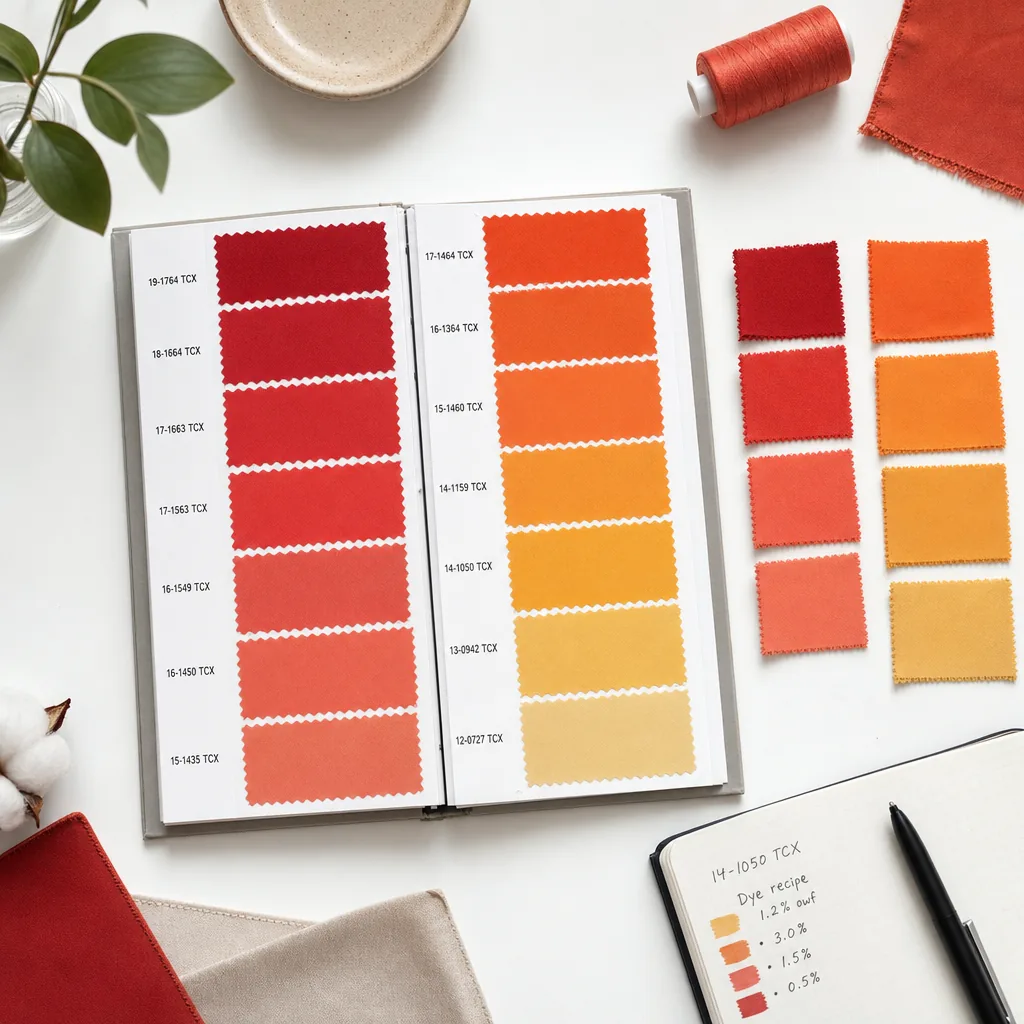
Pantone Color Matching for Custom Caps: A Manufacturer's Reference - 2026 Buyer's Guide
Read article →We hope this guide demystifies what's in a cap tech-pack: a specification template for buyers - cost & moq breakdown - 2026 buyer's guide - 2026 buyer's guide (2026 update) and helps you move forward with confidence. If you have questions specific to your project, our English-speaking sales engineers are one message away.