
Custom Made Trucker Hat: The 2026 Sourcing & Manufacturing Playbook - 2026 Buyer's Guide - 2026 Buyer's Guide - 2026 Buyer's Guide
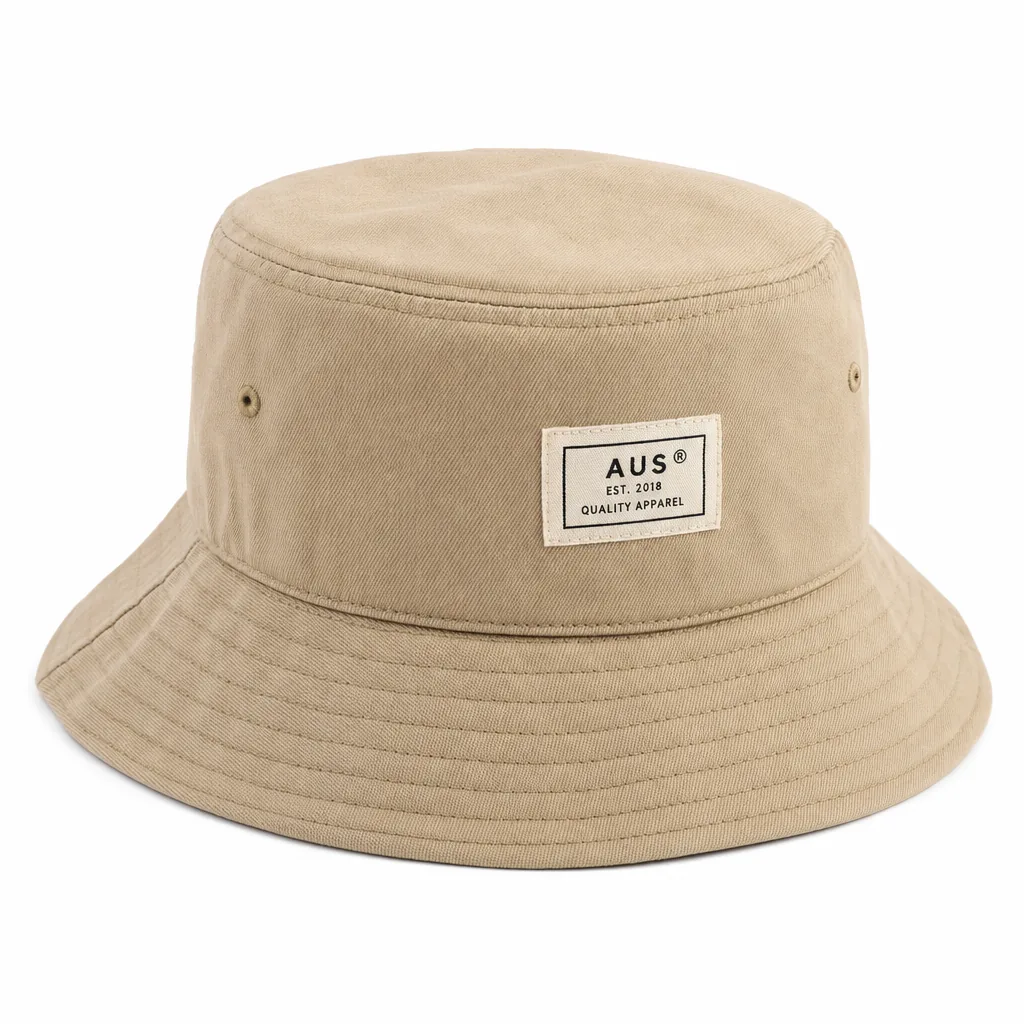
For brand owners, wholesalers and procurement teams entering the custom headwear category, custom made trucker hat: the 2026 sourcing & manufacturing playbook - 2026 buyer's guide - 2026 buyer's guide - 2026 buyer's guide is one of the highest-leverage decisions you will make. Get it right and your unit economics, retail story and reorder cycle all improve. Get it wrong and you carry the cost for years.
Custom Embroidered Hats
For a custom embroidered hat, the job starts with the embroidery file, not the cap. A competent factory digitizes for stitch count, pull compensation, underlay, and fabric recovery, then runs a sew-out on the actual crown profile before bulk production. On a custom made trucker hat, the front panel is usually 110-220 gsm foam-backed polyester, cotton twill, or brushed canvas, while the mesh back stays out of the stitch path because variable tension will distort the shape. Specify thread type, backing, needle size, stitch density, cap profile, and exact placement in millimeters from center front and the bill seam. If the logo has small type or thin outlines, ask for a sewn sample and a macro photo under daylight-equivalent lighting; a clean vector file can still turn muddy once it wraps over a curved front panel. That is the difference between a retail-ready custom made trucker hat and a production reject.
For most custom trucker hats, MOQ is 100-300 pieces per colorway when the line is already set up for repeat cap work, though 500 pieces is still common if you want better pricing and fewer changeovers. Plain embroidery on a standard 5-panel or 6-panel trucker cap usually lands around USD 2.20-4.80 ex-works at 300-500 units, while 3D puff, multi-location embroidery, woven patches, and appliqued twill push the cost up fast. Ask for a line-by-line quote covering shell fabric, mesh, sweatband, closure, panel reinforcement, and decoration method, because a trucker hat custom offer that bundles everything often hides the real cost drivers. Our standard practice is to quote the blank cap and decoration separately so a buyer can compare a custom made trucker hat program against an embroidery-only quote without guessing where the margin sits.
The failure modes are predictable: thread breaks on dense fills, crown collapse from excessive stitch counts, needle holes opening on soft foam fronts, logo distortion on curved panels, and color drift when the factory swaps thread lots without checking against Pantone TCX. Insist on first-article approval, then AQL 2.5 sampling for appearance, dimensions, and stitching, including crown height, brim curve, sweatband seam, closure strength, and embroidery alignment. For a larger custom trucker hat program, the real question is whether embroidery is the right decoration for the fabric and volume target. A trucker custom hat that looks sharp at 300 pieces can be the wrong choice at 30,000 if lead time, hand feel, or legibility matter more than unit price. Treat the custom made trucker hat as a production system, not a logo placement exercise, and you get consistent results instead of expensive surprises.
Custom Hat Embroidery
Embroidery is what separates a custom made trucker hat that looks deliberate from one that looks like a rushed blank with a logo slapped on top. The file should be digitized as DST or EMB with the actual cap build in mind: stitch density, underlay, pull compensation, stitch angle, and color order all change once you move from a flat artboard to a foam-laminated or fused front panel. On a Tajima, Barudan, or ZSK head, a 12,000-stitch logo on 100% polyester mesh will behave differently than the same art on cotton twill, especially if the design crosses a center seam or sits close to the visor break. A proper quote should specify logo width in millimeters, total stitch count, thread brand, backing type, number of thread colors, and whether the front is structured, 5 mm foam-backed, or unlined. Without those inputs, the sample may look fine on a screen and still pucker, skew, or collapse in hand.
For a standard custom made trucker hat program, embroidery MOQs usually start around 100 to 300 pieces per colorway, but the real cost driver is setup labor, not the first sew. Digitizing, machine programming, thread loading, and test runs create fixed time before production starts, which is why a simple flat stitch front logo often lands around USD 0.80 to 1.80 per cap in China at scale, while 3D puff, dense satin fill, chenille patch embroidery, or seam-crossing art more often moves into USD 1.50 to 3.50. Ask for a pre-production sample, a stitch-count breakdown, and a line-item quote for blank cap, embroidery, and packing. That split matters because a cheap blank with soft mesh, weak visor board, or the wrong crown profile will still miss the brief even if the logo itself sews cleanly.
Inspection has to be technical, not vague. Check needle strikes, bobbin show-through, loose trims, thread tension, registration drift between colors, puckering around the front panel, and foam crush under dense fills. Color should be matched against Pantone TCX or a physical thread standard, not just a PDF or phone screen, because thread charts are close but never exact and Delta-E drift shows up fast on saturated brand colors. For a custom made trucker hat run, I would hold embroidery placement to about 3 to 5 mm depending on cap construction and require AQL 2.5 for critical defects. CrownsForge’s standard practice is to verify the same sample on a headform and on a flat board, since some hats pass flat inspection and fail once the crown is worn and the mesh relaxes. Embroidery is part of the manufacturing spec, not decoration added after sourcing, so it should be priced, sampled, and inspected that way from the start.
Custom Trucker Hat
A custom made trucker hat is usually a structured or semi-structured cap built from a foam or cotton front panel, polyester mesh side and back panels, a curved or flat PE bill, and a plastic snapback closure. The real control points are not the logo but the internal build: front-panel lamination, buckram weight, crown height, seam order, and how aggressively the bill is preset before packing. In a normal factory flow, the front panels are cut, fused, embroidered or patched, then the crown is joined, the sweatband is inserted, and the closure is attached last. For spec control, I want panel count, mesh gsm, foam thickness, sweatband material, bill curve, crown depth, and closure style written down before sampling. A retail-ready custom made trucker hat holds its shape after carton compression; a cheap one collapses because the mesh is too soft or the front panel recovery is poor.
Pricing depends mostly on decoration complexity and order size, not just the cap body. For 300 to 500 pieces, a basic custom made trucker hat with one small embroidery or heat-transfer logo often lands around $2.20 to $4.50 FOB per piece, while 3D puff, woven patches, multi-location embroidery, or mixed materials can push it to $5.50 to $8.00 FOB. Below 300 pieces, setup costs from digitizing, plate making, and line changeover distort the per-unit number fast, so a quote that looks cheap on paper can become expensive once you add sampling, freight, and defect allowance. Buyers should compare landed cost, not headline FOB, and they should ask for the same quote at 300, 500, and 1,000 pieces because a decent factory will price the labor curve very differently at each break.
The first defects I check are seam wander, logo placement drift of 2 to 3 mm, mesh tearing at the join, weak snapback prongs, and front-panel wrinkling from underspec foam or buckram. For embroidery, insist on a stitched sample on the exact fabric because Tajima, Barudan, and ZSK heads will all expose weak digitizing in different ways; the needle path, underlay, and pull compensation matter more than the machine brand alone. On a proper custom made trucker hat program, specify Pantone TCX or Pantone C references, set a Delta-E target for color approval, and require AQL 2.5 inspection with photo checks for placement, symmetry, and carton packing. CrownsForge’s standard practice is to freeze those points before bulk starts, because once production is running, correcting color drift or crown shape costs more than rejecting a weak pre-production sample.
Custom Trucker Hats
A custom made trucker hat usually starts with the same silhouette, but the buying decisions that matter are front-panel construction, mesh gauge, and closure hardware. In practice, most production runs are five- or six-panel builds with a front panel in cotton twill, brushed polyester, foam, or a polyester-cotton blend at roughly 180 to 260 gsm; the mesh is typically 100D to 150D polyester. Structured fronts use buckram or EVA foam to keep the crown upright, while unstructured builds rely on lighter interfacing and will relax faster after steaming and wear. Before sampling, lock crown height, visor curve, sweatband material, seam tape, panel count, and snapback or strap closure in writing. For decoration, send Pantone TCX or Pantone C references plus stitch count and placement drawings, because a custom made trucker hat can look fine on screen and still fail in production when digitizing is too dense, pull compensation is off, or the thread sheen fights the fabric.
MOQ and pricing only make sense if you separate quote language from actual production math. Many factories will advertise 100 to 300 pieces for a simple colorway, but a realistic manufacturing MOQ for a custom made trucker hat is usually 300 to 500 pieces once you include trim setup, embroidery digitizing, and packaging changes. In China, a basic six-panel FOB price often lands around USD 2.20 to 4.80 per piece at 500 to 1,000 units; foam fronts, woven labels, patch applications, custom underbill prints, and specialty closures add cost quickly. A flat-embroidered snapback is cheaper than a trucker cap with contrast stitching, sublimated underbrims, and multi-location decoration. Our standard practice is to freeze the spec sheet before sampling, approve the pre-production sample, and only then release bulk, because late changes are what destroy lead time and margin.
Bulk quality control on a custom made trucker hat should target defects that actually show up in wear and transit. The common failures are uneven mesh tension, twisted side seams after steaming, crooked visor inserts, embroidery drift on a curved front, cracked snaps, and crown height that varies by more than 3 to 5 mm across the lot. Inspect to AQL 2.5 minimum, and include colorfastness, needle detection, brim length, opening circumference, and carton drop checks if the order ships retail-ready. If speed and low MOQ matter, stay with stock fabrics and standard trims; if brand presentation matters, pay for tighter stitch control, better foam density, and Pantone-matched components, even if the unit cost rises by USD 0.30 to 0.90. sedex-audit-cap-supplier-guide.html">BSCI 2.0 or Sedex SMETA 4-Pillar will not improve the cap by itself, but it does matter when you need repeatability, a clean audit trail, and a factory that can handle a chain-store PO without improvising.
Hat Trucker Custom
A serious custom made trucker hat order starts with the crown build, not the logo. The spec should lock in 5-panel or 6-panel construction, foam front thickness in millimeters, mesh denier, crown height, front-panel buckram, sweatband material, and whether the brim uses PE board or a cardboard-free insert. For embroidery, demand the digitizing file format, stitch count, underlay type, seam allowance, and exact Pantone TCX references before you approve sampling. The front panel is the usual failure point: if stabilization is wrong, the logo tunnels, ripples, or warps after steaming. A clean factory flow is cutting, lamination or sewing, embroidery on Tajima, Barudan, or ZSK heads, then visor shaping, eyelet setting, trimming, and packing. If a supplier cannot explain panel stabilization, mesh attachment, or sweatband matching, they are guessing on the rest of the build.
MOQ for a proper factory run is usually 300 to 500 pieces per colorway; 100 to 200 pieces is possible, but only with higher unit cost and less predictable scheduling. For standard programs, ex-works pricing for a custom made trucker hat usually sits around $2.20 to $4.80 per piece at 500 units, depending on embroidery density, woven labels, custom taping, and packaging. Add all-over print, heavier foam, specialty mesh, or reinforced inner tape and the number can climb past $5.50 quickly. Sampling is separate and typically runs $35 to $90 for a basic prototype, while multi-hit embroidery, mixed materials, or custom closures cost more. The real decision is not the lowest quote; it is whether the factory can repeat the same crown shape, thread tension, and panel alignment on every reorder without reworking the spec.
The failures that matter are mechanical and easy to spot: crooked center-front logos, puckering around dense embroidery, mesh that twists after steaming, uneven visor curvature, weak snapback hardware, and glue bleed at the brim edge. Inspect stitch count per panel, back-tacking quality, logo placement tolerance within 3 to 5 mm, and color against approved lab dips or Pantone TCX under D65 light, not warm office bulbs. For larger programs, use AQL 2.5 for general defects and tighter internal limits for crown symmetry and closure function. If the order feeds retail or team licensing, require inline and final inspection photos plus carton drop-test confirmation. CrownsForge’s standard practice is to freeze the spec sheet before bulk and compare the first 20 pieces against the approved sample, because that is where a custom made trucker hat either becomes a controlled production item or starts generating rework.
Trucker Custom Hat
A custom made trucker hat is really a six-part spec: front panel, mesh back, visor, sweatband, closure, and decoration. The front is usually 100% cotton twill or a 60/40 cotton-poly blend at 260 to 320 gsm, with buckram or EVA foam backing when the crown needs structure. Mesh is typically 100% polyester, around 180 to 220 denier, and the visor insert is usually PE board or recycled paper board depending on bend retention and cost. For embroidery or patches, call out Pantone TCX or Pantone C before sampling, then approve stitch-out on the actual cap body, not a flat mockup. A 6 cm logo on a foam front panel needs different digitizing than the same art on a structured twill crown, because stitch density, underlay, and pull compensation change with material and size.
The production sequence is crown cutting and sewing, mesh insertion at the side or rear panels, visor pre-forming, then decoration on Tajima, Barudan, or ZSK heads after the blank cap is assembled. For a straightforward custom made trucker hat program, MOQ is usually 200 to 500 pieces, and pricing improves sharply once you cross 1,000 pieces with a simple build. In 2026, a realistic ex-factory range for plain construction is about $1.20 to $2.20 per piece; add embroidery, woven labels, molded patches, private labeling, or custom packaging and you are usually at $2.50 to $4.50. Quotes below that often omit digitizing, carton packing, color matching, or compliance paperwork, which is where small orders get re-priced later. Our standard practice is to lock those line items before sampling so the factory does not renegotiate after approval.
The first defects I check are crown collapse, mesh distortion, crooked center-front alignment, loose thread tails, and visor fracture after a bend test. I expect AQL 2.5 for major defects, with dimensional control on crown height, visor curve, and closure placement; for branded programs, patch centering should stay within 1 to 2 degrees and repeat colors should target Delta-E under 2.0 against the approved standard. Watch for sweatband twist, inconsistent topstitch SPI, poor trim cleanup, and bobbin thread showing through on light fabrics. Those are not cosmetic nitpicks. They show whether the line is running repeatable production or treating every custom made trucker hat order like a one-off sample run.
Working with CrownsForge for custom made trucker hat programs
For a custom made trucker hat program, the schedule is usually won or lost at the sample stage. Once the tech pack is frozen, a proper pre-production sample should take 5 to 7 working days if the buyer has already locked crown height, panel count, mesh type, closure, and Pantone TCX references. The usual delay is a late change to the front panel build after embroidery digitizing; that is not a trivial logo edit. It can force a new file, different stitch density, a different backing, and sometimes a different front-foam spec. If the design includes 3D puff embroidery, a woven label, a custom sweatband print, or a high-profile foam front, plan for one revision loop and keep the approval chain tight. In this category, a precise spec sheet saves more time than chasing speed at the factory.
MOQ and pricing should be treated as a spec issue, not a bargaining ritual. For a standard six-panel custom made trucker hat with a polyester foam front and nylon mesh back, 200 to 300 pieces per colorway is a realistic starting point, with some flexibility if you split visor colors, closure types, or patch treatments. Basic flat embroidery or screen print usually lands around $2.20 to $3.80 FOB, while leather patches, woven patches, TPU badges, or mixed-material builds commonly move to $4.50 to $6.50 FOB depending on labor and trim content. Buyers who focus only on the lowest unit price usually pay later in wrong-color stock, mismatched closures, or a reorder lot that no longer matches the first run. The metric that matters is repeatability across the second and third production lots, because that is where a trucker hat program either stabilizes or starts leaking margin.
Decoration and compliance are where the real control lives. Our standard practice is to run embroidery on Tajima, Barudan, and ZSK heads, which matters when you are pushing dense fill, fine text, or 3D puff across thousands of units. For non-embroidered programs, heat-transfer patches, woven labels, TPU badges, and direct print each behave differently in abrasion and wash testing, so the method should follow the sales channel, not the mood board. On the quality side, ask for BSCI 2.0 or Sedex SMETA 4-Pillar evidence, fabric composition, and colorfastness data before bulk approval. We also inspect to AQL 2.5 for major defects, with checks on stitch balance, mesh tension, sweatband alignment, and carton labeling. The clean workflow is approved tech pack, signed sample, deposit, PPS, inline inspection, then final packout matched to the PO and shipping documents.
Frequently Asked Questions
What logo decoration techniques do you offer?
3D puff embroidery, flat embroidery, woven patch, leather patch, PVC patch, screen printing, sublimation, applique and laser etching, all in-house with no subcontracting.
Which shipping methods do you support?
We support FOB, CIF and DDP shipping. Air express for samples and small orders, sea LCL for 100 to 500 pieces, sea FCL for 5,000+ pieces. Door-to-door DDP available for US, EU, UK, Canada and Australia.
Do you support sustainability certifications?
Yes. We work with GOTS organic cotton, GRS-certified recycled polyester, OEKO-TEX Standard 100 fabrics, and are BSCI and Sedex audited. Certification documentation can be provided per order.
What file format should I send for my logo?
Vector files (AI, EPS, PDF) are ideal. High-resolution PNG or JPG at 300 dpi on transparent background works as a fallback. Provide Pantone color references for accurate reproduction.
How long does production take?
Sampling takes 7 to 12 days. Bulk production runs 20 to 30 days depending on quantity, fabric availability and decoration complexity. Inspection and packing adds another 3 to 5 days before shipment.
How does ordering custom hat trucker work?
When evaluating custom hat trucker, the key considerations are construction quality, decoration capability, MOQ flexibility and lead time. Cover everything buyers ask about custom embroidered hats: how it's manufactured, what specs to request from a factory, typical MOQ and pricing, common quality issues to inspect for, and how this ties back to the broader custom made trucker hat sourcing decision. Cover everything buyers ask about custom hat embroidery: how it's manufactured, what specs to request from a…
How does ordering custom embroidered trucker hats work?
When evaluating custom embroidered trucker hats, the key considerations are construction quality, decoration capability, MOQ flexibility and lead time. Cover everything buyers ask about custom embroidered hats: how it's manufactured, what specs to request from a factory, typical MOQ and pricing, common quality issues to inspect for, and how this ties back to the broader custom made trucker hat sourcing decision. Cover everything buyers ask about custom trucker hats: how it's manufactured, what specs to request from a…
How does ordering custom made hats for men work?
When evaluating custom made hats for men, the key considerations are construction quality, decoration capability, MOQ flexibility and lead time. Cover everything buyers ask about custom embroidered hats: how it's manufactured, what specs to request from a factory, typical MOQ and pricing, common quality issues to inspect for, and how this ties back to the broader custom made trucker hat sourcing decision. Cover everything buyers ask about custom trucker hats: how it's manufactured, what specs to request from a…
How does ordering high quality custom trucker hats work?
When evaluating high quality custom trucker hats, the key considerations are construction quality, decoration capability, MOQ flexibility and lead time. Cover everything buyers ask about custom embroidered hats: how it's manufactured, what specs to request from a factory, typical MOQ and pricing, common quality issues to inspect for, and how this ties back to the broader custom made trucker hat sourcing decision. Cover everything buyers ask about custom trucker hats: how it's manufactured, what specs to request from a…
Need a low-MOQ test order?
We help emerging brands launch with as few as 100 pieces. Premium fabric, in-house embroidery, retail-ready packaging.
Start a small orderRelated guides
Custom Made Trucker Hat: The 2026 Sourcing & Manufacturing Playbook (2026 Update) (2026 Update) - 2026 Buyer's Guide
Read article →
Performance & Athletic Caps: Moisture-Wicking, UPF and Buyer Specs (2026 Update) - 2026 Buyer's Guide
Read article →
Corduroy Hat Men's: Properties, Costs and How to Spec It Right (2026 Update)
Read article →If you are ready to take the next step on custom made trucker hat: the 2026 sourcing & manufacturing playbook - 2026 buyer's guide - 2026 buyer's guide - 2026 buyer's guide, our team can put a tailored quotation and digital mock-up in your inbox within 24 hours. Send the inquiry form on our contact page or message us directly on WhatsApp.