
Fitted Hats Custom: A Vertical-Specific Sourcing Guide
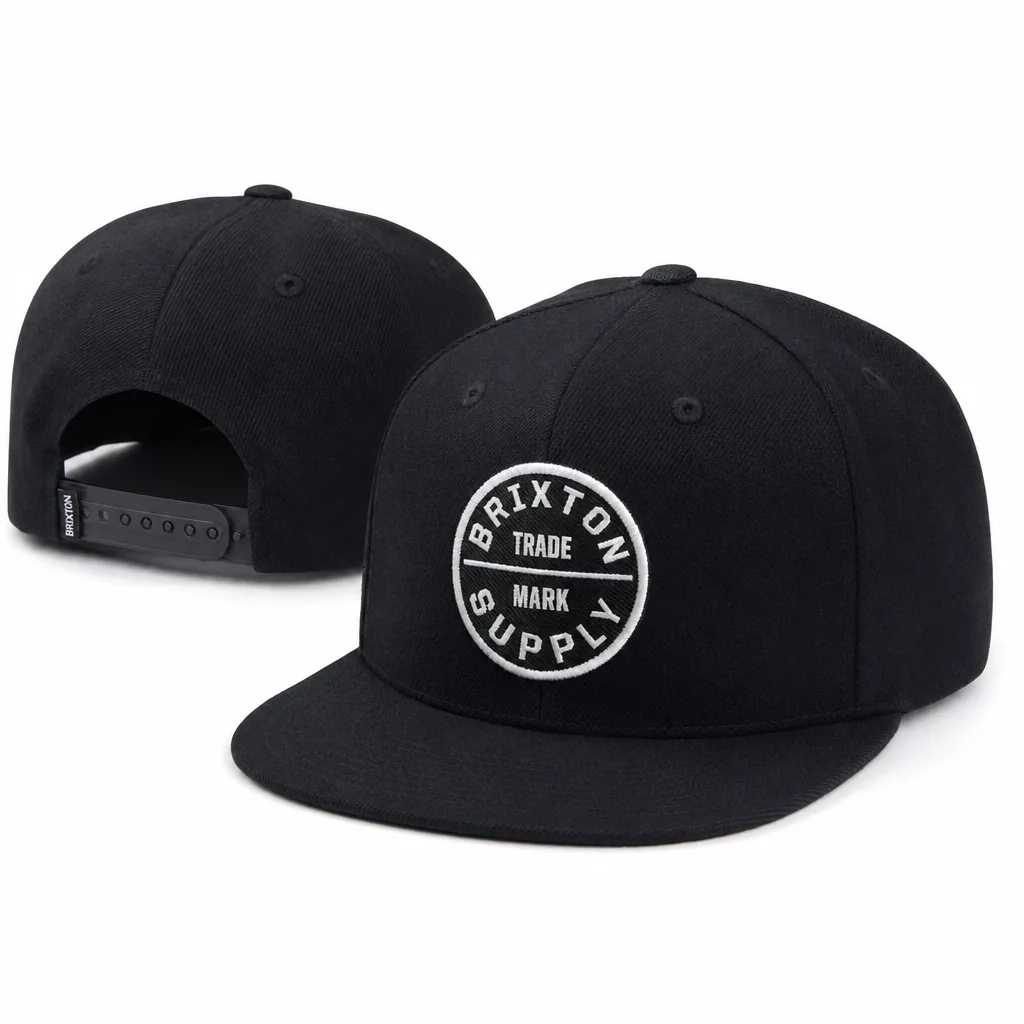
For brand owners, wholesalers and procurement teams entering the custom headwear category, fitted hats custom: a vertical-specific sourcing guide is one of the highest-leverage decisions you will make. Get it right and your unit economics, retail story and reorder cycle all improve. Get it wrong and you carry the cost for years.
Baseball Hats Custom
Baseball hats custom are usually built on one of three paths: structured wool-blend or acrylic body, chino cotton twill, or brushed cotton with a buckram-backed front panel for shape. If you are comparing fitted hats custom against adjustable programs, the key difference is not just the closure; it is the entire block, sweatband tension, and crown depth. For fitted hats 59fifty-style programs, the factory should confirm head circumference grading in 1/8-inch steps, visor curve spec, crown height, and whether the front panels use full buckram or fused buckram. On a real production line, I would ask for a pre-production sample with exact Pantone TCX thread matching, sweatband composition, eyelet count, and seam tape width, because those details affect both wearability and whether the cap sits like a proper retail fit rather than a cheap promo hat.
For sourcing, the practical MOQ is usually 100-300 pieces per colorway for a simple embroidery program, but 500-1,000 pieces is where pricing becomes stable for custom panels, woven labels, and private-labeled taping. Expect ex-factory pricing around USD 3.20-5.80 for basic cotton twill with one logo, USD 5.80-8.50 for heavier construction, and USD 8.50-12.00 for premium fitted hats custom with 3D embroidery, sandwich visors, or upgraded sweatbands. If you are also buying baseball hats vintage or baseball hats for men styles, request fabric weight in gsm, thread count on twill, and shrinkage limits after washing; cheap mills will quote “100% cotton” and then deliver inconsistent dye lots with a Delta-E over 2.0 between panels. Our standard practice is to approve top fabric, visor board, and embroidery strike-off separately before bulk cutting, because once 10,000 panels are cut, you are locked into the mistake.
The quality issues I inspect first are crown symmetry, sweatband stitching, visor curvature, and embroidery registration. On fitted programs, a 2-3 mm error in crown block or an off-center front logo is immediately visible, especially on dark colors. For custom baseball team hats, confirm tack-down density, patch adhesion, and whether the team logo sits within safe zones so it does not distort when the front panel is pressed over the buckram. Ask for AQL 2.5 inspection with critical checks on size tolerance, seam slippage, broken stitches, and color consistency across the batch; if the factory cannot provide that, you will see returns from retail buyers very fast. For broader fitted hats custom sourcing, the decision comes down to use case: if you need mass retail consistency, choose fitted; if you need flexible sizing for promotions or mixed demographics, adjustable and even designer bucket hats may be smarter. Fitted is a better product when the fit is the selling point, but it only works if the factory can hold size, shape, and finish within tight tolerances.
Fitted Hats 59fifty
A real fitted hats 59fifty build starts with the block, not the logo. The factory has to control crown height, front panel buckram stiffness, visor board curvature, and size grading across 6 7/8 to 8 or wider, because a sloppy block will fit wrong even if the embroidery is clean. For fitted hats custom, I ask for shell fabric specs in writing: cotton twill around 250-300 gsm, wool-blend if the buyer wants a more traditional hand feel, matching underbill color, and sweatband material spelled out as poly-cotton, cotton, or foam-backed depending on cost target. The embroidery file should be digitized for the actual panel geometry, usually 12-18k stitches for a front logo, and the factory should confirm machine platform, whether Tajima, Barudan, or ZSK, because stitch density and tension behavior are not identical. Buyers coming from baseball hats vintage or baseball hats for men often underestimate how much the silhouette depends on the internal structure, not just the outer fabric.
For MOQ, most factories are not serious below 200-300 pcs per colorway and size run on fitted hats 59fifty, and the price changes fast with panel count, fabric, and embroidery coverage. A basic 6-panel cotton twill cap with one flat embroidery patch can land around USD 3.20-5.20 FOB Yiwu at 500 pcs, while heavier wool-blend, 3D puff, or mixed-material builds move into USD 5.80-8.50 FOB. If the buyer wants fitted hats custom with precise size runs, expect extra charge for each grading set and more dead stock risk than with adjustable styles. Compared with designer bucket hats or custom baseball team hats, fitted production is less forgiving because every size has to pass QC individually, so the best factories will push for a size distribution sheet before cutting. That is normal, and it is usually cheaper than trying to rescue bad inventory later.
The quality issues I inspect first are ovality, crown symmetry, visor alignment, and seam twist after steam-setting. A cap can look fine on the line and still fail if the front panels skew left by 3-5 mm, the sweatband stretches unevenly, or the visor edge is not centered to the crown seam. Ask for AQL 2.5 inspection on major and minor defects, color tolerance under Delta-E 2.0 if brand matching matters, and pre-production approval on Pantone TCX for any custom fabric or embroidery thread. For fitted hats custom sourcing, insist on wash testing for shrinkage and embroidery puckering, especially if the cap uses brushed cotton or a heavier wool blend. The broader buying decision is simple: fitted hats 59fifty give a premium, structured profile, but only if the factory can control geometry and size consistency; if the buyer wants lower risk and broader sell-through, adjustable caps or even baseball hats vintage-inspired programs may be safer than overcommitting to exact-size inventory.
Baseball Hats Vintage
Vintage baseball hats are not a look you fake with washing alone; the cap has to be built with the right crown shape, fabric hand, and distressing sequence from the start. For fitted hats custom, the usual base is a structured 6-panel crown in brushed cotton twill, pigment-dyed twill, or heavyweight washed chino, then a pre-shrink or garment-wash pass to soften seams and break the color evenly. If a buyer wants fitted hats 59fifty-style profile, ask for a buckram specification, panel count, visor board thickness, and sweatband material before sampling. On the factory floor, the difference between a decent vintage finish and a cheap one is whether the abrasion is controlled after sewing, not blasted randomly; otherwise you get uneven seam puckering, white stress marks, and crushed front panels. For baseball hats for men, the fit tolerance matters too: crown depth, brim curve, and head circumference must be held within about ±0.5 cm or the line will feel inconsistent across sizes. Typical MOQ for vintage-style programs is 300 to 500 pieces per colorway if you want a serious factory to do custom wash, embroidery, and labeling, though some factories will quote 100-200 pieces at a higher unit cost. Realistic FOB pricing usually lands around USD 4.80 to 7.50 for a simple washed dad cap, USD 6.50 to 9.50 for a structured vintage hat with 3D embroidery, and higher if you add applique, chain stitch, or custom metal trims. CrownsForge’s standard practice is to quote the wash as a separate operation, because over-washing can destroy stitch density and under-washing leaves the cap looking new rather than vintage. If the buyer is comparing fitted hats custom against other categories like custom baseball team hats or even designer bucket hats, the right question is not style alone but how much tooling the factory is adding: special dye lots, custom sweatbands, logo plate setup, and packaging all move the price faster than the fabric itself. The common defects are easy to spot if you know where to look: crooked front embroidery, color bleeding into the lining, weak visor recovery, loose underbrim stitching, and sweatbands that twist after the first wash. Vintage finishes also expose poor thread control because faded fabric makes every needle hole visible; check for skipped stitches, thread tension imbalance, and inconsistent distressing between left and right panels. Ask for AQL 2.5 inspection on appearance and function, plus a wash test for shade migration, seam slippage, and sweatband shrinkage. For fitted hats custom sourcing, I always tell buyers to approve three things in writing: Pantone TCX or Pantone C color target before washing, final head size tolerance after wash, and a sealed sample showing the exact distress level. If a factory cannot explain its sequence from cutting to embroidery heads to washing and final press, it is not ready to handle vintage baseball hats at scale.
Baseball Hats for Men
Baseball hats for men are usually built on the same core 6-panel, structured platform as fitted hats 59fifty-style caps, but the details decide whether the hat looks premium or cheap. A proper factory spec should call out crown height in millimeters, visor curve, buckram weight, sweatband material, seam tape, eyelet count, and closure type if you are not going fully fitted. For fitted hats custom programs, I ask buyers to lock down head size grading first, then confirm panel fabric, embroidery placement, and wash testing; otherwise the factory will quote a generic blank that misses the fit target. If you want baseball hats vintage styling, specify a softer crown, lower buckram, and a pre-curved brim, because modern stiff construction reads wrong for that look.
On the production side, the usual build starts with fabric cutting, panel fusing, front embroidery or patch application, panel stitching, visor sandwiching, sweatband insertion, and final shaping. For logo work, Tajima, Barudan, or ZSK heads are standard, but the digitizing file matters more than the brand of machine; a bad file will pull stitches on dense twill every time. Typical MOQ for custom baseball team hats is 100 to 300 pieces per colorway if you use stock materials, and 500+ if you want custom-dyed fabric or a special closure. In China, a basic decorated cap often lands around USD 3.20 to 5.80 FOB at 300 to 500 pcs, while more complex fitted hats custom orders with 3D embroidery, woven labels, and internal taping can move into the USD 6.50 to 9.50 range.
The quality issues I inspect first are crown symmetry, visor alignment, stitch density, and size consistency across the run. A half-size drift on fitted caps is enough for a refund claim, so I measure every sample against the grade rule and check for band tension after steam shaping. For baseball hats for men sold into retail, also watch for thread bleed on dark panels, puckering around dense logos, and poor sweatband stitching that fails after a few wears. This is where the sourcing decision broadens: if your buyer wants a premium fashion look, fitted hats custom is usually the right route; if the line is more casual or promotional, baseball hats for men can be built cheaper, and in some cases designer bucket hats or other silhouettes may be a better margin fit than forcing a fitted construction onto the wrong market.
Designer Bucket Hats
Designer bucket hats are usually simpler than fitted hats custom on paper, but the factory risk is in the details: crown geometry, brim memory, seam alignment, and trim consistency. A real bucket hat spec should call out shell fabric by construction and weight — for example 100% cotton twill at 240 to 280 gsm for casual retail, nylon taslan at 110 to 130 gsm for water-repellent performance, or washed canvas if you want a softer hand like baseball hats vintage. Ask for panel count, topstitch spacing, brim width, crown height, sweatband material, and exact fit circumference in centimeters, not just S/M/L. For premium programs, request Pantone TCX or LAB targets for fabric and thread, plus Delta-E tolerance under 2.0 on visible panels. Embroidery should be digitized for the specific fabric, because dense satin stitches on a soft bucket crown will pucker fast if the backing is wrong. If the factory also produces fitted hats 59fifty or custom baseball team hats, that is useful because they usually understand structured headwear tolerances better than a general cut-and-sew shop.
MOQ depends on decoration method and fabric availability. For plain designer bucket hats, I typically see 300 to 500 pieces per color per style if the mill fabric is stock, with landed ex-factory pricing around USD 2.80 to 5.50 for standard cotton and USD 4.50 to 8.50 for washed or coated fabrics. Add USD 0.60 to 1.80 for embroidery, woven labels, or printed taping, and more if you want custom trim, contrast binding, or a proprietary wash. Buyers comparing this to fitted hats custom should think in terms of production efficiency: bucket hats have lower tooling complexity than fitted caps, but they still need a clean sewing line, decent pattern control, and trim consistency across batches. If a supplier quotes unusually low pricing, check whether they are using thin 180 gsm fabric, generic sweatband tape, and loose size tolerance. That saves money on paper and creates refund problems later, especially for baseball hats for men sold through retail or e-commerce where fit complaints hit quickly.
Inspection should focus on issues that show up after wear, not just on the sample table. The common failures are asymmetric brim width, twisted crown seams, poor bar-tack reinforcement at the side loops, visible skipped stitches, and color migration after wet rubbing or steam. For dyed styles, insist on colorfastness testing to at least grade 4 for wash and dry rub, and ask for shrinkage under 3% after one home-laundry cycle if the hat is cotton. AQL 2.5 is standard for general headwear, but I prefer tighter visual checks on high-visibility trim and logos because bucket hats expose more surface area than structured fitted silhouettes. The broader sourcing lesson is simple: if you are already buying fitted hats custom, you can leverage the same QC discipline — approved strike-off, sealed sample, pre-production sample, in-line inspection, and final audit — instead of treating designer bucket hats as a casual add-on. That approach keeps the whole headwear program consistent across retail, promotional, and licensed lines, including baseball hats vintage styles that need a controlled washed look without looking sloppy.
Custom Baseball Team Hats
Custom baseball team hats are usually built on the same cap platform as fitted hats 59fifty, but the production details decide whether the order feels premium or just generic. A real factory spec should start with crown shape, panel count, brim curve, sweatband material, and stitch density, then move into decoration method: flat embroidery, 3D puff, applique, or woven patch. For fitted hats custom, I always ask for a full tech pack with Pantone TCX thread targets, crown height in millimeters, visor sandwich details, and seam allowance notes, because a 1.5 mm shift on the front panel changes the entire profile. Most buyers also overlook fit grading; if you want baseball hats for men that actually sit correctly across sizes 7 to 8, you need graded blocks, not one sample scaled blindly.
For MOQ, many factories will quote 300 to 500 pieces per colorway for decent pricing, but true custom work with multiple sizes, special fabric, or embroidery on the back strap can push that higher. In Yiwu, a standard custom baseball team hats order in cotton twill or brushed chino often lands around $3.80 to $7.50 FOB depending on stitch count, patch complexity, and whether you need structured front panels with buckram or a soft vintage crown like baseball hats vintage. If you want fitted hats custom in premium fabrics, expect more: wool blends, recycled polyester, or washed cotton can add 8% to 20% before freight. Buyers comparing designer bucket hats to team caps should not assume the same factory economics, because a fitted cap needs tighter tolerances and more size control than a bucket construction.
Quality problems are usually obvious if you know where to look: crooked front logos, panel mismatch, weak sweatband stitching, visors with uneven board cutting, and dye lots that drift beyond Delta-E 2.0 from approved swatches. I also inspect crown symmetry on a fixture, because a 2 mm skew at the center seam becomes visible once the hat is worn. For embroidery, ask for test runs on Tajima, Barudan, or ZSK heads and confirm backing type, pull compensation, and top-thread tension so the outline does not collapse after steaming. If you are sourcing fitted hats custom as part of a broader line, the decision is not just price; it is whether the factory can hold repeatability across sizes, maintain AQL 2.5 on finals, and still deliver clean team branding that looks right next to other licensed headwear.
Working with CrownsForge for fitted hats custom programs
For fitted hats custom programs, the biggest mistake first-time buyers make is treating sampling like a free design service. It isn’t. A proper fit sample for fitted hats 59fifty-style construction usually takes 7–10 days after tech pack confirmation, because the crown block, visor curve, sweatband tension, and size run all have to be checked before decoration even starts. On a small run, I’d rather see a brand approve one clean PP sample than rush into production and discover the 7 1/4 is tight while the 7 3/8 sits loose after steam-setting. Our standard practice is to lock Pantone TCX targets, panel seam specs, and stitch density before cutting bulk, because that’s what keeps baseball hats vintage looks from turning sloppy when the order scales.
MOQ flexibility only works if the factory actually owns the decoration process. For fitted hats custom orders, embroidery is usually the safest route: Tajima, Barudan, and ZSK heads all handle 3D puff, flat embroidery, and applique, but the digitizing must be adjusted for thick wool blends, brushed cotton, or acrylic-wool mixes so the needle doesn’t punch out the front panels. We’ll also do woven labels, TPU patches, felt appliques, and small screen prints for baseball hats for men or custom baseball team hats when the art calls for a cleaner front face. Practical MOQ starts around 100–300 pcs per colorway depending on stitching complexity, and that matters for scale-up brands that don’t want to commit to 1,000 units before testing sell-through.
Compliance and order control are where a lot of suppliers fall apart. A real sourcing program should carry sedex-audit-cap-supplier-guide.html">BSCI 2.0 or Sedex SMETA 4-Pillar audit records, plus in-line AQL 2.5 inspection for panels, embroidery registration, crown symmetry, and sweatband attachment; otherwise you’re just buying problems in bulk. We track each order by size split, color batch, and decoration method in a production sheet so clients can see where a delay sits — fabric mill, embroidery, sewing, washing, or packing — instead of hearing vague excuses. That workflow is especially useful for buyers comparing fitted hats custom programs against designer bucket hats or other seasonal headwear, because it keeps lead times honest: 15–25 days for a standard repeat, 30–40 days when the order includes custom wash effects, specialty trims, or mixed SKU packaging.
Frequently Asked Questions
What logo decoration techniques do you offer?
3D puff embroidery, flat embroidery, woven patch, leather patch, PVC patch, screen printing, sublimation, applique and laser etching, all in-house with no subcontracting.
Do you support sustainability certifications?
Yes. We work with GOTS organic cotton, GRS-certified recycled polyester, OEKO-TEX Standard 100 fabrics, and are BSCI and Sedex audited. Certification documentation can be provided per order.
What is the minimum order quantity (MOQ) for custom hats?
Our standard MOQ is 100 pieces per design and color, with sampling available from 1 piece. For complex multi-color logos or premium fabric upgrades, the MOQ can be lowered with a small per-piece surcharge.
How long does production take?
Sampling takes 7 to 12 days. Bulk production runs 20 to 30 days depending on quantity, fabric availability and decoration complexity. Inspection and packing adds another 3 to 5 days before shipment.
Can I order a sample before bulk production?
Yes. We strongly recommend approving a pre-production sample before mass production. Samples are charged at 35 to 60 USD each plus express shipping, fully refundable against confirmed bulk orders over 500 pieces.
How does ordering custom new era 59fifty fitted hats work?
When evaluating custom new era 59fifty fitted hats, the key considerations are construction quality, decoration capability, MOQ flexibility and lead time. Cover everything buyers ask about fitted hats 59fifty: how it's manufactured, what specs to request from a factory, typical MOQ and pricing, common quality issues to inspect for, and how this ties back to the broader fitted hats custom sourcing decision. Cover everything buyers ask about baseball hats custom: how it's manufactured, what specs to request from a factory,…
How does ordering custom baseball hats for men work?
When evaluating custom baseball hats for men, the key considerations are construction quality, decoration capability, MOQ flexibility and lead time. Cover everything buyers ask about baseball hats for men: how it's manufactured, what specs to request from a factory, typical MOQ and pricing, common quality issues to inspect for, and how this ties back to the broader fitted hats custom sourcing decision. Cover everything buyers ask about baseball hats custom: how it's manufactured, what specs to request from a factory,…
What should buyers know about nike bucket hats for men?
When evaluating nike bucket hats for men, the key considerations are construction quality, decoration capability, MOQ flexibility and lead time. Cover everything buyers ask about baseball hats for men: how it's manufactured, what specs to request from a factory, typical MOQ and pricing, common quality issues to inspect for, and how this ties back to the broader fitted hats custom sourcing decision. Cover everything buyers ask about designer bucket hats: how it's manufactured, what specs to request from a factory,…
What should buyers know about men's bucket hat designer?
When evaluating men's bucket hat designer, the key considerations are construction quality, decoration capability, MOQ flexibility and lead time. Cover everything buyers ask about designer bucket hats: how it's manufactured, what specs to request from a factory, typical MOQ and pricing, common quality issues to inspect for, and how this ties back to the broader fitted hats custom sourcing decision. Cover everything buyers ask about baseball hats for men: how it's manufactured, what specs to request from a factory,…
Ready to start your custom hat project?
Send us your tech-pack, sketch or even just an inspiration photo. We will respond with a detailed quotation and digital mock-up within 24 hours.
Request a free quoteRelated guides
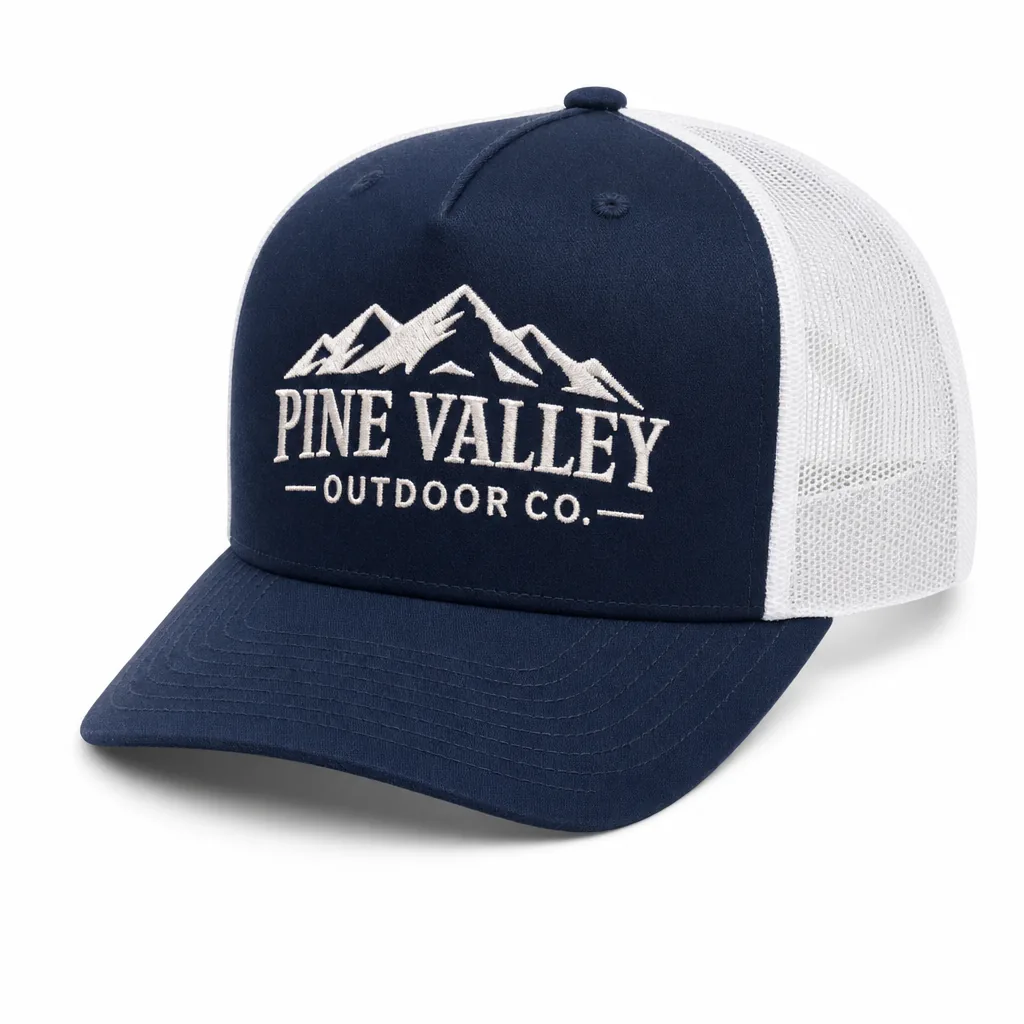
Wholesale Trucker Hats with Custom Logo: A Complete Bulk Sourcing Playbook
Read article →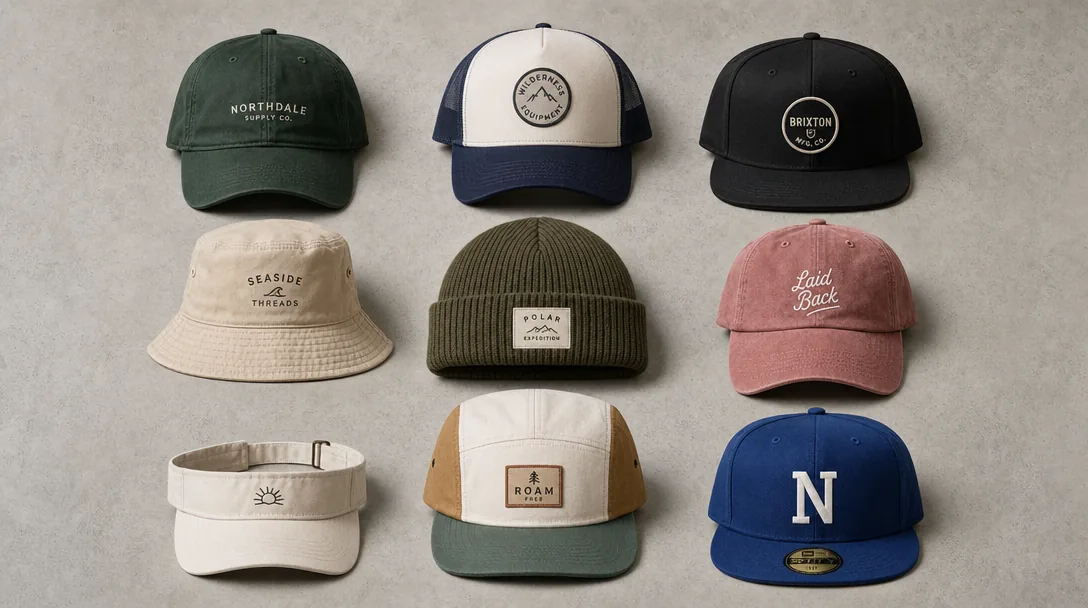
Private Label vs White Label Caps: Which Model Fits Your Brand?
Read article →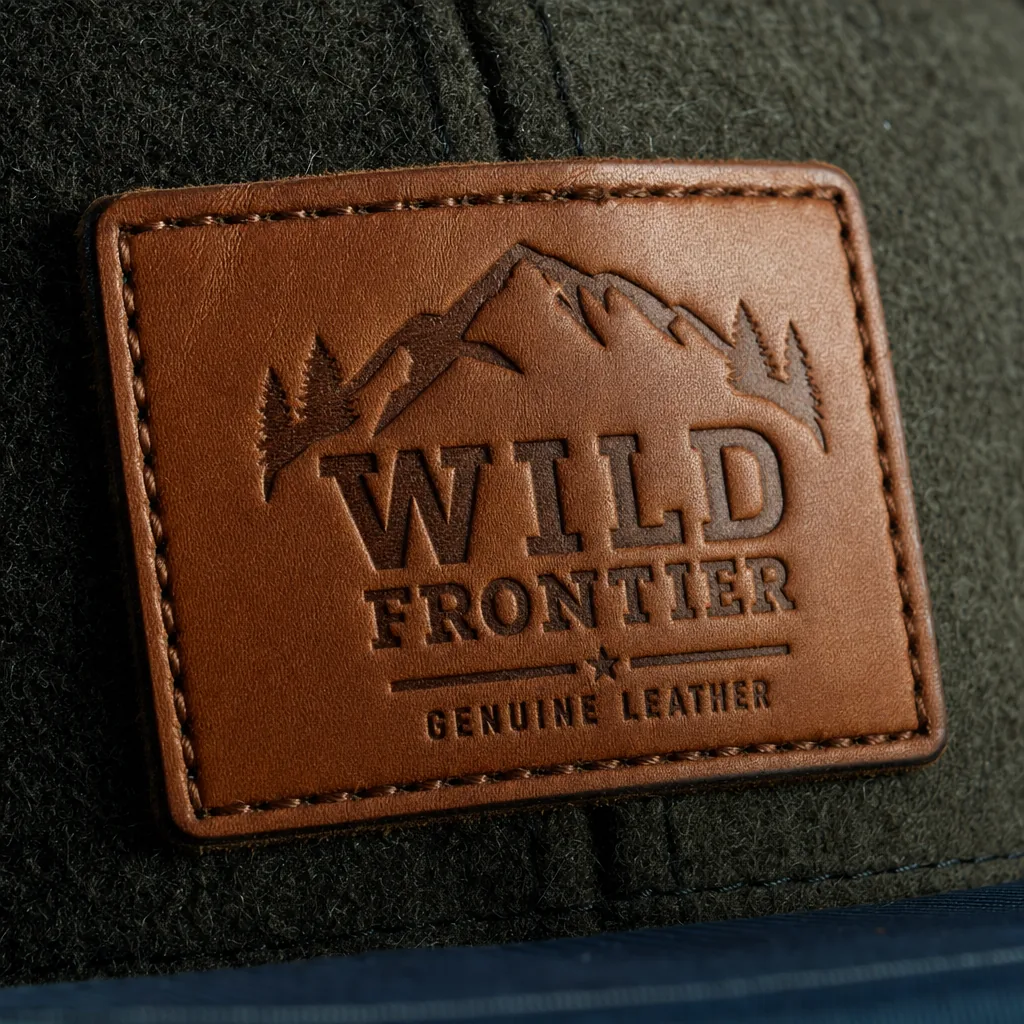
Custom Hat Patch: When to Use It, Costs, and What to Ask Your Factory
Read article →We hope this guide demystifies fitted hats custom: a vertical-specific sourcing guide and helps you move forward with confidence. If you have questions specific to your project, our English-speaking sales engineers are one message away.