
What's in a Cap Tech-Pack: A Specification Template for Buyers (2026 Update) - Cost & MOQ Breakdown - 2026 Buyer's Guide (2026 Update)
Every week, our sales team answers detailed questions about what's in a cap tech-pack: a specification template for buyers (2026 update) - cost & moq breakdown - 2026 buyer's guide (2026 update). We wrote this guide so that wholesalers, streetwear brands, corporate buyers and promotional resellers can compare options with full information, and avoid the traps that show up only after production has started.
Why a tech-pack saves you weeks of email back-and-forth
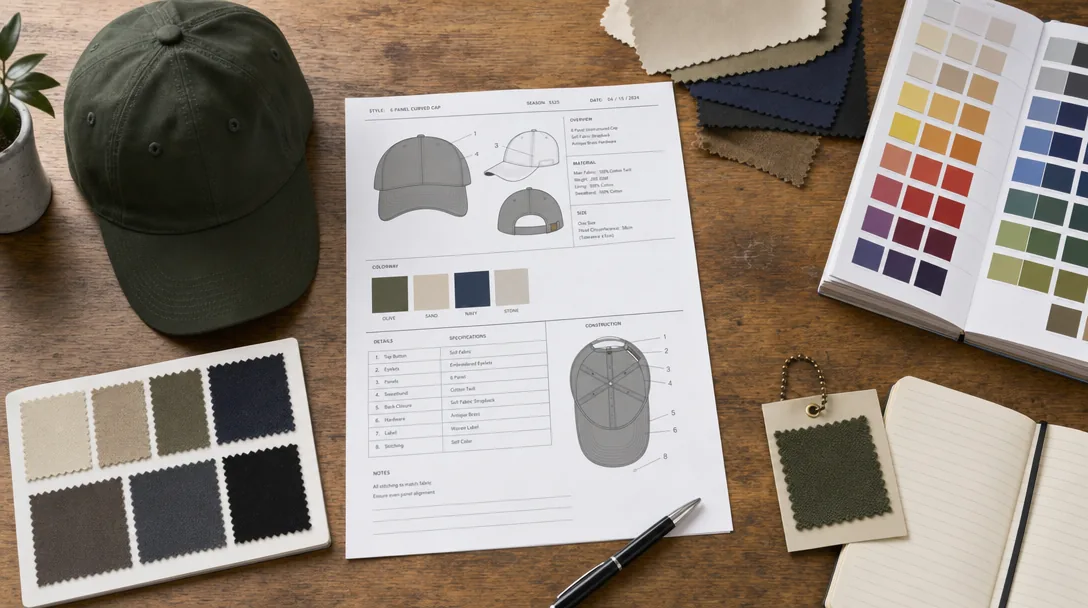
A cap tech pack template saves weeks because it turns opinions into production data before the sample room cuts fabric. “Structured 6-panel” is not a specification: one factory may use 180 gsm hard buckram on the front two panels, another may use 120 gsm fusible interlining and still call the cap structured. Lock the crown height, panel shape, seam allowance, visor length, visor curve radius, sweatband composition, seam tape color, eyelet diameter, closure hardware, and finished circumference tolerance. For adjustable caps, ±0.5 cm on circumference is workable; for fitted caps, grade every size from 6 7/8 to 8 with separate crown depth and band measurements. Logo placement should reference fixed points, such as center-front seam, visor edge, or side-panel seam, not “centered.” Color needs the same discipline: Pantone TCX for fabric, Pantone C or thread-code equivalents for embroidery, and Delta-E under 1.5 for brand-critical lab dips. With those fields completed, the supplier quotes your intended cap, not the closest stock block already hanging near the cutting table.
Most sample delays come from unanswered micro-decisions, not difficult sewing. A complete custom cap specification lets pattern making, fabric matching, trim sourcing, and embroidery digitizing run in parallel, so a first salesman sample can normally ship in 6 to 8 calendar days after artwork confirmation. A vague brief easily becomes 12 to 15 days because the merchandiser must stop to confirm flat embroidery or 3D puff, 3 mm or 5 mm foam underlay, Madeira-to-Polyneon thread conversion, woven label or satin label, brass buckle or matte black plastic snap, and PE visor board or recycled PP. Each late answer parks one workstation while another waits. Our standard practice at CrownsForge is to freeze the cap design specification before cutting, because changing from a structured baseball cap to an unstructured dad cap changes the front-panel block, fusing method, pressing temperature, crown collapse, and final fit on the head form.
The real cost saving is fewer revision loops. A loose brief often needs 3 to 4 physical samples before approval, and each DHL or FedEx parcel typically adds $35 to $80 depending on destination, declared value, and account terms. Redigitizing a logo after the wrong stitch effect is sampled can add $20 to $60, especially when switching from flat fill to 3D puff on Tajima, Barudan, or ZSK embroidery heads. A clean tech pack usually narrows approval to one correction round for hand-feel, crown depth, visor curve, or lab-dip adjustment. It also prevents MOQ surprises: custom-dyed cotton twill often starts at 300 to 500 pieces per color, while stock 16x12 cotton twill, 210D polyester, or ripstop may run at 100 to 144 pieces. When fabric, trims, stitch count, carton packing, AQL 2.5 inspection level, and compliance needs such as sedex-audit-cap-supplier-guide.html">BSCI 2.0 or Sedex SMETA 4-Pillar are stated up front, the quotation becomes a defensible FOB price instead of a padded guess.
The seven sections of a complete cap tech-pack
A complete cap tech pack template is a purchasing control document, not a design mood board. I will not release a firm quote until seven sections are locked: silhouette and construction, fabric and color standard, decoration artwork, trims and closures, sizing and fit, labels and compliance, and packing/cartonization. The construction page must state panel count, crown profile, structured or unstructured build, buckram type, visor shape, visor-board material, eyelets, top button, seam tape, sweatband, and stitch rows. A usable line item reads: 6-panel structured baseball cap, medium profile, 15.5 cm front crown height, 5 mm sponge-backed buckram, 1.7 mm PE visor board, pre-curved visor, eight visor stitch rows, 30 mm cotton sweatband, self-fabric strap with antique brass slide buckle. That is a manufacturable spec; “black baseball cap” is not. These choices move FOB by real money: PE versus recycled PP visor board, cotton versus moisture-wicking sweatband, or custom buckle tooling can change cost by US$0.25–0.70 per piece. MOQ also changes fast: 144–300 pieces may work for stock cotton twill, while custom-dyed fabric, jacquard seam tape, branded metal hardware, or Pantone-matched mesh usually pushes 500–1,000 pieces per color.
Fabric and decoration pages need measurable standards because most sample failures come from color drift and logo interpretation, not sewing skill. Specify composition, weave, yarn count or denier, weight, finish, and color reference: 100% cotton twill, 16x12 construction, 260 gsm, enzyme washed, Pantone 19-4007 TCX, approved lab dip with Delta-E ≤1.5 under D65. Performance caps need the same discipline: 150D polyester micro-ripstop with PU coating, 90 gsm polyester mesh, UPF 50+ report, moisture-wicking sweatband test, or GRS transaction certificate if recycled content is claimed on a hangtag. Decoration specs must include vector artwork, finished logo size, placement from seams and visor edge, thread brand or Pantone match, flat versus 3D puff, backing, foam thickness, stitch density, and tolerance. A 55 mm front 3D puff logo at roughly 12,000 stitches on Tajima, Barudan, or ZSK heads usually adds US$0.45–0.90; a 6,000-stitch flat embroidery adds about US$0.20–0.35. For patches, define woven, rubber PVC, leather, chenille, or embroidered; then specify merrowed edge, satin border, heat press, adhesive plus sew-down, and whether the patch must pass a 40°C wash test.
The last three sections decide whether approved hats can ship without relabeling, repacking, or retailer chargebacks. Sizing and fit should include circumference range, crown height points, visor length and width, tolerance table, and fit sample reference; for adjustable adult caps, I normally allow ±3 mm on crown and visor measurements and ±5 mm on circumference. Label and compliance pages should show main woven label, country-of-origin label, fiber content, care symbols, RN number for U.S. sales, size label if used, hangtag, UPC/EAN sticker, price ticket, and licensed-brand hologram position. Packing specs must define polybag thickness, suffocation warning, crown insert, silica gel, nested or non-nested packing, inner bundle count, carton quantity, carton dimensions, gross-weight limit, and barcode face. A normal export pack is one cap per 0.03 mm polybag, 25 pieces per inner, 100 pieces per 60 x 45 x 38 cm master carton, kept below 15 kg gross. At CrownsForge, the approved sample is frozen against AQL 2.5 major / 4.0 minor criteria. Missing carton or label data looks harmless during sampling, but repacking commonly costs US$0.08–0.20 per cap and can delay FOB handover by three to five working days.
Tech sketches: front, side, back, optional underbrim
Scaled vector drawings are the control point in a cap tech pack template; reference photos only communicate styling direction. Submit front, left side, back, and underbrim views as AI, PDF, or DXF at 1:1 scale, or 1:2 with a locked 50 mm scale bar, revision date, and measurement units on every sheet. Each view should show the sewing map: center-front seam, panel break lines, visor join seam, sweatband line, eyelet position, top button, back arch, closure opening, label boundary, patch boundary, and any contrast panel. A 6-panel structured snapback, 5-panel camper, unstructured dad cap, foam-front trucker, and lightweight running cap use different crown blocks and sewing sequences; if the sketch does not show the block clearly, the pattern master will make assumptions before the first sample is cut.
Profile descriptions must be converted into dimensions. For a structured 6-panel, call out front crown height, center-front panel width, side panel angle, visor length, buckram coverage, and whether the buckram is fused, floating, or foam-laminated. “Mid-profile” is not enough; one factory may read it as 155 mm front height, another as 170 mm, so specify the target and tolerance, typically ±5 mm for crown height and ±3 mm for brim length. If the design includes a flat visor, sandwich brim, rope, curved peak, foam front, or 5 mm raised embroidery, the side view must show the stack-up at the visor seam. Our standard practice at CrownsForge is 6–8 mm seam allowance, visible topstitch 2–3 mm from the edge, and logo placement tolerance of ±2 mm after shrinkage and blocking.
Put stitch construction on the sketch with leader lines, not in a loose note at the end. Specify single-needle topstitch, double-needle rows, overlock, binding tape, bartacks, crown taping, visor stitch rows, contrast thread, and decorative stitch width. A standard curved visor often uses 6 or 8 rows at 5–6 mm spacing; a streetwear flat brim may use 4 rows at 8–10 mm spacing with 20s/3 or 40s/2 polyester thread, depending on fabric weight and needle size. Mark embroidery safe zones when artwork crosses a seam: Tajima, Barudan, and ZSK heads hold registration well, but satin columns fail when a logo sits 3 mm from a bulky center seam or over sandwich piping. The underbrim view is required for contrast fabric, printed undervisor artwork, reflective binding, sublimated taping, sticker placement, or separate Pantone TCX targets. Add inspection tolerances beside the arrows: back opening ±4 mm, stitch spacing ±1 mm, and solid color match Delta-E ≤1.5 after lab-dip approval.
Fabric and color spec: GSM, weave, Pantone references
Fabric is where cap quotes go wrong first, because “cotton twill” is not a specification. A reliable cap tech pack template should state fiber content, yarn count or construction, weave, finished weight, dye method, and finish in one line: 100% cotton 16x12 / 108x56, 3/1 twill, 260 gsm, reactive dyed, enzyme washed; or 80/20 acrylic-wool, 300 gsm, brushed face, fused front panels, for a structured flat bill. For unstructured dad caps, I usually keep cotton twill at 230–280 gsm; below 220 gsm the crown collapses after washing, while above 300 gsm the panel seams bulk up and the sweatband join can feel hard against the forehead. Nylon taslan for outdoor caps is normally 110–160 gsm, 70D–160D, often with PU coating or C0 DWR. Polyester performance pique runs 180–220 gsm. If the buyer writes “premium cotton,” the factory can legally quote the lowest-cost greige fabric that matches color, not the hand-feel of the approved sample.
Weight, weave, and finish must be separated because the sewing behavior changes even at the same gsm. A 260 gsm cotton canvas gives a flatter screen-print surface but puckers earlier at the front seam; a 260 gsm 3/1 twill drapes better and hides needle marking around Tajima, Barudan, or ZSK embroidery. Corduroy needs wale count—8-wale, 11-wale, or 14-wale—because it affects cutting yield, logo scale, and whether small embroidery sinks into the pile. Wool blends should define melton, serge, flannel, or felted finish, plus whether fusible backing is allowed on front panels and what stiffness is required after pressing. Our standard practice at CrownsForge is to approve bulk fabric only after hand-feel review, steam pressing, and shrinkage testing; more than 3% shrinkage after pressing can twist the crown and move visor alignment by 2–3 mm. The spec should also call out nap direction, grain direction, PU coating, DWR, heat-press temperature limit, and laser-applique suitability.
Color control belongs in the fabric section, not only in the artwork file. Use Pantone TCX or an approved physical fabric swatch for shell fabric, not HEX, RGB, or a website screenshot. A workable line reads: “Crown fabric: Pantone 19-4007 TCX Jet Black, Delta-E ≤1.5 versus approved lab dip under D65, 10° observer.” Pantone C is fine for hangtags, printed labels, and some silicone patches, but dyed fabric should use TCX, TPX, or a sealed swatch because cotton, nylon, polyester, and wool absorb dye differently. Lab dips typically need 5–7 days per round; olive, bone, beige, burgundy, washed black, and faded vintage colors often need two or three rounds. The cap tech pack template should list separate color references for crown, visor top, underbrim, sweatband, seam tape, eyelets, button, embroidery thread, and contrast stitching, using Madeira, Gunold, or Robison-Anton thread codes where possible. Otherwise “navy cap with white logo” can become several different caps before AQL 2.5 inspection catches anything.
Decoration spec: technique, placement, dimensions, color count
Decoration is the highest-risk block in a cap tech pack template, so write it like a production ticket, not a design note. Name the exact process: flat embroidery, 3D puff, appliqué, woven patch, chenille, sublimated patch, TPU transfer, silicone badge, debossed leather patch, screen print, or high-density print. For embroidery, specify cut-panel sewing before assembly versus finished-cap sewing on cap frames. Large front logos on structured 5-panel and 6-panel caps should usually run on cut panels; side marks, back arches, and over-strap logos are normally sewn after assembly on Tajima, Barudan, or ZSK cap frames. Add thread type, backing, stitch style, stitch density, trim tolerance, and foam spec. Standard puff uses 2.0–3.0 mm EVA foam; strokes under 2.0 mm, tight counters, thin serifs, and hairline gaps will collapse or fill. If raw appliqué edges, open gaps, distressed outlines, or loose-thread effects are intentional, state that clearly so the digitizer does not “clean up” the logo and change the brand look.
Placement must be dimensioned from construction points, because “front logo” is not enough for a line supervisor. Use front center, left-wear side, right-wear side, back arch, strap, underbill, sweatband, or inside taping, then give coordinates: “front center, 50 mm W × 30 mm H, bottom edge 22 mm above visor seam, centered on front seam.” On a curved structured 6-panel, keep front embroidery around 115 mm wide × 55 mm high or smaller unless you approve distortion across the panel break and slower cap-frame speed. Side embroidery is safest at 45–70 mm wide; back-arch text needs 8–10 mm clearance from the strap opening and seam bulk. Attach a scaled mockup with arrows, plus vector artwork in AI, EPS, SVG, or editable PDF. A 72 dpi PNG is only a visual guide. For sublimation, screen print, TPU, and heat transfers, provide 300 dpi artwork at actual size with bleed, cut contour, adhesive film type if known, and matte, gloss, or raised finish specified.
Color count and stitch data change cost, MOQ, and AQL rejection rates, so do not let the factory guess. Use Pantone TCX for fabric, Pantone Solid Coated for printed decoration, and thread references such as Madeira Classic, Gunold Poly, or Coats Sylko. For licensed retail programs, set color tolerance at Delta-E ≤ 1.5 under D65 lighting; for promotional orders, ΔE ≤ 2.0–2.5 is usually practical. List stitch count, color sequence, and visible-trim rules: “flat embroidery, 8,500 stitches, 3 colors, Madeira 1001 white / 1000 black / PMS 186C match, no visible jump stitches on face.” If stitch count is unknown, quote after digitizing and strike-off, not from a JPEG. As a realistic FOB add-on, a 6,000-stitch flat front logo adds about US$0.35–0.55 per cap; a dense 14,000-stitch 3D puff front adds US$0.90–1.40 depending on thread changes, trims, reject rate, and machine speed. At CrownsForge, bulk embroidery is released only after a photographed strike-off and physical sample review under D65 light.
Packaging and label spec: polybag, hangtag, sticker, carton
Packaging has to be specified by size, resin, thickness, print, and packing direction; “factory standard polybag” is how crowns get crushed and Amazon cartons get rejected. In the cap tech pack template, tie the bag size to the cap profile: a low- or mid-profile 6-panel curved-brim cap usually fits 28 x 33 cm, while foam-front truckers, flat-brim 5-panels, and high-crown snapbacks normally need 30 x 36 cm so the front panel is not compressed. State LDPE, HDPE, CPP, or recycled PE; thickness in microns; flap, self-seal, or heat-seal closure; and whether the cap is packed crown-up, brim-forward, or nested. For export retail, 35–40 micron LDPE is common. Amazon FBA-style suffocation-warning bags are usually at least 38 microns with warning text around 5 mm high, placed away from the barcode scan zone. If recyclability is required, specify the PE-LD 04 mark, ink color, language, and position. Two 5 mm vent holes reduce moisture buildup during 28–35 days by ocean freight from Ningbo or Shanghai, but some dust-control retail programs reject perforated bags, so this must be decided before bulk packing.
Hangtags, brim stickers, UPC labels, and care labels are not decoration; they are line-time and compliance items. A usable spec lists hangtag size, stock, finish, hole diameter, attachment hardware, attachment point, and sequence. A streetwear tag might be 55 x 90 mm, 350 gsm C1S art card, matte lamination, 3.5 mm punched hole, black cotton string, and a 19 mm black safety pin through the rear opening. A promotional cap may use 300 gsm card with a clear plastic loop, saving about $0.015–$0.035 per cap and speeding packing. On our lines, loop tags run about 700–900 pcs per worker-hour; safety pins slow to 350–500 pcs, which becomes real money on a 20,000-piece PO. Brim stickers need diameter, foil or paper finish, removable adhesive grade, and placement tolerance. A 50 mm gold-foil removable sticker is common on snapbacks, placed within ±2 mm of the brim centerline. Do not approve permanent adhesive without aging tests; it can leave residue on cotton twill, brushed canvas, PU suede, or enzyme-washed fabric after three months in a 40°C container.
Carton specs should be locked before bulk cutting because they drive CBM, pallet loading, retailer scan compliance, and AQL inspection planning. State pieces per carton, inner-bag quantity, board grade, flute, carton dimensions, gross and net weight, sealing method, strapping, shipping marks, and retailer label zones. A typical 50-piece carton for 6-panel caps is about 60 x 45 x 38 cm, using 5-ply K=A or B=C flute, with 8–10 kg gross weight depending on metal buckle, sandwich brim, embroidery stitch count, and crown height. Carton marks should show PO number, SKU, color, size if applicable, quantity, carton number, country of origin, and an open area for FNSKU, GS1-128, or retailer routing labels. Barcodes should be supplied as vector EAN-13, UPC-A, Code 128, or QR files and test-scanned on printed stock, not only on screen. Big-box and marketplace programs may require ISTA 1A, ECT 32, burst-strength values, pallet height limits, or “do not clamp” marks. If these are missing from the cap tech pack template, the factory will guess, and the buyer usually pays for relabeling, repacking, or airfreight recovery.
Frequently Asked Questions
How long does production take?
Sampling takes 7 to 12 days. Bulk production runs 20 to 30 days depending on quantity, fabric availability and decoration complexity. Inspection and packing adds another 3 to 5 days before shipment.
Do you support sustainability certifications?
Yes. We work with GOTS organic cotton, GRS-certified recycled polyester, OEKO-TEX Standard 100 fabrics, and are BSCI and Sedex audited. Certification documentation can be provided per order.
What file format should I send for my logo?
Vector files (AI, EPS, PDF) are ideal. High-resolution PNG or JPG at 300 dpi on transparent background works as a fallback. Provide Pantone color references for accurate reproduction.
What is the minimum order quantity (MOQ) for custom hats?
Our standard MOQ is 100 pieces per design and color, with sampling available from 1 piece. For complex multi-color logos or premium fabric upgrades, the MOQ can be lowered with a small per-piece surcharge.
Can I order a sample before bulk production?
Yes. We strongly recommend approving a pre-production sample before mass production. Samples are charged at 35 to 60 USD each plus express shipping, fully refundable against confirmed bulk orders over 500 pieces.
How does ordering custom patch trucker hat work?
When evaluating custom patch trucker hat, the key considerations are construction quality, decoration capability, MOQ flexibility and lead time. Technique (3D puff / flat embroidery / patch), placement (front center, side, back), dimensions (e.g. 5cm wide × 3cm tall), stitch count if known, color count and Pantone references. Without a tech-pack, your factory invents details that contradict your assumptions. With one, sampling lead time drops from 14 days to 7 and revision rounds drop from 4 to 1.
How does ordering baseball cap custom work?
When evaluating baseball cap custom, the key considerations are construction quality, decoration capability, MOQ flexibility and lead time. Without a tech-pack, your factory invents details that contradict your assumptions. With one, sampling lead time drops from 14 days to 7 and revision rounds drop from 4 to 1. Tech sketches, fabric spec, color spec, decoration spec, construction spec (panels, closure, eyelets, sweatband), packaging spec, label/hangtag spec.
How does ordering custom baseball cap motorcycle helmet work?
When evaluating custom baseball cap motorcycle helmet, the key considerations are construction quality, decoration capability, MOQ flexibility and lead time. Without a tech-pack, your factory invents details that contradict your assumptions. With one, sampling lead time drops from 14 days to 7 and revision rounds drop from 4 to 1. Tech sketches, fabric spec, color spec, decoration spec, construction spec (panels, closure, eyelets, sweatband), packaging spec, label/hangtag spec.
How does ordering custom bucket hat embroidered work?
When evaluating custom bucket hat embroidered, the key considerations are construction quality, decoration capability, MOQ flexibility and lead time. Without a tech-pack, your factory invents details that contradict your assumptions. With one, sampling lead time drops from 14 days to 7 and revision rounds drop from 4 to 1. Tech sketches, fabric spec, color spec, decoration spec, construction spec (panels, closure, eyelets, sweatband), packaging spec, label/hangtag spec.
Looking for a reliable hat manufacturer in China?
CrownsForge has produced custom hats for 800+ brands across 40 countries. From 100-piece launches to 100,000-piece retail programs, we deliver on time and on spec.
Get in touchRelated guides
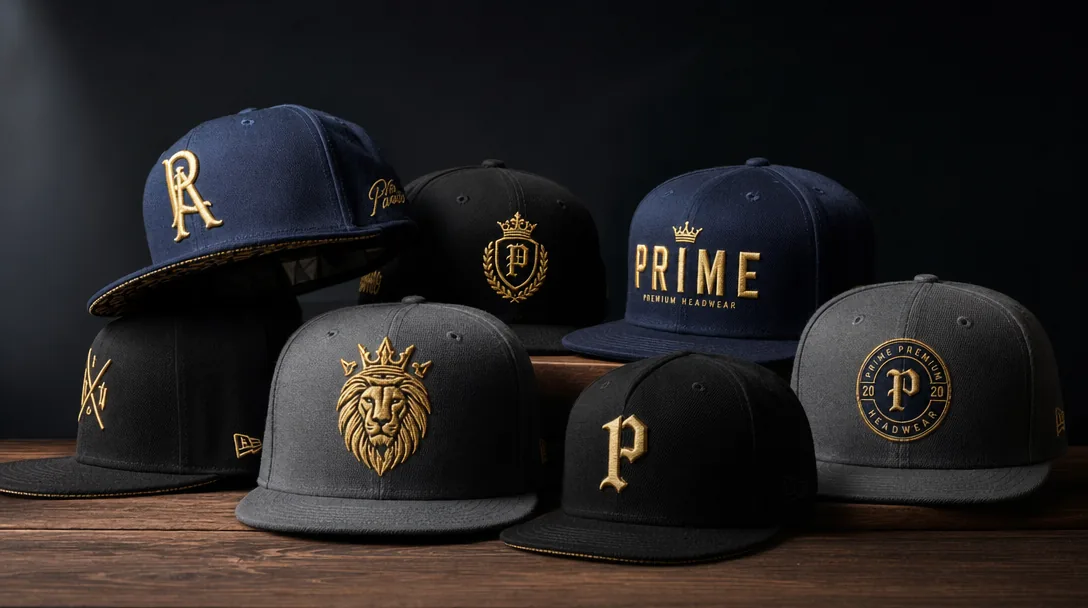
Custom Leather Patch Hat Low Minimum: A 2026 B2B Sourcing Guide
Read article →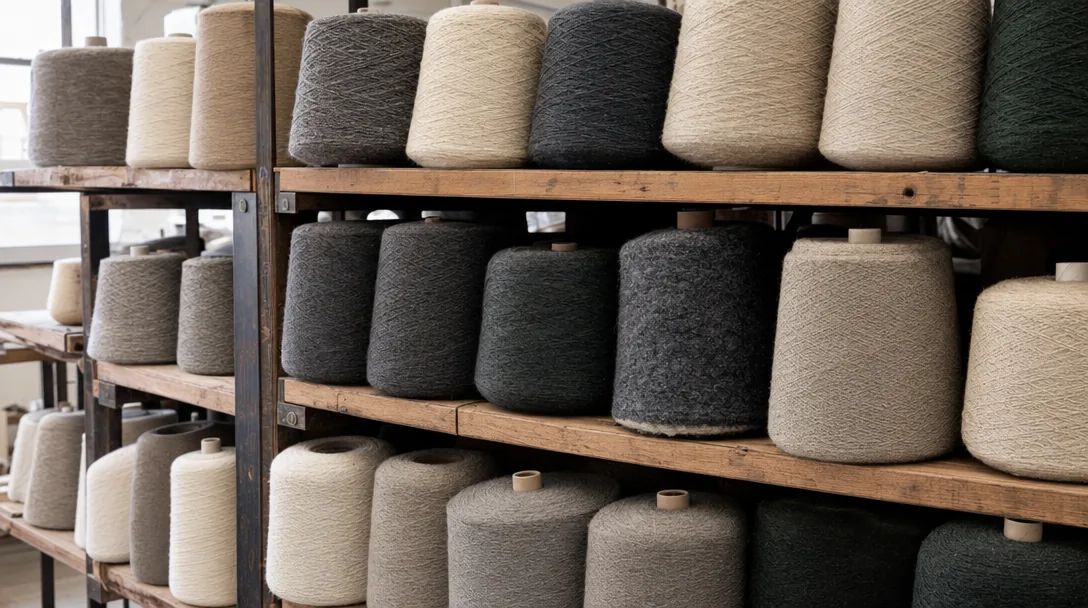
Mens Beanies: Properties, Costs and How to Spec It Right
Read article →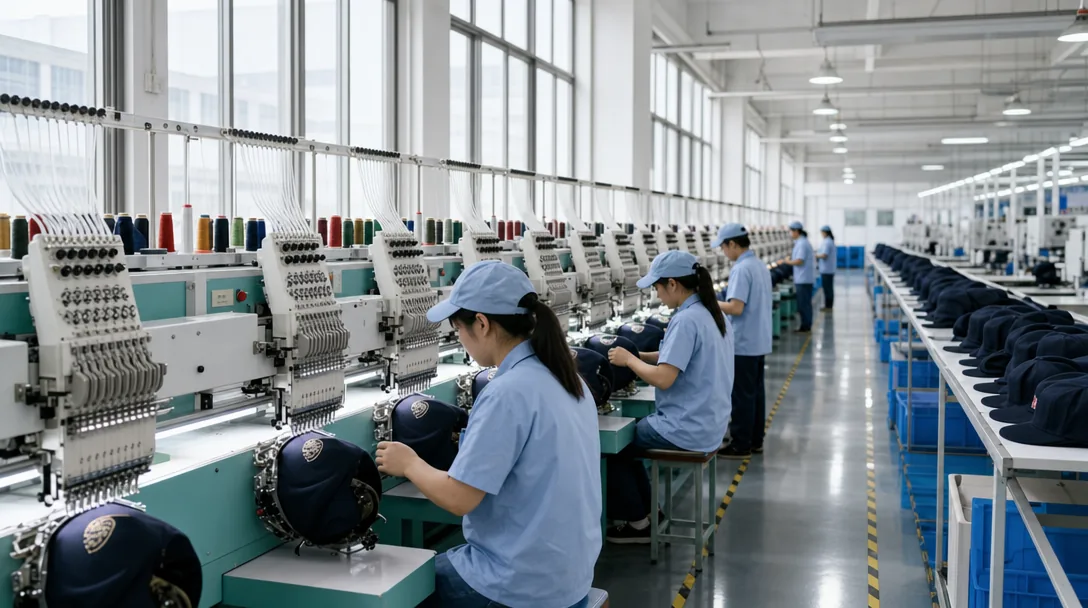
Bulk Trucker Hats Export Shipping Checklist for Custom Hat Buyers - Cost & MOQ Breakdown - Supplier Checklist
Read article →We hope this guide demystifies what's in a cap tech-pack: a specification template for buyers (2026 update) - cost & moq breakdown - 2026 buyer's guide (2026 update) and helps you move forward with confidence. If you have questions specific to your project, our English-speaking sales engineers are one message away.