
Bucket Hat Men: A Vertical-Specific Sourcing Guide - Supplier Checklist
Bucket Hat Men: A Vertical-Specific Sourcing Guide - Supplier Checklist is one of the most-asked questions we receive from international buyers, and for good reason. With dozens of factories competing for your order and an alphabet soup of technical terms in every supplier quote, even experienced importers can feel lost. This guide consolidates what we have learned producing custom hats for clients in 40+ countries.
Baseball Hats Men's
The hard part in a baseball cap program is not the decoration; it is holding geometry within tight tolerances. A standard men’s 6-panel cap typically uses 260–320 gsm cotton twill or brushed chino, buckram-backed front panels, a PE visor board around 1.8–2.2 mm, and a sweatband in the 180–220 gsm range. Once you build in that much structure, small errors show fast: a front-panel mismatch of 2 mm, a visor arc that relaxes after steam blocking, or crown seams drifting off center will make bulk goods look cheap on arrival. Embroidery makes the risk worse. On Tajima, Barudan, or ZSK heads, high-density fills can distort the crown if the digitizer does not compensate for buckram stiffness, push-pull, underlay type, and stitch density. That is the practical difference versus bucket hat men assortments: bucket styles tolerate more variation because they do not depend on a rigid front profile or a perfectly matched visor curve.
A usable tech pack for baseball caps needs numbers, not mood-board language. Lock fabric as 100% cotton twill 280 gsm ±5%, 16x12 brushed chino, or 150D recycled polyester; define crown height, visor length, seam tape width, eyelet construction, closure type, and hardware finish. Color should be matched to Pantone TCX or TPX with lab-dip approval and a Delta-E target below 1.5 across shell, sweatband, undervisor, and strap, because shade variation is one of the first failures buyers notice. For fitted programs, list real head sizes such as 6 7/8, 7, 7 1/8, and 7 1/4 with corresponding internal circumferences in centimeters, not vague S-M-L grading. Also specify visor stitch rows, SPI range, top-button alignment tolerance, logo position from center front, and embroidery limits by width, height, and stitch count. Final inspection should run to AQL 2.5 with focus on visor warping, off-center embroidery, seam puckering, twisted sweatbands, loose rivets, and crown-to-closure shade variation. Compared with bucket hat men production, structured caps are less forgiving on rework, so those controls need to be set before sampling, not after bulk problems appear.
MOQ and FOB cost move quickly once you add complexity. Stock-fabric baseball caps usually start around 144–300 pieces per color, but fitted size runs, custom-dyed fabric, branded inside taping, or mixed closure assortments normally push MOQ to 500–1,000 pieces because cutting ratios, bundling, and carton packing get more complicated. In Zhejiang, a plain cotton twill cap with flat embroidery commonly lands around $2.20–$3.80 FOB China at 300–500 pieces. Add 3D puff embroidery, recycled performance poly, woven patch application, sandwich visor, or a branded metal buckle, and you are typically in the $4.20–$6.50 FOB range before inserts, stickers, or retail packaging. Buyers comparing this with bucket hat men programs should be realistic: structured caps absorb more labor hours, create more reject risk at sewing and embroidery, and usually generate higher rework scrap. A factory that can hold cap geometry consistently while maintaining sedex-audit-cap-supplier-guide.html">BSCI 2.0 or Sedex SMETA 4-Pillar discipline is generally a safer long-term choice than one with a sharp sample table but weak bulk control.
Men's Bucket Hat
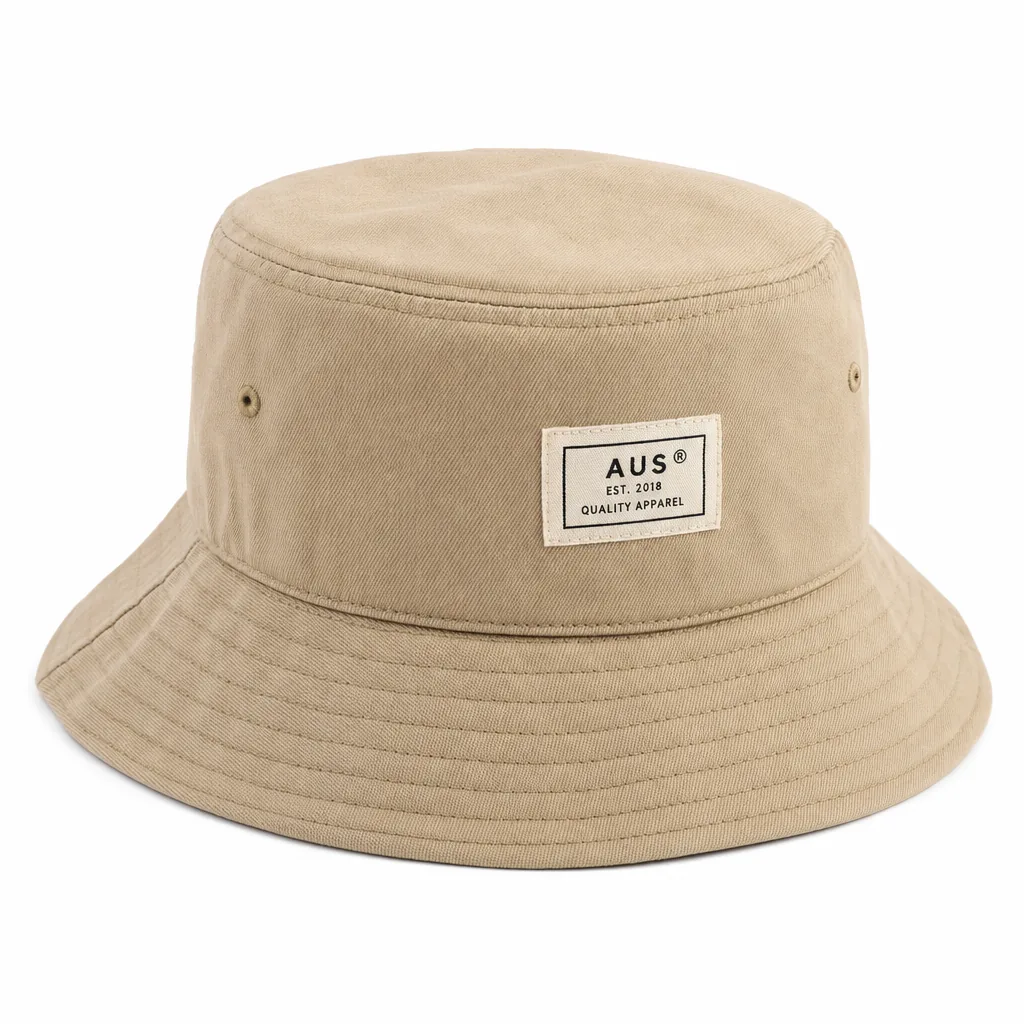
Lock the pattern before you argue about logos; on a bucket hat men program, silhouette errors cost more than decoration mistakes. A factory that knows what it is doing will cut 6-panel or 8-panel crowns with a separate brim ring, then control sewing order tightly: panel join, crown closing, eyelet setting, sweatband installation, brim attachment, 4-6 rows of brim topstitching, pressing, and final blocking on a heated aluminum mold. For dependable bulk production, the safest shells are 100% cotton twill at 220-260 gsm, washed canvas at 240-300 gsm, or recycled polyester at 120-160 gsm with PU backing for outdoor use. Adult men’s starting specs are usually 58 cm head circumference, 5.5-6.0 cm brim width, and 8.5-9.0 cm crown height, but a 0.5 cm shift in brim or crown can make the hat read fashion, fishing, or promo immediately. If you want front embroidery on soft fabric, call out a 30-50 gsm tricot fuse or light front support; otherwise washed cotton will pucker, especially on dense fills above roughly 8,000-10,000 stitches. Freeze practical details early: metal versus embroidered eyelets, sweatband material, seam taping, woven label placement, and Pantone TCX references for shell, trim, and branding.
The spec sheet for bucket hat men should be tighter than many buyers use for baseball caps, because brim distortion and size drift show up fast. Set head circumference tolerance by size at ±0.5 cm, brim width at ±0.3 cm, crown height at ±0.5 cm, and topstitch density around 7-9 SPI depending on fabric weight and wash. Require lab dips approved to Delta-E 1.5 or better under D65 lighting, plus fabric shrinkage data after wash if the style uses pigment wash or enzyme wash. MOQ in China is commonly 300-500 pcs per colorway in stock fabric, though some factories will open 144 pcs if they already hold matching twill, standard sweatbands, and stock trims. A straightforward cotton twill bucket hat men style with flat embroidery usually prices around $2.10-$3.40 FOB Ningbo or Shanghai at 500 pcs; washed heavyweight canvas with interior taping, woven label, and all-over print is more realistically $3.80-$5.80. Inspection is where weak suppliers get exposed: watch for brim waviness, eyelet puckering, crown torque, off-center embroidery, loose threads at the sweatband join, and carton-to-carton shade variation. I would hold bulk to AQL 2.5, approve a physical PPS before cutting, and verify embroidery registration against the strike-off and machine file from Tajima, Barudan, or ZSK heads rather than trusting one clean sample.
Baseball Hats for Men
Baseball caps expose a factory’s real process control faster than almost any casual headwear style. If the supplier cannot hold crown profile, brim symmetry, and finished circumference on a 6-panel cap, they usually will not hold the softer geometry that bucket hat men programs depend on either. The spec points that matter are not vague notes like “structured” or “premium cotton,” but measurable controls: front-panel buckram at 0.35-0.50 mm, low-profile versus mid-profile crown height, visor insert material, fabric weight, and head-size tolerance measured on the inside sweatband. For a washed dad-cap hand, I would state unstructured front, no buckram, enzyme-washed cotton twill at 220-260 gsm, and a finished circumference tolerance of +/-0.5 cm. For a firmer retail shape, call out full-fused front panels, PE visor board, and crown panels cut on grain to reduce torque after washing. Color and fabric approval need the same discipline. Do not approve from a phone photo or a Pantone book alone; approve against the actual dye lot, with Pantone TCX reference and a Delta-E target below 1.5 under D65 light. Common workable shells are 260 gsm brushed cotton twill, 240-280 gsm poly-cotton canvas, or 300D recycled polyester for performance caps, each with different shrinkage and seam-bulk behavior. A normal cap line runs cutting, eyelet embroidery, panel joining, sweatband setting, visor sewing, closure attachment, trimming, and steam shaping, so every missing spec becomes a factory decision made for speed instead of consistency. That same discipline carries over directly to bucket hat men sourcing, where crown-wall balance and brim width tolerance are even more visible at retail.
Cost is usually misread by buyers who focus on sewing minutes instead of complexity. At 500 pieces per colorway, a basic cotton-twill baseball cap with flat embroidery on Tajima or Barudan heads is commonly around US$2.10-US$3.80 FOB China, while 3D puff embroidery adds roughly US$0.20-US$0.45 and applique or felt patch work adds US$0.35-US$0.90 depending on stitch count, backing, and setup loss. Fitted runs cost more than snapbacks because every size break increases WIP segregation, carton sorting, and final measurement checks. If you need dyed shell fabric, branded seam tape, custom metal closures, or woven labels, most factories will want at least 300-500 pieces per colorway to keep material waste and changeover under control. QC should stay centered on defects that trigger chargebacks, not cosmetic trivia. The recurring failures are visor lean, center-front logo shift, seam puckering at the front panels, sweatband join bulk, color shading between panels, and mixed circumferences inside the same carton. For embroidery, satin columns under 0.8 mm and dense fills are where bad digitizing shows up first, especially if the factory runs too fast on older heads. I would hold final inspection at AQL 2.5, require dry and wet crocking at grade 4 minimum, and spot-check logo placement, brim arc consistency, and circumference grading by size set such as 54, 56, 58, 60, and 62 cm. That is relevant to bucket hat men buying because a supplier that misses basic cap grading and embroidery tension usually also struggles to keep bucket brims even and crown seams balanced.
Designer Bucket Hats
Silhouette control is the make-or-break variable in designer bucket hats; branding comes after the pattern is frozen. For bucket hat men programs, the tech pack should lock crown-top diameter, side-wall height, finished head opening, brim width, and brim drop angle with numeric tolerances, not sketches and comments. A sellable premium bucket usually runs 4 to 5 structural panels—crown top, side band, brim upper, brim under, and sweatband or seam binding—and each panel changes how the hat stands, collapses, and recovers after wear. Fabric specs need to be equally explicit: 100% cotton twill at 280–320 gsm gives a dense, stable hand; washed canvas at 240–300 gsm reads more casual but still holds shape; nylon taslon at 120–160 gsm works when the brief wants a lighter technical look. If the silhouette needs a crisp luxury brim, specify 0.35–0.50 mm EVA or nonwoven fusible interlining and 6-row to 8-row brim stitching at 7–9 SPI. On the factory floor, I would cap tolerance at +/-3 mm on brim width and +/-5 mm on head opening; beyond that, size runs start looking inconsistent on shelf and the profile stops reading intentional.
Designer buckets punish sloppy specs because every sewing fault stays visible once the body softens. Use Pantone TCX for shell, lining, tape, and thread, and define color acceptance up front—Delta-E under 1.5 for matched components is realistic on better orders, while anything above 2.0 starts showing under retail LED lighting. Size grading should use finished circumference targets such as 58 cm and 60 cm rather than vague S/M and L/XL blocks, especially if you sell into markets that already buy fitted headwear by exact size. Call out eyelet finish, wash formula, embroidery size, stitch count, label position, and seam allowance; without that detail, suppliers will “standardize” the style differently from PO to PO. In Yiwu, MOQ is usually 300–500 pcs per colorway in stock fabric, but custom-dyed shell, printed lining, branded seam tape, or rigid gift packaging will push it closer to 800–1,200 pcs. A clean stock-fabric style typically lands around $2.20–$3.80 FOB, while washed canvas with embroidery, woven labels, and upgraded packaging is more often $4.60–$7.50 FOB. The predictable failure points are brim waviness from uneven feed tension, seam torque on the side band, oval head openings from crown mismatch, and puckering on Tajima or Barudan embroidery heads when the shell is too light or poorly backed. For bulk, AQL 2.5 is common, but appearance-driven designer orders often tighten to AQL 1.5 on visual defects.
Cool Bucket Hats for Guys
Most sourcing mistakes on cool styles for bucket hat men come from treating the silhouette like a throwaway promo item. It is not. A production-ready spec usually means 6 side panels plus a top crown, a 5.5-7.0 cm brim, and 1.0-1.5 mm PE or EVA interlining with 4-8 rows of brim stitching to control memory after washing. Fabric choice changes the entire hand feel and sewability: 200-260 gsm cotton twill gives cleaner structure, enzyme-washed canvas softens the crown but can shift after wash, 70D-210D nylon taslon packs lighter and dries faster, and polyester microfiber prints sharply but shows needle marks more easily. If you want embroidery, crown construction matters more than buyers think; flat embroidery on a Tajima or Barudan machine is usually safer, while 3D puff often collapses or looks bulky because a bucket crown has no buckram support like a structured cap. The spec has to lock before you compare quotes, or the cheapest offer is usually built on hidden downgrades. Call out crown height, finished circumference, brim width, stitch-row count, eyelet finish, sweatband material, and decoration method—woven patch, TPU badge, direct embroidery, or screen print. Our standard practice is to reject photo-only approvals because two samples can look nearly identical online and still wear completely differently: one may have brim torque after laundering, another may pucker around the logo, and a third may lose shape because the interlining density was cut to save a few cents. On bucket hat men programs, that difference is what separates a $2.40 promo-grade hat from a $5.80 retail-credible one.
A usable tech pack for bucket hat men should remove guesswork at the factory floor level. Specify shell composition, gsm tolerance of +/-5%, Pantone TCX references, finished head circumference by size, brim width tolerance of +/-0.3 cm, sweatband width, eyelet material, care label language, and carton ratio. Do not let a supplier default to baseball-cap sizing logic. For men’s retail fits, fixed circumferences such as 58 cm, 60 cm, and 62 cm are more reliable than vague S/M or L/XL, and finished circumference tolerance should stay within +/-0.5 cm. MOQ is typically 144-300 pieces per color for stock-dyed bodies, but 300-500 pieces is more realistic if you add all-over print, enzyme wash, contrast binding, or multiple size splits. Pricing needs to be read against construction, not just appearance. In the 2025 China market, FOB for basic cotton twill buckets is commonly $2.10-$3.40, washed or printed versions run about $3.80-$6.20, and styles with metal eyelets, applique, branded seam tape, or low-volume size runs often start at $6.50. Inspection should be set to AQL 2.5, with special focus on brim waviness, twisted crown-to-brim joins, skipped stitch rows, off-center eyelets, and embroidery puckering. On black, navy, and dark olive programs, check shade under D65 light and hold Delta-E below 1.5 across shell, binding, patch, and sweatband components. That is where bulk orders usually fail: not in the first salesman sample, but in color consistency and shape retention across 1,000 pieces.
Funny Bucket Hats
Funny graphics do not forgive a weak decoration process. Most factories still cut novelty styles on the same 2-panel or 4-panel pattern used across broader bucket hat men programs, so the real make-or-break point is artwork fit: flat embroidery for bold icons, woven patches for small text, reactive print for cotton allovers, sublimation for polyester, and high-density screen print only when the panel has enough body to stay flat. Meme faces, halftones, and copy below roughly 4 mm letter height usually collapse in standard embroidery, while 3D foam on a soft bucket crown can torque the front panel unless you add 40 to 60 gsm non-woven fusible backing. A usable tech pack should lock fabric and construction early—220 to 260 gsm cotton twill, 230 to 250 gsm brushed chino, or 110 to 140 gsm nylon taslon; 5.5 to 7 cm brim width; crown height; brim stitch rows; sweatband width; Pantone TCX references; and color tolerance at Delta-E below 1.5 versus the approved standard. If embroidery is part of the program, confirm whether the supplier runs Tajima, Barudan, or ZSK heads, then ask for thread brand, stitch count, underlay type, and a strike-off before bulk.
Novelty buckets get overpriced when buyers spec them like throwaway promo goods and then expect retail-grade consistency. In Yiwu, a realistic MOQ is 144 to 300 pieces per colorway for a simple 1-color print or 5,000 to 8,000 stitch embroidery, while all-over print, contrast binding, or mixed-fabric builds usually need 300 to 500 pieces because marker utilization falls and setup waste climbs. Current FOB China pricing for a basic cotton style generally lands around $2.10 to $3.40 at 300 pieces; woven-patch versions run closer to $2.30 to $3.80; full sublimation on polyester is more often $2.60 to $4.20 depending on lining, seam taping, and internal binding. Size control matters more than buyers expect: use finished inside circumference in centimeters, with 58 cm as the common sample size for men, and hold tolerance to plus or minus 0.5 cm. Final inspection should focus on the defects that actually kill sell-through—off-center artwork, embroidery puckering, seam grin at the side join, skipped brim stitch rows, crocking on dark reactive prints, and shade drift beyond Delta-E 1.5 to 2.0. AQL 2.5 is the right target for most retail orders, but only if the measurement sheet is specific and approvals are done from PPS through top-of-production under neutral 5000K lighting.
Working with CrownsForge for bucket hat men programs
Calendar discipline makes or breaks a bucket hat men program, and most delays happen before bulk cutting, not on the sewing line. For a standard 220-260 gsm washed cotton twill bucket, 3-5 working days for the first proto is realistic only after the tech pack is closed: crown height, brim width, top button callout, stitch-row count, label positions, Pantone TCX references, and size tolerance must all be fixed. If the factory is still interpreting shape from reference photos, the sample clock is fiction. A second proto or fit correction usually adds 2-4 working days. Reversible builds, sublimated or all-over print linings, and custom seam tape slow things down because every revision affects both shells, internal clean finish, and panel registration. MOQ is the next place weak suppliers get slippery. A quote at 300 pieces often becomes 1,000-plus per color once greige fabric booking or dye-lot minimums come up. In real production, 300-500 pieces per colorway is workable for a basic 1-2 size program, but enzyme wash, contrast underbrim, or mixed-fabric shells typically add $0.25-$0.60 per piece before freight because of higher wastage, extra handling, and lower cutting efficiency.
Decoration is the easiest way to tell whether a factory actually understands soft headwear. On bucket hat men styles, flat embroidery on Tajima or Barudan heads is standard, but 3D puff usually performs badly on an unstructured crown: the foam distorts the sidewall, lifts the stitch field, and can shadow through lighter 10s cotton twill or brushed chino. Better options are high-density embroidery, woven patches, merrowed badges, pre-sew panel screen print, or reflective heat transfer on 70D-210D nylon shells. Keep direct embroidery around 8,000-9,000 stitches per location, control pull compensation, and specify underlay properly or you will see tunneling, needle cuts, and puckering around the logo. Process control matters just as much as decoration. A reliable supplier should show valid BSCI 2.0 or Sedex SMETA 4-Pillar audit records, support REACH SVHC and azo compliance, and provide test data such as colorfastness grade 4 minimum for crocking and perspiration on dark shades. The production sequence should be locked: lab dip or strike-off approval, PPS sample sign-off, inline inspection, and final audit to AQL 2.5 with zero tolerance on critical defects. That is the difference between a clean 500-piece trial and a 5,000-piece reorder full of claims.
Frequently Asked Questions
Can I order a sample before bulk production?
Yes. We strongly recommend approving a pre-production sample before mass production. Samples are charged at 35 to 60 USD each plus express shipping, fully refundable against confirmed bulk orders over 500 pieces.
Do you support sustainability certifications?
Yes. We work with GOTS organic cotton, GRS-certified recycled polyester, OEKO-TEX Standard 100 fabrics, and are BSCI and Sedex audited. Certification documentation can be provided per order.
What logo decoration techniques do you offer?
3D puff embroidery, flat embroidery, woven patch, leather patch, PVC patch, screen printing, sublimation, applique and laser etching, all in-house with no subcontracting.
What file format should I send for my logo?
Vector files (AI, EPS, PDF) are ideal. High-resolution PNG or JPG at 300 dpi on transparent background works as a fallback. Provide Pantone color references for accurate reproduction.
What is the minimum order quantity (MOQ) for custom hats?
Our standard MOQ is 100 pieces per design and color, with sampling available from 1 piece. For complex multi-color logos or premium fabric upgrades, the MOQ can be lowered with a small per-piece surcharge.
How does ordering baseball cap embroidered custom work?
When evaluating baseball cap embroidered custom, the key considerations are construction quality, decoration capability, MOQ flexibility and lead time. Cover everything buyers ask about baseball hats men's: how it's manufactured, what specs to request from a factory, typical MOQ and pricing, common quality issues to inspect for, and how this ties back to the broader bucket hat men sourcing decision. Cover everything buyers ask about baseball hats for men: how it's manufactured, what specs to request from a factory, typical…
How does ordering custom embroidered hats near me work?
When evaluating custom embroidered hats near me, the key considerations are construction quality, decoration capability, MOQ flexibility and lead time. Cover everything buyers ask about baseball hats men's: how it's manufactured, what specs to request from a factory, typical MOQ and pricing, common quality issues to inspect for, and how this ties back to the broader bucket hat men sourcing decision. Cover everything buyers ask about baseball hats for men: how it's manufactured, what specs to request from a factory, typical…
How does ordering custom baseball hats with logo work?
When evaluating custom baseball hats with logo, the key considerations are construction quality, decoration capability, MOQ flexibility and lead time. Cover everything buyers ask about baseball hats men's: how it's manufactured, what specs to request from a factory, typical MOQ and pricing, common quality issues to inspect for, and how this ties back to the broader bucket hat men sourcing decision. Cover everything buyers ask about baseball hats for men: how it's manufactured, what specs to request from a factory, typical…
What's the MOQ for custom embroidered baseball caps no minimum?
When evaluating custom embroidered baseball caps no minimum, the key considerations are construction quality, decoration capability, MOQ flexibility and lead time. Cover everything buyers ask about baseball hats men's: how it's manufactured, what specs to request from a factory, typical MOQ and pricing, common quality issues to inspect for, and how this ties back to the broader bucket hat men sourcing decision. Cover everything buyers ask about baseball hats for men: how it's manufactured, what specs to request from a factory, typical…
Can a 50 year old wear a bucket hat?
Style Has No Age Limit Wearing a bucket hat at 40, 50, or 60+ isn't “trying too hard.” It's knowing what works and making it your own. The trick is to find a style that fits your vibe: Keep it classy with neutral tones or subtle embroidery. Add character with a monogram, your business logo, or a personal design.
How should a man wear a bucket hat?
You can pair a bucket hat with casual clothing such as shorts, T-shirts, and sneakers for a relaxed, laid-back look. They also look great with a pair of chinos or jeans and a button-up shirt for a more dressed-up appearance. Some men even wear them with a suit to add a playful twist to their formal attire.
What hat should a 60 year old man wear?
Q: Which iconic hat styles are perfect for the discerning senior man? A: The Fedora, Panama Hat, Trilby, Newsboy Cap, Homburg, and Bowler are all classic hat styles that offer elegance, versatility, and a touch of individuality.
What hats are Gen Z wearing?
Bucket Hats in Bold Prints : These are a hit with both Gen Z and their younger siblings.
Ready to start your custom hat project?
Send us your tech-pack, sketch or even just an inspiration photo. We will respond with a detailed quotation and digital mock-up within 24 hours.
Request a free quoteRelated guides
First Custom Hat Order: 10 Mistakes That Cost First-Time Buyers Money
Read article →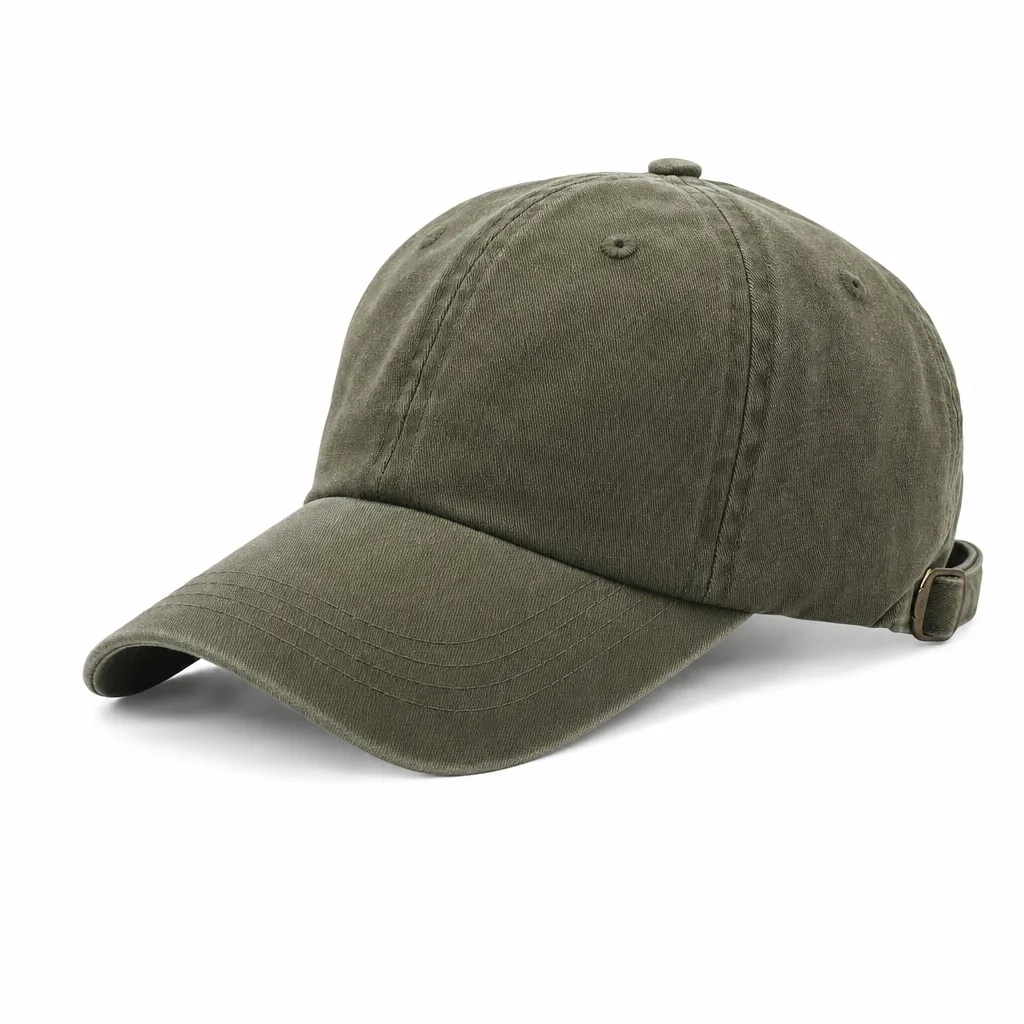
Buckram vs Foam vs Unstructured: Cap Crown Construction Compared
Read article →
Country Hats For Men Export Shipping Checklist for Custom Hat Buyers
Read article →We hope this guide demystifies bucket hat men: a vertical-specific sourcing guide - supplier checklist and helps you move forward with confidence. If you have questions specific to your project, our English-speaking sales engineers are one message away.