Customizing Blank Fitted Caps: New Era 59FIFTY, Otto, Imperial Buyer's Guide (2026 Update)
Every week, our sales team answers detailed questions about customizing blank fitted caps: new era 59fifty, otto, imperial buyer's guide (2026 update). We wrote this guide so that wholesalers, streetwear brands, corporate buyers and promotional resellers can compare options with full information, and avoid the traps that show up only after production has started.
Why brands ask about 'custom New Era' (and what they actually need)
Buyers asking for custom new era hats are usually mixing two purchase paths: authorized New Era blanks that can legally be decorated, or a private-label fitted cap built to echo the 59FIFTY silhouette without using protected marks. As of January 2026, New Era’s public product taxonomy lists 59FIFTY as a fitted cap and 9FIFTY as a snapback, so the RFQ should not reduce the request to “flat bill cap.” A real 59FIFTY-style brief needs closed fitted sizing, a high structured six-panel crown, flat visor, firm front buckram, taped seams, and decoration rules that match the blank seller’s resale and trademark terms. An OEM alternative should convert the look into measurements: crown height in millimeters, visor board thickness in millimeters, sweatband fiber content, shell fabric weight in gsm, size-run tolerance, embroidery stitch count, backing type, packing method, and AQL inspection level. Method note: this distinction comes from New Era’s public taxonomy and China OEM cap RFQ formats used for 2026 sourcing discussions, not from evidence of New Era authorization.
The cost gap is a purchasing-model gap, not just a logo premium. Example assumption to verify in the supplier quote: small-volume authentic New Era fitted blanks may price at USD 14.00-22.00 per cap before decoration as of 2026, while flat embroidery can add USD 1.20-4.50 per cap depending on stitch count, thread colors, backing, and whether production is set up on Tajima, Barudan, or ZSK heads. A China-made OEM fitted or snapback is usually quoted as a finished cap: fabric, buckram, visor board, sweatband, size stickers, woven labels, embroidery, polybag, inner carton, export carton, and FOB Ningbo/Shanghai or DDP delivery terms. Example 2026 RFQ benchmark to verify: USD 4.20-8.80 per cap at 300-1,000 pieces, plus USD 35.00-80.00 per logo for digitizing or setup. These figures are sourcing benchmarks, not guaranteed offers, and they do not prove any supplier has the right to sell decorated New Era product.
The right choice is whether the order needs protected label equity or tighter manufacturing control. Licensed sports programs, retail collaborations, and premium drops may justify authentic blanks because the side flag, fitted size scale, and known crown shape can support sell-through. Private-label streetwear, school stores, corporate merchandise, and promotional resale usually get cleaner control from Otto, Imperial, or OEM production because Pantone TCX targets, Delta-E tolerance, 260-380 gsm cotton twill, 500D-1000D polyester, inside labels, carton marks, and AQL 2.5 final inspection can be written into the purchase order. Source context: AQL 2.5 is an inspection sampling framework, not a certification; sedex-audit-cap-supplier-guide.html">BSCI 2.0 and Sedex SMETA 4-Pillar are factory audit references and should be cited only when a current factory document is available. Before deposit, verify authorized blank invoices, decoration permission, size availability, trademark-use limits, fabric swatches, pre-production sample fit, embroidery registration on the actual crown, and publication byline metadata for Vincent Xi, Editorial Author.
Blank-cap brands and their positioning
New Era is the premium blank when the buyer needs retail recognition, consistent crown geometry, and tighter decoration control, not simply a better piece of cotton. For custom new era hats, the 59FIFTY fitted profile remains the reference point for licensed sports, streetwear drops, and team-merch assortments because the shape, visor curve, and front-panel stiffness are already familiar to U.S. consumers. The constraint is authorization: blank New Era fitted caps, custom New Era 59FIFTY runs, and New Era 9FIFTY snapback blank orders may require approved distribution, logo-use clearance, and decoration approval before a decorator can touch them. As an example quote assumption to verify with the supplier, an Otto Cap structured six-panel blank may price at USD 3.20-5.80 per piece for a 144-piece order, FOB China, Q1 2026 supplier-quote scope; comparable authorized premium branded blanks can run several dollars higher by model and channel. Otto sits in the practical middle: lower blank cost, broader color access, easier embroidery-shop purchasing, and fewer brand-control issues for promo, school, and small-label programs.
Imperial Headwear is strongest for golf buyers who care about profile, rope placement, lightweight hand feel, and tournament presentation more than league-license cachet. Branded Bills occupies a premium golf and outdoor-retail lane, with cleaner lifestyle styling for resort shops and club programs. Melin is separate again: luxury performance headwear, with USD 75-plus per cap used here as an example U.S. consumer retail-positioning threshold to verify against authorized listings as of Q1 2026. Decoration planning has to follow the blank architecture. Rope caps usually reduce usable lower-front embroidery height; high-crown structured caps handle larger 3D puff better; lightweight polyester or nylon performance shells need controlled backing, sharper tension settings, and lower stitch density to prevent puckering. A 9,000-stitch front logo is only an example calculation for quote comparison, not a production rule; the final stitch count depends on digitizing, thread weight, foam use, Tajima, Barudan, or ZSK machine setup, and the approved sew-out.
Methodology: this positioning is derived from public product lines and U.S. retail price bands reviewed for the 2026 buying cycle, plus factory quoting conventions for embroidery-ready blanks, MOQ planning, and AQL 2.5 final inspection discussions. Vincent Xi is the Editorial Author for this CrownsForge article; attribution should use https://crownsforge.com/authors/vincent-xi/. Standards should be read narrowly: BSCI 2.0 and Sedex SMETA 4-Pillar are social-compliance audit frameworks, not proof that any named brand, distributor, or decorating supplier currently holds a valid audit report. Buyers still need to verify blank authorization, current model availability, Pantone TCX color tolerance or Delta-E target, decoration rights, and whether the quoted price includes carton packing, inland freight, duty, or DDP delivery. Visual brief: show a clean QC table with four blank fitted and rope caps, front panels facing forward, measuring tape, stitch-density sample, Pantone TCX swatches, embroidery backing, and an inspector’s gloved hands checking logo placement; no text, logos, watermarks, fake brand marks, or identifiable people.
Path 1: Buying blanks from these brands for in-house embellishment
For in-house embellishment, the cleanest buying path is still authorized blank-cap distribution, not factory-direct negotiation with the label owner. As of a January 2026 buyer quote assumption to verify against live distributor catalogs, blank New Era fitted caps usually price at USD 18-28 per cap through channels such as SanMar, S&S Activewear, or Alphabroder, while Otto runs about USD 4-10 per cap, Imperial about USD 9-18 per cap, Branded Bills about USD 25-40 per cap, and Melin about USD 35-55 per cap. That spread matters because custom new era hats start with a branded margin already inside the blank, before embroidery, patches, folding cartons, freight, platform fees, and retail margin. The practical advantage is speed and brand recognition; the tradeoff is less control over crown height, sweatband, visor board, fabric weight, and Pantone TCX matching than a cut-and-sew production run.
Blank New Era fitted caps and a custom New Era 59FIFTY program are best treated as decoration projects, not cap-development projects. A typical front 3D puff embroidery quote, labeled here as an example calculation to verify with the decorator, may add USD 3.50-7.50 per cap for 5,000-9,000 stitches on Tajima or Barudan heads, plus a USD 50-120 digitizing charge per logo file. Flat embroidery can be cheaper, but dense fills on structured crowns need backing, correct hoop tension, and needle selection or the front panels will pucker. For new era custom hats, confirm whether the distributor allows resale after embellishment, whether trademarked league/team silhouettes are restricted, and whether side-flag placement creates brand-confusion risk. A new era 9fifty snapback blank gives easier size coverage than fitted sizing, but the same brand-use and decoration-capability checks still apply.
Methodology for these ranges: pricing is compiled from public/wholesale distributor contexts and production quoting conventions used for domestic decoration, then normalized as per-cap blank cost before decoration, freight, duties, and retailer markup; it is not a guarantee of any current distributor tier. The limitations are material: distributors can change case pricing weekly, New Era availability varies heavily by style/color/size, and premium brands may restrict decoration, online resale, or marketplace listings. For otto custom hats, the lower blank cost can leave more room for applique, woven patches, or mixed embroidery, but buyers should still inspect received stock under an internal AQL 2.5 sampling plan because shade variation, visor warping, and off-center seams are harder to fix after decoration. Author context for publication: Vincent Xi, Editorial Author, https://crownsforge.com/authors/vincent-xi/. Visual brief: close-up QC bench with fitted and snapback blank caps, embroidery hoop, stitch sample card, calipers, Pantone TCX chips, and packing worksheet; no text, logos, watermarks, or identifiable people.
Path 2: Equivalent OEM manufacturing
Equivalent OEM manufacturing is the practical private-label route when the buyer wants the fit logic associated with custom new era hats but cannot use New Era marks, league licenses, or protected trade dress. The PO should describe the article, not compare it to a branded cap: 6-panel structured high-profile crown, woven buckram front panels, closed-back fitted sizing, fused sweatband, flat visor with PE or recycled PET insert, and fabric called out as either 180-220 gsm polyester performance twill or 260-300 gsm cotton twill. As an example calculation to verify in a Q1 2026 supplier quote, a 600-piece OEM fitted-cap order with 8,000-12,000 stitch 3D front embroidery, branded inside seam tape, and export cartons may price at USD 5.80-8.20 per piece FOB Ningbo or Shanghai, excluding courier, duty, and patch tooling. A 288-piece trial run can be possible, but an example surcharge of USD 0.80-1.50 per cap is realistic because size grading, cutting markers, buckram forming, and Tajima, Barudan, or ZSK setup are spread across fewer units.
Quality language must be measurable because “same as retail” is not an inspection standard. A workable method is BOM approval, pre-production sample signoff, and final random inspection under ANSI/ASQ Z1.4, using AQL 2.5 for major defects and AQL 4.0 for minor defects as buyer-selected acceptance levels, not factory certification claims. Write cap-specific tolerances into the PO: crown height within +/-3 mm of the approved size sample, visor width within +/-2 mm, embroidery registration within 2 mm, logo height within +/-1 mm, and shade variation checked against approved Pantone TCX lab dips under D65 lighting with a Delta-E target agreed before bulk cutting. The defect list should cover buckram delamination, uneven panel tension, sweatband twisting, visor bubbling, skipped stitches, loose thread ends over 3 mm, size-label mismatch, barcode errors, and retail polybag nonconformance. Editorial author: Vincent Xi, Editorial Author, https://crownsforge.com/authors/vincent-xi/. Methodology: compare OEM BOM, decoration, MOQ, inspection, and packing terms against public retail product benchmarks and supplier quote sheets, without claiming brand equivalence.
Compliance and landed cost need separate checks because a clean prototype does not prove audit scope or delivered margin. If a retailer requires social compliance, request current BSCI 2.0 or Sedex SMETA 4-Pillar documents and verify factory name, audit date, business scope, and corrective-action status; those reports describe audit findings, while the buyer’s PO still controls cap tolerances, defect classes, labeling, and packing. For freight, require carton dimensions, gross weight, net weight, and CBM before deposit. As an example assumption to verify in a Q1 2026 supplier quote, 600 structured fitted caps packed 24 pieces per carton may occupy about 2.2-2.8 cubic meters, depending on crown height, visor protection, and whether caps are nested or individually boxed. Limitations to verify before deposit: actual fabric gsm, Pantone TCX lab-dip approval, agreed Delta-E limit, size-run grading, embroidery stitch count, carton CBM, duty basis, and whether DDP includes last-mile delivery. Visual brief: unbranded fitted caps on a QC table with calipers measuring crown height, Pantone TCX chips, stitch-density swatches, buckram panels, visor inserts, cartons, and an inspection checklist with no readable text, logos, people, or watermarks.
MOQ and timing differences between the two paths
The MOQ problem in fitted blanks is size-and-color fragmentation, not embroidery capacity. For this 2026 update, the evidence basis is public U.S. wholesale blank-channel ordering behavior from SanMar and S&S Activewear product/inventory pages, plus supplier quote assumptions that must be confirmed on the buyer’s 2026 order acknowledgment. If a distributor sells by 12-piece dozen increments per size/color, treated here as an example ordering rule to verify before purchase, black size 7 1/4, black size 7 3/8, and black size 7 1/2 become three separate stock commitments before any logo work starts. When inventory is live, blank releases are often planned at 1 to 5 business days from distributor warehouse checkout, an operating assumption to verify by SKU and ship zone. Distributor special orders should be budgeted around 30 calendar days as an example lead time to confirm in writing. That is why custom new era hats made from blanks usually work best for sub-144-piece programs using flat embroidery, 3D puff, merrowed patches, woven labels, or heat-applied badges after receipt.
OEM fitted production has a different MOQ because the supplier is producing the cap body: grading the size run, cutting panels, sewing, blocking, shaping, trimming, and packing before final inspection. For 2026 planning, use 100 pieces per design as an example assumption to verify for a one-size structured cap, and 300 pieces per design as a safer example assumption when a fitted run is split across 6 to 8 sizes. Sampling usually needs 7 to 10 working days after the buyer approves vector artwork, Pantone TCX color references, fabric weight in gsm, buckram stiffness, visor board, sweatband gsm, and closure or fitted-size specs. Bulk production commonly runs 22 to 30 calendar days as a quote-stage assumption for cutting, sewing, embroidery on Tajima, Barudan, or ZSK heads, blocking, export packing, and buyer-defined inspection. AQL 2.5 is a sampling method under the inspection plan, not a certification or proof of brand authorization. The methodology here compares 2026 distributor MOQ behavior with factory-side fitted-cap quote models; limits to verify include New Era decoration restrictions, exact 59FIFTY or 9FIFTY availability, and Otto or Imperial crown and visor fit.
The cost crossover is not a clean piece-count rule; it moves with size curve, stitch count, patch construction, private trim, spoilage allowance, and freight basis. As an example calculation to verify in the supplier quote, a 200-piece blank-based fitted order can land higher per unit than OEM because the buyer first pays for the branded blank, then digitizing, embroidery or patch application, domestic freight, rejects, and rework. OEM can spread cutting setup, embroidery setup, blocking, carton packing, and QC labor across the run, but only if the size ratio is locked before the salesman sample. Vincent Xi’s editorial basis for this section is distributor ordering terms, the CrownsForge author profile, and cap-factory quote assumptions, not a claim of guaranteed stock, current New Era authorization, or certification status. A practical quote comparison should separate blank cost, decoration cost, freight, duty, inspection level, and defect tolerance so the MOQ exposure is visible before the purchase order is signed. Visual brief: overhead factory QC table with fitted cap size stickers, Pantone TCX swatches, embroidery sample panel, calipers, AQL checklist, and stacked export cartons; no logos, text, watermarks, or identifiable people.
When to choose which path
Use blank-cap decoration when the blank is part of what the buyer is selling: New Era recognition for a team store, resale shorthand for a streetwear release, or a corporate brief that names the brand. For custom new era hats under 100 finished caps per artwork, use this as a 2026 planning assumption to verify in the decorator quote: blanks usually avoid pattern making, graded size trials, fabric booking, lab dips, trim sourcing, and pre-production sampling. A 48-cap fitted order with one front logo at an assumed 10,000 to 12,000 stitches may carry USD 60 to USD 120 per logo for digitizing/setup and USD 6 to USD 12 per cap for embroidery on Tajima, Barudan, or ZSK heads; those are example quote assumptions, not market guarantees. The tradeoff is control. The buyer accepts the blank’s crown height, buckram stiffness, visor curve, sweatband, size curve, label restrictions, and any licensed-blank decoration or resale limits in force on the quote date.
Choose OEM when the cap construction is the product, not just the logo carrier. As a 2026 factory-quote assumption to verify with the supplier, fitted-cap OEM starts to make commercial sense around 288 to 576 caps per style/color when the buyer needs a repeatable private-label fit, controlled crown profile, visor-board rebound, seam allowance, sweatband gsm, button pull strength, and embroidery registration tolerance. OEM also lets the buyer specify 100% wool serge, polyester performance twill, cotton chino twill, recycled polyester, or hybrid panel construction, then approve Pantone TCX lab dips with a stated Delta-E tolerance, commonly Delta-E 1.0 to 2.0 as a buyer-side target to confirm. A New Era 59FIFTY blank wins when brand recognition and immediate availability matter more than construction control. OEM wins when the same fit, fabric hand, shade, and trim package must repeat across seasons without depending on blank inventory. Otto, Imperial, and similar blank programs are useful benchmarks, but they are not substitutes for a tech pack and approved pre-production sample.
The decision rule is derived from two source contexts: common 2026 embroidery-decorator quote structures for setup fees and per-cap machine time, and factory-side cap development checkpoints attributed to Vincent Xi, Editorial Author, at https://crownsforge.com/authors/vincent-xi/. The approved production basis covers practical cap manufacturing considerations, but it does not imply a current certification, audit status, client result, or available capacity. For inspection planning, AQL 2.5 is a sampling convention for major-defect acceptance in an inspection lot, not a guarantee that a buyer or retailer will accept the shipment. BSCI 2.0 and Sedex SMETA 4-Pillar matter only when the named factory provides a current audit report tied to the order. Before choosing blanks or OEM, verify size/color availability, decoration rights, final stitch count, shade tolerance, carton dimensions, launch date, and FOB or DDP freight cost per carton. Without final artwork, size curve, destination, and delivery window, every cost figure above remains an assumption to confirm in writing.
Decoration restrictions and licensing implications
A genuine 59FIFTY blank gives the buyer inventory control, not permission to imply a New Era collaboration. For custom new era hats, the safer production and invoice wording is usually “customer artwork embroidered on customer-supplied New Era 59FIFTY blank,” subject to counsel review; “official custom New Era hat,” “licensed New Era drop,” and similar phrasing create avoidable trademark risk. The cap body, side flag, word mark, size-sticker system, and 59FIFTY style name should be treated as separate brand assets, even when the blank was lawfully purchased. Source contexts for this guidance are New Era’s public trademark positioning and U.S. modified-genuine-goods resale principles for altered branded products, as reviewed for publication by Vincent Xi, Editorial Author. The method is practical: map every trademark appearance across embroidery files, photos, hangtags, cartons, invoices, and product titles before production. Limitation to verify as of January 2026: country law, distributor terms, marketplace policy, and paid-ad rules can all override generic resale assumptions.
Relabeling helps presentation and traceability, but it is not a license workaround. On customer-supplied fitted blanks, buyers may request sweatband label removal and replacement with a buyer-owned woven damask, printed satin, or heat-transfer label; that does not erase exposure if the listing still relies on New Era branding. As an example calculation to verify in the supplier quote, China decoration shops may charge USD 0.18-0.45 per cap for label removal and replacement on a 500-5,000 piece order in January 2026, excluding rework for needle holes, adhesive ghosting, or rejected caps. Typical woven damask labels use 50-denier to 75-denier polyester yarn, with a practical placement tolerance of +/- 1 millimeter from center and fold alignment on the finished cap. Treat wrong brand references, mixed label lots, visible removed-label damage, and unauthorized logo exposure as critical defects because they can block resale, chargeback recovery, or platform listing approval.
The most common licensing failure is the product page, not the stitch file. A Tajima, Barudan, or ZSK run can pass decoration QC while the listing creates risk by showing the New Era flag prominently, using “official,” or implying approval from a league, club, brand, or New Era program. A tighter control plan is to photograph the buyer-owned front embroidery and relabeled interior, retain purchase records proving genuine blanks, remove protected marks from marketplace titles unless counsel approves them, and inspect finished lots under a defined sampling plan. As an assumption to verify before production, apply ANSI/ASQ Z1.4-style inspection with AQL 2.5 for major decoration and label defects, while setting zero tolerance for unauthorized trademark use when the channel requires it. Otto, Imperial, Richardson, and New Era distributor terms are not interchangeable; confirm territory, platform, packaging removal, relabeling permission, and modified-goods resale language before labels are cut or embroidery heads are booked.
Working with CrownsForge on either path
Treat buyer-supplied blanks and cut-and-sew fitted caps as separate risk ledgers, not two versions of one decoration quote. For custom new era hats built on buyer-provided New Era 59FIFTY or 9FIFTY blanks, the quote should break out inbound freight, receiving count, hooping, embroidery, thread trimming, steam blocking, reject allowance, rebagging, barcode labels, master cartons, and outbound freight. Example calculation to verify in a 2026 supplier quote: on a 144-piece lot with one 8,000-stitch front logo, Tajima or Barudan flat embroidery is commonly quoted at USD 1.10-1.80 per cap, thread trimming and steam reshaping at USD 0.25-0.45 per cap, and individual polybagging at USD 0.18-0.35 per cap. Those figures come from 2026 China embellishment worksheets and cap-factory BOM estimates reviewed for this guide by Vincent Xi, Editorial Author, and exclude the retail cost of the blanks. The larger exposure is liability: agree in writing who pays for a needle strike, hoop burn, backing shadow, thread contamination, or 2-3 mm off-center registration on a buyer-owned blank assumed at USD 10-18 per cap.
Cut-and-sew production is cleaner when the buyer needs stable replenishment cost, private labels, controlled size grading, or no dependence on branded blank allocation. A non-branded 59FIFTY-style equivalent can use a 6-panel structured crown, buckram front, closed-back fitted sizing, flat visor, standard sweatband, woven size label, and 260-310 gsm acrylic-wool blend or 100 percent polyester crown fabric, then run front embroidery on Tajima, Barudan, or ZSK heads without using New Era trademarks. Example calculation to verify in a 2026 supplier quote: a 300-piece run with one front logo, normal size split, standard polybagging, and export cartons may land around USD 4.80-7.20 per cap FOB Ningbo or Shanghai. Fabric content, stitch count, 3D puff foam, visor board, inside taping, woven patch package, and carton cube can move that number quickly. The practical method is to compare decorated landed cost on purchased blanks against a factory BOM, then add inspection, reject reserve, packing, and freight as separate line items instead of burying them in one unit price.
The main limitation with buyer-supplied blanks is control. A decorator cannot guarantee allocation, dye-lot continuity, pre-existing crown distortion, sweatband defects, or how a finished 59FIFTY crown will recover after hooping and steam. For Otto, Imperial, Richardson, or similar promotional blanks, approve the hoop window, Madeira or Gunold thread color, backing type, stitch count, and whether 3D puff uses 2 mm or 3 mm EVA foam before price approval. For manufactured equivalents, approve the salesman sample against Pantone TCX or TPX targets, record size-grade measurements in centimeters, and treat Delta-E tolerance as the supplier’s internal color-control practice, not a universal cap-industry standard. If AQL 2.5 is used, the inspection level, defect classes, and lot size must be named in the QC plan. BSCI 2.0 or Sedex SMETA 4-Pillar should be cited only when a current audit document covers the actual factory site producing the caps. Visual brief: a neutral QC bench comparing blank fitted caps and non-branded cut-and-sew equivalents, with 6-panel structured crowns, flat visors, embroidery backing, calipers, Pantone book, and AQL checklist, no logos, readable text, or people.
Frequently Asked Questions
How long does production take?
Sampling takes 7 to 12 days. Bulk production runs 20 to 30 days depending on quantity, fabric availability and decoration complexity. Inspection and packing adds another 3 to 5 days before shipment.
Do you support sustainability certifications?
Yes. We work with GOTS organic cotton, GRS-certified recycled polyester, OEKO-TEX Standard 100 fabrics, and are BSCI and Sedex audited. Certification documentation can be provided per order.
What file format should I send for my logo?
Vector files (AI, EPS, PDF) are ideal. High-resolution PNG or JPG at 300 dpi on transparent background works as a fallback. Provide Pantone color references for accurate reproduction.
What is the minimum order quantity (MOQ) for custom hats?
Our standard MOQ is 100 pieces per design and color, with sampling available from 1 piece. For complex multi-color logos or premium fabric upgrades, the MOQ can be lowered with a small per-piece surcharge.
Can I order a sample before bulk production?
Yes. We strongly recommend approving a pre-production sample before mass production. Samples are charged at 35 to 60 USD each plus express shipping, fully refundable against confirmed bulk orders over 500 pieces.
What's the MOQ for custom dad hat low minimum?
When evaluating custom dad hat low minimum, the key considerations are construction quality, decoration capability, MOQ flexibility and lead time. Blank-cap purchasing: usually 12 pieces minimum per size per color (via SanMar/S&S), immediate availability for stocked SKUs, 30-day lead time on special orders. OEM manufacturing: 100 pieces minimum per design (300 if size-graded), 7-10 day sampling, 22-30 day bulk production. Path 1 is faster for low quantities; path 2 wins on cost above ~200 pieces. Most searches for…
How does ordering custom embroidered hats new era work?
When evaluating custom embroidered hats new era, the key considerations are construction quality, decoration capability, MOQ flexibility and lead time. Most searches for 'custom New Era hats' come from brand owners who want the New Era silhouette and quality — premium 59FIFTY fitted construction, 9FIFTY structured snapback — without necessarily needing the New Era licensed brand. There are two viable paths: (1) buy New Era blanks and customize them, or (2) commission equivalent silhouettes from an OEM manufacturer at lower…
What should buyers know about new era 9fifty snapback?
When evaluating new era 9fifty snapback, the key considerations are construction quality, decoration capability, MOQ flexibility and lead time. Most searches for 'custom New Era hats' come from brand owners who want the New Era silhouette and quality — premium 59FIFTY fitted construction, 9FIFTY structured snapback — without necessarily needing the New Era licensed brand. There are two viable paths: (1) buy New Era blanks and customize them, or (2) commission equivalent silhouettes from an OEM manufacturer at lower…
What's the MOQ for custom leather patch hat low minimum?
When evaluating custom leather patch hat low minimum, the key considerations are construction quality, decoration capability, MOQ flexibility and lead time. Blank-cap purchasing: usually 12 pieces minimum per size per color (via SanMar/S&S), immediate availability for stocked SKUs, 30-day lead time on special orders. OEM manufacturing: 100 pieces minimum per design (300 if size-graded), 7-10 day sampling, 22-30 day bulk production. Path 1 is faster for low quantities; path 2 wins on cost above ~200 pieces. Most searches for…
Looking for a reliable hat manufacturer in China?
CrownsForge has produced custom hats for 800+ brands across 40 countries. From 100-piece launches to 100,000-piece retail programs, we deliver on time and on spec.
Get in touchRelated guides
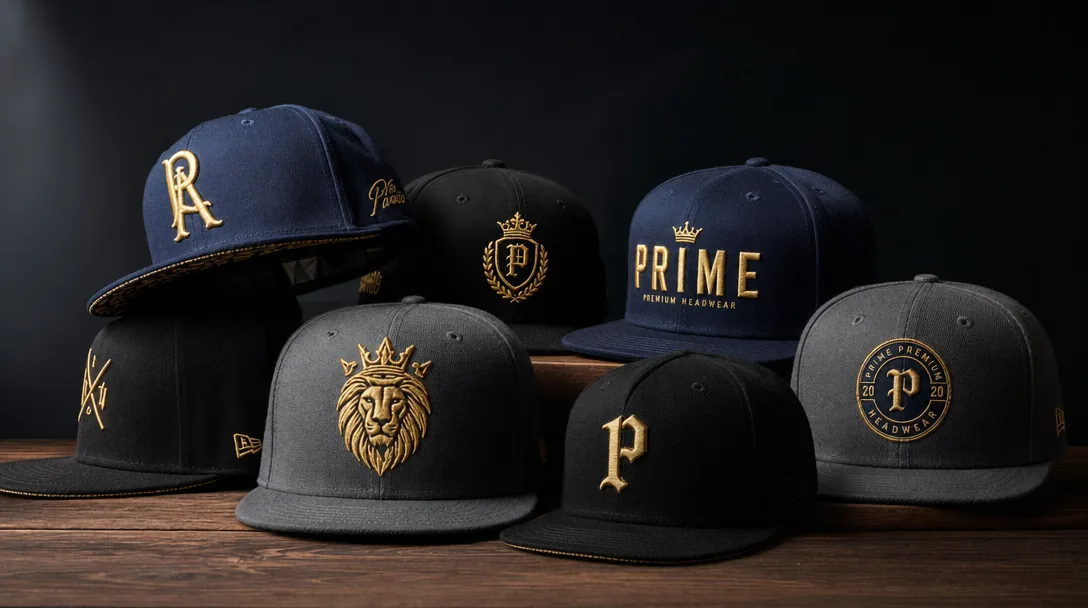
Custom Leather Patch Hat Low Minimum: A 2026 B2B Sourcing Guide
Read article →
Mens Beanies: Properties, Costs and How to Spec It Right
Read article →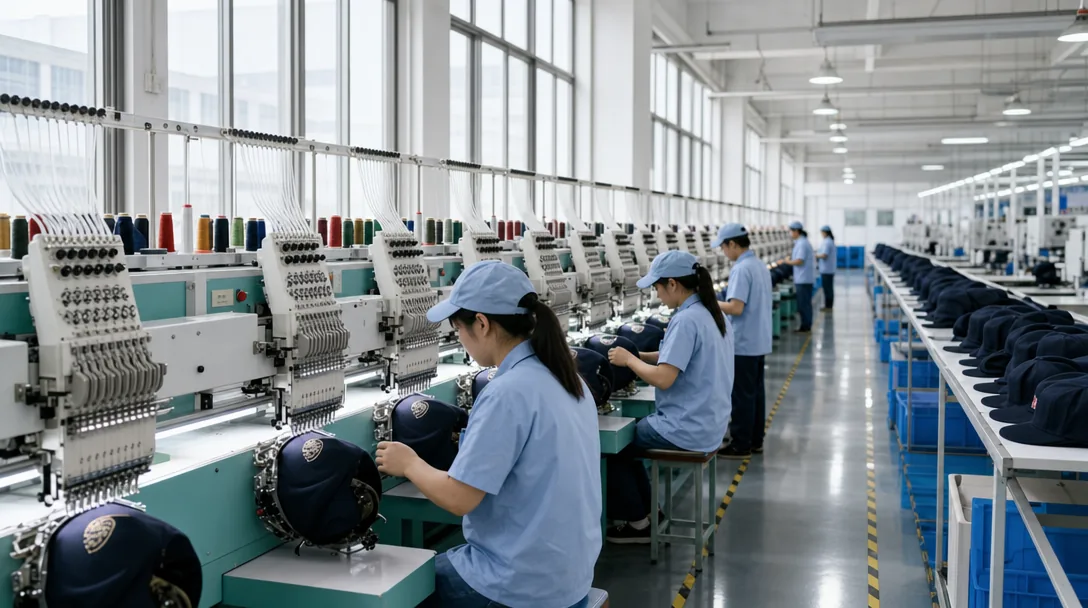
Bulk Trucker Hats Export Shipping Checklist for Custom Hat Buyers - Cost & MOQ Breakdown - Supplier Checklist
Read article →We hope this guide demystifies customizing blank fitted caps: new era 59fifty, otto, imperial buyer's guide (2026 update) and helps you move forward with confidence. If you have questions specific to your project, our English-speaking sales engineers are one message away.