
Baseball Hats For Men Fabric And Trim Spec Guide for Custom Hat Buyers - Cost & MOQ Breakdown
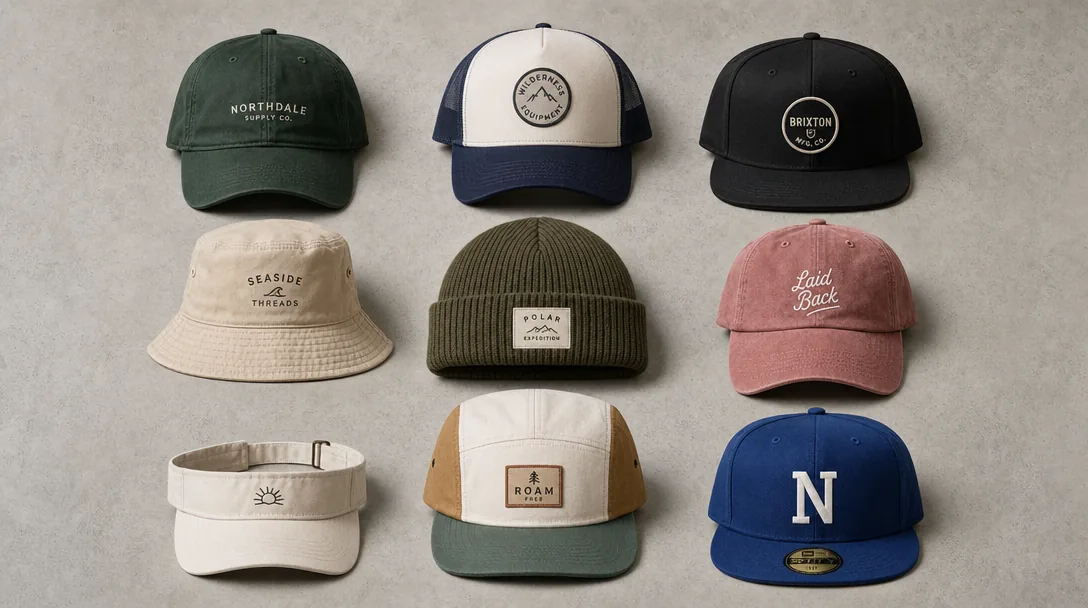
Every week, our sales team answers detailed questions about baseball hats for men fabric and trim spec guide for custom hat buyers - cost & moq breakdown. We wrote this guide so that wholesalers, streetwear brands, corporate buyers and promotional resellers can compare options with full information, and avoid the traps that show up only after production has started.
Why baseball hats for men fabric and trim spec guide needs a separate sourcing plan
A serious baseball hats for men fabric and trim spec guide has to treat the cap as a stack of separate decisions, not one generic SKU. Fabric, crown structure, brim recovery, closure hardware, sweatband spec, and decoration method all change cost, handfeel, and lead time in different ways. A 6-panel cotton twill dad cap with a brass buckle, a structured 100% polyester performance cap with laser-cut vents, and a wool-blend fitted cap with applique do not share the same sourcing logic. One may use 260 to 280 gsm washed cotton twill with a soft hand; another needs 110D polyester, bonded seam tape, and a firmer visor board; the third needs tighter crown tolerance, cleaner underbrim lamination, and a sweatband that survives wash testing without twisting. For buyers shipping into Canada, fiber-content labeling, bilingual carton marks, and winter-weight expectations also belong in the sourcing plan, not in the last round of artwork comments.
The cost spread usually starts with fabric and trim count, then widens once decoration is locked. A 280 gsm cotton twill cap with matching self-fabric undervisor, full buckram front panels, a 3 mm sweatband, and a metal buckle does not price like a 210 gsm chino twill or a 50/50 poly-cotton blend. Structured caps need buckram, seam tape, and better panel alignment; unstructured caps save interfacing but often need more inspection because the crown can collapse after stitching. Flat embroidery on Tajima, Barudan, or ZSK heads is still the cheapest mainstream decoration, but applique with edge stitching, woven loop labels, PVC patches, and embroidered back tabs all add handling steps and machine time. On custom baseball team hats, the trim stack usually includes team-color taping, size labels, and a higher stitch count on the front logo, which commonly adds $0.40 to $1.20 per piece before packaging and freight.
Lead time and compliance are where weak sourcing plans get punished. A buyer asking for 3,000 units with Pantone TCX matching, Delta-E under 2.0, REACH-compliant metal closures, and a brushed finish cannot use the same factory setup as someone ordering a simple seasonal promotion. MOQ is often driven by fabric mill minimums, not sewing capacity; custom-dyed twill can lock you into 800 to 1,000 meters per color, while stock chino twill may allow smaller splits across colors. The clean way to run it is separate approvals for fabric, trims, and pre-production samples so one miss does not stall the whole PO. Our standard practice is to freeze the spec against AQL 2.5, carton pack counts, and audit expectations such as sedex-audit-cap-supplier-guide.html">BSCI 2.0 or Sedex SMETA 4-Pillar before anyone prices FOB or DDP, because those details decide whether the order runs clean or turns into rework and chargebacks.
Factory capability checks before quoting
Before any cost or MOQ discussion, I walk buyers through a factory capability checklist most skip — and that mistake costs them later. Embroidery is the first gate: we run Tajima 15-needle heads, so any design up to 12 colors runs in one pass with zero thread-change delay. If you're sourcing custom baseball team hats with a left-side logo, back-center mark, and right-side patch, I need to confirm stitch-count limits — our max is 75,000 stitches per head for a standard 6-panel structured crown — and whether the fabric can handle high-density digitizing without puckering. Patch work, whether woven, embroidered, or PVC, requires separate tooling and a different production line: woven patches start at 300 pcs per SKU, embroidered at 500. For fitted hats with patches in a streetwear drop, I'll ask for exact patch placement and backing type (heat-seal vs. sew-on), because that changes the assembly step and reject rate target, which we set at AQL 2.5 for critical defects.
Fabric and panel construction are where most rookie buyers trip up. I need the yarn type — combed cotton, polyester mesh, or recycled blend — weight (180–280 gsm for structured crowns, lighter for unstructured), and whether you want a buckram front or soft crown. For baseball hats for men fabric and trim spec guide, the standard is a 6-panel structured with pre-curved visor and sweatband — but for winter runs, we swap the cotton sweatband for moisture-wicking polyester and add fleece lining. Closure options are another hidden variable: snapback (plastic or metal), strapback (leather or nylon), or fitted (sized 6⅞ to 8). Each closure type uses a different sewing fixture and labor cost: a snapback adds $0.15 per unit over a strapback, and fitted hats require a 12-size inventory commitment — not for the faint of heart.
Sample room capability and audit readiness separate a real factory from a trader. Our sample room has 4 dedicated heads and a 48-hour turnaround for first proto samples, but I warn buyers: the first sample is for fit and placement, not color matching. Color approval comes on the second sample, using a Pantone TCX book under D65 lighting with a Delta-E tolerance of ≤1.5. Audit readiness means we hold BSCI 2.0 and Sedex SMETA 4-Pillar reports current, shareable under NDA within 24 hours. For festival bucket hats or promotional runs, buyers often skip the audit check — then get stuck when their compliance team flags the factory. Communication is the final check: I assign one English-speaking production coordinator per order, using a shared Google Sheet with daily updates. If a buyer can't commit to a weekly call, I flag it upfront. That's the difference between a smooth 8-week lead time and a fire drill.
MOQ, pricing and sample approval
For any serious buyer reviewing a baseball hats for men fabric and trim spec guide, the first hard conversation is about MOQ bands and how they affect per-unit cost. At CrownsForge, our standard MOQ for a single-style custom baseball team hats order is 500 pieces per color per design — that’s the breakpoint where we can run full rolls of fabric and minimize changeover waste. Below 300 pieces, you’re looking at a 25–35% premium because we have to cut from remnant stock or run partial rolls, and the embroidery digitizing setup fee ($75–$120 per logo for a 12-color Tajima design) doesn’t amortize well. For orders of 1,000+ pieces, we typically waive the digitizing fee and offer a 5–8% volume discount on trims like eyelets, sweatbands, and buckram. Don’t expect any factory to quote you a competitive FOB price under 200 pieces unless you’re okay with off-the-shelf blanks and generic embroidery — that’s not a custom spec guide; it’s a catalog order.
Sample approval is where most buyers lose time and money. We follow a three-stage PPS (Pre-Production Sample) process: first a lab dip for Pantone TCX matching on 100% cotton twill or polyester mesh, then a fit sample on a 6-panel structured crown with the actual buckram and sweatband, and finally a strike-off of the embroidery on the front panel. Our standard is Delta-E ≤ 1.5 for color accuracy, and we run the Tajima 12-needle heads at 750 stitches per minute with a stitch density of 5.5–6.0 stitches per mm for clean patchwork on fitted hats with patches. If you’re ordering baseball hats canada for a team league, the turnaround for PPS is 10–12 business days, and we require written sign-off on the embroidery registration and brim curve before we cut production. Skipping the fit sample is the #1 cause of returns — especially for structured crowns where the buckram height mismatch makes the hat sit wrong on different head shapes.
Lead time expectations depend entirely on trim complexity and packaging. A standard run of 500 custom baseball team hats with 6-color embroidery, plastic snapback closure, and polybag packaging ships in 30–35 days from PPS approval. Add 7–10 days if you want brushed cotton sweatbands instead of standard terry, or if you’re doing festival bucket hats with a matching 3D puff embroidery on the front. For orders requiring custom hang tags, woven labels, or UPC barcode stickers, we need an extra 5 days for the trim procurement cycle. And if you’re shipping to Canada or the EU, factor in 10–14 days for DDP customs clearance — we’ve seen clients lose festival season windows because they assumed 4-week production meant 4-week delivery. The realistic timeline for a fully custom, Pantone-matched, embroidered order with branded packaging is 45–50 days from deposit to door, and any factory promising faster is likely skipping the PPS stage or running sub-AQL 2.5 inspection.
Quality inspection and shipping risk
Every baseball hats for men fabric and trim spec guide order leaving Yiwu should be inspected to AQL 2.5 at General Inspection Level II, whether the run is 500 pieces or 50,000. That means sampling to ANSI/ASQ Z1.4, not eyeballing the pile. For a 315-piece sample lot, the normal acceptance number is 7 major defects, and repeated defects in the same code push the lot to 100% sort or rework. On caps, the defects that matter are dimensional: crown height, visor width, panel symmetry, and strap placement. We hold crown and brim dimensions within +/-3 mm; once a snapback drifts to 5 mm, the front profile starts looking warped and the fit changes on head. Color is matched to Pantone TCX, with Delta-E kept under 2.0 on critical panels. Embroidery is checked by machine behavior as much as appearance: thread breaks over 0.5 mm, skipped stitches on border turns, birdnesting on the backing, and registration drift over 0.3 mm are all rejectable defects on Tajima, Barudan, or ZSK output.
Shipping risk starts before the carton is closed, because most damage happens after inspection passes. Outer cartons are usually 5-ply B flute, sized around 40 x 30 x 30 cm for air and 50 x 40 x 40 cm for sea, with desiccant, carton marks, and stack limits printed on the master case. A crushed visor in transit is still a defect even if the stitching was perfect. For export, the paperwork has to match exactly: commercial invoice, packing list, HS code 6505.00, country-of-origin marking, and carton counts that reconcile with the inner polybag tally. FOB Shanghai or Ningbo is usually the lowest-risk term when the buyer has a forwarder; DDP only makes sense once the freight volume is big enough to absorb brokerage and import clearance, usually above 3,000 pieces. In practice, sea freight to Los Angeles or Vancouver often lands around $0.15 to $0.25 per hat, while DDP to Toronto usually runs $0.55 to $0.85 per unit after duty, brokerage, and last-mile delivery.
High-value trims need tighter controls than a plain cotton twill six-panel, and that is where a baseball hats for men fabric and trim spec guide usually goes wrong if it stays too generic. Sewn patches get a peel check, heat-applied patches get a 60 C carton-risk review, and any adhesive-backed label that starts lifting in transit should be treated as a shipping failure, not a trim issue. Our standard practice is a pre-shipment photo report on 10 random units from the final lot, shot front, back, inside, and side with a ruler in frame; that is where a 4 mm logo shift, crooked woven label, or off-center patch usually shows up before freight leaves. For orders above 10,000 units, split the run into two production lots with a 10 to 14 day gap if the fabric, dye lot, or brim board is new. That gives you a correction window on shade, shrinkage, and wash performance before the full order is committed, which is cheaper than discovering 20,000 red caps have drifted toward pink after 10 wash cycles.
Buyer checklist for the next RFQ
A usable RFQ starts with a spec sheet that a factory can actually cost, not a mood board with a few vague adjectives. For a baseball hats for men fabric and trim spec guide, the buyer should name the exact silhouette, panel count, crown height, brim curve, closure, and target landed cost. Write the fabric as a construction, not “cotton” or “polyester”: 100% cotton twill at 250-280 gsm, brushed cotton, nylon taslon, recycled polyester, acrylic wool blend, or washed denim each changes shrinkage, needle drag, and cut waste. Call out Pantone TCX for crown, undervisor, sweatband, and thread, then add artwork in AI or vector PDF, embroidery in DST or EMB, and placement dimensions from fixed reference points in millimeters. If the cap is structured, state 5-panel or 6-panel, buckram weight, and target crown depth. A simple annotated sketch with front, side, and back placements usually prevents one wasted sampling round.
Photos do the work that wording cannot. Send front, side, back, and inside shots of a reference cap, and include a ruler in frame so brim width, seam spacing, and crown profile are measurable instead of guessed. If you are matching a retail sample, add close-ups of patch edge finish, stitch density, backing, visor sandwich, sweatband stitching, and any wash or garment-dye effect. For embroidery, note whether the file is intended for Tajima, Barudan, or ZSK heads, because stitch density, underlay, and thread direction change how small details hold on the crown. The RFQ should also state quantity by size or size range, color count, target production window, destination port or ZIP code, and the Incoterm, whether FOB, DDP, or door delivery. A 300-piece order in 3 colors is a different bill of materials from 3,000 pieces across 12 colors once woven labels, seam tape, taping, and special trims are priced.
Compliance and packing details belong in the first RFQ, not after sampling. If the order is for retail, sports licensing, or promotions, state whether BSCI 2.0, Sedex SMETA 4-Pillar, REACH, or California Prop 65 documentation is required, and whether carton testing, barcode labeling, or carton drop tests are in scope. Add packing instructions for individual polybags, size stickers, carton marks, master carton dimensions, and the target gross weight per carton. For seasonal styles, call out sweatband material, lining, and trim type, because woven labels, PVC badges, leather patches, chenille, and sublimated trim do not price the same and often carry different lead times. Our standard practice is to quote only after the tech pack, reference photos, artwork, Pantone callouts, size spec, packaging spec, shipping destination, and approval deadline are all in one file set. Without that, the quote is just a budget number, and the first sample is where the missing information shows up anyway.
Working with CrownsForge
The main failure mode in a baseball hats for men fabric and trim spec guide is uncontrolled material drift, not the crown shape or the logo file. Lock the spec on fabric weight, shrinkage, color tolerance, trim width, and stitch density before bulk release. For men’s baseball caps, that usually means 100% cotton twill at 260-300 gsm for a clean hand, brushed cotton for a softer finish, polyester twill when color retention matters, or 12 oz washed denim for a stiffer streetwear build. If the order includes custom baseball team hats or fitted hats with patches, the color target should be written in Pantone TCX, with Delta-E held under 2.0 on repeat lots. A 4% shade shift is hard to catch on a screen and obvious on a retail wall, especially across side-by-side cartons.
Sampling has to prove the decoration method, not just the silhouette. We run first samples through Tajima, Barudan, or ZSK embroidery heads depending on stitch count and logo complexity, then check puckering, stitch density, push-and-pull, and backing choice before approving production. Flat embroidery, 3D puff, woven patches, and appliques all behave differently on the same crown, so the sample stage needs a wear check and a wash test, not just photos. MOQ tracks that complexity: a straightforward six-panel cap can start around 300-500 pieces per color, while patch-heavy or multi-trim builds usually need 800-1,200 pieces to price cleanly. For export orders, carton marks, country-of-origin labeling, and HS code details should be confirmed before cutting starts, not after the goods are already packed.
QC is where spec discipline either holds or falls apart. A solid release should call for AQL 2.5 on panel symmetry, visor curve, sweatband stitching, eyelet placement, label position, and seam allowance, with tighter checks on sports licenses and retail-chain programs. The common failures are predictable: weak snapback teeth, frayed woven labels, sandwich visors opening at the center after packing, and loose binding on sweatbands. For washed streetwear or festival runs, add abrasion and colorfastness testing because dye transfer shows up fast in mixed cartons. A usable baseball hats for men fabric and trim spec guide should also state carton counts, inner polybag thickness, master carton compression limits, and whether the shipment moves FOB Ningbo, FOB Shanghai, or DDP to a destination warehouse. Those logistics details affect packing structure, carton weight, and damage risk just as much as the trim callout does.
Frequently Asked Questions
How long does production take?
Sampling takes 7 to 12 days. Bulk production runs 20 to 30 days depending on quantity, fabric availability and decoration complexity. Inspection and packing adds another 3 to 5 days before shipment.
Do you support sustainability certifications?
Yes. We work with GOTS organic cotton, GRS-certified recycled polyester, OEKO-TEX Standard 100 fabrics, and are BSCI and Sedex audited. Certification documentation can be provided per order.
What file format should I send for my logo?
Vector files (AI, EPS, PDF) are ideal. High-resolution PNG or JPG at 300 dpi on transparent background works as a fallback. Provide Pantone color references for accurate reproduction.
What is the minimum order quantity (MOQ) for custom hats?
Our standard MOQ is 100 pieces per design and color, with sampling available from 1 piece. For complex multi-color logos or premium fabric upgrades, the MOQ can be lowered with a small per-piece surcharge.
Can I order a sample before bulk production?
Yes. We strongly recommend approving a pre-production sample before mass production. Samples are charged at 35 to 60 USD each plus express shipping, fully refundable against confirmed bulk orders over 500 pieces.
How does ordering custom fitted hats for men work?
When evaluating custom fitted hats for men, the key considerations are construction quality, decoration capability, MOQ flexibility and lead time. Explain the buyer intent behind baseball hats for men fabric and trim spec guide, when it differs from generic hat sourcing, and what decisions affect cost, lead time and compliance. Describe how CrownsForge manages baseball hats for men fabric and trim spec guide programs with sampling, decoration, QC and export coordination.
What should buyers know about nike bucket hats for men?
When evaluating nike bucket hats for men, the key considerations are construction quality, decoration capability, MOQ flexibility and lead time. Explain the buyer intent behind baseball hats for men fabric and trim spec guide, when it differs from generic hat sourcing, and what decisions affect cost, lead time and compliance. Describe how CrownsForge manages baseball hats for men fabric and trim spec guide programs with sampling, decoration, QC and export coordination.
How does ordering custom embroidered baseball hats work?
When evaluating custom embroidered baseball hats, the key considerations are construction quality, decoration capability, MOQ flexibility and lead time. Explain the buyer intent behind baseball hats for men fabric and trim spec guide, when it differs from generic hat sourcing, and what decisions affect cost, lead time and compliance. Describe how CrownsForge manages baseball hats for men fabric and trim spec guide programs with sampling, decoration, QC and export coordination.
How does ordering custom leather patches for hats work?
When evaluating custom leather patches for hats, the key considerations are construction quality, decoration capability, MOQ flexibility and lead time. Explain the buyer intent behind baseball hats for men fabric and trim spec guide, when it differs from generic hat sourcing, and what decisions affect cost, lead time and compliance. Describe how CrownsForge manages baseball hats for men fabric and trim spec guide programs with sampling, decoration, QC and export coordination.
What does a 47 on a baseball cap mean?
The '47 or 47 on hats and caps refers to the '47 Brand company. '47 refers to 1947, which is the year that the '47 Brand company was started by Italian immigrant brothers, Henry D'Angelo and Arthur D'Angelo.
How to determine hat size for baseball cap?
Size for instance if your head measures 20.5 inches and you want an easy fitted hat you go with a medium. Size.
Which fabric is best for caps?
Cotton is the most popular material for making hats. It features good softness and moisture absorption, and it has low allergenicity, making it suitable for making children's hats.
What material is best for hats?
If you love a hat that holds its shape and looks sharp in any setting, wool felt is your go-to. Crafted by compressing wool fibers under heat and moisture, felt becomes a dense, durable fabric that naturally resists water and wind.
Looking for a reliable hat manufacturer in China?
CrownsForge has produced custom hats for 800+ brands across 40 countries. From 100-piece launches to 100,000-piece retail programs, we deliver on time and on spec.
Get in touchRelated guides
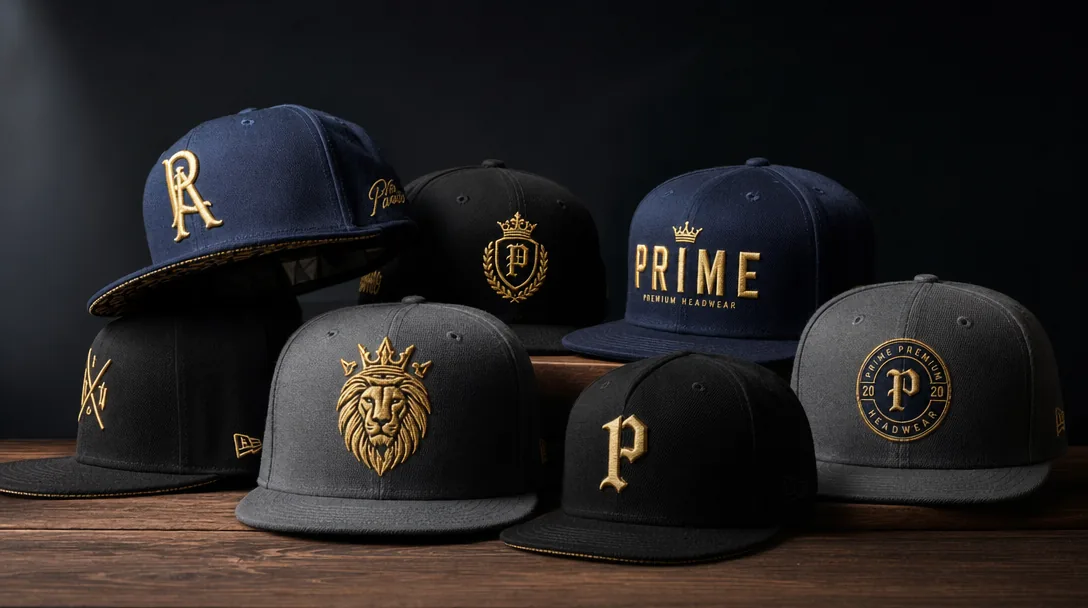
Custom Leather Patch Hat Low Minimum: A 2026 B2B Sourcing Guide
Read article →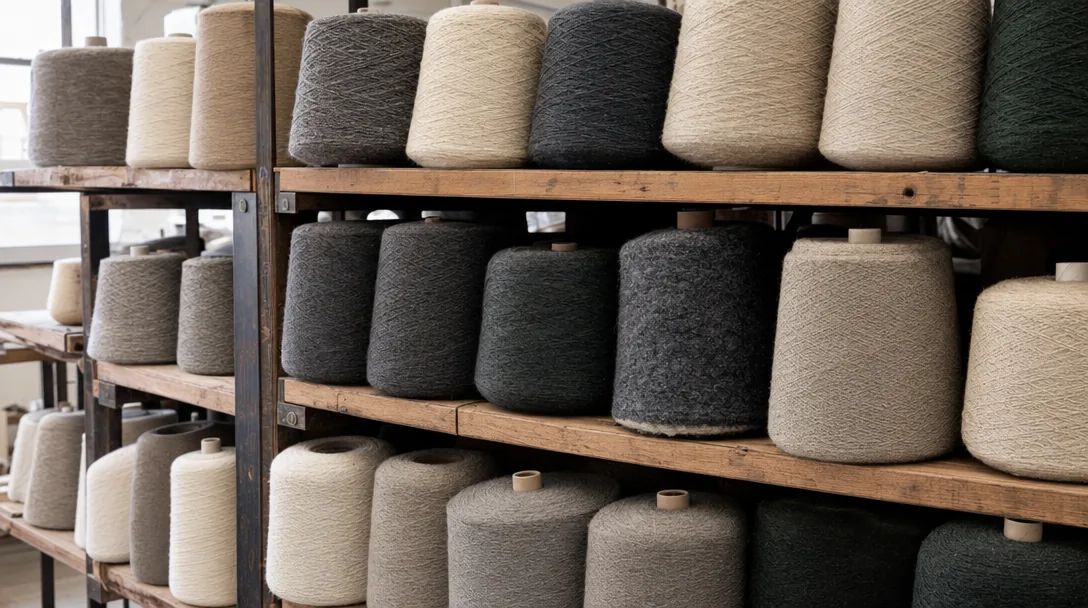
Mens Beanies: Properties, Costs and How to Spec It Right
Read article →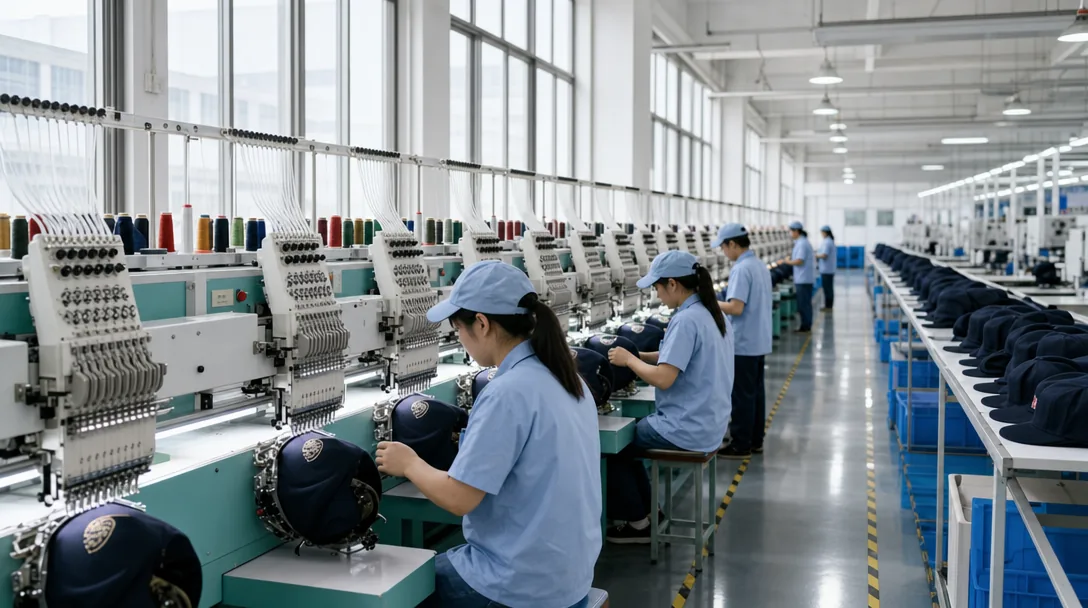
Bulk Trucker Hats Export Shipping Checklist for Custom Hat Buyers - Cost & MOQ Breakdown - Supplier Checklist
Read article →We hope this guide demystifies baseball hats for men fabric and trim spec guide for custom hat buyers - cost & moq breakdown and helps you move forward with confidence. If you have questions specific to your project, our English-speaking sales engineers are one message away.