
Baseball Hats For Men Fabric And Trim Spec Guide for Custom Hat Buyers - 2026 Buyer's Guide
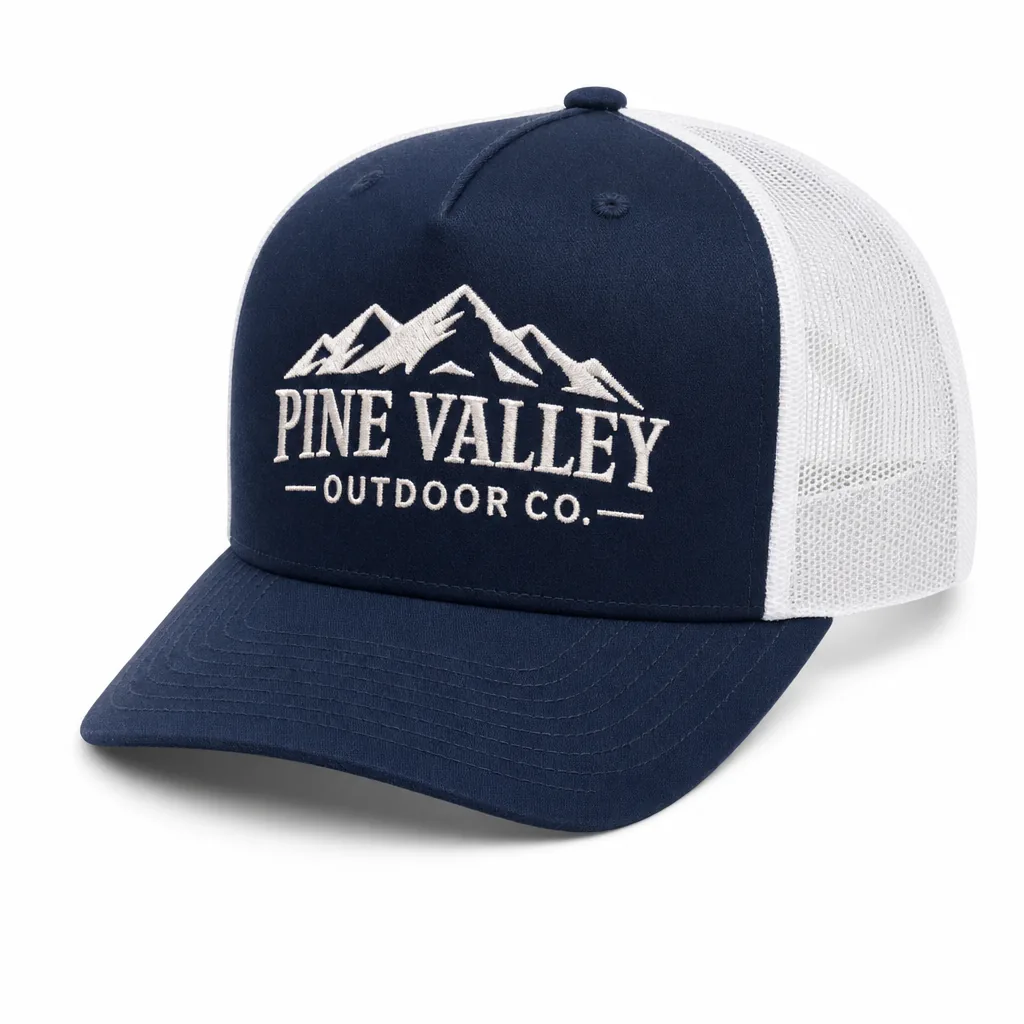
Every week, our sales team answers detailed questions about baseball hats for men fabric and trim spec guide for custom hat buyers - 2026 buyer's guide. We wrote this guide so that wholesalers, streetwear brands, corporate buyers and promotional resellers can compare options with full information, and avoid the traps that show up only after production has started.
Why baseball hats for men fabric and trim spec guide needs a separate sourcing plan
A baseball hats for men fabric and trim spec guide needs its own sourcing plan because the crown fabric, buckram, visor board, sweatband, closure, and decoration fail in different ways. A 260 gsm cotton twill can feel right on a salesman sample but shrink 3% after steam blocking if the mill did not sanforize it. A 120 gsm recycled polyester mesh may match Pantone 19-4007 TCX under a D65 lightbox, then show seam whitening after heat transfer or drop under 5,000 Martindale cycles. Hardware is a separate risk bucket: matte black buckles, antique brass eyelets, painted snaps, PVC patches, and silicone labels bring REACH SVHC, CPSIA, nickel-release, lead, and cadmium questions that the shell fabric does not answer. Before asking for quotes, lock fiber content, yarn count or denier, gsm tolerance, Delta-E limit, buckram stiffness, visor board thickness, sweatband width, closure type, thread brand, backing, and decoration method. Without that, a $2.85 FOB Shanghai cap and a $4.10 FOB Ningbo cap may hide completely different boards, seam tape, sweatbands, and embroidery thread.
Compliance belongs inside the bill of materials before cutting, not after bulk sewing has started. Dyed cotton twill and polyester mesh should carry AZO-free declarations plus colorfastness results for washing, rubbing, and perspiration; for dark shades, I want dry rubbing at grade 4 and wet rubbing no lower than grade 3-4. PU patches, rubber badges, plastic adjusters, printed seam tape, and private-label sweatbands should be screened against the current REACH SVHC list, while metal trims need lead, cadmium, and nickel-release controls if the program touches EU retail or youth-adjacent distribution. Our standard practice at CrownsForge is to connect each BOM line to a checkpoint: gsm verification before cutting, D65 lab-dip approval against the signed standard, embroidery pull testing after Tajima or Barudan setup, visor symmetry checks during sewing, and final AQL 2.5 inspection with critical defects separated from minor loose threads. MOQ also shifts by component: 300 pieces per color for stock fabric, 500 to 1,000 for dyed-to-match fabric, and usually 1,000+ for molded patches, custom buckles, or branded sweatbands.
Trim substitutions are the quickest way to cheapen a men’s cap even when the fabric is correct. On a structured 6-panel baseball hat, crown height, buckram stiffness, seam tape width, sweatband stretch, and visor curvature work as one fit system; soften the front buckram and the panel collapses, thin the visor board and it twists after carton compression. Flat embroidery above 8,000 stitches can run clean on 16s cotton twill if the file is digitized properly for Tajima, Barudan, or ZSK heads, but 3D puff needs lower stitch density, 2 mm to 3 mm foam, controlled underlay, and backing that will not pucker after steam pressing. Budgeting has to follow the same logic. A basic embroidered cap commonly lands at $2.60 to $4.50 FOB Ningbo or Shanghai, while a custom buckle, woven label, taped seams, silicone patch, and premium sweatband can push the same silhouette to $5.20 to $7.80 before freight, duty, and inland delivery. Spec the cap first, then force every supplier to quote the same BOM.
Factory capability checks before quoting
Check capability before you discuss unit price, because a $2.40 FOB cap is useless if bulk production cannot hold the logo, crown shape, and trim tolerance. For embroidery, ask how many Tajima, Barudan, or ZSK heads will be assigned to your order, not how many machines sit on the factory floor. Confirm 9-color, 12-color, or 15-color head configuration, DST file review, stitch count, Madeira or Gunold thread codes, underlay type, 3D puff foam thickness, needle size, and whether the logo crosses the front seam. On structured 6-panel caps, front embroidery registration should stay within +/-2 mm in bulk; licensed sports and retail programs should target +/-1.5 mm after PP sample approval. Patch work needs the same audit. Woven, embroidered, chenille, rubber PVC, silicone, leatherette, and genuine leather patches each carry different mold charges, backing, edge finish, and application pressure. Confirm merrowed borders, satin stitch, laser cutting, debossing, heat-seal film, and curved crown jigs before quoting, not after a failed salesman sample.
Fabric capability should be quoted line by line, not inferred from a showroom cap. A practical baseball hats for men fabric and trim spec guide should lock fiber content, weave, weight, color standard, shrinkage, and hand feel: 260-300 gsm brushed cotton twill for casual dad caps, 180-220 gsm polyester micro-ripstop or birdseye mesh for teamwear, acrylic-wool serge for pro-style fitted caps, nylon taslan or ripstop for outdoor programs, and 100-150 denier recycled polyester for lightweight promo caps. Color matching must state Pantone TCX or TPX, target Delta-E, and viewing light source. For retail work, lab dips should be checked under D65, TL84, and A light, with bulk fabric held within Delta-E 1.5-2.0 unless the buyer signs off on a wider tolerance. Construction changes both risk and cost: 5-panel camper, 6-panel structured, low-profile unstructured, high-crown trucker, stretch-fit, and fitted caps require different blocks, buckram stiffness, seam tape, sweatband width, and size grading. Closures are real cost drivers; plastic snapback, brass buckle, hook-and-loop, metal clip, elastic band, and leather strap can shift FOB by about $0.08-$0.45 per cap.
Use the sample room to prove the factory can prevent bulk defects before fabric is cut. Standard first samples should take 5-7 days; embroidery or patch revisions should return in 24-48 hours after comments if the supplier controls digitizing and decoration in-house. Ask whether panel cutting, fusing, embroidery, blocking, and final trimming are done internally or subcontracted, because subcontracted embroidery is where shade mix-ups, loose backing, and delayed PP samples usually appear. For fitted caps, require a true size set, not one medium crown graded on paper. Our standard practice at CrownsForge is to approve a PP sample made with final fabric, final thread, final sweatband, final closure, final labels, and production packing before bulk cutting. Compliance and export readiness are part of the same capability check. Request current sedex-audit-cap-supplier-guide.html">BSCI 2.0, Sedex SMETA 4-Pillar, WRAP, or ISO 9001 documents, then verify the factory name and address against the quotation, export license, and carton marks. A serious quote should include trim MOQ, lead time, carton dimensions, net and gross weight, HS code, FOB Ningbo or Shanghai terms, and DDP assumptions. For U.S., EU, Canada, and Japan channels, confirm azo-free dyes, REACH or CPSIA scope, nickel-safe trims, and cold-crack resistance for PVC or rubber patches.
MOQ, pricing and sample approval
MOQ is set by the bottleneck, not by a catalog promise. For stock 16x12 cotton twill at 260–300 gsm, brushed cotton, or standard polyester twill, 144 pcs per color is the lowest run I would price seriously; below that, cutting markers, thread cones, embroidery framing, and inline QC consume the margin. Custom-dyed fabric usually starts at 300 pcs per color because small vats drift in shade and shrinkage. Woven jacquard, yarn-dyed plaid, GRS rPET, wool-blend melton, private-mold buckles, silicone patches, or custom elastic bands are normally 500–1,000 pcs. Fitted caps are stricter: one colorway spread across 6 7/8 to 7 5/8 should be 576 pcs or more, otherwise the size curve leaves dead inventory. Typical one-time charges are USD 35–80 for embroidery digitizing, USD 50–120 for woven patch loom setup, USD 120–250 for rubber or silicone patch molds, and USD 180–400 for custom metal trim tooling. A 6-panel 280 gsm cotton twill cap with sandwich visor, cotton sweatband, plastic snapback, and 8,000-stitch front embroidery usually lands at USD 3.20–5.80 FOB China at 500 pcs, before testing, licensed packaging, or audit-driven documentation.
Sample approval must freeze the product before bulk fabric is cut; after that, changing crown depth, visor profile, or panel shape is not a revision, it is wasted cloth and labor. A usable PPS should approve the pattern, crown height, panel symmetry, visor curve, buckram stiffness, seam tape width, sweatband fiber content and gsm, eyelet placement, closure hardware, inside labels, hangtag, barcode, polybag, and carton mark. Color control needs the right standards: Pantone TCX for fabric, Madeira or Gunold numbers for embroidery thread, and physical approved swatches for trims. Do not expect cotton twill to match Pantone Coated paper exactly. On polyester, Delta-E under 1.5 is realistic on many lots; on cotton, a commercial tolerance of Delta-E 2.0–2.5 is often more honest after steaming, washing, and shrinkage. Embroidery also has limits. Tajima, Barudan, and ZSK heads run clean front logos at about 0.36–0.42 mm stitch spacing, but lettering under 5 mm should be simplified, moved to a woven label, or built as a patch. Forcing 14,000 dense stitches onto an unstructured crown without backing will pucker; that is engineering failure, not poor workmanship.
Most schedule slips come from slow approvals, not sewing capacity. For a disciplined baseball hats for men fabric and trim spec guide project, budget 5–7 days for artwork review and digitizing, 7–12 days for the first sample, 3–5 days for one PPS correction, then 25–35 days for bulk production after deposit and signed approval. Add 7–10 days for custom-dyed fabric, 10–15 days for molded rubber patches, and more buffer from March to May when baseball, golf, and summer promo orders compete for Tajima and Barudan embroidery time. Lock trims early because plastic snapbacks, brass buckles, matte black sliders, Velcro, Flexfit-style elastic bands, woven size labels, UPC stickers, silica gel, and individual polybags all change labor minutes, carton cube, and landed cost. Standard export packing is 25 pcs per inner carton and 100 or 200 pcs per master carton; retail hangtags, EAN labels, suffocation-warning polybags, and store-ready packing usually add USD 0.08–0.35 per unit. At CrownsForge, physical PPS approval comes before bulk cutting, followed by final inspection to AQL 2.5 major and AQL 4.0 minor before shipment release.
Quality inspection and shipping risk
Most cap quality disputes are created before cartons reach Ningbo or Shanghai, so final inspection has to be written into the baseball hats for men fabric and trim spec guide as a release gate, not a polite look-over after packing. Use ANSI/ASQ Z1.4 single sampling, general inspection level II, with AQL 2.5 for major defects and AQL 4.0 for minor defects; set critical defects at 0.0 for wrong logo, wrong COO label, broken-needle risk, mold, mixed PO, unauthorized fabric or trim substitution, and trademark mismatch. Decoration deserves its own checklist: verify logo position, scale, thread color, and backing on 3D puff embroidery, flat embroidery, silicone heat-transfer patches, PVC patches, woven labels, and seam-trapped tabs. A cap can pass loose-thread inspection and still fail commercially if the front panel height drifts 4 mm, visor centerline is off 3 mm, crown twists after steaming, or the sweatband rolls under tension. Our standard practice at CrownsForge is to check crown symmetry, seam run-off, eyelet spacing, snapback hole count, buckle plating, visor curve, thread trimming, and color against approved lab dips or Pantone TCX standards, typically Delta-E 1.5–2.0 for cotton twill and polyester panels.
Carton specification prevents damage cheaper than any warehouse rework program. Outer marks should list PO number, style code, color, size ratio, quantity, gross and net weight, carton dimensions, country of origin, and a scannable SKU, UPC, or FNSKU for Amazon and 3PL receiving. A normal export carton for structured 6-panel caps is about 58 x 45 x 38 cm and holds 100–150 pieces depending on crown height, visor curve, buckram stiffness, and whether the style is flat-brim or pre-curved. Forcing 200 pieces into that carton may save only $0.03–$0.06 per cap in ocean or truck cost, then create crushed buckram, distorted front panels, and bent PE visor boards that cost $0.30–$0.60 per piece to steam, reshape, discount, or credit. Unstructured 260–320 gsm cotton twill caps tolerate tighter packing, but foam truckers, brushed canvas, wool-blend panels, suede visors, and flat-brim streetwear caps need tissue, crown supports, or divider boards. The shipment file should include sealed sample photos, AQL report, carton assortment count, gross-weight verification, pallet photos, container loading photos, and desiccant records for humid sailings.
FOB and DDP are not quality terms; they only decide who pays when logistics damage becomes visible. FOB Ningbo or Shanghai is usually cleaner for buyers consolidating apparel and headwear because they control the forwarder, cargo insurance, customs broker, and retail DC appointment. DDP can make sense for promotional resellers buying 300–1,000 caps, but the quote must state HS code assumptions, duty rate, fuel surcharge, remote-area fees, and who is responsible if customs requests an exam, trademark authorization, fiber content proof, or licensee documentation. LCL sea freight is acceptable for lower-value promo caps only when carton crush limits, palletization, moisture control, and transfer handling are in the SOP; three warehouse handoffs on a cheap LCL lane can damage more caps than the freight savings justify. Reorder protection is the inspection record’s second job. Archive the BOM, pattern number, visor board thickness, brim mold, embroidery DST file, patch artwork, Madeira or Gunold thread codes, Pantone references, last AQL report, and carton layout. “Same as last order” is not a specification unless that file exists.
Buyer checklist for the next RFQ
Price accuracy starts with a locked cap body, not a mood-board photo. Put the construction in the RFQ: 5-panel or 6-panel, structured buckram or unstructured, low/mid/high profile, crown height in cm, pre-curved or flat visor, sandwich or standard brim, seam tape color, sweatband type, eyelet style, and closure. Name fabric by composition, weave, and weight: 100% cotton twill 250–280 gsm, recycled polyester twill 170–190 gsm, nylon taslan 110–130 gsm, cotton ripstop around 220 gsm, or 80/20 acrylic-wool blend at 400–430 gsm. For color-critical retail, give Pantone TCX or TPX with lab-dip approval criteria; Delta-E ≤1.5 is realistic for shelf consistency, while ≤2.0 usually works for promotional programs. A baseball hats for men fabric and trim spec guide should be treated as the RFQ checklist before costing, because a self-fabric strap with antique brass buckle, matte black clip, plastic snapback, elastic Flexfit band, and hook-and-loop tape carry different tooling, MOQ, and defect risks. State MOQ per colorway: 300–500 pcs for stock fabric, 1,000–3,000 pcs for custom dyeing, plated buckles, molded TPU badges, or custom jacquard tape.
Specify decoration like an engineered operation, not “front logo.” Provide artwork size in mm, distance from brim seam, placement tolerance, thread standard, backing, stitch type, and process: flat embroidery, 3D puff, applique, woven patch, sublimated patch, debossed leather, silicone badge, TPU badge, or heat transfer. A 55 mm logo at 8,000 stitches can run on Tajima, Barudan, or ZSK heads at roughly 750–850 spm; a 14,000-stitch 3D puff design often drops to 550–650 spm because foam tearing, thread breaks, needle deflection, and hand trimming slow the line. For patches, define merrowed or laser-cut edge, backing thickness, adhesive layer, and attachment method. Heat seal alone is weak on curved cotton twill front panels; perimeter stitching is normally the safer spec. Separate each fit into its own RFQ line: adjustable dad cap, fitted S/M and L/XL, youth cap, and deep-crown trucker need different blocks, sweatbands, and circumference grades. Use tolerances the factory can inspect: circumference ±0.5 cm, brim length ±3 mm, crown height ±0.4 cm, logo placement ±2 mm, and shade judged only against the approved lab dip, never a phone photo.
Lock compliance, packing, and Incoterms before comparing EXW, FOB Ningbo/Shanghai, CIF, or DDP quotes. List hangtag, woven label, printed care label, UPC or FNSKU sticker, individual polybag with suffocation warning, silica gel, inner carton, recycled master carton, carton marks, and any drop-test requirement such as ISTA 1A. Amazon FBA orders need scannable FNSKU placement and carton weight control, commonly below 15–18 kg depending on destination rules; Canadian retail needs English/French fiber content, country of origin, and care instructions. Licensed sports, college, or team programs should include approved Pantone colors, personalization rules, hologram labels, and test requirements: CPSIA, CA Prop 65, REACH SVHC, AZO dyes, formaldehyde, nickel release, and colorfastness to crocking and perspiration. Budget lab work in the RFQ instead of arguing after shipment: fiber content plus basic colorfastness often costs USD 80–180 per material group, while CPSIA, Prop 65, or nickel release packages can reach USD 300–700. Our standard practice at CrownsForge is to quote AQL 2.5 major / 4.0 minor unless the buyer requires AQL 1.5, BSCI 2.0, or Sedex SMETA 4-Pillar production routing.
Working with CrownsForge
Freeze the tech pack before sampling, because most men’s cap defects are designed in before fabric reaches the cutting table. For a structured 6-panel baseball cap, our CrownsForge working spec normally controls crown height to ±3 mm, visor length to ±2 mm, center-front logo placement to ±1.5 mm, panel grain direction, buckram weight, seam tape color, sweatband width, closure type, size ratio, and packing method. Fabric approval must be physical: lab dip or strike-off checked against Pantone TCX under D65 light, with Delta-E below 1.5 for retail colors and below 1.0 for licensed team work. A useful baseball hats for men fabric and trim spec guide should separate stock materials from custom development at quotation stage. Stock cotton twill, brushed canvas, polyester microfibre, or pique mesh can usually start at 300 pieces per color. Custom dyeing is more realistic at 500–1,000 pieces, while branded metal buckles, woven labels, silicone patches, molded snaps, private-color rope trims, and custom jacquard sweatbands usually need 1,000+ pieces.
Price and lead time move fastest when buyers change trims after fit approval. As a working reference, FOB Ningbo or Shanghai pricing for a basic men’s 6-panel cap with flat embroidery is typically USD 2.80–5.50, depending on fabric gsm, embroidery stitch count, closure, and carton configuration. 3D puff embroidery, 10–12 oz canvas, recycled polyester with GRS transaction certificate support, sandwich visors, taped seams, moisture-wicking sweatbands, metal clasp closures, or specialty rope can add USD 0.30–1.20 per piece. Decoration should have its own control sheet because embroidery defects are not sewing defects. On Tajima, Barudan, and ZSK heads, inspectors must check thread breaks, bobbin show-through, registration drift, backing residue, 3D foam trimming, needle size, and stitch density. A 2 mm logo shift at center front looks minor on a worksheet but obvious on a retail shelf, especially on high-contrast team marks or corporate logos.
Quality control should be staged, not saved for final inspection. Incoming material checks cover fabric gsm, shade-lot consistency, shrinkage after steam or wash, fusible buckram adhesion, sweatband recovery, snapback pull strength, buckle plating, and needle-detection requirements for children’s or licensed programs. Inline inspectors should pull bundles every two hours for visor symmetry, center seam alignment, crown height, eyelet spacing, sweatband tension, panel puckering, and closure position. Final inspection should use AQL 2.5 for major defects and 4.0 for minor defects, with zero tolerance for needle contamination, mold, wrong trademarks, broken snaps, exposed wire, incorrect fiber labels, or unsafe packaging. Packing needs the same discipline: confirm UPC or EAN stickers, suffocation warnings, carton marks, desiccant, carton burst strength, and moisture readings before booking. Standard packing is often 25 pieces per inner carton and 100 or 200 per master, but foam-front truckers, high-crown fitted caps, rope caps, and flat-pack promo caps need different cartons to prevent visor warping and crown collapse.
Frequently Asked Questions
How long does production take?
Sampling takes 7 to 12 days. Bulk production runs 20 to 30 days depending on quantity, fabric availability and decoration complexity. Inspection and packing adds another 3 to 5 days before shipment.
Do you support sustainability certifications?
Yes. We work with GOTS organic cotton, GRS-certified recycled polyester, OEKO-TEX Standard 100 fabrics, and are BSCI and Sedex audited. Certification documentation can be provided per order.
What file format should I send for my logo?
Vector files (AI, EPS, PDF) are ideal. High-resolution PNG or JPG at 300 dpi on transparent background works as a fallback. Provide Pantone color references for accurate reproduction.
What is the minimum order quantity (MOQ) for custom hats?
Our standard MOQ is 100 pieces per design and color, with sampling available from 1 piece. For complex multi-color logos or premium fabric upgrades, the MOQ can be lowered with a small per-piece surcharge.
Can I order a sample before bulk production?
Yes. We strongly recommend approving a pre-production sample before mass production. Samples are charged at 35 to 60 USD each plus express shipping, fully refundable against confirmed bulk orders over 500 pieces.
How does ordering custom fitted hats for men work?
When evaluating custom fitted hats for men, the key considerations are construction quality, decoration capability, MOQ flexibility and lead time. Explain the buyer intent behind baseball hats for men fabric and trim spec guide, when it differs from generic hat sourcing, and what decisions affect cost, lead time and compliance. Describe how CrownsForge manages baseball hats for men fabric and trim spec guide programs with sampling, decoration, QC and export coordination.
What should buyers know about nike bucket hats for men?
When evaluating nike bucket hats for men, the key considerations are construction quality, decoration capability, MOQ flexibility and lead time. Explain the buyer intent behind baseball hats for men fabric and trim spec guide, when it differs from generic hat sourcing, and what decisions affect cost, lead time and compliance. Describe how CrownsForge manages baseball hats for men fabric and trim spec guide programs with sampling, decoration, QC and export coordination.
How does ordering custom embroidered baseball hats work?
When evaluating custom embroidered baseball hats, the key considerations are construction quality, decoration capability, MOQ flexibility and lead time. Explain the buyer intent behind baseball hats for men fabric and trim spec guide, when it differs from generic hat sourcing, and what decisions affect cost, lead time and compliance. Describe how CrownsForge manages baseball hats for men fabric and trim spec guide programs with sampling, decoration, QC and export coordination.
How does ordering custom leather patches for hats work?
When evaluating custom leather patches for hats, the key considerations are construction quality, decoration capability, MOQ flexibility and lead time. Explain the buyer intent behind baseball hats for men fabric and trim spec guide, when it differs from generic hat sourcing, and what decisions affect cost, lead time and compliance. Describe how CrownsForge manages baseball hats for men fabric and trim spec guide programs with sampling, decoration, QC and export coordination.
Looking for a reliable hat manufacturer in China?
CrownsForge has produced custom hats for 800+ brands across 40 countries. From 100-piece launches to 100,000-piece retail programs, we deliver on time and on spec.
Get in touchRelated guides
Custom Leather Patch Hat Low Minimum: A 2026 B2B Sourcing Guide
Read article →
Mens Beanies: Properties, Costs and How to Spec It Right
Read article →
Bulk Trucker Hats Export Shipping Checklist for Custom Hat Buyers - Cost & MOQ Breakdown - Supplier Checklist
Read article →We hope this guide demystifies baseball hats for men fabric and trim spec guide for custom hat buyers - 2026 buyer's guide and helps you move forward with confidence. If you have questions specific to your project, our English-speaking sales engineers are one message away.