
Baseball Hats For Men Export Shipping Checklist for Custom Hat Buyers - 2026 Buyer's Guide
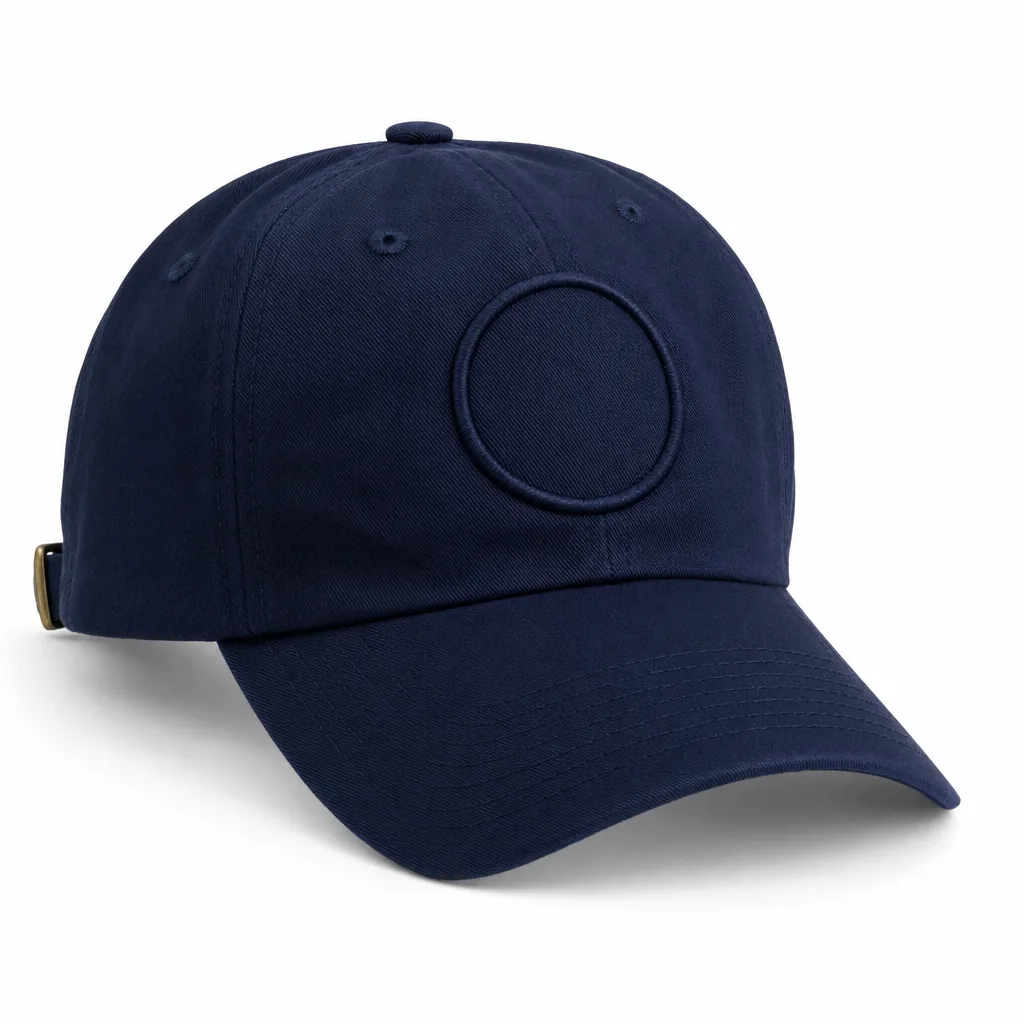
Every week, our sales team answers detailed questions about baseball hats for men export shipping checklist for custom hat buyers - 2026 buyer's guide. We wrote this guide so that wholesalers, streetwear brands, corporate buyers and promotional resellers can compare options with full information, and avoid the traps that show up only after production has started.
Why baseball hats for men export shipping checklist needs a separate sourcing plan
Most buyers looking for a baseball hats for men export shipping checklist are trying to control landed-risk, not shave pennies off fabric cost. That is why sourcing for export has to be separated from the creative brief. A structured 6-panel cap in 260 gsm brushed cotton twill with a 3.0 mm PE visor board, buckram front, and high crown does not ship like an unstructured dad hat in 180 gsm chino twill. The nesting ratio, carton dimensions, polybag thickness, and visor support method change the freight outcome immediately. On a 10,000-piece order, tightening pack-out by even 0.3-0.5 CBM can save more than a $0.08 per piece fabric downgrade on U.S. West Coast lanes. If the factory waits until after PP approval to decide inner pack count or master carton size, you often get crown crush, brim wave, and avoidable claims before the goods are even devanned.
A separate sourcing plan also matters because trims, decoration, and compliance directly affect shipping performance. Raised embroidery run on Tajima or Barudan heads, merrowed patches, TPU badges, metal buckles, and moisture-reactive cotton sweatbands all create different transit risks and packing limits. A 3D logo that looks clean at final trimming can still snag inside a 0.03 mm polybag if the thread ends are not heat-sealed properly; a merrowed patch increases stack height and cuts nesting efficiency; brass hardware needs basic anti-rust controls if cartons sit in a humid consolidation warehouse. Color control is another point buyers underestimate. If shell fabric must hit a licensed shade within an agreed Delta-E tolerance against a Pantone TCX reference, the sourcing plan has to include lab dips, approval lead time, and re-dye contingencies, not just FOB target.
Documents and logistics are the last reason the baseball hats for men export shipping checklist needs its own sourcing plan from day one. FOB Ningbo, FCA Yiwu, and DDP Toronto do not use the same labeling logic, tax handling, or booking timeline. The clean file should be locked before bulk: commercial invoice, packing list, carton marks, HS code alignment, country-of-origin marking, barcode layout, and a cap-specific pre-shipment standard at AQL 2.5. That inspection standard should define real defects such as visor skew, off-center embroidery, seam puckering, loose back-tack, and inconsistent crown height. Retail programs often add audit requirements like sedex-audit-cap-supplier-guide.html">BSCI 2.0 or Sedex SMETA 4-Pillar before cargo release. In practice, the expensive mistakes are predictable: approving samples before carton specs are frozen, underestimating embroidery runtime on multi-position logos, and backing into air freight because export details were treated as paperwork instead of sourcing.
Factory capability checks before quoting
The fastest way to kill a bad quote is to confirm the supplier actually controls production instead of farming your order through two or three subcontractors. In any baseball hats for men export shipping checklist, I check embroidery first because it exposes real capability within five minutes. Ask how many heads they run, which machines are on the floor, and whether digitizing is in-house. A factory using Tajima, Barudan, or ZSK 12-, 15-, or 20-head machines with its own puncher should be able to hold 3.5-4.0 mm satin lettering on a curved crown, register 3D puff on buckram-backed fronts, and explain when 75D thread is safer than 120D for small serif details. They should also specify cap backing combinations—tear-away, cut-away, or laminated backing—based on shell fabric, because 300 gsm cotton twill behaves very differently from 240 gsm brushed chino. For color approval, "match closely" is not a process. Serious factories will reference Pantone TCX or Pantone C, use a D65 light box, and set an achievable fabric tolerance around Delta-E 1.5-2.0. If your logo program includes woven labels, merrowed patches, TPU badges, or leatherette patches, confirm they have production history for each, because stitch path, press temperature, and seam allowance all change.
Construction questions expose weak factories faster than any showroom sample. Ask for exact shell materials and weights: cotton twill at 270-320 gsm, brushed chino at 240-280 gsm, poly-cotton around 220-260 gsm for promo caps, and recycled polyester or nylon at 110-160 gsm for running and golf styles. Then push into the build details that affect cost and packing: PE visor board thickness, buckram hardness, sweatband composition, seam tape width, eyelet finish, and closure options from 7-hole snapback to metal tri-glide, hook-and-loop, or fitted sizes in 54-62 cm. A capable sample room should handle six-panel structured caps, five-panel foam truckers, unstructured dad hats, and rope caps without outsourcing every pattern fix. Before accepting any FOB price, ask for current BSCI 2.0 or Sedex SMETA 4-Pillar reports, needle-control logs, inline inspection records, and final inspection standards at AQL 2.5 with zero tolerance for critical defects. Then send a complete tech pack and watch what comes back. If the factory does not ask about visor curve, crown height, top button material, inner taping print, barcode placement, carton dimensions, and shipping terms like FOB Ningbo, FOB Shanghai, or DDP to your warehouse, they are not quoting from a controlled process; they are guessing.
MOQ, pricing and sample approval
MOQ drives unit economics harder than almost anything else, so it belongs near the top of any baseball hats for men export shipping checklist. For a stock 6-panel cap in 100% cotton brushed twill or 16x12 chino twill with one front flat embroidery, the first workable band is usually 144-300 pcs per style and color; under that, digitizing, hooping, cutting loss, and sewing line changeover can add $0.35-$0.90 per cap. A fully custom program with Pantone-matched shell fabric, printed seam tape, woven main label, branded metal buckle, and custom sweatband is more realistic at 300-500 pcs per style/color, while fitted runs with size breaks often start at 500 pcs because marker efficiency and carton assortment both get worse. Setup costs should be listed separately: standard embroidery digitizing is typically $25-$60 per logo, 3D puff files $60-$75, and molds for metal trims, PVC badges, or rubber labels usually $120-$300.
Sample approval is where most preventable delays and claims start. Before bulk cutting, the PPS needs to lock crown height, buckram stiffness, visor curve, closure type, fabric weight, embroidery placement, label set, and packing method against the tech pack. Do not sign off color from phone photos. Specify Pantone TCX for textiles and Pantone Solid Coated for hard trims, then check under D65 lighting with an agreed tolerance; in practice, many buyers accept Delta-E below 1.5 for trims and around 2.0-2.5 for dyed fabrics, depending on material. That matters because 210 gsm brushed cotton, polyester twill, and recycled nylon do not take dye the same way even when the lab dip looks close. Front logos in the 6,000-9,000 stitch range usually run clean on Tajima or Barudan heads, but overdense files on 180-220 gsm fabric can cause puckering, thread breaks, and crown distortion.
Trims and packing are where quotations quietly drift if you only compare FOB unit price. A basic care label, hangtag, and 1 pc/polybag is standard, but printed sweatbands, hologram stickers, tissue wrap, insert cards, size stickers, or retailer-specific export cartons typically add $0.08-$0.60 per cap depending on volume and print method. Confirm whether patch pricing includes merrow border, die-cutting, heat-seal backing, and sewing labor; those omissions are common in early quotes. Approve carton dimensions, pcs per carton, gross weight, barcode placement, and shipping marks at PPS stage, not after sewing finishes, because a packing mistake discovered after AQL 2.5 inspection is expensive to rework. Lead time should be judged as hard as price: simple embroidered caps usually need 18-28 days after PPS approval and deposit, while fully custom orders with woven patches, mixed decoration, or custom trims are more realistically 30-45 days, plus another 3-7 days for final inspection, rework, and booking.
Quality inspection and shipping risk
Most cap claims are preventable if the baseball hats for men export shipping checklist starts with a written release standard instead of a factory-side “OK to ship.” Use ANSI/ASQ Z1.4 single-sampling as the baseline: AQL 2.5 for major defects and 4.0 for minor is normal for promotional programs, while licensed, e-commerce, and retail-chain orders often tighten majors to 1.5 on appearance-critical styles. On baseball hats, major defects are not abstract—they are front logo off-center beyond tolerance, crown panel skew, broken visor edge topstitch, needle cuts on the front panel, wrong closure hardware, sweatband staining, mixed size ratios, or carton count shortages. Minors are loose thread tails over 3 mm, light pressing shine, slightly uneven button wrap, or small visor asymmetry that stays within spec. Put hard tolerances on the PO and inspection sheet: crown height +/-0.5 cm, visor width +/-0.3 cm, head circumference +/-0.5 cm for snapbacks and +/-0.3 cm for fitted runs. I also insist on a wear test on a head form after steaming, because seam puckering and visor twist often pass flat-table measurement but fail immediately on-head.
Color and embroidery generate the next wave of debit notes, especially on navy, black, forest, and deep red programs. If the shell fabric is 260-300 gsm brushed cotton twill, 230-280 gsm chino twill, or 180-220 gsm recycled polyester, require crocking at grade 4 dry and 3-4 wet, plus acceptable perspiration and light fastness for outdoor use. Check approved Pantone TCX references under D65 lighting, and for repeat orders hold lot-to-lot color variation to Delta-E 1.5 or lower; once you drift past 2.0, mixed-carton shade difference becomes visible to buyers. On embroidery run on Tajima, Barudan, or ZSK heads, inspect registration drift, satin coverage, thread breaks, backing show-through, foam exposure on 3D puff, and tension inconsistency after machine changeovers. Compare first-off pieces to the approved DST or EMB file for stitch count, logo width, and edge definition; a 1.5 mm shift on a structured 6-panel front is obvious.
Shipping risk is usually created at carton level, not on the water. Every master carton should match the booking exactly: PO number, style number, color, quantity, carton sequence, gross and net weight, dimensions in cm, country of origin, and routing marks. One bad carton mark can trigger relabeling fees, warehouse refusal, or stock misreceipt at the destination DC. Keep outer cartons under roughly 16-18 kg, use the agreed packing ratio, and do not overpack crowns to chase freight efficiency; crushed buckram, visor deformation, and closure scratching are common compression failures even when sewing passes final inspection. FOB works when the buyer controls freight with its own forwarder; DDP reduces customs and last-mile exposure for smaller importers, but in 2026 that convenience still commonly adds about $0.18-$0.45 per cap depending on lane, carton utilization, and delivery terms. The cleanest control is a locked document pack under revision control: approved sample photos, final spec sheet, Pantone callouts, packing list, carton marks, embroidery file, and final inspection report signed to the release standard.
Buyer checklist for the next RFQ
A workable RFQ starts with manufacturing data, not mood-board screenshots. For a clean baseball hats for men export shipping checklist, send five things on day one: exact cap profile, shell fabric, decoration method, color split by quantity, and destination country. A 6-panel structured snapback with PE buckram, high crown, and flat visor will not quote anywhere near a washed unstructured dad cap or a 5-panel rope cap. Fabric also moves cost fast: 260 gsm brushed cotton twill, 220 gsm chino twill, 300D cationic polyester, and 70D nylon taslon all sit in different price bands and sew differently at the visor and front panel. Add the specs buyers often forget but factories price immediately: closure type, sweatband material, underbill fabric, eyelet style, top button, crown height, and size break such as OSFM, 58 cm fitted, or S/M-L/XL. Decoration has to be named like a production order, not a design concept. “Embroidery logo” is too vague; specify flat embroidery, 3D puff, woven patch, TPU badge, felt applique, or screen print, and note approximate logo size in millimeters. On the factory floor, 8,000 stitches versus 14,000 stitches can change run time enough to move cost by $0.20 to $0.60 per cap, while a new TPU or metal mold usually adds a one-time fee around $80 to $150 per artwork. Send vector files in AI, EPS, or layered PDF and call out Pantone Solid Coated or Pantone TCX references for every visible color. If shade control matters, write it into the RFQ: Delta-E under 2.0 is realistic for piece-dyed fabric, while embroidery thread and mixed trims are usually safer at Delta-E under 3.0.
Most quote delays come from incomplete artwork and unclear shipping terms. Your brief should show the front, both side panels, back arch, inside seam tape, sweatband, underbill, closure, labels, and packaging, with each logo position measured from seam lines or visor edge in millimeters. Include details that affect both production and customs paperwork: woven label content, hangtag size, barcode format, carton marks, country-of-origin wording, and whether approvals are based on a photo sample, pre-production sample, or sealed reference sample. If you need retail consistency, ask for the QC standard upfront—AQL 2.5 is common for final inspection, and embroidery should be checked for thread breaks, registration, and puckering, especially on Tajima or Barudan runs with dense front logos. Shipping instructions should be exact enough that a forwarder can cost them without follow-up. State the Incoterm precisely—FOB Ningbo, CIF Los Angeles, or DDP Toronto—plus the required in-warehouse date, not “ASAP.” Packing method changes freight math immediately: bulk pack, 1 pc/polybag with 12 pcs/inner and 144 pcs/master, or retail-ready packs with inserts, stickers, and size labels all produce different carton dimensions and chargeable weight. On small runs moved by air, an extra 3 to 5 cm of carton height can push landed cost harder than a $0.30 trim upgrade. If your program requires compliance, put it in the RFQ before sampling: CPSIA tracking label, REACH, azo-free dyes, nickel release limits, needle policy, BSCI 2.0 or Sedex SMETA 4-Pillar audited production, and final shipment inspection level. Buyers who submit construction, Pantones, packing, and delivery terms in one file usually get a dependable quote within 24 to 48 hours; buyers who send only a reference photo get an estimate, not a decision-grade price.
Working with CrownsForge
Most export failures are locked in before vessel booking, not at the port. A practical baseball hats for men export shipping checklist starts with freezing three things before bulk cutting: the signed PPS, the approved decoration strike-off, and the final carton spec. If any of those move after sewing starts, you usually eat delay cost twice—first in rework, then in missed ETD. For a standard 6-panel cotton twill cap or a 140-160 gsm performance polyester style, pre-production sampling is typically 5-7 working days; add 2-4 days for 3D puff embroidery, woven patches, applique, or molded TPU badges because the approval loop is slower and failure points increase. Color approval should be tied to Pantone TCX or Pantone C references, then checked under D65 lighting with an agreed Delta-E tolerance, normally below 1.5 for critical brand colors and below 2.0 for less sensitive trims. Tajima and Barudan machines will run cleanly, but bad digitizing still causes edge pull, poor satin coverage, and inconsistent puff height, so the file approval matters as much as the sample itself.
Packing compliance is where buyers protect margin. The carton spec should already match the destination warehouse rules for FNSKU or UPC placement, carton marks, country-of-origin wording, and maximum gross weight before production starts, not when the forwarder asks for dimensions. On caps, 144 pcs per export carton is common, but gross weight can jump past 16 kg fast once you add brim clips, inserts, polybags, and inner dividers, so a safer working range is usually 12-16 kg. QC should stay measurable: panel symmetry, crown height tolerance within about 3-5 mm, visor curve consistency, top button centering, sweatband join quality, stitch count stability, needle damage, loose trims, and barcode scan readability. Decoration approvals also need to be technique-specific—3D puff on acrylic-wool blends fails when foam height or underlay is underbuilt, woven patches fray when merrow density is cut to save a few cents, and heat transfers on brushed cotton will silver or lift if temperature, pressure, or dwell time drift. Our standard practice is to release finished goods at AQL 2.5 only after those checks align with booking data, HS code confirmation, invoice, packing list, carton marks, and any required BSCI 2.0 or Sedex SMETA 4-Pillar audit records.
Frequently Asked Questions
How long does production take?
Sampling takes 7 to 12 days. Bulk production runs 20 to 30 days depending on quantity, fabric availability and decoration complexity. Inspection and packing adds another 3 to 5 days before shipment.
Do you support sustainability certifications?
Yes. We work with GOTS organic cotton, GRS-certified recycled polyester, OEKO-TEX Standard 100 fabrics, and are BSCI and Sedex audited. Certification documentation can be provided per order.
What is the minimum order quantity (MOQ) for custom hats?
Our standard MOQ is 100 pieces per design and color, with sampling available from 1 piece. For complex multi-color logos or premium fabric upgrades, the MOQ can be lowered with a small per-piece surcharge.
What logo decoration techniques do you offer?
3D puff embroidery, flat embroidery, woven patch, leather patch, PVC patch, screen printing, sublimation, applique and laser etching, all in-house with no subcontracting.
Can I order a sample before bulk production?
Yes. We strongly recommend approving a pre-production sample before mass production. Samples are charged at 35 to 60 USD each plus express shipping, fully refundable against confirmed bulk orders over 500 pieces.
How does ordering custom fitted hats for men work?
When evaluating custom fitted hats for men, the key considerations are construction quality, decoration capability, MOQ flexibility and lead time. Explain the buyer intent behind baseball hats for men export shipping checklist, when it differs from generic hat sourcing, and what decisions affect cost, lead time and compliance. Describe how CrownsForge manages baseball hats for men export shipping checklist programs with sampling, decoration, QC and export coordination.
What should buyers know about nike bucket hats for men?
When evaluating nike bucket hats for men, the key considerations are construction quality, decoration capability, MOQ flexibility and lead time. Explain the buyer intent behind baseball hats for men export shipping checklist, when it differs from generic hat sourcing, and what decisions affect cost, lead time and compliance. Describe how CrownsForge manages baseball hats for men export shipping checklist programs with sampling, decoration, QC and export coordination.
How does ordering custom embroidered baseball hats work?
When evaluating custom embroidered baseball hats, the key considerations are construction quality, decoration capability, MOQ flexibility and lead time. Explain the buyer intent behind baseball hats for men export shipping checklist, when it differs from generic hat sourcing, and what decisions affect cost, lead time and compliance. Describe how CrownsForge manages baseball hats for men export shipping checklist programs with sampling, decoration, QC and export coordination.
How does ordering custom leather patches for hats work?
When evaluating custom leather patches for hats, the key considerations are construction quality, decoration capability, MOQ flexibility and lead time. Explain the buyer intent behind baseball hats for men export shipping checklist, when it differs from generic hat sourcing, and what decisions affect cost, lead time and compliance. Describe how CrownsForge manages baseball hats for men export shipping checklist programs with sampling, decoration, QC and export coordination.
What is the best shipping method for hats?
It's always better to package the hat in a size-appropriate box and not mash it into a smaller one. In some instances, maybe you don't need a box. Instead of always using a box, you can choose to ship soft and bendable hats in a plastic shipping bag with some protective material.
Ready to start your custom hat project?
Send us your tech-pack, sketch or even just an inspiration photo. We will respond with a detailed quotation and digital mock-up within 24 hours.
Request a free quoteRelated guides
Custom Leather Patch Hat Low Minimum: A 2026 B2B Sourcing Guide
Read article →
Mens Beanies: Properties, Costs and How to Spec It Right
Read article →
Custom Rope Hats: Manufacturing, Materials and Bulk Pricing (2026 Update)
Read article →Sourcing custom hats does not have to be complicated. With the right manufacturing partner, clear specifications and a small upfront investment in sampling, you can launch a retail-quality product in 30 to 45 days.