
Ball Caps for Men: A 2026 Sourcing Playbook for International Buyers (2026 Update)
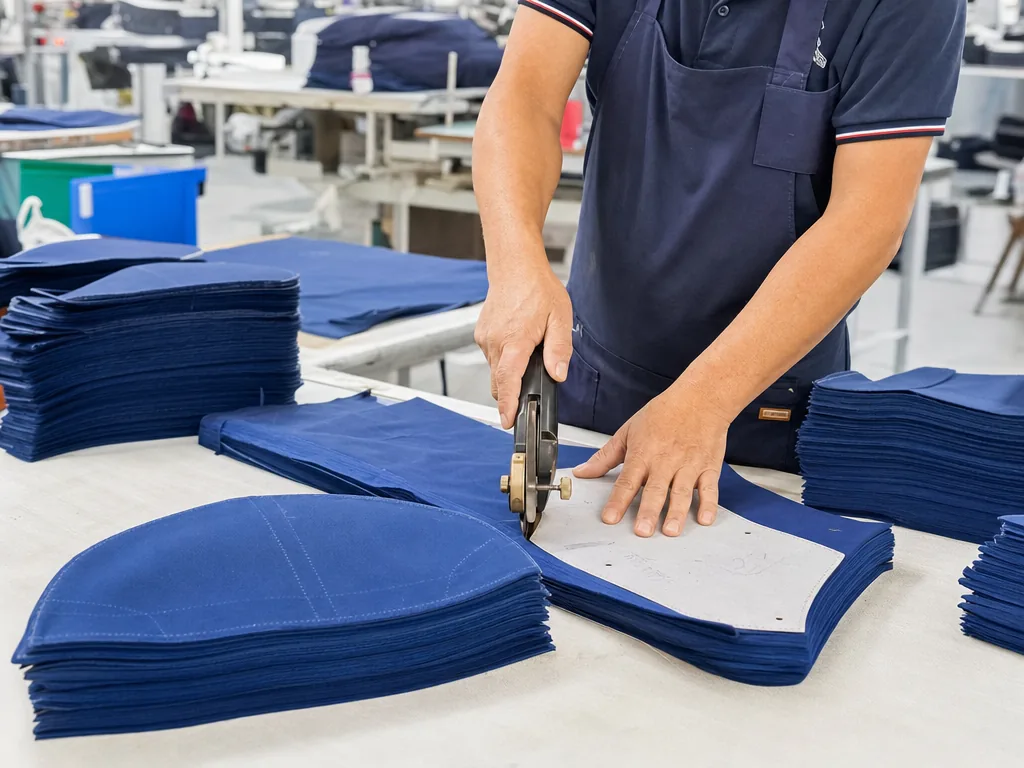
Every week, our sales team answers detailed questions about ball caps for men: a 2026 sourcing playbook for international buyers (2026 update). We wrote this guide so that wholesalers, streetwear brands, corporate buyers and promotional resellers can compare options with full information, and avoid the traps that show up only after production has started.
Dad Hats for Men
Dad hats live or die on shape control and wash consistency, not decoration. For men’s assortments, the dependable spec is an unstructured 6-panel cap with a low-profile crown, finished height of 11.5-12.5 cm, a pre-curved PE visor, and either no buckram or a half-moon front stay. The fabrics that behave best in bulk are 210-260 gsm brushed cotton twill, washed chino twill, or pigment-dyed cotton canvas. If you want a softer hand, write `enzyme wash` or `bio-wash` in the tech pack; “soft feel” is useless language on a sewing line. When sourcing ball caps for men in this profile, lock down composition, gsm tolerance at +/-5%, sweatband material, visor board thickness, seam tape color, eyelet finish, and closure before sampling. A metal buckle with tuck strap still gives the cleanest retail read, while hook-and-loop or plastic snapbacks cut sewing minutes but also drag the perceived price point downward. Buyers often treat dad hats as interchangeable across genders, but sell-through usually shifts on three details: visor curve, rear opening size, and washed color palette.
A workable dad hat tech pack needs measurement discipline, not just panel artwork. Call out visor curve radius, stitch density, top button diameter, eyelet spacing, sweatband width, rear opening width, embroidery placement tolerances, and Pantone TCX references for shell, thread, and trims. For washed programs, I would cap color variation at Delta-E 1.5 against approved lab dips; otherwise khaki, vintage navy, olive, and faded black drift fast from lot to lot. Approve samples only after wash, because garment wash, enzyme wash, and heavy vintage wash all change shrinkage, seam torque, and crown alignment. On commercial quantities, MOQ usually lands at 144-300 pieces per colorway in stock fabric, while custom-dyed cloth more realistically starts at 500-1,000 pieces because of mill minimums. Retail-grade blank dad hats in 2026 generally quote around $1.20-$1.90 EXW; add 5,000-8,000 stitches of front embroidery, woven labels, printed seam tape, and a metal buckle, and the range typically moves to $2.40-$4.20 EXW. Once you add applique, side embroidery, or aggressive wash effects, expect pricing above $5.00 because soft crowns expose rework immediately.
Inspection is where weak suppliers get exposed. At AQL 2.5, the recurring failure points on dad hats are visor asymmetry, embroidery drift beyond 2-3 mm, crown collapse, needle cuts on washed cotton, backstrap stitch failure, sweatband binding waviness, and puckering around the front logo. Soft caps show problems that stiffer ball caps for men can hide: off-grain panels, seam twist after wash, distorted eyelets, and crown-to-visor shade mismatch when cutting rooms mix fabric lots. Carton discipline matters too; crushed low-profile crowns do not recover well after 30-40 days in ocean transit, especially in high-cube packing. The suppliers worth keeping are the ones that approve post-wash shades, verify wear-test samples, and freeze carton ratios before bulk cutting. Dad hats look simple on a line sheet, but they are one of the fastest products for telling whether a factory actually controls pattern balance, washing, and finishing.
Ball Caps for Women
Women’s programs go wrong when buyers simply shrink ball caps for men instead of cutting a dedicated fit block. The commercial sweet spot is usually a 56–58 cm adjustable circumference, but the real difference is proportion: front crown depth reduced 5–8 mm, visor width held at 17.0–17.5 cm instead of a typical 18.0 cm men’s brim, and a rear opening shaped so a ponytail does not pull the closure line off center. On structured 6-panel caps, I normally downgrade buckram by one stiffness level; heavy PE-coated buckram used on men’s styles makes a women’s cap ride too tall and look boxy on a smaller head form. Fabric selection should follow the channel. Brushed cotton twill at 260–280 gsm still sells best for lifestyle retail, while sport accounts usually prefer 75D–150D polyester microfiber or recycled polyester with a moisture-wicking sweatband and low-profile seam tape. The tech pack has to lock down more than color and logo size. Specify panel geometry, seam allowance, visor sandwich thickness, closure hardware finish, sweatband width, and approved Pantone TCX references for shell, underbrim, thread, and woven labels. If the style includes reactive dye or washed effects, set a bulk shade target of Delta-E below 1.5 against the approved lab dip, or the mismatch between brim and crown will show immediately under store lighting. Women’s caps are judged more like fashion accessories than utility headwear, so tolerance windows should be tighter than standard ball caps for men: crown depth within plus or minus 3 mm, logo placement within 2 mm center tolerance, and consistent visor curvature across the size run.
The sewing flow is familiar—fabric inspection, cutting, embroidery or patch application, panel assembly, eyelet setting, visor insertion, sweatband joining, closure attachment, shaping, trimming, and final audit—but lighter-profile women’s caps are less forgiving in production. A 2 mm off-center logo that might pass visually on a high-profile men’s cap stands out immediately on a lower crown. On Tajima or Barudan heads, softer front panels need the right backing stack and stitch density, especially on satin columns above 0.35 cm width; otherwise you get puckering, tunneling, or foam collapse after carton compression. For washed cotton, I’d also check seam grin at the side panels and visor seam symmetry after post-wash pressing, because those defects are common and expensive to rework. Cost is mostly a function of fabric, decoration, and trim complexity, not whether the cap is sold as women’s. In Yiwu, a basic 6-panel brushed twill cap with standard buckle closure and flat embroidery usually starts around 144–300 pcs per color, while garment wash, custom metal trims, woven taping, or retail packaging will push practical MOQs to 500–1,000 pcs per style to maintain dye-lot consistency and line efficiency. Ex-factory pricing for blanks is typically $1.20–$2.10; decorated programs commonly land at $2.40–$4.80 FOB Ningbo depending on stitch count, fabric yield, closure type, and packaging spec. Our standard practice is AQL 2.5 with extra checkpoints on logo centering, sweatband join bulk, buckle pull strength, visor shape memory after 24-hour carton pressure, and shade variation between crown panels and brim.
Country Hats for Men
Country silhouettes get misquoted when buyers price them as generic ball caps for men. The build is usually different from a standard 6-panel athletic cap: 5-panel foam truckers with 120-140 gsm polyester mesh, washed 14x14 cotton chino twill at roughly 260-280 gsm, or fall-weight bodies in wool-blend felt and suede-touch microfiber around 0.8-1.0 mm. The quote only holds if the tech pack is complete: crown height in centimeters, visor length and pre-curve angle, buckram hardness, sweatband content, closure type, rope gauge, mesh shade, and Pantone TCX references for shell and trims. Leave those points open and the first prototype usually comes back with the classic problems—too shallow in front, too stiff at the peak, or visibly off-tone between crown, rope, and underbrim. Country styling also adds trim complexity that many factories undercost on the first pass. Faux leather or real leather patches need different heat-press settings and stitch margins; curved visor embroidery must be digitized for the final arc, not a flat template; camo underbrims often create shade mismatch against solid crowns. If the factory is not working from a sealed spec and a confirmed fit block, the sample room will improvise, and that is where delays start.
Decoration is where rustic-looking caps quietly turn technical. A front logo that seems harmless on paper can crush a low-profile trucker if it is digitized at 10,000-12,000 stitches with the wrong underlay, backing weight, or push-pull compensation. Tajima, Barudan, and ZSK heads do not sew dense satin borders the same way on washed twill, foam fronts, or brushed microfiber, so buyers should lock the embroidery method during sampling and keep the same crown block across adjacent ball caps for men programs. If the factory changes sweatband width, crown angle, or visor mold between POs, the labeled circumference can stay at 58 cm while the wearable fit still drifts enough to trigger returns. Cost follows construction, not the country label. In Yiwu, a basic 5-panel foam trucker with polyester mesh and a standard PP snapback may open around 300 pcs per colorway, while washed cotton caps with custom inside taping, woven labels, branded metal eyelets, and laser-engraved PU or leather patches are usually more stable at 500-1,000 pcs per SKU. Realistic FOB pricing is about $2.10-$3.20 for a blank washed twill cap and $3.40-$5.80 once decoration is added. Write likely failures into the PP checklist: wash shade variation, mesh puckering, off-center patches, exposed visor sandwich, backing show-through, and weak back-bar tacks. For solids, Delta-E 1.5-2.0 versus the approved swatch is achievable; for pigment- or enzyme-washed styles, a sealed physical sample is more reliable than lab color alone, with final inspection run to AQL 2.5 major.
Toilet Bolt Caps
Toilet bolt caps are plumbing parts, not headwear trims, and leaving that phrase in a cap tech pack is how buyers burn a week on the wrong samples. In factory language, a toilet bolt cap is usually an injection-molded PP or ABS cover for 1/4 in. or 5/16 in. closet bolts. A hat factory quoting ball caps for men needs crown profile, panel count, brim curve, closure type, buckram spec, sweatband width, and decoration method. The correct trim terms are top button, embroidered eyelet, hook-and-loop strap, tuck strap with metal clasp, snapback, visor sticker, or seam tape. Once the wording is wrong, everything downstream goes wrong too: supplier search, HS code discussion, BOM translation, and even sample-room allocation. I have seen one mistranslated line item trigger 5 to 7 lost days because the sourcing team was discussing resin shrinkage and snap-fit retention while the sewing floor was waiting for a structured 6-panel cap spec. What buyers usually need here is a tighter specification for the actual hat. For mainstream ball caps for men, the most stable programs are 260 to 280 gsm brushed cotton twill, 240 to 270 gsm chino twill, or 180 to 220 gsm polyester twill, paired with 4 mm PE visor board, 8 rows of brim stitching, a 30 to 35 mm moisture-wicking sweatband, and a low- or mid-profile crown block. If the back closure uses metal hardware, call out base metal, finish, and at least 24-hour neutral salt spray performance. If the front logo is embroidered, specify thread brand, backing weight, stitch count, and maximum logo height; once a structured front goes beyond roughly 7,000 stitches on Tajima or Barudan heads, weak buckram and shallow crown depth start causing puckering and panel distortion faster than buyers expect.
If the project genuinely includes toilet bolt caps as a bundled promotional item, source them on a separate PO with separate QA, costing, and carton marking. Typical molded specs are 1.5 to 2.2 mm wall thickness, SPI-B2 texture, white or almond masterbatch, and MOQ around 3,000 to 5,000 pairs per color using a stock tool. New tooling in Zhejiang usually runs $600 to $1,800 depending on cavity count and gate design, with ex-factory pricing around $0.05 to $0.18 per pair. For color-controlled retail packs, lock the shade to a Pantone reference and cap tolerance at Delta-E 1.5 under D65 lighting; otherwise “off-white” turns into a predictable claims issue once different resin lots hit production. The inspection logic is completely different from hats, which is why combining both items on one sourcing sheet usually creates noise instead of savings. Molded parts need checks for flash at the parting line, short shots, sink marks on the dome, regrind brittleness, and retention on representative studs. Ball caps for men need panel alignment, top-button centering, brim symmetry, embroidery registration, shade consistency, and closure function. Our standard practice for headwear is inline inspection during sewing and final random inspection at AQL 2.5, with zero tolerance for critical defects such as broken visor board, needle contamination, or wrong logo placement. In the 2026 mid-market range, realistic ex-factory pricing is about $2.20 to $4.80 for blanks and $3.80 to $8.50 with embroidery, depending on fabric, closure, stitch count, and packing method.
Embroidered Caps Wholesale
Embroidery quality is the fastest way to separate a reliable cap supplier from a trading company that is only forwarding artwork. For embroidered caps wholesale, buyers should ask how the factory handles digitizing, backing, and panel preparation before they ask for a price. A structured 6-panel cap in 100% cotton twill at 260-280 gsm behaves very differently from brushed chino, nylon taslon, or heather jersey, and the stitch file has to match the fabric and crown profile. On a Tajima or Barudan head, a clean front logo for ball caps for men usually runs 5,000-12,000 stitches; dense fills above that range need better underlay, sharper pull compensation, and sometimes a switch from flat embroidery to 3D puff with 2 mm to 3 mm EVA foam. If the supplier cannot tell you thread brand, needle count, backing weight, and whether they sample on the actual shell fabric, expect inconsistent logos across sizes and colors. Our standard practice is to approve digitizing against the real cap body, not just a swatch, because seam intersections and buckram tension change how the embroidery sits.
The spec sheet should be brutally specific. Buyers should lock fabric composition, crown height, visor curve, closure type, sweatband material, eyelet style, top button, stitch rows on visor, and thread references by Pantone TPX or TCX where applicable, then confirm acceptable color tolerance such as Delta-E below 1.5 for dyed fabric and below 2.0 for embroidery thread match. For wholesale blank hats that will later be decorated in-market, confirm front panel reinforcement and embroidery window dimensions so decorators do not hit seam bulk. Typical MOQ for custom bulk hats with one logo is usually 144 to 300 pieces per colorway, but 500 to 1,000 pieces is where pricing starts to normalize because setup, digitizing, and line balancing spread better. In Zhejiang production, a basic embroidered baseball cap in cotton twill often lands around US$2.20-US$3.80 FOB Ningbo at 300-500 pieces, while brushed premium builds with sandwich visor, metal buckle, and inside taping can run US$3.80-US$5.80. Small runs for ball caps for women or country hats for men with multiple placements, side embroidery, or applique will push up labor minutes quickly.
Inspection is where most buyers save or lose margin. The common failures are logo shift off centerline, puckering from over-tension, exposed bobbin thread, loose jump stitches, poor foam coverage on 3D embroidery, visor asymmetry above 5 mm, crown distortion after embroidery, and sweatband contamination from thread trimming dust. At final random inspection, I would check embroidery placement tolerance within plus or minus 2 mm, stitch count consistency against the approved sample, seam slippage around the front panel, shade variation between panels, and carton ratio by size or color under AQL 2.5. Also ask whether the factory uses manual thread trimming or a post-embroidery heat cut process, because sloppy cleanup is a chronic issue on bulk custom hats. This matters to the broader sourcing decision because embroidery density, cap structure, and target retail channel are linked: a promotional cap can tolerate simpler backing and lower stitch complexity, but licensed sports or streetwear programs need tighter controls, cleaner handfeel, and more repeatable logo execution across replenishment orders.
Wholesale Embroidered Caps
Embroidery quality is decided long before the cap hits a Tajima, Barudan, or ZSK head. For wholesale embroidered ball caps for men, the make-up spec matters as much as the logo file: crown height, panel count, buckram thickness, visor board, sweatband construction, and shell fabric all change how the design sews out. A structured 6-panel cap with 2.0 to 2.5 mm PE buckram and 280 to 320 gsm cotton twill will hold a 90 to 110 mm front logo far better than a washed unstructured dad cap in 180 to 220 gsm chino. Your tech pack should lock down logo size in millimeters, placement from center front and seam line, stitch-count ceiling, thread brand, Pantone TCX reference, and shade tolerance—Delta-E under 1.5 if color accuracy is critical, 2.0 at most for mass production. It should also state the execution method: flat embroidery, 3D puff, appliqué, satin border, or mixed-media patch. Most embroidery failures come from specs that were never written. Dense fills on brushed cotton twill need proper edge-run underlay and a backing that matches the fabric weight, usually 50 to 70 gsm cutaway or tearaway depending on crown structure, or the front panels will pucker. Lightweight polyester performance shells, especially 75D to 150D microfiber, need finer needles, reduced top tension, and lower-friction thread paths to prevent needle cuts, sheen marks, and flagging. Our standard practice is to reject front logos that cross the center seam unless the digitizer has compensated pull and push for both panel geometry and visor curve. On men’s caps, 3D puff above 4 mm usually looks cheap and increases seam grinning; 2 to 3 mm foam is the safer range for clean edges and carton stability.
Price is driven less by “custom” versus “stock” than by stitch count, material, and whether the factory is burying real costs outside the quote. In China, a fully custom men’s cap program usually starts around 144 to 300 pieces per colorway; stock-shell programs can drop to 48 to 100 pieces if the body is already blocked and trimmed. For ball caps for men in standard 6-panel cotton twill, with 5,000 to 8,000 stitches on the front and a tuck strap or snapback closure, a realistic price is US$2.20 to US$3.80 FOB Ningbo or Shanghai at 300 to 500 pieces. Add 3D puff, metallic thread, side hit embroidery, woven flag label, printed seam tape, moisture-wicking sweatband, or GRS-certified RPET shell fabric and the same cap can move to US$4.20 to US$6.50 FOB. If a quote looks too low, check whether digitizing, pre-production sample, polybag, carton ratio, and AQL 2.5 final inspection are excluded. The expensive failures are predictable and measurable. Off-center embroidery beyond 2 mm from approved placement, thread shade drift outside Delta-E tolerance, backing shadowing through the forehead panel, and crown collapse from excessive stitch density are not minor defects on a production run—they become chargebacks, rework, or dead inventory. A digital mockup will not reveal seam grin on a center-front logo or distortion caused by a low-profile crown. You need an actual sewn sample on the final cap body, packed and curved, because embroidery affects fit, hand feel, and even carton yield. CrownsForge treats sewn approval samples as a production control point, not a sales formality, especially when logos sit close to the center seam or combine puff with flat fill on structured fronts.
Working with CrownsForge for ball caps for men programs
Smooth programs are won in development, not in last-minute price pressure. For ball caps for men, the first control point is whether the factory runs sampling through three hard gates: approved artwork and Pantone reference, a true pre-production sample in bulk-intended fabric and trims, and a sealed TOP sample that QC uses as the pass/fail standard. On a basic 6-panel cap in 108x56 brushed cotton twill with a pre-curved PE visor and plastic snap closure, 5 to 7 calendar days for the first prototype is realistic. Once you add 3D puff embroidery, contrast rope, sublimated seam tape, suede or TPU patchwork, or custom metal hardware, the timeline usually moves to 10 to 14 days because digitizing revisions, trim sourcing, and sew-out testing all stack up. If the factory approves artwork without a real machine test on Tajima, Barudan, or ZSK heads, that is a warning sign.
The embroidery file has to survive production conditions, not just look acceptable on a sample front panel. On structured crowns, small enclosed counters often close up and satin borders start to fray if pull compensation drops below about 0.4 mm or underlay is too light for the fabric weight. That is not a QC issue; it is a bad digitizing decision. MOQ discussions also need to be anchored to material facts. A supplier may advertise 48 pieces, but a style using custom-dyed 260 gsm cotton, logo taping, woven labels, antique-brass buckle closure, and bespoke packaging typically lands at a true economic MOQ of 144 to 300 pieces per color after dye-lot minimums, trim MOQs, and reject allowances. At CrownsForge, the practical flexibility comes from stocked components: standard twills, 150D rPET, common sandwich brims, and off-the-shelf closures can support 72- or 96-piece trial runs and usually save $0.28 to $0.65 per cap versus fully custom trim development.
Bulk execution is where a factory either behaves like a manufacturing partner or a sampling room. Before fabric booking, the PO review should lock the BOM, panel shape, crown height, visor curve, Pantone TCX or coated references, embroidery size, stitch-count tolerance, barcode format, carton marks, and Incoterms. For a 1,200-piece order of ball caps for men across four colors, a realistic schedule is 7 to 10 days for fabric and trims, 4 to 6 days for cutting and decoration, 5 to 7 days for sewing and finishing, and 2 to 4 days for final inspection and vessel or air booking. In practice, 22 to 35 days from sample approval and deposit is normal; promises much shorter than that usually mean corners will be cut on trim readiness or inspection.
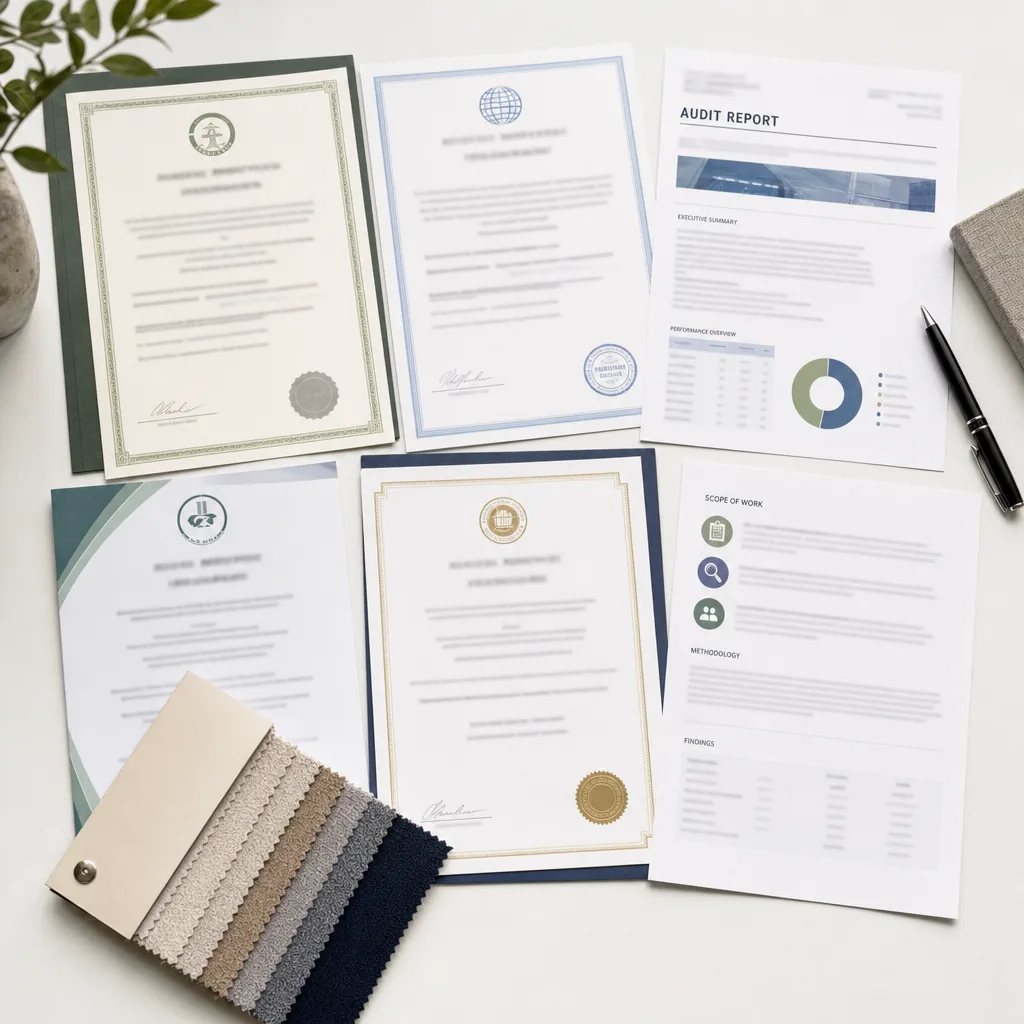
Compliance should be visible in the workflow, not buried in a PDF. sedex-audit-cap-supplier-guide.html">BSCI 2.0 or Sedex SMETA 4-Pillar status matters, but so do needle logs, inline defect records, restricted-substance tracking, and carton traceability by PO, color, and carton number. For color-critical programs, shell fabric and embroidery thread should be matched to an approved standard with a Delta-E target under 1.5, especially when the cap uses enzyme wash or pigment dye, where shade drift after finishing is common. Final inspection should run to AQL 2.5, with practical checkpoints on visor symmetry, crown distortion, embroidery placement, seam puckering, closure function, and assort ratio. If those basics are not controlled on the floor, the buyer ends up paying for avoidable remakes, air freight, or chargebacks later.
Frequently Asked Questions
What logo decoration techniques do you offer?
3D puff embroidery, flat embroidery, woven patch, leather patch, PVC patch, screen printing, sublimation, applique and laser etching, all in-house with no subcontracting.
What file format should I send for my logo?
Vector files (AI, EPS, PDF) are ideal. High-resolution PNG or JPG at 300 dpi on transparent background works as a fallback. Provide Pantone color references for accurate reproduction.
How long does production take?
Sampling takes 7 to 12 days. Bulk production runs 20 to 30 days depending on quantity, fabric availability and decoration complexity. Inspection and packing adds another 3 to 5 days before shipment.
Do you support sustainability certifications?
Yes. We work with GOTS organic cotton, GRS-certified recycled polyester, OEKO-TEX Standard 100 fabrics, and are BSCI and Sedex audited. Certification documentation can be provided per order.
Which shipping methods do you support?
We support FOB, CIF and DDP shipping. Air express for samples and small orders, sea LCL for 100 to 500 pieces, sea FCL for 5,000+ pieces. Door-to-door DDP available for US, EU, UK, Canada and Australia.
What's the MOQ for custom leather patch hats no minimum?
When evaluating custom leather patch hats no minimum, the key considerations are construction quality, decoration capability, MOQ flexibility and lead time. Cover everything buyers ask about dad hats for men: how it's manufactured, what specs to request from a factory, typical MOQ and pricing, common quality issues to inspect for, and how this ties back to the broader ball caps for men sourcing decision. Cover everything buyers ask about country hats for men: how it's manufactured, what specs to request from a factory, typical…
What's the MOQ for custom new era 59fifty fitted hats no minimum?
When evaluating custom new era 59fifty fitted hats no minimum, the key considerations are construction quality, decoration capability, MOQ flexibility and lead time. Cover everything buyers ask about dad hats for men: how it's manufactured, what specs to request from a factory, typical MOQ and pricing, common quality issues to inspect for, and how this ties back to the broader ball caps for men sourcing decision. Cover everything buyers ask about country hats for men: how it's manufactured, what specs to request from a factory, typical…
What should I know about custom bulk trucker hats?
When evaluating custom bulk trucker hats, the key considerations are construction quality, decoration capability, MOQ flexibility and lead time. Cover everything buyers ask about dad hats for men: how it's manufactured, what specs to request from a factory, typical MOQ and pricing, common quality issues to inspect for, and how this ties back to the broader ball caps for men sourcing decision. Cover everything buyers ask about country hats for men: how it's manufactured, what specs to request from a factory, typical…
What's the MOQ for custom embroidered trucker hats no minimum?
When evaluating custom embroidered trucker hats no minimum, the key considerations are construction quality, decoration capability, MOQ flexibility and lead time. Cover everything buyers ask about dad hats for men: how it's manufactured, what specs to request from a factory, typical MOQ and pricing, common quality issues to inspect for, and how this ties back to the broader ball caps for men sourcing decision. Cover everything buyers ask about country hats for men: how it's manufactured, what specs to request from a factory, typical…
What does a 47 on a baseball cap mean?
The '47 or 47 on hats and caps refers to the '47 Brand company. '47 refers to 1947, which is the year that the '47 Brand company was started by Italian immigrant brothers, Henry D'Angelo and Arthur D'Angelo.
What is the difference between a ball cap and a baseball cap?
Technically, baseball hats are structured ball caps designed for team uniforms. They originated with MLB players in the 1800s. Today, they have evolved into the iconic six-panel cap with a stiffer crown and bill. Today, they're used to make a fashion statement and as a functional accessory.
Ready to start your custom hat project?
Send us your tech-pack, sketch or even just an inspiration photo. We will respond with a detailed quotation and digital mock-up within 24 hours.
Request a free quoteRelated guides
Kids' & Children's Cap Manufacturing: CPSIA Compliance and Sizing
Read article →
Custom Rope Hats: Manufacturing, Materials and Bulk Pricing - 2026 Buyer's Guide
Read article →
Custom Hats for Men: A 2026 B2B Sourcing Guide - Cost & MOQ Breakdown
Read article →Sourcing custom hats does not have to be complicated. With the right manufacturing partner, clear specifications and a small upfront investment in sampling, you can launch a retail-quality product in 30 to 45 days.