
Custom Hats for Men: A 2026 B2B Sourcing Guide - Cost & MOQ Breakdown
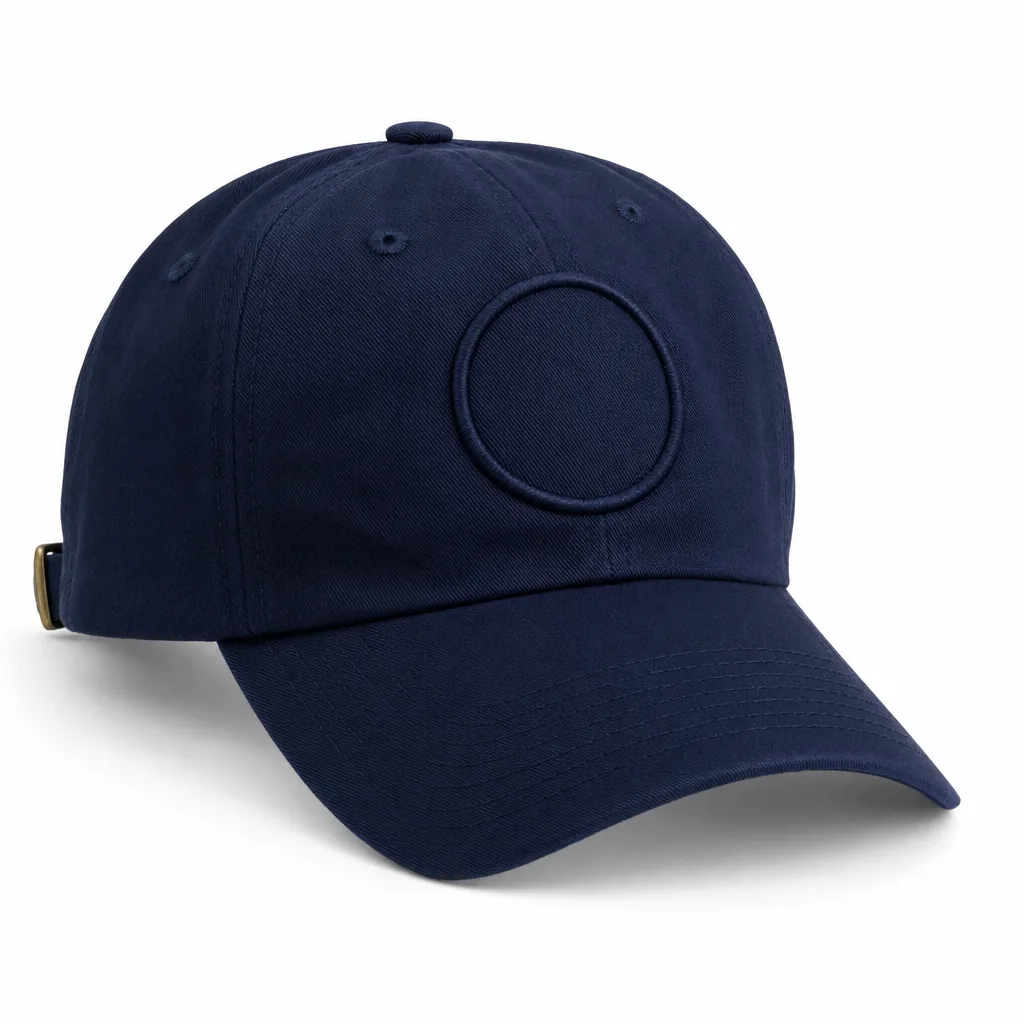
Every week, our sales team answers detailed questions about custom hats for men: a 2026 b2b sourcing guide - cost & moq breakdown. We wrote this guide so that wholesalers, streetwear brands, corporate buyers and promotional resellers can compare options with full information, and avoid the traps that show up only after production has started.
Custom Hats for Women
Most sourcing mistakes happen at the pattern stage, not sewing. A factory cannot take a stock men’s 58 cm baseball cap, shave the circumference, and expect a clean women’s fit. The wearable overlap exists, but the fit block is different: women’s commercial programs usually sit in a 54–58 cm range, with crown height closer to 10.5–11.2 cm, a tighter visor sweep, and a lower, cleaner back opening that works with ponytails instead of pushing the strap into the occipital bone. If you are placing one PO for women’s styles alongside custom hats for men, issue separate tech packs and measurement charts. Call out crown depth, visor length, sweatband width, back-strap drop, panel angle, and finished cap weight in grams; otherwise the supplier will default to the men’s block and simply reduce the cut size. Material choice needs the same discipline. Women’s silhouettes usually hold shape best in 8–10 oz cotton twill, 210–240 gsm brushed canvas, 75D–150D recycled polyester microfiber, or 16-wale corduroy, often with lighter front support than a standard men’s buckram setup. Heavy PE-coated buckram that works on structured custom hats for men can make a lower-profile women’s cap look boxy and cheap. Color control is also less forgiving on fashion shades. Lock Pantone TCX references, approve lab dips before bulk, and write a fabric shade tolerance of Delta-E 1.5 or better. Cream, blush, sage, and stone drift far faster than black or navy, and the mills that can match core men’s colors consistently still miss soft women’s tones unless dye lots are tightly controlled.
Decoration and trim are where reject rates spike, because women’s caps often use smaller marks on softer shells. A 35 mm script or monogram on washed cotton cannot be digitized like a dense team logo for custom hats for men. On Tajima or Barudan heads, 40 wt rayon or trilobal polyester thread with fill spacing around 0.35–0.40 mm usually runs cleaner on soft twill and brushed canvas, with selective edge-run and center-walk underlay instead of a heavy full underlay that distorts the panel. Small serif type below 4 mm cap height is risky unless you convert part of the art to run stitch or simplify the letterforms. For trims, write the specification like hardgoods: nickel-free for EU programs, plating color standard, 24-hour salt-spray for exposed metal, buckle finish, and rivet pull strength. In 2026, workable MOQ is still about 144–300 pcs per colorway for basic embroidery, but custom hardware, satin linings, or women-specific blocks usually move the economic run closer to 500 pcs. Inspection has to prioritize silhouette, because shape errors make women’s caps look wrong before thread defects do. The common failures are visor asymmetry, top button drift, strap misalignment over 3 mm, binding waviness on bucket hats, and sweatband twist after compression packing. AQL 2.5 major / 4.0 minor is normal, but it is not enough without dimensional tolerances on crown height, brim length, logo placement, and strap centerline written into the spec sheet. At CrownsForge, we also check shell fabric and embroidery thread under D65 lighting and require crocking, perspiration, and colorfastness testing when pale shades are likely to contact makeup or skincare. If one supplier is handling women’s fashion proportions and custom hats for men on the same quality system, review both at PP stage so fit approvals, trim signoff, carton dimensions, and audit documents under sedex-audit-cap-supplier-guide.html">BSCI 2.0 or Sedex SMETA 4-Pillar stay aligned. That prevents duplicate development cost and, more importantly, stops the factory from standardizing everything back to the men’s block.
Custom Golf Hats for Men
Golf programs fail when buyers spec decoration before they lock the hat body. For custom hats for men in golf, the block drives performance: most sell-through comes from 6-panel structured profiles, rope caps with a 5 mm braid, or low-profile unstructured fits in 110-160 gsm polyester microfiber, 90/10 or 92/8 nylon-spandex, and 14x14 brushed cotton twill for a softer heritage hand. If you do not freeze crown height, visor curve, buckram weight, sweatband content, and closure type before sampling, the factory will usually substitute an existing pattern and the fit will drift. On the floor, that shows up as shallow front panels, over-curved visors, and sweatbands that trap heat instead of wicking. Performance add-ons are real but not interchangeable: laser perforation works best on tighter denier synthetics, while bonded seam tape and welded eyelets raise both cost and failure risk if the shell fabric is too light or unstable. When the cap must match polos, quarter-zips, or outerwear, submit Pantone TCX references and require lab dips with Delta-E under 1.5 for piece-dyed fabric and under 2.0 for sublimated panels.
A golf-cap tech pack should be unforgivingly specific: fabric composition, gsm tolerance, visor board thickness, stitch count per inch, eyelet method, sweatband width, closure supplier, logo size in millimeters, and placement tolerance. Decoration choice changes both cost and reject rate. Flat embroidery on Tajima or Barudan heads is stable on most fronts; 3D embroidery with 5-6 mm EVA foam often buckles lightweight performance fabrics, while TPU weld badges, HD silicone patches, and molded rubber labels add tooling charges and require peel-strength and wash-adhesion checks. In 2026, practical MOQs are 144 pieces per colorway for stock-fabric programs and 300-500 pieces per style once you add custom fabric, rope details, molded trims, or special closures. FOB China pricing is usually $3.20-$4.80 for a basic embroidered performance cap at 300 pieces, and $4.90-$7.20 for a rope style with perforated side panels and multiple trims. I would not accept less than AQL 2.5; for tournament merch or licensed accounts, tighten logo placement to +/-2 mm and inspect visor symmetry, snapback engagement, sweatband twist, embroidery backing stiffness, and pack-out so brims do not deform in transit.
Custom Fedora Hats for Men
Fedora pricing is driven by body construction and finishing sequence, not by the silhouette itself. A blocked 100% wool felt fedora for men is a fundamentally different SKU from a sewn polyester felt fashion hat or a toyo paper-braid style, and too many buyers benchmark all three as if they share the same process. They do not. Real felt programs are blocked over aluminum or hardwood forms, then brim-cut, sanded, stiffened, flanged, sweatbanded, lined, and trimmed with 25-38 mm grosgrain. Toyo and paper-braid bodies are usually sewn first and only then steam-blocked into shape. That is why a sewn poly-felt fedora at $5.50-$8.50 EXW and a blocked wool felt hat at $14.00-$24.00 EXW should never sit in the same cost comparison. For custom hats for men, the RFQ should lock crown height, brim width, edge finish, block reference, ribbon width, sweatband material, lining spec, size run, and Pantone TCX callouts for both body and trim. If color consistency matters across repeat orders, specify an approval tolerance such as Delta-E 1.5-2.0; otherwise the first shade dispute will happen after bulk lands, when nobody can fix it cheaply.
Most fedora claims come from vague specs, not factory capability. Buyers need to define body composition clearly: 100% wool felt, wool-viscose blend, polyester felt, paper braid, toyo, or raffia all behave differently in blocking, recovery, and wear. Brim construction also needs to be written down—raw cut, bound edge, underwelt, or wire-reinforced—along with sweatband material such as PU, cotton twill, or genuine leather. Standard men’s size runs are usually 56-60 cm or S-XL, and anything looser than +/-0.5 cm circumference tolerance is asking for fit complaints at retail. MOQ is less forgiving than caps because blocking, trims, and liners add setup complexity: 100-150 pcs per color is realistic for sewn poly felt, while 200-300 pcs is more typical for blocked wool felt with custom ribbon, satin lining, woven labels, and private mold approval. In the Yiwu supply base, workable wool-blend fedora programs usually land around $9.00-$14.00 EXW, with cleaner 100% wool felt and better finishing above that range before freight, duty, and lab testing.
Inspection should focus on shape retention and finishing consistency, because that is where chargebacks actually come from. Use AQL 2.5 and check crown symmetry, pinch definition, brim waviness, flange consistency, ribbon alignment, sweatband stitch security, adhesive bleed, and shade matching between body and trim lots. Felt hats also need scrutiny for over-stiffening, uneven sanding, pilling, and loose surface flock; straw and toyo styles should be flex-checked at the crown base for cracking after blocking, then reviewed for skipped stitches and uneven braid spacing. Packing is not a minor detail on fedoras: wrong carton height, weak inner support, or aggressive nesting will ovalize crowns in transit even when ex-factory inspection passed. CrownsForge standard practice is to approve the exact block and brim profile before bulk, because a 5 mm brim shift or a softer flange can change the retail look enough to kill reorders. For brands sourcing custom hats for men across multiple categories, fedoras are typically lower-volume, higher-detail SKUs and should sit with a supplier that actually understands blocking and finishing, not one built only around Tajima or Barudan cap output.
Custom Fitted Hats for Men
A fitted cap only works if the size block is right; decoration will not save a bad grade. For custom hats for men, buyers should reject any supplier calling a stretch shell “fitted” unless the program is built on a true closed-back size run, usually 6 7/8 to 7 5/8 in 1/8-size increments, with a separate pattern and blocking standard for each grade. The silhouette decision comes first because a high-profile 6-panel streetwear cap, a mid-profile team cap, and a lower-profile retail fit do not share the same crown depth, front-panel angle, or visor curvature. Standard shell options in Zhejiang are 260–320 gsm cotton twill for everyday retail, 280–320 gsm wool/poly suiting for licensed or fashion programs, and 150–220 gsm polyester micro-weave for athletic use. Front structure usually sits at 0.6–0.8 mm buckram; below that, the crown softens after steaming, and above that, smaller sizes can wear stiff and boxy.
Most tech packs for fitted caps are still too vague. Specify finished inner circumference by size with ±3 mm tolerance, crown height, visor length and arc, sweatband material, eyelet construction, seam allowance, and SPI: 6–8 for structural seams and 8–10 for sweatband attachment is a workable baseline. If color consistency matters across fabric and trim, call out Pantone TCX for dyed components, Pantone Solid Coated for embroidery thread, and a Delta-E target of <1.5 for premium retail or <2.5 for promotional programs. Embroidery should be run on open front panels before crown closing; Tajima, Barudan, and ZSK multi-head machines hold cleaner registration on satin columns, high-density fills, and 3D puff than older single-head setups. In practical sourcing terms, ex-factory pricing for custom hats for men usually lands around $4.20–$6.80 for cotton twill with flat embroidery and $5.80–$8.90 for wool-blend fitteds with 3D front embroidery, with MOQs starting around 288 pieces per colorway and often rising to 300–500 pieces once volume is split across five or six sizes.
Inspection on fitted programs should focus on wear defects, not just cosmetics under warehouse lighting. The claims that actually cost money are size drift between adjacent grades, visor skew greater than 3 mm side-to-side, front seam distortion after dense embroidery, buckram breakdown after pressing, and sweatband joins that chafe at the back seam. Measure every size in the run, not just the median; a factory can sew a clean 7 1/4 and still miss 7 1/8 by nearly half a size if grading, blocking, or cooling time is inconsistent. AQL 2.5 is a reasonable baseline, but fitted caps need extra controls: fit checks on at least three sizes per lot, embroidery placement from visor edge, thread-end cleanup inside the crown, crocking tests on dark sweatbands, and perspiration or wash colorfastness where the end use requires it. Our standard practice is to recheck circumference after 24 hours of rest because some crowns relax after steaming and only show their true size after cooling.
Custom Made Hats for Men
Most failures in custom hats for men start in the pattern room, not at embroidery. Buyers often brief a cap like a stock blank, but crown geometry, visor mold, and front construction decide whether the hat feels premium or cheap on first wear. A 5-panel camp cap, a 6-panel structured baseball cap, a rope cap, and a trucker all run on different block shapes and sewing sequences. Front support is the first control point: 180-220 gsm buckram gives a rigid, upright face for team and promo styles; soft interlining lowers the profile for streetwear; fully unstructured fronts only work if the shell fabric has enough body, otherwise the crown collapses after washing and transport. For dependable men’s programs, I’d spec 100% cotton twill at 240-280 gsm, brushed chino around 260 gsm, recycled polyester at 150-180 gsm for light athletic caps, and nylon taslan at 120-160 gsm for outdoor or golf assortments. If the line extends into cut-and-sew bucket, fedora-inspired, or crossover fashion hats, confirm the factory can handle brim forming, sweatband setting, seam taping, and PET or wool-felt bodies in-house rather than pushing the difficult steps to an unvetted subcontractor.
A usable tech pack for custom hats for men needs manufacturing tolerances, not styling adjectives. Lock crown height in centimeters, visor length and curvature, panel count, closure type, eyelet method, sweatband spec, stitch count, embroidery size in millimeters, and Pantone TCX or TPX references for shell, trims, and thread; for core brand colors, a Delta-E under 1.5 is a sensible acceptance band. For fitted caps, define exact size breaks such as 6 7/8 through 7 5/8, because sloppy grading creates dead stock fast. Decoration deserves the same discipline: Tajima, Barudan, and ZSK heads do not behave identically on 3D puff, high-density fills, or fine serif copy, so approve a physical sew-out and a signed pre-production sample, not just artwork on screen. In China, a standard 6-panel cotton twill cap with flat embroidery usually lands around 144-300 pieces per colorway at roughly $2.20-$4.80 FOB; once you add appliqué, woven labels, sandwich brim, custom seam tape, or zinc-alloy hardware, expect more like $4.50-$7.50 FOB. Before shipment, inspect to AQL 2.5 for embroidery misalignment over 2 mm, visor twist, panel shade variation, skipped sweatband stitches, loose back-strap hardware, and size tolerance outside plus/minus 0.5 cm, then verify needle control records and current BSCI 2.0 or Sedex SMETA 4-Pillar audit status if compliance matters.
Custom Baseball Hats for Men
Baseball caps are the cleanest cost benchmark in any custom hats for men program because the build is standardized and the labor content is easy to audit. The core commercial specs are six-panel structured caps, unstructured dad caps, and five-panel foam fronts, usually cut from 108x56 cotton twill at 260-280 gsm, brushed chino around 240 gsm, or 120-160 gsm polyester microfiber for team and promo orders. A typical structured cap uses fused front panels, a 1.8-2.0 mm PE visor board, 4-row or 6-row brim stitching, and either a self-fabric strap, plastic snap, or metal buckle closure. Decoration is where performance diverges: front logos on Tajima, Barudan, or ZSK embroidery heads work well on twill and chino, but lightweight polyester shells often look cleaner with silicone heat transfer, sublimated patch, or woven patch application because dense embroidery can cause tunneling and panel distortion. The spec sheet is where buyers either protect margin or bleed it out. Lock the panel count, crown height, visor length, visor curve, fabric composition, sweatband material, closure type, eyelet finish, seam tape artwork, and logo size in millimeters before sampling starts. For dyed fabric, reference Pantone TCX and set a usable shade tolerance: Delta-E under 1.5 is realistic for retail programs, while 2.0 is more common on promotional runs. For embroidery, specify stitch count, thread brand such as Madeira or Gunold, backing weight, and whether the artwork runs as flat stitch, 3D puff, twill appliqué, or woven patch. In current FOB China terms, a brushed-cotton cap with one front embroidery at 144 pieces usually sits around $2.20-$3.40 FOB, while enzyme wash, sandwich brim, custom woven label, printed seam tape, and a metal buckle can move the same style to $3.80-$5.20. Stock-fabric MOQ is often 144 pieces per colorway, but dyed fabric, custom tape, molded patches, or special closures usually push the workable MOQ to 300-500 pieces per style.
Inspection should focus on repeatability, not whether the salesman’s pre-production sample looks clean under office lighting. The defects that trigger real claims are crown asymmetry, off-center embroidery, visor twist, inconsistent topstitch SPI, puckered sweatbands, loose overlock tails, and color mismatch between crown, underbill, and closure strap. On fitted caps, a 2-3 mm circumference error is enough to create systematic fit complaints across a full run, so the measurement table needs tolerances on crown depth, finished circumference, brim width, strap length, and logo placement. AQL 2.5 is the normal starting point for import programs, but hats need measured checkpoints because visual approval alone misses too much. Structured baseball caps also deserve compression and recovery checks after packing, especially when low-grade buckram is used; bubbling and delamination often show up only after cartons sit under load for a week. On polyester performance caps, test sweatband wicking, seam slippage, and closure retention after repeated adjustments, since cheap hook-and-loop and brittle snap components fail faster than the shell fabric. Our standard practice is to hold embroidery placement within +/-2 mm and confirm finished circumference again after steaming and cooling, because caps can drift during shaping. If a supplier cannot control those fundamentals on baseball caps, they are not ready for a broader custom hats for men program.
Working with CrownsForge for custom hats for men programs
Price talks are premature until the sample path, approval gates, and tolerance sheet are locked. In custom hats for men programs, the fastest way to burn two weeks is to approve a logo but leave fabric, closure, fit, and packing undefined. A stock 6-panel baseball cap or foam-front trucker is typically 5 to 7 working days for the first proto after artwork, Pantone TCX references, closure type, and trim list are confirmed. A cut-and-sew profile, mixed-fabric crown, or blocked wool fedora usually needs 10 to 14 working days because crown depth, visor curve, sweatband hand feel, and head-fit have to be judged on a physical sample, not on screen. A workable tech pack should specify shell fabric in gsm, fiber content, sweatband composition, embroidery position and estimated stitch count, visor board type, closure supplier, carton marks, and pack-out method from the start. Color control is where experienced factories save buyers real money. At CrownsForge, dyed cotton twill, brushed polyester, and heather performance fabrics are normally approved against lab dips under D65, then cross-checked under TL84 when the goods will sit under retail store lighting. For color-sensitive retail launches, holding shade variation within Delta-E 1.0 to 1.5 against the approved standard is realistic; anything looser starts to show when caps are merchandised next to matching tees, jackets, or bags. That same discipline should extend to embroidery thread, woven labels, and edge tape, because men’s headwear assortments often fail at trim matching before they fail at sewing.
MOQ becomes flexible only after the buyer understands which operations actually create setup loss, labor minutes, and material waste. A stock chino twill cap with standard direct embroidery can often start at 144 pieces per colorway if the fabric, visor, and closure come from existing mill and trim programs. A true custom hats for men build with custom-woven labels, contrast seam tape, inside print, woven patch application, and molded retail packaging is usually more efficient at 300 to 500 pieces per style, because every added process introduces separate setup, handling, and inspection time. Fitted caps are especially unforgiving: once quantities are split across sizes from 6 7/8 to 7 5/8, cutting yield drops, finishing slows, and dead-stock risk increases compared with adjustable snapbacks or hook-and-loop closures. The cost spread is usually narrower than new buyers expect, but the failure points are technical. As a workable market benchmark, a basic 100% brushed cotton cap at 300 pieces often lands around FOB China $3.20 to $4.80, while a golf or training cap in 110 to 140 gsm moisture-wicking polyester with laser-perforated side panels, HD silicone badge, branded seam tape, and micro hook-and-loop closure is more likely $5.80 to $8.50 FOB. Decoration quality matters as much as unit price: Tajima, Barudan, and ZSK cap frames need correct underlay, pull compensation, and thread tension or you will see puckering on microfiber and flagging on buckram fronts. Final release should be checked to AQL 2.5, with current BSCI 2.0 or Sedex SMETA 4-Pillar records ready before booking under FOB or DDP terms.
Frequently Asked Questions
What logo decoration techniques do you offer?
3D puff embroidery, flat embroidery, woven patch, leather patch, PVC patch, screen printing, sublimation, applique and laser etching, all in-house with no subcontracting.
What file format should I send for my logo?
Vector files (AI, EPS, PDF) are ideal. High-resolution PNG or JPG at 300 dpi on transparent background works as a fallback. Provide Pantone color references for accurate reproduction.
How long does production take?
Sampling takes 7 to 12 days. Bulk production runs 20 to 30 days depending on quantity, fabric availability and decoration complexity. Inspection and packing adds another 3 to 5 days before shipment.
Do you support sustainability certifications?
Yes. We work with GOTS organic cotton, GRS-certified recycled polyester, OEKO-TEX Standard 100 fabrics, and are BSCI and Sedex audited. Certification documentation can be provided per order.
Which shipping methods do you support?
We support FOB, CIF and DDP shipping. Air express for samples and small orders, sea LCL for 100 to 500 pieces, sea FCL for 5,000+ pieces. Door-to-door DDP available for US, EU, UK, Canada and Australia.
How does ordering custom fitted hats work?
When evaluating custom fitted hats, the key considerations are construction quality, decoration capability, MOQ flexibility and lead time. Cover everything buyers ask about custom fitted hats for men: how it's manufactured, what specs to request from a factory, typical MOQ and pricing, common quality issues to inspect for, and how this ties back to the broader custom hats for men sourcing decision. Cover everything buyers ask about custom hats for women: how it's manufactured, what specs to request from a…
How does ordering custom new era 59fifty fitted hats work?
When evaluating custom new era 59fifty fitted hats, the key considerations are construction quality, decoration capability, MOQ flexibility and lead time. Cover everything buyers ask about custom fitted hats for men: how it's manufactured, what specs to request from a factory, typical MOQ and pricing, common quality issues to inspect for, and how this ties back to the broader custom hats for men sourcing decision. Cover everything buyers ask about custom hats for women: how it's manufactured, what specs to request from a…
How does ordering custom baseball hats for men work?
When evaluating custom baseball hats for men, the key considerations are construction quality, decoration capability, MOQ flexibility and lead time. Cover everything buyers ask about custom baseball hats for men: how it's manufactured, what specs to request from a factory, typical MOQ and pricing, common quality issues to inspect for, and how this ties back to the broader custom hats for men sourcing decision. Cover everything buyers ask about custom hats for women: how it's manufactured, what specs to request from a…
What's the MOQ for custom golf hats no minimum?
When evaluating custom golf hats no minimum, the key considerations are construction quality, decoration capability, MOQ flexibility and lead time. Cover everything buyers ask about custom golf hats for men: how it's manufactured, what specs to request from a factory, typical MOQ and pricing, common quality issues to inspect for, and how this ties back to the broader custom hats for men sourcing decision. Cover everything buyers ask about custom hats for women: how it's manufactured, what specs to request from a…
Ready to start your custom hat project?
Send us your tech-pack, sketch or even just an inspiration photo. We will respond with a detailed quotation and digital mock-up within 24 hours.
Request a free quoteRelated guides
Kids' & Children's Cap Manufacturing: CPSIA Compliance and Sizing
Read article →
Custom Rope Hats: Manufacturing, Materials and Bulk Pricing - 2026 Buyer's Guide
Read article →
Men's Bucket Hat: A Vertical-Specific Sourcing Guide - Cost & MOQ Breakdown
Read article →Sourcing custom hats does not have to be complicated. With the right manufacturing partner, clear specifications and a small upfront investment in sampling, you can launch a retail-quality product in 30 to 45 days.