
Winter Beanie & Knit Cap Manufacturing: The Complete Wholesale Guide - Supplier Checklist
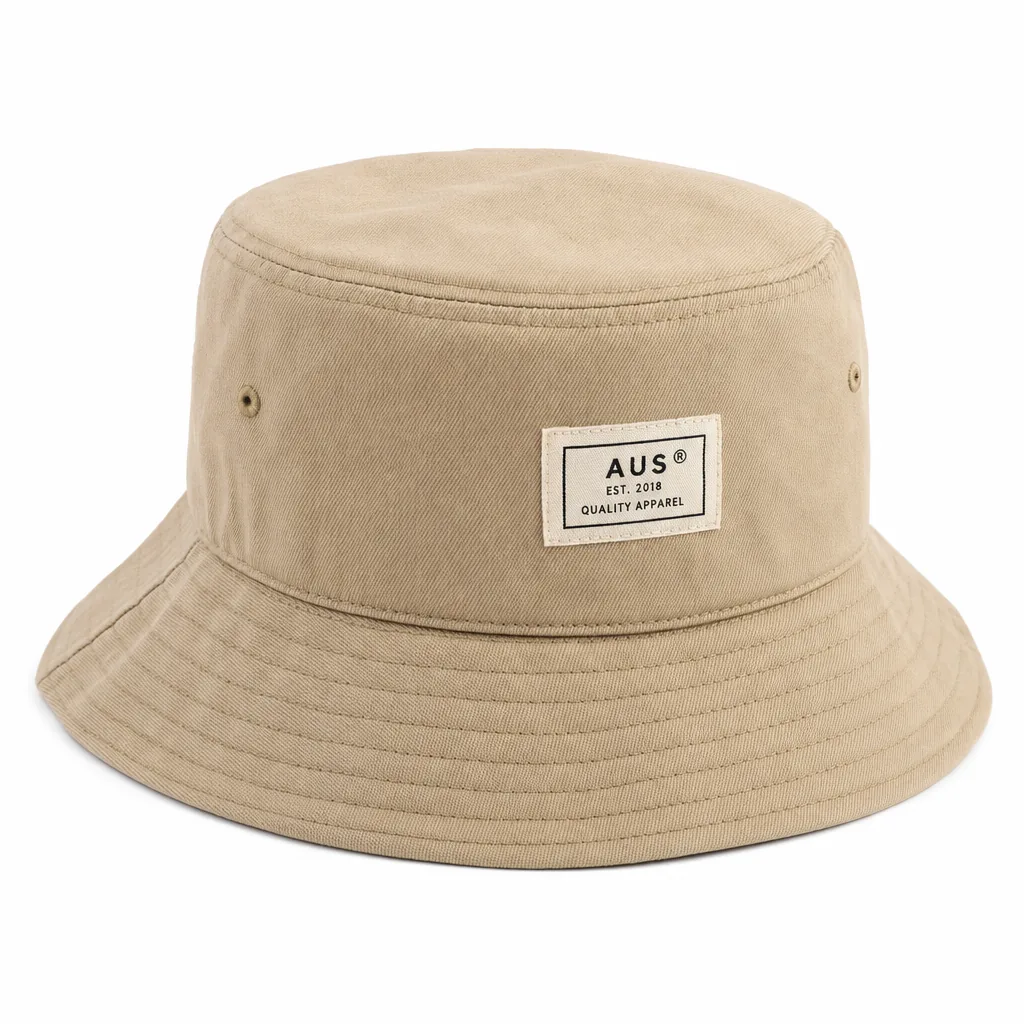
Winter Beanie & Knit Cap Manufacturing: The Complete Wholesale Guide - Supplier Checklist is one of the most-asked questions we receive from international buyers, and for good reason. With dozens of factories competing for your order and an alphabet soup of technical terms in every supplier quote, even experienced importers can feel lost. This guide consolidates what we have learned producing custom hats for clients in 40+ countries.
Knit cap construction basics
Gauge is the first construction choice that changes hand feel, visual density, and unit cost. A 7gg body gives a thicker, warmer profile and pairs well with 2/28 acrylic, 2/26 acrylic-wool blends, or 100 percent wool when the buyer wants a heavier winter read; a 12gg knit is tighter, flatter, and better for clean embroidery or a small front patch because the surface is less fuzzy and the stitches land more evenly. In production, coarse gauges show rib texture more aggressively and disguise small yarn variation better in dark shades, while fine gauges demand tighter tension control but usually photograph cleaner for ecommerce. A custom beanie manufacturer should treat gauge as a hard spec, not a style preference, because it affects machine speed, yarn consumption, seam behavior, and whether the finished cap reads as streetwear, workwear, or promotional stock.
Cuff construction is functional, not decorative. A single-fold cuff usually gives 6 to 8 cm of decoration height, enough for a 50 to 80 mm woven patch, direct embroidery, or a small woven label, and it remains the standard for wholesale programs because it balances branding space with fit stability. A deeper cuff adds front-panel structure and helps hide seam bulk, while a shallow cuff or no-cuff build keeps the crown taller and is often used for lighter promotional runs or slouchy silhouettes. Rib structures such as 1x1 and 2x2 are common because they recover after stretch; flat knit or jersey looks cleaner on a tech pack but relaxes faster and exposes tension defects, so loop consistency, needle selection, and seam alignment need stricter QC. For buyers working with a custom beanie manufacturer, cuff height should be locked before artwork starts, not after sampling.
Double-layer construction is what separates a winter beanie from a fashion knit cap that only looks warm. A true double-layer style has an outer shell and inner liner joined at the crown or hem, and it usually lands around 180 to 260 gsm depending on yarn count, gauge, and whether the yarn is spun acrylic, merino blend, or cotton-acrylic. That second layer improves insulation, blocks light bleed on pale colors, and keeps the crown from collapsing after washing. In factory terms, 7gg double-layer caps are a practical baseline for cold-weather retail, while 12gg double-layer builds suit buyers who want a sleeker profile with less bulk under a hood or helmet. The hidden variables are shrinkage, seam bulk, and label placement; once embroidery density is added, a cap can move half a size, so sampling both cuffed and uncuffed versions early is cheaper than correcting fit after bulk production starts.
Yarn options
Acrylic is still the default for entry-level wholesale knit caps because it is cheap, dimensionally stable, and easy to run on 7-gauge or 9-gauge flat knitting machines at volume. A 100 percent acrylic beanie usually lands at 45 to 70 grams finished weight, depending on stitch density, crown depth, cuff height, and whether the construction is single-layer or 2x2 rib with a doubled cuff. It also takes color well, which matters when you are matching Pantone TCX across a retail program with multiple SKUs. For a custom beanie manufacturer, the real advantage is process control: acrylic tolerates high-speed knitting, has low shrink risk after wash testing, and keeps piece cost predictable, often around $1.20 to $2.20 FOB for plain solids. It is also the easiest base for embroidery because the yarn surface is smooth enough for clean stitch definition without aggressive backing or extra hooping time.
Wool blends are the practical middle ground for buyers who want better warmth and hand-feel without paying for full merino. Common constructions are 70/30 wool-acrylic, 50/50 wool-nylon, or wool-polyester mixes, with finished weights around 160 to 220 gsm and enough loft to feel substantial in hand. That blend usually outperforms cheap acrylic on pilling resistance and drape, but it still needs tighter control on shrinkage, steaming, and blocking, especially on cuffed beanies headed for retail shelves. For a custom beanie manufacturer supplying branded programs, this is often the sweet spot: the cap reads as more premium, survives warehouse handling better, and still stays inside a workable wholesale band, usually around $2.10 to $3.80 FOB depending on yarn count, knit density, and embroidery coverage. Color tolerance should be locked before production, not debated after bulk knitting; Delta-E under 2.0 is a realistic target for stable dye lots.
Merino wool moves the conversation into premium territory because it changes both the hand-feel and the buying logic. Fine merino in the 19.5 to 21.5 micron range gives a softer surface, better next-to-skin comfort, and stronger perceived value for limited-edition drops, cold-weather fashion lines, or outdoor retail. The tradeoff is straightforward: yarn cost climbs fast, shrink control gets stricter, and finishing errors show up immediately in silhouette or surface fuzz. Cashmere blends sit one step above that, usually paired with merino or viscose to keep the knit from collapsing or felting; they are a luxury play, not a volume play. If you are sourcing from a custom beanie manufacturer at this tier, require fiber certification, lab-dip approval, and a wash test before bulk release. A proper spec should also call out the blocking target, because a 1 to 2 mm deviation in crown shaping can make a premium beanie look either sharp or sloppy.
Decoration techniques for beanies
Flat embroidery is still the default for beanies because it gives the cleanest logo on a knit surface without making the crown feel board-stiff. A custom beanie manufacturer will typically digitize for 40 to 60 denier polyester thread, then run a sewout on Tajima, Barudan, or ZSK heads at 850 to 1,000 stitches per minute before bulk approval. On cuffed beanies, keep the embroidery field to about 3.5 to 4.5 inches wide; once you push past that, rib knit distortion shows up fast, especially on 2x2 acrylic or wool-blend bodies. A normal front logo usually lands in the 5,000 to 9,000-stitch range, with setup fees around $20 to $60 and a per-piece add-on of roughly $0.35 to $1.20 depending on stitch density, thread changes, and backing. For wholesale orders, insist on a sample stitched on the exact yarn and gauge, because a file that looks sharp on felt can disappear into a loose knit.
Woven labels are the low-profile option when the buyer wants branding without the raised texture of embroidery. They work best on midweight 100% acrylic winter hats and are usually sewn into the cuff seam or applied as a folded label in the 15 to 25 mm range with a clean visible face. A proper woven-label quote should include loom setup, merrow or heat-cut finishing, and folding, which often lands around $0.18 to $0.45 per piece at 3,000 units; metallic yarn, micro text, or a high color count pushes the price higher. PU leather patches are usually the cheapest patch option and hold their shape better in cold storage, while genuine leather gives a heavier premium look but can crack if the beanie is packed tightly for long periods. For small type, tonal logos, or dense artwork, labels and patches are usually more legible than embroidery on a ribbed knit surface.
Jacquard knit is the right move when the graphic should live in the fabric instead of sitting on top of it. It is planned at the knitting stage, usually with 2 to 5 yarn colors, and the factory has to control float length, stitch tension, and stretch recovery so the logo does not warp after washing or bagging. The upside is durability: there is no sew-on step, no patch edge to lift, and less risk of puckering under carton compression. Dye-sublimation is much narrower in use. It only works on polyester-facing cuff panels or sewn-on polyester patches, not on raw acrylic rib, and it is best for short runs, full-color gradients, or photo-style art. A competent custom beanie manufacturer should still run a 40 C wash test and a dry rub test before release; that is where weak inks, poor heat transfer, and edge lift show up fast, usually before AQL 2.5 inspection.
Lining options
Fleece is the default lining for cold-weather beanies because it adds real insulation without forcing a new shell pattern. The practical spec is usually 180 to 220 gsm brushed polyester fleece for standard wholesale programs, with 250 gsm reserved for ski, workwear, or northern-market orders that need a heavier hand. The fit problem is mechanical, not cosmetic: a 3 mm to 5 mm liner can eat enough crown ease that a shallow 4-gauge or 5-gauge knit sits tight and loses drape. Any custom beanie manufacturer should check liner thickness against finished head circumference and the target stretch recovery, not just the flat pattern, because a 1 cm error at sample stage shows up immediately on head form.
Satin lining is the better choice for hair-friendly retail, gift sets, and premium embroidered beanies where comfort details matter. A useful spec is 70 to 90 gsm polyester satin, usually cut with a turned edge or concealed seam so it does not print through the knit shell. Satin reduces friction on styled hair and keeps embroidery backing from rubbing the forehead, which is why it shows up in lifestyle and women’s programs. It also exposes weak workmanship fast: if the crown panel is overfed on the lockstitch, the liner puckers, twists, or pulls to one side, especially on brushed acrylic or wool-blend shells. That makes seam control and cutting accuracy more important than the fabric name on the quote.
The tradeoff is cost, labor, and inspection tolerance. Fleece is faster to source, easier to sew, and more forgiving at AQL 2.5, while satin needs tighter cut tolerances, cleaner seam handling, and better in-line inspection because minor puckering is visible immediately at the cuff. For wholesale knit caps, fleece is the sensible base option for outdoor and team orders; satin is the premium add-on when the buyer is paying for comfort, appearance, or a retail story that will survive close inspection. Before bulk approval, the liner should be wash tested with the final shell yarn for shrinkage, seam distortion, and color transfer; a liner that looks fine on the table but twists after one wash is a production defect, not a style choice.
Pricing and MOQ
At 200 pcs, you are mostly paying setup disguised as unit cost. For a basic 100% acrylic rib-knit beanie with one-color flat embroidery, a realistic ex-works range is $2.20 to $3.40 per piece. Add a woven clamp label, printed wash tag, or a tighter 12-gauge knit and the quote usually moves to $3.10 to $4.60. A custom beanie manufacturer will price small runs this way because knitting-program setup, yarn booking, embroidery digitizing, and first-piece approvals are spread across too few units; on a 200-piece order, that overhead matters more than the raw yarn, which is often under $0.60 per cap. For custom embroidered beanie caps with 8,000 to 10,000 stitches, expect a $20 to $60 digitizing fee unless the DST file already exists and the test sew-out matches the approved artwork.
By 500 pcs, the order starts behaving like production instead of an extended sample run. A standard winter hat factory can often quote $1.85 to $2.85 per piece for acrylic or acrylic-poly blend knit hats with one embroidery location, while softer brushed acrylic or 3-gauge rib styles usually sit closer to $2.60 to $3.80. If you add a custom woven patch, inner heat-transfer label, and individual polybag packing, budget another $0.20 to $0.55 each. Dense fills, tonal thread matched to Pantone TCX references, or a large 3D puff logo can add $0.15 to $0.40 because Tajima and Barudan heads slow down on heavy stitch counts and thread trims increase waste. At this stage, decoration choice affects throughput as much as material choice, which is why a clean tech pack matters more than negotiating a few cents off the yarn.
At 1,000 pcs and above, most factories can cut waste and line changeover enough to bring common acrylic beanies into the $1.55 to $2.35 range, with better yarn and more complex stitch patterns landing around $2.10 to $3.20. At 5,000 pcs, the same cap can usually reach $1.25 to $1.95 if construction is simple and the colorway is fixed, or $1.80 to $2.70 for heavier-gauge knit, cuff shaping, jacquard patterning, or multi-location decoration. Compare quotes by splitting knit body, decoration, and packing into separate lines, then confirm whether AQL 2.5 inspection, carton marking, and FOB Ningbo or Shenzhen are included. Those terms can move landed cost more than a 10-cent unit difference, especially once freight, duty, and rework risk are added into the real spreadsheet.
Seasonal planning
For Q4 retail, the real buying window is May through July. That is when a custom beanie manufacturer can still reserve ring-spun acrylic, wool-blend, or 100 percent recycled polyester yarn, lock circular knitting capacity, and schedule embroidery heads before the calendar tightens. A mid-sized run of 5,000 to 20,000 pieces usually needs 25 to 35 days for knitting, linking, washing, steam blocking, embroidery, and polybagging, plus 20 to 40 days of ocean freight depending on the lane. Once you move into August or September, you are paying for urgency. One late lab dip, a cuff-height change, or a thread-color mismatch can erase the buffer before Black Friday, team delivery deadlines, or retail floor set dates.
Chinese New Year is the other hard stop. In the four to six weeks before the holiday, factory schedules compress fast, then production slows or stops while operators travel home. If a PO lands too late, a cuffed beanie supplier may still promise a ship date that looks acceptable on paper, but there is no cushion for yarn shortages, machine downtime, or Pantone TCX approval delays. The clean sequence is to freeze construction, gauge, cuff depth, logo size, and packaging by early June, then release the deposit after strike-off approval. For embroidered programs, that order matters because DST digitizing, thread matching, and sew-out approval often take longer than the knitting itself, especially on dense chest logos or small text under 6 mm.
Buyers should plan against the channel, not just factory capacity. Retail programs and licensed team orders need inventory in the destination warehouse by September if they want time for allocation, sell-in samples, and replenishment before the first cold snap. A practical rule is to place the main PO 90 to 120 days before sell-through, then keep 10 to 15 percent of capacity open for chase orders, alternate colorways, or last-minute spec corrections. CrownsForge’s standard practice is to protect the knitting slot first, then the freight booking, because a delayed vessel does nothing for a missed production window. That is the difference between shipping in season and explaining why the holiday floor set arrived after demand had already moved on.
Frequently Asked Questions
Can I order a sample before bulk production?
Yes. We strongly recommend approving a pre-production sample before mass production. Samples are charged at 35 to 60 USD each plus express shipping, fully refundable against confirmed bulk orders over 500 pieces.
Do you support sustainability certifications?
Yes. We work with GOTS organic cotton, GRS-certified recycled polyester, OEKO-TEX Standard 100 fabrics, and are BSCI and Sedex audited. Certification documentation can be provided per order.
How long does production take?
Sampling takes 7 to 12 days. Bulk production runs 20 to 30 days depending on quantity, fabric availability and decoration complexity. Inspection and packing adds another 3 to 5 days before shipment.
What file format should I send for my logo?
Vector files (AI, EPS, PDF) are ideal. High-resolution PNG or JPG at 300 dpi on transparent background works as a fallback. Provide Pantone color references for accurate reproduction.
Which shipping methods do you support?
We support FOB, CIF and DDP shipping. Air express for samples and small orders, sea LCL for 100 to 500 pieces, sea FCL for 5,000+ pieces. Door-to-door DDP available for US, EU, UK, Canada and Australia.
What's the MOQ for custom embroidered baseball caps no minimum?
When evaluating custom embroidered baseball caps no minimum, the key considerations are construction quality, decoration capability, MOQ flexibility and lead time. Knitting gauge (7gg, 12gg fine knit), cuff options, ribbed vs flat knit, double-layer thickness. Acrylic (budget), wool blend (retail), merino wool (premium), cashmere blend (luxury).
How does ordering custom embroidered ball cap work?
When evaluating custom embroidered ball cap, the key considerations are construction quality, decoration capability, MOQ flexibility and lead time. Knitting gauge (7gg, 12gg fine knit), cuff options, ribbed vs flat knit, double-layer thickness. Acrylic (budget), wool blend (retail), merino wool (premium), cashmere blend (luxury).
What's the MOQ for custom embroidered hats no minimum no setup fee?
When evaluating custom embroidered hats no minimum no setup fee, the key considerations are construction quality, decoration capability, MOQ flexibility and lead time. Knitting gauge (7gg, 12gg fine knit), cuff options, ribbed vs flat knit, double-layer thickness. Acrylic (budget), wool blend (retail), merino wool (premium), cashmere blend (luxury).
How does ordering etsy custom embroidered hat work?
When evaluating etsy custom embroidered hat, the key considerations are construction quality, decoration capability, MOQ flexibility and lead time. Knitting gauge (7gg, 12gg fine knit), cuff options, ribbed vs flat knit, double-layer thickness. Acrylic (budget), wool blend (retail), merino wool (premium), cashmere blend (luxury).
Ready to start your custom hat project?
Send us your tech-pack, sketch or even just an inspiration photo. We will respond with a detailed quotation and digital mock-up within 24 hours.
Request a free quoteRelated guides
Compliance Documentation Checklist for First Hat Import to US/EU (2026 Update)
Read article →
Ball Caps for Men: A 2026 Sourcing Playbook for International Buyers - Cost & MOQ Breakdown
Read article →
10 Questions to Ask a Cap Manufacturer on Your First Call - Supplier Checklist
Read article →We hope this guide demystifies winter beanie & knit cap manufacturing: the complete wholesale guide - supplier checklist and helps you move forward with confidence. If you have questions specific to your project, our English-speaking sales engineers are one message away.