
Sustainable Cap Packaging: Options, Costs and Retail-Buyer Demands (2026 Update)
Sustainable Cap Packaging: Options, Costs and Retail-Buyer Demands (2026 Update) is one of the most-asked questions we receive from international buyers, and for good reason. With dozens of factories competing for your order and an alphabet soup of technical terms in every supplier quote, even experienced importers can feel lost. This guide consolidates what we have learned producing custom hats for clients in 40+ countries.
Why your retail buyer cares about packaging carbon now
Packaging carbon is no longer a sustainability-team side conversation; for many retailers it is now a hard onboarding checkpoint. By 2026, buyers in the EU, UK, and North America routinely request packaging specs before PP approval: resin identification code, PCR content by percentage, FSC or PEFC chain-of-custody number for paper components, unit weight in grams, supplier country of origin, and whether the format is accepted in curbside recycling in the target market. If a cap ships in virgin LDPE with no “04 LDPE” mark, no PCR declaration, and no supporting paperwork, the style can get blocked before wear test, color approval, or carton drop test. In day-to-day sourcing, sustainable cap packaging usually begins with a simple correction, not a redesign: a mono-material LDPE 4 or PP 5 bag at 30% to 50% post-consumer recycled content, printed with the resin code, suffocation warning, and lot traceability. At CrownsForge, that kind of upgrade typically adds only $0.01 to $0.04 per piece versus an unmarked virgin bag, but it removes the compliance argument inside the buyer’s packaging and legal teams.
What changed is the buyer scorecard: packaging now sits next to OTIF, AQL 2.5 pass rate, restricted-substances compliance, and factory-audit status. EU retailers are under the most pressure because Extended Producer Responsibility fees, the Packaging and Packaging Waste Regulation, and Scope 3 reporting all punish heavy or mixed-material formats. A factory can clear sedex-audit-cap-supplier-guide.html">BSCI 2.0 or Sedex SMETA 4-Pillar and still lose the order because the individual polybag has no recyclability mark, the barcode label uses a different substrate, or the inner pack mixes film, metal pins, laminated inserts, and hot-melt spots that stores cannot separate quickly. On the production floor, the best fix is rarely “plastic-free” on day one; it is tighter specification and fewer materials. For caps, that usually means one recyclable film family, documented PCR by lot, FSC-certified paper only where needed, and measured pack weights kept under buyer thresholds such as 8 to 12 grams for a single unit bag or 35 to 60 grams for an e-commerce mailer. Real cost impact is usually modest: about $0.03 to $0.06 for an upgraded mono-material bag, $0.08 to $0.14 for a 350-400 gsm FSC kraft mailer, and $0.12 to $0.18 for an FSC carton with molded pulp and no lamination.
FSC-certified hat boxes vs unbranded white boxes
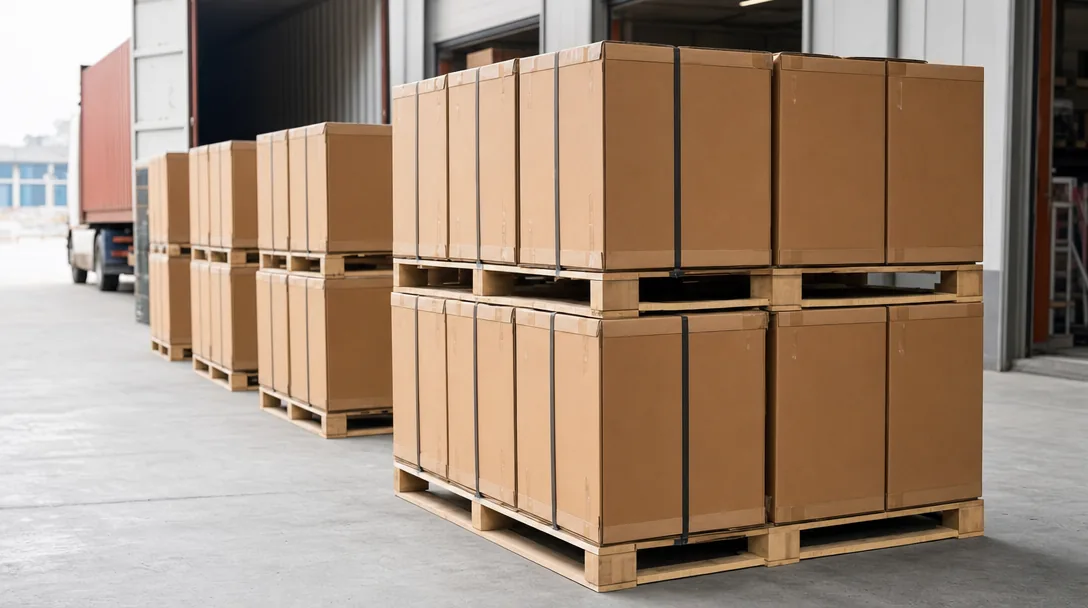
The box decision is usually about channel economics and claim verification, not aesthetics. At 5,000 to 10,000 units, an FSC-certified individual hat box typically adds $0.18 to $0.42 per cap versus an unbranded white box, assuming E-flute or micro-flute corrugate at roughly 1.5 to 2.2 mm, 350 to 450 gsm liner, and outside print in 1 to 4 Pantone spot colors. If the buyer wants white-top kraft or SBS-laminated stock with Pantone TCX alignment and print held to Delta-E 2.0 to 3.0, expect the upper end of that range or more on short runs under 3,000 pieces. For sustainable cap packaging, that premium only pencils out when the cap retails around $28 to $60 and the box is part of the merchandising standard for specialty retail, museum stores, licensed collections, or giftable DTC drops.
FSC only has value when the paperwork survives buyer scrutiny. Serious retail accounts increasingly ask for FSC Mix or FSC Recycled claims tied to the converter’s Chain of Custody certificate, invoice claim language, and approved logo usage; a recycled icon printed on the lid means nothing in an audit file. Buyers operating under BSCI 2.0 or Sedex SMETA 4-Pillar standards will look at traceability and consistency, and on the factory floor the bigger risk is often poor board performance, not the absence of a green logo. Weak edge crush, inconsistent flute formation, or high-moisture board will deform crowns and flatten 3D embroidery faster than any sustainability claim can compensate for. For 3,000 to 20,000-unit programs, a plain white tuck-top or white-top corrugated mailer is often the smarter sustainable cap packaging spec: lower cost, better cube efficiency, and easier palletization. A well-engineered dieline with proper crown clearance and stacking strength protects buckram fronts, curved brims, and visor shape better than a thin custom retail box built mainly for shelf appeal.
Compostable polybag options
PLA/PBAT film is the only compostable polybag I consider viable for export caps, and only when the converter can back it with paperwork that survives a retailer compliance review. That means current ASTM D6400 or EN 13432 test reports, ideally issued through TÜV Austria, SGS, or Intertek, plus supporting declarations for inks, masterbatch, and any pressure-sensitive label adhesive. If those documents stop at the base resin, the finished bag claim is weak. On the packing line, the tradeoff is real: most compostable cap bags run 25-35 microns, versus 30 microns for a typical LDPE self-seal bag, but they show higher haze, lower dart impact strength, and more stress-whitening around vent holes or fold creases. Caps with metal tri-glides, snapback prongs, hologram visor stickers, or raised 3D embroidery will expose those weaknesses fast. For sustainable cap packaging, PLA/PBAT works because it keeps the standard one-cap-per-bag workflow intact without forcing a new carton count or packout method. That said, it is not a like-for-like material substitution. Seal windows are narrower, static behavior changes, and puncture failures increase if the bag spec is copied from PE without adjustment. I usually push buyers toward 30-35 micron film for structured caps in brushed cotton twill or heather wool blends, and I ask for actual drop and rub testing before approval. At CrownsForge, we also check whether the bag adhesive and print system are compostability-compatible, because that is where many “green” bag programs quietly fall apart under audit.
The cost premium is large enough that it has to be settled at tech-pack stage, not after PP sample approval. A plain LDPE cap bag at volume typically lands around US$0.008-US$0.015 each, depending on gauge, suffocation warning print, vent-hole count, and MOQ. A certified PLA/PBAT equivalent is more commonly US$0.04-US$0.07, and I have seen small custom runs go above US$0.08 when the converter is using imported resin or dedicated print cylinders. On a 25,000-piece order, that is an added US$800-US$1,375 in primary packaging before you touch cartons, labels, or freight. Because compostable films are less dense and often packed less efficiently, they can also nudge CBM upward slightly on large shipments. The bigger compliance problem is that compostable and recyclable are not interchangeable claims. PLA/PBAT bags are generally intended for industrial composting streams, not PE recycling, so they can fail a buyer brief that specifically asks for recyclable consumer packaging. UK and EU retailers now read packaging artwork closely, and vague terms like “biodegradable” without EN 13432 or ASTM D6400 references are an immediate red flag. My advice for 2026 sustainable cap packaging is simple: first confirm whether the account wants recyclable, industrially compostable, or plastic-free packaging; then lock the resin spec, disposal statement, and claim language before bulk materials are ordered. In practice, the wording causes more shipment holds than the bag itself.
Paper-based hangtag and string ties
For premium retail, the safest paper-trim spec is a recycled board hangtag tied through the sweatband stitch line or rear strap slot with 2.0-2.5 mm cotton cord and a brass locker pin. That avoids crown-panel punctures, prevents puckering on buckram-backed front panels, and survives carton compression better than pressure-sensitive labels. Most buyers specifying sustainable cap packaging settle on 350-400 gsm FSC Mix board or 90-100% post-consumer recycled SBS-style board, printed 1C-4C with soy or low-VOC offset inks and finished with matte aqueous coating instead of BOPP film lamination so the tag remains recyclable in normal paper streams. A common retail size is 55 x 90 mm or 60 x 100 mm, single-hole punched at 4-5 mm. At 3,000-10,000 pcs, that usually lands at $0.08-$0.12 per cap including cord and pin; duplex construction, Pantone spot colors, embossed logos, or pre-tied cords typically push the trim cost to $0.14-$0.18.
The failure point is almost never the board; it is the attachment hardware. Nickel-plated low-carbon steel pins can flash-rust during 35-45 days at sea when container humidity spikes, and that stain migrates fast onto white sweatbands, enzyme-washed cotton twill, and brushed chino. Brass pins cost roughly $0.005-$0.01 more per unit but eliminate a very common claim. We normally hold print color to Pantone Solid Coated references at Delta-E under 2.0 on key brand colors, verify hole tear strength on 350+ gsm stock, and do inline knot-pull checks during packing because loose string ties generate real retail rejects. If the sustainability brief is strict, avoid polyester or nylon cords even when they are cheaper and more consistent; unbleached cotton, black-dyed cotton, or paper-twist cord support the sustainable cap packaging claim better, provided the tie can withstand repeated handling without fraying or slipping.
A paper hangtag only reads as credible if the rest of the pack-out matches it. US and EU retail buyers now routinely ask for FSC certificate numbers, recycled-content declarations, and packaging BOM details before PO approval, especially under private-label and licensed programs. A recycled hangtag on a cap still packed in a virgin OPP bag is the kind of contradiction compliance teams catch immediately. The better spec is to align the tag, insert card, carton dividers, and master carton markings around the same paper-based material story, then document it cleanly for audit files. At CrownsForge, this upgrade works because it improves shelf presentation without changing sewing operations, slowing finishing, or complicating final inspection under AQL 2.5. The tag itself is cheap; the real value is eliminating mixed-message packaging that weakens the buyer’s sustainable cap packaging claim at retail.
Per-piece cost breakdown of three packaging tiers
The cheapest tier is not sustainable cap packaging; it is just low-cash packaging. At 5,000 to 10,000 pcs, a plain LDPE or BOPP polybag typically adds $0.02 to $0.04 per cap FOB, assuming 1.5 to 2.0 mil film, a mandatory suffocation warning, and no tag or sticker. Common bag sizes for a structured 6-panel are 280 x 280 mm or 300 x 250 mm, but crown height, visor curve, and button bulk decide the final spec. If a buyer wants a cleaner claim without moving into true retail packaging, mono-material PE with 30% to 50% post-consumer recycled content usually lands at $0.03 to $0.06. In EU programs, that often also means Triman or country-specific disposal marks, and those artwork variants create more admin than most buyers expect. The mid tier is where cost starts coming from labor loss, not just materials. A printed bag, one 300 to 350 gsm C1S hangtag, and one barcode or size sticker usually adds $0.16 to $0.24 per cap at factory level. That range assumes 1 to 2 color flexo print, standard kimble or elastic loop attachment, and no special finishing. On a real packing line, tag attachment and label positioning typically cut output by 12% to 18% versus bulk promo packing, which is why two packs with similar materials can price differently. If the bag print must hit Pantone within Delta-E 2.0, or the retailer wants matte varnish, QR variable data, or exact placement tolerances, expect the number to drift toward $0.24 and above because setup waste and rework both rise.
Premium retail packaging only pays when the hat needs shelf presence, gifting value, or a sustainability claim that can survive buyer compliance review. A realistic factory add-on is $0.62 to $0.78 per cap, usually built from an FSC-certified folding carton or rigid box, a 350 gsm tag, and an inner wrap such as glassine, FSC tissue, or certified compostable film. The board spec matters: E-flute cartons and 1.5 to 2.0 mm rigid board do very different jobs in transit and present different freight penalties. Buyers regularly say “eco-friendly” when they actually mean plastic-free, curbside-recyclable, or compostable; those are not interchangeable claims, and US and EU retailers increasingly ask for exact wording before artwork approval. If the brief is truly plastic-free sustainable cap packaging, glassine or FSC tissue is usually the cleanest answer, but it has limits on moisture resistance, scuff protection, and line efficiency. Compostable PLA/PBAT sleeves can help on paper, yet they still count as plastic and are often questioned unless the disposal route is clear. On our standard practice, the biggest pricing swings in this tier are not the wrap alone but box dimensions, adhesive choice, low-migration inks, and master-carton performance. A premium pack that saves $0.05 on materials but fails carton compression in long-haul FOB or DDP shipping is not cheaper; it just moves the cost into claims, replacements, and chargebacks.
What to put on the packaging for SEO + brand recall
Put compliance data first, then design around it. Retail buyers will reject packout faster for a bad label than for a weak graphic, especially on U.S. and EU programs where COO, fiber content, care instructions, brand name, and item ID or SKU are basic gate checks. Fiber content has to match the BOM and style sheet, not the marketing headline. If the cap shell is 100% cotton twill at 260 gsm but the sweatband is 65/35 poly-cotton and the visor insert is recycled PE, your packaging still needs textile labeling that follows the applicable market rule. For sustainable cap packaging, the cleanest execution is a quiet front panel with selling language only, then move legal copy to a side panel, reverse label, or hangtag back so the unit still photographs well for e-commerce and shelf sets. For SEO and brand recall, the highest-return move is a repeatable naming structure across the hangtag, master carton label, and product page: collection, style name, and one memorable material cue. “Organic Cotton 6-Panel” or “Recycled Ripstop Camper” works because buyers can remember it and consumers can search it later. Do not keyword-stuff the pack; use a SKU-linked QR code at 18-22 mm with at least 300 dpi print resolution so it scans reliably on kraft or SBS board. That QR landing page can carry the deeper proof points buyers actually ask for in 2026: FSC-certified box spec, fabric mill origin, BSCI 2.0 or Sedex SMETA 4-Pillar audit status, and disposal instructions for each component. That keeps sustainable cap packaging credible without turning the pack into a compliance wall of text.
Separate three zones on the artwork: compliance, merchandising, and environmental claims. When those messages get mixed together, buyers start questioning all of them. Keep origin, fiber content, size, and care icons in a readable 6-7 pt minimum, leave a barcode quiet zone of at least 2.5 mm, and lock Pantone references on the template so the printer does not drift more than about Delta-E 2.0 from approved brand color. Sustainability language should be specific and defensible: “box made from 80% post-consumer recycled board” or “polybag contains 50% recycled PE” is reviewable; “eco-friendly” is not. If you claim recyclability, add plain-language disposal copy next to the symbol because most consumers cannot tell whether molded pulp, glassine, PLA film, or kraft wrap belongs in curbside paper, industrial composting, or general waste. Material and print choices affect both scan performance and perceived quality. Black-on-kraft is usually the safest for barcode contrast, while white ink on uncoated kraft often looks premium but can reduce scan consistency if the press control is poor. For folding boxes, 350-400 gsm SBS gives cleaner edges and better top-shelf presentation; E-flute works better when the cap needs structure protection in DTC or club-store programs. On hangtags, 400-450 gsm FSC kraft with soy-based ink is common, but the claim only holds if the full pack spec supports it, not just one component. At CrownsForge, we issue dielines with barcode position, icon size, Pantone TCX references, and disposal callouts because the recycle pictogram must match the full packaging set, not just the outer box.
Frequently Asked Questions
What file format should I send for my logo?
Vector files (AI, EPS, PDF) are ideal. High-resolution PNG or JPG at 300 dpi on transparent background works as a fallback. Provide Pantone color references for accurate reproduction.
Which shipping methods do you support?
We support FOB, CIF and DDP shipping. Air express for samples and small orders, sea LCL for 100 to 500 pieces, sea FCL for 5,000+ pieces. Door-to-door DDP available for US, EU, UK, Canada and Australia.
Can I order a sample before bulk production?
Yes. We strongly recommend approving a pre-production sample before mass production. Samples are charged at 35 to 60 USD each plus express shipping, fully refundable against confirmed bulk orders over 500 pieces.
What logo decoration techniques do you offer?
3D puff embroidery, flat embroidery, woven patch, leather patch, PVC patch, screen printing, sublimation, applique and laser etching, all in-house with no subcontracting.
What is the minimum order quantity (MOQ) for custom hats?
Our standard MOQ is 100 pieces per design and color, with sampling available from 1 piece. For complex multi-color logos or premium fabric upgrades, the MOQ can be lowered with a small per-piece surcharge.
What should buyers know about cotton twill army cap kangol?
When evaluating cotton twill army cap kangol, the key considerations are construction quality, decoration capability, MOQ flexibility and lead time. Recycled-paper hangtag with cotton string + brass pin is the premium-retail standard. Adds roughly $0.08-$0.12/cap. Pairs with FSC box for a coherent eco message. FSC-certified corrugated box adds roughly $0.18-$0.40/cap depending on size and print. Worth it for premium retail; overkill for promotional. We can supply both grades.
How does ordering custom patch trucker hat work?
When evaluating custom patch trucker hat, the key considerations are construction quality, decoration capability, MOQ flexibility and lead time. Sephora, Whole Foods, REI and most European chains now score suppliers on packaging recyclability. A polybag with no recycle marking can block onboarding. A bag with PCR (post-consumer recycled) content meets the bar. FSC-certified corrugated box adds roughly $0.18-$0.40/cap depending on size and print. Worth it for premium retail; overkill for promotional. We can supply…
How does ordering best custom baseball cap work?
When evaluating best custom baseball cap, the key considerations are construction quality, decoration capability, MOQ flexibility and lead time. FSC-certified corrugated box adds roughly $0.18-$0.40/cap depending on size and print. Worth it for premium retail; overkill for promotional. We can supply both grades. Recycled-paper hangtag with cotton string + brass pin is the premium-retail standard. Adds roughly $0.08-$0.12/cap. Pairs with FSC box for a coherent eco message.
What should buyers know about kangol bucket hat?
When evaluating kangol bucket hat, the key considerations are construction quality, decoration capability, MOQ flexibility and lead time. Sephora, Whole Foods, REI and most European chains now score suppliers on packaging recyclability. A polybag with no recycle marking can block onboarding. A bag with PCR (post-consumer recycled) content meets the bar. FSC-certified corrugated box adds roughly $0.18-$0.40/cap depending on size and print. Worth it for premium retail; overkill for promotional. We can supply…
What are the 7 R's of sustainable packaging?
Seven different strategies or approaches to improve sustainable packaging among the brands explored have been identified: rethink, refuse, reuse, reduce, recycle, repurpose, and rot.
What are sustainable packaging options?
Materials used for sustainable food packaging help divert waste from landfills and offer a more sustainable alternative for single-use items. Common examples of compostable packaging include: PLA-based (polylactic acid) clear containers and cups. Paper-based wrappers coated with compostable biopolymers.
Ready to start your custom hat project?
Send us your tech-pack, sketch or even just an inspiration photo. We will respond with a detailed quotation and digital mock-up within 24 hours.
Request a free quoteRelated guides
Wholesale Trucker Hats with Custom Logo: A Complete Bulk Sourcing Playbook
Read article →
Esports Team Caps: Manufacturing Specs for Pro and Amateur Gaming Brands (2026 Update)
Read article →
Baseball Hats Men's: A Vertical-Specific Sourcing Guide (2026 Update)
Read article →If you are ready to take the next step on sustainable cap packaging: options, costs and retail-buyer demands (2026 update), our team can put a tailored quotation and digital mock-up in your inbox within 24 hours. Send the inquiry form on our contact page or message us directly on WhatsApp.