
Sports Team Caps & Uniform Headwear: Bulk Manufacturing for Clubs and Schools - Cost & MOQ Breakdown
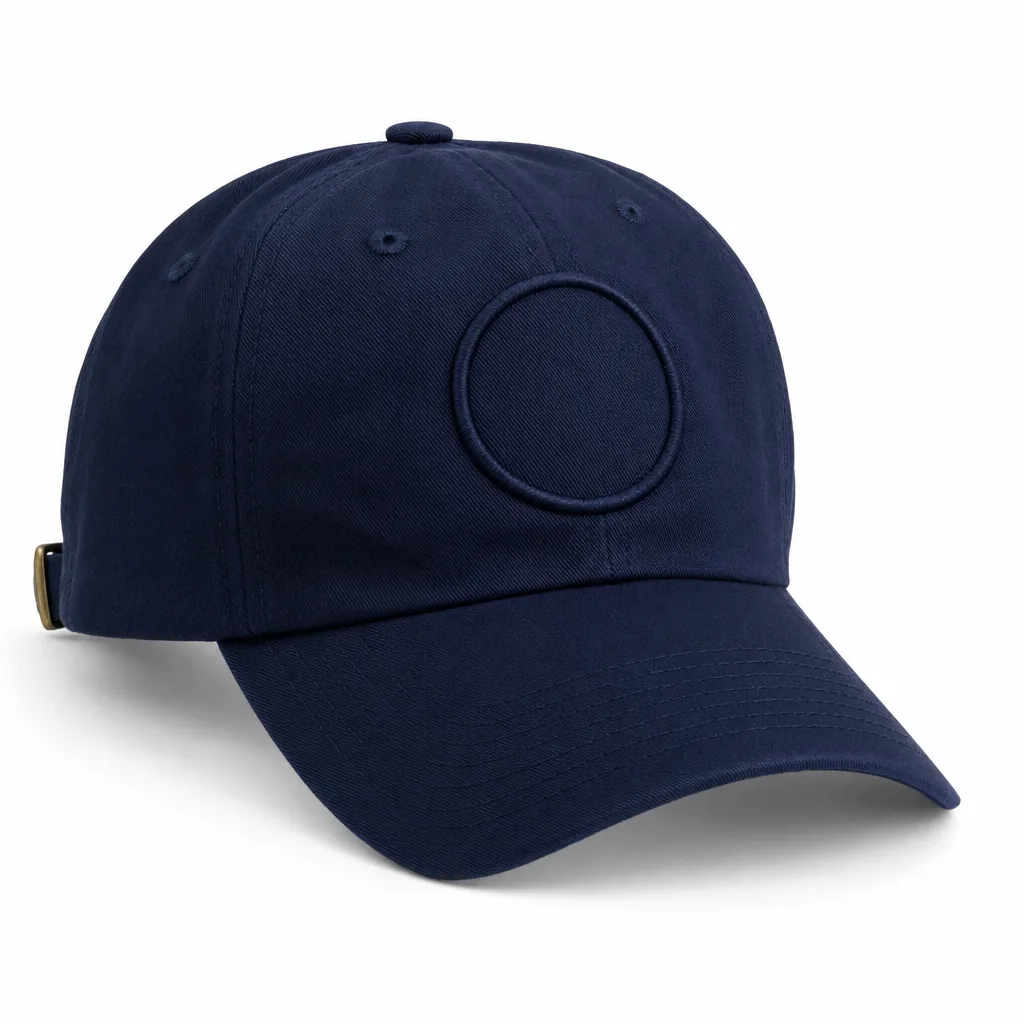
Every week, our sales team answers detailed questions about sports team caps & uniform headwear: bulk manufacturing for clubs and schools - cost & moq breakdown. We wrote this guide so that wholesalers, streetwear brands, corporate buyers and promotional resellers can compare options with full information, and avoid the traps that show up only after production has started.
Why teams need a specialist manufacturer
The real failure point in sports team caps is not first-run sampling; it is reorder control six or nine months later when the coach changed, the buyer lost the vector file, and last season’s navy is no longer in stock. Teams need a specialist manufacturer because repeatability comes from records and process discipline, not from a nice-looking approval photo. A factory handling team programs should lock shell fabric by mill lot, record Pantone TCX or coated references for crown, sandwich, and embroidery thread, and define shade tolerance up front: Delta-E under 1.5 on brushed cotton twill is realistic, while polyester microfibers and interlock performance fabrics usually need a slightly wider window around 2.0 because sheen shifts how color reads under stadium lighting. The same rigor applies to embroidery. If the PO file does not retain the original digitizing version, stitch count, underlay type, pull compensation, thread brand, and machine setup—say Madeira Polyneon on a 12-head Tajima versus Isacord on a 20-head Barudan—you should expect visible drift. That is how a repeat order comes back with a logo 2 mm taller, satin columns too dense, or a navy cap that suddenly leans purple against the team jersey.
Fast replenishment is the second reason schools and clubs should use a specialist for sports team caps rather than a general promotional hat trader. Real programs do not buy once; they top up for late roster additions, playoff qualifiers, booster-store demand, and coaching staff changes, often in quantities too small for a factory to relearn the style from scratch without making mistakes. A proper team-cap supplier keeps a live tech pack tied to the PO history: crown profile, buckram hardness, visor board thickness in millimeters, closure spec, seam tape color, carton marks, approved trim card, and packing ratios by size or player name. In our standard practice, embroidery files are archived with stitch sequence and machine assumptions because the same logo can sew differently on ZSK and Tajima heads if thread tension, cap frame pressure, and underlay are not matched. That documentation is what makes 12- to 20-day repeats possible instead of the 35- to 50-day cycle you see when artwork, trims, and sample approvals have to be rebuilt. It also matters when orders include side-panel player numbers, back-arch coach titles, or mixed decoration methods like flat stitch, 3D puff, woven labels, and laser-perforated panels, where MOQ usually moves from about 144 pieces per colorway to a more practical 200 to 300 pieces to keep spoilage, sorting errors, and unit cost under control at AQL 2.5.
Fabric specs for athletic caps
Fabric spec is where most bulk failures in sports team caps begin, not decoration. For school and club programs, the most reliable shell is 100% polyester interlock or mini-pique at 120-160 gsm, commonly knitted from 75D/72F or 100D/96F filament yarn. That window gives enough body for a six-panel crown, rebounds better after bag compression than brushed cotton twill, and dries faster after sweat exposure. I would not approve athletic cap fabric that exceeds 3% dimensional change after home-laundering tests or drops below colorfastness grade 4 for perspiration and crocking. When caps must track jersey colors, cationic polyester is useful for high-contrast heathers and two-tone effects, but color control needs to be tighter than casual headwear: Delta-E under 1.5 to the approved lab dip is a sensible ceiling, and under 1.0 is safer when the cap ships as part of a full uniform package. Ventilation panels deserve the same discipline. Rear or side panels in 140-180 gsm polyester warp-knit mesh move air well, but open-hole mesh is a weak choice for youth leagues because it snags on equipment cages and shared gear bins; closed-hole athletic mesh holds shape better through sewing and repeated wear. The front panel still has to carry embroidery cleanly, so factories usually pair mesh backs with fused buckram in the face panels, then check seam strength, panel torque, and post-hooping distortion on Tajima or Barudan machines. Lightweight athletic fabrics cannot be digitized like a heavy streetwear cap: underlay has to be reduced, stitch density opened up, and pull compensation recalibrated, or the logo tunnels, the crown puckers, and the finished cap immediately reads cheap.
UV and lot consistency are routinely under-specified, even though baseball, track, and sideline programs spend hours in direct sun. If UV protection matters, the tech pack should call out a tested target such as UPF 30+ or UPF 50+ and identify where that performance comes from: fabric cover factor, filament type, dye depth, or a chemical finish. Those variables behave differently in use. A dense navy polyester shell can often achieve UPF 50+ without finishing, while white, gold, and light heather shades usually need chemical assistance and may lose performance after 20-30 wash cycles. That tradeoff also affects air permeability, hand feel, and sometimes needle penetration during embroidery on ZSK or Barudan heads, so it needs to be engineered up front rather than assumed from the mill card. The real control point is incoming inspection, not whatever the fabric mill printed on the datasheet. Our standard practice is GSM tolerance within plus or minus 5%, shade segregation by dye lot, and full roll inspection under the 4-point system before cutting. For sports team caps that must match visors, coaches' hats, or training gear, lab dips and strike-offs should be checked against Pantone TCX references under D65 lighting, not just warehouse fluorescents. I have seen perfectly acceptable sewing rejected because one off-shade roll slipped into cutting and split the program visually outdoors. On team business, one weak UV-finish lot or one color-drifted dye lot is enough to make the whole delivery look inconsistent, even when the embroidery and assembly are technically sound.
Color matching across multiple SKUs
The usual failure point in color control for sports team caps is treating one approved cap sample as if it covers the whole uniform program. It does not. A navy that passes on 300 gsm brushed cotton twill will shift visibly against a 150 gsm polyester interlock jersey or 180 gsm tricot short because fiber chemistry, yarn shape, and surface luster change the way color reflects under light. The safe method is to lock color to a sealed physical standard—either Pantone TCX for textile programs or a signed lab-dip swatch for custom shades—and write tolerances directly into the PO. For shade-critical crown panels and visor fabric, I would hold Delta-E at 0.8 to 1.0; for trims or mixed-sheen components, 1.2 to 1.5 is more realistic. Once orders move into 3,000 to 10,000 units, buyers should approve bulk headers by mill and by dye lot, not just one salesman sample. Piece-dyed cotton twill, cationic polyester, heather yarn-dye, and sublimated panels all drift in different ways, and the mismatch becomes obvious the moment caps are photographed next to jerseys under LED stadium lighting.
Repeatability is the harder problem than first-shot approval. A school can reorder six months later and expect the same scarlet or athletic gold, but cotton twill, recycled RPET, and performance poly will never take dye identically unless the controls are documented like a production standard, not a design note. Visual approval needs to happen in a D65 light box, then be checked again under TL84 and natural daylight to catch metamerism before cutting starts. The record should include spectrophotometer data, supplier lot number, dye recipe, finish, and a sealed cutting swatch tied to the PO; at CrownsForge, that archive is more dependable than a tech pack when a club repeats an order mid-season. Trims need separate control as well: sandwich brim fabric, eyelets, hook-and-loop closure tape, woven labels, and embroidery thread can each miss shade even when the crown fabric is correct. Tajima and Barudan heads will run Madeira or Gunold polyester thread cleanly, but thread sheen changes perceived color, so a component-by-component color matrix is what keeps a matched set aligned on the field, not just on paper.
Personalization at scale
Bulk personalization fails when buyers treat names and numbers like a last-minute add-on. On structured six-panel sports team caps, variable decoration changes hooping method, sew order, and reject rate, so the factory has to quote around the exact placement map, not just the logo size. The cleanest layout is still front-center crest, left-panel number, and back-arch name; once you push variable embroidery too close to the center seam or eyelets, cap frame stability drops and thread breaks increase. On Tajima, Barudan, or ZSK multi-head machines, the hidden cost is handling time between stations, not raw stitch count. In real production, one extra embroidered number usually adds $0.18 to $0.40 per cap at 500 to 3,000 pieces, while a back name adds $0.35 to $0.90 depending on 8,000 to 15,000 extra stitches, letter count, thread changes, and whether the shell is 270 gsm cotton twill, brushed chino, or 300D polyester. For player-level orders, fixed artwork should run as standard files, while names and numbers sit in indexed variable-data programs tied to color and size SKUs.
If the team identity changes by season, do not lock every version into direct embroidery unless reorder continuity is proven. The cheaper factory-floor method is to keep one common cap body in a stable fabric lot and change only the variable element: right-side woven patch, TPU badge, silicone emblem, or heat-applied sponsor mark. That approach matters for clubs and schools because it cuts dead stock when sponsors change after roster approval or when varsity and travel teams share the same shell. Woven patches usually beat full embroidery on fine detail below 50 mm, especially for mascots, anniversary dates, and dense sponsor lockups; typical bulk adders run $0.22 to $0.65 each, while custom TPU or silicone can require mold charges of roughly $80 to $150 plus application tape setup. The trim cost is only half the equation. You also need placement tolerance within about 2 to 3 mm, adhesive performance after sweat and locker-room heat exposure, and color control across mixed components, ideally with Pantone references and an agreed Delta-E tolerance before bulk.
The real production bottleneck is data discipline. If the roster arrives with inconsistent spellings, late number swaps, or names that exceed the crown width, error rates rise faster than machine output can recover. For personalized sports team caps, a usable control sheet should freeze cap color, size, player name, number, decoration file code, and carton split before bulk sewing starts, then be checked against a sealed preproduction sample set. I recommend capping names at 10 to 12 characters and standardizing number height, because long surnames on low-profile crowns force wider satin columns, distort on curved panels, and can exceed the fabric's clean stitch density. At CrownsForge, customized orders are inspected to AQL 2.5 with a separate checkpoint for spelling, location, thread color, and patch alignment, not just loose threads and crown shape. If sponsor colors must match across embroidery thread, patch twill, and printed transfers from different vendors, specify Pantone TCX or coated references upfront and set realistic shade tolerance before production, not after cartons are packed.
MOQ flexibility for school orders
For school orders, MOQ is set by SKU complexity more than campus headcount. On stock-body sports team caps in 220 to 260 gsm brushed cotton twill or chino twill, the practical entry point is usually 96 to 144 pieces per colorway when the PO holds to one crown shape, one shell fabric, one closure, one embroidery file, and a fixed thread palette. Some factories will quote 48 to 72 pieces per design on a standard 6-panel body with front flat embroidery only, but that typically works only when multiple teams share the same fabric lot, visor shape, sweatband, and back strap across the full purchase order. The moment a school divides the run into varsity, JV, coaches, booster club, and alumni versions, the real MOQ pressure comes from extra digitizing, thread swaps, woven-label changes, packing splits, and carton assorting time rather than sewing throughput. The biggest mistake buyers make is assuming size breaks are the problem. Fitted size ratios from 6 7/8 through 7 5/8 are usually manageable inside one production plan; changing cap architecture is what triggers separate MOQ buckets. Moving from an unstructured dad cap to a buckram-backed mid-profile body changes cutting markers, front-panel reinforcement, seam handling, pressing conditions, and final QC checkpoints. The same applies if one team wants sandwich peak contrast while another wants a self-fabric visor and rope detail. In practice, schools get better pricing by standardizing the body first and letting the logo, side embroidery, or back text carry the team distinction.
The most workable school programs are built on proven stock shells, not fully custom patterns. Typical base fabrics are 100% cotton twill at 220 to 260 gsm, polyester performance microfiber at 140 to 180 gsm for training use, and 15 to 20 ounce wool-blend melton for cold-weather uniform caps. Decoration can then vary with controlled cost: flat embroidery for primary marks, 3D puff for block letters, laser-cut twill appliqué for mascots, or heat-transfer player initials for short-run personalization. A first order with a new logo generally needs 96 to 120 pieces to absorb digitizing, sample sewing, and line setup; a repeat order using the same embroidery program, shell fabric, and trims can often be replenished at 48 to 96 pieces. Machine economics are the reason factories hold that line. On Tajima, Barudan, or ZSK heads, a 7,000 to 10,000 stitch front logo still consumes nearly the same machine minutes whether the order is 36 caps or 360, and the labor for thread trimming, needle checks, metal detection, carton labeling, and AQL 2.5 inspection does not scale down cleanly. Our standard practice is to advise schools to consolidate annual demand across baseball, softball, athletics staff, and spirit programs into a 300 to 500 piece framework order, then release split deliveries by season. That structure often preserves the lower MOQ tier even after bookstore barcodes, individual polybags, and size-assorted export cartons are added.
Sample, approve, produce: timeline for season launch
Work backward from opening day, not from the day the tech pack leaves your inbox. For most sports team caps programs, 8 to 12 weeks is realistic only when artwork, color standards, and approvers are already aligned; if you are matching new uniforms, dealing with district purchasing, or running multiple logos across varsity and JV, 12 to 16 weeks is the safer plan. A disciplined calendar usually breaks down as 3 to 5 working days for quote and BOM confirmation, 7 to 10 days for a first sample, 2 to 4 days for comments, 20 to 30 days for bulk production, and 5 to 12 days for export transit depending on express, air freight, or ocean LCL. If first game is August 20, imported caps should have final approved artwork no later than late May, especially when the program includes custom woven labels, interior taping, or embroidery thread matching to approved Pantone references within Delta-E 1.5. The approval bottleneck is usually color, not sewing. Schools regularly approve caps before jersey colors are physically confirmed, then discover that navy polyester mesh, brushed cotton twill, and heather performance knits read differently under stadium lighting. The right process is to approve lab dips or stock fabric swatches against Pantone TCX and the actual jersey body fabric before sample sign-off. Embroidery timing also changes fast with complexity: an 8,000-stitch flat mascot on a 6-panel twill cap is routine, but a raised 3D front logo plus side hit and back number often needs two sampling rounds on Tajima or Barudan heads to control foam height, edge pull, and small-letter clarity. Before the production schedule is released, freeze stitch count, panel fabric, closure type, visor shape, and carton pack; if those move later, the clock resets.
Once samples are approved, lead time is driven more by material readiness and decoration load than by sewing capacity alone. A clean order of 300 to 1,000 sports team caps in stock 108x56 cotton twill with standard snapbacks or hook-and-loop closures can usually be cut, sewn, embroidered, finished, and packed in 3 to 4 weeks. Add laser-perforated side panels, 160 to 180 gsm poly-spandex, sublimated camo panels, youth and adult size splits, or matching visors and bucket hats, and line balancing gets harder because crown shaping, panel handling, and QC checkpoints are no longer uniform. In mixed programs, embroidery head availability is often the real bottleneck; one 15-head Barudan running dense 10,000-stitch front logos can hold the whole release more than the sewing floor does. Packaging and inspection also need calendar space because receiving errors create as much damage as crooked logos. If each cap needs a size sticker, barcode, roster code, or school-specific carton marking, add 2 to 3 days for packing approval and carton mockups before bulk packing starts. Our standard practice is inline inspection plus final inspection to AQL 2.5, covering logo position, crown height tolerance, visor curve consistency, loose thread, carton count, and needle-control closure before shipment. Budget pressure should be timed the same way: miss sample approval by one week in peak season and you may lose booked capacity to larger licensed programs, then pay another $1.20 to $2.80 per cap to recover the date by air instead of ocean. The lowest-cost cap is the one that lands complete, color-correct, and sorted by team before the first whistle.
Frequently Asked Questions
What is the minimum order quantity (MOQ) for custom hats?
Our standard MOQ is 100 pieces per design and color, with sampling available from 1 piece. For complex multi-color logos or premium fabric upgrades, the MOQ can be lowered with a small per-piece surcharge.
Which shipping methods do you support?
We support FOB, CIF and DDP shipping. Air express for samples and small orders, sea LCL for 100 to 500 pieces, sea FCL for 5,000+ pieces. Door-to-door DDP available for US, EU, UK, Canada and Australia.
Do you support sustainability certifications?
Yes. We work with GOTS organic cotton, GRS-certified recycled polyester, OEKO-TEX Standard 100 fabrics, and are BSCI and Sedex audited. Certification documentation can be provided per order.
Can I order a sample before bulk production?
Yes. We strongly recommend approving a pre-production sample before mass production. Samples are charged at 35 to 60 USD each plus express shipping, fully refundable against confirmed bulk orders over 500 pieces.
What file format should I send for my logo?
Vector files (AI, EPS, PDF) are ideal. High-resolution PNG or JPG at 300 dpi on transparent background works as a fallback. Provide Pantone color references for accurate reproduction.
How much does cheap custom hats in bulk typically cost?
When evaluating cheap custom hats in bulk, the key considerations are construction quality, decoration capability, MOQ flexibility and lead time. Repeatable color matching across seasons, fast reorder, individualization options. Moisture-wicking polyester, mesh ventilation panels, UV protection.
How does ordering custom beanie cap work?
When evaluating custom beanie cap, the key considerations are construction quality, decoration capability, MOQ flexibility and lead time. Repeatable color matching across seasons, fast reorder, individualization options. Moisture-wicking polyester, mesh ventilation panels, UV protection.
What should buyers know about nike bucket hats for men?
When evaluating nike bucket hats for men, the key considerations are construction quality, decoration capability, MOQ flexibility and lead time. Repeatable color matching across seasons, fast reorder, individualization options. Moisture-wicking polyester, mesh ventilation panels, UV protection.
What should buyers know about cool bucket hats for guys?
When evaluating cool bucket hats for guys, the key considerations are construction quality, decoration capability, MOQ flexibility and lead time. Repeatable color matching across seasons, fast reorder, individualization options. Moisture-wicking polyester, mesh ventilation panels, UV protection.
What is the most popular sports team hat?
1. New York Yankees Cap. The New York Yankees cap has been a classic since the 1970s and remains popular today.
What is a sports cap called?
A baseball cap is a type of soft hat with a rounded crown and a stiff bill projecting in front.
Need a low-MOQ test order?
We help emerging brands launch with as few as 100 pieces. Premium fabric, in-house embroidery, retail-ready packaging.
Start a small orderRelated guides
Camouflage Bucket Hat: Properties, Costs and How to Spec It Right (2026 Update)
Read article →
Refreshing a Hat Collection: A Repeat-Order Playbook for Established Brands
Read article →
Embroidery Hats Machine: When to Use It, Costs, and What to Ask Your Factory - Cost & MOQ Breakdown
Read article →We hope this guide demystifies sports team caps & uniform headwear: bulk manufacturing for clubs and schools - cost & moq breakdown and helps you move forward with confidence. If you have questions specific to your project, our English-speaking sales engineers are one message away.