
Sports Team Hats: A Vertical-Specific Sourcing Guide (2026 Update)
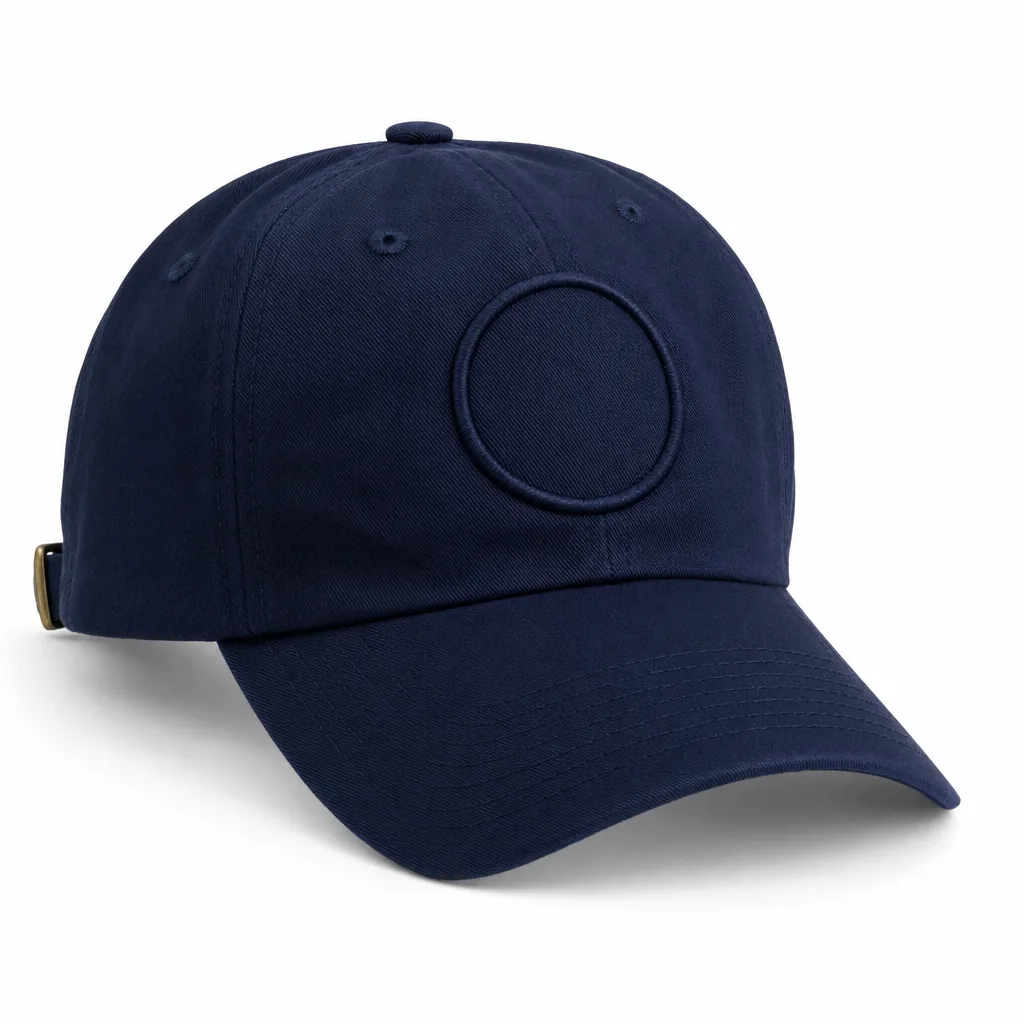
Every week, our sales team answers detailed questions about sports team hats: a vertical-specific sourcing guide (2026 update). We wrote this guide so that wholesalers, streetwear brands, corporate buyers and promotional resellers can compare options with full information, and avoid the traps that show up only after production has started.
Custom Baseball Team Hats
The costliest mistake in custom baseball team hats is approving artwork before the construction spec is frozen. For sports team hats, the shell dictates fit, front profile, embroidery readability, and reorder consistency far more than the logo file. A standard team cap is usually a 6-panel structured shape with 3.0-3.5 mm front buckram, a pre-curved PE visor, 6-8 rows of visor stitching, a cotton twill or microfiber sweatband, and a snapback, hook-and-loop, or fitted back. That is only a starting point. A usable tech pack should lock crown height in centimeters, visor length and curvature, panel pattern, eyelet type, top button material, seam allowance, SPI, and closure spec, because small pattern changes can shift how the same logo sits on the forehead by several millimeters. Fabric cannot be approved by hand feel alone: 100% cotton twill at 260-320 gsm is still the workhorse for game-day caps, while brushed polyester at 180-220 gsm is common for training styles that need faster drying and lower weight. If the program will replenish during the season, require Pantone TCX references, approved lab dips, and bulk shade control within Delta-E 1.5-2.0; one loose navy match becomes obvious under stadium LEDs.
Decoration cost moves fastest when you add operations that interrupt the sewing line or create separate material minimums. A stock-color cap with flat or 3D front embroidery and one side hit usually works at 144-288 pieces per style-color, with a realistic 2026 FOB China range around $2.20-$3.80 at 300 pieces and $1.75-$3.10 at 1,000 pieces in standard cotton twill. Add custom-dyed fabric, contrast sandwich visor, woven back label, printed seam tape, moisture-wicking sweatband, sublimated undervisor, or applique, and the practical MOQ often rises to 500-1,000 pieces because dye lots, setup changes, and extra hand inspection all compound. Embroidery should always be quoted by stitch count, backing, and machine time: a 9,000-stitch front mark on Tajima or Barudan heads behaves differently from a heat-transfer emblem on the same crown profile, especially on high-buckram fronts where distortion shows quickly.
Inspection should focus on the defects buyers actually claim after cartons are opened: front logos drifting more than 2 mm off center, visor asymmetry over 3 mm tip to tip, buckram collapse after compression, skipped sweatband topstitching, rear arch seam slippage, exposed base fabric in dense fills, and panel shading from mixed dye lots. AQL 2.5 remains the normal final inspection level for sports team hats, but logo appearance, crown symmetry, and color continuity should be judged closer to an AQL 1.5 mindset because those are the defects that get rejected by clubs, schools, and retail fan programs. Our standard practice is to split approvals into a shape sample, a color standard, and a pre-production sample, since one salesman sample rarely controls crown profile, shade, and embroidery density at the same time. If the hats sit inside a broader licensed program, also confirm the factory can document sedex-audit-cap-supplier-guide.html">BSCI 2.0 or Sedex SMETA 4-Pillar compliance, hold closure assortments by colorway, and ship on the same discipline expected for uniforms and fanwear in the same launch window.
Baseball Hats Canada
For Canada-bound baseball programs, shell architecture decides whether sports team hats look licensed and retail-ready or collapse into promo quality. The default winner is still a 6-panel structured cap with 0.45 to 0.55 mm buckram in the front crown and a PE visor insert around 1.6 to 1.8 mm, because it keeps a crest standing cleanly on-head and survives carton pressure better than a soft wash cap. For adult programs, 280 to 320 gsm cotton twill remains the safest base for traditional team merchandise, while 240 to 260 gsm brushed chino fits softer fanwear, and 150 to 180 gsm interlock or microfiber polyester works when the brief includes moisture management and faster dry time. A serious RFQ should lock crown height, visor length, under-visor shade, closure hardware, sweatband fiber content, eyelet construction, seam taping, and decoration method, including embroidery stitch count, run distance, satin width, and backing spec. If you are matching league colors, use Pantone TCX references for shell fabric and embroidery thread separately, then hold bulk shade tolerance to Delta-E 1.5 to 2.0; otherwise body fabric, fill stitching, and under-visor often split visibly under 4000K to 5000K store lighting.
Most production problems show up long before final packing: inaccurate panel cutting, visor asymmetry, embroidery registration drift, and weak closure setting are the repeat offenders. A capable cap factory will cut panels by steel die or CNC, fuse front panels, shape the peak around the insert, sew the crown, embroider on Tajima, Barudan, or ZSK heads, then steam, trim, and inspect. I would not release bulk without a pre-production sample checked both flat and on-head, because a cap can look acceptable on the table and still break at the front curve once worn if the buckram is too light or the steam set is overdone. Write numeric tolerances into the QC sheet: logo off-center no more than 2 mm, visor twist under 3 mm, no exposed visor board, no skipped satin stitches, no sweatband puckering after perspiration testing, and no corrosion on metal trims after salt-spray exposure where applicable.
Pricing in 2026 is straightforward if the spec is honest. A stock-fabric 6-panel cotton twill cap with flat embroidery and hook-and-loop closure usually runs about US$2.10 to US$3.20 ex-factory at 500 pieces, while a retail-grade version with 3D embroidery, sandwich visor, metal buckle, woven label, and custom interior taping is more realistically US$3.80 to US$6.20. MOQ is commonly 144 to 300 pieces per colorway on stocked fabrics and trims, but custom-dyed shells, branded hardware, molded patches, and licensed inner labels usually push the practical floor to 500 to 1,000 pieces because shade risk, trim loss, and rejection cost climb fast. For multi-SKU sports team hats shipping into Canadian distribution, final inspection at AQL 2.5 major and 4.0 minor is standard, and carton compression plus drop testing is worth requiring so crown shape holds through long-haul transit. CrownsForge typically keeps baseball caps, truckers, and bucket hats under one QC system when a buyer is building a full team collection, because color continuity and packaging compliance are easier to control that way.
Fitted Hats with Patches
Patch construction is where fitted sports team hats either stay sellable or become a rework problem, because a closed-back 6-panel crown gives you almost no tolerance once the front logo is locked onto buckram. Treat the patch as a separate component with its own spec: finished size in mm, base fabric weight, border construction, stitch count or mold depth, backing type, and attachment method. The usable options are embroidered twill, woven damask, merrowed twill, sublimated twill, molded TPU, and 3D silicone, but they do not behave the same on a fitted crown. A 90 x 55 mm embroidered twill patch with heavy fill can easily distort a high-profile front panel if the buckram is too soft or the sew-on line is too close to the edge. Lock the hat build before approving artwork: crown height, visor curve, shell fabric, sweatband, buckram thickness, and full fitted size grading. On licensed programs, shells are usually 100% acrylic in the 260-280 gsm range, wool-blend melton around 380 gsm, or polyester twill near 220 gsm when tighter color control matters. For team colors, specify Pantone TCX for fabric and Madeira Classic or Gunold Poly thread, and hold crown fabric to Delta-E under 1.5 and the patch under 2.0 unless the design intentionally mixes texture and sheen.
The biggest production failure is front-panel distortion, not missed embroidery. Patch bodies are usually produced in parallel while cap shells are cut, sewn, and brimmed, then attached before final steaming and size labeling; if the patch is too dense, the SPI is wrong, or the needle and edge finish are mismatched, the front seam starts to pucker and the fitted profile collapses. Embroidered patches normally run on Tajima, Barudan, or ZSK multi-heads, while molded TPU and silicone add tooling cost and heat-transfer trials that need to be validated on the actual shell fabric and buckram combination. Ask for front buckram spec, needle size, attachment SPI, edge finish, and whether the patch is edge-stitched, satin-stitched, heat-pressed, or heat-pressed with a secondary tack stitch. In China, stock-fabric fitted programs often open at 144-288 pieces per color, but true custom sports team hats with a full run of sizes 6 7/8 through 7 5/8 usually need 300-500 pieces per style to absorb size splits. FOB pricing out of Ningbo or Shanghai is typically $3.20-$4.80 for an acrylic fitted with a standard embroidered patch; molded silicone, layered applique, or custom packaging usually pushes that into the $5.50-$7.20 range before freight.
Inspection standards should be tighter than fashion headwear because team programs are judged on repeatability over multiple seasons. I would run overall appearance at AQL 2.5, but logo placement, color accuracy, and size-critical points closer to AQL 1.5 for school, club, and licensed orders. Measure patch centering within +/-2 mm, verify front-seam symmetry, confirm visor sandwich alignment, and physically check fitted circumference, because a 3-4 mm internal variance is enough to trigger returns on common adult sizes like 7 1/4 to 7 5/8. Heat-applied TPU or silicone badges need adhesion testing after 24-hour conditioning at high humidity; sew-on patches need edge-rub checks for lifting, skipped stitches, and hard borders that telegraph through the crown face. Our standard practice is also to check for embroidery backing shadow on light-color shells and sweatband join buildup that quietly changes the stated size. Fitted hats with patches work best when artwork is stable, reorder volume is predictable, and the buyer is disciplined enough to manage size-level inventory instead of chasing short-run colorways.
Bucket Hats for Men
For licensed or private-label bucket programs, the make-or-break point is the body pattern and brim construction, not the logo. Most bucket hats for men are cut from 3 to 6 panels for the crown with a separate circular top and a brim made from two shell layers plus an interlining; if the brim angle is off by even 4 to 6 degrees, the hat wears more like a floppy fashion piece than a team item. For sports team hats, buyers should lock down crown height, brim width, brim drop, stitch count per brim row, and the exact shell weight before sampling. A practical tech pack should call out fabric like 210 gsm brushed cotton twill, 240 gsm canvas, or 110D x 110D recycled nylon taslon, plus sweatband composition, eyelet type, seam tape width, and embroidery position tolerance of +/- 2 mm. If the design is closer to a men's bucket hat designer silhouette, ask for fused front panels or heavier 0.35 to 0.45 mm brim interlining so the profile holds after packing. For cold-weather capsules such as winter bucket hats for men, factories usually switch to sherpa, microfleece, or laminated nylon with 3 oz quilt padding, but that changes stitch density, seam bulk, and carton compression limits.
MOQ and cost move mostly with fabric complexity and decoration method. A straightforward cotton twill bucket with 5,000 to 7,000 stitches of front embroidery usually runs at 300 to 500 pieces per colorway, with FOB China pricing around $2.10 to $3.40 at that volume; add woven labels, inside taping print, or all-over sublimated panels and you are more realistically at $3.60 to $5.20. If a buyer wants faux fur, shearling, or plush textures similar to a fur bucket hat women retail style, MOQ often climbs because mills want 300 to 500 meters per color and the cutting loss is higher. Licensed buyers asking for character logos in the style direction of a psycho bunny bucket hat should also confirm whether the factory will use flat embroidery, towel embroidery, chenille patches, or TPU badges, because each decoration changes lead time and defect risk. Our standard practice at CrownsForge is to quote bucket hats separately from core cap programs because they consume different sewing lines, different brim dies, and more manual shaping than structured baseball silhouettes. Buyers in Canada comparing to vintage trucker hats canada price points should not assume parity: bucket hats are often simpler in closure hardware but heavier in fabric usage and less forgiving in sewing accuracy.
Inspection failures on bucket hats are usually boring but expensive: uneven brim topstitch spacing, twisted side seams, mismatched brim circumference, puckering around metal eyelets, and embroidery strike-through on lighter fabrics. I tell buyers to measure finished brim width at 4 compass points, check crown-to-brim seam tolerance within 3 mm, run a wash or sweat test on dark shades for crocking, and verify color against Pantone TCX under D65 light with Delta-E under 1.5 if the hat has to match team jerseys or outerwear. For bulk production, AQL 2.5 is standard, but bucket hats deserve an extra carton-drop and packing recovery check because badly compressed brims can take a permanent wave during ocean transit. If the broader program includes sports team hats across baseball caps, visors, and knit beanies, bucket hats should be sourced as a deliberate silhouette choice, not an afterthought: they work well for summer supporter merchandise, sideline staff kits, and tournament giveaways, but only when the factory can control soft-headwear sewing, circular pattern consistency, and logo placement on a non-structured surface. Buyers who skip that capability check usually end up approving a nice salesman sample and receiving a bulk run with three different brim shapes.
Fitted Hats Women
For women’s fitted sports team hats, the block determines whether the program succeeds; decoration is secondary. The most common sourcing mistake is taking a men’s fitted block and shrinking circumference without reworking proportion, which leaves the crown 6 to 10 mm too deep, the front panel too vertical, and the rear curve too flat for many female consumers. On a commercial women’s profile, I usually expect shallower crown depth, a reduced front-panel angle, and cleaner contact at the occipital bone so the cap does not perch high after steaming and finishing. Closed-back construction gives you no adjustment margin, so if the block is wrong, no amount of pressing or band setting will rescue the fit. Material specs need the same discipline: 180 to 260 gsm wool-acrylic twill, brushed cotton twill, or 100% polyester performance fabric are standard, with 0.45 to 0.60 mm laminated buckram on the face and a 1.8 to 2.2 mm PE visor insert to keep shape through packing and wear. Smaller front real estate also makes embroidery less forgiving; on Tajima, Barudan, or ZSK heads, underlay, stitch density, and 3D foam height have to be tuned more tightly than on a standard men’s cap or lettering will crowd, sink, or distort.
The RFQ for women’s fitted sports team hats should read like an engineering document, not a mood board. Lock the size run first; most workable programs sit at 54 cm to 59 cm in 1 cm increments, and true fitted size breaks usually push MOQ from 300 to 500 pieces per colorway up to 600 to 1,200 pieces once four or five sizes are stocked. Write tolerances directly into the spec pack: finished circumference within +/-3 mm, visor length within +/-2 mm, crown depth by size, sweatband width, seam tape color, eyelet type, button diameter, and visor stitch count. For licensed goods, color approval should be contractual. Call out Pantone TCX or Pantone Coated references by component, then require Delta-E under 1.5 on shell fabric and under 2.0 on embroidery thread lots; dark tonal mismatches, especially navy and black, show immediately under LED retail and stadium lighting. Current China pricing is still realistic at about $3.20 to $5.80 FOB Ningbo for wool-acrylic with flat embroidery, and roughly $5.90 to $8.50 for polyester performance builds with TPU patches, metallic thread, or multi-location embroidery.
Inspection is where weak women’s fitted programs get exposed fast. The defects that matter are measurable: logo drift of 2 to 3 mm off center, visor twist over 3 mm, front-panel collapse from under-spec buckram, sweatband seam roping, and post-steam size movement that throws smaller sizes out of tolerance. I also check for needle cuts on brushed twill, embroidery pull on curved scripts, rear-arch pressure points, and loose under-visor binding, because those failures often pass a flat-table review and then show up the first time the cap is worn. AQL 2.5 final inspection is necessary but not sufficient; add a fit audit on head forms across every size in the run, especially 54 cm and 55 cm where spoilage is usually highest. At CrownsForge, vendor approval for fitted caps is separated from soft headwear for a reason: a factory that handles washed buckets or unstructured dad caps well can still fail on grading accuracy, front-panel stability, and licensed color consistency, which are the three issues that most often break women’s fitted sports team hats at scale.
Winter Bucket Hats for Men
The fabric package decides whether a winter bucket sells through or comes back as returns. For men’s cold-weather sports team hats, the safest construction is a 6-panel or 8-panel bucket in either 220-280 gsm brushed cotton twill for a heritage hand feel or 110-140D nylon taslon when the brief needs better wind resistance and faster drying. I’d pair that shell with a 120-160 gsm polar fleece lining for mainstream retail or a 180-260 gsm sherpa only if the brand accepts more bulk, higher lint risk, and higher freight cube. Brim stability is where weak specs fail, so I’d lock in an 80-120 gsm needle-punch nonwoven interlining, 6-8 rows of brim stitching at consistent SPI, crown height at 85-95 mm, brim width at 55-65 mm, and head-opening tolerance within plus or minus 3 mm. That is the difference between a bucket that stands up after embroidery and packing and one that collapses into a soft souvenir shape. Most summer-hat suppliers underestimate how badly mixed materials move under steam, embroidery needle heat, and carton pressure. Faux shearling, microfleece, quilted nylon, and brushed twill do not shrink at the same rate, so I would require shrinkage testing after fusing and after logo embroidery, not just on raw fabric. If the factory uses Tajima or Barudan heads for the logo but subcontracts cut-and-sew, panel matching and brim symmetry often drift first, especially on camouflage, heather fleece, or contrast-bound styles. The tech pack should specify shell composition, lining weight, sweatband material, eyelet type, embroidery backing, woven-label fold, and placement tolerance within 3 mm. For licensed programs, use Pantone TCX references and hold color to Delta-E under 1.5 on solid-dyed components; on fleece or heather textures, under 2.0 is more realistic. In Zhejiang, a basic fleece-lined winter bucket usually lands around $3.20-$4.80 FOB China at 500 pieces, while sherpa linings, PU patches, or all-over camo printing can push workable pricing to $5.80-$8.50 and practical MOQs to 800-1,200 pieces.
Bulk failures usually show up in the brim and inside finishing, not in the front logo. During inline and final inspection, I focus on brim warping, uneven stitch spacing, puckering where a heavy lining joins the shell, exposed overlock at the sweat seam, embroidery strike-through on fleece-backed fronts, and pile shedding after 24 hours sealed in a polybag. For retail sports team hats, AQL 2.5 is a sensible inspection level only if the defect criteria are written tightly: head circumference consistency across the size set, left-right brim symmetry within 5 mm, seam slippage after moderate pull, lot-to-lot color shading, and needle damage on coated nylon shells. If metal eyelets are used, add burr-free setting and a basic salt-spray check, because cheap eyelets rust fast in wet winter inventory. Packaging causes more avoidable claims than most buyers expect. Thick-lined bucket hats should be packed by controlled nested count, with 0.03-0.05 mm polybags and outer cartons strong enough to survive ocean stacking without crushing the brim edge. Once a sherpa-lined brim takes a hard memory crease in transit, recovery in cold climates is poor, even after steaming. At CrownsForge, the practical control point is the pre-production sample: approve it only after wash testing, cold-flex evaluation, and carton-compression checks, because distortion is the real commercial failure mode on winter buckets. MOQ for a clean fleece-lined style is usually 300-500 pieces per colorway, but faux fur, printed camo, and contrast binding often raise fabric minimums and cutting loss enough that anything under 800 pieces becomes inefficient or expensive.
Working with CrownsForge for sports team hats programs
The biggest cost driver in sports team hats programs is usually approval discipline, not the last $0.20 on FOB. A clean first run typically needs 3-5 working days for embroidery digitizing and sew-outs or a woven/PU patch strike-off, then another 10-14 calendar days for a physical pre-production sample after shell fabric, visor tape, sweatband, woven labels, and closure hardware are locked. Buyers often approve artwork too early and discover problems later: satin columns under 2.5 mm close up, 3D puff loses edge definition on small serif letters, or team colors drift because no Pantone TCX or coated reference was formally tied to the cap body and trims. If you want repeatable bulk, define the measurable standard up front: crown profile, buckram stiffness, stitch density, thread denier, Delta-E tolerance under D65 light, and logo placement tolerance in millimeters. For stock-body dad caps or truckers, 144 pieces per colorway can work; for true cut-and-sew sports team hats with custom fabric booking, branded seam tape, and interior taping, 300-500 pieces per style is where marker efficiency, trim loss, and carton economics stop fighting you.
Decoration capability is where approved samples either survive bulk or fall apart. Structured team caps with front embroidery, side hits, and back-arch text need stable thread tension, clean registration, and enough machine consistency to hold the same look across 1,000 pieces, not just six samples. Tajima, Barudan, and ZSK multi-heads are materially more reliable than low-end generic heads when you are combining 3 mm EVA puff, flat tatami fills, narrow satin borders, and twill or merrowed patches on buckram-backed front panels. Our standard practice is to freeze a decoration sheet before bulk cutting: thread brand, stitch-count tolerance, puff foam thickness, patch border construction, twill backing weight, brim sandwich spec, and center-front plus side-logo placement tolerances, typically within 2-3 mm. That discipline prevents the failures buyers actually get charged for on sports team hats: front panels collapsing under excessive stitch density, patch edges lifting after carton compression, off-tone trim colors beyond Delta-E target, or back-arch embroidery drifting 3-5 mm off center.
Once a program moves from a trial drop to repeat seasonal orders, process control matters more than sampling speed. Serious buyers usually ask for current BSCI 2.0 or Sedex SMETA 4-Pillar audit records before committing volume, because weak social compliance often correlates with weak traceability, uncontrolled subcontracting, and undocumented material substitutions. On the quality side, the practical baseline is incoming fabric inspection, first-off embroidery approval, inline sewing checks, finishing review, and final audit to AQL 2.5 for major defects and AQL 4.0 for minor defects. That sequence catches the real chargeback issues: visor skew, uneven top-button placement, hook-and-loop closures sewn out of square, sponsor logos omitted on one panel, wrong shell composition against the declared cotton/poly ratio, or mixed cartons packed against the wrong PO split. Sports team hats programs should run on a gated workflow—tech pack review, quotation with explicit material assumptions, deposit, sample approval, lab dip or swatch confirmation, bulk-cut authorization, inline QC, pre-shipment inspection, and shipping document release—not on scattered WhatsApp screenshots and memory.
Frequently Asked Questions
How long does production take?
Sampling takes 7 to 12 days. Bulk production runs 20 to 30 days depending on quantity, fabric availability and decoration complexity. Inspection and packing adds another 3 to 5 days before shipment.
Do you support sustainability certifications?
Yes. We work with GOTS organic cotton, GRS-certified recycled polyester, OEKO-TEX Standard 100 fabrics, and are BSCI and Sedex audited. Certification documentation can be provided per order.
What is the minimum order quantity (MOQ) for custom hats?
Our standard MOQ is 100 pieces per design and color, with sampling available from 1 piece. For complex multi-color logos or premium fabric upgrades, the MOQ can be lowered with a small per-piece surcharge.
What logo decoration techniques do you offer?
3D puff embroidery, flat embroidery, woven patch, leather patch, PVC patch, screen printing, sublimation, applique and laser etching, all in-house with no subcontracting.
Can I order a sample before bulk production?
Yes. We strongly recommend approving a pre-production sample before mass production. Samples are charged at 35 to 60 USD each plus express shipping, fully refundable against confirmed bulk orders over 500 pieces.
What should buyers know about bucket hat men?
When evaluating bucket hat men, the key considerations are construction quality, decoration capability, MOQ flexibility and lead time. Cover everything buyers ask about bucket hats for men: how it's manufactured, what specs to request from a factory, typical MOQ and pricing, common quality issues to inspect for, and how this ties back to the broader sports team hats sourcing decision. Cover everything buyers ask about winter bucket hats for men: how it's manufactured, what specs to request from a factory,…
What should buyers know about nike bucket hats for men?
When evaluating nike bucket hats for men, the key considerations are construction quality, decoration capability, MOQ flexibility and lead time. Cover everything buyers ask about bucket hats for men: how it's manufactured, what specs to request from a factory, typical MOQ and pricing, common quality issues to inspect for, and how this ties back to the broader sports team hats sourcing decision. Cover everything buyers ask about winter bucket hats for men: how it's manufactured, what specs to request from a factory,…
How does ordering custom racing team trucker hat work?
When evaluating custom racing team trucker hat, the key considerations are construction quality, decoration capability, MOQ flexibility and lead time. Cover everything buyers ask about custom baseball team hats: how it's manufactured, what specs to request from a factory, typical MOQ and pricing, common quality issues to inspect for, and how this ties back to the broader sports team hats sourcing decision. Cover everything buyers ask about baseball hats canada: how it's manufactured, what specs to request from a factory,…
What should I know about vintage trucker hats wholesale?
When evaluating vintage trucker hats wholesale, the key considerations are construction quality, decoration capability, MOQ flexibility and lead time. Cover everything buyers ask about custom baseball team hats: how it's manufactured, what specs to request from a factory, typical MOQ and pricing, common quality issues to inspect for, and how this ties back to the broader sports team hats sourcing decision. Cover everything buyers ask about baseball hats canada: how it's manufactured, what specs to request from a factory,…
Ready to start your custom hat project?
Send us your tech-pack, sketch or even just an inspiration photo. We will respond with a detailed quotation and digital mock-up within 24 hours.
Request a free quoteRelated guides
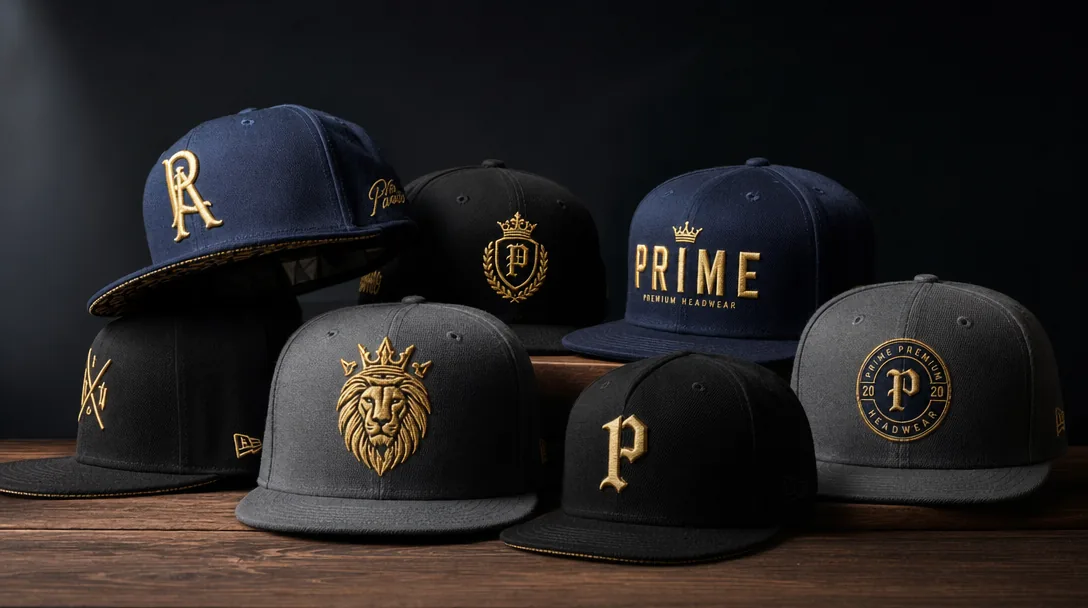
Custom Leather Patch Hat Low Minimum: A 2026 B2B Sourcing Guide
Read article →
Mens Beanies: Properties, Costs and How to Spec It Right
Read article →
Custom Rope Hats: Manufacturing, Materials and Bulk Pricing (2026 Update)
Read article →Sourcing custom hats does not have to be complicated. With the right manufacturing partner, clear specifications and a small upfront investment in sampling, you can launch a retail-quality product in 30 to 45 days.