
Snapback vs Fitted vs Adjustable: Cap Closure Systems Compared - Supplier Checklist - Cost & MOQ Breakdown (2026 Update)
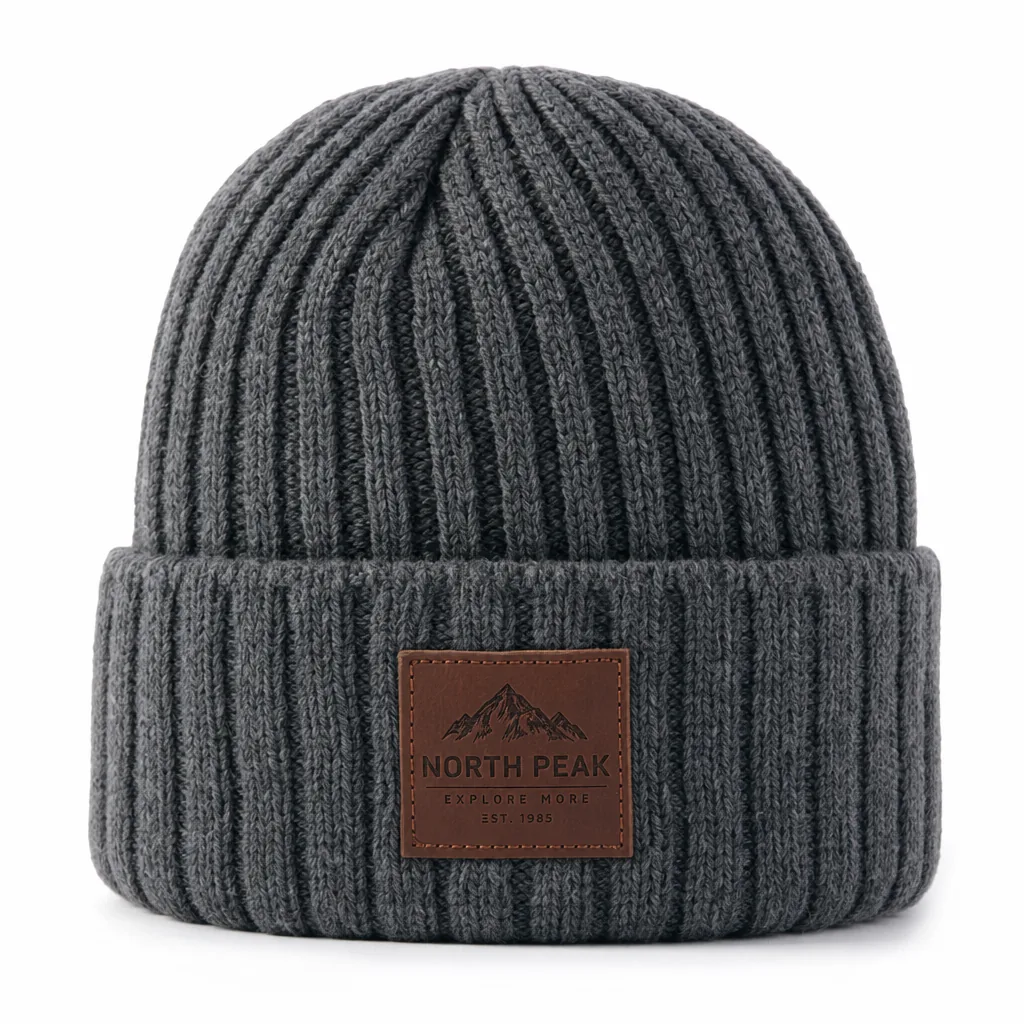
Every week, our sales team answers detailed questions about snapback vs fitted vs adjustable: cap closure systems compared - supplier checklist - cost & moq breakdown (2026 update). We wrote this guide so that wholesalers, streetwear brands, corporate buyers and promotional resellers can compare options with full information, and avoid the traps that show up only after production has started.
The five closure systems in commercial production
Closure choice is not a styling detail; it determines your SKU count, trim plan, and replenishment risk. In commercial production the five systems worth discussing are plastic snap, self-fabric strap with metal slide buckle, self-fabric tuck strap, hook-and-loop, and fitted with no back opening. In a real snapback vs fitted program, the first hard split is size architecture. A standard adult snapback usually covers roughly 58–62 cm with one SKU, while fitted requires a full size curve—commonly 6 7/8 through 7 5/8 in 1/8-inch increments, sometimes wider for team retail. That means separate sweatband labels, carton ratios, and inventory buckets for every size. The trim saving on fitted is smaller than buyers assume: a stock black PE snap set is only about $0.05–0.09 per cap at 5,000 pcs FOB China, but fitted quickly becomes more expensive once fringe sizes stall and the warehouse starts handling broken curves. Below about 2,400 pcs, fitted usually carries more commercial risk than the closure delta itself.
Plastic snapbacks remain the easiest adjustable system to industrialize because the trim is standardized and the defect pattern is predictable. Most factories run 7-hole or 8-hole polyethylene snaps, bartacked after crown assembly; on heavier bodies like 600D polyester, melton wool blends, or foam-front truckers, adding stay tape at the back arch helps stop panel distortion and keeps the opening symmetrical. Stock black and white snaps are easy, but Pantone-matched closures are where lead time stretches: 3,000–5,000 set trim MOQs and typically 7–12 extra days, with visible color mismatch risk if the molded resin lands outside a practical Delta-E tolerance against dyed fabric. Final QC should check hole spacing, male/female engagement force, bartack density, and rear seam centering under AQL 2.5, because a crooked snap reads cheap immediately.
The other three adjustable systems serve narrower lanes. A metal slide buckle works best on washed cotton twill, brushed chino, canvas, and 16-wale corduroy, especially on low-profile or unstructured caps; trim cost is usually $0.12–0.22, with debossed or laser-engraved hardware adding another $0.04–0.08 plus tooling. The tuck strap gives a cleaner rear profile and better pack-out, but tolerance is tighter than many buyers realize: if the return length is off by even 5 mm, the strap will either slip out or bunch after carton compression. Hook-and-loop is cheaper at about $0.07–0.14 and suits event merch, youth caps, workwear, and foam truckers, but holding strength drops with lint contamination and repeated cycling. Fitted sits at the opposite end of the snapback vs fitted decision: cleaner back profile, uninterrupted rear embroidery area, and more stable crown tension for dense stitching on Tajima, Barudan, or ZSK heads. The tradeoff is pure math—a 1,200-piece order across seven fitted sizes leaves only around 170 pcs per size before ratio bias, which is inefficient unless the brand already has reliable sell-through data.
Plastic snap (snapback) economics
The biggest savings in a plastic snap program come from SKU compression, not from the closure itself. One adult snapback usually fits about 54–61 cm, and some 8-row PP snaps can stretch usable range closer to 62 cm, so a buyer can run one size code instead of splitting inventory across fitted sizes like 6 7/8, 7, 7 1/8, 7 1/4, 7 3/8, and 7 1/2. In any honest snapback vs fitted cost comparison, that matters more than a few cents of trim. Fitted caps force separate size labels, carton ratios, carton marks, replenishment planning, and sell-through tracking by size curve. The slow sizes become dead stock first, especially in event merch, campus retail, and licensed fanwear where consumers cannot reliably try on before purchase. On buys of 144, 288, or 576 pieces, that inventory risk can wipe out any perceived premium from a cleaner fitted silhouette. At the factory level, the snap itself is cheap and operationally forgiving. A stock-color PP or PE snap set typically adds only US$0.04–0.07 per cap versus a closed-back shell, with standard colors like black, white, navy, red, royal, gray, khaki, and dark green usually available with no separate trim MOQ. Custom resin color is possible, but buyers should treat it like trim development: practical MOQ is normally 500 pieces per color and often 1,000 if the molder is batching runs. Color matching also gets underestimated. We check snap chips against crown fabric under D65 light, because a closure that looks acceptable in warm showroom lighting can drift badly against 100% polyester twill or brushed cotton chino. For premium retail, Delta-E under 1.5 is the right target; on bright reds, teals, and optic whites, most trim suppliers land closer to 1.5–2.0.
Plastic snaps also win on throughput. Installing a snapback closure is faster and more consistent than sewing a leather tuck strap, woven webbing strap, or metal tri-glide assembly, and it produces fewer cosmetic rejects than hook-and-loop on a curved back arch. On a standard 6-panel structured cap, the closure station is rarely the bottleneck once front embroidery has already run on Tajima, Barudan, or ZSK heads. That matters because labor variance, not nominal trim cost, is what starts to move FOB pricing between 288 pieces and 10,000 pieces. A stable snap operation helps the line stay inside AQL 2.5 for stitch security, back opening symmetry, and snap engagement without adding much inspection burden. Against strapback constructions, a plastic snap is usually US$0.12–0.35 cheaper per cap once you include hardware, added handling, and reject risk from scratched buckles or uneven strap placement. Against fitted, the economics are broader: no size splitting, fewer carton assortments, cleaner replenishment, and lower orphan-stock exposure in unpopular sizes. That is why snapback vs fitted remains a practical buying decision rather than a style debate. Fitted caps do present a cleaner rear profile and a truer athletic fit, but snaps are easier to forecast and materially safer when the size curve is unproven. At CrownsForge, we usually steer first-run streetwear, promotional, and team-store programs toward snaps unless the customer already has hard sell-through data by fitted size.
Fabric strap with metal buckle (dad hat aesthetic)
A fabric strap with a metal slide buckle is the right closure when the brief calls for a real dad-hat hand feel, not the stiff rear silhouette that usually drives snapback vs fitted comparisons. The strap is normally 15 to 18 mm wide, cut from the same shell fabric as the crown, and works best in 220 to 280 gsm brushed cotton twill, enzyme-washed chino, peach-finish canvas, or 120 to 160 gsm taslon/crinkle nylon if the brand wants a cleaner streetwear finish. On adult caps, a well-graded strap should cover about 54 to 62 cm head circumference without forcing the product into fitted size breaks. That range is broad enough for most DTC and promo retail runs, but only if the strap length is matched to crown depth; shallow low-profile bodies need shorter tails or the tuck becomes bulky. Hardware quality matters more than buyers think. Stock buckles are usually zinc alloy or stamped iron with electroplating, and the safest finishes are antique brass, matte black, and brushed nickel because they hide carton abrasion and finger rub better than bright nickel or mirror gold. The failure points are visible on the factory floor: sharp casting lines, thin plating on edges, and loose center bars that let the strap creep after a few wears. Our standard practice is to reject buckle lots with inconsistent tone under D65 light or obvious burrs, because once Delta-E drifts against nearby eyelets or back-arch embroidery thread, the cap starts looking pieced together instead of intentional.
The cost delta is small if you stay with stocked trims: typically $0.12 to $0.16 per cap for buckle, self-fabric strap, assembly labor, and extra sewing operations on standard FOB China orders. Add a tuck-in loop, woven flag label, laser-engraved buckle, or custom die-cast hardware and the closure usually lands at $0.18 to $0.30. MOQ is also manageable with stock buckles; 144 to 300 pieces per colorway is common in Yiwu. Once you move to custom molded hardware, expect 1,000 to 3,000 pieces per finish plus tooling in the $120 to $280 range, and longer lead times if the plating house has to match a specific Pantone-adjacent trim direction. Assembly accuracy is the bigger quality risk than raw material cost. On an unstructured 6-panel cap, if the buckle center drifts more than 2 mm from the back opening centerline, the defect is obvious at first glance. I look for a clean fold press before topstitching, bartacks that fully trap the strap end, and consistent SPI so the rear looks balanced against the sweatband seam. Slippage should be checked at roughly 7 kg pull force, and finished caps should still pass appearance review at AQL 2.5 because cheap electroplating flakes fast during packing. For buyers weighing fitted vs adjustable options, this closure belongs firmly in the lifestyle lane: softer profile, quieter branding, and a better match for washed cotton, low-profile crowns, and premium casual programs where plastic snaps read too loud.
Velcro (lowest cost, widest range)
Hook-and-loop is still the cheapest closure on a cap, but buyers often overstate the savings. In 2026 Yiwu trim pricing, a 20 mm nylon hook-and-loop set usually lands at $0.025-$0.045 per cap, against roughly $0.055-$0.095 for a basic PP snap strip and $0.12-$0.25 for a metal buckle or D-ring strap, depending on finish and plating requirements. The bigger benefit is fit range: one adult pattern can usually cover about 54-63 cm head circumference, which eliminates split size runs in programs where the wearer is unknown. In a real snapback vs fitted sourcing decision, that matters more than the closure cost delta. Promo distributors, school programs, charity runs, and golf events pick Velcro because a single adjustable SKU reduces forecasting mistakes, leftover inventory, and carton complexity. On a 1,000-piece order, the trim savings versus snap may only be $30-$60 total; the operational savings from not stocking S/M and L/XL can be worth more than that.
It is also faster and more forgiving on the sewing floor. A hook-and-loop back tab can be set on a Juki lockstitch with less alignment sensitivity than a 7-hole plastic snap, and there is no failure mode from cracked pegs, short hole count, or mismatched male/female strips. In practice, closure assembly can run 8-10 seconds faster per cap, which is enough to shave a few cents off FOB once labor burden is loaded. MOQ is rarely constrained by the tape itself: stock black, white, and navy are usually workable from 144-300 pieces per colorway, while custom-dyed tape generally needs 1,000-2,000 yards and a lab dip approval. If you specify Velcro, do not leave the PO at “Velcro back.” Call out 20 mm or 25 mm width, overlap length, nylon vs polyester tape, box-stitch size, and shade tolerance to shell fabric, ideally within Delta-E 1.5 against the approved Pantone TCX. Inspect under AQL 2.5 for skewed placement, weak peel strength, missed backtacks, raw-edge exposure, and lint pickup after cycle testing.
The downside is immediate: it reads promotional the second a buyer handles the cap. On brushed cotton twill under 220 gsm, polyester microfiber, or low-cost sandwich-bill styles, that is acceptable because the closure matches the product tier. On retail streetwear, licensed sports product, or any program trying to sell against a structured snapback in the $24-$38 retail range, hook-and-loop lowers perceived value fast. Durability also depends heavily on tape grade. Cheap hook tape loses engagement after repeated opening cycles, collects lint, abrades the neck on shallow-back patterns, and can distort the back opening so it looks flatter than a snapback or strapback. Our standard practice at CrownsForge is simple: use hook-and-loop when the brief prioritizes one-size coverage, low FOB, and quick replenishment. In any honest snapback vs fitted comparison, Velcro wins on universality and production speed, not on shelf appeal.
Fitted: why some brands accept the operational cost
Fitted is only rational when exact sizing is part of the product promise. In a real snapback vs fitted decision, fitted turns one cap into a size run immediately: usually 6 7/8, 7, 7 1/8, 7 1/4, 7 3/8, and 7 1/2, with 7 5/8 to 8 added for licensed sports or broader North American retail. That multiplies markers, work-in-process bundles, carton assortments, carton labels, and replenishment risk before you even discuss colorways. Because there is no rear adjustment to mask variation, circumference control has to be built into pattern grading, sweatband cut length, buckram recovery, and final blocking. On structured 59FIFTY-style bodies, a realistic finished-head-size tolerance is ±3 mm; beyond that, the miss is obvious on the wearer, not just on a tape measure. Embroidery and shape consistency get harder as sizes grade up. The front panel pitch changes slightly from 7 to 7 1/2, so a logo that looks centered on one size can read visually high or left on another if the hooping reference is not adjusted. On Tajima, Barudan, or ZSK heads, I treat 1.5 to 2.0 mm front-logo drift as a reject on premium fitted programs, especially with raised fill or 3D satin where misalignment is amplified by panel curvature. Sweatband join position, seam overlap, and visor set angle also matter more than buyers expect; a fitted cap with a clean stitch count but inconsistent blocking will still fit like two different products across the size run.
The real penalty is not sewing minutes; it is MOQ inflation and dead inventory. An adjustable cap may open at 144 pcs per colorway because one size covers most buyers. Fitted usually needs a workable size curve across at least five sizes, and factories rarely want less than 48 to 72 pcs per size if you expect stable cutting and embroidery output. That pushes a practical opening order to 288 to 360 pcs, with 432 to 504 pcs more common once you build a saleable curve and reserve stock for exchanges. Unit cost typically runs 8% to 18% above an equivalent snapback or strapback. The uplift comes from extra cutting loss, separate size tickets and care labels, more carton-level sorting, and a higher packing-error rate that shows up quickly under AQL 2.5 inspection. Brands still accept that overhead when closed-back authenticity is part of the sale. Licensed on-field programs are the cleanest example: retailers will reject an adjustable substitute even if the shell fabric, embroidery, and trims match spec, because the silhouette and sizing are part of the licensed standard. Premium streetwear makes the same calculation when the uninterrupted back profile, firmer crown, and heavier hand of a 16x12 wool-blend twill at 260 to 280 gsm signal a different product tier. Our standard practice is to lock the size ratio before bulk cutting, because once sweatbands are cut and woven size labels are booked, revising the curve is where margin disappears. The brands that win on fitted manage size runs like footwear buyers, not like promo-cap buyers: disciplined allocation, pre-sold demand where possible, and almost no tolerance for assortment guesswork.
MOQ implications by closure type compared
MOQ is where snapback vs fitted stops being a design choice and turns into a planning problem. Adjustable closures—snapback, strapback, hook-and-loop, and most elastic-back builds—usually stay at 100 to 144 pcs per colorway because one shell covers a wearable range of about 54 to 61 cm. The factory cuts one marker, runs one sweatband length, and packs one SKU. Fitted caps break that economy immediately. If your size run is 7, 7 1/8, 7 1/4, 7 3/8, and 7 1/2, most cap factories will want at least 72 to 100 pcs per size to keep cutting, sewing, and finishing efficient. That means a true MOQ of 360 to 500 pcs for one design before any reserve for shortages on broken sizes. Buyers also underestimate the trim multiplication: woven size tabs, UPC stickers, carton ratio labels, and polybag size marks all expand with every graded size, even when the fabric, visor board, and embroidery file are identical.
Factories do not push fitted MOQs for convenience; the risk profile is materially different on the line. Each size needs its own graded pattern, circumference tolerance, sweatband join placement, and final measurement check. Under AQL 2.5, a 58 cm finished cap landing at 57.2 cm is a size-spec defect even if the neighboring 60 cm lot passes. Repairs are harder to recover too. If oil stains, needle cuts, or embroidery distortion knock one fitted size from 80 pcs to 76 good units, you cannot substitute from the next size up without breaking the ratio. Adjustable caps are far more forgiving because all first-quality units remain sellable within one range. The cost delta per unit is usually modest—a standard 80/20 acrylic-wool snapback with flat plus 3D embroidery on Tajima or Barudan heads may land around $4.50 to $6.80 FOB at 300 pcs, while the same body as fitted often adds only $0.50 to $0.90 in direct make cost—but the cash commitment jumps because the buy has to cover size curves, plus 3% to 5% overrun. At CrownsForge, we do not quote fitted seriously until the buyer gives a target size split.
How to spec the right closure for your retail positioning
Closure choice should be locked before front logo width, crown depth, or visor proportion because it dictates your size architecture, replenishment risk, and perceived price ceiling. In a practical snapback vs fitted decision, fitted only makes sense when the product has an authenticity story strong enough to justify size breaks: licensed on-field replicas, MiLB or NCAA-style team programs, or a collector SKU where buyers expect a 59FIFTY silhouette. Otherwise, adjustable wins on sell-through because the store carries one SKU instead of a run from 6 7/8 to 7 5/8. On factory math, a standard 7-hole PE snap on a 6-panel high-profile cap usually adds $0.12 to $0.18 FOB; a self-fabric strapback with D-ring, tri-glide slider, or tuck strap runs closer to $0.30 to $0.58 depending on fabric weight, backing construction, and whether the rear opening gets satin stitch reinforcement. Those numbers matter more than people admit when you are targeting a $22 retail cap versus a $38 one.
Material and channel should drive the closure language. Plastic snap reads athletic, younger, and logo-forward, especially on 100% polyester twill, 600D heather poly, or wool-blend crowns with flat embroidery from Tajima or Barudan heads. A washed chino, brushed cotton twill, or 16 wale corduroy cap with a self-fabric tuck strap signals a softer, older, more premium casual position; add antique brass hardware and buyers will usually tolerate a higher MSRP without questioning value. Hook-and-loop is still the lowest-cost option at roughly $0.09 to $0.16, but it belongs in youth, school, event, and giveaway programs where fit range outranks shelf appeal. After repeated wear, the hook field traps lint, the loop side pills, and the back opening degrades visually before the crown panels do. For retail above about $25, that wear pattern is hard to hide. Our standard practice is to reserve fitted for hero SKUs, because once you split size runs, you typically need 144 to 288 pieces per color to keep inventory balanced, and circumference tolerance has to stay within plus or minus 0.5 cm at final inspection or returns start immediately.
Frequently Asked Questions
How long does production take?
Sampling takes 7 to 12 days. Bulk production runs 20 to 30 days depending on quantity, fabric availability and decoration complexity. Inspection and packing adds another 3 to 5 days before shipment.
Do you support sustainability certifications?
Yes. We work with GOTS organic cotton, GRS-certified recycled polyester, OEKO-TEX Standard 100 fabrics, and are BSCI and Sedex audited. Certification documentation can be provided per order.
What file format should I send for my logo?
Vector files (AI, EPS, PDF) are ideal. High-resolution PNG or JPG at 300 dpi on transparent background works as a fallback. Provide Pantone color references for accurate reproduction.
What is the minimum order quantity (MOQ) for custom hats?
Our standard MOQ is 100 pieces per design and color, with sampling available from 1 piece. For complex multi-color logos or premium fabric upgrades, the MOQ can be lowered with a small per-piece surcharge.
Can I order a sample before bulk production?
Yes. We strongly recommend approving a pre-production sample before mass production. Samples are charged at 35 to 60 USD each plus express shipping, fully refundable against confirmed bulk orders over 500 pieces.
What should buyers know about cotton twill baseball cap?
When evaluating cotton twill baseball cap, the key considerations are construction quality, decoration capability, MOQ flexibility and lead time. Universal sizing 54-62cm with 8 snap positions. Single SKU per design covers most adults. Adds ~$0.05 per cap for hardware. Industry-standard for retail snapback hats, trucker caps, casual baseball caps. Available in 8 stocked colors; custom Pantone-matched snaps at 500+ pieces. Plastic snap (snapback), fabric strap with metal slide buckle, fabric strap with tuck-buckle,…
What should buyers know about flat bill hats snapback?
When evaluating flat bill hats snapback, the key considerations are construction quality, decoration capability, MOQ flexibility and lead time. Universal sizing 54-62cm with 8 snap positions. Single SKU per design covers most adults. Adds ~$0.05 per cap for hardware. Industry-standard for retail snapback hats, trucker caps, casual baseball caps. Available in 8 stocked colors; custom Pantone-matched snaps at 500+ pieces. Plastic snap (snapback), fabric strap with metal slide buckle, fabric strap with tuck-buckle,…
How does ordering custom flat bill hat embroidery work?
When evaluating custom flat bill hat embroidery, the key considerations are construction quality, decoration capability, MOQ flexibility and lead time. Universal sizing 54-62cm with 8 snap positions. Single SKU per design covers most adults. Adds ~$0.05 per cap for hardware. Industry-standard for retail snapback hats, trucker caps, casual baseball caps. Available in 8 stocked colors; custom Pantone-matched snaps at 500+ pieces. Soft fabric strap (1.5-2cm wide) with antique brass slide buckle. Fits 54-63cm. Adds ~$0.15 per…
What should buyers know about baseball hats women?
When evaluating baseball hats women, the key considerations are construction quality, decoration capability, MOQ flexibility and lead time. Universal sizing 54-62cm with 8 snap positions. Single SKU per design covers most adults. Adds ~$0.05 per cap for hardware. Industry-standard for retail snapback hats, trucker caps, casual baseball caps. Available in 8 stocked colors; custom Pantone-matched snaps at 500+ pieces. Plastic snap (snapback), fabric strap with metal slide buckle, fabric strap with tuck-buckle,…
Is a fitted hat a snapback?
Comparing Style and Fit Snapbacks have an adjustable snap closure, usually made from plastic, that you can use to adjust the size of the cap to fit your head perfectly. A fitted cap is just a hat, with no adjustable sizing. The snapback design is bolder, with a more structured high crown and a flat brim.
Do baseball players wear snapbacks or fitted?
The snaps are usually plastic even if the cap is made of wool, cotton, or other material. Popularized by New Era, the official hat supplier to the MLB, the snapback cap is de rigueur for Major League baseball players.
Looking for a reliable hat manufacturer in China?
CrownsForge has produced custom hats for 800+ brands across 40 countries. From 100-piece launches to 100,000-piece retail programs, we deliver on time and on spec.
Get in touchRelated guides
Custom Leather Patch Hat Low Minimum: A 2026 B2B Sourcing Guide
Read article →
Mens Beanies: Properties, Costs and How to Spec It Right
Read article →
Bulk Trucker Hats Export Shipping Checklist for Custom Hat Buyers - Cost & MOQ Breakdown - Supplier Checklist
Read article →We hope this guide demystifies snapback vs fitted vs adjustable: cap closure systems compared - supplier checklist - cost & moq breakdown (2026 update) and helps you move forward with confidence. If you have questions specific to your project, our English-speaking sales engineers are one message away.