
Recycled Polyester Cap Manufacturer Bulk: A 2026 B2B Sourcing Guide (2026 Update)
Every week, our sales team answers detailed questions about recycled polyester cap manufacturer bulk: a 2026 b2b sourcing guide (2026 update). We wrote this guide so that wholesalers, streetwear brands, corporate buyers and promotional resellers can compare options with full information, and avoid the traps that show up only after production has started.
Organic Cotton Cap Wholesale Custom
Traceability is the first filter on any organic cotton cap order; silhouette comes second. If the supplier cannot show a valid GOTS or OCS scope certificate tied to the spinner, fabric mill, and cut-and-sew site, the “organic” claim is weak. On caps, buyers get misled because only the shell fabric is certified while the sweatband, seam tape, sewing thread, visor insert, or closure tape are conventional. For a clean chain of custody, ask whether the scope covers shell, sweatband, labels, buckram, thread, and trims, and whether transaction certificates can be issued per lot. A structured 6-panel or unstructured dad cap usually works best in 100% organic cotton twill at 220–280 gsm, commonly 21s x 21s or 16s x 12s yarn count. Washed canvas at 260–320 gsm gives a drier hand and a stronger vintage look, but enzyme wash typically introduces 3% to 5% shrinkage and more panel distortion risk if the fabric was not preshrunk.
A workable RFQ needs tolerances, not vague style notes. Specify fabric weight tolerance at plus or minus 5%, color target by Pantone TCX or Pantone C, lab-dip Delta-E under 1.5 against approved standard, crown height, visor radius, closure type, stitch count per inch, sweatband construction, and whether the front panel uses fused or non-fused buckram. On the floor, the recurring failures are predictable: seam puckering from bad tension balance, skew after garment wash, top-button shade mismatch from trim lot variation, and embroidery tunneling on soft twill with weak underlay. A supplier running Tajima, Barudan, or ZSK cap machines should be able to state needle size, backing weight, and underlay setup, not just promise “high quality embroidery.” Our standard inspection point is AQL 2.5 with checks on visor symmetry, head opening tolerance within plus or minus 0.5 cm, crocking on dark shades, and post-wash measurement stability.
Cost is driven more by fabric and dye-lot economics than by sewing time. If the factory is buying stocked greige organic twill and piece-dyeing standard shades like black, navy, or khaki, MOQ can be 300 to 500 pieces per color. Once you move to custom mill dyeing, the practical floor is usually 800 to 1,000 pieces because the dye house wants a full lot for shade consistency and yield control. In 2026, a basic organic cotton dad cap with flat embroidery and woven label typically lands around $2.90 to $4.30 FOB China at 500 to 1,000 pieces; washed 5-panel camp caps with metal adjusters, printed seam tape, or reduced-plastic trims more often run $4.60 to $6.80. Against a recycled polyester cap manufacturer bulk quote, organic cotton usually loses on colorfastness, moisture management, and dimensional stability. It wins when the buyer needs a natural hand, lower-synthetic trim story, and is prepared to control shrinkage, crocking, and wash variation much more tightly.
Custom Wool Blend Ball Cap
Lock the fabric recipe before sampling; otherwise a “wool cap” brief turns into endless revisions. For a custom wool blend ball cap, the workable spec is usually a 6-panel baseball profile in 380-450 gsm melton, wool-feel brushed twill, or flannel, with blends like 30/70, 20/80, or 15/85 wool/polyester by weight. Pure wool looks expensive but is a headache in production: higher shrinkage after steaming, weaker abrasion resistance at the brim edge, and less stable crown memory after blocking. A polyester carrier, especially recycled polyester, improves recovery, controls pilling, and keeps shade more consistent under LED retail lighting. If you are qualifying a recycled polyester cap manufacturer bulk supplier, confirm whether the recycled content is in the shell fabric or only in secondary trims like sweatbands and labels; that changes GRS transaction certificate coverage, mill MOQs, and paperwork lead time by at least a week on most China programs. A usable RFQ needs numbers, not adjectives. Specify composition, gsm tolerance at +/-5%, weave or felt structure, nap direction, front-panel backing, sweatband material, visor board type, closure hardware finish, stitch count, and Pantone TCX references for shell, underbill, and embroidery thread. Set realistic color tolerances: dark wool blends can usually hold Delta-E 1.0-1.5 against the approved fabric swatch, while thread-to-fabric matching is more realistically Delta-E 1.5-2.0. Stock wool-blend fabrics often support 144-300 pcs per color, but custom-dyed yardage typically starts around 500-1,000 meters. Once you account for cutting loss, test panels, and shade-band approval, the practical MOQ for a custom color is usually 800-1,200 caps, not the fantasy 300-piece quote many buyers ask for.
Production is less forgiving than a standard recycled poly dad cap. Wool blend fabric should relax for 12-24 hours before cutting, and front panels need low-temperature fusing so the shell does not glaze, bubble, or shrink unevenly. Nap direction has to stay consistent across all six panels; reverse one side panel and the cap will read as two different shades under store LEDs even from the same dye lot. Embroidery also needs a different setup from flat polyester twill. On Tajima, Barudan, or ZSK heads, dense fills and narrow satin columns tend to sink into lofted fabric, so 650-750 rpm, lighter underlay, sharper needle selection, and a cutaway backing matched to shell thickness are usually safer than chasing speed. In 2026 China FOB pricing, a clean 6-panel wool blend ball cap with flat embroidery generally lands around $3.80-$6.20; leather strapbacks, custom die-cast buckles, satin seam tape, or molded crest hardware can push it past $7.50. Inspection is where weak factories get exposed. Approval photos rarely show panel skew, seam grin on curved joins, front-arch collapse, visor wave after pressing, inconsistent nap direction, or shading differences between crown, top button, and underbill. Wool blends also pick up oil marks, platen shine, and over-pressing much faster than plain synthetic caps, so finishing temperature and carton pack-out matter. Use AQL 2.5 for majors and measure against the tech pack: head opening, crown height, bill length, strap-hole pitch, and logo placement from seam centerline. Ask for dry and wet crocking results, plus a steam-aging or light-wash simulation if the cap is for retail rather than giveaway use. At CrownsForge, the factories that manage wool-blend caps well are usually the same teams trusted for recycled polyester cap manufacturer bulk orders, because traceability, trim control, and lot discipline transfer across categories better than most buyers expect.
Ripstop Tactical Cap Manufacturer
A strong tactical cap supplier proves itself in fabric control long before decoration. For ripstop builds, the practical range is 70D, 100D, or 210D recycled polyester at 110-160 gsm, usually with a 3 x 3 mm or 5 x 5 mm reinforcement grid depending on whether the spec calls for a lighter field cap or a stiffer patrol shape. If water resistance is part of the brief, specify the finish properly: a basic PU back-coating can reach 600-1,000 mm hydrostatic resistance, while a C0 DWR top finish is now the safer choice for EU-facing programs tightening PFAS-related chemistry limits. Any supplier claiming recycled content should be able to show a valid GRS scope certificate and transaction certificate tied to the exact lot; a generic RPET statement is not procurement-grade evidence. On a recycled polyester cap manufacturer bulk program, the hidden risk is lot-to-lot color stability. Recycled filament usually shows wider variation than virgin yarn, especially in black, ranger green, and coyote where even a small shift is visible across crown panels and trims. I do not approve shell fabric without Pantone TCX lab dips and a Delta-E tolerance below 1.5 on the main body, with hook-and-loop, webbing, binding, and back-strap components held below 2.0. If the mill cannot control shade across shell and trim packages, you will end up splitting production by lot, which is exactly how uniform programs get rejected at final inspection.
Construction has to be written like an engineering document because tactical caps usually fail at trims, venting, and reinforcement points before the ripstop itself breaks down. Lock the spec on crown height, visor length, stitch density, sweatband composition, laser vent diameter and spacing, loop-patch dimensions, and closure hardware by resin or metal grade. Panel assembly is typically 301 lockstitch; 401 chainstitch is useful where controlled flex is needed; bartacks at back straps, loop-patch corners, and side attachments should be counted by location, not described vaguely. If embroidery is part of the build, Tajima, Barudan, or ZSK heads can hold dense morale-style fills cleanly, but lightweight 70D shells need the right cutaway or no-show backing or they will pucker after heat pressing. Commercially, MOQ is usually 300-500 pieces per color in stock ripstop, but custom-dyed recycled tactical shades often move to 800-1,200 pieces because the mill wants a full dye-lot minimum. In Yiwu, a plain recycled ripstop tactical cap generally lands around $2.40-$3.60 FOB China at 500 pieces; add laser perforation, seam sealing tape, custom buckle hardware, or molded patch application and the realistic range becomes $3.90-$5.20. Inspection should stay at AQL 2.5 with tactical-specific checks added: visor twist after carton compression, closure pull strength, bartack security, loop-patch peel performance, DWR consistency, and crown symmetry after a 24-hour lay-flat rest. A recycled polyester cap manufacturer bulk decision should be based on those controls, not on whether the factory can show a nice sample wall.
Working with CrownsForge for recycled polyester cap manufacturer bulk programs
Most recycled polyester cap manufacturer bulk failures start before sewing, when approvals are split across email threads and nobody freezes one master standard. If the body color is approved on Monday, the antique brass buckle on Thursday, and the logo file is revised after cutting, the line will still sew caps, but not the cap you intended to buy. The practical fix is one locked pre-production pack: BOM with rPET content by component, panel pattern, bill spec, artwork file version, trim card, carton pack-out, and color references checked under D65 with agreed tolerance, ideally Delta-E under 1.5 for body fabric and under 2.0 across mixed trims. Our standard practice at CrownsForge is a 24-48 hour spec review, then 5-7 working days for a sample on stock bodies, or 10-14 working days when the order needs new patterns, mill-booked recycled shell fabric, custom closures, molded TPU badges, silicone patches, or branded metal hardware. MOQ discipline matters more on rPET than on conventional cotton because the cost sits upstream at the mill, not on the sewing floor. Buyers targeting 200-300 pcs per colorway should stay with shared 75D or 150D recycled twill, stock snapbacks, and existing sweatband programs; that keeps FOB around $2.20-$3.60 for basic 5-panel or 6-panel caps, depending on decoration and packaging. Once you ask for exclusive Pantone-matched shell fabric, custom jacquard labels, branded taping, and non-stock trims, realistic MOQ usually moves to 800-1,200 pcs per style because small dye lots trigger surcharges, often $80-$150 per color, and accessory vendors will not hold pricing on tiny runs. That is where many recycled polyester cap manufacturer bulk projects get misquoted by trading firms that price a sample, not a scalable production program.
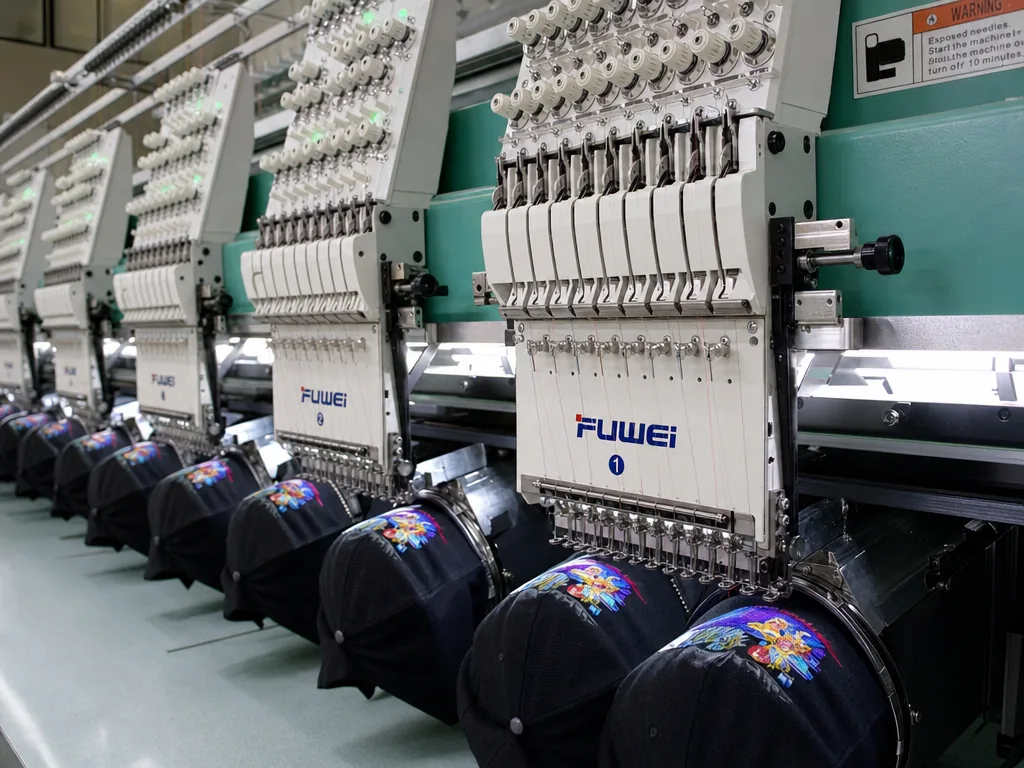
Decoration and QC are where you can tell whether a supplier actually runs caps or just brokers them. rPET twill, taslon, and lightweight ripstop pucker faster than brushed cotton if the digitizing is copied from a cotton file. On Tajima, Barudan, or ZSK heads, we usually lower penetration density, adjust underlay, and keep technical-cap embroidery around 0.35-0.40 mm stitch density to prevent tunneling on soft 5-panel fronts or unstructured crowns without heavy buckram. Flat embroidery, 3D embroidery, woven patches, heat-transfer labels, laser-cut perforation, seam sealing, and sublimated sandwich brims are all workable in bulk, but each changes reject risk and line speed. A molded TPU badge may add only $0.18-$0.35 FOB, yet it also adds bonding variables, cooling time, and another approval point for edge lift and gloss. Compliance has to be documented, not assumed, especially when recycled claims are part of the sales story. Serious buyers should ask for GRS transaction certificates where applicable, plus test plans matched to destination market: REACH for EU, CPSIA for the US, azo dye screening, colorfastness to crocking and perspiration, and Proposition 65 when trims or inks create exposure risk. Bulk control should include an approved PP sample, inline inspection on the first 10-20 percent of output, and final inspection to AQL 2.5 with measurable tolerances: crown symmetry within 3 mm, logo placement within plus or minus 2 mm, visor curve consistency by approved jig, and panel shade variation checked under D65. Saving $0.12 on FOB looks clever until a shade split, embroidery distortion, or failed trim test forces rework, split shipments, or retailer chargebacks; that is what actually makes a recycled polyester cap manufacturer bulk order expensive.
Frequently Asked Questions
How long does production take?
Sampling takes 7 to 12 days. Bulk production runs 20 to 30 days depending on quantity, fabric availability and decoration complexity. Inspection and packing adds another 3 to 5 days before shipment.
Do you support sustainability certifications?
Yes. We work with GOTS organic cotton, GRS-certified recycled polyester, OEKO-TEX Standard 100 fabrics, and are BSCI and Sedex audited. Certification documentation can be provided per order.
What file format should I send for my logo?
Vector files (AI, EPS, PDF) are ideal. High-resolution PNG or JPG at 300 dpi on transparent background works as a fallback. Provide Pantone color references for accurate reproduction.
What is the minimum order quantity (MOQ) for custom hats?
Our standard MOQ is 100 pieces per design and color, with sampling available from 1 piece. For complex multi-color logos or premium fabric upgrades, the MOQ can be lowered with a small per-piece surcharge.
Can I order a sample before bulk production?
Yes. We strongly recommend approving a pre-production sample before mass production. Samples are charged at 35 to 60 USD each plus express shipping, fully refundable against confirmed bulk orders over 500 pieces.
What should I know about blank trucker cap wholesale bulk?
When evaluating blank trucker cap wholesale bulk, the key considerations are construction quality, decoration capability, MOQ flexibility and lead time. Cover everything buyers ask about organic cotton cap wholesale custom: how it's manufactured, what specs to request from a factory, typical MOQ and pricing, common quality issues to inspect for, and how this ties back to the broader recycled polyester cap manufacturer bulk sourcing decision. Cover everything buyers ask about custom wool blend ball cap: how it's…
What should I know about custom rope hat wholesale bulk?
When evaluating custom rope hat wholesale bulk, the key considerations are construction quality, decoration capability, MOQ flexibility and lead time. Cover everything buyers ask about organic cotton cap wholesale custom: how it's manufactured, what specs to request from a factory, typical MOQ and pricing, common quality issues to inspect for, and how this ties back to the broader recycled polyester cap manufacturer bulk sourcing decision. Cover everything buyers ask about custom wool blend ball cap: how it's…
What should I know about custom corduroy dad hat bulk?
When evaluating custom corduroy dad hat bulk, the key considerations are construction quality, decoration capability, MOQ flexibility and lead time. Cover everything buyers ask about organic cotton cap wholesale custom: how it's manufactured, what specs to request from a factory, typical MOQ and pricing, common quality issues to inspect for, and how this ties back to the broader recycled polyester cap manufacturer bulk sourcing decision. Cover everything buyers ask about custom wool blend ball cap: how it's…
How does ordering custom made trucker hat work?
When evaluating custom made trucker hat, the key considerations are construction quality, decoration capability, MOQ flexibility and lead time. Cover everything buyers ask about organic cotton cap wholesale custom: how it's manufactured, what specs to request from a factory, typical MOQ and pricing, common quality issues to inspect for, and how this ties back to the broader recycled polyester cap manufacturer bulk sourcing decision. Cover everything buyers ask about custom wool blend ball cap: how it's…
Looking for a reliable hat manufacturer in China?
CrownsForge has produced custom hats for 800+ brands across 40 countries. From 100-piece launches to 100,000-piece retail programs, we deliver on time and on spec.
Get in touchRelated guides
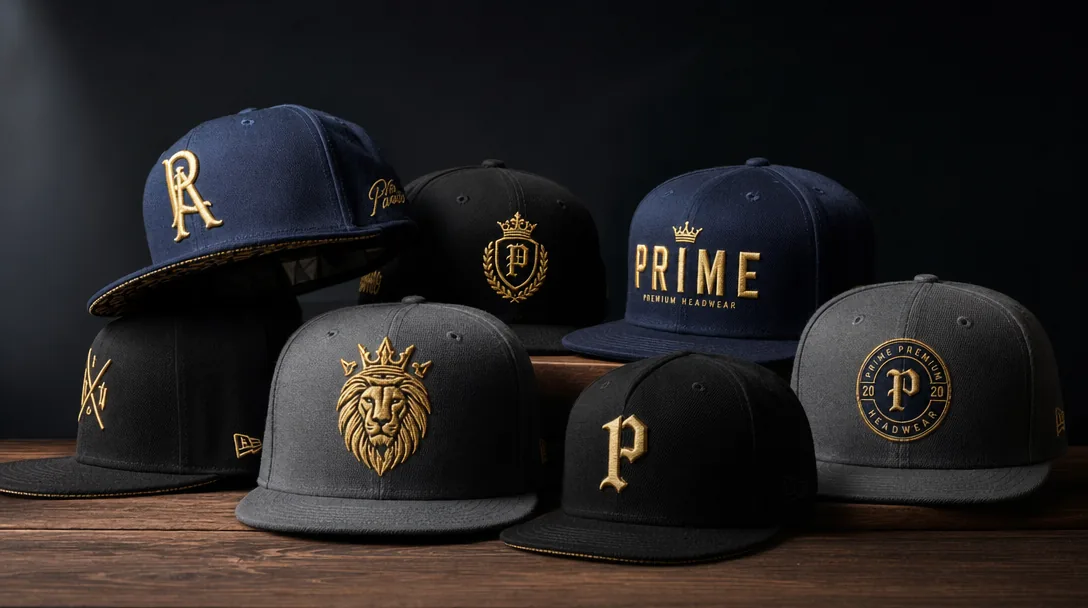
Custom Leather Patch Hat Low Minimum: A 2026 B2B Sourcing Guide
Read article →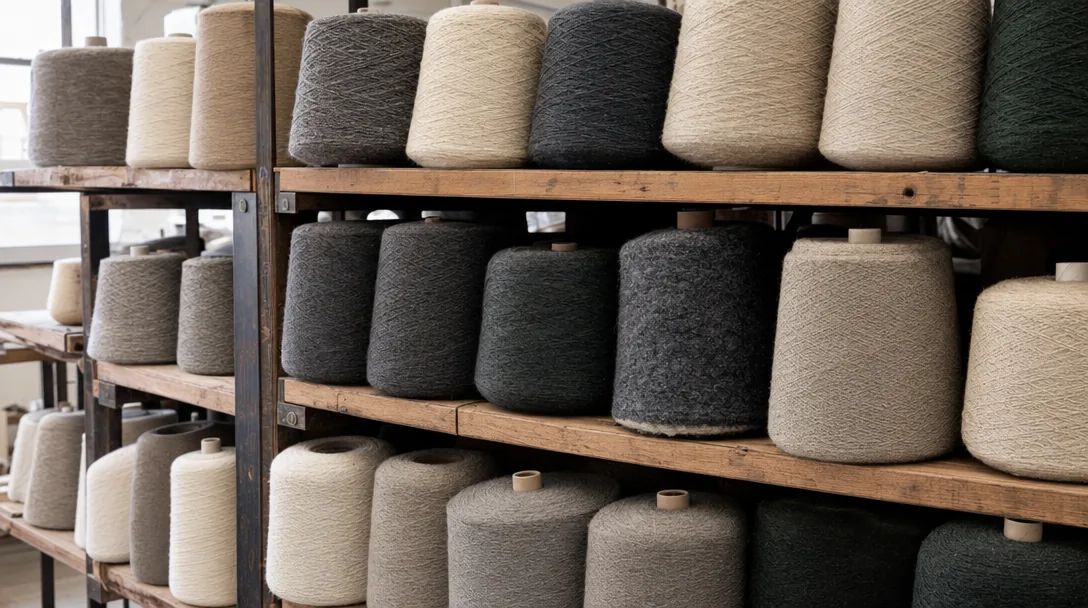
Mens Beanies: Properties, Costs and How to Spec It Right
Read article →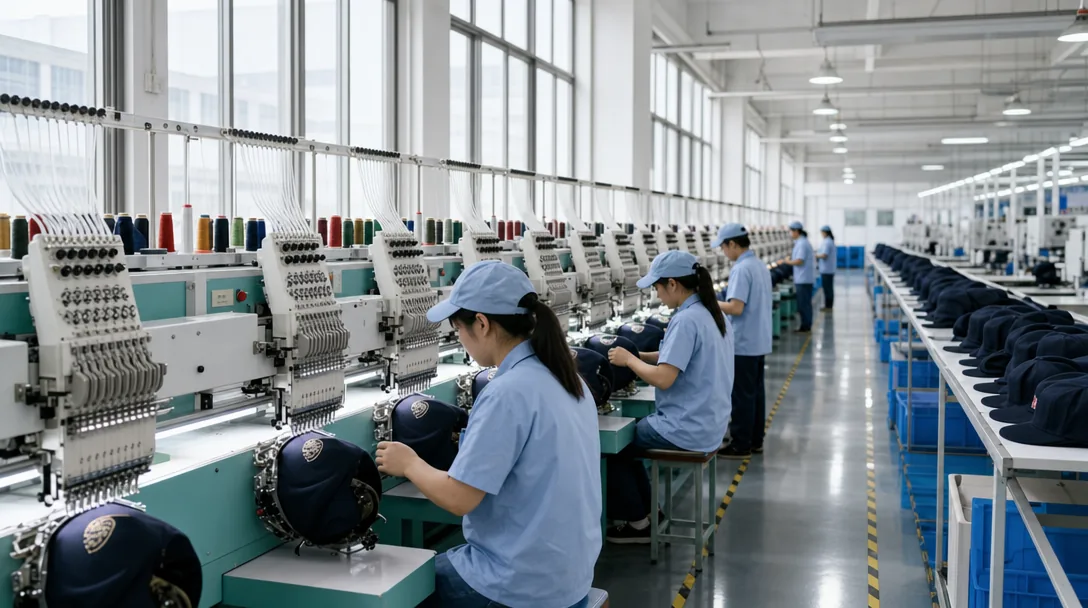
Bulk Trucker Hats Export Shipping Checklist for Custom Hat Buyers - Cost & MOQ Breakdown - Supplier Checklist
Read article →We hope this guide demystifies recycled polyester cap manufacturer bulk: a 2026 b2b sourcing guide (2026 update) and helps you move forward with confidence. If you have questions specific to your project, our English-speaking sales engineers are one message away.