
Promotional Caps & Corporate Gifts: Bulk Custom Hats for Brand Events - Supplier Checklist
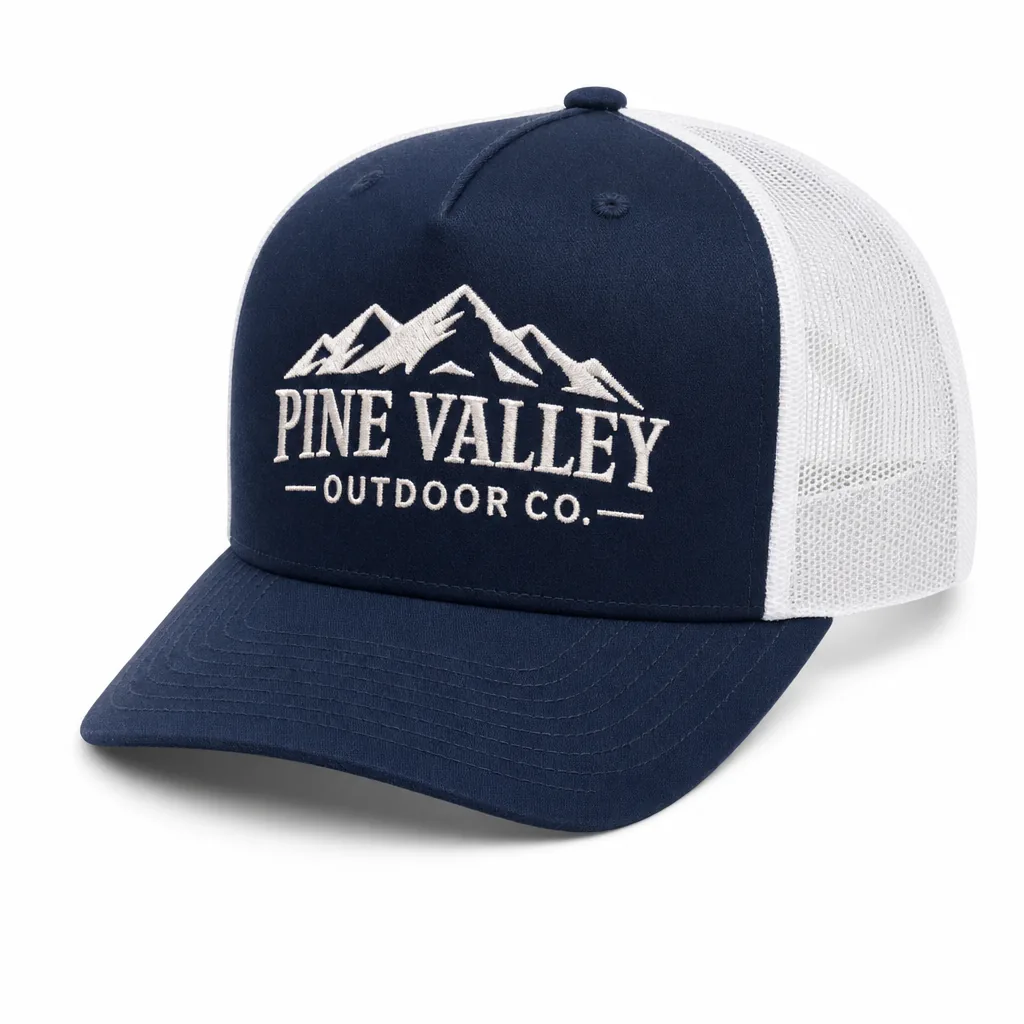
Promotional Caps & Corporate Gifts: Bulk Custom Hats for Brand Events - Supplier Checklist is one of the most-asked questions we receive from international buyers, and for good reason. With dozens of factories competing for your order and an alphabet soup of technical terms in every supplier quote, even experienced importers can feel lost. This guide consolidates what we have learned producing custom hats for clients in 40+ countries.
The corporate gift opportunity
Promotional caps beat pens and tote bags on exposure because they live on the body, not in a desk drawer. A standard structured 6-panel cap gives you about 60 to 80 cm2 of front-panel branding, and that logo sits at eye level in trade show aisles, airport lines, commute photos, and post-event social posts. The build details matter more than the pitch: 280 to 320 gsm cotton twill or recycled polyester, a firm buckram or foam-backed front panel, and embroidery digitized to hold stitch registration within 0.2 to 0.3 mm. For corporate gift hats, fit and finish decide whether the item gets worn twice or twenty times. If the crown shape is clean, the brim curve is consistent, and the logo does not pucker, the cap keeps working long after the event booth is gone.
Pens disappear into desk cups, and tote bags only earn impressions when someone is actively carrying something. Promotional caps work harder because they solve an immediate use case: sun protection, hair control, staff identification, or a uniform look for launch teams and VIP guests. In bulk programs, that utility is what drives repeat wear, which is the only metric that really matters for a gift item. A supplier worth using should speak in concrete terms like Pantone TCX matching, thread color Delta-E under 2.0, back-closure choices such as plastic snapback, self-fabric strap, metal buckle, or fitted sizing, and decoration methods matched to the logo, not vague claims about premium branding. That is why event giveaway hats usually outperform one-time swag that only exists for the handoff photo.
The strongest return usually comes from simple, durable decoration: flat embroidery on a dad cap, 3D puff on a mid-profile trucker, or a woven patch when the artwork has too many small counters for clean thread fill. CrownsForge’s standard practice is to spec the cap like apparel, not disposable promo stock, so seam tape, sweatband weight, visor insert, and wash resistance are chosen for wear, not just unit price. For brand events, cotton twill or recycled polyester in the 280 to 320 gsm range is the practical sweet spot because it holds shape, photographs well, and survives repeated use. Once a recipient wears the cap five or six times, the cost per impression drops sharply, and promotional caps start to make financial sense as a corporate gift rather than a quick giveaway.
Quick-turn promotional grade vs retail grade
Promotional caps are a speed spec, and the first decision is whether the hat needs to survive one event or six months of regular wear. For trade-show handouts, stadium giveaways, and street promotions, 230-260 gsm brushed cotton twill is usually enough, paired with a plastic snapback, medium-firm buckram, six rows of visor stitching, and a simple flat embroidery file that runs clean on Tajima or Barudan heads. At 1,000-3,000 pieces, a single-front logo with no applique, 3D foam, or heavy wash work often lands around $1.20-$2.10 FOB, depending on carton pack, thread count, and how much art cleanup the digitizer has to do. In this tier, the job is to keep the line moving, hold color reasonably close, and avoid defects that slow packing.
Retail grade starts where the cap has to look right after repeated wear, not just on the day it is handed out. Once you move to 280-320 gsm cotton twill, tighter crown structure, reinforced seam tape, better sweatband construction, and Pantone TCX control with Delta-E kept under 2.0 on the main logo colors, the cost typically moves into the $2.80-$5.50 FOB range before freight. That extra spend buys a brim that stays true, panels that do not collapse after a few wears, and embroidery that still reads clean after heat, sweat, and storage in a bag or car. For corporate gifts, onboarding packs, and licensed brand programs, that difference matters more than saving thirty cents on the front panel.
The common mistake is splitting the middle and getting a cap that is neither cheap enough for mass giveaway work nor strong enough for repeat use. For booth handouts, insert-card bundles, and entry-level promo programs, keep the spec lean and design for throughput. For client gifts, staff uniforms, and launch capsules where promotional caps will be seen in public more than once, upgrade the fabric weight, sweatband grade, stitch density, and panel alignment even if the unit cost rises 30-50 percent. CrownsForge’s standard practice is to treat that as a spec decision, not a sales one: the fabric, embroidery density, and carton packing should match the intended wear cycle, because a cap that looks fine on a PO but fails in the field is still a bad buy.
Most-popular promotional decoration techniques
Flat embroidery is still the default for promotional caps because it holds up under abrasion, carton compression, and repeated handling better than most buyers expect. On a 6-panel cotton twill or brushed cotton cap, a logo in the 8,000 to 12,000 stitch range usually gives the best balance: dense enough to read cleanly at arm’s length, light enough to avoid crown puckering. The digitizing has to be built for the actual machine head, whether that is Tajima, Barudan, or ZSK, and the fabric should be approved against a Pantone TCX target under D65 light before bulk starts. Chasing a lab-perfect Delta-E on thread is overkill; on caps, visual consistency matters more than instrument numbers. Once lettering drops below about 4 mm cap-height, satin columns start to collapse and small counters fill in.
Screen print is the cheaper path when the art is bold, flat, and meant for giveaways rather than retail-grade display. It is strongest on structured foam truckers, brushed cotton twill, and some polyester fronts where the ink can sit on the surface instead of bleeding into the grain, especially for one- or two-color logos. The failure points are predictable: too much ink and the panel turns boardy, too little and the image washes out or cracks after a few laundries. In bulk, print pricing often lands around $0.20 to $0.60 per piece depending on color count, mesh, and setup; add halftones, puff ink, or tight registration and labor goes up fast. For promotional caps that will be handed out at events, that cost structure is often more rational than embroidery.
Woven patches sit between print and embroidery when the buyer wants a cleaner, more premium read without the thread bulk. A merrowed-edge or heat-cut woven patch can carry thin lettering and small icons on corporate gift caps, especially on dark crowns where thread contrast is weak. Typical patch construction is about 0.8 to 1.2 mm thick, usually with twill or satin backing, then sewn on with a single-row or double-row edge stitch; that thickness matters because a bulky patch on a low-profile cap looks wrong immediately. The practical spec is 4 to 6 colors, a physical strike-off before bulk, and clear approval on edge finish, because weave density and border geometry decide whether the logo reads crisp or turns into noise. For promotional caps with tighter brand guidelines, this is often the cleanest compromise.
Express production timelines
A 1,000-piece run in 15 days is only credible when the order is frozen before cutting starts: one cap body, one decoration method, one closure, one Pantone TCX target, and one packaging spec. For promotional caps, the real critical path is fabric booking, artwork digitizing, sample approval, and trim confirmation. Change crown height, back strap type, or logo placement after approval and the schedule slips immediately. In a clean sequence, fabric lands in 2 to 3 days, digitizing and machine setup on Tajima or Barudan heads takes 1 day, stitching and finishing take 5 to 7 days, and final inspection adds 1 more day for 100% visual check plus AQL 2.5 sampling.
The fastest programs are the least complicated. Bulk branded caps move quicker when you standardize on 100% cotton twill at 260 to 280 gsm or polyester drill for faster drying and better shade consistency. A flat embroidery logo in the 8,000 to 12,000 stitch range is far easier to keep inside a trade-show deadline than a woven patch, silicone badge, or all-over print. The practical rule is to lock color with a physical lab dip or a Pantone-approved master before cutting; re-dyeing a 1,000-piece batch is how a short lead time gets destroyed. For corporate gift hats, keep packing simple too: 50 pcs per inner pack, 200 to 300 pcs per export carton, and no carton-size changes after the carton spec is signed off.
The supplier checklist should be specific: vector artwork, one size spec, one closure type, no unapproved substitutions, and a written shipping method before production starts. Ask for a day-by-day production plan, not a vague promise that the order will be fast. For event giveaway hats, request pre-production photos of the first embroidered panel, confirm shade tolerance within Delta E 2.0 to 3.0 for core brand colors, and approve the carton and label proof before mass shipment. That level of control is usually enough to land promotional caps on time without turning the order into a quality dispute at the end.
Bulk pricing at 500 / 1,000 / 5,000 pcs
At 500 pieces, promotional caps usually price in the $2.30 to $4.80 FOB China range for a basic six-panel cotton twill cap with one decoration position, typically flat embroidery or a small woven patch, plus a standard plastic snapback, Velcro, or metal buckle. That spread is driven by spec, not mood: 280-320 gsm chino twill sits at the low end, while brushed cotton, sandwich visors, structured buckram fronts, and tighter stitch counts push cost up fast. For corporate gift orders, add about $0.20 to $0.60 for carton packing and $0.15 to $0.35 for individual polybags with size stickers if the caps need retail-style handling. If the buyer wants a cleaner hand feel and better photo results, ask for taped seams, a proper cotton or poly-cotton sweatband, and no cheap non-woven lining; those details are obvious once the cap is on a head.
At 1,000 pieces, promotional caps usually move down to about $1.85 to $3.90 FOB because cutting, embroidery digitizing, thread setup, and inline QC are spread across more units. That assumes one logo, one placement, and no heavy wash treatment, distressing, or complicated panel mapping. Once you add 3D puff embroidery, applique, woven labels with inside taping, or custom under-bill printing, expect an extra $0.30 to $0.90 per cap. Lock Pantone TCX references early and specify Delta-E <= 2 where color matters; on headwear, even a small shift reads cheap in daylight and under retail lighting. A real pre-production sample and stitch-out are not optional here, because that is where you catch collapsed satin stitch, oversized lettering, or a front logo that sits too low on the crown.
At 5,000 pieces, promotional caps can fall to roughly $1.35 to $2.95 FOB for a disciplined spec, which is where national campaigns and repeat programs start to make sense. The savings come from fabric yield, thread usage, and faster run speeds on Tajima, Barudan, or ZSK embroidery heads, but only if the order stays narrow: one fabric, one closure, one decoration method, and no last-minute art edits. Our standard practice is to run pilot lots and inspect to AQL 2.5 for panel symmetry, loose threads, needle damage, and closure defects, because a low unit price is useless if a visible share of the shipment needs sorting or rework. At this volume, buyers should also confirm whether the quote is true FOB, since export packing, carton size, and inland trucking in China can still move landed cost by about $0.12 to $0.28 per cap.
Co-branded multi-logo programs
Co-branded multi-logo programs work only when sponsor hierarchy is fixed before digitizing starts. Put the tier-1 sponsor on the front panel where it reads at arm’s length, keep secondary partners on the side or back in a smaller lockup, and use the under-brim, seam tape, or a woven label for event-specific branding. On promotional caps, the usual failure is not bad embroidery; it is bad visual priority. Too many marks at the same size crowd the sewout and make the hat look like a rushed trade-show giveaway. For bulk runs, I keep the front to one primary logo plus one secondary element, with any extra branding pushed to a tonal side hit, micro patch, or low-contrast label.
A clean approval file should call out Pantone TCX or Pantone C references for every logo, stitch-count targets, and placement in millimeters. On structured 6-panel twill or brushed cotton twill, a front design above roughly 10,000 stitches often starts to distort unless underlay, pull compensation, and needle sequence are tuned for the actual machine. Tajima, Barudan, and ZSK heads all handle dense fills differently, so the sample must be approved on production equipment, not just in digitizing software. For corporate gift hats, I also lock down thread sheen, visor sandwich color, and whether a secondary mark may go tone-on-tone or needs full legibility within a Delta-E 2.0 match.
The checklist should force decisions on rights, ranking, and packaging before launch. A real promotional product manufacturer will ask for vector artwork, confirm which logos can share a crown or side panel, and reject layouts that push stitch density past what the fabric can hold without puckering. On event giveaway hats, the jump from basic to premium is often a $0.40 to $0.90 change in decoration and label mix, not the base cap itself. The practical setup is one master layout, one backup layout for sponsor changes, and carton separation by event zone so the wrong stakeholders do not receive the wrong mark hierarchy.
Frequently Asked Questions
What is the minimum order quantity (MOQ) for custom hats?
Our standard MOQ is 100 pieces per design and color, with sampling available from 1 piece. For complex multi-color logos or premium fabric upgrades, the MOQ can be lowered with a small per-piece surcharge.
Do you support sustainability certifications?
Yes. We work with GOTS organic cotton, GRS-certified recycled polyester, OEKO-TEX Standard 100 fabrics, and are BSCI and Sedex audited. Certification documentation can be provided per order.
Which shipping methods do you support?
We support FOB, CIF and DDP shipping. Air express for samples and small orders, sea LCL for 100 to 500 pieces, sea FCL for 5,000+ pieces. Door-to-door DDP available for US, EU, UK, Canada and Australia.
What file format should I send for my logo?
Vector files (AI, EPS, PDF) are ideal. High-resolution PNG or JPG at 300 dpi on transparent background works as a fallback. Provide Pantone color references for accurate reproduction.
How long does production take?
Sampling takes 7 to 12 days. Bulk production runs 20 to 30 days depending on quantity, fabric availability and decoration complexity. Inspection and packing adds another 3 to 5 days before shipment.
How does ordering custom embroidered trucker hats work?
When evaluating custom embroidered trucker hats, the key considerations are construction quality, decoration capability, MOQ flexibility and lead time. Why caps outperform pens and tote bags for brand visibility. When budget matters more than longevity; when not to compromise.
How does ordering custom embroidered baseball caps work?
When evaluating custom embroidered baseball caps, the key considerations are construction quality, decoration capability, MOQ flexibility and lead time. Why caps outperform pens and tote bags for brand visibility. When budget matters more than longevity; when not to compromise.
How does ordering custom embroidered hats new era work?
When evaluating custom embroidered hats new era, the key considerations are construction quality, decoration capability, MOQ flexibility and lead time. Why caps outperform pens and tote bags for brand visibility. When budget matters more than longevity; when not to compromise.
How much does cheap baseball hats in bulk typically cost?
When evaluating cheap baseball hats in bulk, the key considerations are construction quality, decoration capability, MOQ flexibility and lead time. Why caps outperform pens and tote bags for brand visibility. When budget matters more than longevity; when not to compromise.
Looking for a reliable hat manufacturer in China?
CrownsForge has produced custom hats for 800+ brands across 40 countries. From 100-piece launches to 100,000-piece retail programs, we deliver on time and on spec.
Get in touchRelated guides
Compliance Documentation Checklist for First Hat Import to US/EU (2026 Update)
Read article →
Cap Factory AQL Inspection Plan for Importers
Read article →
Bucket Hat Corduroy MOQ And Pricing Plan for Custom Hat Buyers
Read article →Sourcing custom hats does not have to be complicated. With the right manufacturing partner, clear specifications and a small upfront investment in sampling, you can launch a retail-quality product in 30 to 45 days.