
Private Label vs White Label Caps: Which Model Fits Your Brand? - Cost & MOQ Breakdown
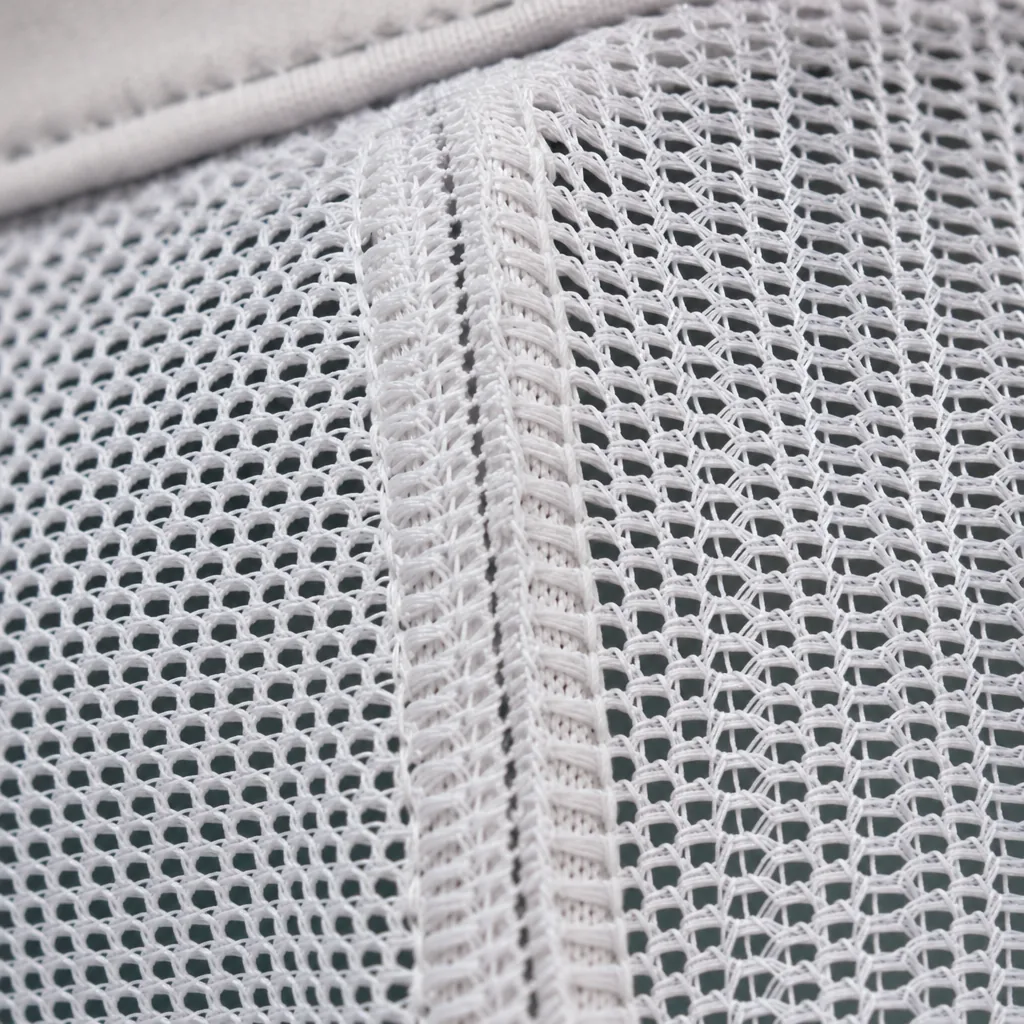
Private Label vs White Label Caps: Which Model Fits Your Brand? - Cost & MOQ Breakdown is one of the most-asked questions we receive from international buyers, and for good reason. With dozens of factories competing for your order and an alphabet soup of technical terms in every supplier quote, even experienced importers can feel lost. This guide consolidates what we have learned producing custom hats for clients in 40+ countries.
Definitions: private label, white label, OEM, ODM
The cleanest way to separate these models is by who controls the specification and how many parts of the cap are actually unique to your brand. White label is a stock-body program: same fit block, same panel pattern, same closure, same fabric card, sold to multiple customers with only decoration changed. In practice that means a factory may offer a ready 6-panel brushed cotton twill cap in black, navy, and khaki, then add your flat embroidery or heat transfer logo on a Tajima or Barudan line. If blanks are already in stock, MOQ can start at 48 to 144 pieces per color, and lead time is often 7 to 15 days. Private label caps go a step further without becoming full custom development. You are still working from a proven body, but you start changing brand-facing components such as Pantone TCX shell color, 20 mm jacquard main label, inside seam tape print, laser-engraved metal buckle, custom hangtag, or printed sweatband. That usually pushes MOQ into roughly 144 to 300 pieces per style-color because trims have their own setup loss, approval cycle, and QC checkpoints.
OEM and ODM get mixed together all the time, but on the factory floor they are not interchangeable. OEM means the buyer owns the product intent and the factory builds to a defined tech pack or sealed sample: crown height, visor curve, buckram stiffness, fabric weight, stitch density, eyelet type, embroidery location, and carton mark all need to match. A serious OEM cap program usually starts around 300 to 500 pieces per style-color, and document control matters because a specified 300 gsm brushed cotton twill or 1680D poly carrier cannot quietly be swapped for a cheaper alternative without affecting hand feel, structure, and test results. ODM is faster because the supplier already owns a developed body such as a 5-panel rope cap, pigment-washed dad cap, or recycled performance cap; you customize selected items rather than engineer the hat from zero. Commercially, white label is lowest risk, private label caps give you visible brand differentiation with manageable complexity, and OEM gives maximum control but requires tighter BOM locking, color approval to Delta-E standards, and inspection discipline beyond a basic AQL 2.5 final check.
Private label: full brand control, custom design
Private label caps make sense when your brand already owns the specification and only needs manufacturing discipline. A proper OEM program starts with a real tech pack, not a mood board: crown height and profile, panel pattern, visor curve, stitch-per-inch target, seam construction, fabric weight, closure hardware, decoration coordinates, label callouts, care content, barcode placement, and export carton marks. The factory should be building your block and trim set from scratch, not modifying a stock silhouette from its internal library. That matters because your fit spec, embroidery digitizing, branded seam tape, woven labels, and packaging dielines remain transferable if you move production later. On the sample side, expect more gates before bulk approval: Pantone TCX or TPX lab dips, strike-offs run on the actual shell fabric, metal trim approvals, wash or crocking tests where relevant, and a sealed PP sample with comments closed item by item. If a supplier skips those gates, you do not have full brand control; you have a custom-looking order riding on weak process control.
The premium for private label caps comes from development time, trim minimums, and lower efficiency in cutting and line setup. For a fully custom 6-panel cap in 260-300 gsm cotton twill, with matching printed seam tape, woven flag label, custom buckle, and an 8,000-12,000 stitch front embroidery run on Tajima or Barudan heads, a realistic range is about $3.20-$6.80 FOB China at 300-1,000 pieces, depending on fabric source and decoration complexity. Move into 14-wale corduroy, 75D water-repellent nylon, or GRS-certified recycled polyester and the price climbs quickly because fabric mills and trim vendors each carry their own MOQ; custom-dyed fabric may require 80-120 meters, while bespoke jacquard sweatband tape often starts around 2,000 meters. The downside of that control is accountability: if your spec calls for the wrong buckram stiffness, visor board thickness, or embroidery underlay, the line will build exactly that unless PP review catches it. Serious buyers lock tolerances early, typically crown height within +/-3 mm, visor width within +/-2 mm, approved color within Delta-E 1.5-2.0, and final inspection at AQL 2.5.
White label: existing factory designs with your logo
White label is the fastest route to market because the expensive engineering is already done: pattern set, crown height, visor curvature, panel balance, and sewing sequence are proven before you place the order. In practice, you pick a stock silhouette—usually a 6-panel structured snapback in 260 gsm cotton twill, an unstructured dad cap in 180–220 gsm brushed chino, or a trucker using 108x58 polyester mesh and PE visor board—then add branding through flat embroidery, 3D puff, woven patch, TPU badge, or printed internal taping. Lead time is where white label wins. If the body fabric and closures are in stock, artwork approval to vessel booking is typically 15–25 days; once you move into new patterns, custom-dyed fabric, or revised trims, that same calendar stretches to 35–60 days. MOQ follows the same factory logic: 144–300 pieces per colorway is normal for stock bodies in black, navy, white, or khaki, while fully custom programs usually start at 500–1,000 pieces per style and color. For launch drops, event merch, or first-pass demand testing, that lower commitment makes far more sense than jumping straight into private label caps with a custom block and fabric package.
The trade-off is weak differentiation, and that shows up immediately on the production floor. If the same crown profile, visor board, and snap closure are sold to multiple buyers, your brand identity is mostly limited to decoration, internal labels, and packaging. You can still get a clean retail result, but you are not controlling fit, underbrim color, sweatband print, closure hardware, or edge details the way you would in a true private label caps program. FOB pricing reflects that ceiling: a stock brushed-cotton baseball cap with 6,000–8,000 front embroidery stitches typically lands around $2.10–$3.40 FOB Ningbo at 300 pieces, while a trucker with a woven patch is more often $2.40–$3.80. Add-ons such as custom taping, metal buckle, hangtag, size sticker, and individual polybag usually add $0.18–$0.65 per unit. The real risk is not development delay but consistency. Even with stock bodies, buyers should require a fit sample, embroidery strike-off, Pantone TCX approval, and final inspection to AQL 2.5, and they should ask whether the blanks are sewn in-house or sourced from a cap wholesaler, because that directly affects seam tolerance, visor symmetry, and defect response time.
When to upgrade from white label to private label
Reorder velocity is the cleanest upgrade signal. White label is fine when you are still testing sell-through and buying 144 to 300 pcs on stock 6-panel, dad cap, or trucker bodies, with landed cost typically around $3.20 to $6.80 per cap depending on fabric, patch method, stitch count, and whether freight ships by courier or LCL sea. The ceiling shows up once one SKU is reliably moving 800 to 1,500 pcs per quarter. At that volume, the real penalty is not a few extra cents on embroidery; it is being stuck on a generic block with standard PE buckram, fixed crown depth, preset visor curve, and off-the-shelf snapback or Velcro closures. That is where private label caps usually start to pay back. A proper tech pack, pattern correction, and sampling charge spread across 1,000 to 3,000 pcs often adds only $0.08 to $0.25 per unit, while giving control over crown height, seam tape, sweatband composition, fabric weight, and logo placement tolerance. The other hard trigger is consistency. When wholesale buyers or repeat customers expect the same fit and color every reorder, stock programs become a weak link. If you need Pantone TCX-matched shell fabric, branded woven labels, custom jacquard seam tape, underbrim color matching, or a fixed embroidery standard on Tajima or Barudan heads, you are already pushing beyond what most white label programs can repeat cleanly. An ODM supplier can modify an existing body, but panel proportions, embroidery registration, and fabric hand feel still inherit the limitations of the base cap. Once your team needs an approved BOM, graded pattern, and sealed pre-production sample as the production standard, OEM private label caps are the safer model. On cotton twill or brushed canvas, a disciplined factory should hold shade variation around Delta-E 1.5 to 2.0 and inspect finished goods to AQL 2.5; those controls matter when replenishment orders get rejected for fit variance, color drift, or inconsistent logo position.
Cash flow is the final filter, and this is where a lot of brands make the wrong call. Moving into private label caps is not just about MOQ; it means committing earlier to fabric, trims, and lead times. True cut-and-sew programs usually start at 500 to 1,000 pcs per colorway, with development and sampling charges around $80 to $250 before bulk production. Add custom metal hardware, molded PVC or silicone patches, laser-cut perforation, 600D recycled polyester, 10 oz canvas, or wool-blend suiting, and mill MOQs plus trim sourcing can stretch production to 35 to 60 days after sample approval. Payment terms are usually 30% deposit and 70% balance against shipment, sometimes before bill of lading release. If your next PO depends on one launch weekend or influencer drop, staying white label longer is usually the less expensive decision because it protects cash and shortens exposure. If you can forecast demand on a rolling 90-day plan and place replenishment orders before stockouts, private label caps stop being a branding exercise and become a margin tool. Better fit reduces returns, custom construction supports a higher retail, and consistent specs make repeat buys easier for distributors and team dealers. In practice, brands usually upgrade too early because they want a custom story, or too late because they underestimate how much generic silhouettes cap their pricing power.
Hybrid approaches
A hybrid program works when you stop spending money on pattern engineering and put it into visible upgrades. The practical version is a proven stock body—5-panel rope cap, 6-panel unstructured dad cap, or mid-profile snapback—rebuilt with better materials and branded trims. In factory terms, that means using an existing block, cutting marker, and sewing bulletin, then upgrading into 300 gsm cotton canvas, 210–230 gsm nylon taslon, or 180–220 gsm recycled poly twill, plus custom seam tape, inside labels, buckle finishes, and front decoration. For private label caps, that is usually the cleanest middle ground: you skip crown re-drafting, visor retooling, and repeated fit corrections, but the product still looks brand-owned rather than catalog-bought. Development time typically drops from 4–6 weeks for a new silhouette to around 10–18 days if the body has already been wear-tested and the factory is only chasing fabric, trim, and artwork approvals. Color control is also much easier in a hybrid model because you are not validating a new shape and a new material at the same time. Most mills can lab-dip shell fabric and tape to Pantone TCX, and a sensible tolerance is Delta-E 1.0–1.5 on dyed panels, sweatband tape, and matching underbrims. That matters because a cap can pass basic QC and still look cheap if the crown, visor binding, and closure strap drift in shade. When the structure is already stable, the approval process becomes narrower: confirm fabric handfeel, test embroidery pull on the front panel, verify logo position within +/-2 mm, and move to bulk instead of burning two extra sample rounds fixing avoidable geometry issues.
The cost advantage is straightforward: hybrid programs remove the expensive parts of customization without forcing you into a generic retail blank. A true OEM cap often carries a pattern fee of $80–200, sample charges of $35–80 per round, and fabric MOQs around 300–500 meters per color, especially for custom-dyed twill or specialty nylon. That is where small and mid-size brands get stuck. A stock-body program is more forgiving; 144–300 pieces per colorway is realistic depending on fabric width, closure hardware, and decoration complexity. Current FOB China pricing for a basic stock brushed-twill dad cap with flat embroidery is typically $2.20–3.40. Upgrade that same body to Pantone-matched fabric, woven loop label, metal adjuster, printed seam tape, and high-density embroidery, and you are usually in the $3.10–4.60 range—still materially below a fully custom build once you include extra courier samples, approval delays, and remake risk. The limitation is shape. A stock shell can be restyled, but it cannot become a completely different cap. If your brand depends on a shallow crown, oversized front panel for 3D satin stitch, or a specific visor pitch, a hybrid will usually get you 70–80% of the way before the compromise shows. The right approach is to lock the body first, then test only the variables customers actually notice: undervisor contrast, shell texture, closure finish, and decoration method on Tajima, Barudan, or ZSK heads. QC should be no looser than a full custom order: approve shade lots before cutting, monitor stitch density and thread trims in line, and release bulk against AQL 2.5. A stock pattern saves time, but it does not excuse sloppy execution.
Working with CrownsForge across all three models
The cost gap between white label, private label caps, and full OEM is mostly a tooling decision disguised as a sourcing decision. Suppliers that push only one model often blur that line, then claw margin back through avoidable extras: a $30 digitizing fee becomes $85 after stitch edits, woven labels suddenly carry a 1,000-piece minimum, or a “custom buckle” turns into a new die charge. The cleaner way to buy is to separate programs by what is actually changing. Stock white label means existing body patterns, in-line fabric cards, and standard trims; private label caps keep a proven block but swap in your branding package, color standards, and decoration map; OEM starts when you alter the pattern, visor shape, closure construction, or material spec. That distinction is where MOQ moves. A stock dad cap or mesh trucker can be viable at 48 to 144 pieces per colorway, while a cut-and-sew 5-panel, fitted cap, or high-crown snapback with custom visor geometry and multi-position embroidery on Tajima or Barudan heads is usually 300 to 500 pieces per style before pricing settles down.
For most small and mid-size brands, private label caps are the best margin discipline because the customer sees brand cues, not your pattern-development invoice. Keeping an existing block avoids paper pattern cost and repeated fit corrections, but you still control the details that read as proprietary: woven main label, printed seam tape, embossed buckle, custom sweatband print, hangtag set, and Pantone TCX color matching across shell, thread, and patch base. The technical part matters. Good factories lock tolerances before bulk, not after the first failed inline inspection: crown height within +/- 3 mm, visor curve checked to a hard template, embroidery registration centered within 1.5 mm, and color approved under D65 light with realistic Delta-E targets, typically under 1.5 to 2.0 on cotton twill and brushed canvas. Honest pricing is also pretty predictable: custom woven labels usually add $0.12 to $0.28 per cap, printed seam tape $0.18 to $0.35, buckle logo engraving $0.08 to $0.20, and embroidery digitizing around $25 to $60 depending on stitch count, pull compensation, and underlay complexity.
OEM only makes sense when the product itself is your differentiator. If you are specifying 120 gsm recycled performance polyester, laser-cut side perforations, bonded seam tape, or 900D ballistic nylon strap details, the factory has to validate more than appearance. Someone needs to check shrinkage after heat setting, fusible compatibility at the front panel, needle size against face yarn damage, backing weight for embroidery distortion, and crocking or wash performance before bulk approval. That is why OEM timelines stretch: pattern drafting, fit revisions, lab dips, pre-production samples, wear testing, and trim approvals can easily add 3 to 6 weeks before production booking. A capable supplier also connects the model to compliance and shipping reality. Retail programs may require sedex-audit-cap-supplier-guide.html">BSCI 2.0 or Sedex SMETA 4-Pillar audit records, nickel or lead testing on metal trims, AQL 2.5 final inspection, and carton plans built around FOB or DDP targets. CrownsForge’s standard practice is to match the model to where your money creates sellable value, not to force development overhead onto a cap that could have stayed in the private label lane.
Frequently Asked Questions
What is the minimum order quantity (MOQ) for custom hats?
Our standard MOQ is 100 pieces per design and color, with sampling available from 1 piece. For complex multi-color logos or premium fabric upgrades, the MOQ can be lowered with a small per-piece surcharge.
Do you support sustainability certifications?
Yes. We work with GOTS organic cotton, GRS-certified recycled polyester, OEKO-TEX Standard 100 fabrics, and are BSCI and Sedex audited. Certification documentation can be provided per order.
Which shipping methods do you support?
We support FOB, CIF and DDP shipping. Air express for samples and small orders, sea LCL for 100 to 500 pieces, sea FCL for 5,000+ pieces. Door-to-door DDP available for US, EU, UK, Canada and Australia.
What file format should I send for my logo?
Vector files (AI, EPS, PDF) are ideal. High-resolution PNG or JPG at 300 dpi on transparent background works as a fallback. Provide Pantone color references for accurate reproduction.
How long does production take?
Sampling takes 7 to 12 days. Bulk production runs 20 to 30 days depending on quantity, fabric availability and decoration complexity. Inspection and packing adds another 3 to 5 days before shipment.
How do I find a reliable wholesale hat manufacturers usa?
When evaluating wholesale hat manufacturers usa, the key considerations are construction quality, decoration capability, MOQ flexibility and lead time. Clear distinctions and what each implies for your supply chain. You provide tech-packs and own all IP; factory only produces.
What should buyers know about best baseball caps for men?
When evaluating best baseball caps for men, the key considerations are construction quality, decoration capability, MOQ flexibility and lead time. Clear distinctions and what each implies for your supply chain. You provide tech-packs and own all IP; factory only produces.
What should buyers know about acrylic beanie hat?
When evaluating acrylic beanie hat, the key considerations are construction quality, decoration capability, MOQ flexibility and lead time. Clear distinctions and what each implies for your supply chain. You provide tech-packs and own all IP; factory only produces.
What should buyers know about branded bills performance hat?
When evaluating branded bills performance hat, the key considerations are construction quality, decoration capability, MOQ flexibility and lead time. Clear distinctions and what each implies for your supply chain. You provide tech-packs and own all IP; factory only produces.
Looking for a reliable hat manufacturer in China?
CrownsForge has produced custom hats for 800+ brands across 40 countries. From 100-piece launches to 100,000-piece retail programs, we deliver on time and on spec.
Get in touchRelated guides
Compliance Documentation Checklist for First Hat Import to US/EU (2026 Update)
Read article →
Cap Factory AQL Inspection Plan for Importers
Read article →
Bucket Hat Corduroy MOQ And Pricing Plan for Custom Hat Buyers
Read article →Sourcing custom hats does not have to be complicated. With the right manufacturing partner, clear specifications and a small upfront investment in sampling, you can launch a retail-quality product in 30 to 45 days.