
Performance & Athletic Caps: Moisture-Wicking, UPF and Buyer Specs - Cost & MOQ Breakdown - Cost & MOQ Breakdown
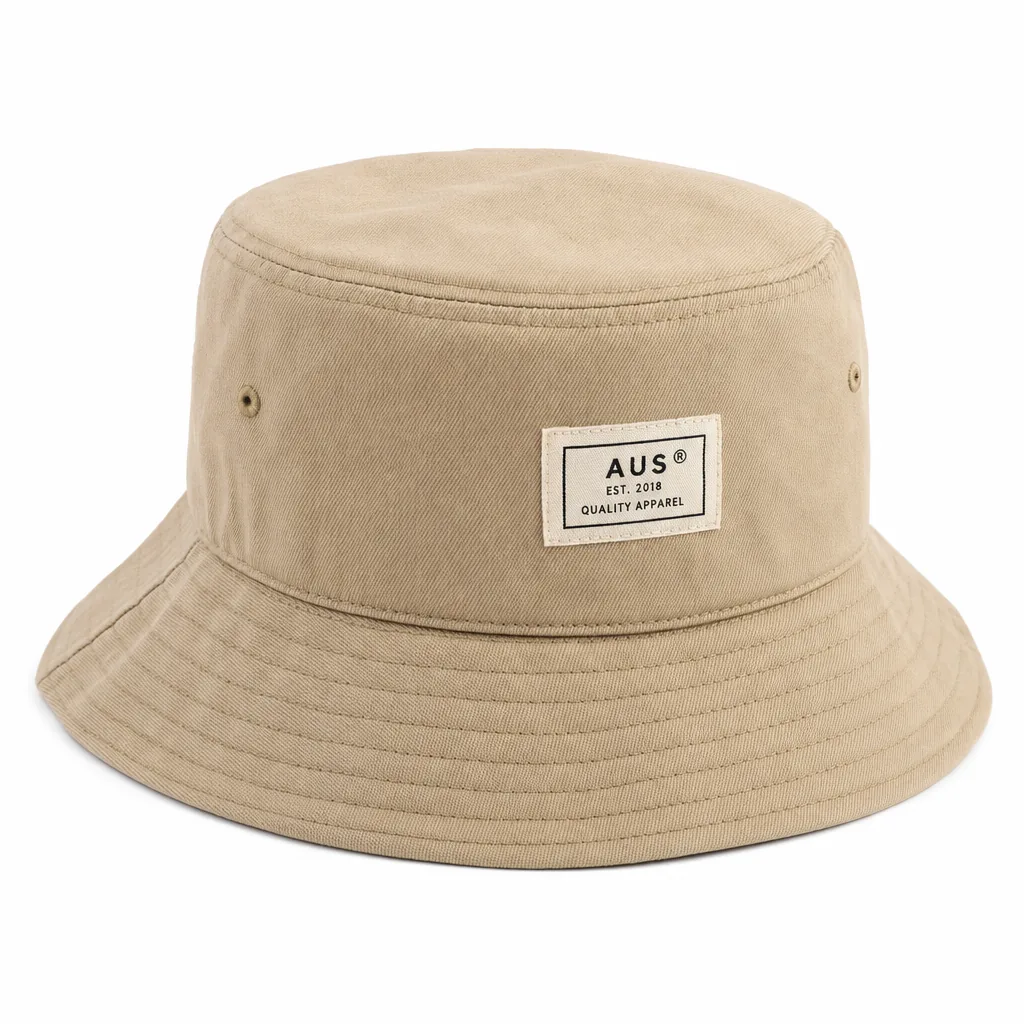
Performance & Athletic Caps: Moisture-Wicking, UPF and Buyer Specs - Cost & MOQ Breakdown - Cost & MOQ Breakdown is one of the most-asked questions we receive from international buyers, and for good reason. With dozens of factories competing for your order and an alphabet soup of technical terms in every supplier quote, even experienced importers can feel lost. This guide consolidates what we have learned producing custom hats for clients in 40+ countries.
What makes a cap 'performance' vs 'standard'
A cap earns the label "performance" when the material package still manages sweat, heat, and shape after repeated wear, not when a factory swaps cotton for polyester and adds a hangtag. In production, the reliable baseline is usually 75D to 150D polyester or recycled polyester in micro-dobby, mini-ripstop, stretch woven, or sandwich mesh constructions around 110 to 160 gsm; fitted styles may add 8% to 12% spandex for recovery. Compared with brushed cotton twill, these fabrics hold less moisture by weight and, with a hydrophilic wicking finish, move perspiration across the fabric face so it can evaporate instead of soaking the crown. Finished cap weight is a fast sanity check on the line: about 65 to 80 grams is typical for running, golf, and training caps, while 95 to 110 grams usually means too much buckram, tape, visor board, or decoration for serious athletic use. The weak point is almost always the internal build. A generic cotton sweatband traps salt, stays wet, and turns harsh after a few wash cycles; a proper athletic build uses polyester-elastane or nylon-elastane sweatbands around 180 to 240 gsm, heat-set for recovery, with finished circumference held within roughly 0.5 cm rather than drifting toward 1.0 cm. Unstructured or lightly fused front panels, low-profile hook-and-loop or elastic-clip closures, and laser-perforated or mesh ventilation zones all reduce thermal load better than traditional eyelets and heavy seam buildup. A capable performance cap manufacturer specs seam count, visor core density, trim weight, and embroidery coverage together, because every extra layer slows drying and raises internal heat.
UPF is the other hard divider between a true athletic cap and a standard promotional one. Buyers often assume any lightweight cap is sun-protective, but an open weave, pale dye depth, or an unverified production lot can drag performance down fast. For export programs, I want UPF 30+ or UPF 50+ supported by AATCC 183 test data on the actual finished fabric lot, not just a lab result from an early development swatch. Yarn denier, weave density, dye concentration, and UV-absorbing finishes all move the result; darker shades usually test higher, but they also increase heat load, so the better solution is often a tighter 100 to 130 gsm polyester weave with controlled perforation zones instead of simply making the cloth heavier. Cost usually exposes whether the spec is real. At similar volumes, technical shell fabric, elastic performance sweatbands, lighter PE visor boards, and wicking or UV verification commonly add about $0.45 to $1.20 per cap versus a standard cotton twill build, before decoration. Stock technical fabric can still work at 300 to 500 pieces per color, but custom mill shades or recycled-poly programs often push MOQ to 1,000 to 3,000 pieces per shade, especially when Pantone approval and commercial Delta-E tolerance need to be locked against the bulk lot. Our standard practice is to confirm color and hand feel on the actual treated fabric before cutting, because UV and moisture-management finishes can shift shade more than buyers expect.
UPF ratings: what's actually meaningful
The meaningful breakpoint is not the hangtag jump from UPF 30 to UPF 50+; it is whether the exact cap build can pass repeat testing after the fabric is dyed, perforated, and sewn. UPF 30 still lets roughly 3.3% of UV through, while UPF 50+ allows no more than 2%, so the protection gap is smaller than most buyers assume. The commercial gap is larger because retailers, outdoor brands, and licensed sports programs usually require a report tied to the production material under AATCC 183 or AS/NZS 4399, not a generic mill certificate. Change the crown from a 130 gsm 75D polyester interlock to a lighter 105 gsm hex mesh, open laser vents around the side panels, or swap to a pale dye lot, and the original report is no longer defensible. On the factory floor, most failures come from construction choices, not from the label claim itself. Tight plain weaves, microfiber peach-finish shells, and dense dobby polyester in the 110-140 gsm range often land around UPF 20-30 without any chemical assist. Problems show up in white and pastel panels, mechanical-stretch knits that open under tension, and rear mesh with high open-area percentages. A smart buyer should press the performance cap manufacturer for the variables that actually move the result: yarn denier, cover factor, shade depth, mesh aperture, and whether the rating is intrinsic or finish-assisted. A navy shell can outperform a white shell by a wide margin even when both are sold as the same “100% performance polyester,” and that difference matters more than the marketing language on the sweatband card.
UPF 50+ starts to change cost when the shell cannot reach it on construction alone. If the fabric needs a UV-absorbing finish, tighter knitting, or extra fabric weight to pass, the usual upcharge is about $0.12-$0.35 per cap on decent volume, and that is before compliance admin. Lab work and document control typically add another $150-$300 per fabric-color submission, especially if failed rounds force replacement yardage and retesting. Styles with contrast mesh side panels, oversized embroidered eyelets, sandwich brims with exposed edge zones, or aggressive laser-cut vent maps fail more often because the lowest-coverage area can drag down the whole submission. That is why our standard practice is to test both the lightest and darkest approved colorways before bulk approval instead of assuming one report covers the entire palette. MOQ is where buyers usually get surprised. Mills running treated or certified performance fabric commonly want 300-500 meters per color, which works out to roughly 1,000-2,000 caps depending on marker efficiency, crown height, brim shape, and cutting waste. Below that level, factories are pushed toward stock shades, surcharge pricing, or non-exclusive treated goods. Custom color adds another layer: holding a Pantone TCX target within Delta-E 1.5 while preserving the UPF result after dyeing, heat-setting, or sublimation is much harder in optic white, heather gray, and bright pastels than in black or navy. If sun protection is a selling claim, buy the tested colorway and finished construction, not just the base fabric name on the tech pack.
Sweatband construction for athletic use
Most athletic caps fail at the sweatband long before the crown fabric or visor binding shows a problem. A cotton twill or brushed-cotton band at 180-220 gsm can feel soft on a showroom sample, but in actual wear it becomes a sponge: it absorbs sweat fast, traps salt against the skin, and loses recovery once saturated. In field trials for running and training caps, users usually notice a wet, heavy forehead band within 15-20 minutes, often before they complain about eyelets, laser perforation, or side mesh airflow. A polyester-elastane sweatband performs better because polyester is hydrophobic and the knit structure moves moisture across the surface instead of storing it inside the yarn bundle. If a supplier only writes “moisture wicking” on the tech pack, that is not enough; a competent performance cap manufacturer should state fiber content, finished weight, knit construction, and whether the fabric relies on yarn-level behavior or a C0/C6-free wicking finish. Those details directly affect dry-back time, salt ring visibility, and long-wear comfort.
For golf, running, and team training caps, the safest spec is usually a 140-180 gsm single-jersey or two-layer warp-knit band in 88/12 or 90/10 polyester-elastane, with a brushed skin side and a tighter outer face to improve capillary spread. On the factory floor, I would not release bulk without simple checks: a 0.2-0.3 ml water drop should wet out laterally within 3-5 seconds, stretch recovery after 20 extension cycles should stay above 90%, and lot-to-lot shade variation should stay around Delta-E 1.0-1.5 so the finishing chemistry is controlled. Construction matters as much as fabric. A raised front seam will abrade the forehead during a 10K even if the knit is excellent, so flatlock, low-bulk overlock, or a concealed seam-tape finish at the center front is usually worth the extra operation. At scale, replacing a basic cotton band with a wicking polyester-elastane version typically adds $0.08-$0.22 per cap at 3,000 units, and $0.25-$0.40 at 300-500 units because mills charge more for low-volume dyeing and finishing. Our standard practice is to inspect sweatband puckering, seam bulk, and attachment consistency under AQL 2.5, because a cap with a great UPF hangtag still gets abandoned if the forehead band stays wet and abrasive.
Reflective trim, vented panels, and other athletic features
Reflective trim causes more spec confusion than almost any other athletic detail because buyers keep writing “silver tape” instead of a measurable target. For running, cycling, and training caps, 5 mm to 8 mm retroreflective piping or binding at the brim edge, rear arch, or strap tab is usually the right range; anything wider tends to pucker on curved seams, slows the folder operation, and adds cost without a meaningful visibility gain. Put the requirement in numbers: specify EN ISO 20471 reference level, minimum coefficient of retroreflection, wash durability, and placement tolerance of plus or minus 2 mm. In China FOB pricing, generic reflective tape usually adds $0.12 to $0.22 per cap, while 3M Scotchlite-type trims or branded equivalents more often land at $0.28 to $0.45 depending on width, number of placements, and whether the trim must hold after 20 to 30 home-laundry cycles. On lightweight 92/8 polyester-spandex shells at 110 to 130 gsm, the usual failure is not low brightness; it is seam tunneling, edge lift, and delamination where the trim is forced around the brim radius. A good performance cap manufacturer should also flag color and hand-feel issues early, because reflective components rarely match matte shell fabrics cleanly. If the cap uses dark navy, black, or saturated team colors, run a lab dip check around the reflective binding and approve an acceptable Delta-E tolerance before bulk, especially when the trim sits beside dyed sweatband tape or printed seam binding. I have seen caps pass reflectivity checks and still get rejected because the silver film made the surrounding shell look off-shade under retail LED lighting. On technical builds with ultrasonic welds or seam-sealed panels, reflective placement has to be tested on the assembled crown, not a flat strip, since stretch recovery and crown shaping can move the tape enough to create visual drift between left and right panels.
Laser venting is only worth the trouble when the shell fabric can take heat cleanly and repeatedly. On 75D to 150D polyester or nylon woven shells, laser-cut holes around 0.8 mm to 1.2 mm in mapped side and rear zones can trim weight and improve airflow without collapsing the panel, but cheap constructions often show melt halos, hardened edges, or a visible Delta-E shift after dyeing, heat setting, or logo pressing. The right development method is to test the actual shell, backing, buckram, sweatband, and seam build together, because a vent pattern that looks clean on a flat swatch can warp badly once the crown is blocked and packed. Programming and sample iteration usually add $80 to $150 per style, and practical MOQs are normally 500 to 1,000 pieces per color because the setup work is real even when the per-cap upcharge looks small. For golf, resort, and broader promotional programs, perforated mesh inserts are usually the safer choice than full laser venting. A 120 to 160 gsm polyester mesh or mechanical-stretch perforated insert with 1.5 mm to 2.5 mm spacing is easier to sew, more stable under carton pressure, and less likely to fail AQL 2.5 for yarn pulls or distorted openings. Cheaper open-hole mesh snags on hook-and-loop gloves, golf-bag hardware, and retail fixtures, which is exactly where field complaints start. Buyers also need to separate airflow claims from sun-protection claims: a woven crown may test at UPF 50+, but that protection does not carry through vent zones unless the mesh is tested separately under the same method. CrownsForge standard specs list shell UPF, mesh UPF, sweatband construction, vent-hole tolerance, reflective placement, and allowable color variance in one sheet so the sample room is working from numbers instead of assumptions.
Color and design considerations for athletic positioning
Credible athletic colorwork starts with restraint. The strongest programs lock one shell color—black, optic white, navy, graphite, or a team-approved Pantone TCX—and limit decoration to tonal, reflective silver, or one controlled contrast. On technical shells, that discipline matters more than it does on cotton twill because micro-perforated polyester, dobby, mini-ripstop, and laser-cut vent panels all reflect light differently across the crown. A bright satin-stitch logo on a 70D woven running cap can turn a technical silhouette into promo product fast. A competent performance cap manufacturer should set color tolerances before bulk: thread, TPU badge, or heat-transfer color held within about Delta-E 1.5 to 2.0 from the approved fabric standard, then checked under both D65 and TL84 because navy, graphite, and dark olive are notorious for metamerism under retail LEDs. You also cannot reuse a cotton-cap Pantone callout on athletic fabric and expect the same result; brushed microfiber, 92/8 poly-spandex twill, and 150D lightweight woven all take color and surface sheen differently, so approvals need to be substrate-specific, not just artwork-specific.
Decoration has to respect weight, heat, and forehead comfort before it respects branding ambition. On sub-2.5 ounce running caps, dense front embroidery is usually a mistake: it stiffens unstructured panels, causes puckering, reduces air permeability, and puts backing abrasion exactly where sweat and salt accumulate. In practice, the cleaner options are welded TPU badges, matte silicone transfers, reflective film below 0.8 mm, or flat embroidery with a low stitch count and soft-cut backing. On golf and training caps with more crown structure, you can push branding slightly further, but placement still matters; left-panel hits, rear wordmarks, and small visor logos are safer than oversized front-center art that distorts after pressing. CrownsForge’s standard approach is to test the decoration on the final shell, sweatband, and panel construction, because a strike-off that looks fine on a flat swatch can fail once it sits over a moisture-wicking headband, perforated front, or laminated seam.
Scale is where athletic color programs usually fall apart. Matching dyed polyester across crown panels, underbill, hook-and-loop closure, woven label, sweatband elastic, seam tape print, and transfer film is harder than most buyers expect, especially when trims come from different mills. A navy cap may pass in daylight and still show obvious panel shading or trim mismatch under TL84 if thread, label, and transfer vendors are not all working from the same sealed standard. For serious team or event business, lab dips, embroidery strike-offs, and full assembly approvals under both light sources are not optional; they are basic risk control. This is even more critical on UPF 40+ and UPF 50+ programs, where lighter shades expose needle marks, press-plate shadowing, and seam grin, while darker colors hide construction defects but amplify lot-to-lot shade variation. Commercially, the cleanest structure is usually one mono-color core range with controlled differentiation through side embroidery, internal tape print, or small closure branding, which keeps MOQ realistic around 300 to 500 pieces per colorway instead of fragmenting volume across six weak contrasts.
Pricing: performance fabric costs vs standard cotton
The shell fabric is where the real price gap opens, and buyers should treat it like an engineered input, not a vague upgrade to “sports material.” A standard 6-panel cap in 180-220 gsm brushed cotton twill is still the China baseline; in FOB terms, switching to a true performance shell usually adds $0.40-$0.85 per cap before decoration. The common builds are 75D-150D microfiber polyester plain weave, 120-160 gsm mechanical-stretch woven, or 140-180 gsm interlock knit with a moisture-management finish. Fabric cost is only part of that increase. Lightweight polyester has lower cutting tolerance than cotton twill, panel edges can torque after heat setting, and marker efficiency often drops 3%-5% because grain direction matters more on stretch or slick-faced constructions. Any credible performance cap manufacturer should specify whether the shell is just generic quick-dry polyester or a tested wicking fabric with vertical wicking, dry-time, or moisture vapor data, because both materials are routinely quoted under the same “athletic” label while performing very differently in actual training or sideline use.
UPF needs its own cost line because the protection mechanism changes both price and risk. A cap that genuinely tests to UPF 30+ or UPF 50+ typically adds $0.18-$0.35 per unit, depending on whether the result comes from tighter cover factor, darker dye depth, laminated underbrim material, or a chemical UV finish that must hold after perspiration and laundering. Polyester by itself is not a guarantee; a pale 75D wicking fabric with an open construction can underperform a denser 150D woven if yarn count, fabric density, and finish chemistry are not controlled. For export programs, buyers should lock the test method before sampling—usually AATCC 183 for the US, sometimes AS/NZS 4399 for Australia and New Zealand—because a failed lab report at pre-production stage is far cheaper than relabeling bulk goods or disputing a hangtag claim after shipment.
The sweatband is usually the lowest-cost upgrade with the biggest effect on wear comfort. Replacing a standard poly-cotton sweatband with 140-180 gsm cool-dry polyester jersey, terry-backed moisture-management knit, or perforated spacer mesh typically adds only $0.10-$0.22 per cap, but it changes perceived quality immediately. If the shell fabric moves moisture and the sweatband retains it, the cap still feels budget. In real costing, a performance shell, tested UPF build, and upgraded sweatband usually add $0.68-$1.42 over a standard cotton cap before embroidery, heat-transfer logos, laser-perforated vents, seam sealing tape, reflective piping, or molded silicone branding. Our standard practice at CrownsForge is to break those items out separately on the costing sheet, because “sport cap” is not a usable buying spec; fiber content, denier, gsm, UPF method, and sweatband construction are.
Frequently Asked Questions
What is the minimum order quantity (MOQ) for custom hats?
Our standard MOQ is 100 pieces per design and color, with sampling available from 1 piece. For complex multi-color logos or premium fabric upgrades, the MOQ can be lowered with a small per-piece surcharge.
Do you support sustainability certifications?
Yes. We work with GOTS organic cotton, GRS-certified recycled polyester, OEKO-TEX Standard 100 fabrics, and are BSCI and Sedex audited. Certification documentation can be provided per order.
Which shipping methods do you support?
We support FOB, CIF and DDP shipping. Air express for samples and small orders, sea LCL for 100 to 500 pieces, sea FCL for 5,000+ pieces. Door-to-door DDP available for US, EU, UK, Canada and Australia.
What file format should I send for my logo?
Vector files (AI, EPS, PDF) are ideal. High-resolution PNG or JPG at 300 dpi on transparent background works as a fallback. Provide Pantone color references for accurate reproduction.
How long does production take?
Sampling takes 7 to 12 days. Bulk production runs 20 to 30 days depending on quantity, fabric availability and decoration complexity. Inspection and packing adds another 3 to 5 days before shipment.
How does ordering baseball cap custom logo work?
When evaluating baseball cap custom logo, the key considerations are construction quality, decoration capability, MOQ flexibility and lead time. Performance polyester adds roughly $0.40-$0.80 per cap vs standard cotton. UPF treatment adds another $0.20-$0.30. Sweatband upgrade adds $0.10-$0.20. Moisture-wicking fabric (typically polyester with wicking finish), moisture-wicking sweatband (usually polyester-elastane blend), lightweight construction (under 80g), and often UPF treatment.
What should buyers know about branded bills performance hat?
When evaluating branded bills performance hat, the key considerations are construction quality, decoration capability, MOQ flexibility and lead time. UPF 30 blocks ~97% of UV. UPF 50+ blocks 98%+. Most performance polyester fabric reaches UPF 30 naturally without chemical treatment. UPF 50+ usually requires treated fabric, which adds cost. Performance polyester adds roughly $0.40-$0.80 per cap vs standard cotton. UPF treatment adds another $0.20-$0.30. Sweatband upgrade adds $0.10-$0.20.
How much does branded bills custom hat cost typically cost?
When evaluating branded bills custom hat cost, the key considerations are construction quality, decoration capability, MOQ flexibility and lead time. UPF 30 blocks ~97% of UV. UPF 50+ blocks 98%+. Most performance polyester fabric reaches UPF 30 naturally without chemical treatment. UPF 50+ usually requires treated fabric, which adds cost. Moisture-wicking fabric (typically polyester with wicking finish), moisture-wicking sweatband (usually polyester-elastane blend), lightweight construction (under 80g), and often UPF…
How does ordering custom logo bucket hat work?
When evaluating custom logo bucket hat, the key considerations are construction quality, decoration capability, MOQ flexibility and lead time. Moisture-wicking fabric (typically polyester with wicking finish), moisture-wicking sweatband (usually polyester-elastane blend), lightweight construction (under 80g), and often UPF treatment. UPF 30 blocks ~97% of UV. UPF 50+ blocks 98%+. Most performance polyester fabric reaches UPF 30 naturally without chemical treatment. UPF 50+ usually requires treated fabric, which…
What company makes caps?
New Era has over 500 different licenses in its portfolio. Since 1993, it has been the exclusive baseball cap supplier for Major League Baseball (MLB).
Who owns Cap America in Fredericktown, MO?
According to the Fredericktown, MO-based supplier, Jon Page and Cissell step into ownership with a shared vision of honoring the company's legacy while positioning Cap America for continued growth and innovation.
Who makes the best quality caps?
Best cap for sports fans. Ebbets Field Flannels Ballcap. An authentic, American-made, wool baseball cap that pays homage to vintage and defunct teams from around the world. ... Best minimalist cap. Uniqlo Two-Way Stretch Cap. ... Also Good. Stiksen Canvas 105. ... Also Good. Nike ACG AW84 Cap.
Are there any hats made in the USA?
Whether it's Biltmore, Scala, Stetson, or any other number of American-made hat brands, you know you're getting quality when you put on something that was made right here at home.
Looking for a reliable hat manufacturer in China?
CrownsForge has produced custom hats for 800+ brands across 40 countries. From 100-piece launches to 100,000-piece retail programs, we deliver on time and on spec.
Get in touchRelated guides
Compliance Documentation Checklist for First Hat Import to US/EU (2026 Update)
Read article →
Cap Factory AQL Inspection Plan for Importers
Read article →
Bucket Hat Corduroy MOQ And Pricing Plan for Custom Hat Buyers
Read article →Sourcing custom hats does not have to be complicated. With the right manufacturing partner, clear specifications and a small upfront investment in sampling, you can launch a retail-quality product in 30 to 45 days.