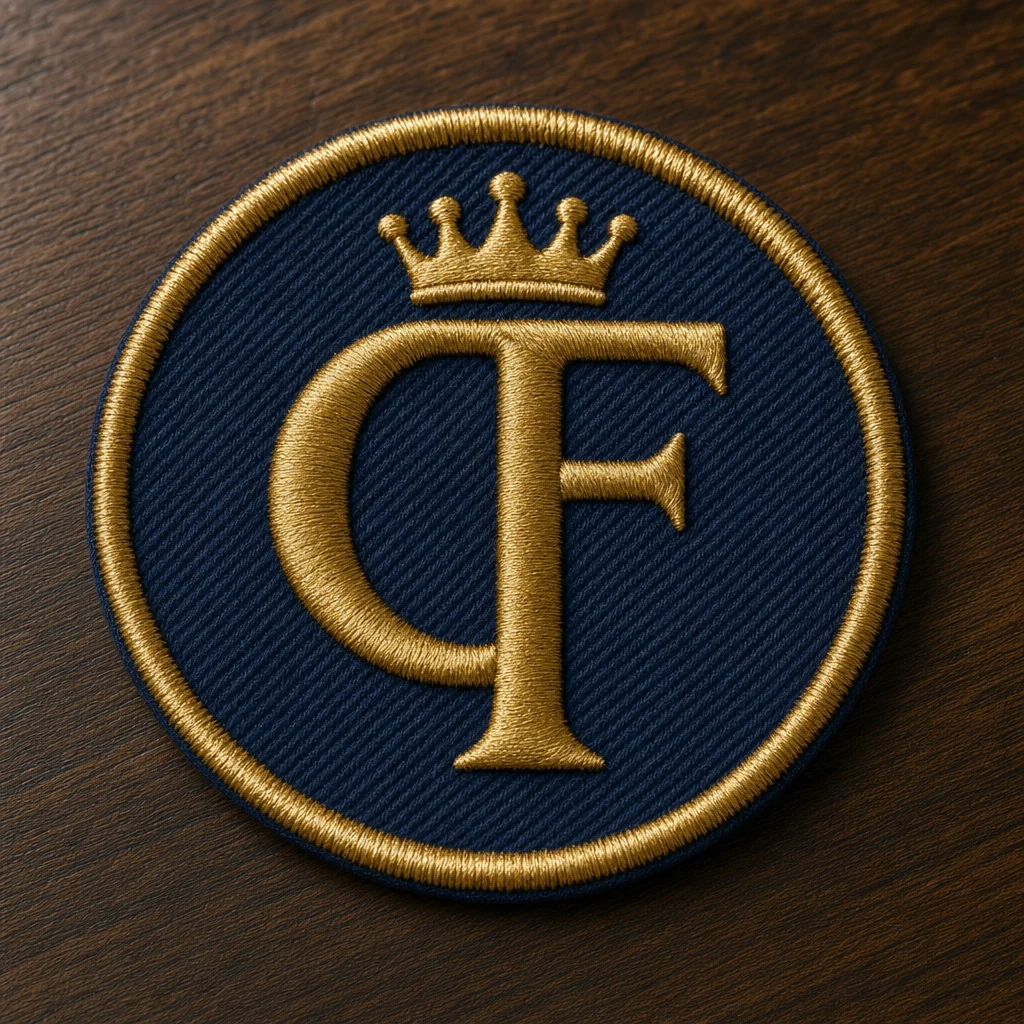
Patch Hats Sample Approval Process for Custom Hat Buyers - 2026 Buyer's Guide
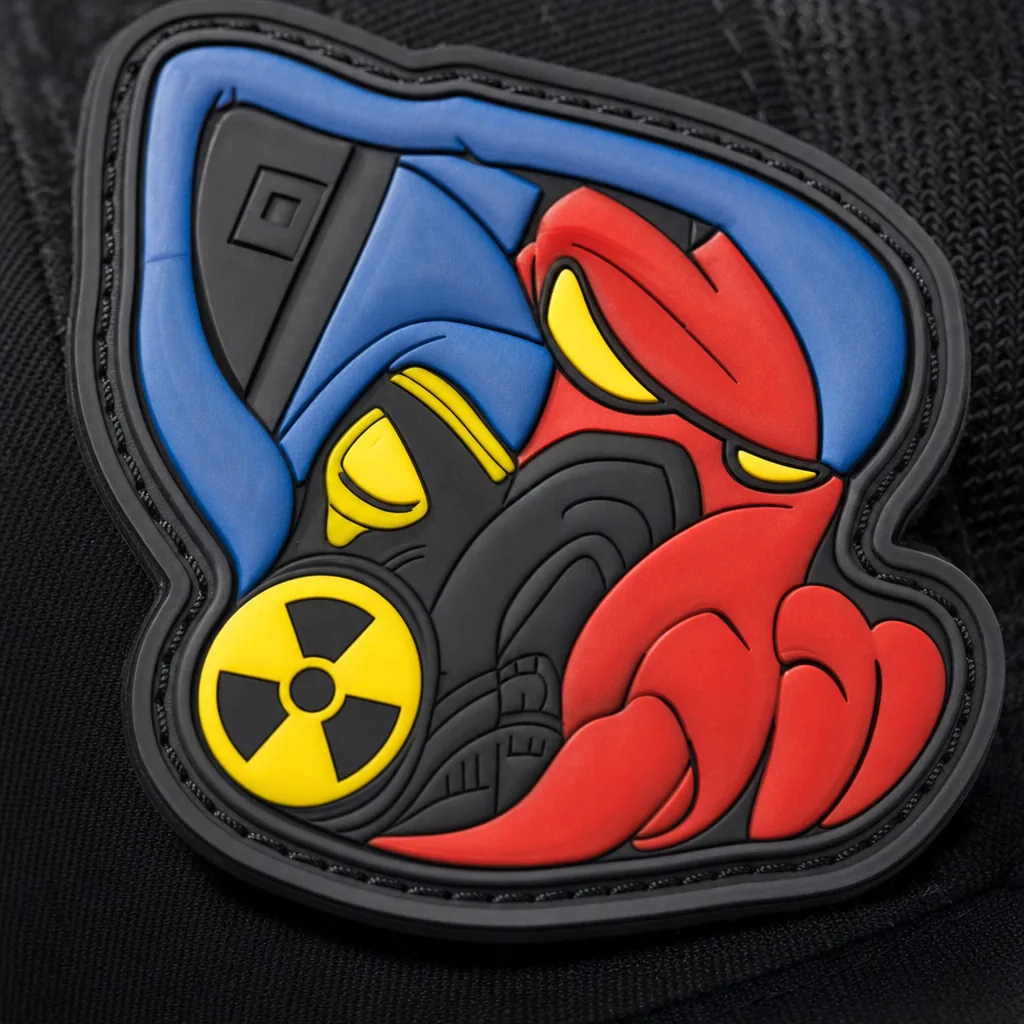
Every week, our sales team answers detailed questions about patch hats sample approval process for custom hat buyers - 2026 buyer's guide. We wrote this guide so that wholesalers, streetwear brands, corporate buyers and promotional resellers can compare options with full information, and avoid the traps that show up only after production has started.
Why patch hats sample approval process needs a separate sourcing plan
The patch hats sample approval process needs a separate sourcing plan because the patch is usually the uncontrolled risk, not the cap body. A 6-panel cotton twill or recycled polyester cap can be checked against an approved block, crown height, visor radius, sweatband width, and seam alignment. The patch is a second BOM: face material, backing, adhesive, border type, stitch path, die line, thickness, color standard, and attachment tolerance. A sample that looks acceptable in a photo can fail in hand: PU corners lifting after 24 hours, woven patches losing 1.5 mm text, PVC badges standing 3 mm proud on a curved front panel, or merrowed borders twisting because grain direction was ignored. For front-center placement, our standard practice at CrownsForge is +/-2 mm from the center seam and +/-3 mm for side or rear positions, written on the sample tag before approval. Until the pre-production sample is signed, treat the cap and patch as separate components with separate material cards, Pantone TCX references, durability notes, and records for steam shaping, carton rub, and packing compression.
Patch construction also runs on a different production calendar than cap sewing. Woven patch strike-offs normally take 7-10 days with a $35-$80 setup charge; PVC molds are usually $80-$180 depending on size, thickness, and color count; debossed leather or PU patches need a brass or zinc alloy die plus heat trials on 1.2-1.6 mm material. If artwork specifies Pantone 19-4007 TCX black, 18-1664 TCX red, or a washed vintage shade, approve the chip under D65 lighting with Delta-E under 2.0 for licensed or retail work, not from a phone image. Attachment is a production process, not a trim decision. Satin-stitch sewing on Tajima, Barudan, or ZSK heads is stable when the edge is firm and the backing does not curl. Heat press needs recorded temperature, dwell time, pressure, cooling time, and peel results. A 150-165 C press for 12-18 seconds may bond well to cotton twill but crush foam trucker fronts or glaze recycled polyester panels.
Lock cost, compliance, and inspection criteria before approving the sample, because changing patch construction after bulk fabric is cut can add 10-20 calendar days and force a second sample round. Recycled polyester twill, FSC paper backing, REACH-compliant PU, or low-lead PVC may add $0.15-$0.60 per cap, but that is still cheaper than reworking 5,000 finished hats or failing a retailer review. For sports licenses, chain stores, and promotional distributors, photo approval is not sufficient. Keep the signed physical sample, AI or DST artwork file, patch spec sheet, approved Pantone TCX chips, attachment method, and an AQL 2.5 checklist covering placement, edge lifting, stitch density, pull strength, shade, and carton marking. Audit scope also has to follow the patch. sedex-audit-cap-supplier-guide.html">BSCI 2.0 or Sedex SMETA 4-Pillar coverage should include the patch workshop if cutting, molding, heat pressing, or leather debossing is subcontracted. A clean cap factory audit does not automatically cover the decoration room where most patch failures start.
Factory capability checks before quoting
Price the job only after the factory proves it can repeat the decoration, because patch hats fail on registration, edge control, and bonding long before they fail on unit price. Before the patch hats sample approval process starts, define the patch as flat embroidery, 3D puff, woven label, chenille, silicone, TPU, debossed leather, sublimation, or sew-on plus heat-press support. Ask which exact sample line and bulk line will run it. A worn 12-head Tajima or Barudan line with loose cap frames can drift 1.5-2.0 mm on a 58 mm merrowed patch; that is enough to make a centered logo look crooked after sewing. For embroidered patches, quote from stitch count, thread brand, backing, border width, merrow allowance, edge finish, and density limit, not from artwork alone. Color should be tied to Pantone TCX or TPX with Delta-E targets: under 1.5 for licensed marks and under 2.0 for normal promotional work. Heat-applied patches need adhesive film grade, press temperature, dwell time, pressure, and peel-test criteria; 160-170 degrees C for 12-18 seconds is common, but nylon taslan, polyester mesh, and curved front panels need separate validation.
Check the cap body with the same discipline as the patch, because a perfect woven badge cannot fix a weak crown, warped visor, or mismatched fabric shrinkage. Lock the silhouette and material before quoting: 260-320 gsm cotton twill, 380 gsm brushed canvas, 150D polyester performance fabric, nylon taslan, RPET, 8-wale or 14-wale corduroy, or 80/20 acrylic-wool for snapbacks. Use factory construction language: 5-panel camper, foam trucker, 6-panel structured, unstructured dad cap, low-profile golf cap, or flat-brim snapback. The quote sheet should state buckram stiffness, visor board thickness, sweatband material, eyelet method, closure type, crown height, and patch position in millimeters from the center seam and visor edge. Trim changes move cost more than many buyers expect: plastic snapback usually adds $0.18-$0.35, metal buckle $0.25-$0.55, branded rubber strap $0.45-$0.90, and Flexfit-style elastic sweatband $0.80-$1.40. Changing crown shape after the first sample normally adds 5-7 days and a new sample charge of $45-$120.
The sample room exposes whether the quotation was engineered or guessed. A capable supplier should produce salesman samples, pre-production samples, and size-set samples without borrowing uncontrolled capacity from bulk lines, and every revision should include photos, measurements, stitch count, material codes, patch placement, and written comments that a buyer can approve against. Our standard practice at CrownsForge is to freeze the approval file before bulk cutting: BOM, artwork, Pantone references, approved sample photos, tolerance table, patch location, packaging method, and AQL 2.5 inspection checkpoints. Compliance must be checked before deposit for licensed, retail, and children’s programs: BSCI 2.0, Sedex SMETA 4-Pillar, ISO 9001 procedures, needle-control records, metal-detection logs, and chemical documentation for PU, PVC, silicone, adhesive film, or leather. If a supplier cannot explain merrow border allowance, heat-seal backing, curved-front pressing, or why some patches need both stitching and adhesive support, the quote is not a production plan. It is just a number in a spreadsheet.
MOQ, pricing and sample approval
MOQ is the first commercial gate in the patch hats sample approval process because patch work carries fixed costs before one cap is sewn. For 2026 quoting, I treat 100-288 pcs as trial volume, 300-576 pcs as small wholesale, 600-1,200 pcs as normal factory production, and 2,400 pcs+ as distributor volume. A 100 pc order for a 6-panel, 280-320 gsm cotton twill snapback with a merrowed embroidered patch, plastic closure, crown taping, sweatband, steam blocking, and individual polybag often lands at US$7.80-11.50 FOB Yiwu. At 600 pcs, the same construction usually drops to US$4.20-6.20 FOB, assuming one patch design, no licensed trims, no custom UPC stickers, no retail hangtags, and no split cartons by color. If the buyer wants two cap colors, two patch designs, and mixed sizes, the factory is not being difficult when pricing rises; setup time, line balancing, and QC sampling all multiply.
Setup charges should be visible line items, not hidden inside a padded unit price. Realistic 2026 charges are US$25-60 for embroidery digitizing, US$35-80 for woven patch artwork conversion, US$80-180 for a soft PVC mold, US$45-120 for a leather deboss mold, and US$30-70 per heat-transfer film color group. Confirm whether MOQ is per cap color, per patch design, per closure type, or across the total PO; those four answers produce very different landed costs. Also ask whether DST files, woven artwork, and mold files are retained for reorders, whether overrun patches can be stored for the next drop, and whether resizing from adult to youth caps triggers a new approval charge. For small brands, the cleanest commercial structure is usually one approved patch design across two body colors. Changing the cap fabric, patch substrate, and border color at the same time creates more approval risk than most 300 pc programs can absorb.
The PPS is the control sample, not a phone photo with a thumbs-up reply. Before bulk cutting, approve the cap body fabric, gsm, crown profile, visor curve, patch substrate, merrow or laser-cut border width, backing stiffness, sewing registration, thread colors, closure, woven label, hangtag, barcode position, carton marks, and polybag warning text. Use Pantone TCX for fabric and Pantone C or U for printed, woven, or PVC patch colors; brand-critical colors should target Delta-E under 1.5, while most promotional patch hats can tolerate Delta-E under 2.5. Center-front patch placement should hold within +/-2 mm horizontally and +/-3 mm vertically. Dense embroidery on Tajima, Barudan, or ZSK heads normally needs 0.35-0.45 mm stitch spacing to reduce curling after heat press, steam blocking, or wash testing. Lettering below 4 mm is usually cleaner as a woven patch or printed twill. CrownsForge requires written PPS approval before bulk fabric cutting because verbal approval is not a production control document.
Quality inspection and shipping risk
Quality risk is cheapest to remove before bulk cutting, so the signed sample has to become the inspection master, not a screenshot buried in WhatsApp. In a disciplined patch hats sample approval process, the factory file should include one sealed physical sample, Pantone TCX or TPX references, fabric swatch, thread card, patch artwork revision number, stitch file name if embroidery is used, and measured placement from fixed points such as the center front seam, visor seam, or crown edge. Final inspection should use AQL 2.5 for major defects, AQL 4.0 for minor defects, and zero tolerance for critical defects: wrong logo, mold, broken needle contamination, sharp metal parts, mixed labels, or unauthorized licensed artwork. Practical production tolerances are cap circumference +/-5 mm, crown height +/-3 mm, visor length +/-2 mm, patch size +/-1 mm, and patch placement +/-2 mm in either direction. For color, write the Delta-E target into the approval sheet: under 1.5 for piece-dyed fabric and under 2.0 after garment wash is realistic for commercial headwear.
Patch failures usually show up after heat, steam, rubbing, and carton pressure, not while the sample is sitting clean on the buyer's desk. Embroidered patches need checks for satin stitch density, skipped stitches, loose jump threads, puckering, backing exposure, and merrow border waviness from Tajima, Barudan, or ZSK heads. Woven patches should be inspected for small-letter legibility, frayed edges, heat-cut browning on white or pastel grounds, and border distortion after sewing onto a curved crown. Leather and PU patches need separate checks for deboss depth, edge-paint cracking, heat-press shine, corner lift, and stitch tension cutting into the material. Black, navy, red, and reactive-dyed cotton are the common colorfastness risks; a workable buyer standard is Grade 4 dry rubbing and Grade 3-4 wet rubbing under ISO 105-X12. If the patch uses adhesive plus stitching, test peel strength after steam blocking and 24 hours under carton compression, because weak glue can pass sample review and fail during humid sea freight.
Shipping risk is controlled before cartons leave the factory: carton marks, packing density, and documents must match the approved sample file. Carton labels should show PO, SKU, color, size ratio, carton number, gross weight, net weight, country of origin, and the buyer's routing guide; licensed sports or entertainment orders often add style codes, barcode labels, hologram control, and approved polybag warnings. A 58 x 42 x 38 cm export carton usually holds 100 to 150 low-profile caps, but foam-front truckers, structured snapbacks, and 5-panel hats with raised patches need lower compression or cardboard crown supports to prevent dents. FOB Yiwu or Ningbo gives the buyer freight control; DDP can work for small brands only when duty, VAT, customs clearance, remote-area surcharge, and customs exam risk are separated in the quote. At CrownsForge, the reorder file keeps the approved sample report, AQL results, patch artwork, DST file, Pantone references, carton photos, packing list, and final inspection photos, because the second run should not depend on anyone's memory.
Buyer checklist for the next RFQ
Make the RFQ the first control document in the patch hats sample approval process, not a mood board. Attach straight-on photos of the front, left, right, back, top crown, inside sweatband, closure, visor top, and visor underside; include a ruler or digital caliper in the front and side views. If fit is critical, courier one approved reference cap and tag the nonnegotiables: 5-panel camper crown height, 6-panel structured buckram stiffness, unstructured dad-cap hand feel, 110 trucker mesh tension, visor board thickness, seam allowance, sweatband width, and closure position. Do not rely on wide-angle phone photos; I have seen a 60 mm front patch interpreted as 70 mm because the crown was photographed too close. For color, specify Pantone TCX for fabric and thread, and Pantone C or U for printed artwork. Add a measurable tolerance: Delta-E ≤1.5 under D65 lighting for licensed teams and retail brand colors, or ≤2.5 for standard promotional programs.
Price the RFQ in three blocks: cap body, patch, and attachment. These often come from different workshops and have different tooling calendars, so “black patch cap” is not a specification. Define fabric by construction and weight: 260 gsm cotton twill, 10 oz cotton canvas, 16-wale corduroy, nylon taslan, polyester ripstop, recycled PET mesh, brushed chino cotton, or wool-acrylic blend. State the wash before sampling: no wash, enzyme wash, garment wash, stone wash, or pigment wash. Washed caps shrink and soften, and the patch can shift after the crown relaxes. Define the patch type precisely: woven label, Tajima/Barudan/ZSK embroidered patch, chenille, sublimated twill, genuine leather deboss, PU faux leather, PVC, silicone, or rubberized heat-transfer. Then specify the edge and application method: satin stitch, zigzag, single-needle edge stitch, merrow border plus stitch-down, heat press, or adhesive plus sewing. Realistic MOQs are 144–300 pieces per colorway for standard patch hats, 500–1,000 for custom-dyed fabric, and 300–500 for PVC or silicone patches. Budget $50–$180 for woven or embroidered samples, $120–$300 for leather/PVC samples, plus $80–$250 for a new mold.
Lock the approval gate before bulk cutting. A proper pre-production sample must use actual bulk fabric, final patch construction, final closure, final sweatband, final wash, and intended retail or e-commerce packing. At CrownsForge, our standard practice is to reject “close enough” substitute cloth unless the buyer signs a risk note, because stock black twill can photograph correctly but fail later when the real dyed lot has different sheen, hand feel, or shrinkage. Put inspection terms into the RFQ before production starts: AQL 2.5 major / 4.0 minor, patch centering within ±2 mm, visor skew within ±3 mm, no visible stitch breaks, no glue bleed, trimmed thread ends under 3 mm, carton quantity verification, and shade review under D65 light. Add compliance and packing requirements at the same time: CPSIA tracking labels for children’s caps, Prop 65 language for California, REACH and azo-free dye declarations for the EU, nickel-safe metal trims, licensee-required needle or metal detection, UPC/FNSKU placement, suffocation warning, hangtag string type, carton marks, and maximum carton weight. Use 12–15 kg cartons for air shipments and 15–18 kg for sea freight if warehouse handling matters.
Working with CrownsForge
An approved patch hat sample is only useful if it becomes a locked production control, not a phone photo in a WeChat chat. At CrownsForge, the control sample is sealed with a signed spec sheet covering patch height and width, border width, placement from visor seam and crown centerline, visor curve, sweatband type, closure, hangtag, polybag, carton mark, Pantone TCX fabric reference, and embroidery thread code such as Madeira, Gunold, or Isacord. For PVC and rubber patches, the sheet must also state mold depth, minimum line width, color-fill separation, edge burr tolerance, stitch-channel or Velcro construction, and the attachment method. We normally record a 24-hour bond result after heat press, zigzag stitch, or satin-stitch application, because a patch that looks fine after five minutes can lift after cooling and flexing. Woven, leather, and embroidered patches need separate checks for merrow border consistency, die-cut fraying, jump-thread trimming, glue bleed, stitch density, and color under a D65 light box. Delta-E 1.5–2.0 is realistic on stable cotton twill or polyester; washed cotton, mélange yarn, suede, and recycled polyester often drift wider. A 144–300 piece run can work for simple patches, but dedicated PVC molds usually make economic sense above 500 pieces because mold and setup charges often add $45–$120 per design before the hat cost.
The patch hats sample approval process should put QC gates before a defect is sewn into the crown, where rework becomes slow and visible. Inline inspection after cutting catches wrong panel fabric, off-grain twill, shade variation, buckram stiffness mismatch, visor board thickness errors, and crown-panel distortion before operators spend time on assembly. Midline inspection after patch attachment is where I look hardest: patch placement off by 3–5 mm, tilted logos, puckering around thick leather, heat-press scorch, crown tension imbalance, and sweatband stitching that bites through seam tape. Tajima, Barudan, and ZSK embroidery output should be checked before cap assembly for thread breaks, backing residue, registration shift, needle cuts, pull compensation errors, and stitch density that is too high for the fabric gsm. Heat-applied patches must be peel-tested only after full cooling; pulling while the hot-melt adhesive is still soft gives a false pass. Final inspection is usually AQL 2.5 for major defects and AQL 4.0 for minor defects, but licensed sports, university, and chain retail orders often require AQL 1.5 major with stricter logo, barcode, and Delta-E limits. Release checks should include UPC or FNSKU scans, suffocation warnings, country-of-origin marking, carton label match, gross weight tolerance, and carton compression risk before FOB Ningbo, FOB Shanghai, or DDP handoff.
Freeze timing before paying for molds, dyed fabric, or custom trims, because late edits are where buyers lose both schedule and margin. A realistic approval calendar is 5–7 days for PVC or rubber mold confirmation, 3–5 days for a woven patch strike-off, and 7–12 days for a full pre-production cap sample after fabric, buckram, sweatband, closure, and patch components arrive. Bulk production for standard cotton twill, ripstop, corduroy, or polyester performance caps normally takes 25–35 days after written sample approval. Add 7–15 days for Pantone-dyed fabric, GRS transaction certificate paperwork on recycled polyester, complex 3D embroidery plus patch combinations, or limited embroidery head capacity during the March–June peak season. FOB is cleaner when the buyer controls freight; DDP needs correct HS classification, duty rate, importer-of-record setup, Amazon carton limits, 3PL pallet pattern, and destination labeling rules before packing begins. Changing polybag size, carton dimensions, hangtag language, barcode position, or inner-pack quantity after inspection is not a small administrative edit. Repacking commonly costs $0.08–$0.25 per unit, creates mixed-carton risk, and can miss a courier pickup or vessel cutoff by several days.
Frequently Asked Questions
How long does production take?
Sampling takes 7 to 12 days. Bulk production runs 20 to 30 days depending on quantity, fabric availability and decoration complexity. Inspection and packing adds another 3 to 5 days before shipment.
Do you support sustainability certifications?
Yes. We work with GOTS organic cotton, GRS-certified recycled polyester, OEKO-TEX Standard 100 fabrics, and are BSCI and Sedex audited. Certification documentation can be provided per order.
What file format should I send for my logo?
Vector files (AI, EPS, PDF) are ideal. High-resolution PNG or JPG at 300 dpi on transparent background works as a fallback. Provide Pantone color references for accurate reproduction.
What is the minimum order quantity (MOQ) for custom hats?
Our standard MOQ is 100 pieces per design and color, with sampling available from 1 piece. For complex multi-color logos or premium fabric upgrades, the MOQ can be lowered with a small per-piece surcharge.
Can I order a sample before bulk production?
Yes. We strongly recommend approving a pre-production sample before mass production. Samples are charged at 35 to 60 USD each plus express shipping, fully refundable against confirmed bulk orders over 500 pieces.
How does ordering custom hat leather patch work?
When evaluating custom hat leather patch, the key considerations are construction quality, decoration capability, MOQ flexibility and lead time. Explain the buyer intent behind patch hats sample approval process, when it differs from generic hat sourcing, and what decisions affect cost, lead time and compliance. Cover embroidery, patch, fabric, panel construction, closure options, sample room capability, audit readiness and communication checks.
What's the MOQ for custom leather patch hat low minimum?
When evaluating custom leather patch hat low minimum, the key considerations are construction quality, decoration capability, MOQ flexibility and lead time. Explain the buyer intent behind patch hats sample approval process, when it differs from generic hat sourcing, and what decisions affect cost, lead time and compliance. Cover embroidery, patch, fabric, panel construction, closure options, sample room capability, audit readiness and communication checks.
How does ordering custom leather patches for hats work?
When evaluating custom leather patches for hats, the key considerations are construction quality, decoration capability, MOQ flexibility and lead time. Explain the buyer intent behind patch hats sample approval process, when it differs from generic hat sourcing, and what decisions affect cost, lead time and compliance. Describe how CrownsForge manages patch hats sample approval process programs with sampling, decoration, QC and export coordination.
How does ordering custom patch trucker hats work?
When evaluating custom patch trucker hats, the key considerations are construction quality, decoration capability, MOQ flexibility and lead time. Explain the buyer intent behind patch hats sample approval process, when it differs from generic hat sourcing, and what decisions affect cost, lead time and compliance. Describe how CrownsForge manages patch hats sample approval process programs with sampling, decoration, QC and export coordination.
How are patches applied to hats?
Position your patch on the front, side, or brim of the hat. Preheat the iron to medium heat. Place a cloth over the patch to protect it from direct heat. Press the iron firmly for 30–40 seconds, applying steady pressure.
How long does it take to make a patch?
Time estimate to complete one patch: One patch can take an entire day to hand embroider if you do it by hand including the breaks in the middle of the workday. They are cost-effective and effective identity builders in a variety of situations. Multiple patterns and designs may be used using embroidered pattern designs.
Looking for a reliable hat manufacturer in China?
CrownsForge has produced custom hats for 800+ brands across 40 countries. From 100-piece launches to 100,000-piece retail programs, we deliver on time and on spec.
Get in touchRelated guides
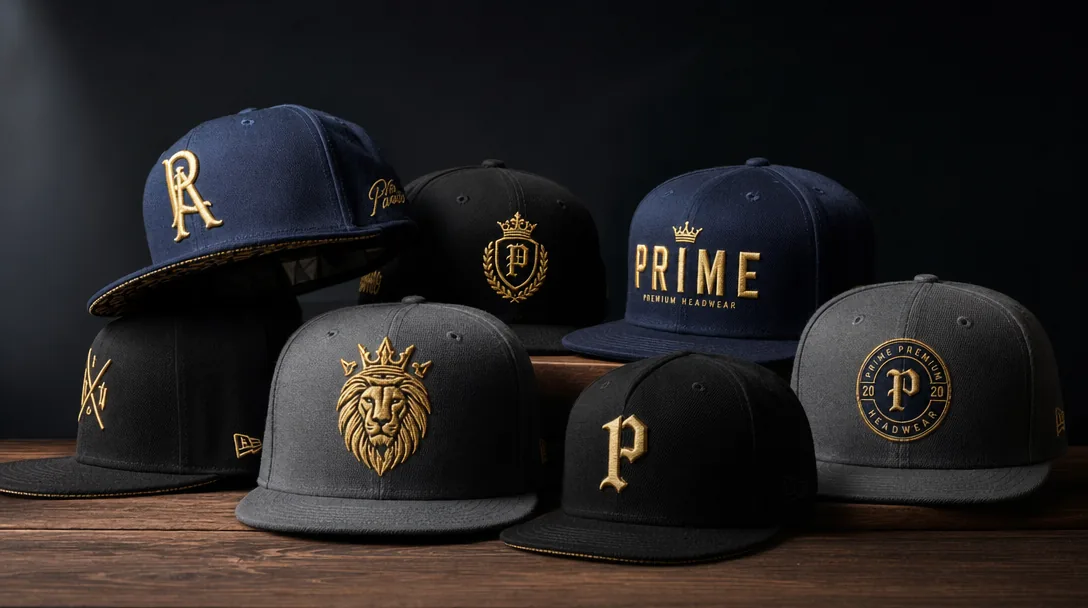
Custom Leather Patch Hat Low Minimum: A 2026 B2B Sourcing Guide
Read article →
Mens Beanies: Properties, Costs and How to Spec It Right
Read article →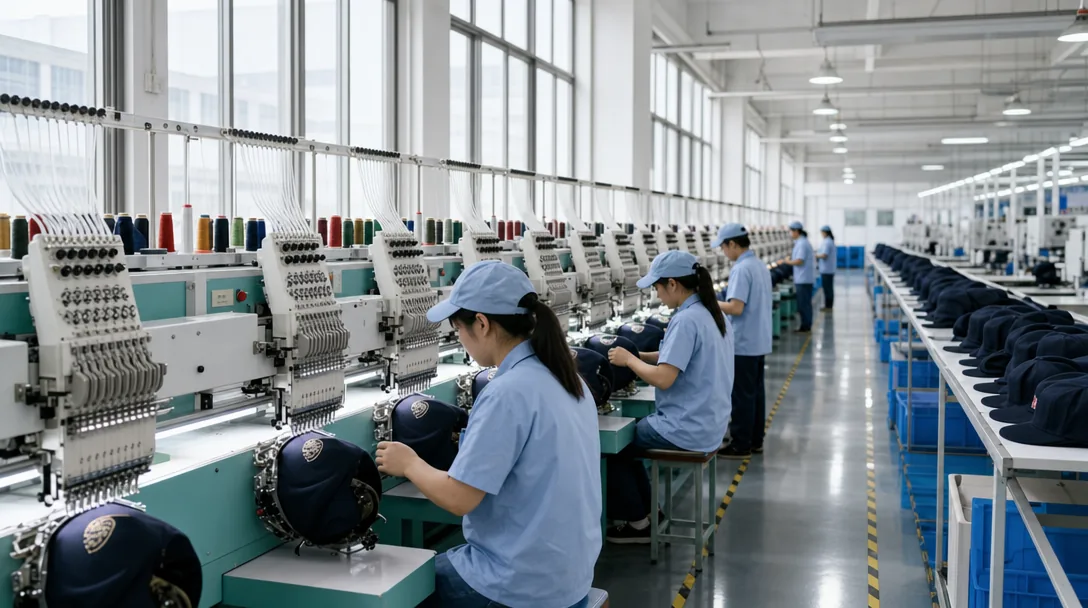
Bulk Trucker Hats Export Shipping Checklist for Custom Hat Buyers - Cost & MOQ Breakdown - Supplier Checklist
Read article →We hope this guide demystifies patch hats sample approval process for custom hat buyers - 2026 buyer's guide and helps you move forward with confidence. If you have questions specific to your project, our English-speaking sales engineers are one message away.