
Merino Wool Beanie: Properties, Costs and How to Spec It Right - Supplier Checklist - Cost & MOQ Breakdown
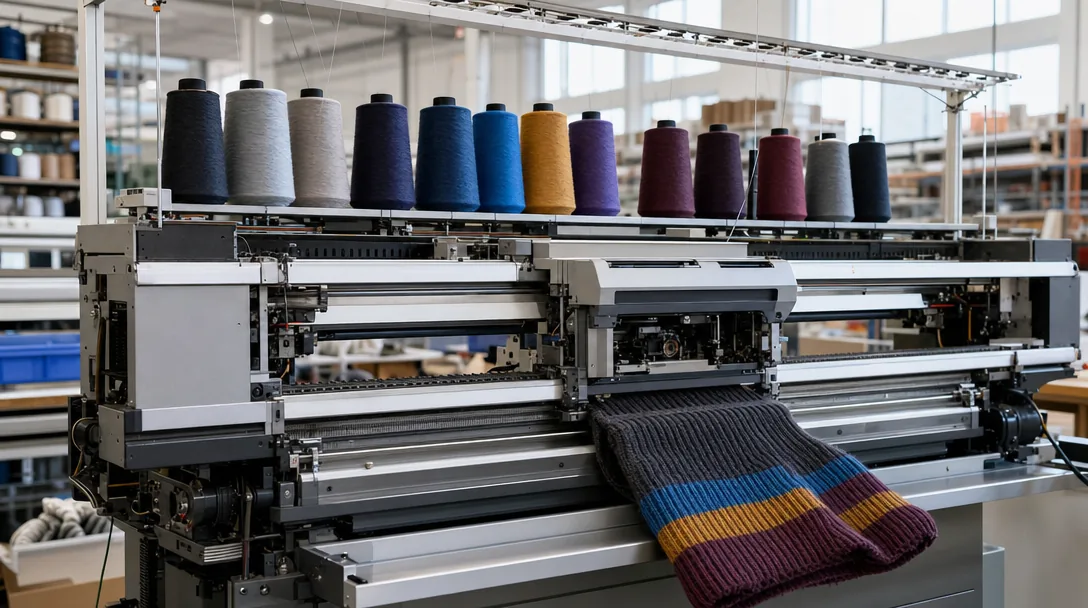
Every week, our sales team answers detailed questions about merino wool beanie: properties, costs and how to spec it right - supplier checklist - cost & moq breakdown. We wrote this guide so that wholesalers, streetwear brands, corporate buyers and promotional resellers can compare options with full information, and avoid the traps that show up only after production has started.
Acrylic Beanie
Acrylic still owns the volume winter beanie business because the process is easier to control than a merino wool beanie: yarn cost is lower, shade repeatability is tighter, and output is faster on standard 7G, 9G, or 12G flat knitting programs. But buyers lose money when they spec it loosely. “Soft acrylic” is not a usable standard. Lock the yarn to something like 28/2 or 32/2 spun acrylic, define whether it is virgin, recycled, or anti-pilling, and state machine gauge, stitch density, finished weight, cuff height, and total body height. A basic single-color cuffed beanie usually finishes around 70-95 g; a denser double-layer winter style is more often 110-130 g. If you skip those numbers, the factory has too much room to substitute lighter yarn, lower stitch density, or a shorter body to protect margin. Color control also needs factory-grade tolerances, not mood-board language. Approve yarn shade cards or lab dips against a Pantone TCX target, then set a realistic Delta-E standard the spinner can actually hold—typically 1.5-2.0 for solid dark shades and closer to 2.0-2.5 for heathers or melanges. The technical pack should also specify rib structure such as 1x1 or 2x2, crown decrease method, flat opening width, fold height, and stretch-recovery range after steaming. If the cuff takes embroidery, note backing and underlay requirements up front. On Tajima or Barudan multi-head machines, dense cuffs embroider cleanly, but loose ribs distort quickly if the digitizing does not account for needle penetration, pull compensation, and column width.
MOQ and pricing move quickly once you leave stock-color basics. On stock acrylic yarn, many China factories can run 200-300 pieces per colorway; custom-dyed yarn, intarsia, jacquard, or special melange effects usually raise the practical MOQ to 500-1,000 pieces because of yarn setup loss and slower knitting efficiency. At 300-500 pieces, a plain cuffed acrylic beanie commonly sits around $1.10-$1.90 FOB China, while recycled acrylic, brushed hand feel, or more complex decoration can push the cost above $2.20. That is where the comparison with a merino wool beanie becomes commercial rather than theoretical: acrylic usually wins on entry FOB, MOQ flexibility, and easy-care retail positioning, while merino wins on thermoregulation, odor control, and premium price architecture. Inspection is where cheap acrylic programs usually unravel. The repeat defects are barre from uneven yarn tension, crown puckering, cuff twist, size drift after steam setting, lot-to-lot shading, and aggressive pilling from low-grade staple fiber. I would require inline measurement records by carton batch, then final inspection to AQL 2.5 with special attention to body height, opening width, cuff symmetry, and shade continuity under D65 light. If dark shades or mixed trims are involved, add colorfastness to crocking, wash stability, and pilling testing under Martindale or equivalent methods. Where patches are used, also check glue bleed, edge lift, and placement tolerance. Our standard practice is to compare acrylic against merino on finished weight, dimensional stability after wash, pilling grade, and landed cost, because fiber claims alone do not tell you what the customer will actually receive.
Cotton Beanie
A cotton beanie is usually a cut-and-sew product, not a fully fashioned knit like a true merino wool beanie, and that difference affects fit retention, seam profile, and wash stability. Most factories start from circular-knit single jersey, 1x1 rib, or lightweight French terry at roughly 180 to 320 gsm, then cut panels with a straight knife or band knife, close the crown on a 4-thread or 6-thread overlock, and finish the opening with coverstitch or a turn-back cuff. If you need the opening to recover after repeated wear, 95/5 cotton-elastane or 98/2 cotton-spandex is the safer construction; 100% cotton looks cleaner on day one but loses rebound quickly, especially on shallow cuff depths below 7 cm. A usable spec sheet should lock finished body height, opening circumference, cuff depth, piece weight tolerance, shrinkage after one home-laundry cycle, and spirality limit, then tie shade approval to a Pantone TCX standard with Delta-E held to 1.0 to 1.5 under D65. Dark reactive shades, especially black and navy, need tighter process control because enzyme wash, silicone softener, and heat setting can all shift color or torque the fabric.
Cotton beanie cost is driven less by silhouette than by fabric yield, dye-lot minimums, and trim complexity. For solid-dyed 21S or 32S jersey, a realistic MOQ is 300 to 500 pieces per color, with FOB China commonly landing around $1.10 to $1.90 per piece for basic make, sew, and labeling. Move into brushed French terry, pigment print, discharge print, flat embroidery on Tajima or Barudan heads, or woven loop labels, and the range usually climbs to $2.20 to $3.40. Custom shades often require 80 to 120 kg dye-lot minimums at the mill, so small programs fail at fabric stage long before sewing capacity becomes the issue. Inspection only looks easy if you ignore the claim drivers: crown seam grin, opening recovery loss, panel shading, oil contamination, needle cuts, and post-wash spirality. Our standard practice is AQL 2.5 for bulk, plus one wash test and repeated opening stretch-and-recovery checks before packing. Compared with a merino wool beanie, cotton is cheaper to source and simpler to decorate, but it delivers weaker thermal regulation, more torque risk after laundering, and wider lot-to-lot shade variation.
Black Beanie Hat
A black beanie hat looks simple, but black is one of the easiest colors to get wrong in bulk. On a merino wool beanie, buyers should spec fiber content first—such as 100% merino 19.5 micron, or a 50/50 merino-acrylic blend if cost and shape retention matter more than premium hand feel. Then lock construction: 1x1 or 2x2 rib, single-layer or double-layer, finished weight per piece, cuff height, and total body length before turn-up. For factory quoting, I usually want gauge and yarn count written clearly, for example 7GG with 2/26Nm yarn for a denser winter hand, plus Pantone reference even for black because mills will still vary between blue-black, neutral black, and washed black. If branding is involved, specify embroidery size, patch material, and placement tolerance in millimeters. A black beanie carrying a woven label or folded loop label also needs needle and attachment method confirmed, because loose corner stitches are a recurring complaint in inspections. Manufacturing is normally straightforward circular or flat knitting, followed by linking, washing if required, shaping, trimming, logo application, metal detection where client protocol requires it, and final packing. Merino behaves differently from an acrylic beanie: it feels better and regulates heat well, but it is more sensitive to over-washing, yarn hairiness, and panel distortion after steaming. Good factories will test for colorfastness to rubbing and perspiration, pilling, and dimensional stability after one to three care cycles. At CrownsForge, our standard practice is to ask buyers for finished circumference tolerance, weight tolerance, and carton pack-out because soft knitwear can shift from a neat 12-piece inner pack to a compressed carton that leaves the cuff creased on arrival.
For MOQ, plain stock-program black hats can start around 200 to 300 pieces, but custom merino wool beanie production is usually more realistic at 500 pieces per colorway because yarn dyeing, knitting setup, and label/trim minimums drive the threshold. A basic acrylic black beanie may land around $1.20 to $2.20 FOB China in volume, while a true merino program commonly runs about $3.80 to $7.50 FOB depending on micron grade, blend ratio, gauge, and whether the yarn is certified under RWS or Oeko-Tex. Add $0.18 to $0.60 for woven labels, $0.35 to $1.20 for embroidery, and more if you use leather patches or custom retail packaging. Buyers coming from hard-trim categories like a corduroy hat or corduroy hat men's cap often underestimate how much yarn price volatility affects knitwear; merino can swing noticeably with season and origin, especially when Australian wool supply tightens. The spec sheet should include finished dimensions laid flat, cuff depth, top construction, stitch density target, yarn composition tolerance, acceptable shade band, wash instructions, barcode labeling, and inspection standard—normally AQL 2.5 for major defects and 4.0 for minor on accessories. If black consistency matters across a collection that also includes a bucket hat women style or a camouflage bucket hat, request lab dips and keep a sealed approval sample under D65 lighting. Common defects are skewed body shape, uneven rib recovery, oil stains from knitting, yarn contamination showing as white fibers against black ground, broken stitches near the crown, and logo embroidery puckering because the backing was too stiff for the knit structure. Another issue is odor from rushed wet finishing or polybag packing before full moisture release; that creates avoidable claims.
The broader sourcing decision is whether the black hat is meant to be a price-point winter basic or a premium hand-feel product that justifies merino. If the customer only wants a low-cost promotional silhouette, a black acrylic beanie may outperform merino commercially because it is cheaper, easier to stabilize, and usually more forgiving in transit and retail handling. If the goal is outdoor, premium streetwear, or giftable corporate merchandise, merino earns its place through softer hand, better thermal regulation, and lower itch—provided the factory can control shrinkage and lot-to-lot shade. I have seen buyers pay for merino and then approve a loose, underweight knit that performs worse than a properly built synthetic version, so GSM-equivalent piece weight and stretch recovery should be treated as commercial specs, not nice-to-have details. Request pre-production confirmation on yarn certificates, black shade standard, care labeling language, and wash-test results before bulk starts. For higher-value orders, ask for in-line photos at first 50 pieces, then final random inspection with measurements, visual grading under proper light, and carton drop checks if the goods are shipping DDP to a 3PL. The black beanie hat often becomes the benchmark item in a winter collection because every defect shows clearly on dark solids. That is why it ties directly back to the merino wool beanie decision: if the supplier cannot hold color, weight, and shape on the simplest black style, they are unlikely to manage more complex knit programs any better than they would a cut-and-sew cap like a corduroy hat or structured seasonal headwear line.
Slouchy Beanie
A slouchy silhouette lives or dies on crown volume and recovery, not on the merino claim alone. For a proper slouchy merino wool beanie, I would spec finished height at 28-32 cm, relaxed opening width 22-24 cm, stretched opening width 28-32 cm, and body width 24-26 cm, with a target finished weight around 70-110 g depending on gauge and yarn count. If the factory only gives you a flat width and a generic “adult size,” expect inconsistent drape across production. Ask for gauge, machine type, and closure method up front: 7G or 9G usually gives the fuller, looser collapse buyers expect, while 12G reads cleaner but can lose that heavy slouch unless the yarn is bulked correctly. On the yarn side, 2/48Nm and 2/60Nm are common for merino programs; worsted-spun yarn gives a cleaner surface and less halo, while woolen-spun builds softer loft but pills faster under abrasion. Micron range matters because it changes both handfeel and wear performance. A 19.5-21.5 micron merino wool beanie feels noticeably cleaner against skin than coarse wool blends, but 100% merino also grows more easily if stitch density and finishing are lazy. That is why I prefer buyers to lock in stitch density, wash finish, and dimensional tolerance instead of just writing “soft handfeel” on the PO. A practical tolerance is ±1.0 cm on finished body dimensions and no more than 5% dimensional change after one gentle wash. If you want better rebound and lower claim risk, a 90/10 or 85/15 merino/nylon blend often performs better than pure merino in slouchy shapes, especially for repeat daily wear.
The cost spread on a slouchy merino wool beanie is usually driven by yarn source, dyeing method, and construction, not by the knitting alone. In China, a stock-yarn program can often run at 300-500 pieces per color, but custom-dyed merino is more realistically 800-1,200 pieces because lab dips, dye-lot control, and yarn loss make tiny runs expensive. A basic acrylic slouchy beanie may land around $1.40-$2.60 ex-factory at 500 pieces; a merino wool beanie is more commonly $3.80-$7.50, and premium imported merino, fully fashioned construction, or tighter shade control can push it higher. If branding is required, keep decoration light on the body. Dense embroidery on a soft knit distorts the wale structure, causes torque, and makes the crown collapse unevenly; woven labels, hem labels, or low-stitch-count logo work are safer. Inspection has to go beyond a tabletop appearance check because the main failures show up after wear and first wash. I would control workmanship to AQL 2.5, then add specific checks for spirality, dropped stitches, needle lines, seam grin at the crown closing, yarn contamination, pilling, and shade variation between cartons and dye lots. For color-critical programs, write Delta-E tolerance into the approval standard; arguing shade by eye after shipment wastes time and usually ends badly. Fiber-content verification and recovery testing matter more than many buyers expect, so require stretch-and-recovery checks over 10-20 cycles and confirm the care claim matches actual wash performance. If a supplier cannot support repeat yarn declarations, wash data, and basic compliance like sedex-audit-cap-supplier-guide.html">BSCI 2.0 or Sedex SMETA 4-Pillar, the cheap FOB price usually turns into returns later.
Cotton Beanie Men
The most expensive mistake is treating a cotton beanie as a cheap stand-in for a merino wool beanie. It is a different product class with different thermal behavior, recovery, and wash risk. Most men’s cotton beanies are either cut-and-sew from 180 to 260 gsm single jersey, 2x2 rib, or light French terry, or they are fully fashioned on a circular knitting machine; suppliers often blur that distinction, and the fit tells on them immediately. For a stable cut-and-sew program, I would lock the shell to either 100% combed compact cotton or 95/5 cotton-spandex, specify a 4-thread overlock with a 4-point or 6-point crown, and cap residual shrinkage at 3% lengthwise and 3% widthwise after one 30°C home-laundry cycle. Anything looser is where e-commerce returns start stacking up. Cotton does win on entry price and a familiar hand feel, but once it absorbs moisture it drops warmth fast; a 19.5-micron merino wool beanie sits in a clearly higher performance bracket for commuting, outdoor retail, and team issue.
A usable spec sheet needs measurable controls, not soft language like “premium cotton” or “good stretch.” Lock fiber content to ±3%, finished fabric weight to ±5%, and set tolerances for body height, opening width, cuff depth, and stitch density before sampling starts. If brand color matters, approve to Pantone TCX and a sealed fabric swatch, then hold repeat orders to Delta-E 1.5 or better, because reactive-dyed black, navy, and heather shades drift more than most buyers expect. Embroidery is another common failure point: lightweight cotton puckers unless the file is re-digitized with lower fill density, correct edge-run underlay, and the right backing, and I have seen clean pre-production logos on Tajima and Barudan heads collapse in bulk when production speed and fabric tension changed. MOQ is usually driven by dyeing and trim setup, not sewing, so 300 to 500 pieces per color is normal for stock shades, while custom colors with woven labels and retail packing usually land at 800 to 1,000. A basic 220 gsm cotton beanie typically prices around $1.10 to $1.90 FOB China at 500 pieces; add a folded cuff, damask label, flat embroidery, barcode sticker, and polybag, and it more realistically lands at $2.20 to $3.40 FOB.
100 Acrylic Beanie
A 100% acrylic beanie only looks simple on a quote sheet; in production, yarn count and knit construction decide whether the hat feels retail-ready or cheap. A supplier may offer 28/2 or 32/2 acrylic on 7-gauge, 9-gauge, or 12-gauge machines, but that means little unless the tech pack also fixes stitch structure, finished weight, and target stretch. A plain single-color cuff beanie usually lands at 70 to 110 grams, while a tighter fisherman rib, waffle knit, or double-layer turn-up style often runs 120 to 160 grams. If you leave construction open, many factories will cut yarn usage by relaxing the stitch density; on bulk goods that shows up as a limp crown, weaker stretch recovery, visible barre, and a dry, plastic hand. For color-managed orders, lock lab dips to Pantone TCX and cap shade tolerance at Delta-E 1.5 for repeat programs. Acrylic matches more easily than wool, but lot variation still happens when yarn comes from different spinning mills or when dope-dyed and conventionally dyed lots get mixed in the same run.
The spec sheet should call out flat and stretched dimensions, cuff height, body height, crown reduction method, needle count, yarn origin, and wash tolerance. In practice, I would hold finished measurements to plus or minus 0.5 cm, require pilling performance of at least grade 3.5 to 4.0 under ICI or Martindale, and note whether the body is fully fashioned or cut-and-sewn from tubular knit. Embroidery on acrylic needs more discipline than many buyers expect: a dense 8,000 to 12,000-stitch logo on a soft 12-gauge cuff can tunnel, ripple, or crush the knit unless the embroidery window, backing weight, and pull compensation are tested first on Tajima or Barudan heads. MOQ is typically 300 to 500 pieces per color with stock yarn, but custom-dyed yarn, jacquard graphics, woven labels, or pom-poms usually push the real factory minimum to 800 to 1,000 pieces. Current FOB China pricing is commonly USD 1.20 to 2.10 for a plain cuff style at 500 to 1,000 pieces, and USD 1.80 to 3.20 for jacquard or patch-heavy versions.
Final inspection should focus on defects that generate claims in bulk, not cosmetic issues that only appear under office lighting. The recurring failures are dropped stitches, needle lines, uneven crown reduction, seam grin at the linking point, skewed cuffs, yarn contamination, oil marks, and shade variation between dye lots or cartons. AQL 2.5 for major defects and 4.0 for minor defects is a workable baseline for knit hats, with carton drop testing added for e-commerce programs and metal detection used when patches, bells, or other trim components enter sewing. Acrylic also gets more end-user complaints for static buildup and pilling in dry North American and European winters, so pre-production wear trials are worth the extra week on promotional or private-label programs where complaint rate drives reorders. Compared with a merino wool beanie, acrylic gives you lower material volatility, faster replenishment, and simpler shade control, but it cannot match merino on moisture buffering, odor management, or thermal comfort across changing temperatures. If the target is entry-price fashion or giveaways, acrylic is usually the safer production spec; if the customer is buying performance, the merino wool beanie is the more honest material choice.
Working with CrownsForge for merino wool beanie programs
The first expensive mistake in a merino wool beanie program is approving aesthetics before approving yarn performance. A sample can look right and still fail in bulk if micron, yarn count, shade, and wash behavior were never frozen at yarn stage. For new development, the practical sequence is 5 to 7 working days for lab dips and yarn-count confirmation, then 7 to 12 days for proto sampling depending on construction: single-layer jersey around 220 to 280 gsm, 1x1 rib with cuff, or double-layer knit for colder sell-through. Buyers should sign off micron range and count together—19.5 to 21.5 micron merino in 2/30Nm does not behave like a heavier 2/26Nm or 2/18Nm yarn in stretch recovery, loft, or finished weight. I would not release bulk yarn until wash results are checked after three home-laundry cycles or one controlled bulk-wash simulation, with shrinkage, skew, pilling, and color shift all recorded. For merino, a realistic color tolerance is usually Delta-E 1.0 to 1.5 within lot and no more than 2.0 lot to lot; anything looser starts causing visible mismatch on cuffed programs and coordinated sets.
MOQ on a merino wool beanie is usually set by yarn mill minimums and setup waste, not by knitting capacity. If you are working from stock-supported shades and a standard gauge, 300 to 500 pieces per colorway is commercially workable. Once the buyer wants custom-spun shades, 90/10 merino-nylon for abrasion resistance, or full jacquard artwork, the real MOQ often moves to 800 to 1,200 pieces because dye-lot minimums, cone loss, and sampling consumption add up fast. Decoration needs the same realism: direct embroidery on fine-gauge merino often tunnels or puckers unless the artwork is re-digitized for wool, stitch density is reduced, and the run is tested on Tajima or Barudan heads with proper backing. In many cases a woven label, merrow-edge patch, or low-temperature silicone transfer is cleaner and safer for the fabric face. Our standard practice is to lock fold height, crown depth, branding position, yarn lot, and carton ratio before PO release, then inspect bulk to AQL 2.5 with special attention on crown seam comfort, lot-to-lot shade continuity, trim attachment, and fiber-content labeling. BSCI 2.0 or Sedex SMETA 4-Pillar matters for factory compliance, but it does not replace azo, formaldehyde, colorfastness, and wool-content verification for the destination market.
Frequently Asked Questions
How long does production take?
Sampling takes 7 to 12 days. Bulk production runs 20 to 30 days depending on quantity, fabric availability and decoration complexity. Inspection and packing adds another 3 to 5 days before shipment.
Do you support sustainability certifications?
Yes. We work with GOTS organic cotton, GRS-certified recycled polyester, OEKO-TEX Standard 100 fabrics, and are BSCI and Sedex audited. Certification documentation can be provided per order.
What is the minimum order quantity (MOQ) for custom hats?
Our standard MOQ is 100 pieces per design and color, with sampling available from 1 piece. For complex multi-color logos or premium fabric upgrades, the MOQ can be lowered with a small per-piece surcharge.
What logo decoration techniques do you offer?
3D puff embroidery, flat embroidery, woven patch, leather patch, PVC patch, screen printing, sublimation, applique and laser etching, all in-house with no subcontracting.
Can I order a sample before bulk production?
Yes. We strongly recommend approving a pre-production sample before mass production. Samples are charged at 35 to 60 USD each plus express shipping, fully refundable against confirmed bulk orders over 500 pieces.
What should buyers know about black bucket hat men?
When evaluating black bucket hat men, the key considerations are construction quality, decoration capability, MOQ flexibility and lead time. Cover everything buyers ask about black beanie hat: how it's manufactured, what specs to request from a factory, typical MOQ and pricing, common quality issues to inspect for, and how this ties back to the broader merino wool beanie sourcing decision. Cover everything buyers ask about cotton beanie men: how it's manufactured, what specs to request from a factory, typical…
What should buyers know about kangol bucket hat mens?
When evaluating kangol bucket hat mens, the key considerations are construction quality, decoration capability, MOQ flexibility and lead time. Cover everything buyers ask about black beanie hat: how it's manufactured, what specs to request from a factory, typical MOQ and pricing, common quality issues to inspect for, and how this ties back to the broader merino wool beanie sourcing decision. Cover everything buyers ask about acrylic beanie: how it's manufactured, what specs to request from a factory, typical MOQ…
What should buyers know about corduroy hat womens?
When evaluating corduroy hat womens, the key considerations are construction quality, decoration capability, MOQ flexibility and lead time. Cover everything buyers ask about black beanie hat: how it's manufactured, what specs to request from a factory, typical MOQ and pricing, common quality issues to inspect for, and how this ties back to the broader merino wool beanie sourcing decision. Cover everything buyers ask about acrylic beanie: how it's manufactured, what specs to request from a factory, typical MOQ…
What should buyers know about acrylic beanie hat?
When evaluating acrylic beanie hat, the key considerations are construction quality, decoration capability, MOQ flexibility and lead time. Cover everything buyers ask about acrylic beanie: how it's manufactured, what specs to request from a factory, typical MOQ and pricing, common quality issues to inspect for, and how this ties back to the broader merino wool beanie sourcing decision. Cover everything buyers ask about black beanie hat: how it's manufactured, what specs to request from a factory, typical MOQ…
Are merino beanies worth it?
If you value sustainability, comfort, durability, and superior thermal performance, a merino wool beanie is a smart and stylish investment. Despite the higher upfront cost, the long-term benefits—including shape retention, moisture management, and odour resistance—make it a practical addition to your wardrobe.
Is merino good for a beanie?
Made for all your outdoor adventures, merino is soft on skin, easy to layer and naturally temperature regulating and odour resistant. A fitted beanie, it's perfect for wearing under hoods or helmets while out hiking, climbing, skiing or mountain biking.
Are merino wool beanies worth it?
A: Yes, Merino wool is excellent for hats because it is breathable, quick drying, and temperature-regulating, providing comfort in various weather conditions.
Is merino yarn good for beanies?
Additionally, wool has a certain level of stretch to it, making it great for beanies. However, there are different types of wool you can choose from: - Merino wool comes from merino sheep and is known to be very fine and soft. It can be used for anything from socks to hats.
Is a merino wool beanie itchy?
Merino wool is finer and softer than other kinds of wool, which makes it less itchy. Its fibers are very short in length and smaller in diameter, which makes it a whole lot softer and gentler on the skin.
Ready to start your custom hat project?
Send us your tech-pack, sketch or even just an inspiration photo. We will respond with a detailed quotation and digital mock-up within 24 hours.
Request a free quoteRelated guides
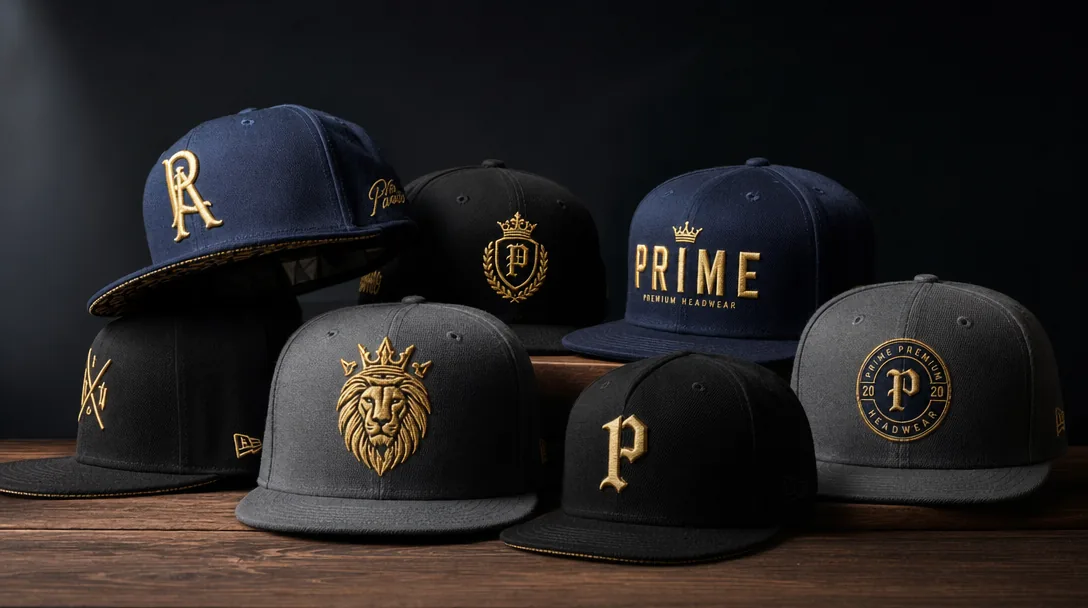
Custom Leather Patch Hat Low Minimum: A 2026 B2B Sourcing Guide
Read article →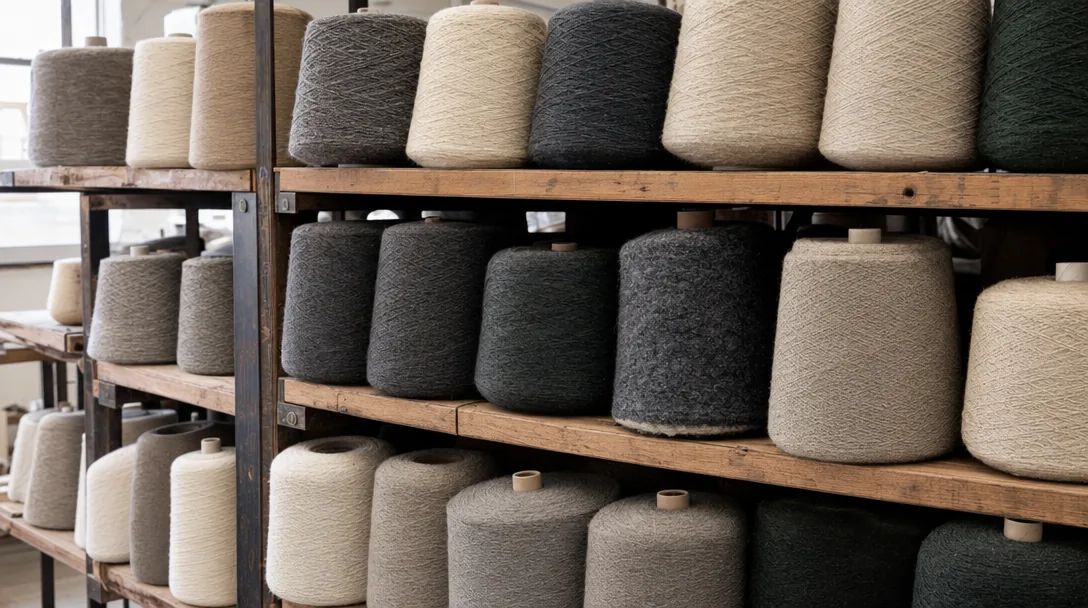
Mens Beanies: Properties, Costs and How to Spec It Right
Read article →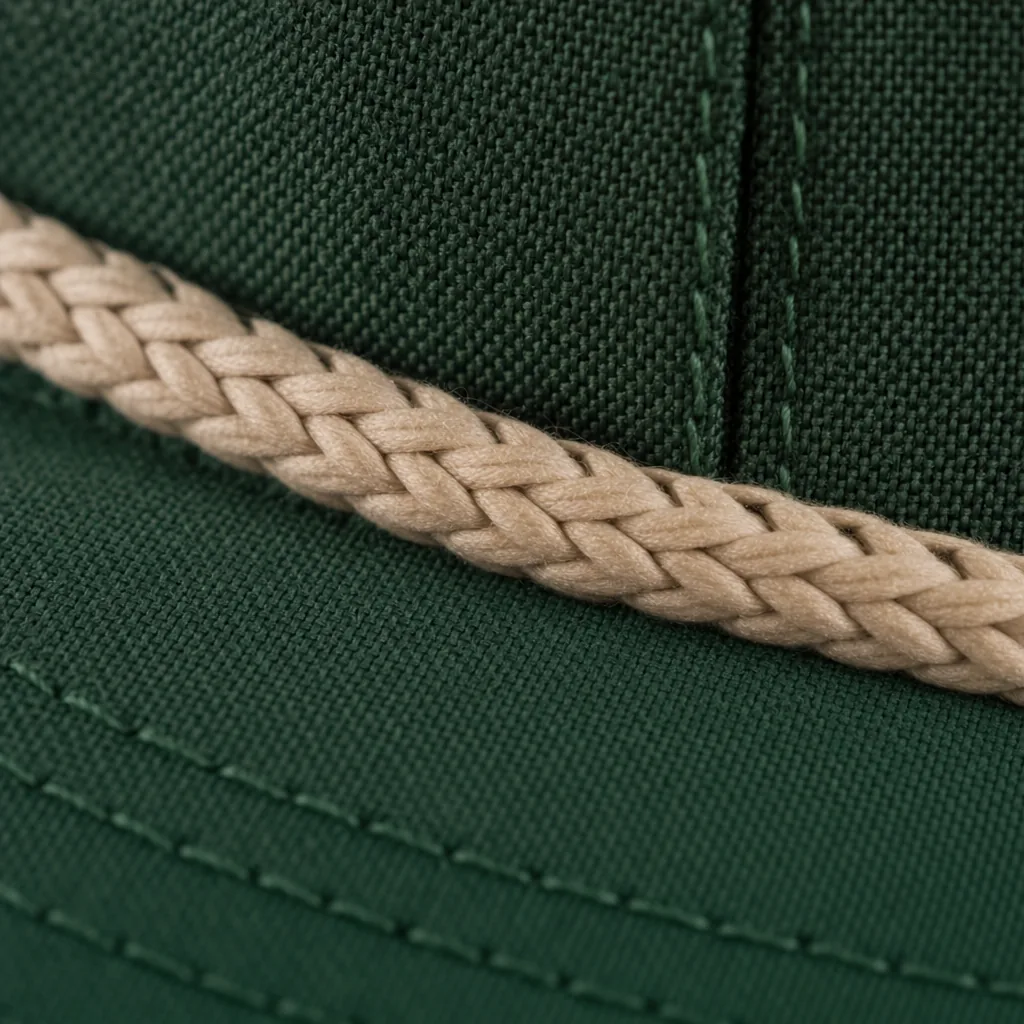
Custom Rope Hats: Manufacturing, Materials and Bulk Pricing (2026 Update)
Read article →Sourcing custom hats does not have to be complicated. With the right manufacturing partner, clear specifications and a small upfront investment in sampling, you can launch a retail-quality product in 30 to 45 days.