
Merino Wool Beanie: Properties, Costs and How to Spec It Right - Cost & MOQ Breakdown - Supplier Checklist
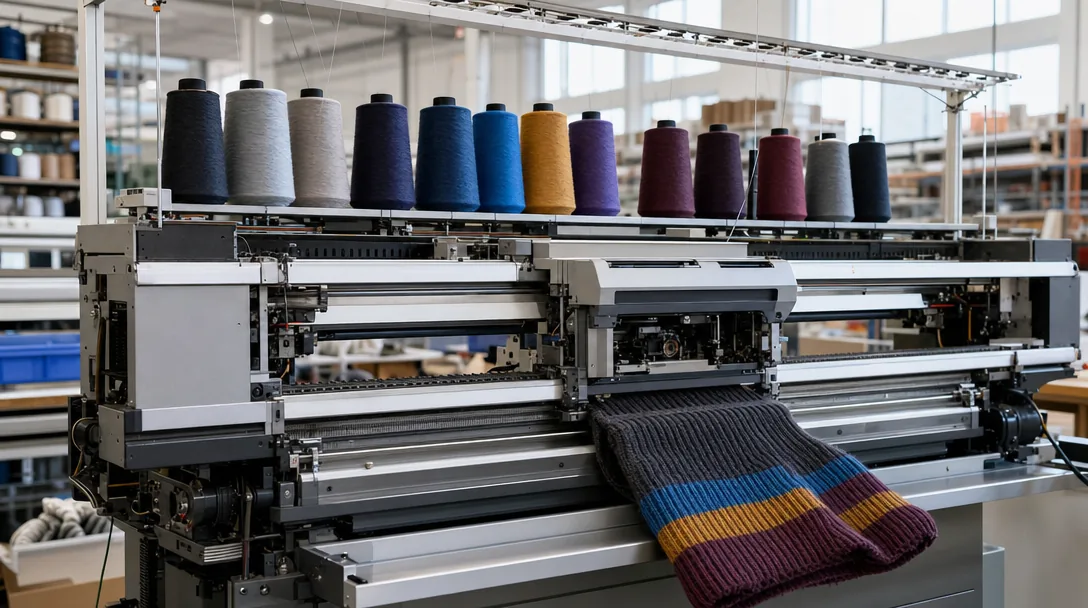
Every week, our sales team answers detailed questions about merino wool beanie: properties, costs and how to spec it right - cost & moq breakdown - supplier checklist. We wrote this guide so that wholesalers, streetwear brands, corporate buyers and promotional resellers can compare options with full information, and avoid the traps that show up only after production has started.
Acrylic Beanie
An acrylic beanie is the easiest cold-weather headwear to source because the yarn is cheap, the knit cycle is short, and most factories already have the right circular machines on the floor. The working spec should be explicit: 12G to 15G knit, 100% acrylic or an acrylic blend with 5% to 20% polyester for recovery, finished weight about 55 to 95 g for a standard cuffed cap, plus stated circumference, cuff height, crown construction, and whether the top is fully linked or closed with a cut-and-sew finish. Decoration needs the same discipline. Call out embroidery stitch count, backing, thread type, and placement tolerance, because stretchy knit bodies punish loose specs with puckering and distorted logos. If you are comparing it with a merino wool beanie, keep those construction variables aligned or you will end up comparing a better spec against a sloppy one.
MOQ for a basic acrylic beanie is usually 300 to 500 pieces per color, with 100 to 200 pieces possible if the factory is using stock yarn shades and a simple logo. In China, plain FOB pricing typically lands around $1.20 to $2.80 per piece; once you add jacquard patterns, pom-poms, woven labels, or dense embroidery, $2.50 to $4.50 is more realistic. Yarn cost is not the main driver. The real price jump comes from color matching, knit complexity, extra finishing, and how much hand labor the crown needs. Buyers often fixate on sample fees and ignore landed cost, carton volume, and rejection risk. That matters even more when comparing against a merino wool beanie, because wool usually carries a higher FOB but can justify it with better retail positioning and fewer complaints about itch and hand feel.
The recurring defects are predictable: pilling after a few wears, weak elastic recovery, loose top closure, dye-lot shade spread, and scratchy hand feel from low-grade fiber. Put the supplier on a wash test, stretch-recovery check, and pilling test to ASTM D3512 or an internal equivalent, then hold AQL 2.5 for knitting defects, size tolerance, and label placement. If the beanie is for promo use, add colorfastness to washing and perspiration so the logo does not bleed onto the cuff. The same inspection logic applies to a merino wool beanie, but the risk profile shifts toward shrinkage, felting, and fiber migration instead of pilling. CrownsForge’s standard practice is to lock the spec sheet before sampling, because once yarn, gauge, and finishing are fixed, most disputes are paperwork failures, not manufacturing mysteries.
Cotton Beanie
Before approving bulk, inspect shrinkage, twist after wash, thin ribs, loose crown linking, and color drift between lots. Ask for a pre-production sample, a size chart with tolerance bands, and a wash report showing under 5 percent shrinkage and colorfastness of grade 4 or better on the relevant ISO test, usually ISO 105-C06 for laundering. For branded programs, lock embroidery placement on the folded cuff, not the flat blank, because a logo that looks centered on the table can shift 5 to 8 mm once the cuff is turned in line. AQL 2.5 is normal for general apparel, but for visible branding I would tighten cosmetic limits on seam tension, cuff symmetry, and loose ends. Cotton will not match a merino wool beanie on warmth-to-weight or odor resistance, but it is the more rational spec when the buyer wants lower cost, easier care, and a cleaner retail price point than wool or acrylic.
Black Beanie Hat
A black beanie hat looks simple, but the spec still needs to read like a production sheet. For a merino wool beanie, call out fiber blend, yarn count, knit gauge, finished weight in grams, rib construction, fold-over height, crown shaping method, and acceptable shrinkage after laundering. In practice, 19.5 to 21.5 micron merino gives the soft hand premium buyers expect; anything coarser starts to feel closer to utility knitwear. A 7-gauge single-layer body will read warmer and bulkier than a tighter 12-gauge knit, while weak stitch tension is what causes crown twist, wavy ribs, or a cuff that flares after steaming. Use a Pantone TCX target for black, not just “black,” and define label position, woven label size, hangtag stock, and polybag thickness. If the buyer is comparing against an acrylic beanie or a corduroy hat program, the merino wool beanie still needs the same hard details: measurement tolerance, seam allowance, and packing spec.
MOQ is driven by yarn source and finishing, not just the hat style. A stock-yarn black beanie hat usually lands at 300 to 500 pieces per color, while custom-dyed yarn, jacquard patterns, or fully linked finishing push the realistic MOQ to 800 to 1,500 pieces. A merino wool beanie typically prices around $4.20 to $8.50 FOB at 300 to 1,000 units, depending on 100% merino versus a 50/50 wool-acrylic blend, gauge, and whether the factory steam-blocks and wool-washes in-house. Acrylic equivalents often sit at $1.20 to $3.00, which is why the cheaper hand feel is so tempting even when the shape recovery is worse. Quote FOB and DDP separately. Freight, duty, customs clearance, and last-mile delivery can add $0.70 to $2.50 per piece quickly, especially when the shipment is too small to justify sea freight.
The real failures are usually basic: pilling after a few wears, crown seam pop, loose cuff recovery, dye transfer, and a beanie that grows 1 to 2 cm after steaming or the first wash. Ask for yarn certificates, fiber-content verification, wash and rub colorfastness, a post-wash measurement table, and AQL 2.5 inspection against a clear defect map. For a merino wool beanie, I would also require pilling test results, dimensional stability at 30 C, and shrinkage tolerance no higher than 3 to 5 percent after washing, because premium retail buyers will reject anything that looks tired after one laundering. CrownsForge’s standard practice is to approve the black beanie hat and the merino wool beanie spec in the same sample round, so the buyer can judge hand feel, crown shape, and landed cost before deciding whether the wool upgrade actually earns its margin.
Slouchy Beanie
A slouchy merino wool beanie is simple only until you write the spec. The body is usually knit on a 7G to 12G flat knitting machine, then linked or fully fashioned so the crown has enough extra length to drape instead of standing up. For a clean program, lock yarn count, fiber blend, micron, finished body length, cuff height, and post-wash shrinkage; a vague “soft hand” note is not enough. In practice, 100% merino or a 70/30 merino-acrylic blend are the usual lanes. The blend cuts cost and improves durability, but twist level, staple quality, and finishing decide whether the merino wool beanie pills after a few wears or keeps a tight surface. I would also specify shade standard to Pantone TCX and set a Delta-E tolerance, because knit dye uptake shifts more than buyers expect, especially on deeper heather tones.
MOQ and pricing are driven by yarn source and dye lot control, not by the logo placement. A realistic factory MOQ is 300 to 500 pieces per color for stock yarn, and 800 to 1,200 pieces if you want custom-dyed merino; below that, mill charges and waste usually make the quote unstable. FOB China pricing commonly lands around $4.20 to $7.80 for blended yarn and $7.50 to $13.50 for higher-grade merino, depending on micron, gauge, stitch density, and whether you add embroidery, a woven patch, or a leather tab. Add roughly $0.60 to $1.20 for woven labels, $0.30 to $0.80 for a rubber patch, and $0.25 to $0.50 for individual polybags with barcode stickers. That math does not track with a cut-and-sew cap program; knitwear labor is dominated by linking, hand finishing, and shrink control.
QC needs to start with fabric behavior, not a quick visual check. Measure pilling to ISO 12945 or a Martindale rub result, confirm torque so the crown does not twist after washing, and record slouch depth in both relaxed and steamed states. The failures I see most often are uneven rib tension, shade variation between dye lots, broken needle marks, contamination from mixed fibers, and hats that grow 1.5 to 2.5 cm after wear because the yarn was over-relaxed. Our standard practice is to freeze a pre-production sample, a size set, and a 30 C wash plus flat-dry test before bulk, then lock the tech pack with tolerances for circumference, body length, cuff height, and minimum acceptable pilling grade. If the merino wool beanie sits inside a broader knit assortment, that discipline matters more than the brand on the label, because it is the only way to stop one weak batch from slipping through under a seasonal order.
Cotton Beanie Men
For a cotton beanie men program, the right starting point is not the product name but the construction. Standard builds are 100% combed cotton jersey or 2x2 rib, cut-and-sewn on overlock machines with a self-fabric turn-up or binding finish. Specify 180-240 gsm for a lighter retail beanie and 260-320 gsm when you want a denser hand feel and less collapse after wear. Put the technical numbers in the pack: crown height, opening circumference, seam allowance, stitch density, label method, and shrinkage under 5% after a 30 C wash with flat drying. Lock Pantone TCX values, not loose color names. If you are comparing it to a merino wool beanie, hold both to the same yardstick on yarn count, gauge, wash test, and dimensional tolerance, or the comparison is meaningless.
MOQ and pricing only make sense after the spec is frozen. A basic cotton beanie men order typically starts at 300-500 pcs per color with stock fabric, then rises to 800-1,000 pcs once you add custom dyeing, woven labels, private packaging, or a specialty wash. In Yiwu and the nearby knitwear network, ex-works pricing for a plain solid beanie often sits around $1.80-$3.20 at 500 pcs, then $3.50-$5.50 with embroidery, a woven patch, enzyme wash, or branded packaging. Those jumps come from fabric weight, rib recovery, and finishing loss, not just sewing labor. A merino wool beanie usually runs 3-5x higher because the yarn cost is real and shrink control is stricter, so cotton stays the lower-risk option for streetwear drops, promotions, and seasonal replenishment.
Inspection should target the faults that actually escape production: twisted crown, uneven rib tension, seam puckering, label skew, shade drift, and carton-to-carton size spread. I would hold circumference within 1 cm, reject visible shade drift above roughly 2 Delta-E between lots, and run a 2,000-cycle Martindale or controlled rub test for pilling before bulk approval. For export orders, AQL 2.5 is the normal baseline, but it is not enough by itself; require a pre-production sample, a top-of-production sample, and a sealed size set before cutting bulk. CrownsForge’s standard practice is to treat fabric spec and sewing spec as separate controls, because once both drift together, recovery gets expensive fast. The same discipline applies whether you are buying a merino wool beanie, a bucket hat women line, or a corduroy hat men's program: lock the material first, then audit the construction.
100 Acrylic Beanie
A 100% acrylic beanie is usually the lowest-friction knit option because the yarn is cheap, predictable, and easy to source in 3/5-gauge or 7-gauge circular knit construction. Most factories run bulk-spun acrylic or acrylic/nylon blends on computerized flat-bed machines, then close the crown, wash, dry, and finish with a woven label, TPU patch, or embroidery. For a plain solid-color style, a realistic MOQ is 300 to 500 pieces per color, with sample development around USD 20 to 60 per style. In bulk, expect about USD 1.20 to 2.80 FOB for basic construction, with jacquard, cable knit, brushed lining, or a double-layer cuff adding cost quickly. That is the value tier of a winter line, while a merino wool beanie sits in the premium slot because the fiber itself changes the economics.
The spec sheet needs to be tighter than most buyers write it. Lock yarn count, filament type, yarn origin, gauge, finished weight in grams, crown shaping, cuff height, stretch recovery, and color standard by Pantone TCX or approved lab dip, not a vague “close to sample” note. For acrylic, specify whether you want standard acrylic, high-bulk acrylic, or anti-pilling acrylic, because handfeel, loft, and FOB pricing move materially between those constructions. Also define pilling grade target, seam type, label attachment method, and wash performance after 5 cycles at 30 C. Our standard practice is to reject any quote that just says “acrylic” until the mill, denier, and yarn structure are clear enough to price against a merino wool beanie on equal terms.
The common failures are predictable: loose crown decreases, rib that bags out after wear, linting in the first two weeks, and dye-lot spread between production runs. I would inspect random cartons at AQL 2.5 for panel symmetry, finished measurements, seam slippage, and shade consistency, then run a manual stretch-and-recovery check before packing. Ask for pilling testing, colorfastness to rubbing, and a pre-production seal sample made with actual bulk yarn, not a hand-knit substitute. Merino usually lands around USD 4.50 to 12 FOB depending on blend, gauge, and finishing, but it buys better temperature regulation, lower odor retention, and a stronger retail story. If the program needs a volume driver, acrylic is the workhorse; if the buyer is paying for feel and positioning, the merino wool beanie usually wins.
Working with CrownsForge for merino wool beanie programs
A merino wool beanie program wins or loses in sampling, not on the quote sheet. Start with a physical handfeel standard, then lock the yarn count, stitch gauge, crown shaping, and wash behavior before anyone argues about price. For a first order, budget 7 to 10 days for knitting and decoration samples, then another 3 to 5 days if the Pantone TCX shade, crown depth, or fit needs a correction round. Merino is not acrylic: it has better loft and warmth-to-weight, but it also relaxes differently after washing, so the spec needs pre-wash and post-wash measurements, a clear shrinkage target, and a stated tolerance. In practice, 3% to 5% shrink is normal depending on yarn blend and finishing, and the only way to avoid surprise is to measure both relaxed and washed dimensions on the same sample.
MOQ flexibility matters because most buyers do not need 5,000 units to test a merino wool beanie style. For plain knit caps, 200 to 300 pieces per color is realistic when the yarn is stock-supported; custom-dyed yarn, jacquard, intarsia, or mixed-material trims usually push the minimum to 500 pieces or more. Decoration is usually the real cost lever. Flat embroidery on Tajima, Barudan, or ZSK heads is straightforward, but 3D puff, woven labels, and knitted-in logos add labor, setup time, and reject risk if the DST file is loose or the stitch density is wrong. A clean 8 cm logo hit typically adds $0.35 to $0.80 per piece, while a woven label plus sew-on patch stack can add another $0.20 to $0.50, depending on trim quality and placement.
The part first-time buyers underestimate is compliance and order control. A solid merino wool beanie PO should state wool percentage, finished weight in grams, shrinkage limits, yarn twist, label copy, and the required audit or social compliance status, such as sedex-audit-cap-supplier-guide.html">BSCI 2.0 or Sedex SMETA 4-Pillar where the buyer’s channel asks for it. Our standard practice is a stage-gate flow: yarn approval, knitting, trimming, decoration, AQL 2.5 inspection, packing, and carton label verification. That sequence catches the expensive misses early, like a wrong barcode, a size sticker in the wrong language, or a cap that measures correctly off the machine but fails after steaming. Buyers who treat a merino wool beanie as a simple winter basic usually skip these controls, then pay for it in rework, air freight, or retailer chargebacks.
Frequently Asked Questions
What is the minimum order quantity (MOQ) for custom hats?
Our standard MOQ is 100 pieces per design and color, with sampling available from 1 piece. For complex multi-color logos or premium fabric upgrades, the MOQ can be lowered with a small per-piece surcharge.
Which shipping methods do you support?
We support FOB, CIF and DDP shipping. Air express for samples and small orders, sea LCL for 100 to 500 pieces, sea FCL for 5,000+ pieces. Door-to-door DDP available for US, EU, UK, Canada and Australia.
Do you support sustainability certifications?
Yes. We work with GOTS organic cotton, GRS-certified recycled polyester, OEKO-TEX Standard 100 fabrics, and are BSCI and Sedex audited. Certification documentation can be provided per order.
Can I order a sample before bulk production?
Yes. We strongly recommend approving a pre-production sample before mass production. Samples are charged at 35 to 60 USD each plus express shipping, fully refundable against confirmed bulk orders over 500 pieces.
What file format should I send for my logo?
Vector files (AI, EPS, PDF) are ideal. High-resolution PNG or JPG at 300 dpi on transparent background works as a fallback. Provide Pantone color references for accurate reproduction.
What should buyers know about black bucket hat men?
When evaluating black bucket hat men, the key considerations are construction quality, decoration capability, MOQ flexibility and lead time. Cover everything buyers ask about black beanie hat: how it's manufactured, what specs to request from a factory, typical MOQ and pricing, common quality issues to inspect for, and how this ties back to the broader merino wool beanie sourcing decision. Cover everything buyers ask about cotton beanie men: how it's manufactured, what specs to request from a factory, typical…
What should buyers know about kangol bucket hat mens?
When evaluating kangol bucket hat mens, the key considerations are construction quality, decoration capability, MOQ flexibility and lead time. Cover everything buyers ask about black beanie hat: how it's manufactured, what specs to request from a factory, typical MOQ and pricing, common quality issues to inspect for, and how this ties back to the broader merino wool beanie sourcing decision. Cover everything buyers ask about acrylic beanie: how it's manufactured, what specs to request from a factory, typical MOQ…
What should buyers know about corduroy hat womens?
When evaluating corduroy hat womens, the key considerations are construction quality, decoration capability, MOQ flexibility and lead time. Cover everything buyers ask about black beanie hat: how it's manufactured, what specs to request from a factory, typical MOQ and pricing, common quality issues to inspect for, and how this ties back to the broader merino wool beanie sourcing decision. Cover everything buyers ask about acrylic beanie: how it's manufactured, what specs to request from a factory, typical MOQ…
What should buyers know about acrylic beanie hat?
When evaluating acrylic beanie hat, the key considerations are construction quality, decoration capability, MOQ flexibility and lead time. Cover everything buyers ask about acrylic beanie: how it's manufactured, what specs to request from a factory, typical MOQ and pricing, common quality issues to inspect for, and how this ties back to the broader merino wool beanie sourcing decision. Cover everything buyers ask about black beanie hat: how it's manufactured, what specs to request from a factory, typical MOQ…
Are merino beanies worth it?
If you value sustainability, comfort, durability, and superior thermal performance, a merino wool beanie is a smart and stylish investment. Despite the higher upfront cost, the long-term benefits—including shape retention, moisture management, and odour resistance—make it a practical addition to your wardrobe.
Is merino good for a beanie?
Made for all your outdoor adventures, merino is soft on skin, easy to layer and naturally temperature regulating and odour resistant. A fitted beanie, it's perfect for wearing under hoods or helmets while out hiking, climbing, skiing or mountain biking.
Are merino wool beanies worth it?
A: Yes, Merino wool is excellent for hats because it is breathable, quick drying, and temperature-regulating, providing comfort in various weather conditions.
Is merino yarn good for beanies?
Additionally, wool has a certain level of stretch to it, making it great for beanies. However, there are different types of wool you can choose from: - Merino wool comes from merino sheep and is known to be very fine and soft. It can be used for anything from socks to hats.
Is a merino wool beanie itchy?
Merino wool is finer and softer than other kinds of wool, which makes it less itchy. Its fibers are very short in length and smaller in diameter, which makes it a whole lot softer and gentler on the skin.
Need a low-MOQ test order?
We help emerging brands launch with as few as 100 pieces. Premium fabric, in-house embroidery, retail-ready packaging.
Start a small orderRelated guides
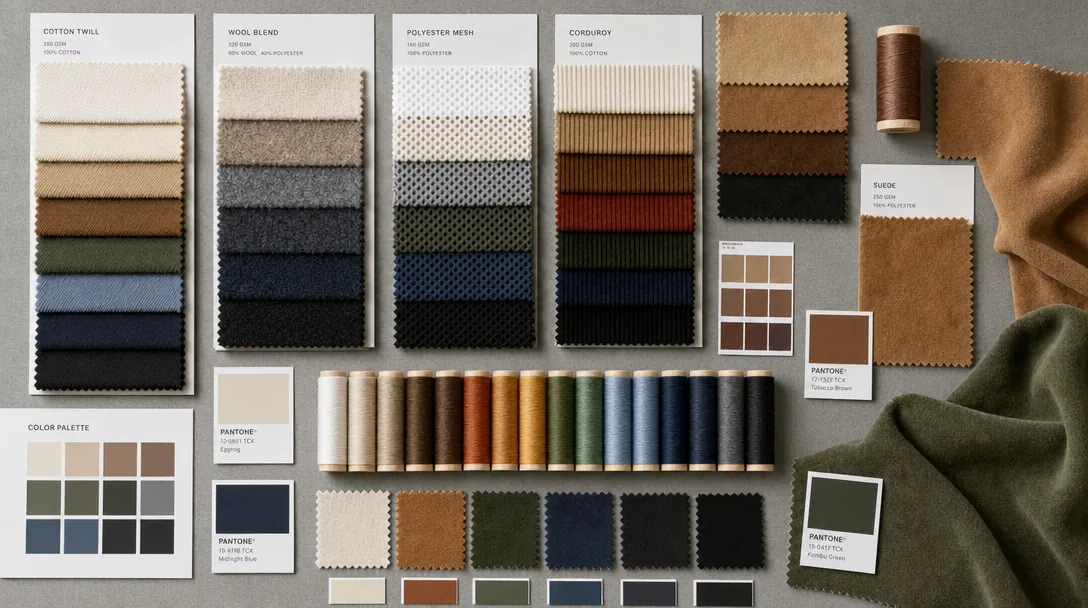
Camouflage Bucket Hat: Properties, Costs and How to Spec It Right (2026 Update)
Read article →
Refreshing a Hat Collection: A Repeat-Order Playbook for Established Brands
Read article →
Embroidery Hats Machine: When to Use It, Costs, and What to Ask Your Factory - Cost & MOQ Breakdown
Read article →We hope this guide demystifies merino wool beanie: properties, costs and how to spec it right - cost & moq breakdown - supplier checklist and helps you move forward with confidence. If you have questions specific to your project, our English-speaking sales engineers are one message away.